Explainer
What a Luxury Midsize Sedan Really Costs Over Five Years
A $30,000 to $45,000 sticker gap between a Honda Accord and a BMW 5 Series or Mercedes E-Class typically widens by another $5,000 to $25,000 across five years once depreciation, dealer labor, insurance, and specialty tires are counted.
Updated November 12, 2026 · Based on 10 sources · How we research
Buyers cross-shopping a BMW 5 Series against a Honda Accord usually compare two monthly payments and call that the financial picture. It is not. The payment reflects the sticker price and the interest rate. It does not reflect what happens to resale value in year three, what a dealer charges to replace a water pump at hour three, what insurance costs when the bumper houses radar modules, or what a set of 20-inch run-flat tires costs on the way to year five. Count those, and the real five-year cost of a Mercedes E 450 4MATIC runs roughly $63,000 above a Honda Accord, when the sticker gap alone is about $45,000. This guide is for a reader who has the budget for a luxury sedan and wants to know whether it will hold up as a financial decision, or whether the near-luxury and mainstream sedans on the 2026 midsize sedan ranking give back most of the experience for a fraction of the total outflow.
Depreciation does most of the damage, and luxury loses faster
iSeeCars' 2026 resale data puts the BMW 5 Series at a 61.4 percent five-year depreciation rate. The Mercedes-Benz E-Class depreciates 51.5 percent, leaving a residual value of $31,614 after five years per iSeeCars' E-Class tracker. Step up a size class and it gets worse: the BMW 7 Series loses 61.8 percent over five years and the fully electric i7 loses 73.6 percent, retaining just 26.4 percent of its MSRP.
Mainstream sedans lose less of their value and lose it more slowly. For a $28,395 2026 Honda Accord, five years of ownership total about $44,521 per RankGrids data, where the same five years on a BMW 540i xDrive total about $87,500. The gap is not because the Honda is a better car; it is because the BMW's sticker includes a brand premium that evaporates the moment the title transfers.
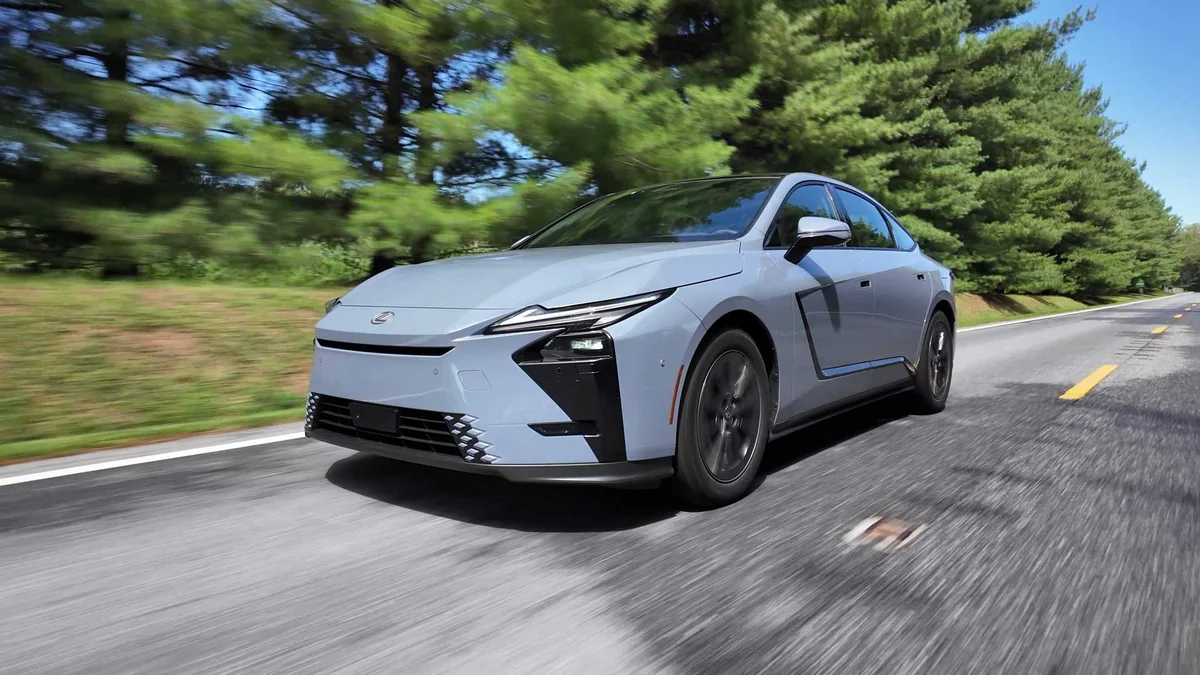
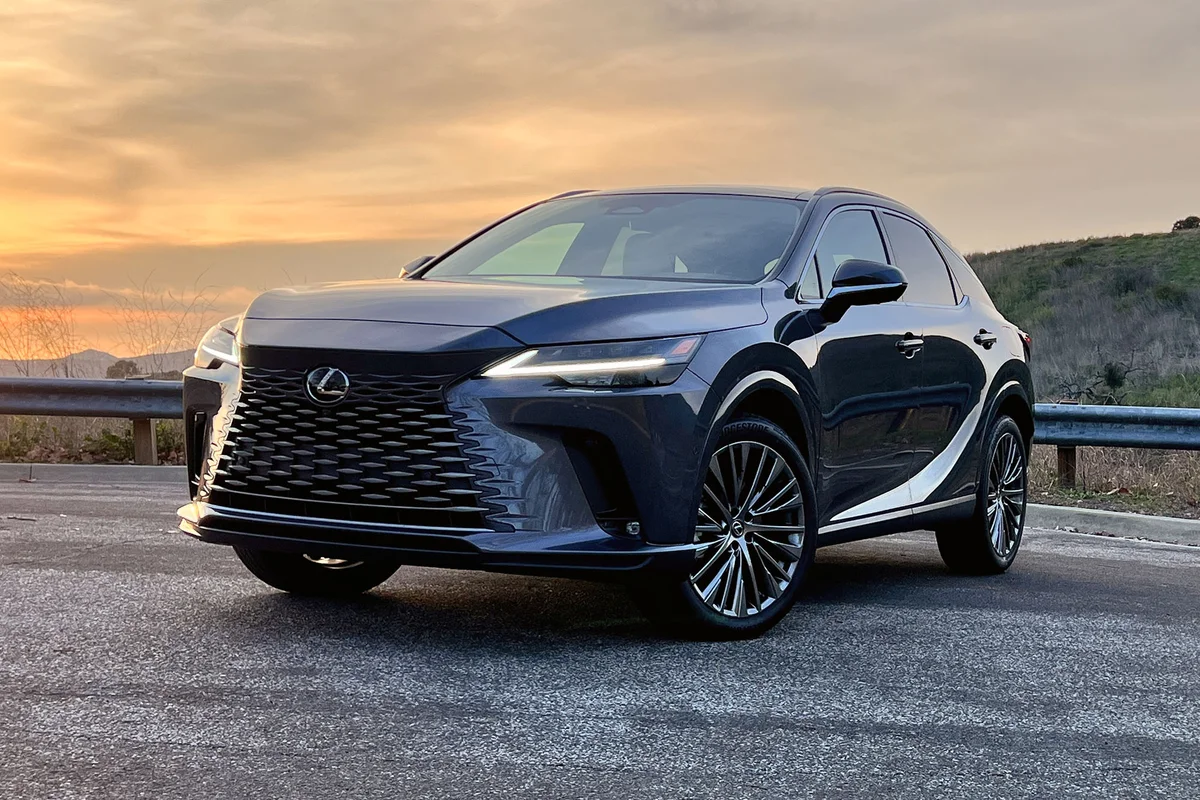
Within luxury, retention varies sharply. The 2026 Genesis G80 3.5T retains 7.3 percentage points more value than the BMW 5 Series at the five-year mark per iSeeCars' direct comparison (54.1 percent depreciation versus 61.4 percent). Lexus, Toyota's luxury division, likewise outperforms the German trio on retention, which is why the 2026 Lexus ES 350h delivers one of the lowest five-year ownership totals in the segment at $55,223.
Luxury dealer labor runs $200 or more per hour
BMW and Mercedes-Benz dealership labor in major U.S. metros often reaches $200 or more per hour, per Pulscar's 2026 dealership-versus-independent comparison. Mainstream dealers fall within the broader $150 to $250 per hour dealership range, independent shops run $90 to $140 per hour, and European-car specialists charge $130 to $170 per hour. On any job that takes more than an oil change, a $50 to $100 per-hour spread between a BMW dealer and an independent compounds fast.
A water-pump job, common at 60,000 to 90,000 miles on turbocharged German sixes, is typically eight to twelve hours of labor at a BMW dealer, which can mean $1,600 to $3,000 in labor alone before a single part is installed. A European-car specialist shaves 25 to 35 percent off that bill, but the specialist population is concentrated in larger metros.
RepairPal's E350 maintenance tracker records annual service costs for the Mercedes E350 at close to $800 per year, meaningfully above what RepairPal records for mid-size mainstream sedans. The W214 E-Class also requires dealer-level scan tools (XENTRY) for many procedures that would be straightforward at an independent on an older W212, which tightens the service options for an out-of-warranty owner.
Luxury full-coverage insurance runs about 40 percent above the national average
Luxury vehicles average $2,508 per year for full coverage, roughly 40 percent above the national average for standard vehicles, per MoneyGeek's luxury-car insurance analysis. The reasons carriers cite are consistent: higher replacement value, more expensive parts, specialized body-shop certification, and restricted repair networks that limit price competition on claims.
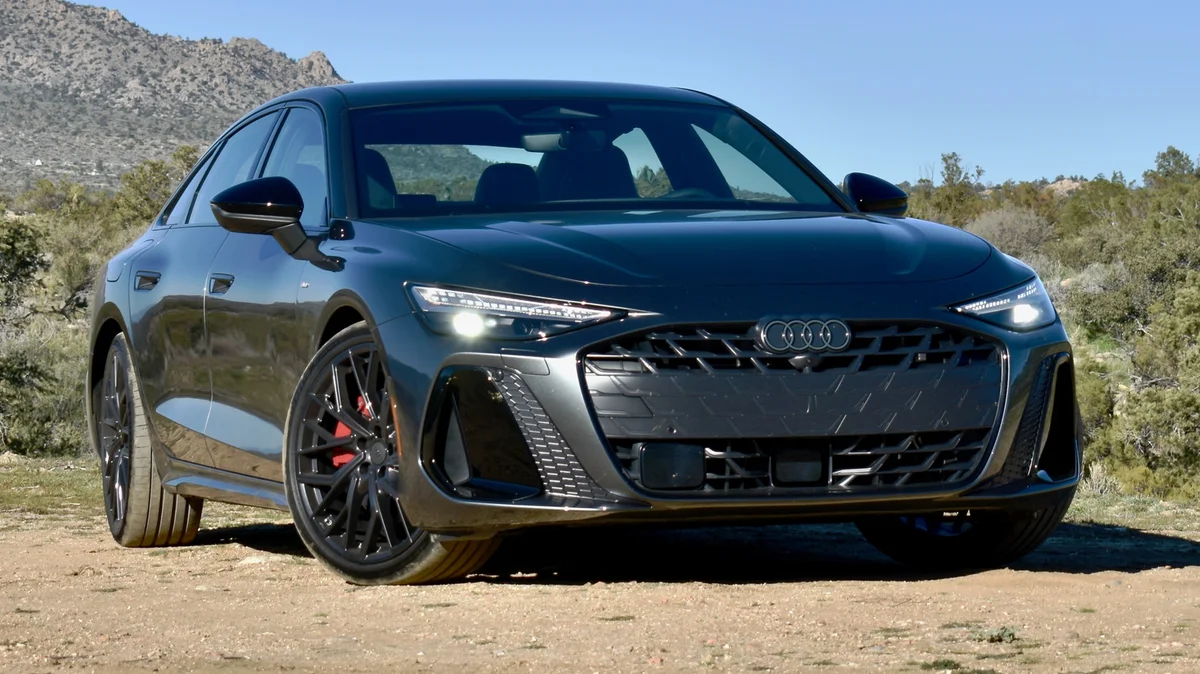
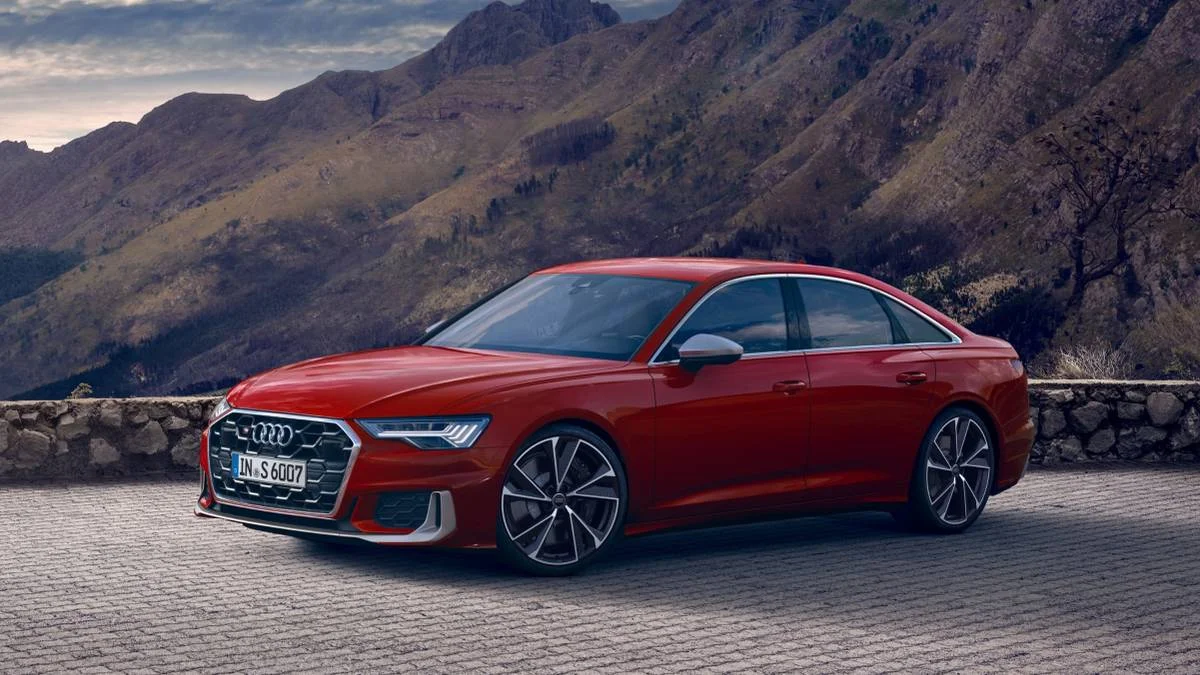
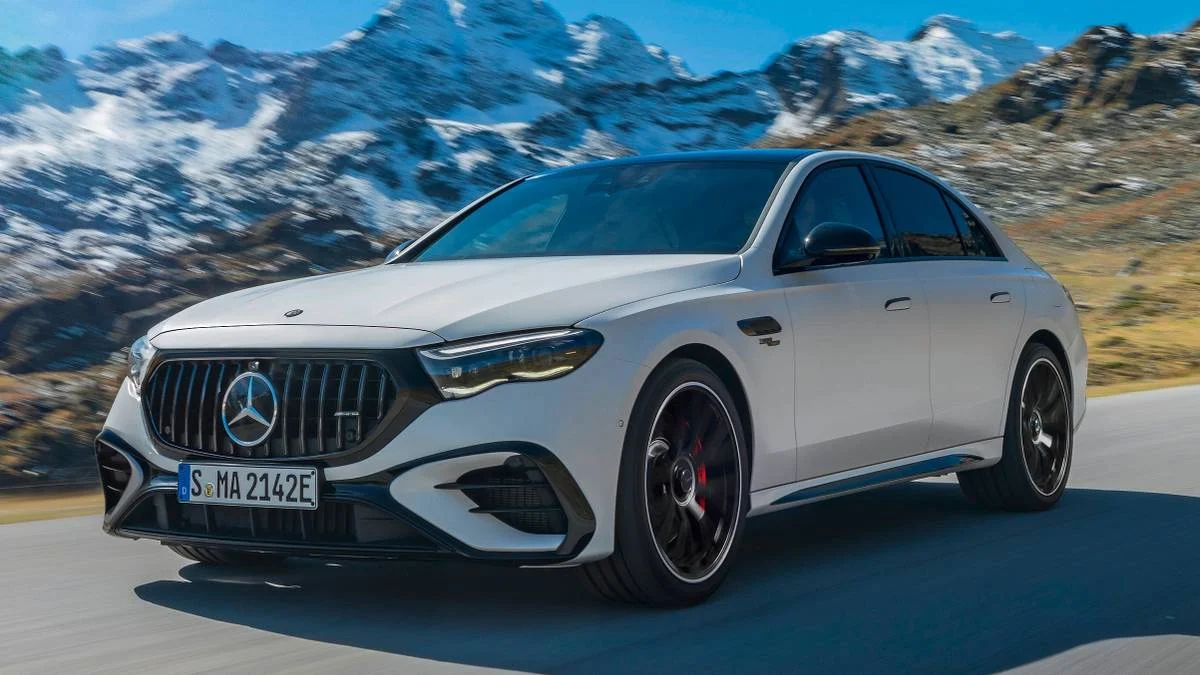
Performance variants widen the spread further. The 2026 Mercedes-Benz AMG E 53 and 2025 Audi S6 sit meaningfully above their non-AMG and non-S siblings for the same carrier reasons, plus higher theft risk and larger payouts on total losses. Over five years, the premium differential against a mainstream sedan typically adds a few thousand dollars to total cost of ownership before performance surcharges are factored in.
Run-flat tires and oversized brakes are a recurring wear-item tax
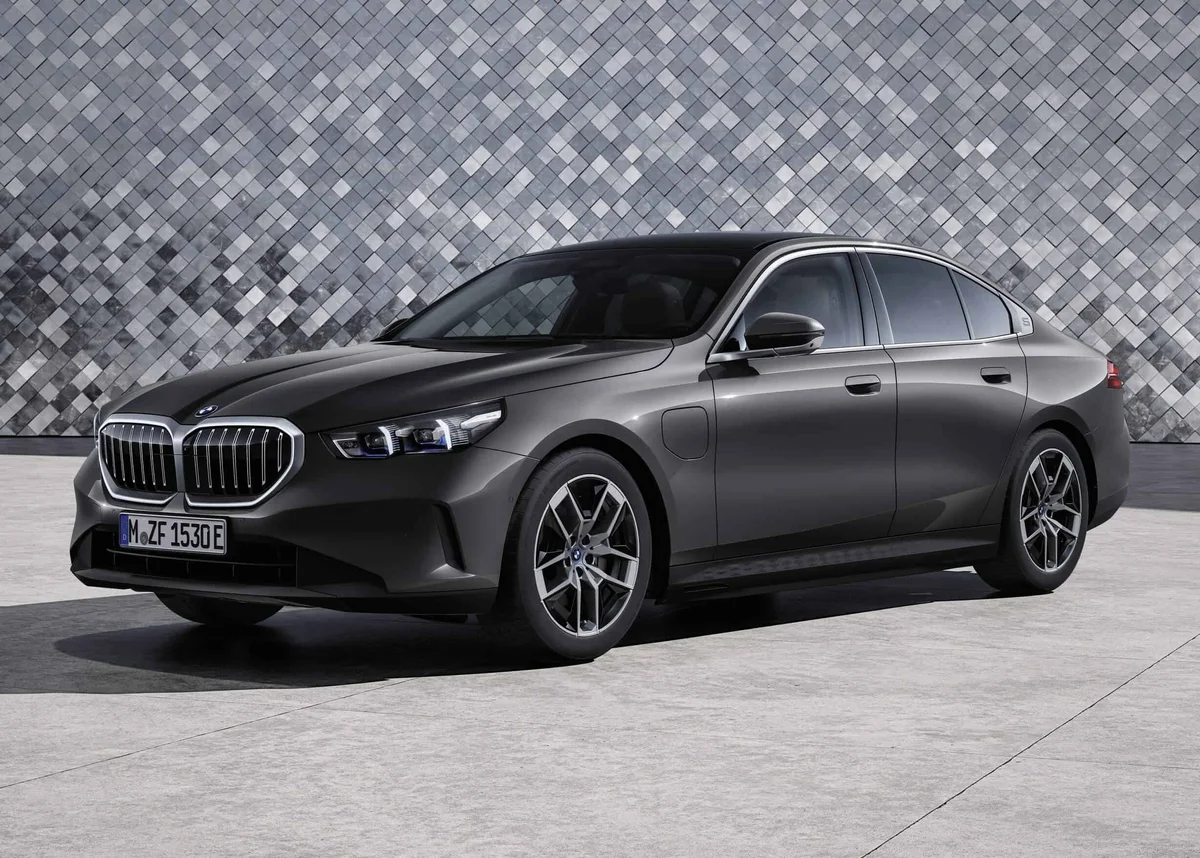
BMW's standard fitment of run-flat tires on the 5 Series is a recurring cost. Standard run-flats for 19 to 21-inch 5 Series wheels run $150 to $300 each, with performance run-flats at $200 to $400 each. Full sets installed ring up at $680 to $1,680, per BimmerBoom's run-flat pricing guide. A Honda Accord on 17 or 18-inch all-seasons replaces for roughly half as much per set. Over two tire sets in a five-year ownership window, that spread can add $500 to $2,000 to the BMW's tire budget.
Brakes scale with the hardware. The 2026 BMW 540i xDrive stops from 70 mph in 124 feet, and the AMG E 53 does it in 107 feet per RankGrids' recorded figures, which requires larger rotors, performance pads, and in many cases dealer-level sensor recalibration. A pad-and-rotor service at a luxury dealer typically costs several times what the same job costs on a mainstream sedan. BMW LL-04 synthetic oil and specific transmission and brake-fluid specs are also priced for the badge, and warranty-compliant service requires them.
Side by side: what 2026 models actually cost to own
The table below uses RankGrids' five-year total cost of ownership figures, which bundle depreciation, financing, fuel, insurance, maintenance, repairs, taxes, and fees for a typical owner financing at market rates and driving about 15,000 miles annually. The 2026 Audi A6 total matches CarEdge's A6 cost model at the dollar; the others draw on RankGrids' internal composite.
| Model | Starting MSRP | 5-Year TCO |
|---|---|---|
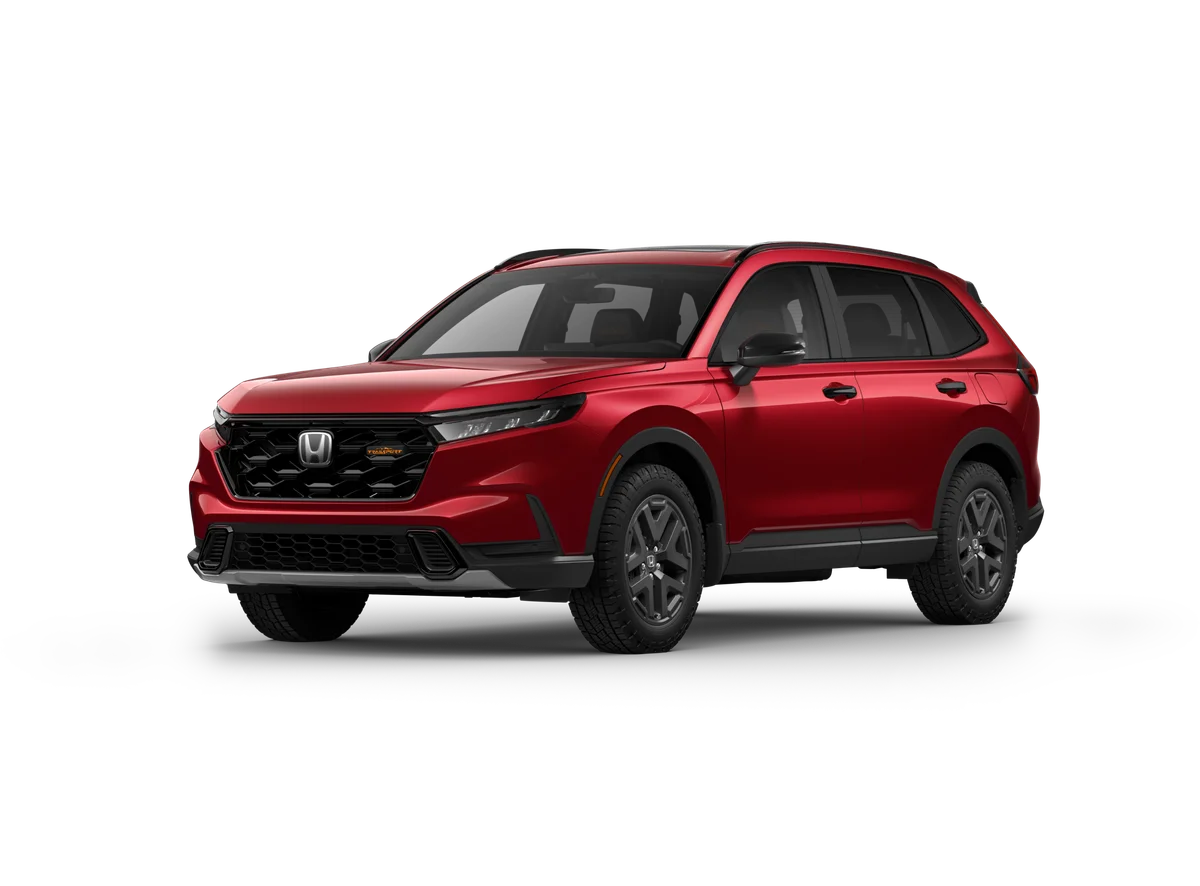
| 2026 Honda Accord | $28,395 | $44,521 |
| 2026 Honda Accord Hybrid | $34,990 | $38,500 |
| 2026 Lexus ES 350h | $49,700 | $55,223 |
| 2026 Audi A6 | $65,395 | $71,792 |
| 2026 BMW 540i xDrive | $67,700 | $87,500 |
| 2026 Mercedes E 450 4MATIC | $73,550 | $108,000 |
What those totals look like as an annual cash drain
A Honda Accord against a BMW 540i xDrive is a $39,305 sticker gap. Across five years, the TCO gap widens only modestly, to about $42,979, or an extra $8,596 per year. A Honda Accord Hybrid against a Mercedes E 450 4MATIC is a $38,560 sticker gap that balloons to about $69,500 across five years, or $13,900 per year, because the E 450 depreciates harder, carries steeper dealer labor, and uses more expensive consumables. The badge you choose decides how much the sticker gap compounds.
Note where the ratio compresses. The 2026 Lexus ES 350h at a $49,700 sticker lands at $55,223 TCO, only about $5,500 above sticker, because Lexus retains value aggressively and the hybrid powertrain pulls fuel cost down. If TCO is the gating variable and you still want a luxury badge, Toyota's luxury division is the honest answer.
When buying a luxury sedan new is still the right call
Three cases survive the math. First, a short lease. On a 36-month lease the depreciation differential is absorbed through residual math, and you are off the car before the long-tail maintenance curve bites. Second, a business use case where mixed-use vehicles over 6,000 pounds GVWR can access accelerated depreciation; most midsize sedans fall under that threshold and only qualify for standard depreciation.
Third, hardware you actually want. The 2026 Mercedes-Benz AMG E 53 pairs a 577-hp plug-in hybrid powertrain with a 43-mile EV range per the RankGrids spec sheet; the 2025 Audi S6 runs a 444-hp biturbo V6 with standard quattro; the 2026 BMW 540i xDrive pairs a 375-hp twin-turbo six with a class-leading 18.4 cubic foot trunk. None of these drivetrains are replicated in mainstream sedans. If you drive enthusiastically on back roads, or if the AMG E 53's PHEV commute specifically matches your routine, that is hardware value, not a brand tax. See the Genesis G80 3.5T versus BMW 540i xDrive versus AMG E 53 head-to-head for the direct trade-offs.
There is also a near-luxury middle path. The 2026 Genesis G80 3.5T is priced near the European flagships but retains more value and carries a 10-year, 100,000-mile powertrain warranty, the longest among U.S. luxury makers, per Genesis USA's ownership page. The bumper-to-bumper coverage is 5 years or 60,000 miles, so the headline 10/100k figure applies to the powertrain only.
The CPO workaround: let someone else eat the depreciation
The cheapest way to own a luxury midsize sedan is to buy one from someone who already absorbed the first three to four years of depreciation. BMW's Certified Pre-Owned program extends the balance of the original new-vehicle warranty with additional CPO coverage, and vehicles must pass a multi-point inspection before listing, per BMW USA's CPO program. Mercedes and Audi run similar programs.
Using iSeeCars' 61.4 percent five-year depreciation figure for the 5 Series, a three-year-old 540i xDrive carries roughly 40 to 45 percent of its depreciation behind it, which puts a 35,000-mile example in the low-to-mid $40,000s against an original $67,700 MSRP. The buyer gets current-generation BMW engineering and a modest extended warranty without funding the first owner's brand tax. The trade-off: you inherit any fluid-service deferrals the first owner skipped, which is why the CPO inspection and dealer selection matter more than the badge on the hood.
The short version
Luxury midsize sedans carry a real financial premium that compounds across depreciation, dealer labor, insurance, and specialty tires. Across five years, that premium is modest against a BMW 540i and dramatic against a Mercedes E 450. Buy new if the hardware (AMG, M, S), a short lease, or a business write-off justifies the extra $40,000 to $65,000 in total outflow. Buy certified pre-owned if you want German engineering at close to mainstream total cost. Stay near-luxury with Genesis or Lexus if TCO is the gating variable: they close most of the experience gap without the resale freefall. Stay mainstream with the Honda Accord if the money matters more than the badge, which, for most buyers across five years, it does.
See Best Midsize Sedans of 2026Questions people ask
How much does a luxury midsize sedan actually cost to own over five years?+
Per RankGrids 2026 five-year totals: BMW 540i xDrive about $87,500, Mercedes E 450 4MATIC about $108,000, Audi A6 about $71,792, Lexus ES 350h about $55,223. The Honda Accord sits at about $44,521 and the Accord Hybrid at $38,500. Full luxury runs roughly 1.6 to 2.4 times the mainstream total depending on the badge.
How fast does a luxury sedan depreciate?+
Per iSeeCars 2026 data, the BMW 5 Series loses 61.4 percent of value over five years, the Mercedes E-Class loses 51.5 percent, and the Genesis G80 loses 54.1 percent. In the size class above, the BMW 7 Series loses 61.8 percent and the electric BMW i7 loses 73.6 percent.
Is it worth buying a luxury sedan new?+
Only if you lease short-term, have a business use case, or specifically want hardware not available elsewhere (AMG, M, or S performance variants). Otherwise, a three- to four-year-old certified pre-owned example captures the experience at close to half the sticker, after the steepest depreciation year is behind you.
What are the hidden costs of owning a BMW or Mercedes sedan?+
Luxury dealer labor at about $200 or more per hour per Pulscar, luxury full-coverage insurance averaging $2,508 per year per MoneyGeek (roughly 40 percent above the national average), BMW run-flat tire sets at $680 to $1,680 installed per BimmerBoom, Mercedes E350 annual maintenance near $800 per RepairPal, and brand-specific fluids and parts that warranty service requires.
Should I buy a luxury or a mainstream midsize sedan?+
Mainstream if total cost of ownership is the deciding variable. Near-luxury (Genesis G80, Lexus ES) if you want a luxury-grade cabin without luxury depreciation. Full luxury (BMW, Mercedes, Audi) if you are leasing short-term, driving the hardware hard enough to use it, or buying certified pre-owned to skip the first owner's depreciation hit.
Which luxury midsize sedan is cheapest to own?+
The Lexus ES 350h at roughly $55,223 over five years per RankGrids' composite, driven by 46 mpg combined and Lexus' comparatively flat depreciation curve. The Genesis G80 is competitive once you factor in the 10-year/100,000-mile powertrain warranty for the original owner.
Why do BMWs and Mercedes-Benzes depreciate so quickly?+
The MSRP includes a brand premium that evaporates at title transfer, and used buyers avoid out-of-warranty luxury repair exposure, so they bid these cars down. Lease returns also flood the used market on a predictable cycle, which further compresses resale values for recent 5 Series and E-Class examples.
Does a certified pre-owned luxury sedan have worse reliability than a new one?+
Not materially, if the car is still under its original factory warranty and the CPO program extends coverage further. A CPO BMW must pass a multi-point inspection before listing. The main risk is inheriting service deferrals from the first owner, which is why dealer selection matters.
Sources
What this guide is based on. We research from published specifications, independent reviews and owner reports; we did not test these products ourselves.
- 1.BMW 5 Series vs. Genesis G80 Resale Value Comparison, iSeeCars
- 2.Mercedes-Benz E-Class Resale Value and Depreciation, iSeeCars
- 3.The 10 BMWs That Lose the Most Value in 2026, BMW Blog
- 4.Audi A6 Costs, CarEdge
- 5.Dealership vs Independent Mechanic (2026), Pulscar
- 6.Mercedes-Benz E350 Repair: Service and Maintenance Cost, RepairPal
- 7.Best Cheap Car Insurance for Luxury Vehicles 2026, MoneyGeek
- 8.Comprehensive Guide to BMW Run Flat Tires Replacement Cost, BimmerBoom
- 9.BMW Certified Pre-Owned Special Offers, BMW USA
- 10.Genesis Ownership and Warranty Coverage, Genesis Motor America
Products mentioned
More on midsize sedans
Explainer
What Actually Changes as Midsize Sedan Prices Rise: Mainstream, Near-Luxury, and Luxury Compared
Which features move from standard to premium as midsize sedan prices rise from $28,000 to $90,000 in 2026, and what you really gain and lose at each tier.
Explainer
AWD in a Midsize Sedan: What It Actually Helps With, What You Pay, and When FWD Is Enough
AWD in a midsize sedan adds about $1,800 and costs a couple of mpg, but only improves acceleration traction. A FWD sedan on winter tires outbrakes an AWD sedan on all-seasons. Here is when the upgrade is worth it, and when it is not.
Explainer
IIHS Top Safety Pick+ vs NHTSA 5-Star: Why These Ratings Disagree and What Each One Tests
NHTSA and IIHS run different crash geometries, so a midsize sedan can earn five NHTSA stars and still miss IIHS Top Safety Pick+. Here is what each program actually tests, where the two disagree on 2026 sedans, and which rating to prioritize when you shop.
Explainer
Hybrid, Plug-in Hybrid, or Electric: Which Midsize Sedan Powertrain Fits How You Drive
A plug-in hybrid only hits its MPGe sticker if you charge every night. Full hybrids are more reliable than gas cars; PHEVs are less. Match the powertrain to your commute and charging access.
Buying guide
How to Choose a Midsize Sedan: The Four Decisions That Actually Separate the Field
Most midsize sedans have the same safety tech, screens, and driver aids. Four forks resolve first: budget tier, powertrain, AWD, and the features that truly differ.