Explainer
AWD in a Midsize Sedan: What It Actually Helps With, What You Pay, and When FWD Is Enough
AWD in a midsize sedan adds about $1,800 and costs a couple of mpg, but only improves acceleration traction. A FWD sedan on winter tires outbrakes an AWD sedan on all-seasons. Here is when the upgrade is worth it, and when it is not.
Updated November 12, 2026 · Based on 10 sources · How we research
This guide is for shoppers choosing between a front-wheel-drive midsize sedan and the all-wheel-drive version of the same (or a similar) car, mostly because they are worried about winter driving. Here is the single thing most buyers miss. AWD helps you accelerate when a driven wheel is slipping. It does nothing to help you brake, steer, or stop on ice. Those jobs belong to the tires, not the drivetrain. Michelin states it plainly: "While AWD helps you accelerate on snowy roads, it does not help you stop or turn". Les Schwab, citing Consumer Reports testing, reaches the same conclusion, which is why a front-drive sedan on four winter tires brakes and corners better on snow than an AWD sedan on all-seasons. Start the decision from there, not from the dealership upsell.
AWD helps you accelerate; it will not help you brake or steer
An AWD system splits engine torque between the front and rear axles, through a center clutch, a transfer case, or in some cases an electric rear motor. It helps when one driven axle would otherwise spin: starting from a stop on snow, pulling out of a slushy intersection, climbing a wet grade, or putting 400-plus horsepower to the ground without lighting up the tires. That is useful, and it is not nothing.
What AWD cannot do is change the physics of braking or cornering. Every midsize sedan already brakes with all four wheels. AWD does not add brake rotors, calipers, or tire contact patch. Les Schwab, citing Consumer Reports testing, puts it simply: a front-wheel-drive car on winter tires will have a shorter stopping distance and better cornering than an AWD car on all-season tires. Motor1 reaches the same conclusion, calling the winter-safety advantage of AWD "not the advantage you think it is".
The practical read: AWD improves one specific thing in slippery conditions, forward traction. It does not improve the two moments drivers actually crash in: panic stops and sudden avoidance maneuvers.
AWD typically costs about $1,800 upfront plus 1 to 3 mpg combined
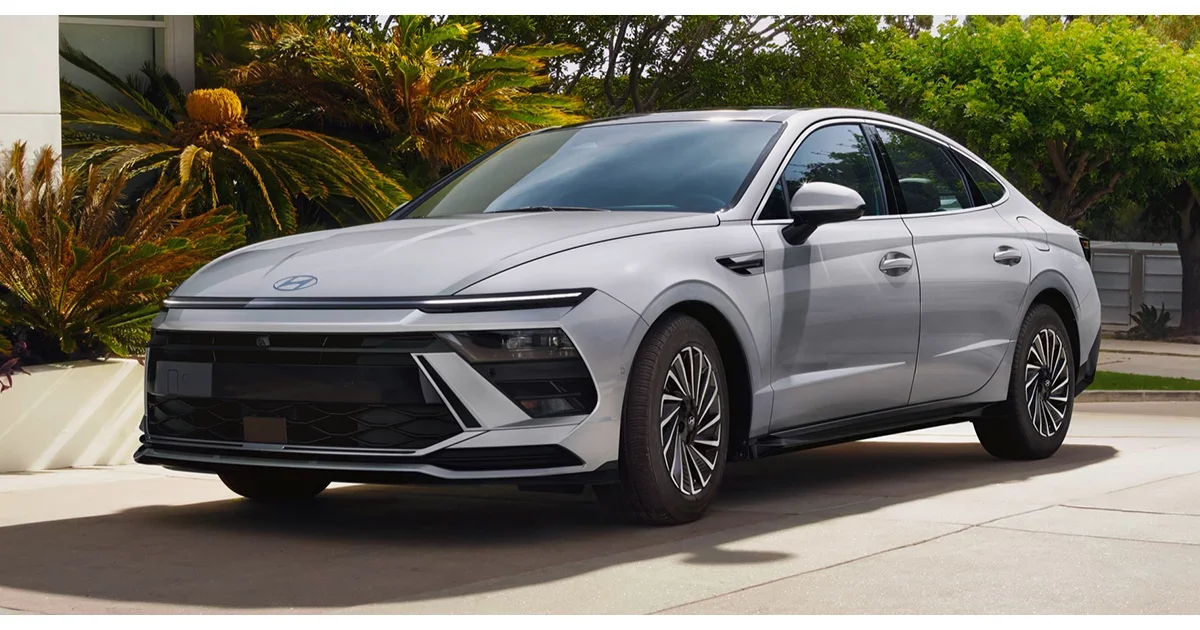
Across the midsize sedan class, AWD typically adds between $1,500 and $2,500 to the sticker. The 2026 Toyota Camry charges about $1,525 across trims to add its rear electric motor. The 2026 Hyundai Sonata SEL Sport offers AWD as a $1,500 option. On the luxury end, BMW has historically charged around $2,300 to move from RWD to xDrive on the 5 Series, though the 2026 540i is now AWD-only. Call the field average roughly $1,800.
Fuel economy pays a second penalty. On the 2026 Camry, the LE loses 1 mpg combined when AWD is added (51 to 50), and the XSE loses 3 mpg (46 to 43). SlashGear frames the real-world penalty in the 2 to 3 mpg range, citing the Toyota Prius (57 to 54 combined) and Tundra (22 to 20 combined) as examples. Over 12,000 miles a year at $3.50 a gallon, a 2 mpg hit on a 30-mpg sedan is roughly $100. Over seven years of ownership you are looking at another $700.
Finally, AWD adds about 100 to 200 pounds and more mechanical complexity: a driveshaft, a rear differential, a transfer unit or electric rear motor, and additional fluids to service. None of that is catastrophic, but it is cost, weight, and failure points that FWD buyers never pay.
Winter tires beat AWD at stopping and turning on snow
If the fear driving the AWD decision is "I need to stop safely on a slick road," the evidence says four winter tires on a FWD sedan is a better buy than AWD on all-seasons. Tire Rack's testing measured a Michelin X-Ice Snow winter tire stopping in 56.1 feet from 25 mph on snow, while a conventional all-season tire needed more than 80 feet from the same speed. That is roughly a two-car-length gap at parking-lot speeds, which scales up fast at highway speeds.
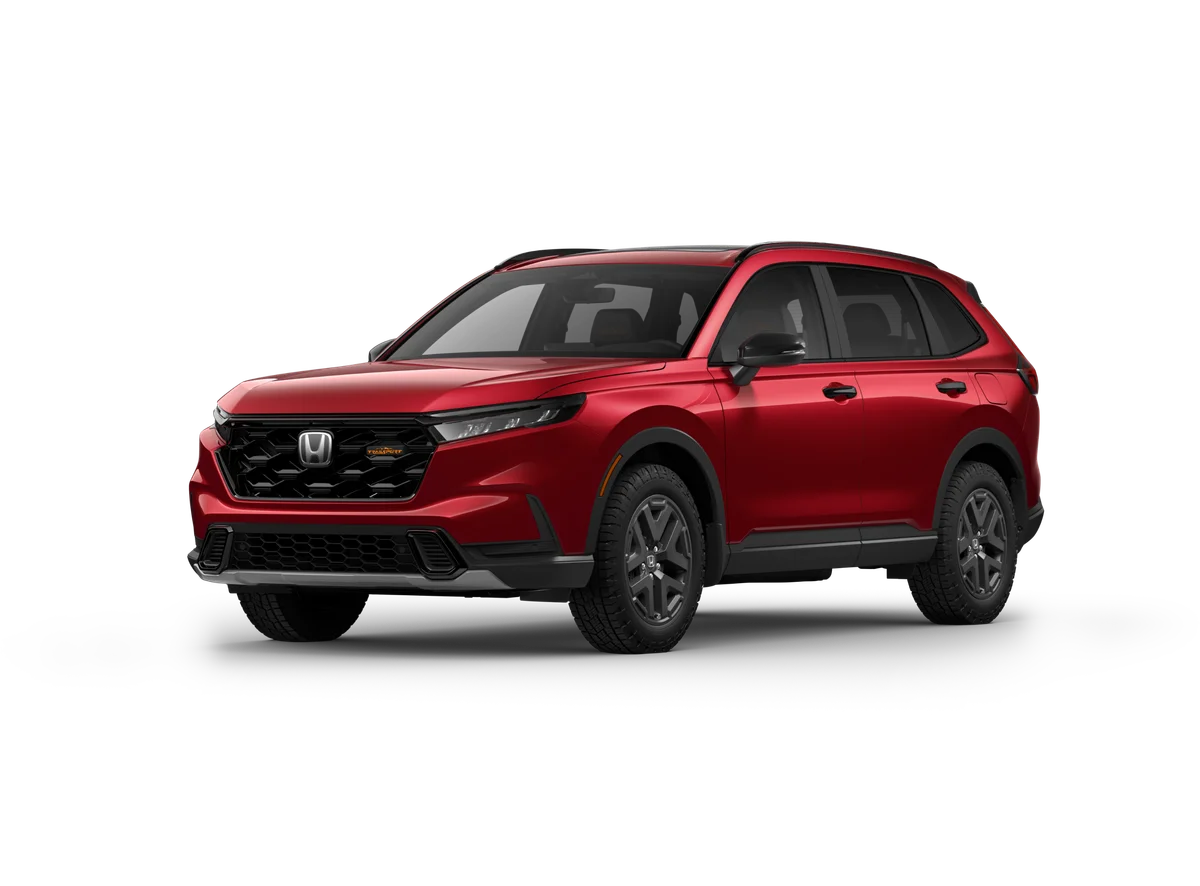
A Consumer Reports winter test, summarized by Fox News Auto, pitted a front-drive Toyota Camry and an AWD Honda CR-V on identical winter tires and found both stopped from 60 mph in roughly 300 feet. The AWD vehicle gained nothing in braking. Only straight-line, low-grip acceleration showed a real AWD advantage.
A four-tire set of quality winter tires costs roughly $600 to $1,200 installed on dedicated steel wheels. That is less than the AWD premium on most midsize sedans, costs nothing extra in fuel, and actively helps in the two moments AWD cannot: stopping and turning.
When FWD plus winter tires is enough
If your winter looks like plowed urban and suburban roads, flat to modestly hilly commutes, and a handful of snowstorms a year where you can delay a trip by a few hours, FWD plus winter tires covers it. That describes a large share of American midsize-sedan buyers. The high-value cars in the Best Midsize Sedans of 2026 rankings reflect this, with two of the top ten offering no AWD at all.
The 2026 Honda Accord and 2026 Honda Accord Hybrid are FWD-only. The hybrid returns 44 mpg combined, earns IIHS Top Safety Pick+, and starts at $34,990. The 2026 Hyundai Sonata Hybrid is likewise FWD-only on the hybrid trim and delivers 47 mpg combined at $29,200. On all three, you can fit four winter tires and still land below what the AWD version of a less efficient sedan would have cost, with a 10 to 15 mpg fuel advantage you keep for the life of the car.
Even snow-country automakers have conceded the mainstream sedan buyer does not need standard AWD. Subaru ended Legacy production after the 2025 model year, the one midsize sedan in America that shipped AWD standard on every trim.
How 2026 midsize sedans split on AWD
In 2026, midsize sedans fall into three groups: FWD only, FWD with optional AWD, and AWD standard. The AWD-standard cars are nearly all luxury and performance models where the drivetrain is sized to the engine's torque, not the weather. The FWD-optional group is where the actual buyer decision lives, and it is where the $1,500 to $2,500 premium gets debated at the dealer.
| Model | Drivetrain | AWD premium | Notes |
|---|---|---|---|
| 2026 Honda Accord | FWD only | N/A | No AWD offered on any trim; 32 mpg combined gas |
| 2026 Honda Accord Hybrid | FWD only | N/A | No AWD offered; 44 mpg combined, IIHS TSP+ |
| 2026 Hyundai Sonata Hybrid | FWD only | N/A | No AWD on hybrid; 47 mpg combined |
| 2026 Hyundai Sonata N-Line | FWD only | N/A | 290-hp turbo, no AWD option |
| 2026 Toyota Camry | FWD or AWD | ~$1,525 | AWD costs 1 to 3 mpg combined depending on trim |
| 2026 Genesis G80 2.5T | RWD or AWD | Trim-dependent | AWD standard on upper trims |
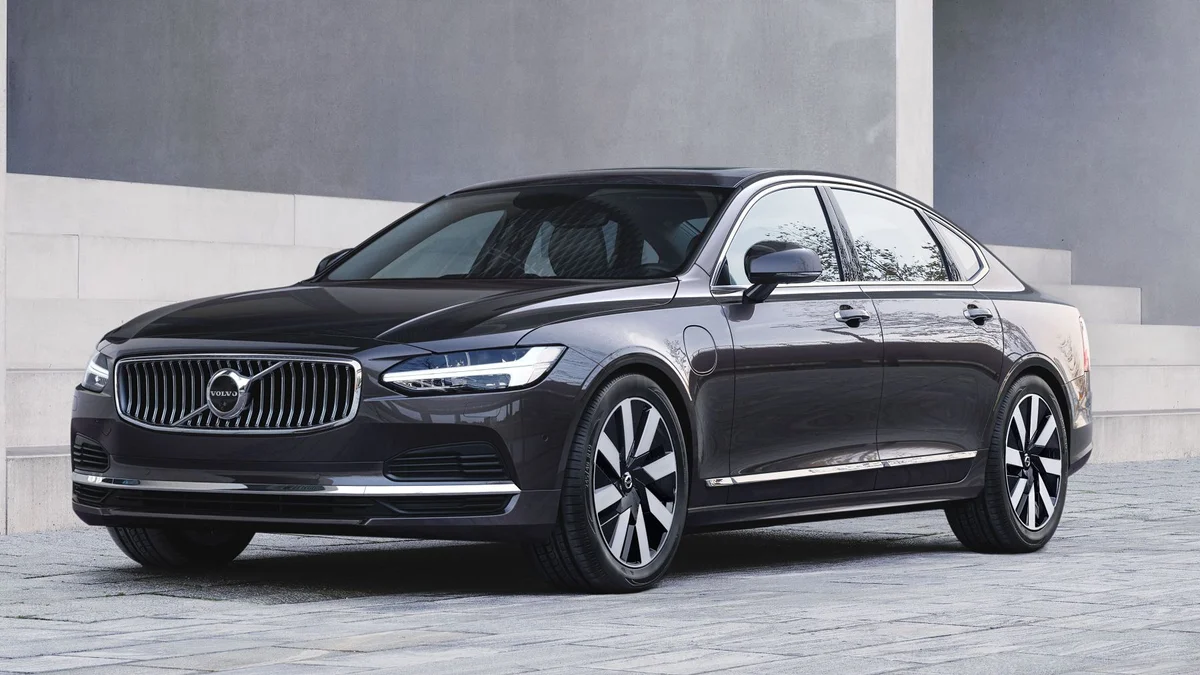
| 2026 Volvo S90 | AWD standard | included | Mild-hybrid or 66 MPGe Recharge PHEV |
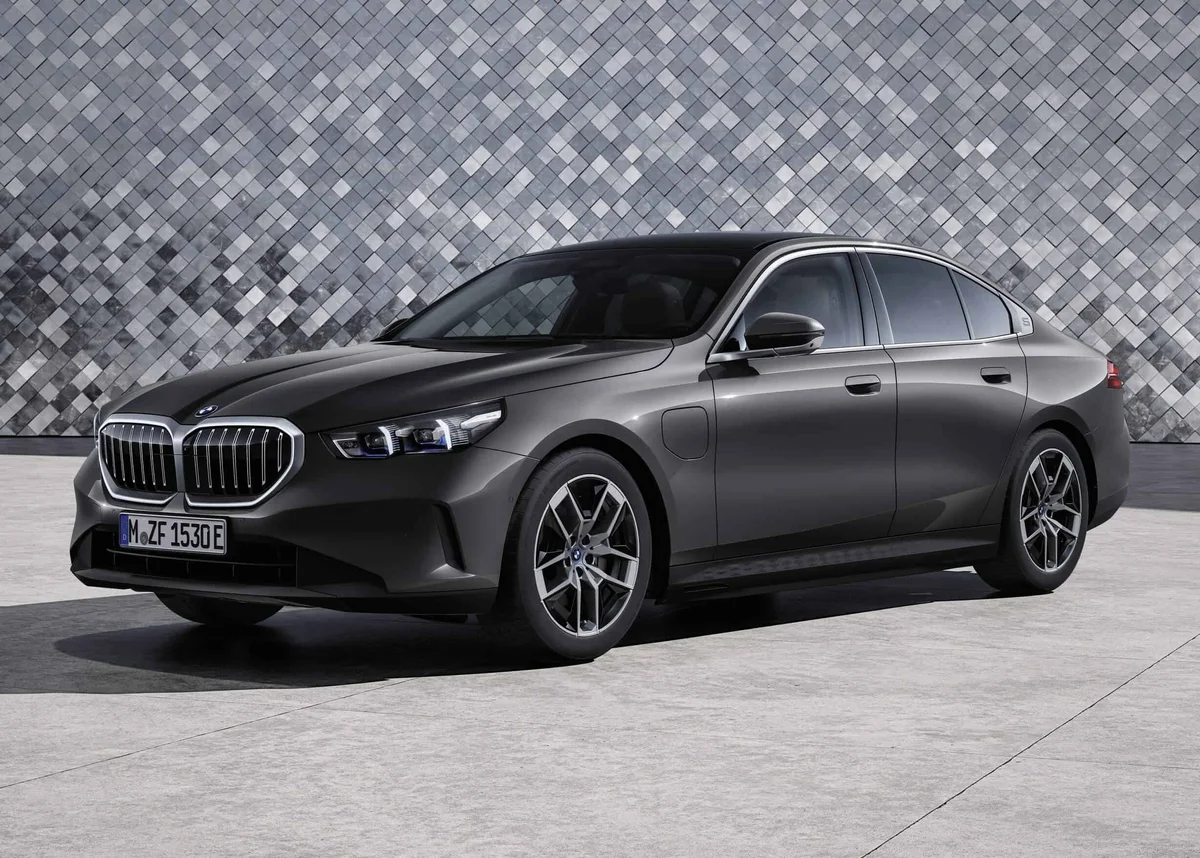
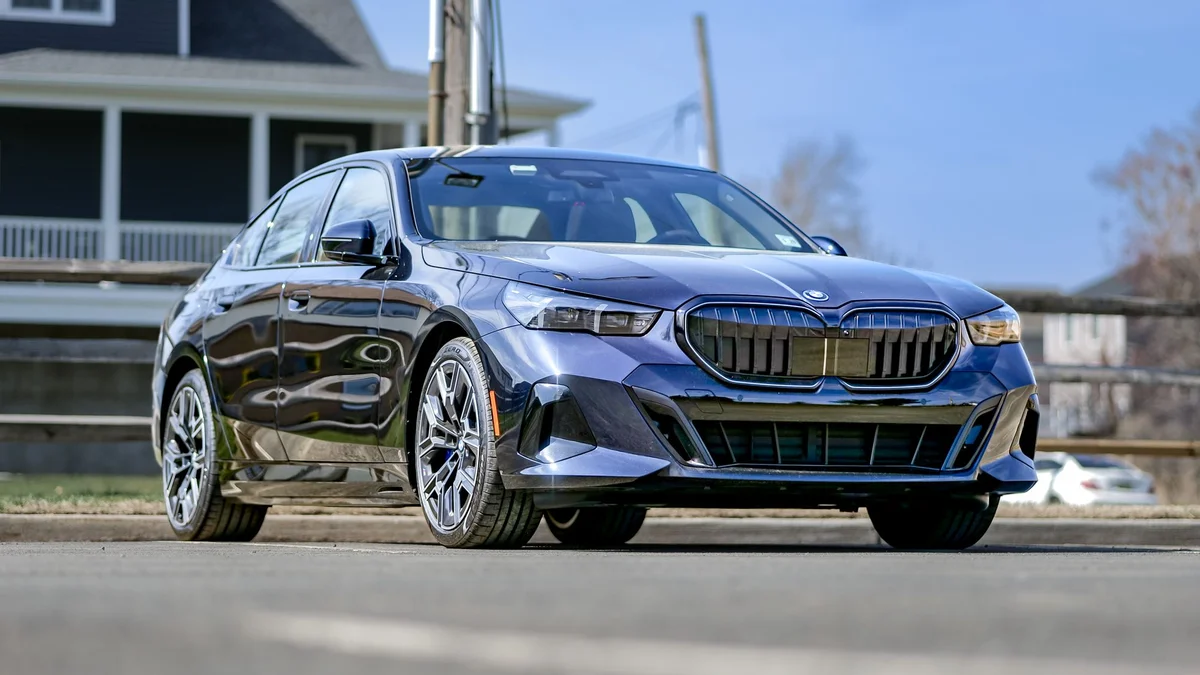
| 2026 BMW 540i xDrive | AWD standard | included | 375-hp mild-hybrid I6 |
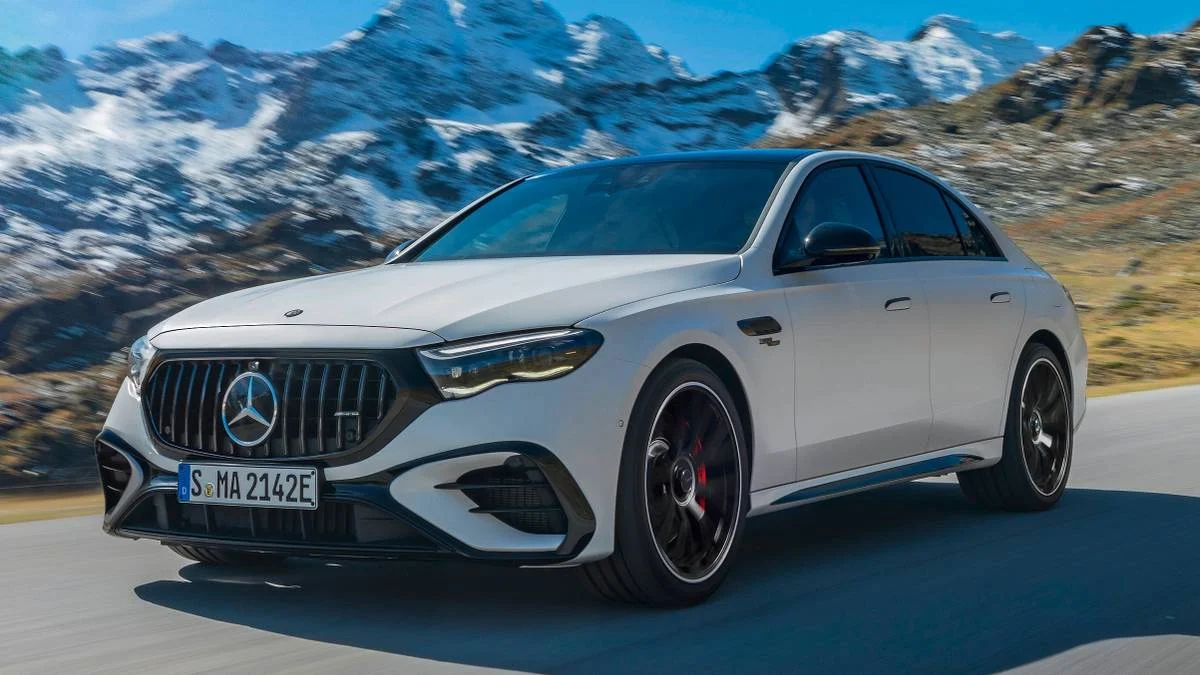
| 2026 Mercedes-Benz E 450 4MATIC | AWD standard | included | 375-hp I6, 4MATIC not optional |
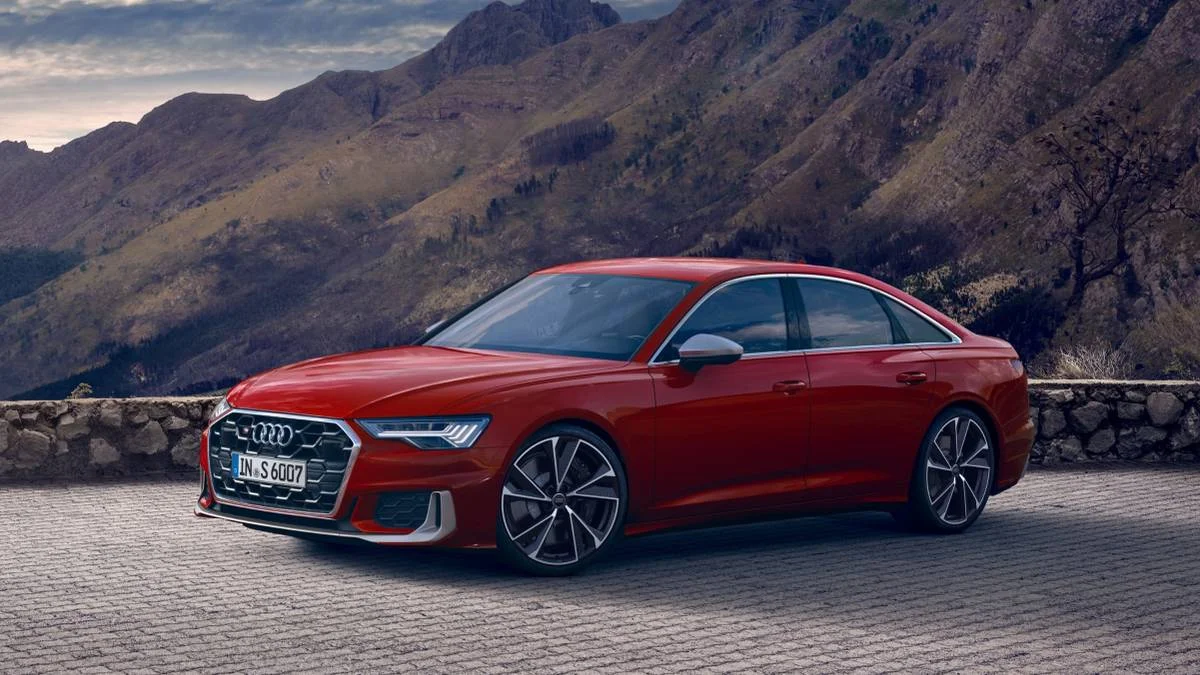
| 2025 Audi S6 | AWD standard | included | 444-hp biturbo V6, quattro |
The 2026 Camry shows the real cost of ticking the AWD box
The Toyota Camry is the sedan most shoppers use to answer the AWD question, because it offers both configurations on the same body with transparent EPA data. On the LE trim, AWD costs about $1,525 and drops combined mpg from 51 to 50, a 1-mpg penalty. On the XSE, the penalty balloons to 3 mpg (46 to 43). Over 100,000 miles at $3.50 a gallon, that 3-mpg XSE difference is roughly $530 in extra fuel.
Add the $1,525 price premium, treat winter tires with wheels as a $900 wash since both owners would benefit from them equally, and the AWD XSE owner pays about $2,000 more than the FWD XSE owner over a typical ownership period. In exchange, they get easier starts in snow and modestly better resale in cold markets. They do not get shorter stopping distances on ice, better behavior in avoidance maneuvers, or any safety-rating uplift. For most suburban buyers in temperate states, that is a bad trade. For a buyer in Buffalo or Boulder with a sloped driveway, it is defensible.
The short version
AWD in a midsize sedan is a $1,500 to $2,500 option that mostly helps you leave a stop in snow and mostly does not help you avoid a crash. If you are shopping a mainstream sedan and winter worries you, buy a FWD Honda Accord Hybrid or Hyundai Sonata Hybrid and spend a fraction of the AWD premium on four winter tires. If you live on a steep driveway in a snow-belt state, or you are shopping a 300-plus-horsepower luxury sedan where AWD is standard for traction reasons anyway, get it with no regret. The buyer who should hesitate most is the suburban commuter in a moderate winter climate who is being talked into the AWD box as a safety upgrade. That is not what it is.
See Best Midsize Sedans of 2026Questions people ask
Do I need AWD in a midsize sedan?+
Probably not, if you live where roads are plowed and your driveway is flat. AWD only helps with forward traction, not braking or cornering. Four winter tires on a FWD sedan cover the vast majority of winter driving situations buyers actually encounter.
Is AWD worth it in a sedan?+
Yes if you have a steep or unplowed driveway in a snow-belt state, you are buying a 300-plus-hp performance sedan where it comes standard, or you plan to resell in a cold-climate market within a few years. Otherwise, the $1,500 to $2,500 price premium and 1 to 3 mpg fuel penalty is hard to justify.
Can a front-wheel-drive sedan handle snow?+
Yes, especially on four dedicated winter tires. Most mainstream midsize sedans spent decades as FWD-only and performed fine in winter weather. The Honda Accord has never offered AWD and remains a top-selling sedan in snow-belt states.
AWD vs FWD sedan in winter driving, which is actually safer?+
On identical tires, AWD accelerates better but brakes and corners the same. A FWD sedan on winter tires outperforms an AWD sedan on all-season tires in every slippery scenario that involves slowing down or turning. Consumer Reports has documented this repeatedly.
How much extra does AWD cost in a sedan?+
Roughly $1,500 to $2,500 at purchase. The 2026 Toyota Camry charges about $1,525, the 2026 Hyundai Sonata SEL Sport about $1,500, and BMW has historically charged around $2,300 to add xDrive on the 5 Series. Fuel economy typically drops 1 to 3 mpg combined depending on trim and system.
Does AWD help with ice and stopping?+
No. Braking is a tire-grip problem. Every modern sedan brakes with all four wheels regardless of drivetrain, and AWD does nothing to change the physics of a tire sliding on ice. This is the single biggest misconception the industry sells.
Which midsize sedans do not offer AWD at all?+
In 2026, the Honda Accord and Honda Accord Hybrid are FWD-only across every trim. The Hyundai Sonata Hybrid and Sonata N-Line are also FWD-only, though the gas Sonata SEL Sport offers AWD as an option.
Should I get winter tires if I have AWD?+
Yes. Michelin, Les Schwab, and Consumer Reports all say AWD does not substitute for winter tires. A Consumer Reports survey found fewer than 15 percent of AWD and 4WD owners who regularly drive in snow actually fit them, which they flag as a widespread and avoidable mistake in winter driving safety.
Sources
What this guide is based on. We research from published specifications, independent reviews and owner reports; we did not test these products ourselves.
- 1.Do I Need Snow Tires If I Have AWD?, Les Schwab
- 2.AWD vs Winter Tires: The Truth About Safety, Michelin USA
- 3.Do you really need AWD in the snow?, Fox News Auto
- 4.Why AWD Isn't The Winter Advantage You Think It Is, Motor1
- 5.All-Weather vs. Winter Tires: The Definitive Test, Tire Rack
- 6.Does AWD Hurt Fuel Efficiency? How The Feature Impacts Your MPG, SlashGear
- 7.2026 Toyota Camry Buying Guide: Trims, Prices, Hybrid MPG, SE vs LE, AWD, Gale Toyota
- 8.2026 Hyundai Sonata SEL Sport AWD Specs and Features, U.S. News Cars
- 9.BMW 5 Series 540i Sedan RWD vs BMW 5 Series 540i xDrive Sedan AWD, CarGurus
- 10.The 2023-2025 Subaru Legacy Is The Brand's Last Midsize Sedan, CarBuzz
Products mentioned
More on midsize sedans
Explainer
What Actually Changes as Midsize Sedan Prices Rise: Mainstream, Near-Luxury, and Luxury Compared
Which features move from standard to premium as midsize sedan prices rise from $28,000 to $90,000 in 2026, and what you really gain and lose at each tier.
Explainer
What a Luxury Midsize Sedan Really Costs Over Five Years
A $30,000 to $45,000 sticker gap between a Honda Accord and a BMW 5 Series or Mercedes E-Class typically widens by another $5,000 to $25,000 across five years once depreciation, dealer labor, insurance, and specialty tires are counted.
Explainer
IIHS Top Safety Pick+ vs NHTSA 5-Star: Why These Ratings Disagree and What Each One Tests
NHTSA and IIHS run different crash geometries, so a midsize sedan can earn five NHTSA stars and still miss IIHS Top Safety Pick+. Here is what each program actually tests, where the two disagree on 2026 sedans, and which rating to prioritize when you shop.
Explainer
Hybrid, Plug-in Hybrid, or Electric: Which Midsize Sedan Powertrain Fits How You Drive
A plug-in hybrid only hits its MPGe sticker if you charge every night. Full hybrids are more reliable than gas cars; PHEVs are less. Match the powertrain to your commute and charging access.
Buying guide
How to Choose a Midsize Sedan: The Four Decisions That Actually Separate the Field
Most midsize sedans have the same safety tech, screens, and driver aids. Four forks resolve first: budget tier, powertrain, AWD, and the features that truly differ.