Explainer
PHEV vs. Regular Hybrid: When the Plug Actually Pays Off
A plug-in hybrid costs thousands more and gets worse MPG on an empty battery. Here is the break-even math and the conditions that make the premium worth paying.
Updated November 11, 2026 · Based on 7 sources · How we research
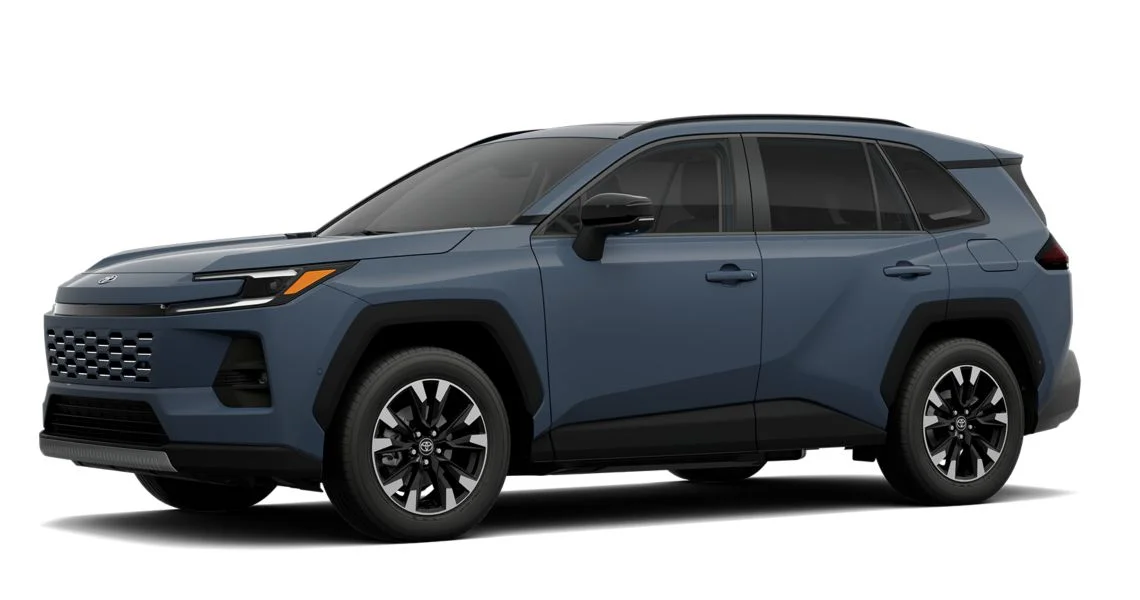
You are standing between two versions of the same car. A 2026 Toyota RAV4 Hybrid XLE lists at $37,500 and returns 41 MPG combined. A 2026 Toyota RAV4 Plug-In Hybrid lists in the mid-$40,000s, adds 42 miles of all-electric range, and advertises a much higher MPGe figure. The default assumption is that the plug-in has to be at least as efficient as the regular hybrid because it has both a battery and an engine. That assumption is wrong. On an empty battery, a PHEV is dragging 400 to 700 extra pounds the hybrid does not carry, and it burns more fuel to move them. The plug only pays if you use it, and whether it pays comes down to three specific conditions: where you park at night, how far you drive on a typical day, and whether you can find an incentive to close the price gap.
What actually separates a PHEV from a regular hybrid
A conventional hybrid (HEV) uses a small battery, usually 1 to 2 kWh, that captures energy from braking and lets the gas engine shut off at idle or at low city speeds. You never plug it in. A plug-in hybrid uses a much larger battery, typically 10 to 20 kWh, that you recharge from a wall outlet. With a full charge, it drives 20 to 55 miles on electricity alone before behaving like a regular hybrid. The EPA publishes two separate fuel economy estimates for every PHEV: one for electric-only or gas-and-electric operation, usually reported as MPGe, and one for gasoline-only operation in MPG. The window sticker shows both, but buyers tend to remember only the big MPGe number.
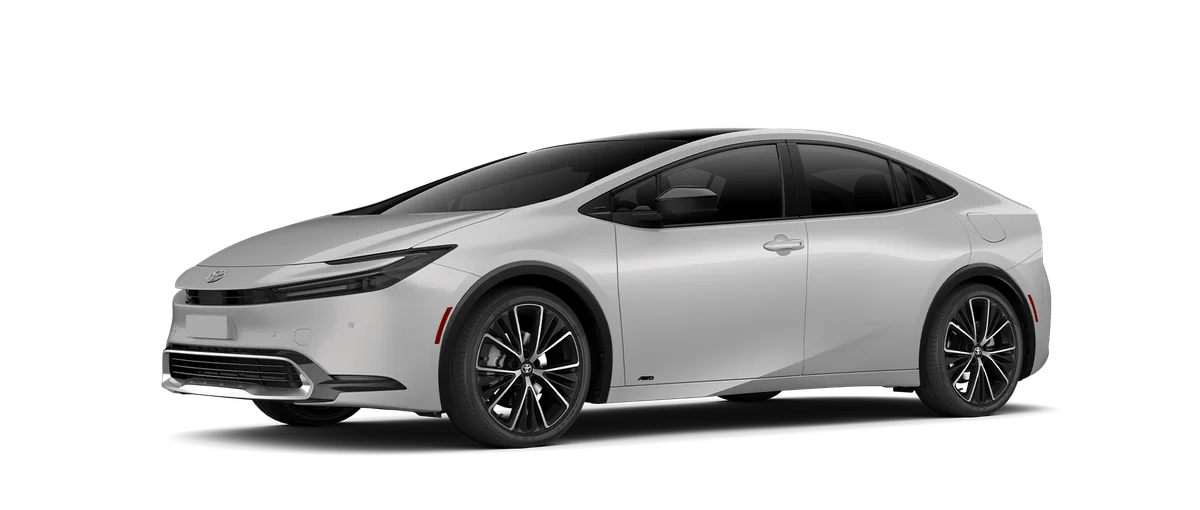
The 2026 Toyota Prius Prime XSE in our rankings is the clearest example of why the two numbers matter. Its EPA ratings come to 114 MPGe when the battery is contributing, 52 MPG once it is empty, and 40 miles of pure electric range in between. That 52 MPG gas-only figure is still competitive with regular hybrids. Not every PHEV holds up as well. The Lexus NX 450h+ at 84 MPGe and the Mercedes-Benz GLC 350e at 64 MPGe drop into the mid-30s once the battery is drained, which is where the weight penalty shows up.
Do you have to plug in a plug-in hybrid
No. A PHEV will start, run, and drive indefinitely on gasoline alone. The onboard engine recharges the high-voltage battery through regenerative braking and, at the reserve floor, by burning fuel directly. You can own or lease a plug-in hybrid for a year without ever opening the charge port, and nothing will break. This is not theoretical. Fleet data compiled by the International Council on Clean Transportation and later European analyses both show owners frequently skip charging, especially when the car is a company lease. In Germany, the measured emissions gap between official and real-world PHEV CO2 hit 284 percent because employees drove them like regular gas cars and never plugged them in.
If you are going to keep the car plugged in most nights, a PHEV is a legitimate way to electrify without buying a full EV. If you are not, you have just paid a premium for a car that is demonstrably less efficient than the regular hybrid parked next to it.
What happens if you never charge a PHEV
Two things happen, and both cost you money. First, you forfeit the cheap electric miles. At the current US residential electricity average near 17 cents per kWh, a home-charged PHEV mile runs roughly 5 to 7 cents. A gasoline mile in the same PHEV runs 9 to 11 cents at $3.60 per gallon. Second, you take an MPG penalty versus the equivalent non-plug hybrid, because the plug-in is heavier by the mass of its larger battery and its charging hardware. EPA rates the RAV4 Plug-In Hybrid at 38 MPG combined in charge-sustaining mode, several MPG below the lighter RAV4 Hybrid's 41 MPG.
Independent European research backs the pattern across the segment. A joint study by Fraunhofer ISI, Oeko-Institut and ifeu found real-world PHEV fuel consumption running well above official values across tens of thousands of vehicles, with the typical PHEV covering only 25 to 30 percent of its total miles on electricity. The gap is not a quirk of the test cycle. It is what happens when the battery is empty often and the car has to haul it anyway.
The empty-battery MPG penalty, in numbers
The penalty is not uniform. It depends on how much extra weight the PHEV carries, how efficient the gas engine is on its own, and how aggressively the control software blends power. Small hybrids with modest batteries pay a small price. Large luxury PHEVs with 20-plus kWh packs pay a bigger one.
The table below compares three real pairings using EPA combined ratings for the regular hybrids and EPA charge-sustaining combined figures for the PHEVs. It shows that a plug-in that is never charged almost always loses to its non-plug sibling on gas economy alone.
| Pairing | Hybrid MPG | PHEV MPG (battery empty) | Penalty |
|---|---|---|---|
| Toyota Prius Hybrid vs Prius Prime | 57 | 52 | 5 MPG |
| Toyota RAV4 Hybrid vs RAV4 Plug-In | 41 | 38 | 3 MPG |
| Lexus NX 350h vs NX 450h+ | 39 | 36 | 3 MPG |
Is a PHEV worth the extra cost? The break-even math
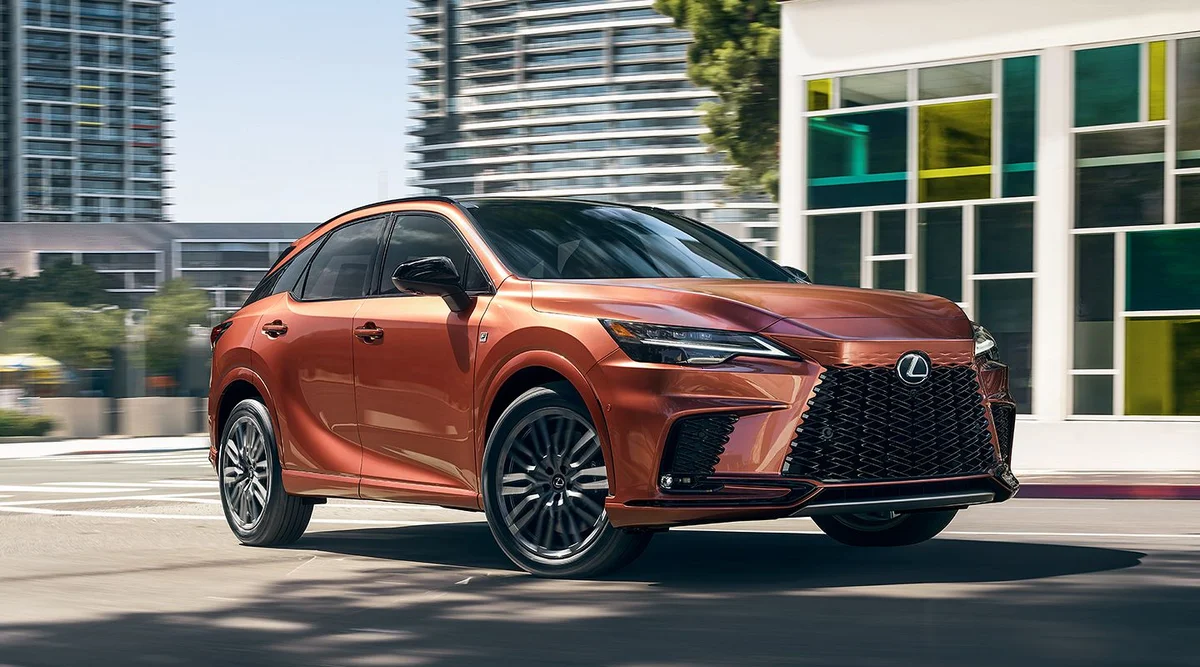
Use the cleanest within-brand comparison in our rankings. The Lexus NX 350h F SPORT lists at $55,595 as a standard hybrid. The Lexus NX 450h+ F SPORT Handling lists at $63,130 as the plug-in version. The upfront gap is $7,535. Through September 30, 2025, eligible PHEVs qualified for a federal clean vehicle credit of up to $7,500, which could have erased that gap. Per fueleconomy.gov's current guidance, that credit has been discontinued for new vehicles acquired after that date, so the full price gap now stands unless a state program, dealer incentive or lease deal fills it.
Run the numbers without a credit. A buyer driving 12,000 miles a year with a 70 percent electric share would pay roughly $500 to charge and $360 for gas with the PHEV, versus about $1,100 for the hybrid. Annual savings are around $240. Dividing the $7,535 gap by $240 per year gives a payback of about 31 years, longer than the car will last. Drop the electric share to the 25 to 30 percent fleet-average real-world utility factor measured by Oeko-Institut and Fraunhofer, and the payback stretches further still.
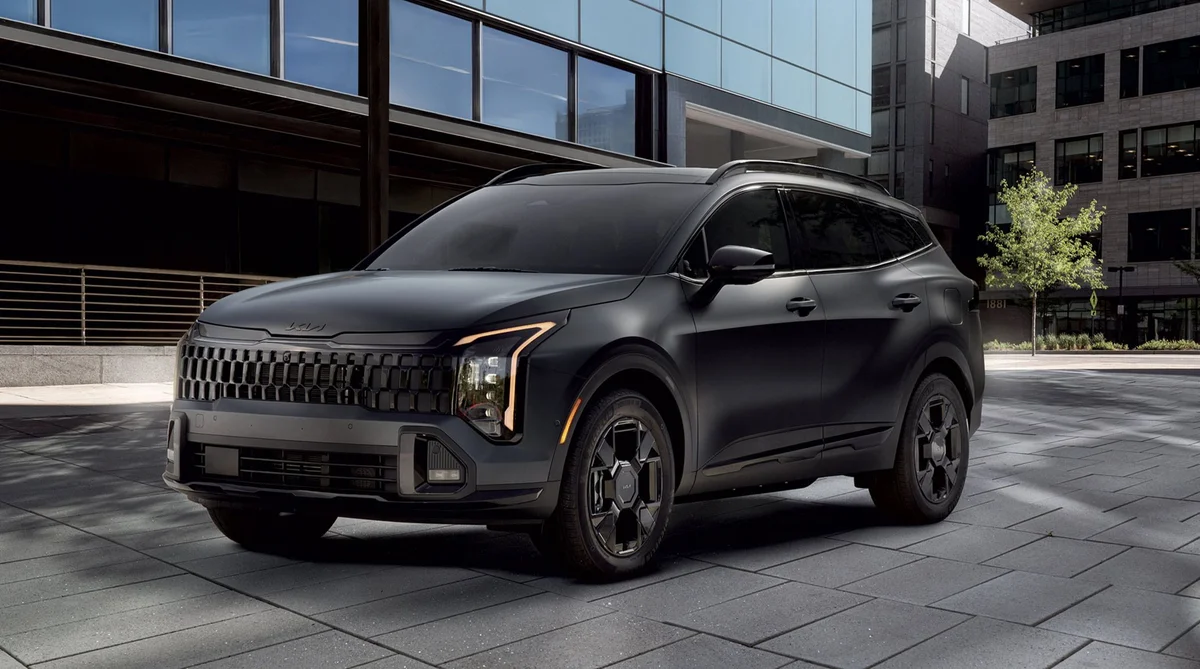
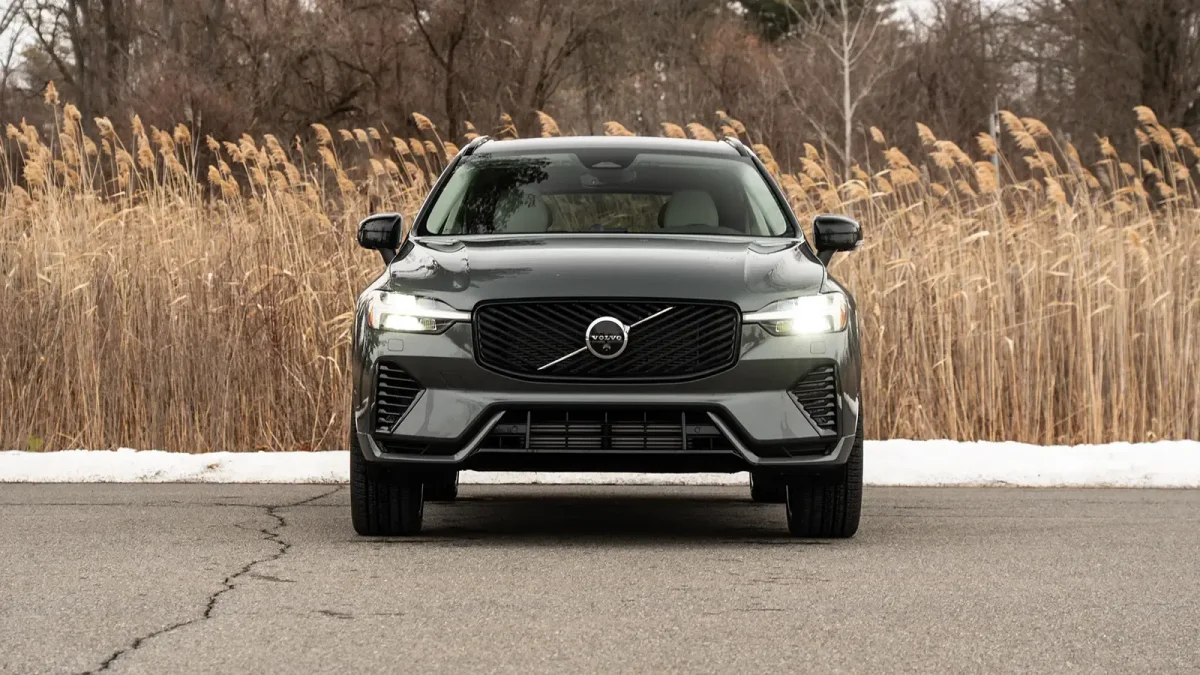
The lesson, which applies to the Hyundai Santa Fe PHEV at $47,485, the Kia Sportage PHEV at $41,985 and the Volvo XC60 T8 Plug-In Hybrid at $65,600 alike, is that you cannot pay the plug-in premium out of fuel savings on a normal driving budget. The math only works if you combine a strong electric share with a state rebate, a lease incentive, or a direct price gap of a few thousand dollars.
The three conditions that make a PHEV worth it
The plug pays off when three things are true simultaneously. Miss any one of them and the regular hybrid is almost always the better buy.
First, you can charge where you park overnight, on a reliable schedule. ICCT analysis of US charging access finds roughly 94 percent of drivers in detached single-family homes have access to home charging, versus about half of those in apartments or condos. A 120-volt wall outlet in a garage is enough to refill a 15 kWh PHEV battery overnight. Street parking, a shared lot with no outlets, or a workplace that does not allow plug-in use essentially disqualifies the PHEV on economic grounds.
Second, your typical daily driving fits inside the EV range. Forbes reports that the average 2025 PHEV is EPA-rated at 32 miles of all-electric range, which comfortably covers the US median round-trip commute. If you drive 15 to 25 miles a day, a plug-in can live on electricity for most of the month. If you drive 80 miles a day, the battery empties by lunchtime and you spend the rest of the day on gas, which is exactly the scenario the hybrid handles more cheaply.
Third, something closes the price gap. With the federal credit gone for new vehicles acquired after September 30, 2025, that something is now a state program, a utility rebate, a dealer discount, or a subsidized lease. State incentives for new PHEV purchases typically range from $1,000 to $5,000 depending on jurisdiction and income. Without one, the plug-in cannot earn back its premium in fuel savings alone.
Does a PHEV really get worse gas mileage than a regular hybrid
In like-for-like comparisons on an empty battery, almost always yes, by 2 to 5 MPG. The reason is physical. A plug-in version of the same vehicle carries a battery pack that is roughly 10 times larger, plus heavier wiring, a charger and sometimes a larger electric motor. That added mass, usually 400 to 700 pounds, has to be accelerated and decelerated like any other weight, and the small hybrid system cannot fully recover the losses through regenerative braking at highway speeds.
There are edge cases. The Prius Prime narrows the gap because Toyota's gas engine on both the Prius and the Prime is tuned for extreme efficiency, and the Prime's weight penalty is smaller in percentage terms on a light car. Luxury PHEVs with large power outputs, like the 577-horsepower Mercedes-Benz AMG E53 PHEV Sedan at 22 MPG combined or the 483-horsepower BMW X5 xDrive50e at 22 MPG, show the penalty most clearly. These cars make capable electric commuters and expensive long-distance road-trippers.
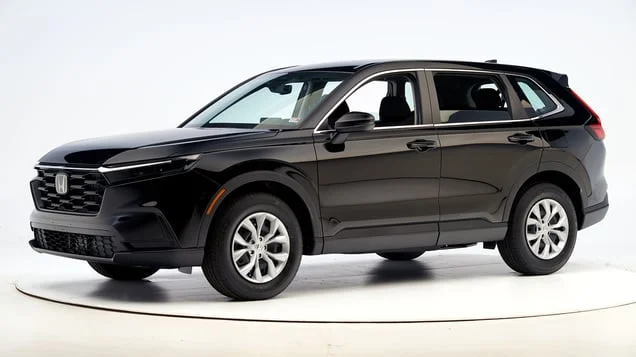
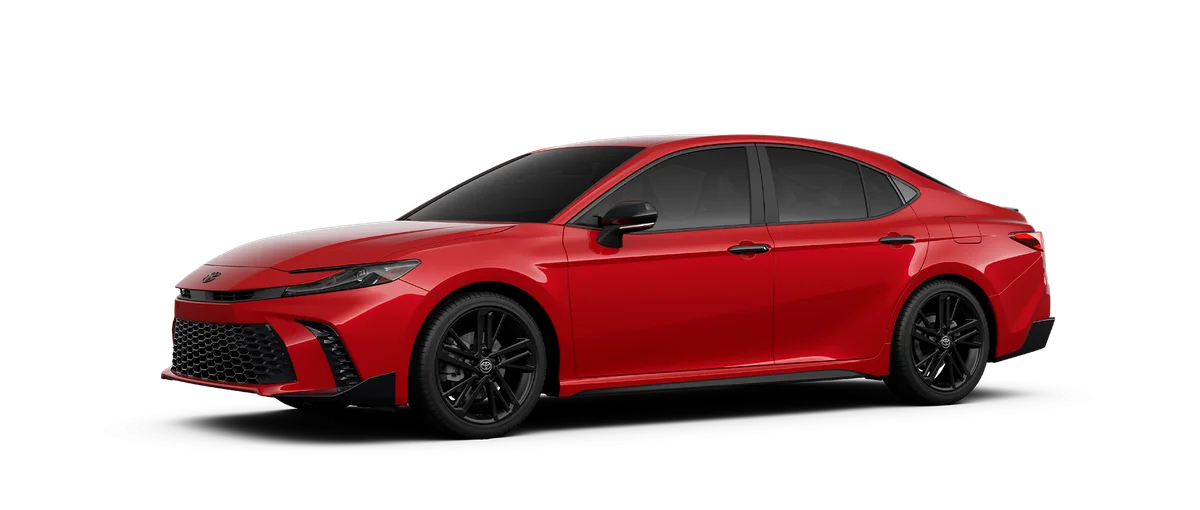
A regular hybrid like the Toyota Camry Hybrid LE at 51 MPG combined or the Honda CR-V Hybrid Sport at 40 MPG combined has no empty-battery mode. There is nothing to deplete. The car simply runs its small hybrid cycle all the time.
Which buyer should pick which
Buy the regular hybrid if you park on a street, in a shared lot or in any situation that makes plugging in a nightly hassle. Buy it if you drive long highway miles most days, because the PHEV's large battery is dead weight above its EV range. Buy it if you cannot find a state credit, lease deal or dealer incentive on the PHEV version of the vehicle you want, because you cannot earn that gap back on fuel at normal mileages. The Toyota Camry Hybrid LE, Honda Accord Hybrid Sport, Toyota RAV4 Hybrid XLE and Lexus ES 300h F SPORT in our rankings are all well suited to these buyers.
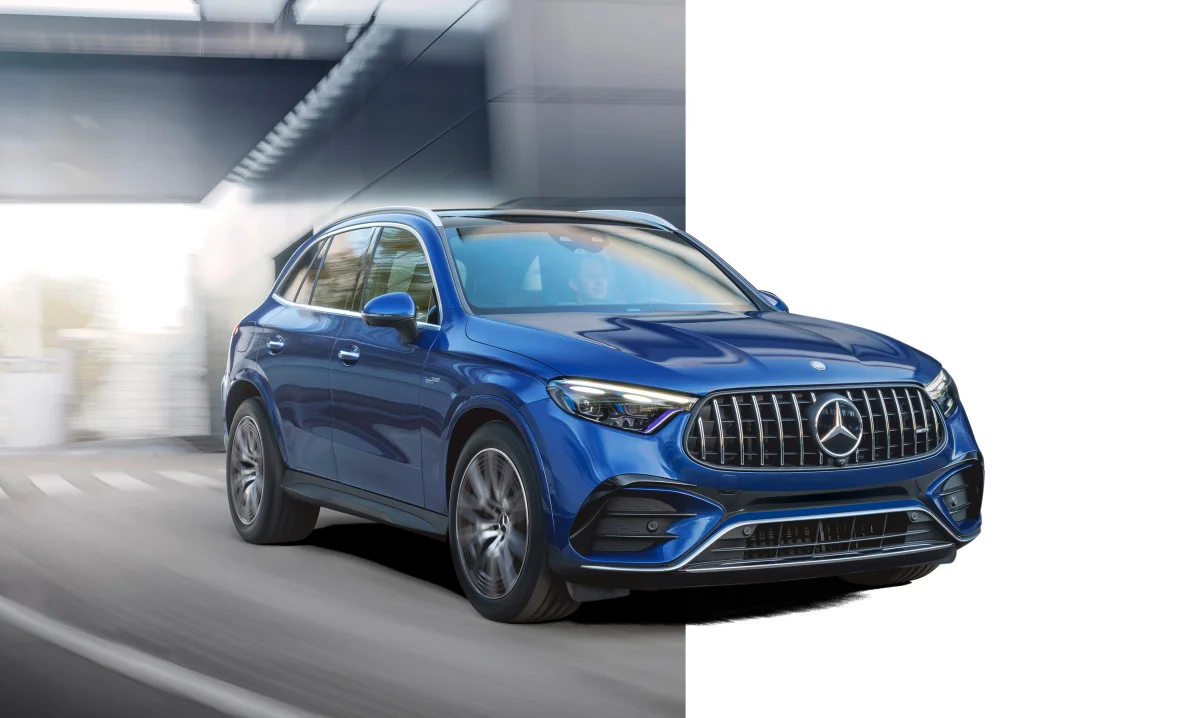
Buy the plug-in hybrid if you have a garage or driveway outlet, drive less than 40 miles on most days, and have found an incentive or price concession that closes the gap. For these drivers, cars like the Lexus NX 450h+ and the Mercedes-Benz GLC 350e with its 54 miles of EV range can approach full-EV operating costs for commuting while keeping a gas engine for road trips. See our Best Hybrid Cars of 2026 ranking for how we score efficiency, performance, cost of ownership and safety across both categories.
The short version
A PHEV is a conditional purchase, not a universal upgrade over a regular hybrid. On a full battery it is the more efficient car. On an empty battery it is the less efficient one. The correct question is not which technology is better. It is whether your parking situation, daily mileage and available incentives let you keep the battery full enough to use the advantage. If all three line up, pick the plug-in. If any one of them fails, buy the hybrid, pocket the $4,000 to $10,000, and stop worrying about forgetting to charge.
See Best Hybrid Cars of 2026Questions people ask
What is the difference between a hybrid and a plug-in hybrid?+
A regular hybrid (HEV) has a small 1 to 2 kWh battery that is charged only by the engine and regenerative braking; you never plug it in. A plug-in hybrid (PHEV) has a larger 10 to 20 kWh battery you charge from a wall outlet, giving you roughly 20 to 55 miles of all-electric driving before the car behaves like a regular hybrid.
Do I have to plug in a plug-in hybrid?+
No. A PHEV will drive on gasoline alone indefinitely, with the engine recharging the small reserve battery as needed. But if you never plug in, you are paying thousands more for a car that is 2 to 5 MPG less efficient than the equivalent regular hybrid.
What happens if you never charge a PHEV?+
The car still works, but it operates as a heavy, less efficient hybrid. Real-world European data shows unplugged PHEVs can emit roughly 3.5 times more CO2 than their official ratings suggest, because those ratings assume frequent charging. Expect gas-only MPG a few points below the non-plug version of the same vehicle.
Is a PHEV worth the extra cost?+
Only if you can home-charge nightly, your daily driving fits inside the EV range, and you have found a state rebate, utility incentive, dealer discount or lease deal that closes most of the price gap. The federal $7,500 clean vehicle credit was discontinued for new PHEVs acquired after September 30, 2025, so fuel savings alone will not repay the premium over the car's lifetime at normal mileages.
Does a PHEV get worse gas mileage than a regular hybrid?+
On an empty battery, yes, by 2 to 5 MPG on comparable platforms. The plug-in carries 400 to 700 pounds of extra battery, charger and wiring that the hybrid does not. With a full battery, the PHEV wins decisively because it is running on electricity.
How many miles do PHEVs run on electricity alone?+
Forbes reports that the average 2025 model-year PHEV is EPA-rated at about 32 miles of all-electric range, with class leaders reaching 44 to 54 miles. In our rankings, the Mercedes-Benz GLC 350e is rated at 54 EV miles, the Mercedes AMG E53 PHEV at 44, the Toyota Prius Prime at 40, and the BMW X5 xDrive50e at 38.
Can apartment dwellers own a PHEV?+
Yes, but it rarely pays. ICCT research shows only about half of apartment residents have reliable home charging access, versus 94 percent of single-family-home residents. Without nightly charging, a PHEV reverts to a less efficient hybrid, and the premium cannot be recovered through workplace or public charging alone at typical pricing.
Which is cheaper per mile, a hybrid or an unplugged PHEV?+
The hybrid, usually. At average US prices, a home-charged PHEV electric mile costs about 5 to 7 cents, a regular hybrid mile costs about 6 to 9 cents depending on MPG, and an unplugged PHEV mile costs about 9 to 11 cents because the car is less efficient on gas alone than the non-plug hybrid it is based on.
Sources
What this guide is based on. We research from published specifications, independent reviews and owner reports; we did not test these products ourselves.
- 1.How Plug-In Hybrids Work, US Department of Energy
- 2.Federal Tax Credits for Plug-In Hybrid and Electric Vehicles, US Department of Energy
- 3.Yet another study shows plug-in hybrids aren't as clean as we thought, Electrek
- 4.Real-world usage of plug-in hybrid electric vehicles, International Council on Clean Transportation
- 5.Promoting equity in the EV transition: Barriers and solutions to charging at multifamily homes in the US, International Council on Clean Transportation
- 6.Fuel consumption and CO2 emissions of plug-in hybrid vehicles in real-world driving conditions, Oeko-Institut
- 7.These Are The Plug-In Hybrids The EPA Says Can Go The Distance On Battery Power, Forbes
Products mentioned
 2026 Honda CR-V Hybrid Sport
 2026 Hyundai Santa Fe Plug-In Hybrid SEL Premium
 2026 Kia Sportage Plug-In Hybrid X-Line
 2026 Lexus ES 300h F SPORT2026 Lexus NX 350h F SPORT2026 Lexus NX 450h+ F SPORT Handling
 2026 Mercedes-Benz GLC 350e 4MATIC
 2026 Toyota Camry Hybrid
 2026 Toyota Prius Prime XSE
 2026 Toyota RAV4 Hybrid XLE
 2026 Volvo XC60 T8 Plug-In Hybrid Plus
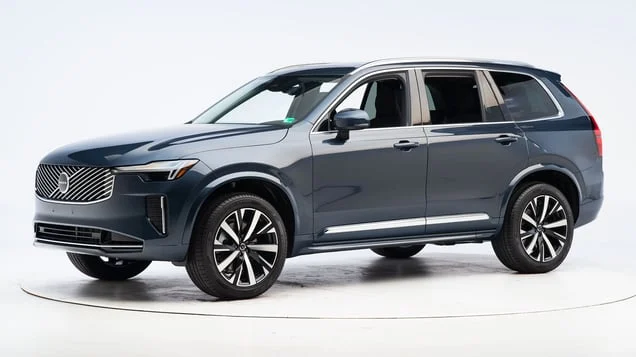 2026 Volvo XC90 Recharge T8 Plus
More on hybrid cars
Explainer
Why Hybrids Get Better MPG in City Traffic Than on the Highway
Hybrids flip the usual pattern: city MPG beats highway. Here is why regenerative braking pays in traffic, what 75 mph really costs, and how cold weather changes the math for PHEV buyers.
Explainer
Hybrid Car Tax Credits in 2026: Who Qualifies and Who Does Not
The federal clean vehicle credit for hybrids ended on September 30, 2025. Here is what that means, who the old rules excluded, and what is still on the table.
Explainer
Hybrid Battery Life and Replacement Cost: What the Data Actually Shows
Fleet data shows most hybrid traction batteries last 150,000 to 200,000 miles, and OEM replacement now runs $2,500 to $4,500 on mainstream models. The feared catastrophic battery bill is not supported by the evidence.
Explainer
What MPGe Actually Means (and Why It Is Not Your Real Fuel Cost)
MPGe is an energy rating, not a price. Here is what the number means on a plug-in hybrid label, how the EPA calculates it, and how to compare it against a conventional hybrid like a 51 MPG Camry without getting fooled.
Buying guide
How to Choose a Hybrid Car: The Decisions That Actually Matter
Four questions decide the right hybrid: can you charge at home, what body style, mainstream or luxury, and how many miles a year. Everything else is noise.