Buying guide
How to Choose a Hybrid Car: The Decisions That Actually Matter
Four questions decide the right hybrid: can you charge at home, what body style, mainstream or luxury, and how many miles a year. Everything else is noise.
Updated November 11, 2026 · Based on 10 sources · How we research
Hybrids are no longer fringe. About one in four new cars sold in the US in 2026 pairs a battery with a gas engine, and automakers like Toyota have moved entire nameplates (Camry, RAV4) to hybrid-only. That is why shopping is harder, not easier: there are more options, more acronyms, and more marketing. The one thing most buyers get wrong is treating a plug-in hybrid as 'a regular hybrid with a plug.' It is not. Four decisions actually separate the right car from the wrong one: whether you can charge at home, what body style fits your life, whether a luxury badge pencils out, and how many miles you drive in a year. Everything else, battery chemistry, horsepower, infotainment, is secondary to those four. This guide walks each of them in the order they should decide your shortlist, then names the specific 2026 models the evidence points to.
Can you plug in at home? That decides HEV vs PHEV before anything else.
A plug-in hybrid only pays off when it runs on electrons most of the time. If you have a garage, a carport, or a dedicated 120-volt outlet a car can sit at overnight, you can charge a PHEV. The 13.6 kWh battery in the 2026 Toyota Prius Prime fills in roughly 10 to 12 hours on a standard outlet, enough for an average American commute that the DOT puts at about 35 miles a day. Level 2 is faster but not required for typical daily use.
If you cannot plug in reliably, the math inverts. The Fraunhofer Institute analyzed real-world data from 981,035 PHEVs built between 2021 and 2023 and found average fuel consumption was 6.12 L/100 km (about 38.4 mpg), versus a WLTP rating near 150 mpg, per Electrek's coverage of the study. The reason is simple: an unplugged PHEV is a heavier hybrid carrying 400 to 700 pounds of unused battery. Carscoops reports owners of the Jeep Wrangler 4xe, rated at 49 MPGe, routinely see 20 to 25 mpg on the highway once the battery is depleted, per their analysis of real-world data.
So the HEV vs PHEV call is not a preference: it is a plug-access question. If you have reliable overnight charging and most days stay inside 40 miles, the Prius Prime XSE (40 EPA EV miles), the 2026 Mercedes-Benz GLC 350e 4MATIC (54 EV miles, the longest in class), the 2026 BMW X5 xDrive50e (38 EPA miles, 45 in BMWBlog's test), or the 2026 Kia Sportage Plug-In Hybrid (34 EV miles) will spend most of their life as electric cars with a gas safety net.
If you can't plug in, pick a conventional hybrid. The 2026 Toyota Camry Hybrid returns an EPA-estimated 51 mpg combined in FWD and 50 mpg combined in AWD LE trim, per fueleconomy.gov. The 2026 Honda Accord Hybrid delivers 44 mpg combined, per Edmunds' review. No plug, no range anxiety, same fuel savings whether your driveway has wiring or not.
Match the body style to how you actually drive, not how you'd like to.
Hybrids obey physics. A heavier, taller vehicle with more frontal area will always use more energy than a lower, lighter one with the same powertrain. The Camry Hybrid LE FWD hits an EPA-estimated 51 mpg combined. The 2026 Toyota RAV4 Hybrid XLE, built on a closely related hybrid system, returns 41 mpg combined with its standard AWD. That is roughly a 20 percent fuel economy penalty for the SUV body, which compounds across tens of thousands of miles.
The right answer depends on what you carry and where you drive. For two adults and a backpack, the sedan returns its efficiency advantage every day without compromise. If you regularly load bikes, strollers, a dog crate, or ski gear, that 41 mpg SUV is cheaper to live with than a 51 mpg sedan plus a roof box. The RAV4 Hybrid offers 69.8 cubic feet of cargo with the rear seats folded; the 2026 Honda CR-V Hybrid Sport extends that to 76.5 cubic feet, with Honda Sensing standard.
Three-row families have fewer hybrid options, which simplifies the decision. The 2026 Toyota Sienna Hybrid XSE AWD is the only hybrid minivan offered with all-wheel drive, per Cars.com, returning 36 mpg combined FWD and 35 mpg combined AWD with seating for seven or eight and up to 75 cubic feet of cargo. The Kia Carnival hybrid exists at 32 mpg combined but is FWD only. If you want three rows with a plug, the 2026 Volvo XC90 Recharge T8 Plus and 2026 Volvo XC90 T8 Recharge Plus fill the slot at roughly twice the Sienna's price with 33 EV miles and 455 hp.
A second variable is AWD. In snow-belt states, hybrid efficiency with standard AWD used to require a compromise. In 2026 it does not: the Camry Hybrid LE AWD still returns 50 mpg combined, and the RAV4 Hybrid's standard AWD holds at 41. Sedan buyers who only wanted a crossover for traction now have a mainstream option. For the full field in order, see our Best Hybrid Cars of 2026.
| Body style | Example | Combined MPG/MPGe | Cargo (max, cu ft) |
|---|---|---|---|
| Compact hatchback (PHEV) | Toyota Prius Prime | 114 MPGe / 52 mpg | 26.7 |
| Mid-size sedan | Toyota Camry Hybrid LE FWD | 51 mpg | 15.1 |
| Mid-size sedan | Honda Accord Hybrid Sport | 44 mpg | 16.7 |
| Compact SUV | Toyota RAV4 Hybrid XLE AWD | 41 mpg | 69.8 |
| Compact SUV | Honda CR-V Hybrid Sport | 40 mpg | 76.5 |
| Minivan | Toyota Sienna Hybrid AWD | 35 mpg | 75 |
| Three-row SUV (PHEV) | Volvo XC90 Recharge T8 | 58 MPGe / 27 mpg | 85.7 |
Mainstream vs luxury: the total-cost gap people underestimate.
A luxury hybrid is not a mainstream hybrid with better seats. It is a different ownership-cost profile, and this is where buyers underestimate the delta most often.
At the mainstream end, iSeeCars data cited by CarBuzz puts the 2026 Toyota RAV4 Hybrid at a segment-leading 74.8 percent of value retained after five years, with the CR-V Hybrid at 66.3 percent, the Camry Hybrid at 65.7 percent, and the Accord Hybrid at 63.5 percent, per CarBuzz. Scheduled maintenance for a mainstream sedan averages $3,500 to $5,000 over five years, per Finluxy's ownership cost guide. The hybrid price bump of $2,000 to $3,000 is partly repaid in resale and partly in reduced brake wear from regen.
Now step up. The 2026 BMW 530e xDrive Sedan carries a five-year total ownership cost near $98,000 in the RankGrids ranking data; the 2026 Mercedes-Benz AMG E53 PHEV Sedan reaches $140,000. Maintenance alone drives a chunk of that gap: a luxury European sedan averages $8,000 to $12,000 over five years, roughly double a Toyota, per Finluxy. German luxury PHEVs typically depreciate to 42 to 48 percent of MSRP in three years, where the Camry Hybrid still holds 65.7 percent at five years.
The one luxury brand that bends this curve is Lexus. The 2026 Lexus ES 300h F SPORT and 2026 Lexus NX 350h F SPORT retain 55 to 62 percent of MSRP at three to five years in RankGrids scoring data. If you want a luxury cabin without the luxury upkeep, Lexus is the segment anomaly. German hybrids offer more performance (the 2026 BMW 550e xDrive Sedan hits 60 mph in 4.1 seconds, the AMG E53 PHEV in 4.0) and more comfort features, but the five-year carrying cost roughly doubles a mainstream hybrid's. For the span inside the luxury tier itself, see our head-to-head of the Volvo XC60 T8, BMW 550e, and Mercedes AMG E53.
One note on sticker prices you may see online: the federal clean vehicle tax credit expired for new purchases on September 30, 2025 under the One Big Beautiful Bill Act, per analysis by 20somethingfinance. Any 2026 PHEV figures showing a $7,500 or $3,750 credit (such as the Lexus NX 450h+ or Mercedes-Benz GLE 450e) reflect pre-expiration status. State incentives in California, Colorado and New Jersey persist and can still be meaningful.
Those four answers collapse into a short decision tree.
Walk the questions in order and the shortlist is usually two or three cars long.
- Reliable overnight home charging AND most days under 40 miles? PHEV. Prius Prime, Kia Sportage PHEV, Lexus NX 450h+, BMW X5 50e, or Mercedes GLC 350e depending on budget.
- No plug access, or frequent long trips with nowhere to charge? HEV. Camry, Accord, RAV4, CR-V, Sienna, or Lexus ES/NX non-plug.
- Need three rows or minivan practicality? Toyota Sienna Hybrid (mainstream) or Volvo XC90 T8 (luxury PHEV).
- Drive less than 8,000 miles a year? Do not buy on fuel savings; buy for cabin quiet and local emissions.
- Drive 18,000 or more miles a year? A mainstream HEV is almost impossible to beat on five-year total cost.
The short version
Pick in this order: plug access, body style, mainstream or luxury, and whether your annual mileage justifies the premium. Four questions, four answers, and the right cars fall out automatically. For most Americans who cannot reliably plug in, a Camry Hybrid, Accord Hybrid, RAV4 Hybrid, or CR-V Hybrid covers the fuel-savings case with no compromise. For homeowners with overnight charging and a short commute, a Prius Prime or a luxury PHEV like the GLC 350e turns most driving electric. The one trap worth avoiding is buying a PHEV for the sticker and never plugging it in. The data from nearly a million real-world PHEVs says you will be worse off than the cheaper HEV next to it on the lot.
See Best Hybrid Cars of 2026Questions people ask
Should I get a hybrid or plug-in hybrid?+
If you can charge at home overnight and most daily driving fits inside 40 miles, a PHEV spends most of its life as an electric car and saves the most fuel. If you cannot plug in reliably, a conventional hybrid returns almost the same fuel savings with none of the complexity, and a Fraunhofer study of 981,035 PHEVs found unplugged plug-ins use roughly four times the fuel their ratings suggest.
What hybrid is right for me?+
Decide four things, in order: whether you have overnight home charging, what body style matches your actual loads and passengers, whether you can carry luxury-tier maintenance and depreciation, and whether your annual mileage justifies the hybrid premium. The right car usually falls out of those four answers before you ever test drive.
How do I choose between hybrid models?+
Shortlist by body style first, then compare EPA combined MPG or MPGe, resale value at three to five years, warranty coverage, and five-year total ownership cost. For the full field with scores, see our Best Hybrid Cars of 2026 ranking.
Is a hybrid SUV or sedan better for me?+
A sedan is more efficient: the 2026 Camry Hybrid returns 51 mpg combined versus 41 for the AWD RAV4 Hybrid, about a 20 percent fuel economy penalty for the SUV. Pick the sedan for commute and cost; pick the SUV only if you regularly need the cargo or AWD.
How many miles do I need to drive to make a hybrid worth it?+
At 12,000 miles a year, a mainstream hybrid typically pays back its premium in three to seven years. Below 8,000 miles a year, most hybrids never recover the premium during a typical ownership window. Above 18,000 miles, hybrids are almost always the cheapest option over five years.
Can I charge a plug-in hybrid with a regular household outlet?+
Yes. A standard 120-volt outlet refills most PHEV batteries in 8 to 14 hours, enough overnight for an average 35-mile daily commute. Level 2 is faster and recommended if your daily driving approaches the full EV range or your charging window is shorter.
Do 2026 hybrids still qualify for a federal tax credit?+
No. The federal clean vehicle credit for new purchases expired on September 30, 2025 under the One Big Beautiful Bill Act. State incentives in California, Colorado, New Jersey and others still apply, and leasing can sometimes route manufacturer incentives tied to electrification.
Which hybrid holds its value best?+
The Toyota RAV4 Hybrid, retaining 74.8 percent of its value after five years per iSeeCars data cited by CarBuzz, is the segment leader. The Honda CR-V Hybrid holds 66.3 percent, Camry Hybrid 65.7 percent, and Accord Hybrid 63.5 percent over the same window. Lexus hybrids (ES, NX) retain 55 to 62 percent in RankGrids scoring, while German luxury PHEVs typically depreciate to 42 to 48 percent of MSRP in three years.
Sources
What this guide is based on. We research from published specifications, independent reviews and owner reports; we did not test these products ourselves.
- 1.2026 Toyota Camry HEV AWD LE fuel economy, fueleconomy.gov
- 2.Biggest study yet shows plug-in hybrids use over 300% more fuel than claimed, Electrek
- 3.PHEVs Promised Efficiency, Drivers Are Burning Three Times More Fuel, Carscoops
- 4.2026 BMW X5 xDrive50e EV Range Test, BMWBlog
- 5.2026 Honda Accord Hybrid Review, Edmunds
- 6.RAV4 Hybrid Retains 74.8% Of Its Value After 5 Years, CarBuzz
- 7.Should You Buy The 2026 RAV4 Hybrid Or The Gas RAV4?, Road Ethos
- 8.What's the 2026 Toyota Sienna's MPG?, Cars.com
- 9.List of State Electric Vehicle Tax Credits & Rebates in 2025 & 2026, 20somethingfinance
- 10.Luxury Car Ownership Costs: Full Guide (2026), Finluxy
Products mentioned
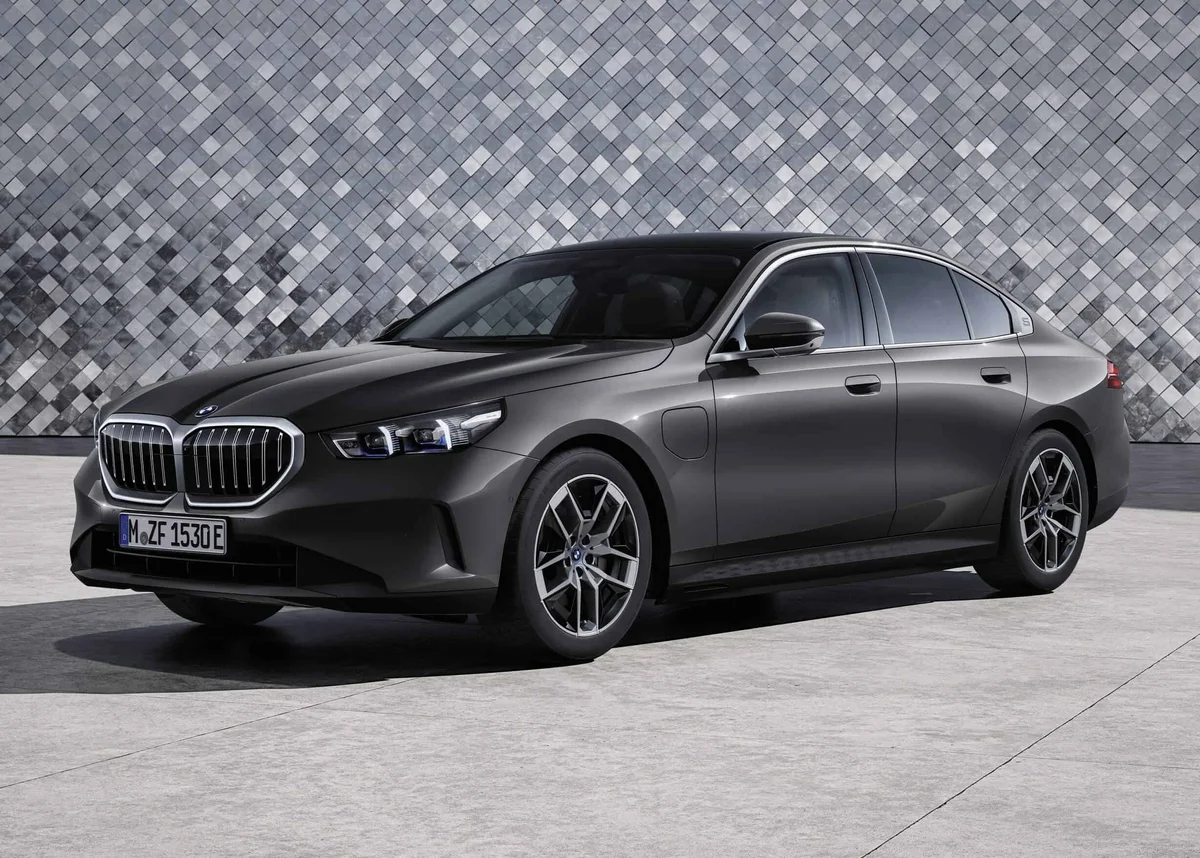 2026 BMW X5 xDrive50e
 2026 Honda Accord Hybrid Sport
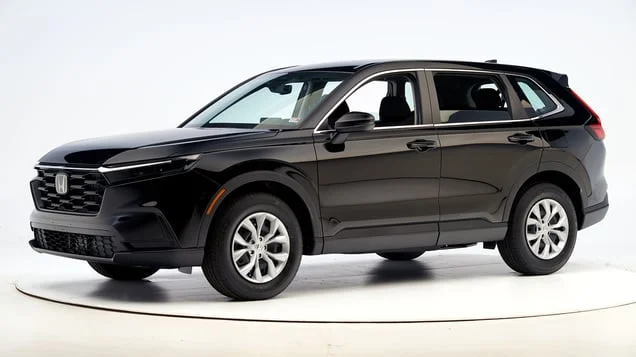 2026 Honda CR-V Hybrid Sport
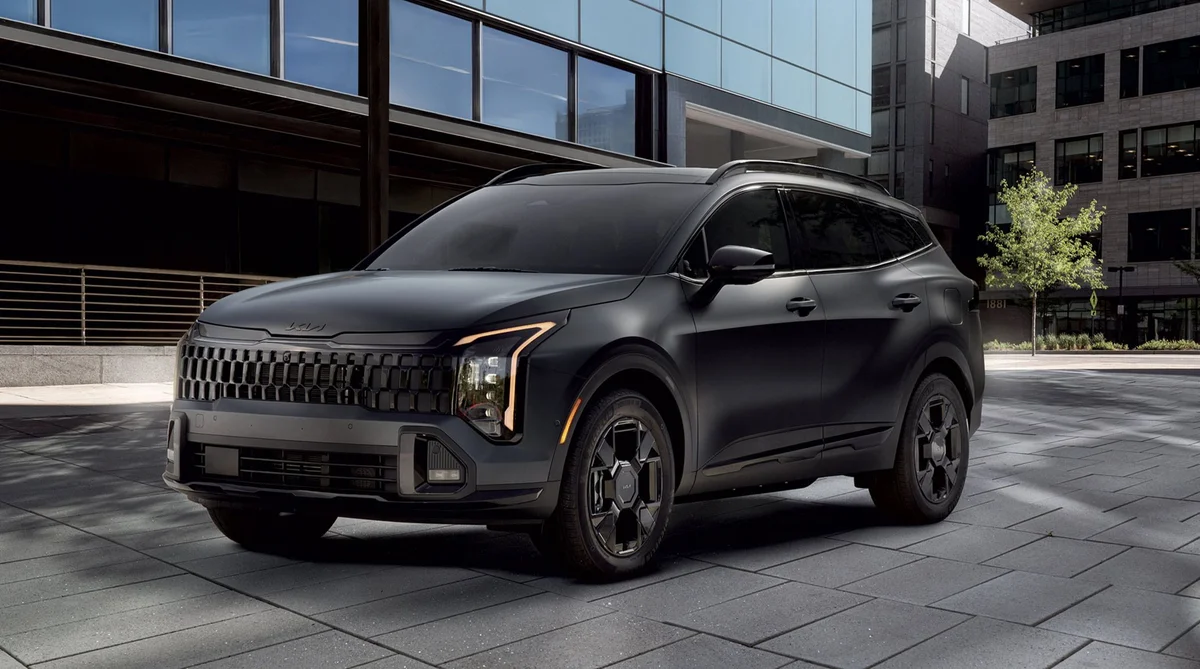 2026 Kia Sportage Plug-In Hybrid X-Line
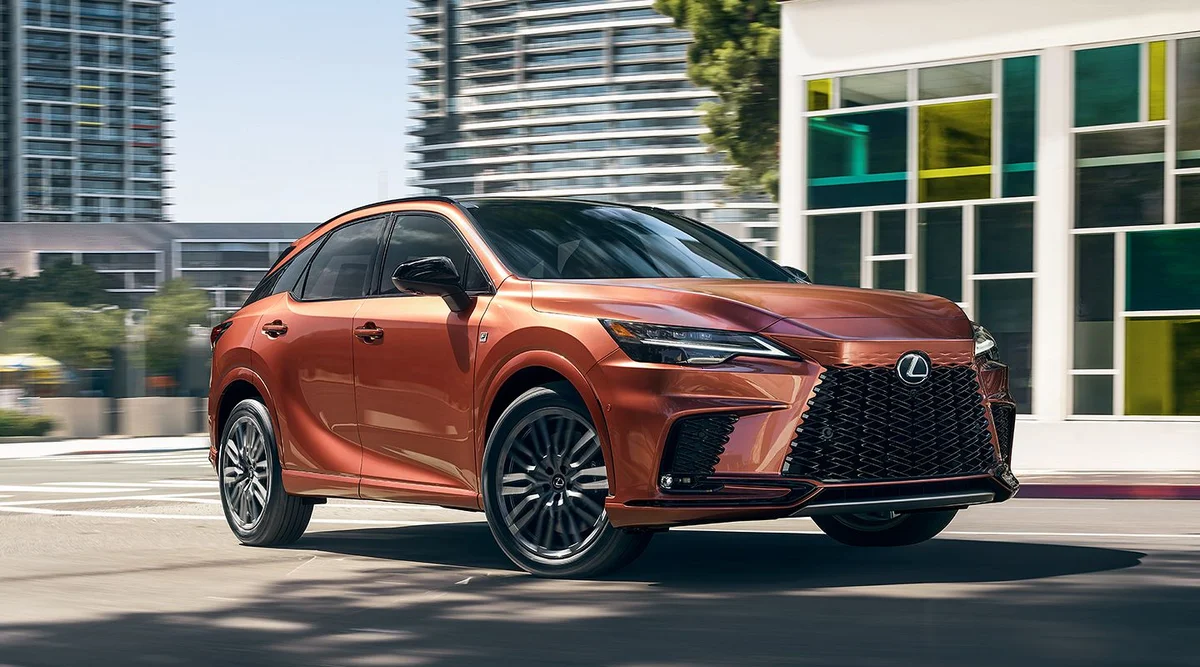 2026 Lexus ES 300h F SPORT2026 Lexus NX 450h+ F SPORT Handling
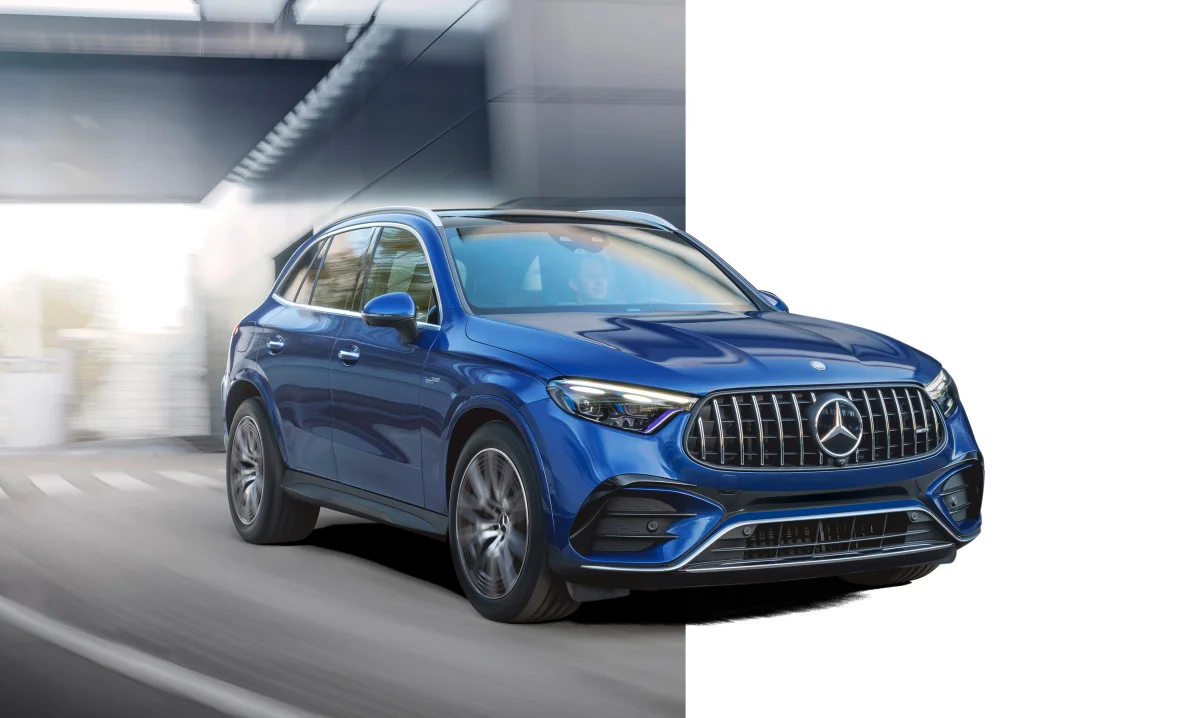 2026 Mercedes-Benz GLC 350e 4MATIC
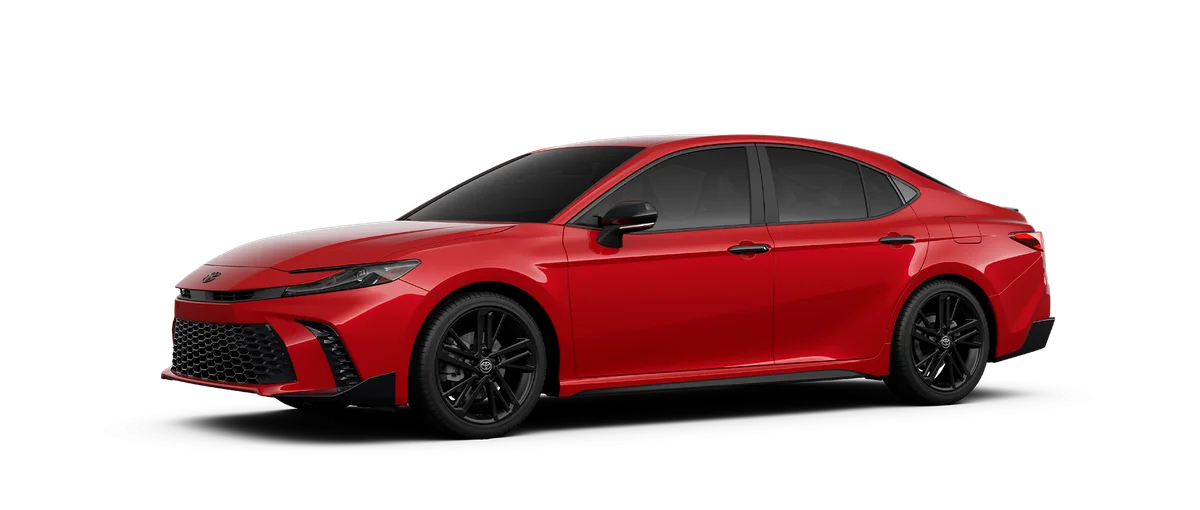 2026 Toyota Camry Hybrid
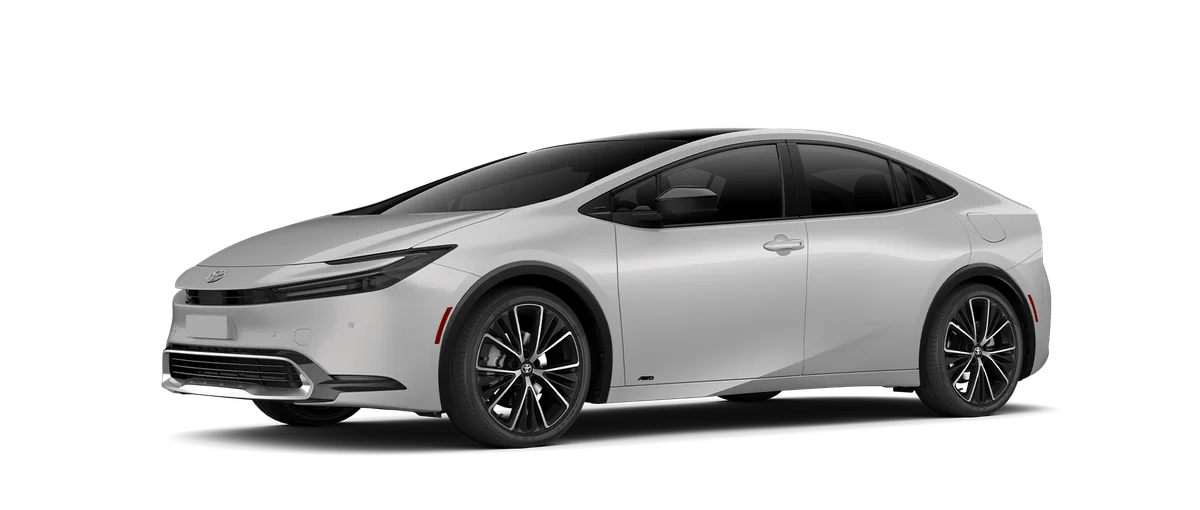 2026 Toyota Prius Prime XSE
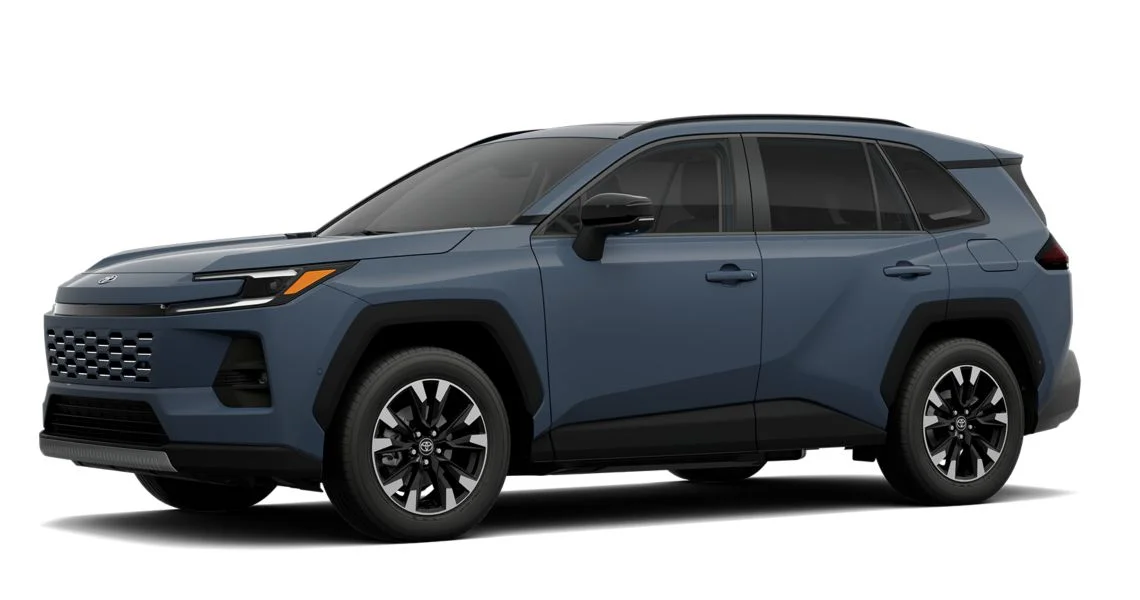 2026 Toyota RAV4 Hybrid XLE
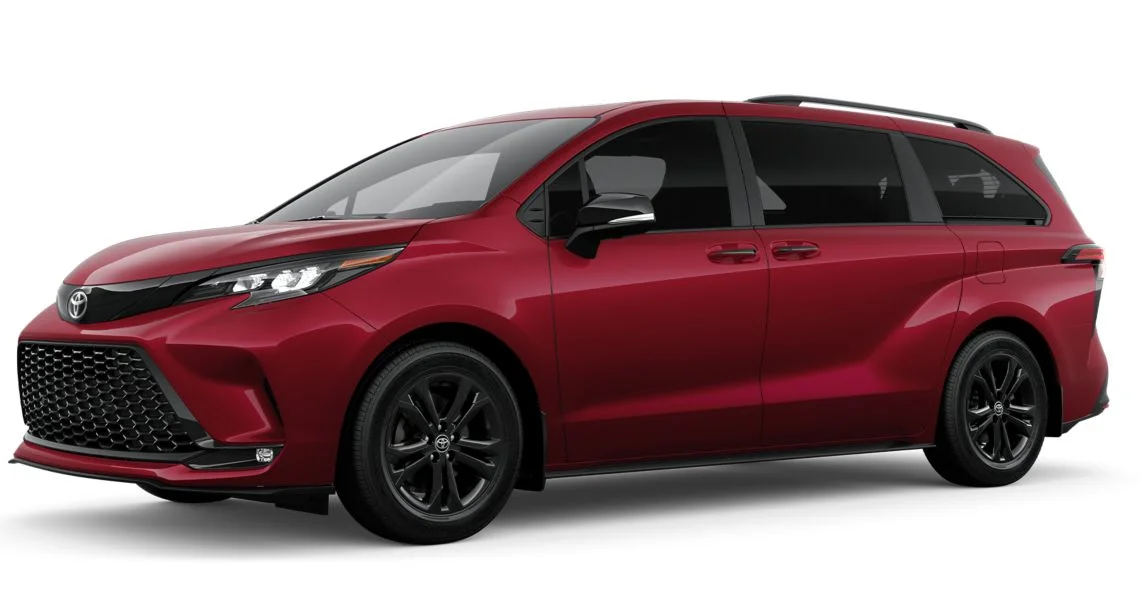 2026 Toyota Sienna Hybrid XSE AWD
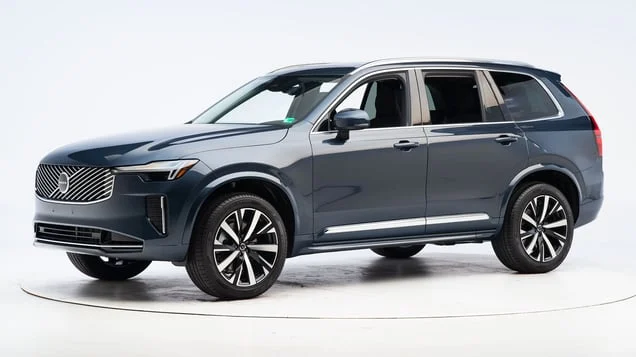 2026 Volvo XC90 Recharge T8 Plus
More on hybrid cars
Explainer
Why Hybrids Get Better MPG in City Traffic Than on the Highway
Hybrids flip the usual pattern: city MPG beats highway. Here is why regenerative braking pays in traffic, what 75 mph really costs, and how cold weather changes the math for PHEV buyers.
Explainer
Hybrid Car Tax Credits in 2026: Who Qualifies and Who Does Not
The federal clean vehicle credit for hybrids ended on September 30, 2025. Here is what that means, who the old rules excluded, and what is still on the table.
Explainer
Hybrid Battery Life and Replacement Cost: What the Data Actually Shows
Fleet data shows most hybrid traction batteries last 150,000 to 200,000 miles, and OEM replacement now runs $2,500 to $4,500 on mainstream models. The feared catastrophic battery bill is not supported by the evidence.
Explainer
What MPGe Actually Means (and Why It Is Not Your Real Fuel Cost)
MPGe is an energy rating, not a price. Here is what the number means on a plug-in hybrid label, how the EPA calculates it, and how to compare it against a conventional hybrid like a 51 MPG Camry without getting fooled.
Explainer
PHEV vs. Regular Hybrid: When the Plug Actually Pays Off
A plug-in hybrid costs thousands more and gets worse MPG on an empty battery. Here is the break-even math and the conditions that make the premium worth paying.