Explainer
Hybrid Car Tax Credits in 2026: Who Qualifies and Who Does Not
The federal clean vehicle credit for hybrids ended on September 30, 2025. Here is what that means, who the old rules excluded, and what is still on the table.
Updated November 11, 2026 · Based on 14 sources · How we research
If you walked into a showroom in November 2026 expecting Uncle Sam to knock $7,500 off a plug-in hybrid, stop. The federal Section 30D clean vehicle credit was retired seven years early by the One Big Beautiful Bill Act, signed by President Trump on July 4, 2025, and it stopped accepting new vehicles on September 30, 2025, per the IRS fuel economy portal. For any new 2026 hybrid or plug-in hybrid you buy today, the federal credit is zero. There is one narrow carve-out for buyers who signed a written binding contract before the cutoff and are still taking delivery. This guide explains the rules that were in effect through the 2025 sunset, why standard hybrids like the Toyota Camry Hybrid were never eligible in the first place, which plug-in hybrids did qualify, and what state and utility programs still pay in 2026.
Standard hybrids were never eligible under Section 30D
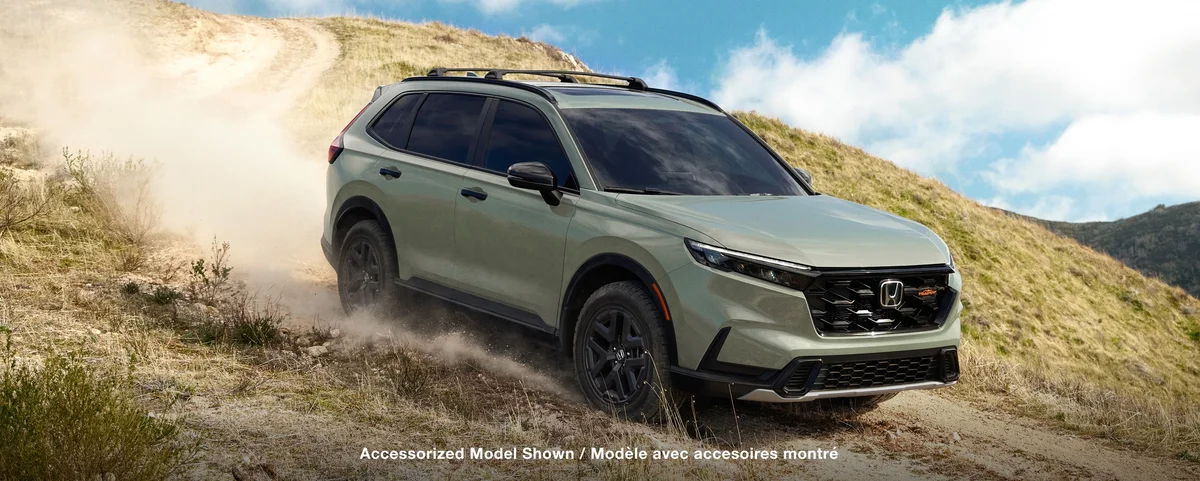
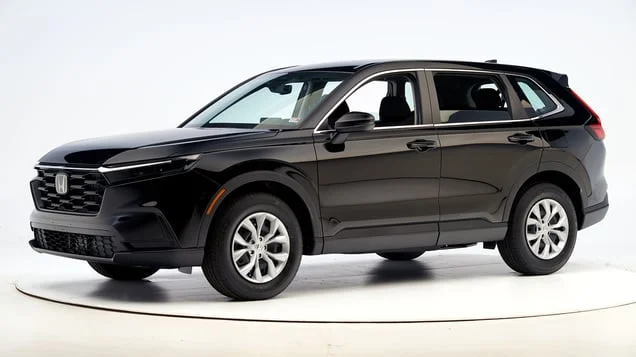
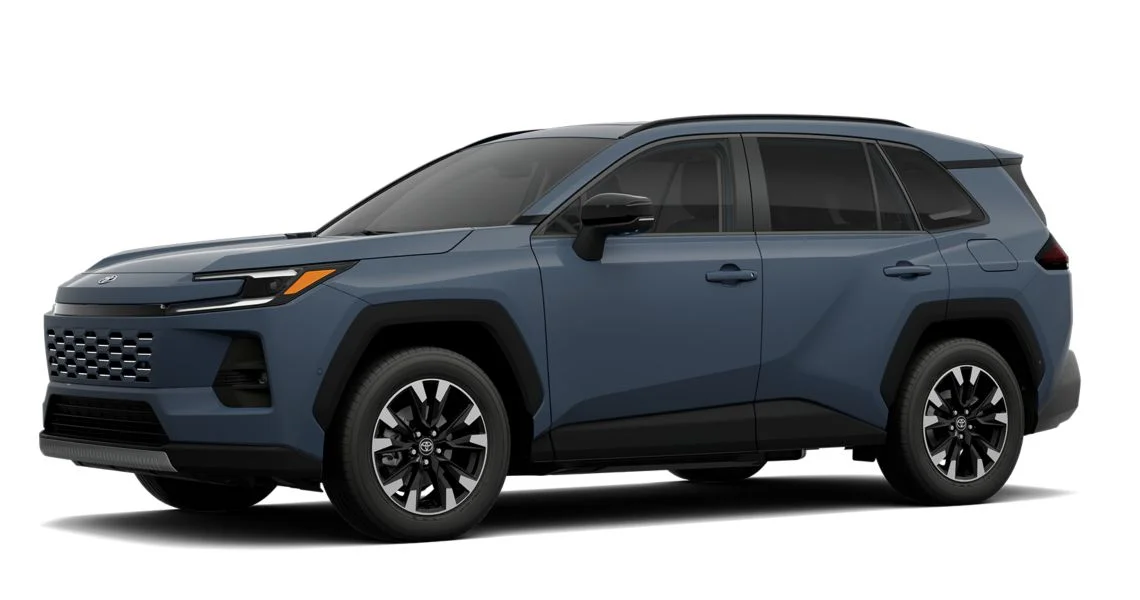
The tax code did not care whether a car had the word 'hybrid' on the trunk. It cared about one specification: the battery pack had to hold at least 7 kilowatt-hours, and the vehicle had to be chargeable from an external source. That language sits in IRC §30D(b)(3), and it drew a hard line between conventional hybrids (HEVs) and plug-in hybrids (PHEVs). Every Toyota Camry Hybrid, Honda Accord Hybrid, Toyota RAV4 Hybrid, Honda CR-V Hybrid, Toyota Sienna Hybrid and Lexus ES 300h fell on the wrong side of that line.
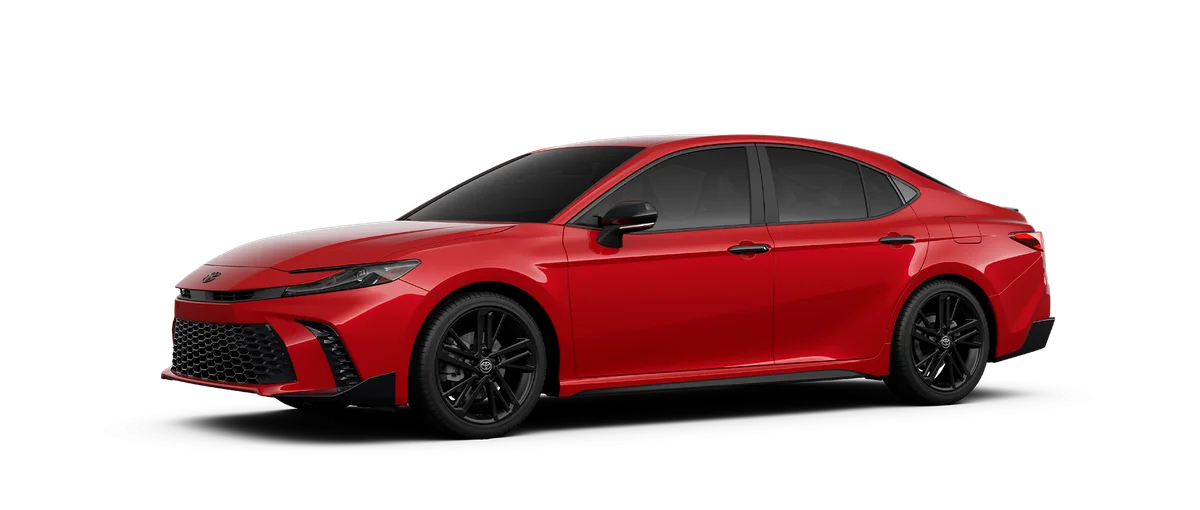
The Camry Hybrid is the clearest illustration. Its traction battery holds roughly 1 kWh, used only to buffer regenerative braking energy and run the electric motor for short bursts, as described in Toyota's hybrid system literature summarized by Wikipedia's Toyota hybrid vehicles page. It has no J1772 port, no onboard charger for grid power and no way to run on electricity alone for more than a mile at crawling speed. Under the law, it was a 'hybrid electric vehicle,' not a 'new qualified plug-in electric drive motor vehicle.' Same story for the 2026 Toyota Camry Hybrid LE at 51 MPG combined, the 2026 Honda Accord Hybrid Sport at 44 MPG, the 2026 Toyota RAV4 Hybrid XLE, the 2026 Honda CR-V Hybrid Sport, the 2026 Toyota Sienna Hybrid XSE AWD and the 2026 Lexus ES 300h F SPORT. Excellent fuel economy, zero federal credit, and that was true in 2020, 2023, 2025 and every year in between.
The real 2026 headline: the federal credit is gone
Section 30D for new clean vehicles, Section 25E for used clean vehicles and Section 45W for commercial clean vehicles all terminated for vehicles acquired after September 30, 2025, under the One Big Beautiful Bill Act. The IRS confirmed the change through its fuel economy portal: 'The federal income tax credit for New Clean Vehicles has been discontinued. New all-electric vehicles, plug-in hybrids, and fuel cell vehicles acquired after September 30, 2025, do not qualify for a credit,' as quoted on fueleconomy.gov. The sunset came seven years before the Inflation Reduction Act had originally scheduled it.
One narrow bridge still exists. Under the IRS binding-contract guidance summarized by beancount.io's OBBBA sunset analysis, a buyer who signed a written binding purchase contract and made a nominal payment on or before September 30, 2025, can still claim the credit on their 2026 return when the vehicle is placed in service, filing Form 8936 and Schedule A with their taxes. The vehicle itself must still have met all the pre-sunset eligibility rules. Outside that carve-out, no new purchase in 2026 generates a federal credit of any size, for a hybrid, a plug-in hybrid or a full EV.
Which plug-in hybrids actually qualified before the cutoff
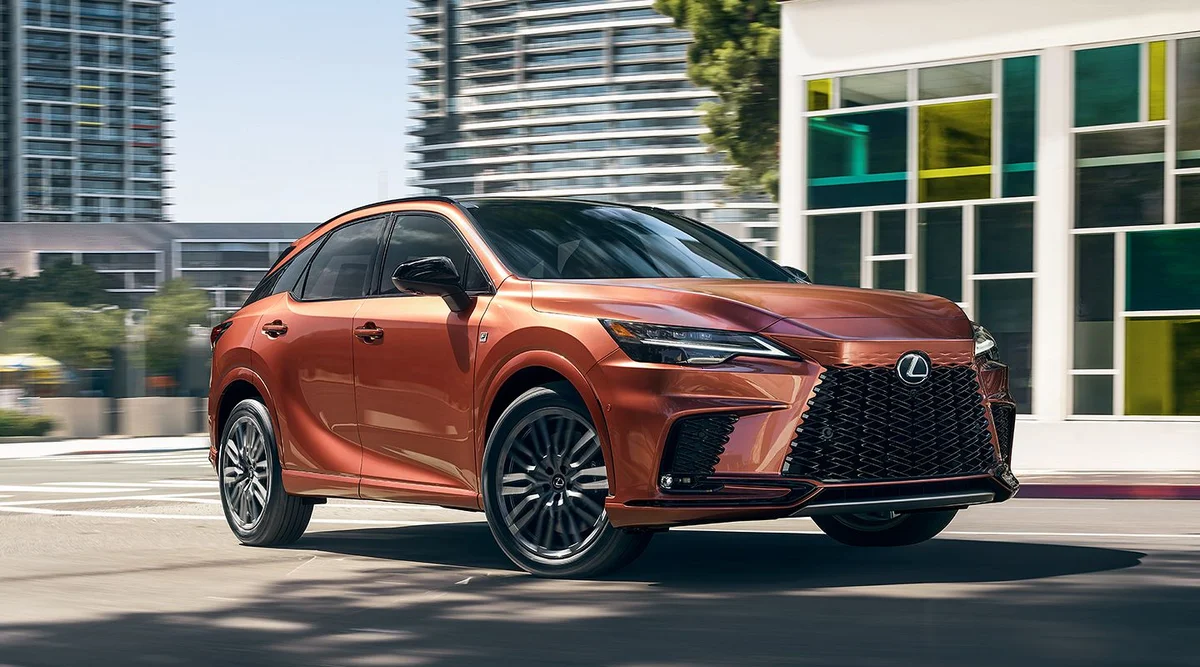
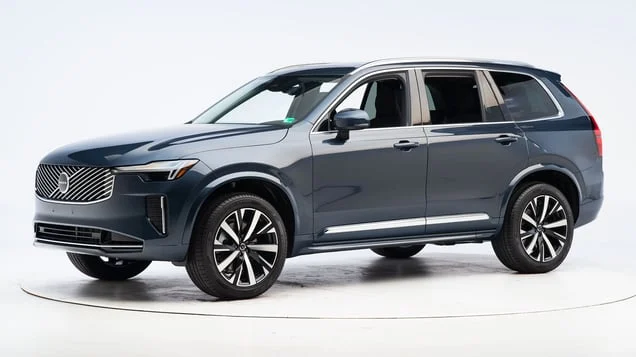
Several PHEVs on the RankGrids list look like they ought to have qualified and did not, almost always because of final assembly. The 2026 Volvo XC60 T8 Plug-In Hybrid Plus and 2026 Volvo XC90 Recharge T8 Plus are both built in Torslanda, Sweden, per the plant data on Wikipedia's Volvo XC60 page and Volvo XC90 page. That location put them outside the North American final-assembly requirement. The 2026 Lexus NX 450h+ F SPORT comes from Toyota's Miyata plant in Miyawaka, Fukuoka, Japan, so it never qualified for the purchase credit either, as confirmed on South County Lexus's tax credit page. Lessors could still claim the commercial credit under Section 45W and pass it through as a lease incentive, which many Lexus dealers did, but Section 45W also sunsetted on September 30, 2025.
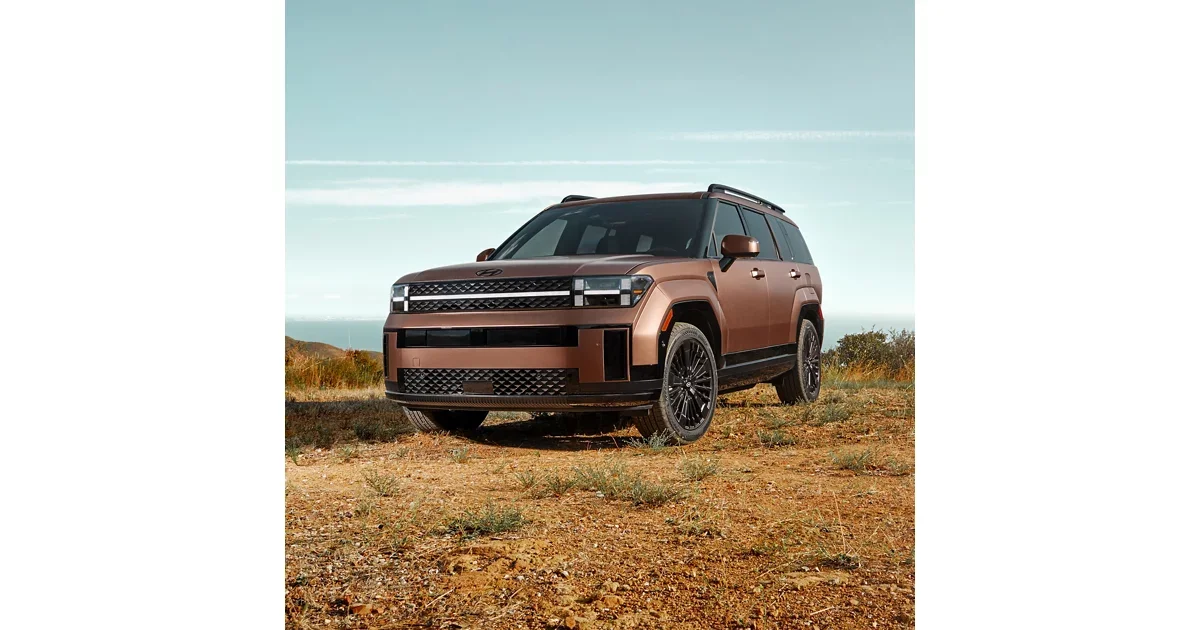
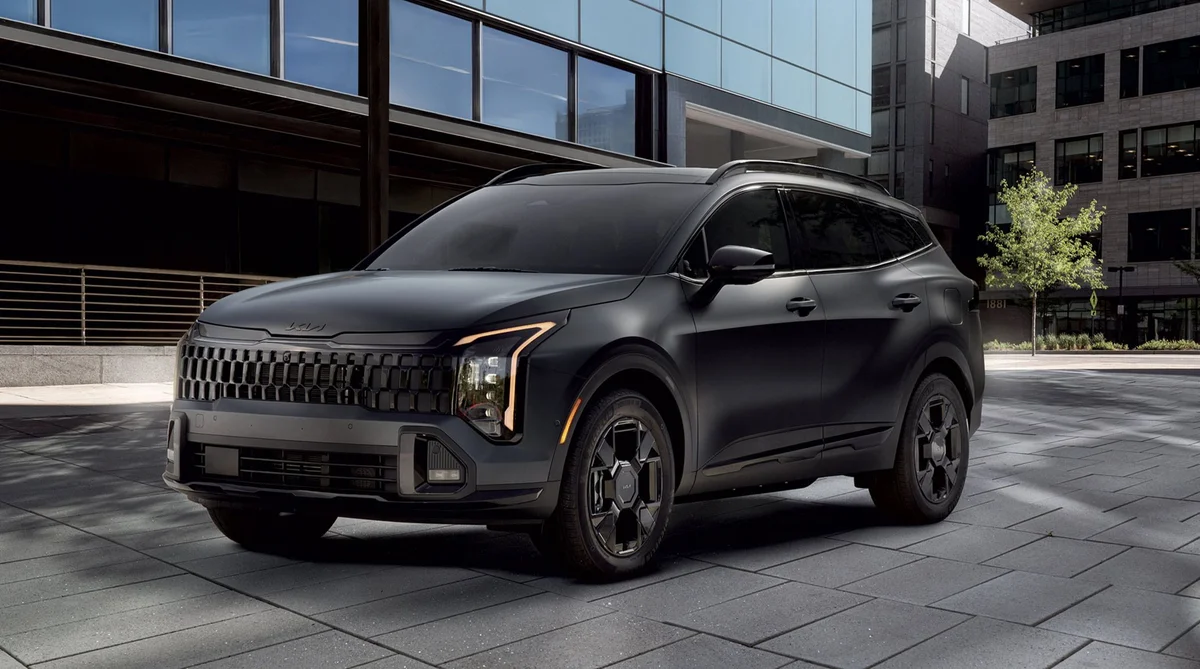
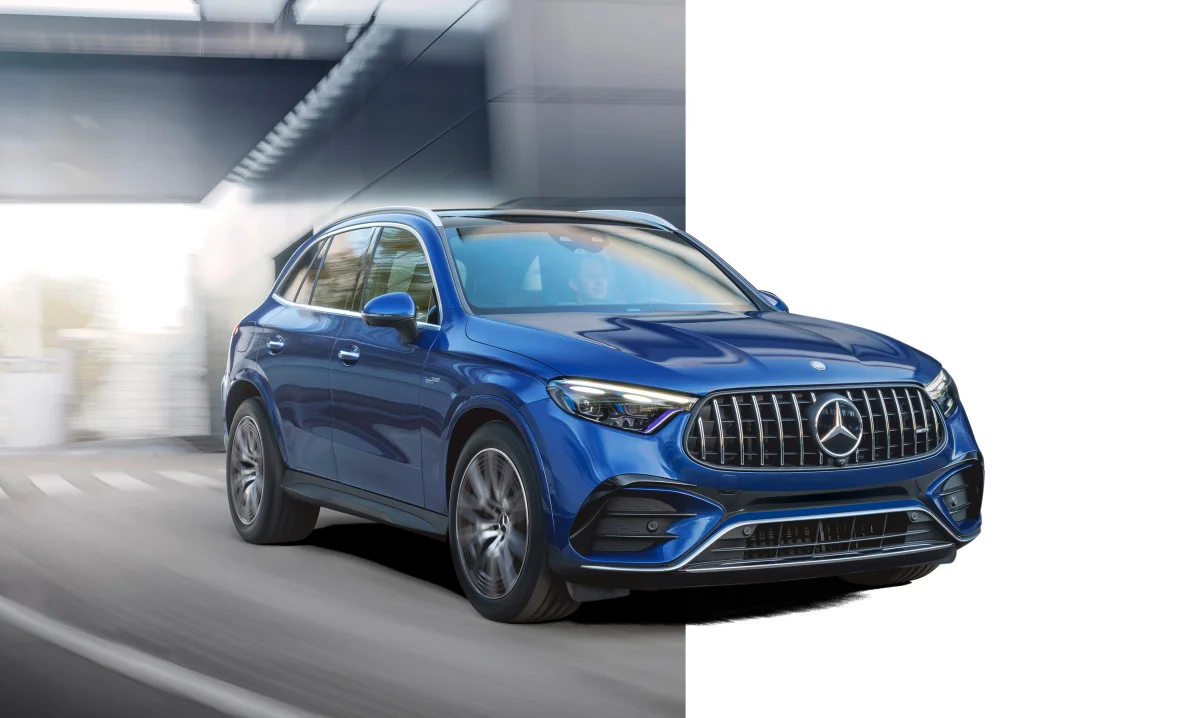
The 2026 Mercedes-Benz GLC 350e 4MATIC, 2026 BMW 550e xDrive, 2026 BMW 530e xDrive and 2026 Mercedes-Benz AMG E53 PHEV are all German-built and did not clear the assembly gate under 30D. The 2026 Hyundai Santa Fe Plug-In Hybrid and 2026 Kia Sportage Plug-In Hybrid were assembled in South Korea for the US market, which also disqualified them for the purchase credit despite their strong MPGe numbers.
| Plug-in hybrid | Final assembly | Credit amount | MSRP cap |
|---|---|---|---|
| Chrysler Pacifica PHEV (2022-2024) | Windsor, Ontario | $7,500 | $80,000 |
| Jeep Wrangler 4xe (2022-2024) | Toledo, OH | $3,750 | $80,000 |
| Jeep Grand Cherokee 4xe (2024) | Detroit, MI | $3,750 | $80,000 |
| Ford Escape PHEV (2023-2024) | Louisville, KY | $3,750 | $80,000 |
| Lincoln Corsair Grand Touring PHEV | Louisville, KY | $3,750 | $80,000 |
| Audi Q5 PHEV 55 TFSI e (2023-2024) | San Jose Chiapa, Mexico | $3,750 | $80,000 |
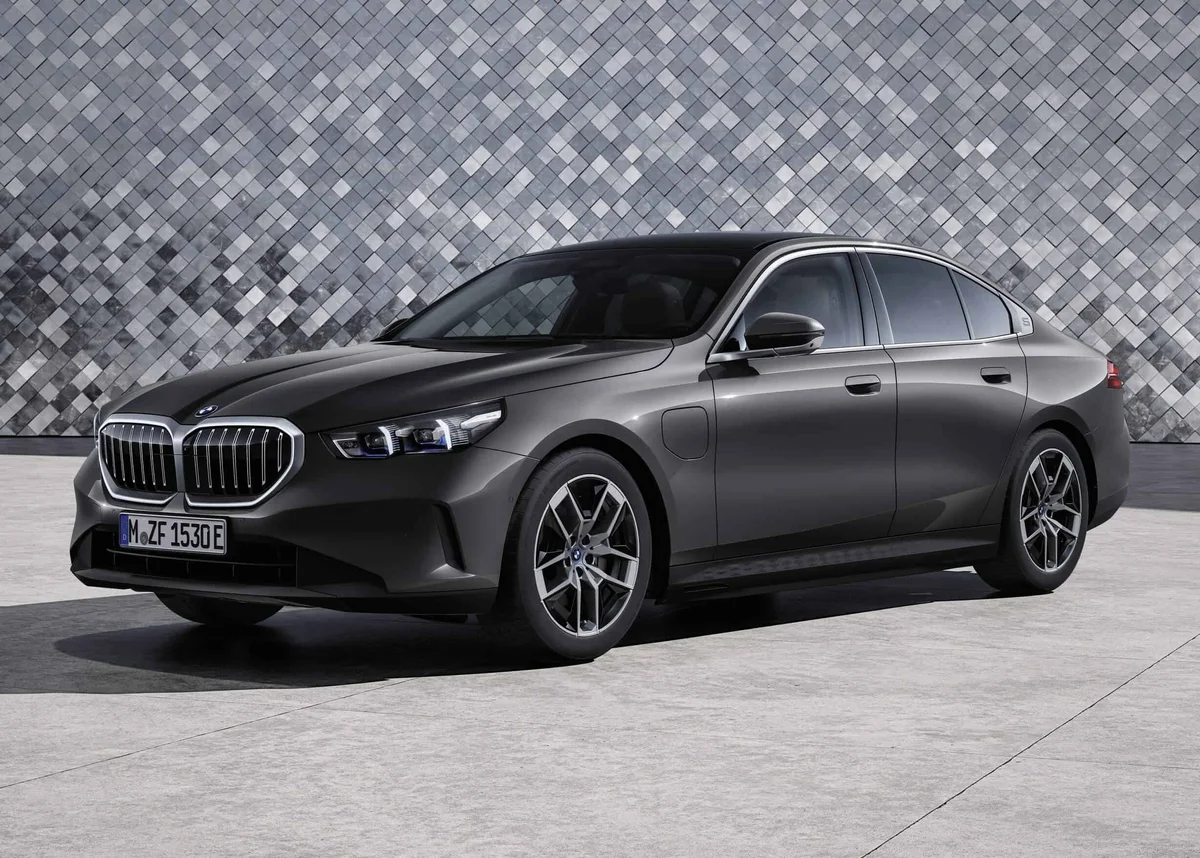
| BMW X5 xDrive50e (2024-2025) | Spartanburg, SC | $3,750 | $80,000 |
| Mercedes-Benz GLE 450e 4MATIC (2024-2025) | Tuscaloosa, AL | $3,750 | $80,000 |
The four gates a PHEV had to clear
Before September 30, 2025, a plug-in hybrid needed four separate green lights to generate the full $7,500. Missing any one of them was enough to zero the credit, which is why so few names landed on the final IRS list.
First, the vehicle. The battery pack had to hold at least 7 kWh and final assembly had to be in North America. Second, the sourcing math. Under IRS rules effective April 18, 2023, $3,750 of the credit depended on the critical-mineral content of the battery, and the other $3,750 depended on where the battery components themselves were manufactured or assembled. The percentage thresholds stepped up every year. A vehicle that cleared one requirement but not the other got $3,750, which is why the BMW X5 xDrive50e and Mercedes GLE 450e landed at that number rather than the full $7,500. Third, the price. SUVs, vans and pickups had to list below $80,000 MSRP. Sedans, coupes, hatchbacks and wagons had to list below $55,000. The cap was based on MSRP as delivered, including options, which is why the top trims of several nominally qualifying PHEVs quietly fell out. Fourth, the buyer. Modified adjusted gross income could not exceed $150,000 for single filers, $225,000 for head of household or $300,000 for married filing jointly, as confirmed by the IRS. Buyers could use the lower of the current or prior year's MAGI, a useful cushion for commission earners and one-time bonuses.
- Battery pack: minimum 7 kWh
- Final assembly: North America (US, Canada, Mexico)
- Critical minerals sourced from the US or free-trade partners: $3,750
- Battery components manufactured or assembled in North America: $3,750
- MSRP cap: $80,000 for SUVs, vans and trucks; $55,000 for all other vehicles
- Income cap (MAGI): $150,000 single, $225,000 head of household, $300,000 joint, lower of current or prior year
How the dealership transfer worked, and still works for binding-contract buyers
Starting January 1, 2024, qualifying buyers no longer had to wait for tax season. They could transfer the credit to a registered dealer at the point of sale and receive it as a cash discount or down-payment reduction. The dealer logged the sale through the IRS Energy Credits Online portal and produced a time-of-sale report, which the buyer had to keep and reconcile on Form 8936 and Schedule A when filing their return. The dealer, not the buyer, received the actual money from the IRS within a few days.
Two mechanics worth knowing. The transfer was elective on each vehicle, so a buyer could still claim the credit the old way on their return if the dealer was not registered or if the buyer wanted to delay. And the credit was nonrefundable at claim time but fully refundable when transferred, meaning a buyer with low tax liability was better off transferring at the dealer. The recapture catch: if MAGI later came in above the ceiling, the IRS clawed back the full transferred amount as additional tax owed. For 2026 binding-contract buyers still placing a vehicle in service, the mechanics are identical; the dealer still files the time-of-sale report and the buyer still files Form 8936.
What state and utility programs still pay in 2026
The federal death of Section 30D did not touch state programs, and several states expanded their incentives as the federal credit wound down. California launched MyFirstEV in summer 2026 with a $3,500 instant rebate on new EVs priced below $50,000 and $1,750 on used EVs below $25,000, per Governor Newsom's August 2026 announcement. The program is restricted to battery electric vehicles, so plug-in hybrids are not eligible. The Clean Cars 4 All program still layers on up to $12,000 for low-income residents replacing an older gas vehicle, as detailed by Insurify's state-by-state 2026 guide.
Colorado offers a refundable state tax credit of up to $3,250 in 2026, a $750 base plus a $2,500 bonus for vehicles under $35,000 MSRP, down from $3,500 in 2025 as the state ramps the program down, per Coltura's Colorado guide. Additional point-of-sale rebates are available under Vehicle Exchange Colorado for income-qualified residents trading in older high-emitting vehicles. New York's Drive Clean Rebate pays up to $2,000 at the point of purchase or lease on approved EV and PHEV models, with PHEVs typically capped at $500 to $1,000 depending on electric range, administered by NYSERDA. New Jersey, Massachusetts, Oregon, Illinois and Pennsylvania all run their own programs with amounts ranging from $500 to $4,000, and most utilities offer additional rebates for home Level 2 charger installation. A clean vehicle buyer in 2026 should start with their state energy office and their local utility rather than the IRS.
One leftover federal item worth mentioning: the Section 30C alternative fuel vehicle refueling property credit still pays 30 percent of the cost of a home EV charger, up to $1,000, for equipment placed in service by June 30, 2026. It applies only to installations in a low-income community or non-urban census tract, as summarized by Wealthvieu's EV tax guide.
The short version
For a 2026 buyer without a pre-September-30, 2025 binding contract, treat the federal ledger as zero. If you want a standard hybrid like the Toyota Camry Hybrid or Honda CR-V Hybrid, buy on the fuel economy math alone; no federal credit was ever on the table. If you want a plug-in hybrid, do not pay a 'tax credit premium' that the dealer has quietly built into the sticker, and run the numbers against state and utility rebates instead. The decision now turns on MPGe, electric range, charging access and total cost of ownership, which is where it probably should have lived all along. Check our ranking of the best hybrid cars of 2026 for the trade-offs that still matter.
See Best Hybrid Cars of 2026Questions people ask
Do hybrid cars get a federal tax credit in 2026?+
No. Standard hybrids were never eligible because their battery packs sit around 1 to 2 kWh, well below the 7 kWh statutory floor, and they cannot be plugged in. Plug-in hybrids and full EVs were eligible through September 30, 2025, but the One Big Beautiful Bill Act terminated the Section 30D credit on that date for any new vehicle acquired afterward.
Why doesn't the Toyota Camry Hybrid get a tax credit?+
The Camry Hybrid carries roughly a 1 kWh traction battery, has no J1772 port and cannot be charged from an external source. Section 30D required a battery of at least 7 kWh and external grid charging capability. The Camry fails both tests. No model year of the Camry Hybrid has ever qualified for the federal clean vehicle credit.
Which plug-in hybrids qualified for the $7,500 credit in 2026?+
For new purchases placed in service in 2026, effectively none. The credit ended September 30, 2025. In the final months before the sunset, only the Chrysler Pacifica PHEV earned the full $7,500. Several others, including the BMW X5 xDrive50e, Mercedes-Benz GLE 450e, Jeep Wrangler 4xe, Jeep Grand Cherokee 4xe, Ford Escape PHEV and Audi Q5 PHEV, qualified for half, at $3,750, because they met the battery component requirement but not the critical mineral requirement.
What is the income limit for the hybrid tax credit?+
Modified adjusted gross income could not exceed $300,000 for married filing jointly or surviving spouse, $225,000 for head of household, and $150,000 for all other filers. Buyers could use the lower of the current year's or prior year's MAGI, which gave a one-year cushion. Those limits still apply to 2026 binding-contract buyers claiming the credit on their returns.
How do I claim the EV tax credit at the dealership?+
The dealer had to be registered with the IRS Energy Credits Online portal. At closing, the dealer generated a time-of-sale report with your VIN and credit amount, applied the credit to the purchase price, and submitted the report to the IRS within three days. You then filed Form 8936 and Schedule A (Form 8936) with your tax return for the year the vehicle was placed in service. Keep the time-of-sale report; the IRS reconciles it against your filing.
Can I still claim the federal credit if I signed a contract before September 30, 2025?+
Yes, under the binding-contract rule. If you executed a written binding purchase contract and made a nominal payment on or before September 30, 2025, you can claim the credit when the vehicle is placed in service, even if delivery slides into 2026. The vehicle must still have met all the pre-sunset eligibility rules on assembly, battery, MSRP and buyer income. Document everything; the IRS will look for the contract, the payment and the dealer time-of-sale report.
Does leasing a PHEV still deliver a federal credit in 2026?+
No. The commercial clean vehicle credit under Section 45W, which lessors used to claim and pass through as a lease incentive, ended on September 30, 2025, on the same timeline as Section 30D. Dealers who tell you a lease still carries a federal credit in 2026 are either referring to a pre-sunset binding contract or quoting a manufacturer promotion funded from their own margin, not from the IRS.
What state incentives still apply to hybrids in 2026?+
Most state programs cover plug-in hybrids and full EVs, not standard hybrids, and California's MyFirstEV excludes PHEVs entirely. Colorado offers up to $3,250 in 2026, down from $3,500 in 2025. New York's Drive Clean Rebate pays up to $2,000 at point of sale, with PHEVs typically between $500 and $1,000. New Jersey, Massachusetts, Oregon, Illinois and Pennsylvania run their own programs, and many utilities add Level 2 charger rebates on top.
Sources
What this guide is based on. We research from published specifications, independent reviews and owner reports; we did not test these products ourselves.
- 1.Credits for new clean vehicles purchased in 2023 or after, IRS
- 2.Federal Tax Credits for New Plug-in Electric and Fuel Cell Electric Vehicles Acquired from January 1, 2023, through September 30, 2025, US Department of Energy
- 3.Section 30D Clean Vehicle Credit Sunset: What 2026 EV Buyers Lost and Who Can Still Claim the $7,500, Beancount
- 4.2026 Instructions for Form 8936, IRS
- 5.Electric Cars and Plug-In Hybrids That Qualified for Federal Tax Credits, Consumer Reports
- 6.Federal EV Tax Credit 2026: The $7,500 Credit Ended, What Replaced It, Wealthvieu
- 7.Electric Vehicle Incentives and Rebates by State (2026), Insurify
- 8.Governor Newsom announces $3,500 instant rebates now available for Californians buying their first zero-emission vehicle, Office of Governor Gavin Newsom
- 9.Colorado EV Tax Credit In 2026: Up To $3,250 + A $9,000 Rebate, Coltura
- 10.Federal EV Tax Credit Information, South County Lexus
- 11.Volvo XC60, Wikipedia
- 12.Volvo XC90, Wikipedia
- 13.Toyota hybrid vehicles, Wikipedia
- 14.Clean Vehicle Tax Credits (CRS Report IF12600), Congressional Research Service
Products mentioned
 2026 BMW X5 xDrive50e
 2026 Honda Accord Hybrid Sport
 2026 Honda CR-V Hybrid Sport
 2026 Hyundai Santa Fe Plug-In Hybrid SEL Premium
 2026 Kia Sportage Plug-In Hybrid X-Line
 2026 Lexus NX 450h+ F SPORT Handling
 2026 Mercedes-Benz GLC 350e 4MATIC2026 Mercedes-Benz GLE 450e 4MATIC
 2026 Toyota Camry Hybrid
 2026 Toyota Prius Prime XSE
 2026 Toyota RAV4 Hybrid XLE
 2026 Volvo XC90 Recharge T8 Plus
More on hybrid cars
Explainer
Why Hybrids Get Better MPG in City Traffic Than on the Highway
Hybrids flip the usual pattern: city MPG beats highway. Here is why regenerative braking pays in traffic, what 75 mph really costs, and how cold weather changes the math for PHEV buyers.
Explainer
Hybrid Battery Life and Replacement Cost: What the Data Actually Shows
Fleet data shows most hybrid traction batteries last 150,000 to 200,000 miles, and OEM replacement now runs $2,500 to $4,500 on mainstream models. The feared catastrophic battery bill is not supported by the evidence.
Explainer
What MPGe Actually Means (and Why It Is Not Your Real Fuel Cost)
MPGe is an energy rating, not a price. Here is what the number means on a plug-in hybrid label, how the EPA calculates it, and how to compare it against a conventional hybrid like a 51 MPG Camry without getting fooled.
Explainer
PHEV vs. Regular Hybrid: When the Plug Actually Pays Off
A plug-in hybrid costs thousands more and gets worse MPG on an empty battery. Here is the break-even math and the conditions that make the premium worth paying.
Buying guide
How to Choose a Hybrid Car: The Decisions That Actually Matter
Four questions decide the right hybrid: can you charge at home, what body style, mainstream or luxury, and how many miles a year. Everything else is noise.