Explainer
Hybrid Battery Life and Replacement Cost: What the Data Actually Shows
Fleet data shows most hybrid traction batteries last 150,000 to 200,000 miles, and OEM replacement now runs $2,500 to $4,500 on mainstream models. The feared catastrophic battery bill is not supported by the evidence.
Updated November 11, 2026 · Based on 12 sources · How we research
Many shoppers skip hybrids because they picture a $6,000 battery bill waiting at year eight. The fleet data tells a different story. Modern hybrid traction batteries routinely clear 150,000 miles with usable capacity left, factory warranties now cover ten years or more on most volume brands, and the replacement price for a Prius or Camry Hybrid has settled well below the number many buyers assume. This guide is for anyone deciding whether to buy a hybrid, keep one past warranty, or sell one because the battery might be next.
How long do hybrid batteries actually last?
Fleet data and owner surveys converge on the same answer: 150,000 to 200,000 miles before capacity loss becomes a daily annoyance. A 2026 summary of long-term Prius data put typical capacity loss at under 5% in the first three years, 10 to 18% by year ten, and 18 to 30% by years twelve to fifteen, with most owners never replacing the pack during ownership AutoEdgeView. Early replacements are usually traced to extreme heat, poor maintenance, or manufacturing defects rather than normal wear. After 200,000 miles, typical capacity loss lands at 20 to 30%, which shows up as slower electric-only pulls and reduced regen but usually not a dead car SUVtale on RAV4 Hybrid longevity.
The high end of the curve gets attention because the mileage numbers are astonishing. Vienna taxi driver Manfred Dvorak drove his 2007 Toyota Prius past 1,000,000 km (621,000 miles) on the original traction battery pack Carlist.my. That is not a typical ownership experience, but it illustrates the point: heat cycles and depth-of-discharge drive wear far more than calendar age alone.
The brands with the deepest fleet history are the safest bets. The RankGrids Best Hybrid Cars of 2026 list is heavy on Toyota and Lexus hybrids for a reason, from the 2026 Toyota Camry Hybrid LE and 2026 Toyota RAV4 Hybrid XLE up to the 2026 Lexus NX 450h+ F SPORT Handling. Nearly three decades of Prius data are now behind the current nickel-metal-hydride and lithium-ion packs.
What does the hybrid battery warranty cover, and where?
A hybrid battery sold in the United States sits inside three layers of coverage, and most buyers only know the first one.
Federal minimum: every EV and hybrid battery sold in the U.S. must be covered for at least 8 years or 100,000 miles CarEdge. California and the states that adopt California's emissions rules, a group that now includes Colorado, Connecticut, Delaware, Maine, Maryland, Massachusetts, Minnesota, Nevada, New Jersey, New Mexico, New York, Oregon, Pennsylvania, Rhode Island, Vermont and Washington, raise that minimum to 10 years or 150,000 miles CarEdge.
Then there is the coverage individual manufacturers add on top. For 2020 and newer models, Toyota upgraded its hybrid battery warranty to 10 years or 150,000 miles, applied to original and subsequent owners in all 50 states. The coverage transfers with the car, so a 2021 Camry Hybrid or RAV4 Hybrid bought used retains whatever portion of the term remains Oremor Automotive on Toyota/Lexus coverage. Hyundai goes further for original buyers: on hybrids from 2012 to 2019, the traction battery carries a lifetime guarantee for the first owner that does not transfer, with 10 years/100,000 miles for subsequent owners Capital One Auto Navigator. Current Hyundai and Kia hybrids ship with 10-year/100,000-mile coverage that transfers to later owners Kelley Blue Book.
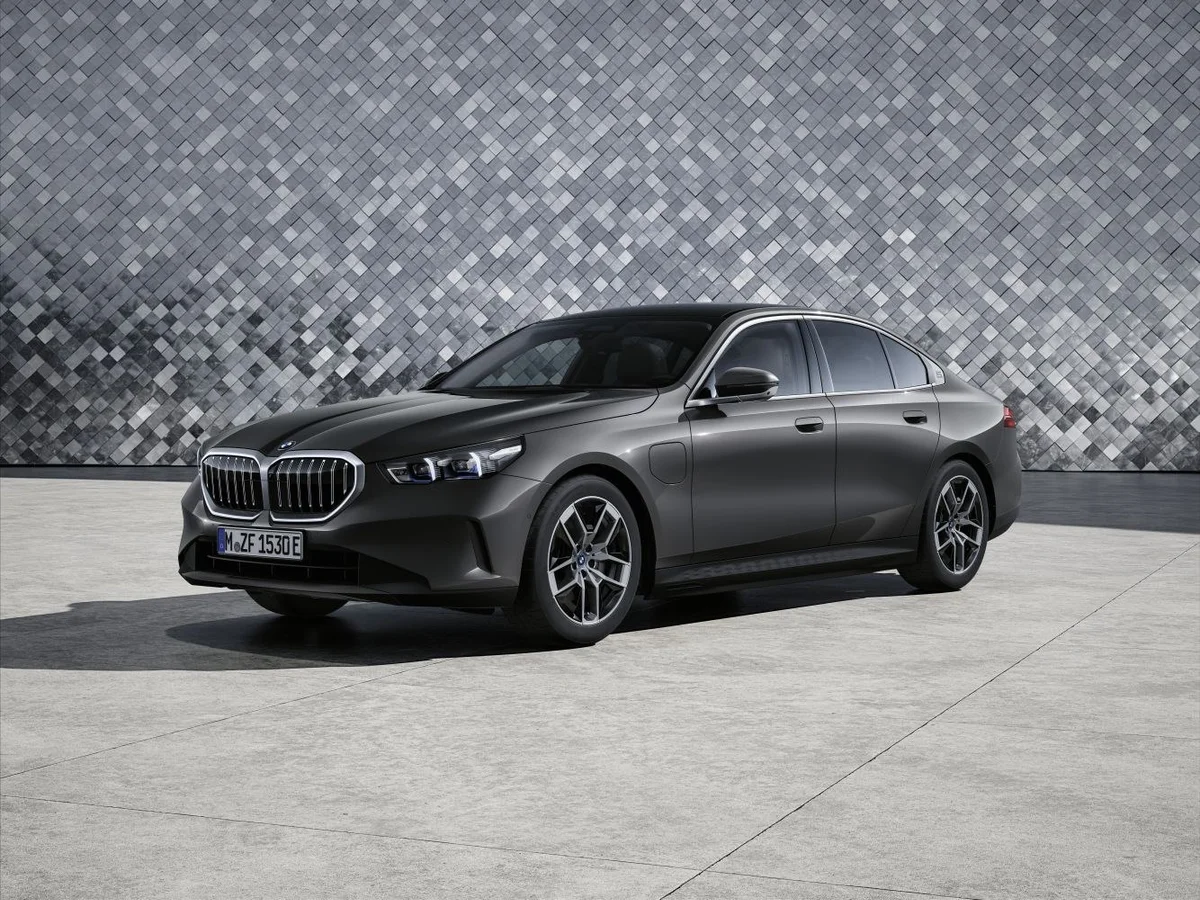
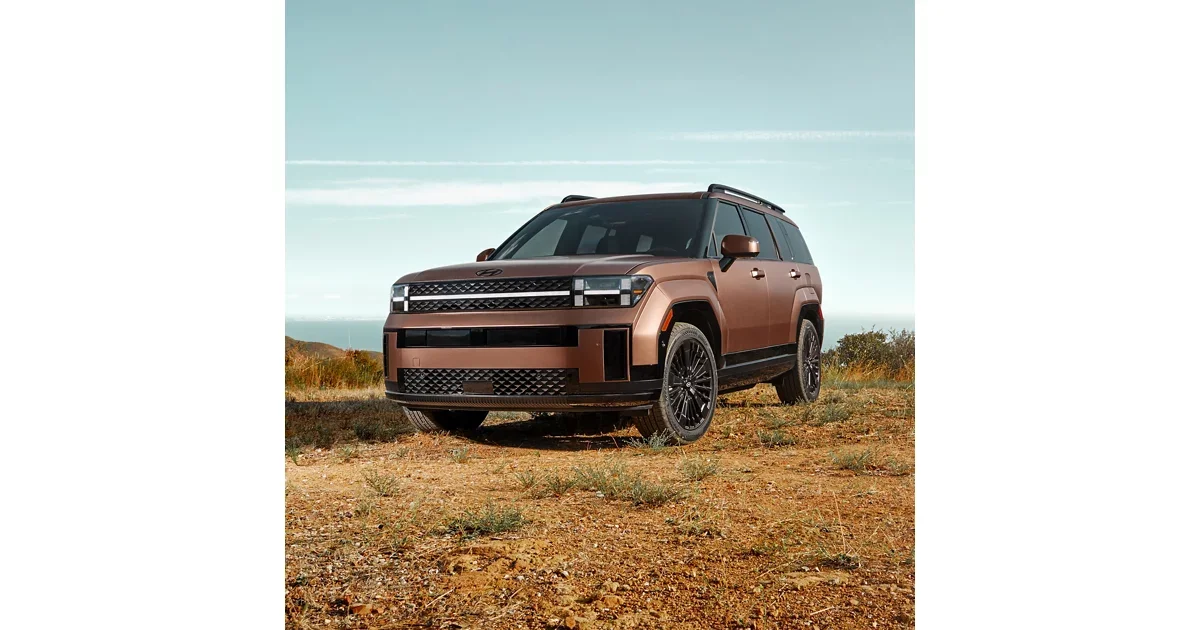
The practical consequence is that battery-anxiety looks different depending on badge. A 2026 Toyota Camry Hybrid LE ships with 10 years and 150,000 miles of traction battery coverage out of the box. A 2026 Hyundai Santa Fe Plug-In Hybrid SEL Premium carries Hyundai's 10-year/100,000-mile program. A European plug-in like the 2026 BMW 530e xDrive Sedan or 2026 Mercedes-Benz GLE 450e 4MATIC sits at the federal 8-year/100,000-mile floor unless you register in a CARB state.
Replacement costs less than the internet still says
The internet's running number for 'a hybrid battery' is still stuck around $6,000. That was accurate for second-generation Prius replacements a decade ago. Current parts and labor pricing has moved, and for the mainstream models most people are considering, it has moved down.
Volume nickel-metal-hydride packs (Prius, older Camry Hybrid, older RAV4 Hybrid) at an independent hybrid specialist run $1,300 to $3,000 for parts and labor. The same job at a Toyota dealer runs $3,000 to $5,000 or more Hybridbattery.net 2026 cost guide. The Honda Accord Hybrid is in the same band, roughly $1,500 to $3,000 at an independent shop and $3,000 to $5,000 at a dealer Speedy Roo Motorsports.
Plug-in hybrid packs are larger and more expensive. A lithium-ion pack with 30-plus miles of real electric range costs more in parts than a NiMH assist-only pack, and DC-fast-charge-capable packs like the one on the 2026 Mercedes-Benz GLC 350e 4MATIC sit at the top of the market. Expect $4,000 to $8,000 on a European PHEV pack out of warranty.
Reconditioned packs, which replace the weakest cells and rebalance the rest, run $1,500 to $3,500 installed, and some shops now back the work with up to a three-year warranty HybridBattery911. They are a reasonable answer on a 12-year-old Prius with mostly healthy modules. They are not a reason to avoid buying a new hybrid.
| Model | Pack type | Independent shop | Dealer OEM |
|---|---|---|---|
| Toyota Prius (2010-2015) | NiMH | $1,300 to $2,400 | $3,000 to $4,200 |
| Toyota Camry Hybrid | NiMH | $1,800 to $3,000 | $3,500 to $4,500 |
| Toyota RAV4 Hybrid | NiMH | $2,200 to $3,600 | $3,600 to $5,500 |
| Honda Accord Hybrid | Li-ion | $1,500 to $3,000 | $3,000 to $5,000 |
| Honda Civic Hybrid | NiMH | $1,600 to $2,700 | $2,800 to $4,200 |
Are hybrids expensive to maintain long term?
They cost less, not more. Consumer Reports' large ownership-cost dataset put plug-in hybrid and EV lifetime maintenance at about $4,600, roughly half the $9,200 estimated for a comparable gas car Great Plains Institute summary of the Consumer Reports study. On conventional hybrids specifically, Consumer Reports has reported 26% fewer problems per vehicle than gas-only counterparts, which the organization attributes to hybrid technology being mature and concentrated in Toyota, Hyundai and Kia Fox Business on Consumer Reports' 2023 reliability survey.
The reasons are structural, not promotional. Regenerative braking does most of the stopping work in city driving, so brake pads and rotors last significantly longer than on a gas-only car. The gasoline engine runs fewer hours per mile, which stretches oil-change intervals and reduces wear on belt-driven accessories. Hybrids do not have a conventional starter motor; the traction motor spins the engine, so one common failure point simply does not exist. The 12-volt accessory battery still fails on its own schedule, so that cost does not change.
The actual long-term risks on a hybrid sit elsewhere. The inverter, the hybrid-system coolant pump, and on certain older designs the transaxle are the parts that quietly cost real money. Those repairs are uncommon before 150,000 miles, and none of them is the traction battery.
Is hybrid battery replacement worth worrying about?
For most buyers, no. If you buy a mainstream hybrid in 2026 and keep it eight years, the battery is almost certainly under warranty for that entire period. If you keep it through year ten and 150,000 miles, Toyota and Lexus hybrids are still covered, and Hyundai and Kia hybrids are covered to 100,000 miles. If you cross the warranty line and the battery eventually fails, the bill is $2,500 to $4,500 on a volume model, against a stream of fuel savings that already runs $650 to $2,350 a year on the hybrids in the RankGrids ranking.
There are still situations where the fear is rational. If you live somewhere consistently hot (Phoenix, Las Vegas, interior Texas, the Sacramento Valley), sustained heat is the single largest driver of pack wear and you should budget for a replacement around year 12 even on Toyota NiMH packs. If you are buying a used hybrid already 8 to 10 years old and the seller will not allow a battery health scan, walk away or discount the price by about $2,500. If you are looking at a late-2010s European PHEV out of warranty, expect higher parts prices and more electronics dependencies than on a comparable Toyota.
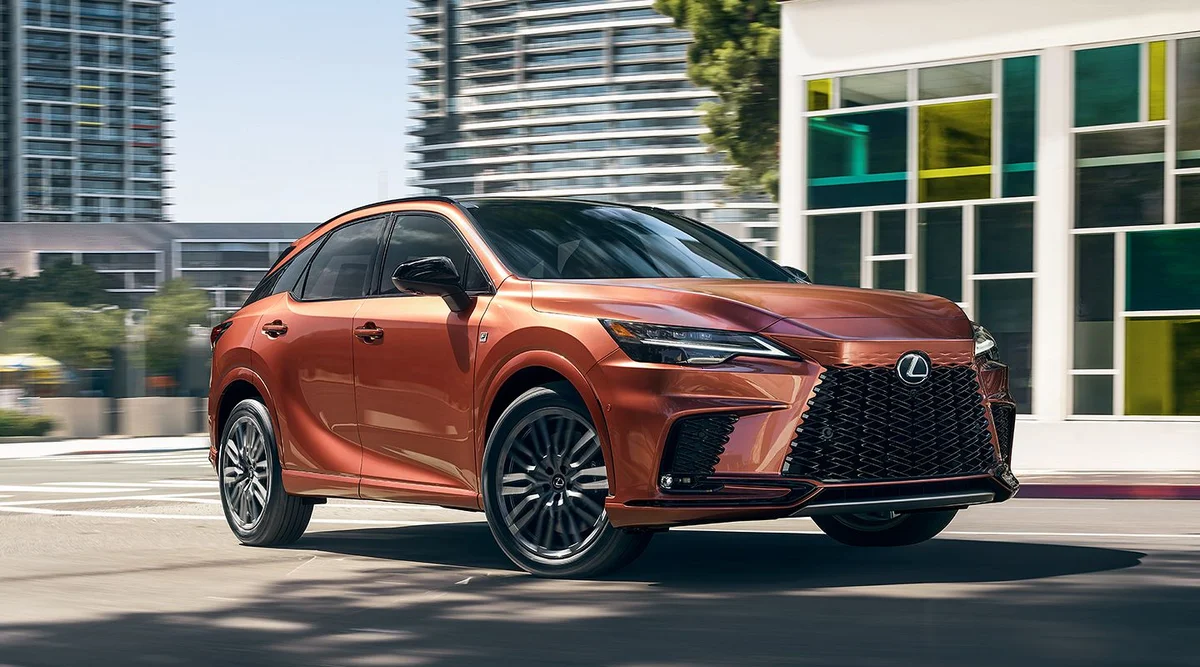
Where the fear is not rational: new or near-new purchases. Factory warranties on a 2026 Toyota RAV4 Hybrid XLE, 2026 Toyota Sienna Hybrid XSE AWD, or 2026 Lexus NX 450h+ F SPORT Handling cover the traction battery for far longer than most buyers keep the car, and Toyota hybrid hardware has the longest-running real-world fleet record in the industry.
How can you make the battery last longer?
Two variables matter most: heat and depth-of-discharge. You can't control the climate, but a few habits make a measurable difference.
Keep the hybrid battery cooling vents clear. On most Toyotas and Hondas these intakes sit behind the rear seat, and a dog bed, a stack of coats, or a rear-facing child seat can cover them. Blocked vents mean heat soak, and heat is what degrades cells. Park in shade or a garage when you can; a car that spends every summer afternoon at 110 degrees in direct sun ages faster than one that doesn't. Drive the car regularly. Hybrid packs in storage-queen cars fare worse than in daily drivers, because the hybrid system expects cycling. For plug-in hybrids, follow the manufacturer's charging guidance; daily full charges are fine on modern PHEV chemistry, but leaving a hot car parked at 100% state of charge for weeks on end is worse than normal use.
Replace the pack only when the rest of the car has life left
If you are the second or third owner of a 10-to-12-year-old hybrid and you start to see state-of-charge bars drop more quickly, or the engine running when the car used to pull electrically, that is degradation, not death. A battery health scan will tell you which cells are weak. On an older Prius, that often means two to four bad modules out of 28, and a reconditioned pack installed for $1,800 to $2,200 can buy years of additional service.
Install a new OEM pack when the rest of the car has real life left in it and you want the longest possible manufacturer-backed warranty on the replacement. Install a reconditioned pack when you want to keep the car running cheaply and are comfortable with a shorter warranty, typically one to three years depending on the shop HybridBattery911. Scrap the car entirely when the body, transmission, air conditioning and battery repairs are stacking up at the same time; putting a $4,000 pack into a $3,500 car is a bad trade. The rule of thumb: spend on the battery when the car is otherwise worth keeping, and only then.
The short version
The fear is bigger than the bill. New hybrids in 2026 come with 8 to 10 years of battery coverage at a minimum, and 150,000-mile durability is well established on the volume brands. When replacement eventually comes due on an out-of-warranty car, it runs $2,500 to $4,500 on mainstream models, not the $6,000 figure still quoted online. For most buyers choosing from the RankGrids Best Hybrid Cars of 2026 list, the battery should not be the deciding factor. Climate, how long you plan to keep the car, and warranty length matter much more.
See Best Hybrid Cars of 2026Questions people ask
How long do hybrid batteries last?+
For modern hybrids, 150,000 to 200,000 miles is typical, with Toyota and Lexus the durability leaders in fleet data. A Vienna taxi Prius has cleared 621,000 miles on its original pack. Capacity loss after 200,000 miles is usually 20 to 30%, which reduces electric-only range but rarely strands the vehicle.
How much does it cost to replace a hybrid battery in 2026?+
For mainstream models at an OEM dealer, $3,000 to $5,000. Independent hybrid shops run $1,300 to $3,000 on volume NiMH packs. Reconditioned packs run $1,500 to $3,500 installed. Luxury PHEV packs on European cars can reach $4,000 to $8,000.
What does the hybrid battery warranty cover?+
At minimum, 8 years or 100,000 miles federally. California and the roughly fifteen other CARB-aligned states require 10 years or 150,000 miles. Toyota voluntarily offers 10 years/150,000 miles on 2020 and newer hybrids nationwide, and Hyundai offers a non-transferring lifetime guarantee to original owners of 2012-2019 hybrids.
Are hybrids expensive to maintain long term?+
No. Consumer Reports' ownership-cost dataset puts plug-in hybrid and EV lifetime maintenance at roughly half that of comparable gas cars, and conventional hybrids show about 26% fewer reported problems than gas-only vehicles. The savings come from reduced brake wear thanks to regenerative braking, fewer engine hours per mile, and the absence of a conventional starter motor.
What climate shortens hybrid battery life the most?+
Sustained high heat. Phoenix, Las Vegas, interior Texas, and similar hot-climate owners see shorter pack life than coastal, northern, or mountain owners across every brand. Garage parking and clear cooling vents make a measurable difference in those regions.
Can I buy a used hybrid out of warranty safely?+
Yes, if you get a battery health scan before purchase. Most hybrid specialist shops offer one for $75 to $150, and it will tell you cell voltage spread and internal resistance. If the seller refuses, either walk or price the car assuming a $2,500 reconditioned pack is coming.
Does the hybrid battery warranty transfer to a second owner?+
Usually yes. Toyota, Honda, Hyundai (the 10-year/100,000-mile portion), and Kia all transfer traction battery coverage to subsequent owners for the remaining term. Hyundai's lifetime guarantee on 2012-2019 hybrids applies only to the original owner; the next owner falls back to 10 years/100,000 miles.
Is a reconditioned hybrid battery a reasonable choice?+
On a 10-plus-year-old mainstream hybrid that is otherwise in good shape, yes. Reconditioning swaps the weakest modules and rebalances the pack, typically for $1,500 to $3,500 installed with a one-to-three-year warranty. It is the wrong choice on a near-new car or when the rest of the vehicle is at the end of its service life.
Sources
What this guide is based on. We research from published specifications, independent reviews and owner reports; we did not test these products ourselves.
- 1.How Long Do Prius Batteries Last? 2026 Lifespan, Degradation & Cost Data, AutoEdgeView
- 2.How Long Do Toyota RAV4 Hybrid Batteries Last, SUVtale
- 3.Toyota Prius Hybrid Taxi Travels A Million Kilometres With Original Battery, Carlist.my
- 4.The Best EV Battery Warranties, CarEdge
- 5.Toyota & Lexus Hybrid Battery Warranty Explained, Oremor Automotive
- 6.What Is Hyundai's Hybrid Battery Warranty?, Capital One Auto Navigator
- 7.Car Warranty Coverage for Hybrid and EV Batteries, Kelley Blue Book
- 8.Hybrid Battery Replacement Cost in 2026: Every Popular Model Compared, Hybridbattery.net
- 9.Toyota Hybrid Battery Replacement Cost: 2026 Pricing Guide, Speedy Roo Motorsports
- 10.3 Year Warranties for All Refurbished Batteries, HybridBattery911
- 11.Consumer Reports Study Finds Electric Vehicle Maintenance Costs Are 50% Less Than Gas-Powered Cars, Great Plains Institute (Consumer Reports summary)
- 12.Hybrid, EV Models Significantly Less Reliable Than Gas-Engine Cars, Consumer Reports Finds, Fox Business (Consumer Reports 2023 survey)
Products mentioned
 2026 BMW 530e xDrive Sedan
 2026 Honda Accord Hybrid Sport
 2026 Honda CR-V Hybrid Sport
 2026 Hyundai Santa Fe Plug-In Hybrid SEL Premium
 2026 Lexus NX 450h+ F SPORT Handling
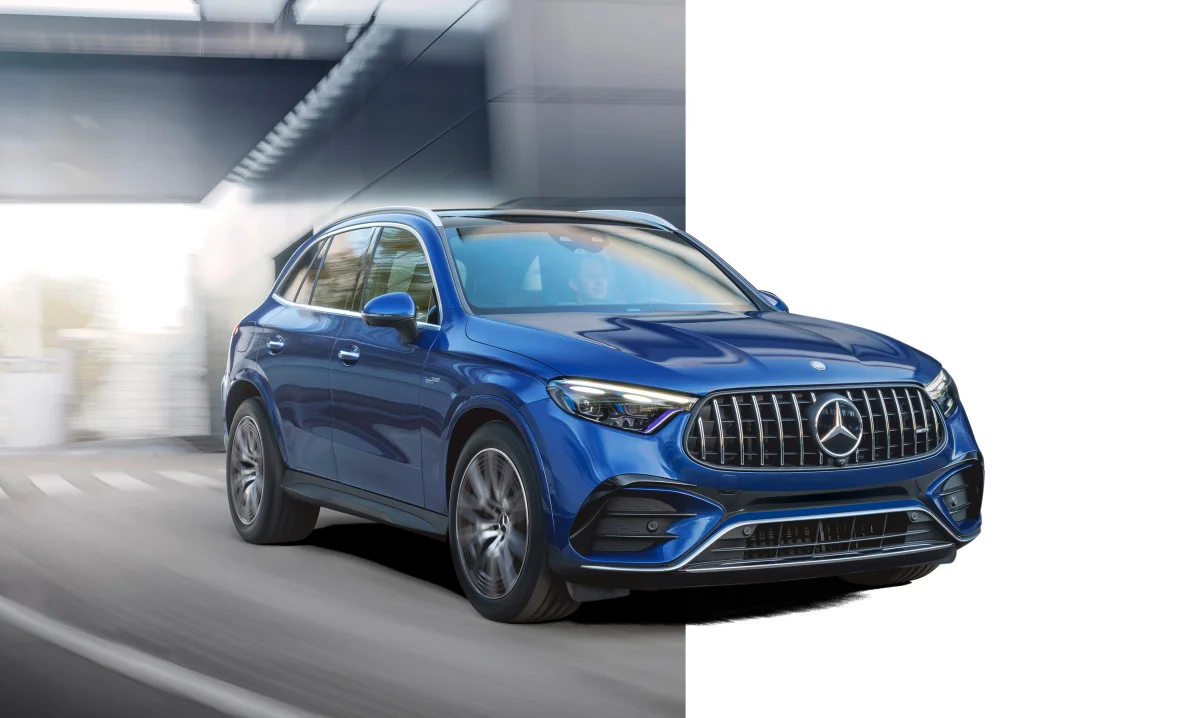 2026 Mercedes-Benz GLC 350e 4MATIC2026 Mercedes-Benz GLE 450e 4MATIC
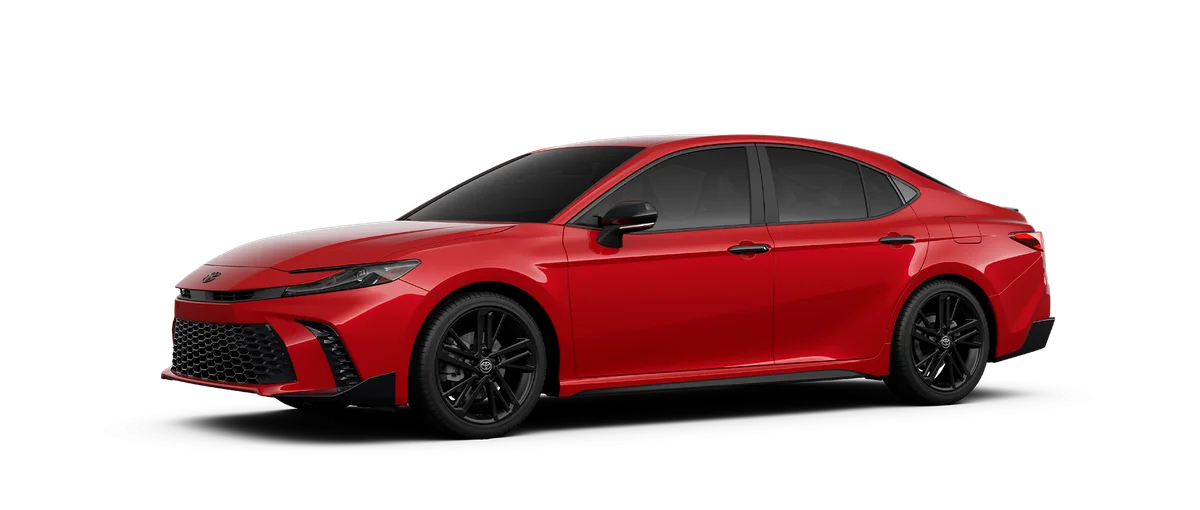 2026 Toyota Camry Hybrid
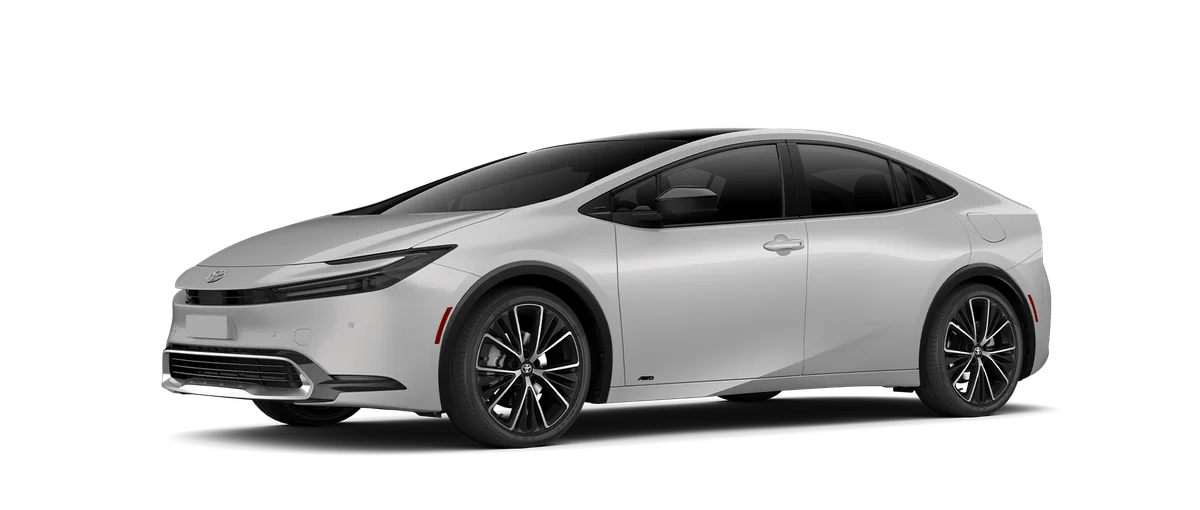 2026 Toyota Prius Prime XSE
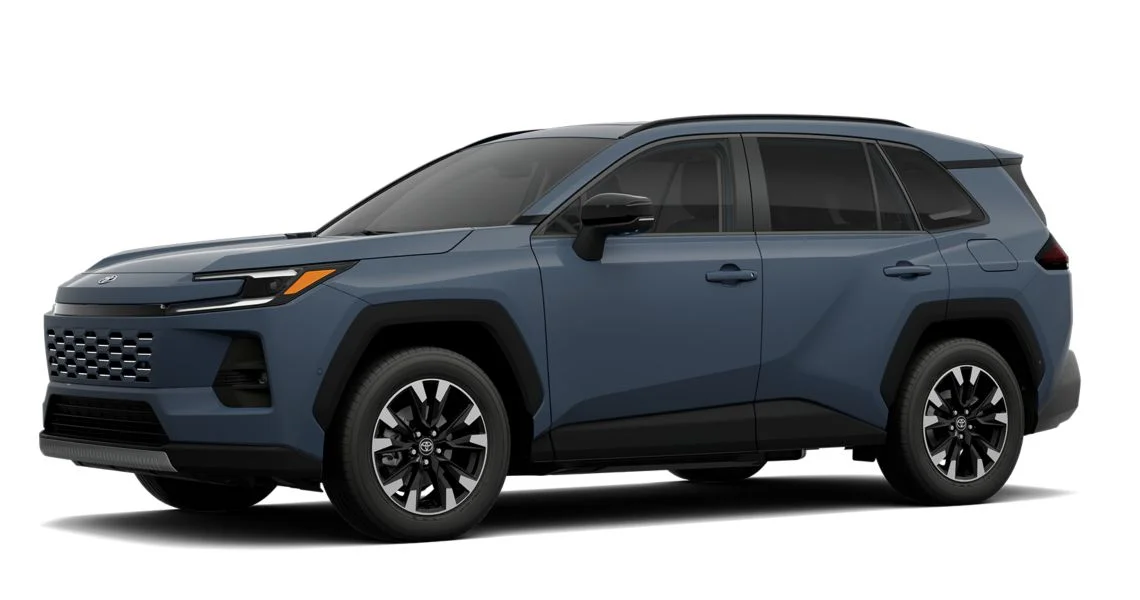 2026 Toyota RAV4 Hybrid XLE
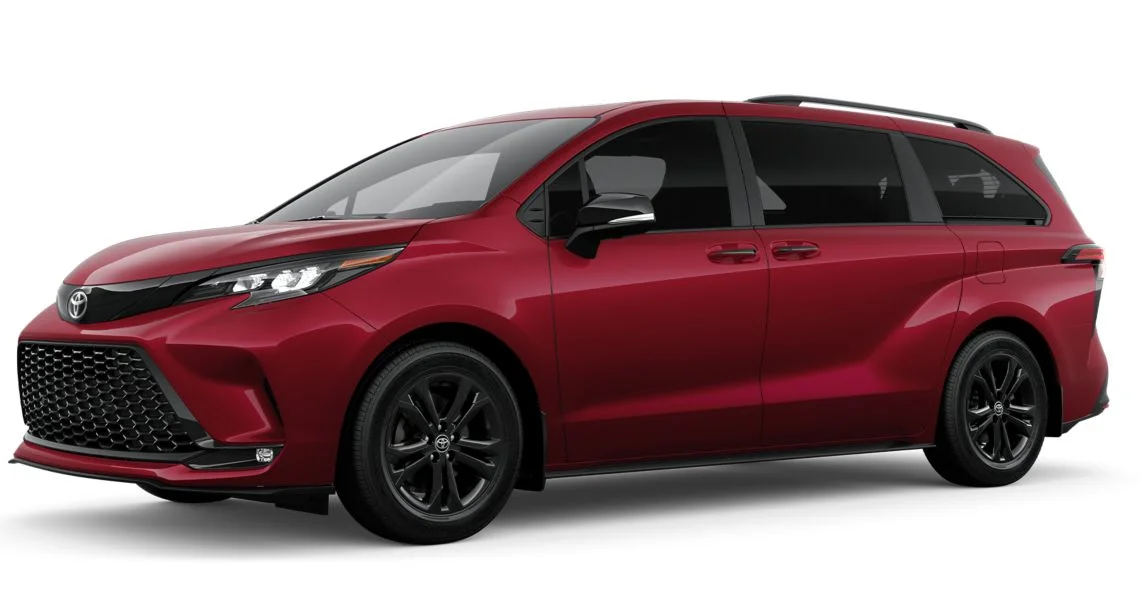 2026 Toyota Sienna Hybrid XSE AWD
More on hybrid cars
Explainer
Why Hybrids Get Better MPG in City Traffic Than on the Highway
Hybrids flip the usual pattern: city MPG beats highway. Here is why regenerative braking pays in traffic, what 75 mph really costs, and how cold weather changes the math for PHEV buyers.
Explainer
Hybrid Car Tax Credits in 2026: Who Qualifies and Who Does Not
The federal clean vehicle credit for hybrids ended on September 30, 2025. Here is what that means, who the old rules excluded, and what is still on the table.
Explainer
What MPGe Actually Means (and Why It Is Not Your Real Fuel Cost)
MPGe is an energy rating, not a price. Here is what the number means on a plug-in hybrid label, how the EPA calculates it, and how to compare it against a conventional hybrid like a 51 MPG Camry without getting fooled.
Explainer
PHEV vs. Regular Hybrid: When the Plug Actually Pays Off
A plug-in hybrid costs thousands more and gets worse MPG on an empty battery. Here is the break-even math and the conditions that make the premium worth paying.
Buying guide
How to Choose a Hybrid Car: The Decisions That Actually Matter
Four questions decide the right hybrid: can you charge at home, what body style, mainstream or luxury, and how many miles a year. Everything else is noise.