Explainer
Why Hybrids Get Better MPG in City Traffic Than on the Highway
Hybrids flip the usual pattern: city MPG beats highway. Here is why regenerative braking pays in traffic, what 75 mph really costs, and how cold weather changes the math for PHEV buyers.
Updated November 11, 2026 · Based on 9 sources · How we research
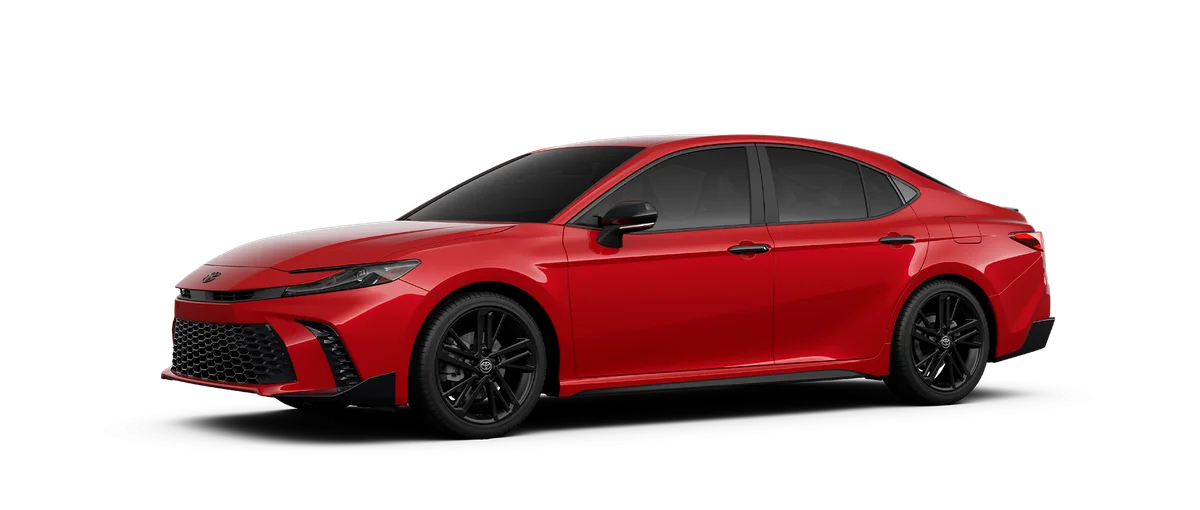
The window sticker on a 2026 Toyota Camry Hybrid LE FWD reads 53 city, 50 highway. On most gas sedans the numbers run the other way, and that one detail tells you more about how a hybrid actually works than any brochure. Hybrids are built to shine where gas cars suffer: slow traffic, red lights, parking lots. Push one onto a 75 mph interstate run in January and the advantage shrinks fast. Here is what the EPA label is really measuring, why your trip computer keeps landing below it, and when a plug-in hybrid stops being the smart buy.
The sticker runs backwards from a gas car, and that is on purpose
Open any hybrid's EPA window sticker and the city number is usually higher than the highway number. The 2026 Toyota Camry Hybrid LE is rated 51 MPG combined with city ahead of highway, the Honda Accord Hybrid Sport comes in at 44 combined with the same tilt, and most of the field on our 2026 hybrid rankings follows the same pattern. Conventional gas sedans do the opposite: better numbers on the highway, worse in town.
A hybrid saves fuel in three specific situations: sitting at a red light (the gas engine shuts off instead of idling), accelerating from low speeds (the electric motor handles the launch, with peak torque already available), and braking (the motor spins backwards as a generator and refills the battery). Highway cruising is none of those. You are not idling, you are not accelerating hard, and you are barely touching the brake. The Department of Energy's own fuel economy page says it directly: "Since there is little braking in highway driving, regenerative braking offers little advantage over a conventional vehicle on the highway." Where the Energy Goes: Hybrids
Regenerative braking only earns its keep in stop-and-go traffic
Every time you push the brake pedal in a conventional car, you convert the car's forward motion into waste heat in the brake rotors. A hybrid reverses that. As the Department of Energy puts it: "When you apply the brakes, the vehicle's inertia turns an electric motor-generator, producing electricity that is then stored in a battery." That stored energy then helps launch the car from the next stop. Where the Energy Goes: Hybrids
That recovery is the single biggest reason a Camry Hybrid delivers 51 MPG combined while a gas sedan of similar size lands in the mid-30s. On a steady highway cruise you are not braking, so there is no kinetic energy to recover. All the hybrid has left is a smaller Atkinson-cycle engine and modest electric assist on hills. Hybrids still beat equivalent gas cars on the interstate, just by a smaller margin than the city number suggests. Motor1's explainer makes the same point: regen and engine shutoff are city advantages, and they more or less disappear at a steady 70 mph. Why Hybrids Are More Efficient in the City
Above 55 mph, aerodynamic drag runs the show
Rolling resistance scales roughly linearly with speed. Aerodynamic drag does not. It scales with the square of speed, which means every time you push the car faster the force fighting you grows disproportionately. Haynes notes that at freeway speeds, "aerodynamic drag will now account for more than half of the fuel you're using, or even more." Haynes: Aerodynamics and Fuel Economy
This penalty hits every car, hybrid or not. The problem specific to a hybrid at 75 mph is that its advantages have evaporated (no regen, no idle shutoff, engine running continuously) while the penalties remain: the battery pack, electric drive hardware, and hybrid transaxle add a couple hundred pounds of weight that still has to be dragged along. AutoEdgeView's owner-tracking data on the Camry Hybrid shows the drop: sustained 70 to 80 mph highway runs return 37 to 42 MPG against its 51 MPG combined rating. AutoEdgeView: Camry Hybrid real-world MPG
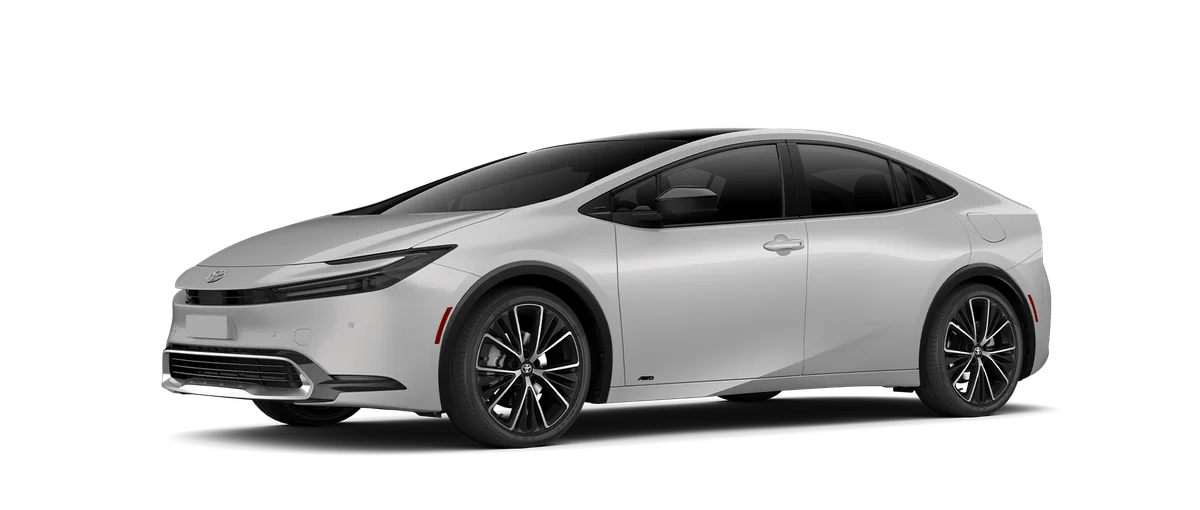
The Toyota Prius Prime XSE holds up better thanks to a low 0.27 drag coefficient (across the Prius lineup) and a drivetrain tuned explicitly for efficiency. Shape and weight matter at highway speed more than any other factor, which is why a compact hatchback keeps closer to its sticker than a three-row SUV does.
Cold weather makes the math meaningfully worse
AAA ran a 2026 study on a chassis dynamometer at 20°F, 75°F, and 95°F with cabin HVAC held at 72°F throughout. At 20°F, the hybrids tested lost 22.8 percent of their fuel economy versus the 75°F baseline, which works out to roughly $28.44 more in fuel per 1,000 miles. At 95°F, the same hybrids lost 12 percent, so cold is nearly twice as expensive as heat. AAA: Temperature Impacts on EV and Hybrid Performance
Two things are happening. First, the gas engine runs longer because the catalytic converter and engine oil both have to reach operating temperature before the hybrid control system is willing to shut the engine off. Second, cabin heat is pulled from engine coolant and sometimes a resistive heater, both of which consume fuel. Short trips are the worst case: fueleconomy.gov reports that cold-weather fuel economy for hybrids typically drops 20 to 40 percent in city driving and 25 to 45 percent on short trips because the engine never gets warm enough to settle into efficient operation. Fuel Economy in Cold Weather
Plug-in hybrids take a bigger hit on EV range because a cold battery holds and delivers less energy, and resistive cabin heat draws several kilowatts right off the pack. The practical implication for PHEV buyers in northern climates: discount the sticker EV range for winter planning. A Hyundai Santa Fe PHEV rated 36 EV miles or a Kia Sportage PHEV rated 34 EV miles will land lower on a 20°F morning. If your commute lives right at the edge of your sticker range, you may be burning gasoline more often than the label suggests.
The Toyota Prius Prime XSE is a notable exception. Torque News reports owners holding at or near the 40-mile EV rating through winter driving, which the article attributes to Toyota's heat-pump-based climate system and a dedicated battery heater that pre-conditions the pack while plugged in. Torque News: Prius Prime cold-weather range
Does a hybrid still make sense if you mostly drive on the highway?
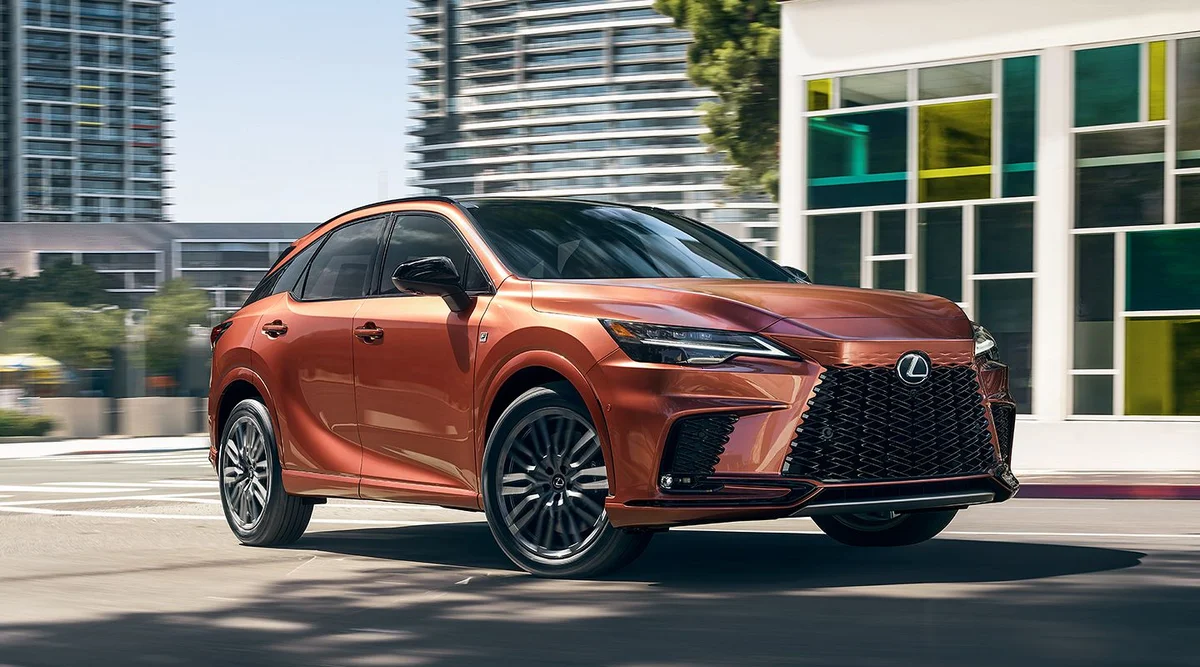
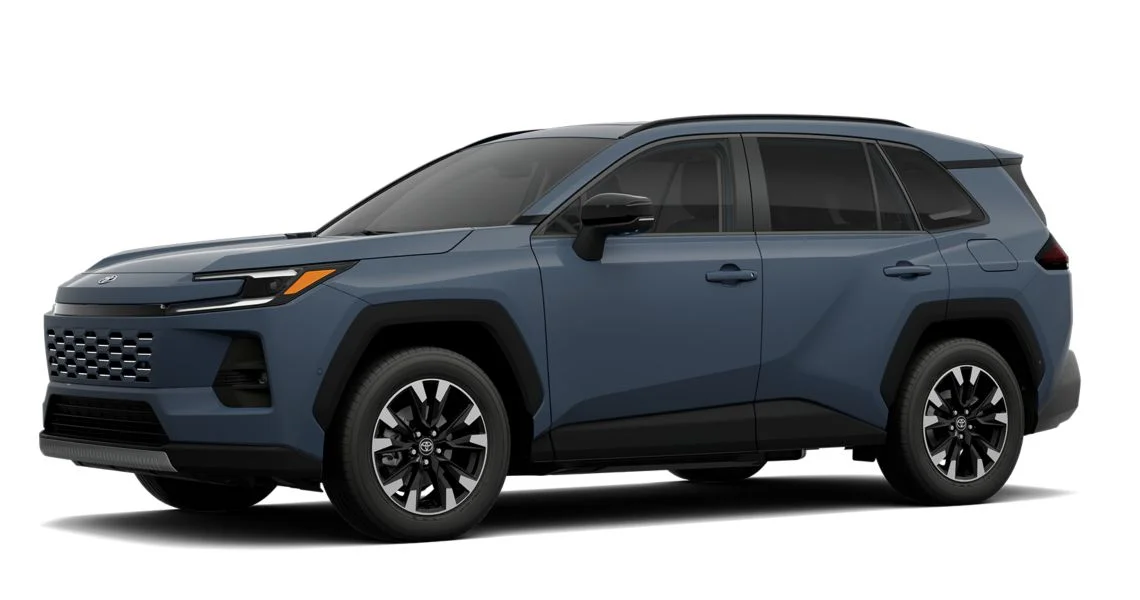
Yes, just not necessarily the plug-in kind. A regular hybrid like the Camry still returns 37 to 42 MPG on a 70 to 80 mph interstate per AutoEdgeView owner data, well above an equivalent gas sedan at the same speed. The Lexus ES 300h F SPORT is a particularly good pick for a long-distance commuter: rated 46 MPG combined, front-wheel drive only (no AWD drivetrain losses), refined and well-insulated cabin. For a sedan buyer who wants a mainstream price, the Honda Accord Hybrid Sport at 44 MPG combined is the obvious rival. For families who need cargo, the Toyota RAV4 Hybrid XLE is rated 41 MPG with standard AWD.
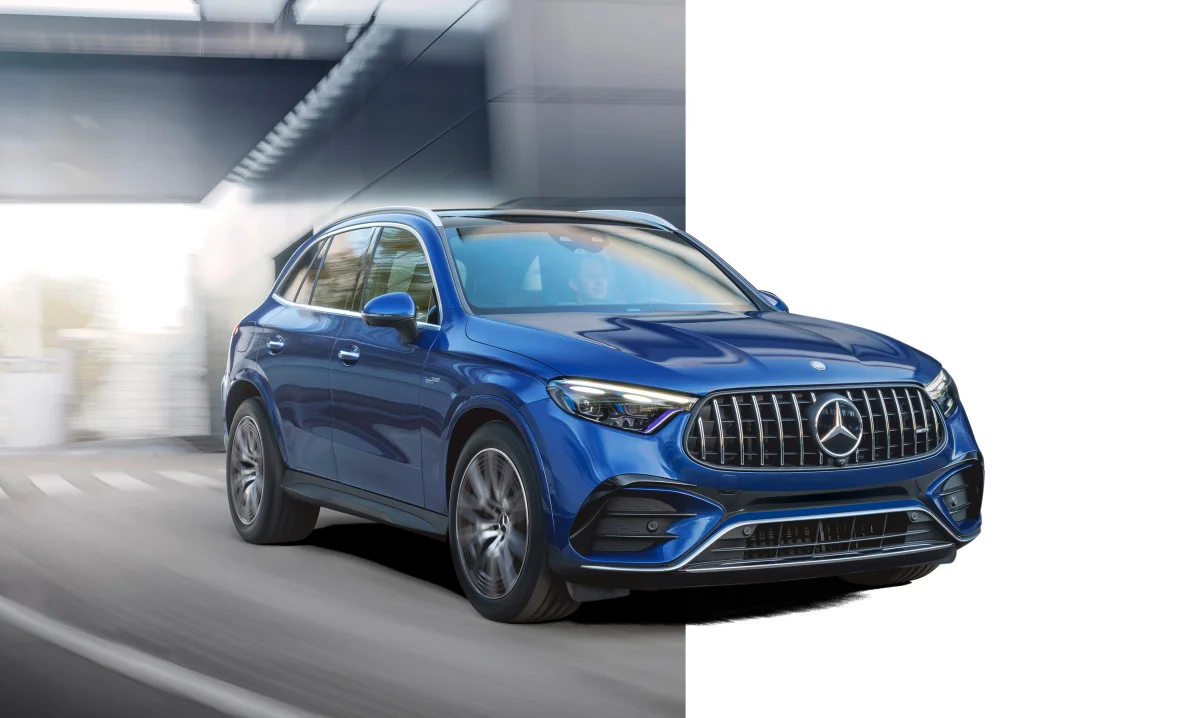
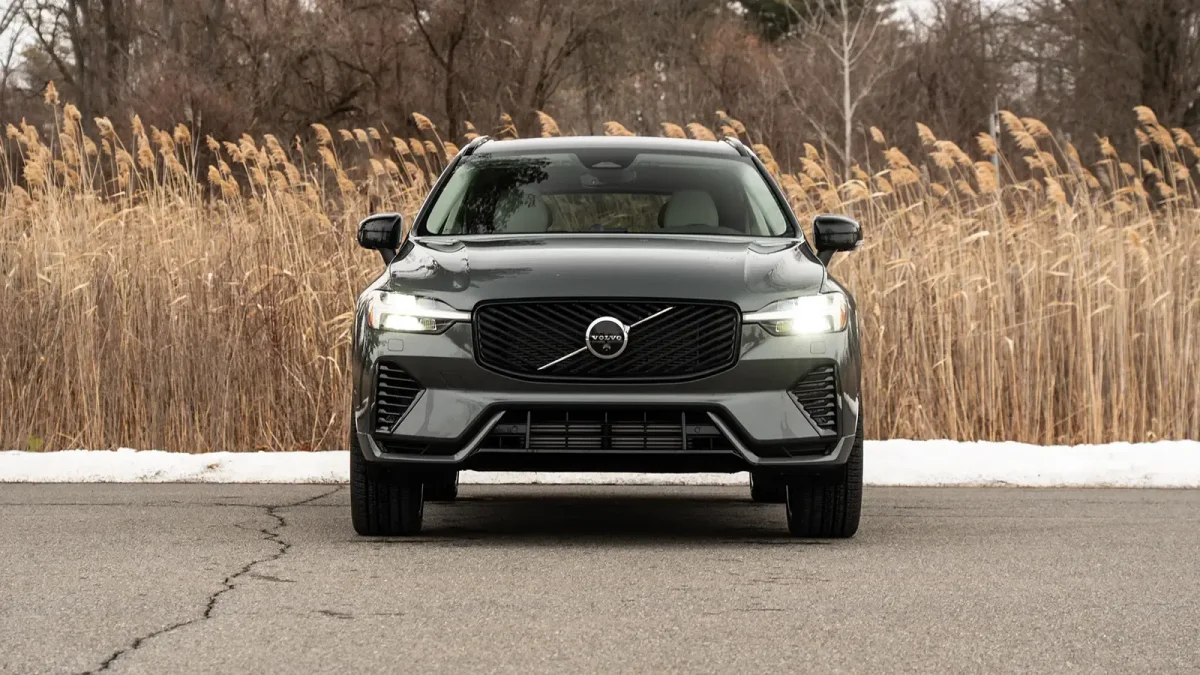
The calculus changes for a plug-in hybrid. A PHEV like the BMW 550e xDrive, the Volvo XC60 T8, or the Mercedes-Benz GLC 350e carries extra battery, charger, and electric drive hardware whose primary job is to cover the first 30 to 50 miles of the day. On a 200-mile interstate run you spend about 30 of those miles on the battery (less in winter) and the remaining 170 hauling the hardware around on gasoline. The gas-only MPG once the battery is depleted is usually weaker than a comparable regular hybrid: the BMW 550e is rated 25 MPG in hybrid mode, the Volvo XC60 T8 is rated 28 MPG. You paid the PHEV premium and are getting most of the penalty with none of the benefit.
The worst outcome for a highway-dominant driver is a plug-in you cannot actually plug in. If your garage has no outlet, your workplace has no chargers, or your road trips consume most of your mileage, the gas-only operating MPG is what you will actually experience, and it is usually worse than a conventional hybrid's combined number. A PHEV earns its price only when you are using the plug.
Why your real numbers keep missing the EPA sticker
The federal highway test that produces the "highway MPG" on a window sticker (the HWFET cycle) averages 48.3 mph with no idling, over a short warm-start loop. The city test (the FTP) averages 21.2 mph with 18 percent idle time. EPA fuel economy test schedules Neither matches a 75-mph commute, and neither matches a 10-degree winter morning. The EPA does blend in supplemental tests (US06 for aggressive high-speed driving, SC03 for air conditioning, cold-CO for 20°F startup) to produce the final label, but those cycles are weighted into the average and get diluted.
What that means for your trip computer: a 10 to 20 percent gap between the EPA combined number and your actual tank-to-tank average is normal for a driver who spends most of their time above 65 mph, uses air conditioning, carries passengers or a roof box, and lives somewhere with real winters. The honest reading of the sticker is that the city number tells you how good the hybrid technology is at saving fuel, the highway number tells you how good the car's basic engineering is at fighting drag, and real life lands below both of them more often than above.
| Condition | Typical hybrid impact | Source |
|---|---|---|
| Sustained 70 to 80 mph (Camry Hybrid vs EPA combined 51 MPG) | 37 to 42 MPG | AutoEdgeView owner data |
| 20°F versus 75°F, climate on | 22.8 percent lower MPG | AAA 2026 dynamometer study |
| Short cold-weather trips | 25 to 45 percent lower MPG | fueleconomy.gov |
| Cold-weather city driving | 20 to 40 percent lower MPG | fueleconomy.gov |
| 95°F versus 75°F, climate on | 12 percent lower MPG | AAA 2026 study |
The short version
If your driving is mostly urban or suburban, almost any hybrid on our 2026 rankings will beat or at least match its sticker: the regen and idle-shutoff advantages compound in exactly the conditions you drive. If you cover 25,000 highway miles a year, a regular hybrid is still a smart buy and a PHEV usually is not, because the plug cannot reach the miles you actually drive. If you live in a cold-winter city and want a plug-in, build your spreadsheet around 70 to 80 percent of the sticker EV range, not 100 percent. The buyer who loses money on this trade is the one who paid the PHEV premium, cannot charge at home, and mostly drives on the interstate. That driver is paying for hardware that will almost never pay them back.
See Best Hybrid Cars of 2026Questions people ask
Do hybrids get better MPG on the highway or in the city?+
City, on the EPA label and in real life for most mainstream hybrids. Regenerative braking and engine shutoff at idle both help in traffic and both do nothing on a steady cruise. Gas cars run the opposite pattern because their engines are most efficient at higher steady loads.
Why does my hybrid get worse MPG at highway speed?+
Two reasons. First, regenerative braking cannot recover energy when you are not braking. Second, aerodynamic drag grows with the square of speed, so cruising at 75 mph costs noticeably more fuel than 65 mph purely in air resistance. The hybrid's extra weight makes that penalty slightly worse than it would be in a lighter gas car.
How much does cold weather cut hybrid fuel economy?+
AAA's 2026 dynamometer study measured a 22.8 percent drop at 20°F compared to 75°F. Short cold trips can cut fuel economy 25 to 45 percent per fueleconomy.gov because the engine never reaches efficient operating temperature. Plug-in hybrid EV range also falls in freezing weather, though specific models like the Toyota Prius Prime hold up better than most.
Does a hybrid make sense if I mostly drive on the highway?+
A regular hybrid, yes. A Camry Hybrid or Lexus ES 300h still returns well into the high 30s or low 40s at interstate speeds, better than the gas equivalent. A plug-in hybrid is harder to justify for a highway-dominant driver, because you carry the battery weight for 170 miles after the first 30 run out, and the gas-mode MPG is usually worse than a conventional hybrid.
Why is my hybrid MPG lower than the EPA estimate?+
The EPA highway test averages 48.3 mph with no stops, which almost no one actually drives. Add a 70 to 75 mph commute, cold starts, AC, roof boxes, aggressive acceleration, or winter temperatures and a 10 to 20 percent gap below the sticker is normal. Short, cold trips can produce much bigger gaps.
Is a PHEV worth it in a cold climate?+
Yes, if you can charge at home and your daily commute fits inside about 70 to 80 percent of the sticker EV range. If that still covers your daily driving, you will spend most of the year on electricity. If it does not, a regular hybrid is usually the better value.
Does regenerative braking work on the highway at all?+
It works any time you lift off the throttle or touch the brake pedal, but you do very little of either on a steady cruise. Downhills and traffic slowdowns still send some energy back into the pack, which is why hybrids do not completely lose their highway advantage. They just cannot compound it the way they do in town.
Which hybrid holds its MPG best at 70 to 75 mph?+
Light, low-drag hatchbacks like the Toyota Prius Prime are the best-case design: 0.27 drag coefficient across the Prius lineup and a drivetrain tuned explicitly for efficiency. Larger hybrids and PHEV SUVs drop more sharply because they carry more weight and push more air.
Sources
What this guide is based on. We research from published specifications, independent reviews and owner reports; we did not test these products ourselves.
- 1.Where the Energy Goes: Hybrids, U.S. Department of Energy
- 2.Fuel Economy in Cold Weather, U.S. Department of Energy
- 3.EPA Fuel Economy Test Schedules, U.S. Department of Energy
- 4.AAA Study Reveals Temperature Impacts on EV and Hybrid Performance, Efficiency, and Costs, AAA Newsroom
- 5.Traffic Usually Kills MPG. So Why Are Hybrids More Efficient In The City?, Motor1
- 6.How Does Aerodynamics Affect Fuel Economy?, Haynes Manuals
- 7.2026 Toyota Camry Hybrid Mileage: Real-World MPG, AutoEdgeView
- 8.2025 Toyota Prius Prime Real-World Range: Why This PHEV Defies 20% Cold-Weather Battery Degradation, Torque News
- 9.Unplug and Play: 2024 Toyota Prius Prime Redefines the Daily Drive, Toyota USA Newsroom
Products mentioned
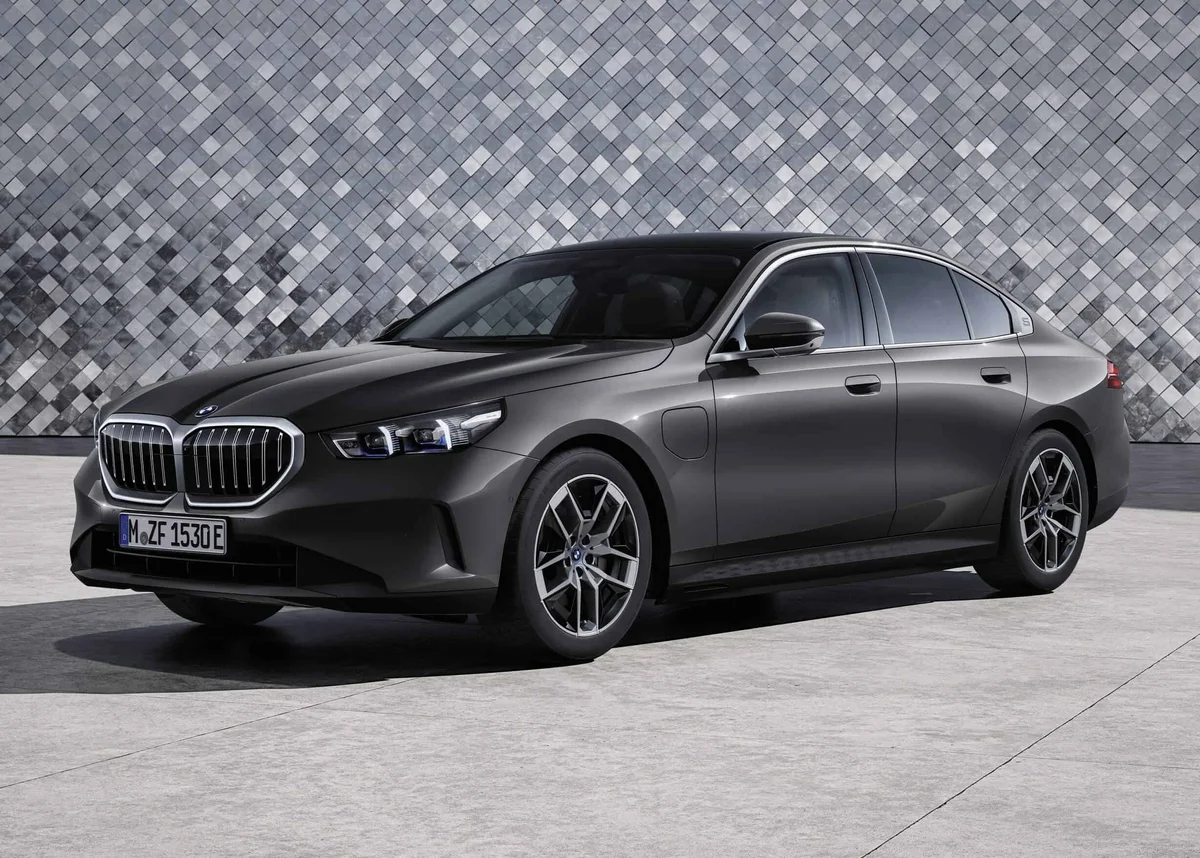 2026 BMW 550e xDrive Sedan
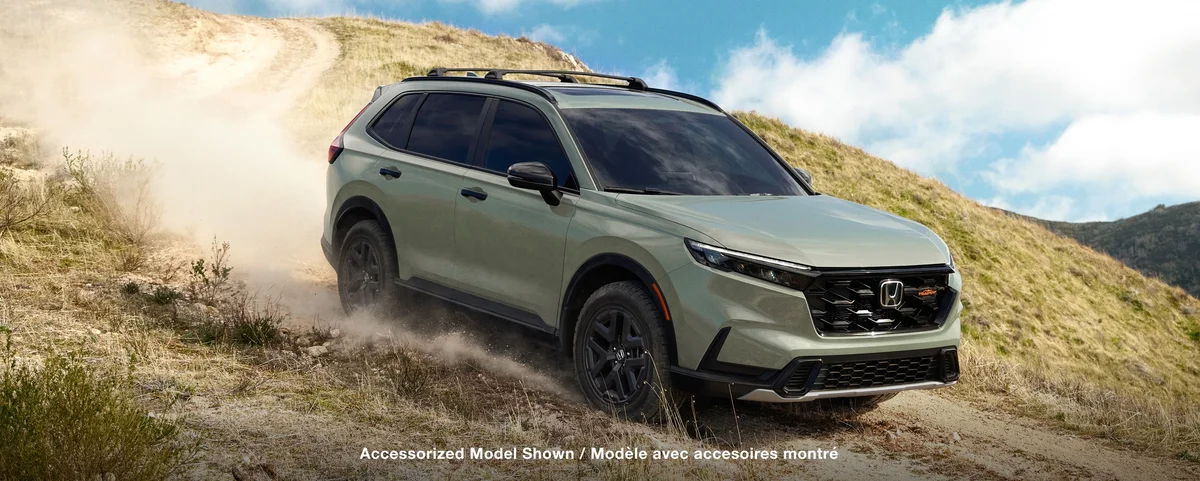 2026 Honda Accord Hybrid Sport
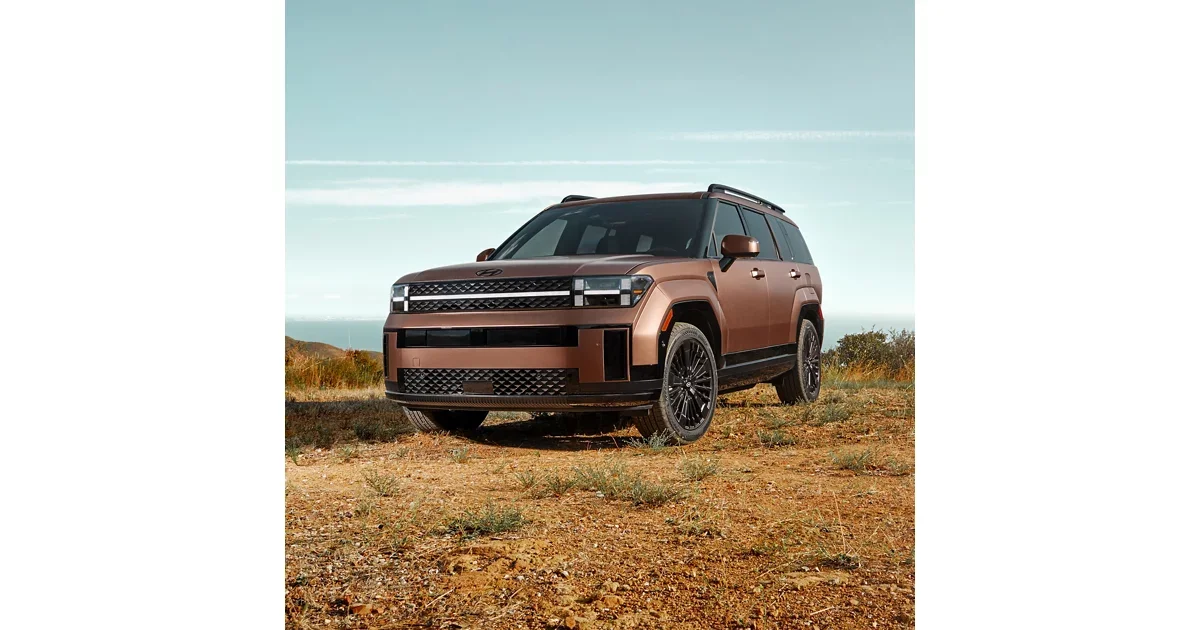 2026 Hyundai Santa Fe Plug-In Hybrid SEL Premium
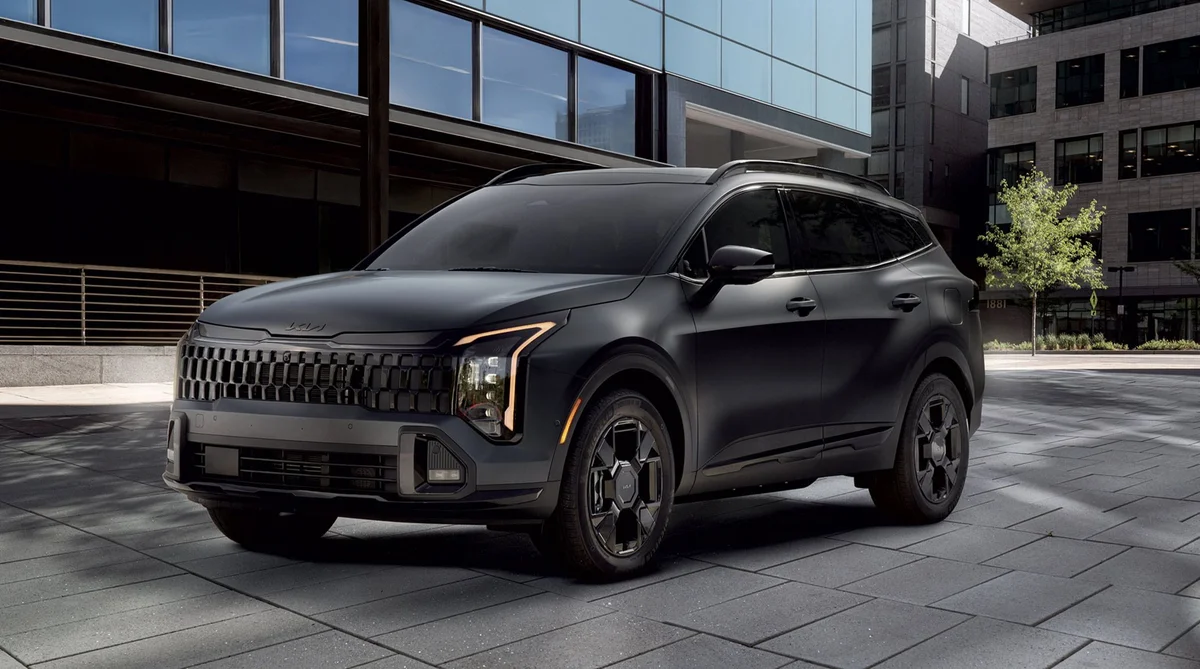 2026 Kia Sportage Plug-In Hybrid X-Line
 2026 Lexus ES 300h F SPORT
 2026 Mercedes-Benz GLC 350e 4MATIC
 2026 Toyota Camry Hybrid
 2026 Toyota Prius Prime XSE
 2026 Toyota RAV4 Hybrid XLE
 2026 Volvo XC60 T8 Plug-In Hybrid Plus
More on hybrid cars
Explainer
Hybrid Car Tax Credits in 2026: Who Qualifies and Who Does Not
The federal clean vehicle credit for hybrids ended on September 30, 2025. Here is what that means, who the old rules excluded, and what is still on the table.
Explainer
Hybrid Battery Life and Replacement Cost: What the Data Actually Shows
Fleet data shows most hybrid traction batteries last 150,000 to 200,000 miles, and OEM replacement now runs $2,500 to $4,500 on mainstream models. The feared catastrophic battery bill is not supported by the evidence.
Explainer
What MPGe Actually Means (and Why It Is Not Your Real Fuel Cost)
MPGe is an energy rating, not a price. Here is what the number means on a plug-in hybrid label, how the EPA calculates it, and how to compare it against a conventional hybrid like a 51 MPG Camry without getting fooled.
Explainer
PHEV vs. Regular Hybrid: When the Plug Actually Pays Off
A plug-in hybrid costs thousands more and gets worse MPG on an empty battery. Here is the break-even math and the conditions that make the premium worth paying.
Buying guide
How to Choose a Hybrid Car: The Decisions That Actually Matter
Four questions decide the right hybrid: can you charge at home, what body style, mainstream or luxury, and how many miles a year. Everything else is noise.