Explainer
Manual vs. DCT in Performance Compacts: What You Gain and What You Give Up
A clear read on whether to buy the manual or the dual-clutch in a GR Corolla, Civic Type R, Elantra N or Golf: lap times, resale, maintenance and daily driving with sources named.
Updated November 12, 2026 · Based on 18 sources · How we research
If you are cross-shopping a GR Corolla, Civic Type R, Elantra N, Golf GTI or Golf R, the transmission choice is the one that generates the most forum heat and the least useful advice. The honest answer is small and awkward: a modern dual-clutch is faster on a stopwatch than almost any human driving a manual, and the gap is real. But speed is not the same as satisfaction, and the car you commute in is not the car you take to a track day. The thing most buyers get wrong is treating this as a question about faster versus slower when it is actually a question about what you want from the drive, how long you plan to keep the car, and what the dealership options actually are this model year.
Dual-clutches are faster at the limit. That is not debatable.
A modern DCT swaps gears in roughly 8 to 100 milliseconds depending on the hardware; a quick human needs 200 to 600 ms per shift with a conventional manual, per shift-time data compiled on Wikipedia. That gap compounds over a lap. Porsche's own PDK-versus-manual testing shows quarter-mile deltas of 0.2 to 0.4 seconds in favor of the automatic, as summarized in RennDriver's PDK guide. The same physics apply in a compact car.
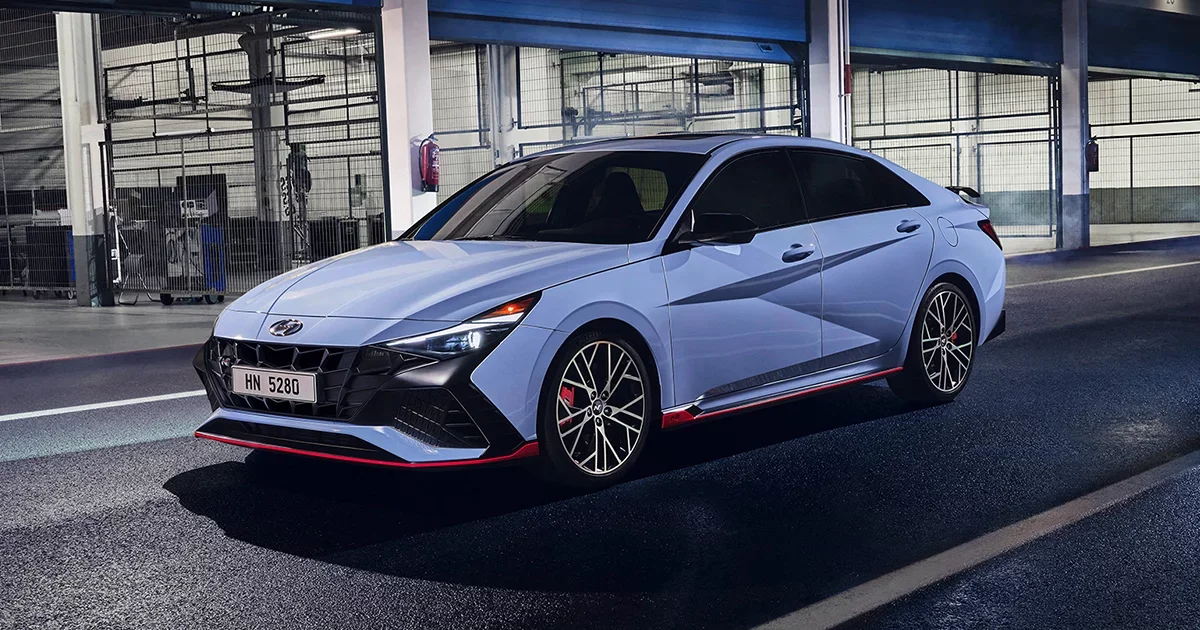
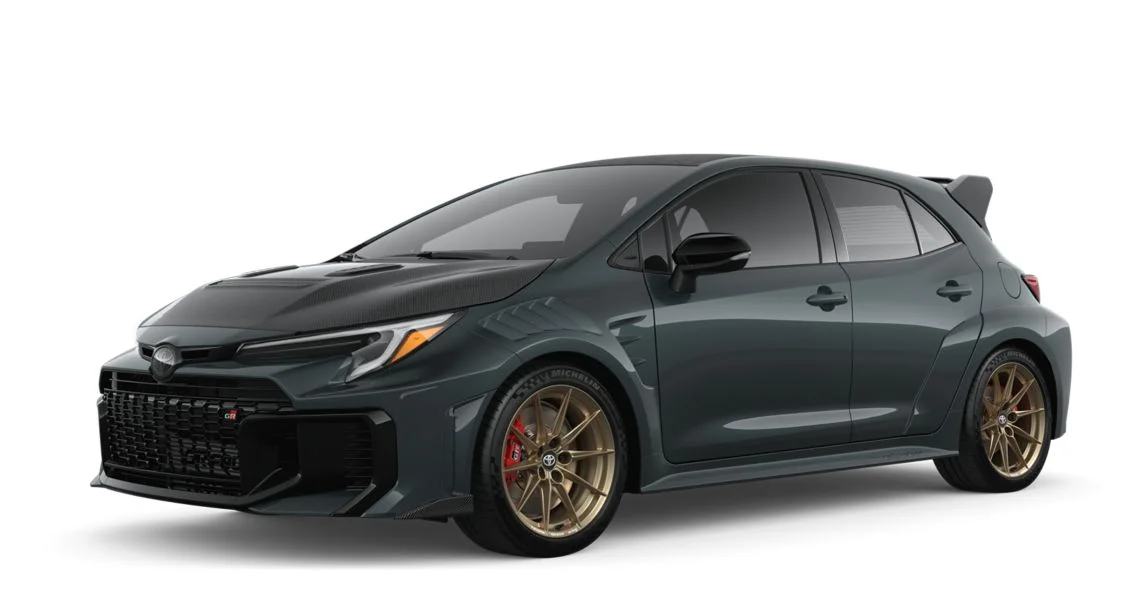
Toyota built the GR-DAT 8-speed around exactly that advantage. Toyota's press release describes the Direct Automatic Transmission as targeting world-class shift speeds so drivers can focus on cornering rather than gear selection, with development done alongside the Super Taikyu race program at Fuji Speedway. Hyundai's 8-speed DCT Elantra N adds the N Grin Shift button, which uses turbo over-boost to deliver 286 hp for 20 seconds. The manual Elantra N has no equivalent. In both cars, the automatic is the one the maker uses to post the hero number.
Independent instrumented testing tells a more mixed story. The Truth About Cars has recorded manual and DAT GR Corolla runs that trade blows depending on driver, pavement and conditions, and Car and Driver's 2026 Lightning Lap at VIR actually had the manual Morizo Edition quicker than the DAT, though with different tires. Hagerty's first drive describes the DAT as feeling close to a good dual-clutch, with real paddle authority. The fair reading: on straight-line acceleration the automatic reliably wins; over a full lap, driver, tires and track matter at least as much as the gearbox.
What a manual gives you that a DCT cannot
Every gear change in a manual is a decision you authored: when to lift, when to blip, when to hold a gear through a corner rather than let the computer upshift at redline. Drive.com.au's Golf GTI gearbox comparison put it bluntly: through the twisties, the manual is a cut above the DSG for sheer driver engagement, and on back roads a layer of involvement goes missing with the DSG. The DCT does its job well. It just does more of your job than you may want.
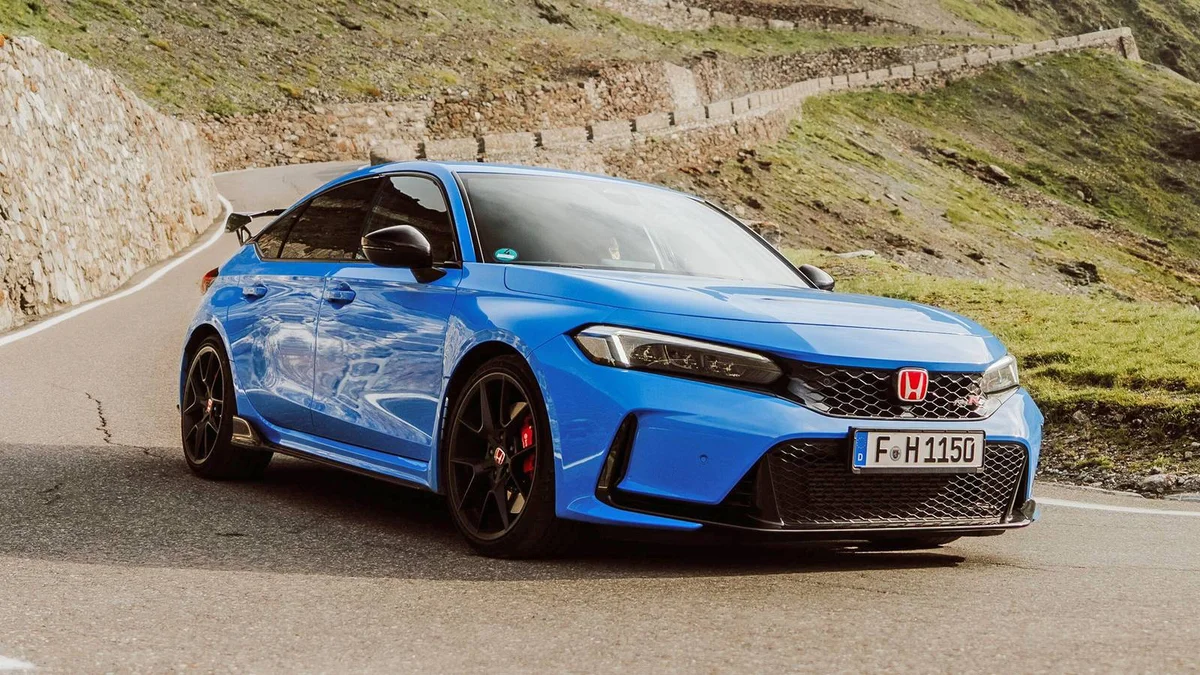
Honda went further than any other mainstream maker here. The Civic Type R is manual-only, and Honda powertrain executive Yuji Matsumochi told The Drive that a DCT built to handle more than 400 Nm would add weight at the front axle and compromise the balance the car's chassis is tuned around. The current FL5's 310 lb-ft (420 Nm) sits right at that threshold. The Type R's 108-foot 60-0 stopping distance and front-wheel-drive track credentials are the payoff for that decision. It is one of the few places in the modern market where you cannot buy the automatic even if you want to.
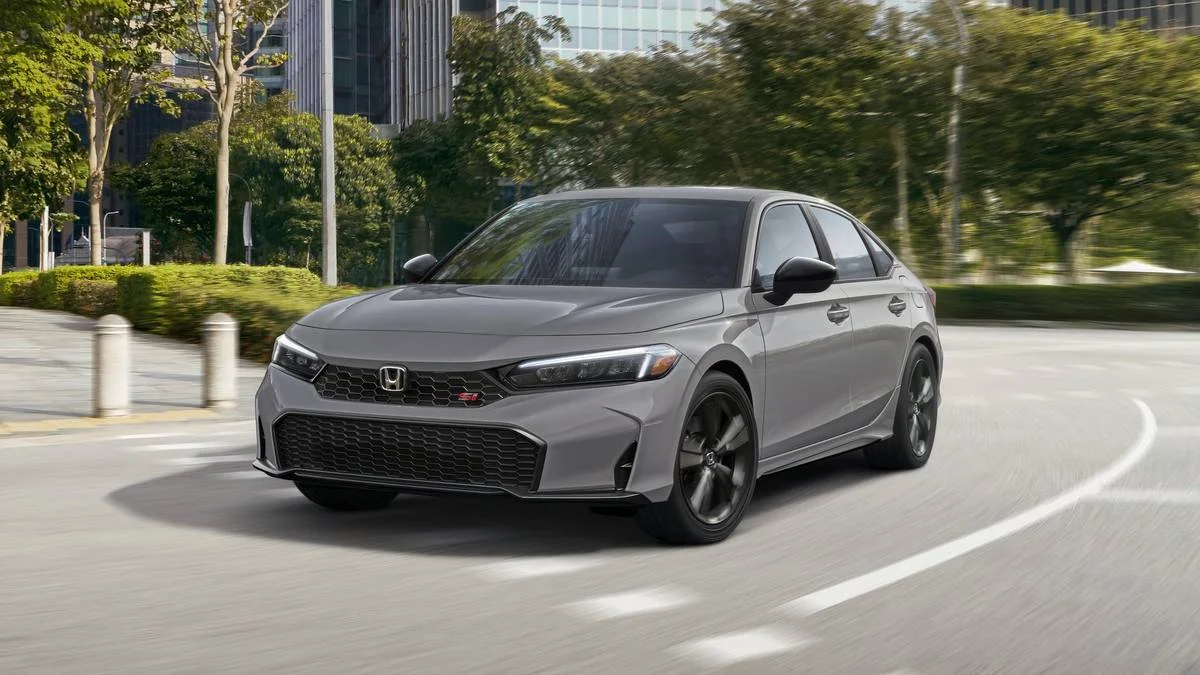
The Honda Civic Si uses the same logic at a cheaper price point with a helical limited-slip diff and six-speed manual as the only choice. The Subaru WRX keeps a manual on lower trims and is, per CarBuzz, the only manual AWD sports sedan left in America. These cars exist because engagement is a design goal, not a marketing bullet.
Will I regret not getting the manual GR Corolla?
For most buyers, no. The 8-speed GR-DAT in the GR Corolla Core and Premium Plus is genuinely one of the better torque-converter-free automatics sold at this price. Hagerty's first drive describes it as feeling close to a good dual-clutch, with real paddle authority and launch control that works. The DAT also makes the car easier in traffic, on hills, and anywhere you are not in the mood to clutch pedal through a drive-thru.
You will regret it if the reason you bought the GR Corolla is the mechanical theater. The manual car has a mechanical slot and a short, physical throw. The intercooler spray switch is on the dash and the AWD mode dial is right there, which means the entire car is set up as a thing you operate rather than a thing you commission. The manual is the version to pick for a long back-road drive; the DAT is the version to pick if you commute in traffic. Both are honest answers. Neither is wrong.
If you are deciding between trims, the Core gives you both transmission choices and keeps more of the budget for tires and track days. The Premium Plus upgrades you to Sachs adjustable dampers but at a higher total cost of ownership. Toyota's GR-FOUR all-wheel drive is standard on both, so the AWD-versus-FWD part of the decision is not where to agonize.
Does the Golf GTI being DSG-only mean it is less of a driver's car?
The 2026 Golf GTI Autobahn is DSG-only in the US. VW dropped the six-speed manual with the 2025 model year, confirmed by Kelley Blue Book and Autoblog. The Golf R followed, with HotCars reporting that pre-2025 Golf Rs were the last to offer a stick in the US market.
The car itself did not get worse. The GTI still has the VAQ electronically controlled limited-slip diff, DCC adaptive dampers, and a chassis that places near the front of the hot-hatch pack on any road. Most outlets rate it as composed and quick. What is gone is the specific flavor of involvement a left pedal provides. If your definition of driver's car requires that pedal, then yes, the current GTI gives you less of it, and the previous-year 2025 Autobahn with the manual is the one to hunt on dealer lots or used.
If your definition of driver's car is about steering feel, chassis balance and the ability to hustle the thing down a B-road, the DSG car scores well. Drive.com.au's long-term comparison called the DSG the easier car in the urban grind and the less involving one on a mountain road. Both are true at once.
Daily usability is where most DCT buyers are actually making their choice
The GR Corolla manual has a notably heavy clutch pedal that owners describe as leg-work in stop-and-go commutes, per the Capital One review of the 2025 car. The Civic Type R clutch is lighter and the shifter is the segment benchmark, which is part of why Type R owners rarely complain about commuting it. The Elantra N manual is in between. These are not interchangeable experiences and a test drive in your actual traffic is worth more than any comparison table.
Dual-clutches have their own daily-driver quirks. Low-speed creep is managed electronically rather than by a torque converter, which can feel jerky in parking lots and on inclines. Reviewers at Jalopnik and others have noted that the 8-speed DCT in the Elantra N is better behaved than older dual-clutches but not as smooth as a modern torque converter. The VW DSG is the segment's most polished dual-clutch at crawl speeds. All of them are faster than a manual at freeway passes, because you never wait on a shift.
Which should you pick?
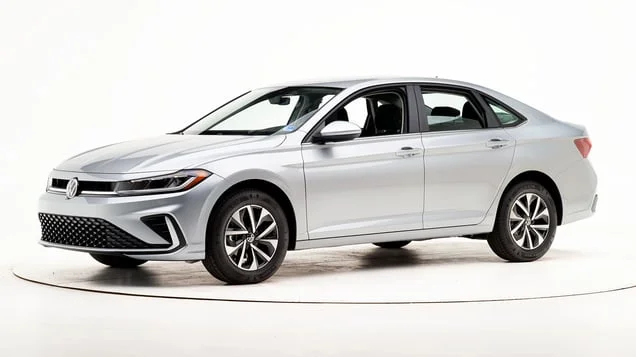
Pick the manual if driver involvement is the reason you are buying the car, you commute in light traffic or on back roads, and you plan to sell in three to five years with the scarcity premium working in your favor. The Civic Type R, Civic Si, and WRX base trim make this decision for you. The GR Corolla Core and Jetta GLI still give you the choice.
Pick the DCT or automatic if you want the quickest straight-line version of the car, you drive in heavy traffic, you share the car with someone who cannot drive stick, or you plan to keep it beyond warranty and are comfortable budgeting for a clutch pack later. The Golf GTI Autobahn and Golf R have made this choice for you in the US market. The Elantra N DCT adds the N Grin Shift feature you cannot get on the manual, which may or may not matter to you.
The full ranking across the segment, with specs and pricing, is at Best Compact Cars of 2026. For a direct head-to-head of the three cars where this transmission question is most contested, see Civic Type R vs GR Corolla Premium Plus vs Golf R.
The short version
The dual-clutch is faster in a straight line, period. That answers the stopwatch question and settles exactly nothing about what you should buy. If you want a car that does the work for you and gives you the maker's hero acceleration number, the DCT or DAT is the right call, and the Golf GTI, Golf R and Elantra N DCT all deliver. If you want a car whose personality survives the commute because it is a thing you operate rather than a thing you commission, the Civic Type R, Civic Si, manual GR Corolla and manual WRX exist for you and are likely to hold their value better. Both answers are real. Buy the car that fits the drive you actually do, not the track day you might someday take.
See Best Compact Cars of 2026Questions people ask
Is a manual or automatic better in a hot hatch?+
Neither is strictly better. A dual-clutch is faster in a straight line and easier in traffic. A manual delivers more driver involvement and, for enthusiast models, tends to hold value better on the used market. The right answer depends on how you will actually use the car. Drive.com.au called the DSG the easier car and the manual the more engaging one, which is a fair summary across the whole hot hatch segment.
Is the DCT as fun as a manual transmission?+
It depends on your definition of fun. A DCT is quicker and lets you focus on steering and throttle. It is not as fun if fun for you means authoring each gear change, heel-toe downshifting, and the physical theater of operating a clutch. Most reviewers describe modern DCTs as engaging but less involving than a good manual.
Will I regret not getting the manual GR Corolla?+
Probably not if you commute in traffic or want the easier daily car. Hagerty describes the GR-DAT as feeling close to a good dual-clutch, with real paddle authority and working launch control. You will regret it if you bought the GR Corolla primarily for mechanical engagement, because the manual car is more involving on a back road.
Does the Golf GTI being DSG-only mean it is less of a driver's car?+
Less of a certain kind of driver's car. The chassis, VAQ limited-slip diff and DCC dampers are unchanged, so the car still handles very well. What is gone is the direct-involvement feel the manual provided. If that matters to you, hunt a 2024 or earlier GTI manual while they remain available, or look at the Civic Si or Elantra N manual.
Which is faster in a compact car, a manual or a dual-clutch automatic?+
The dual-clutch, in nearly every maker's straight-line testing. Shift times of 8 to 100 ms versus 200 to 600 ms for a human compound into a measurable 0-60 and quarter-mile advantage. Toyota, Hyundai and Volkswagen all publish quicker numbers for their DCT or DAT-equipped cars than their manual counterparts. On a full lap with few shifts, the gap shrinks and driver and tire choice can flip the result, as Car and Driver's 2026 GR Corolla Lightning Lap testing showed.
Why does the Civic Type R not offer an automatic?+
Honda powertrain executive Yuji Matsumochi told The Drive that a DCT built to handle more than 400 Nm would add weight at the front axle and compromise the car's balance. The manual-only choice is deliberate chassis engineering, not just enthusiast appeal.
Does a manual cost more or less to maintain than a DCT?+
Less in almost every scenario. A clutch replacement in a compact runs $800 to $1,800 per Empire Auto Protect and is usually required only after 80,000 to 120,000 miles. A DCT clutch pack runs $1,500 to $3,500 or more. Routine fluid services are cheaper on a manual too.
Do manual performance compacts hold their value better?+
Yes, on average, for enthusiast models. Hagerty data cited by Cars.com shows manuals carrying an average 17 percent used premium across more than 2,000 vehicle generations where buyers prefer three pedals. The gap is not universal, so check model-specific data before counting on it.
Sources
What this guide is based on. We research from published specifications, independent reviews and owner reports; we did not test these products ourselves.
- 1.Shift time, Wikipedia
- 2.Porsche PDK Explained: How the Dual-Clutch Gearbox Works, RennDriver
- 3.The GR Lineup Heats Up with New Direct Automatic Transmission Option on Toyota's GR Corolla, Toyota USA Newsroom
- 4.2025 Toyota GR Corolla Review -- Six Versus DAT, The Truth About Cars
- 5.Toyota GR Corolla 2026 Lightning Lap Results: Bad Day for the Automatic Transmission, ClubLexus
- 6.2025 Toyota GR Corolla First Drive: Automatic, For the People, Hagerty
- 7.2025 Toyota GR Corolla Review and Test Drive, Capital One Auto
- 8.Volkswagen Golf GTI gearbox comparison: Manual v DSG, Drive.com.au
- 9.2025 Volkswagen GTI: Buttons Are Back, Manual Is Not, Kelley Blue Book
- 10.The Manual Transmission Is About To Lose Five More Enthusiast Cars, Autoblog
- 11.VW's Last Manual Transmission In America Is Sitting On Dealer Lots Right Now, HotCars
- 12.Mk8 Golf R Buyer's Guide: Buy the Last Manual Before It's Gone, ThreePiece
- 13.Honda Civic Type R Has No Automatic Transmission Because It'd Be Too Heavy, The Drive
- 14.Here's Everything On The U.S. Spec Hyundai Elantra N, Jalopnik
- 15.The Subaru WRX Is The Only Manual AWD Sports Sedan Left In America, CarBuzz
- 16.Save the Stick Shifts … to Sell Them Later? Future Manual 'Classic' Cars, Cars.com
- 17.Clutch Replacement Cost in 2026, Empire Auto Protect
- 18.Manual Transmission Repair Cost: $800 to $3,500 (2026), Transmission Repair Cost
Products mentioned
More on compact cars
Explainer
Sticker Price vs. True Cost: What a Compact Car Actually Costs to Own Over Five Years
Depreciation, insurance, premium fuel and scheduled maintenance can swing five-year ownership cost by $15,000 or more between compact cars with similar MSRPs. Here is where that money goes.
Explainer
Why Peak Horsepower Is a Misleading Number in Compact Cars
Peak horsepower is a single data point. Torque delivery, curb weight, and differential type are what actually determine how a compact car accelerates and corners. Here is what to read on the spec sheet instead.
Explainer
Does a Hybrid Compact Actually Save You Money? The 2026 Payback Calculation
Real payback math on the 2026 Civic Sport Touring Hybrid and Toyota Corolla Hybrid. How long the extra sticker price takes to recover at today's gas prices and your actual annual mileage.
Explainer
AWD vs. FWD in Compact Cars: When the Extra Drivetrain Actually Earns Its Cost
All-wheel drive adds weight, fuel cost, and $1,500 to $3,000 to a compact car's sticker. This guide quantifies the trade-offs and shows which drivers actually benefit, from snow country to the track.
Buying guide
How to Choose a Compact Car: A Decision Guide for 2026
The real forks in a compact car purchase: performance versus daily practicality, AWD by climate, hatch versus sedan, transmission choice, and sticker price versus five-year cost.