Explainer
Sticker Price vs. True Cost: What a Compact Car Actually Costs to Own Over Five Years
Depreciation, insurance, premium fuel and scheduled maintenance can swing five-year ownership cost by $15,000 or more between compact cars with similar MSRPs. Here is where that money goes.
Updated November 12, 2026 · Based on 19 sources · How we research
Two 2026 compact cars can be parked beside each other with window stickers within a few hundred dollars and still cost very different amounts to own. AAA's 2026 Your Driving Costs study puts the average new vehicle at $12,863 a year, with depreciation alone running $4,422 annually and overtaking fuel as the largest line item. A Honda Civic hatchback that holds roughly 77 percent of its value after five years is not the same financial object as a hot hatch that drinks premium, carries a four-figure insurance premium and sits on tires that cost twice as much to replace. This guide is for buyers who want the real five-year number before they sign, and it is built around the compacts ranked on Best Compact Cars of 2026.
What a compact car actually costs per year beyond the payment
AAA's 2026 Your Driving Costs study is the cleanest public baseline. Averaged across new cars at 15,000 miles a year, ownership runs $12,863 annually, about $1,072 a month or roughly 86 cents a mile. That figure bundles seven categories: depreciation, financing interest, insurance, fuel, maintenance, repairs and tires, plus license, registration and taxes. Compacts land well under that average on fuel and depreciation dollars but still clear $8,000 to $12,000 a year once insurance and finance interest are counted.
The breakdown matters more than the total. On a KBB five-year cost-to-own for the 2026 Honda Civic, out-of-pocket operating costs and depreciation total about $40,300. For a 2026 Toyota Corolla the figure is $40,461, and for a 2026 Mazda3 Turbo Premium Plus it runs $58,444. Three cars with MSRPs within roughly $15,000 of each other produce an $18,000 spread over five years, and most of that is not fuel.
Depreciation is the biggest single line, and it is not optional
AAA puts average new-car depreciation at $4,422 a year, the single largest ownership expense. Within the compact segment the gap between best and worst residuals is wide enough to reorder a shopping list. iSeeCars' data has the Honda Civic sedan holding 75.5 percent of value after five years, the Civic hatchback 76.9 percent and the Toyota Corolla hatchback 75.4 percent, well above the compact-class average retention of 66.6 percent. CarEdge's lowest-cost-to-own list for 2026 slots the Corolla Hatchback at $30,541 and the Civic at $32,541 over five years, driven almost entirely by residual strength.
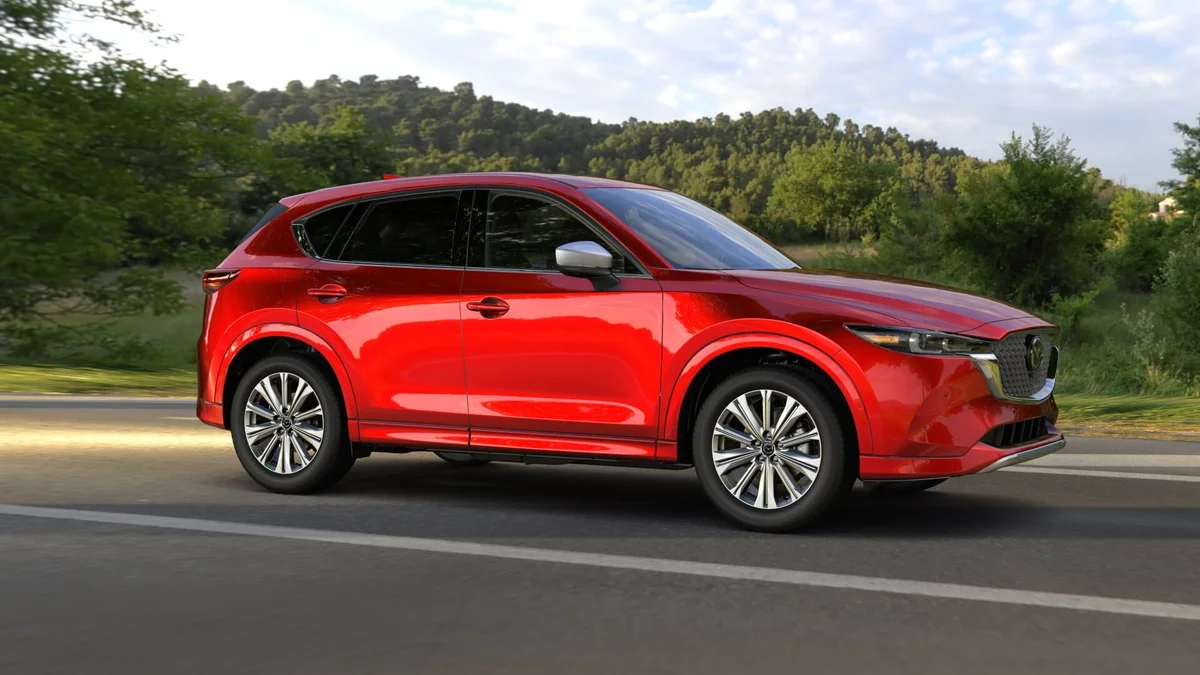
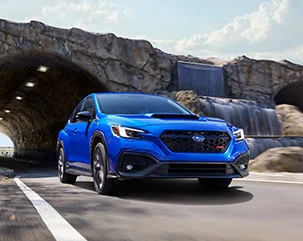
Performance variants bend the curve in both directions. iSeeCars shows the Subaru WRX retaining about 70.2 percent of its value at five years, better than the compact-category average, and CarEdge reports the Toyota GR Corolla holding roughly 68 percent at five years. Low production volume and enthusiast demand are doing most of that work. The Mazda3 depreciates harder than the segment leaders: CarEdge data shows the sedan around 38 percent and the hatchback around 41 percent over five years, partly because the used market prices Mazda below Honda and Toyota even when the new car is arguably nicer.
The practical rule: a Civic or Corolla owner will usually walk away from year five with several thousand more dollars in the car than a comparably priced rival. In the RankGrids list, the Civic LX Sedan and Corolla Hybrid SE AWD are the two cleanest examples of that effect.
Insurance is where identical-looking compacts stop looking identical
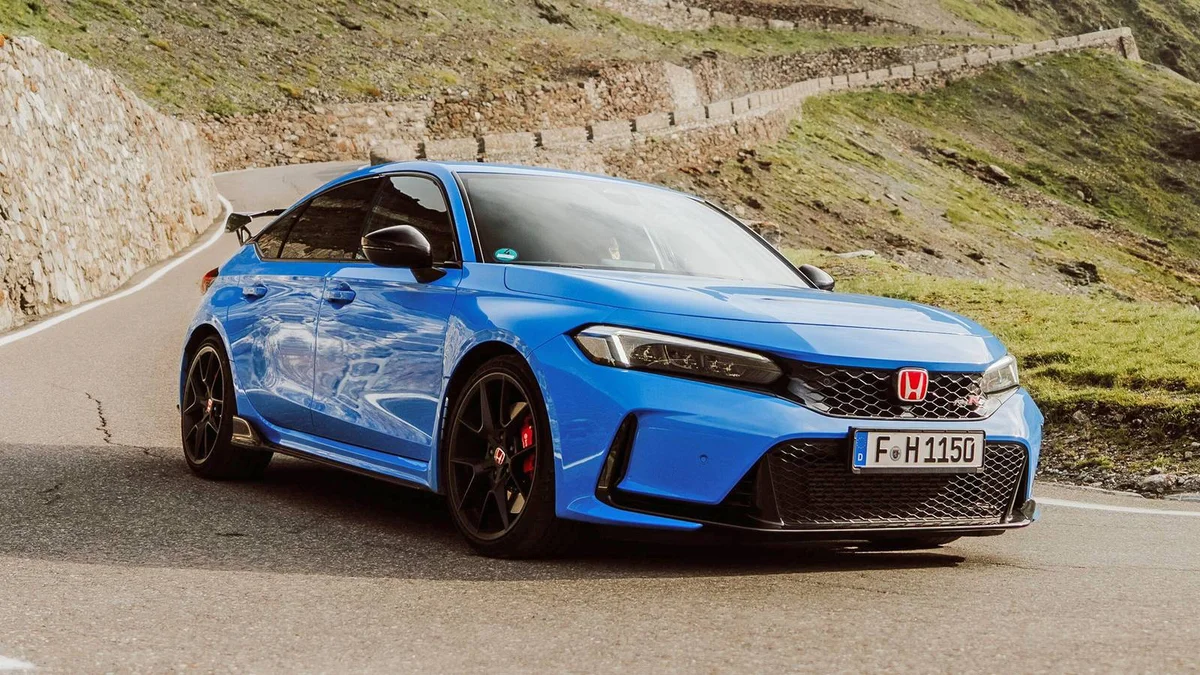
The Zebra's 2026 report puts the typical American driver at $2,256 a year in auto insurance premiums. Insurify's 2026 Honda Civic data sits near $2,080 a year for full coverage on a standard Civic, while the Subaru WRX averages around $2,280 a year and can push past $2,600 for full coverage from some carriers. The Honda Civic Type R is the extreme: LendingTree reports State Farm at about $2,779 a year and the Type R as the most expensive Honda to insure at around $4,010, with Insure.com putting the average premium close to $3,798.
That gap compounds. Over five years the difference between a base Civic at about $2,080 and a Type R at $3,800 or more clears $8,500, which is the kind of number that moves a car two tiers on the true-cost chart. Insurance rates are driven by horsepower, theft rates, repair cost, parts availability and claim frequency, and compacts with turbocharged performance drivetrains hit all four. The Civic Si sits in between at about $2,201 a year per CarEdge, and the GR Corolla around $2,638.
Fuel: the MPG number is only half of it
The EPA's 2026 Fuel Economy Guide assumes $4.47 a gallon for regular and $5.48 for premium at 15,000 miles a year. At those prices, the 44 to 49 MPG combined of a hybrid Civic or Corolla produces a five-year fuel bill in the $6,800 to $7,600 range. A 24 MPG performance compact burning premium produces a five-year fuel bill closer to $17,000. That is a $10,000 spread without touching the engine.
Premium requirement is the quiet trap. The Civic Type R, GR Corolla, WRX, Golf R, Elantra N and the Golf GTI are all calibrated for 91-plus octane. At the EPA's 2026 prices, premium adds about $1.01 a gallon over regular, which on a 24 MPG car at 15,000 miles a year works out to roughly $630 extra per year or about $3,150 over five years before any MPG penalty from a performance tune.
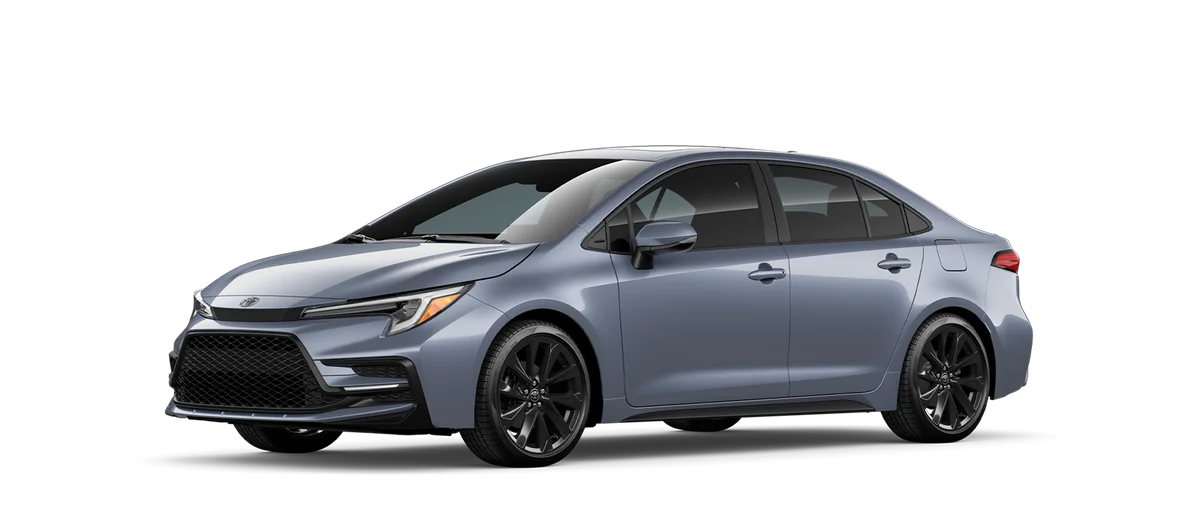
The hybrid often wins outright. The Civic Sport Touring Hybrid at 49 MPG and the Corolla Hybrid SE AWD at 44 MPG each save several thousand dollars in fuel against a GTI over five years, and the MSRP premium for the hybrid has tightened. Edmunds' 2026 Toyota Corolla Hybrid True Cost to Own puts it within a few hundred dollars of the gasoline Corolla.
| Model | EPA Combined MPG | Fuel Type | Approx. 5-year fuel at 15k mi/yr |
|---|---|---|---|
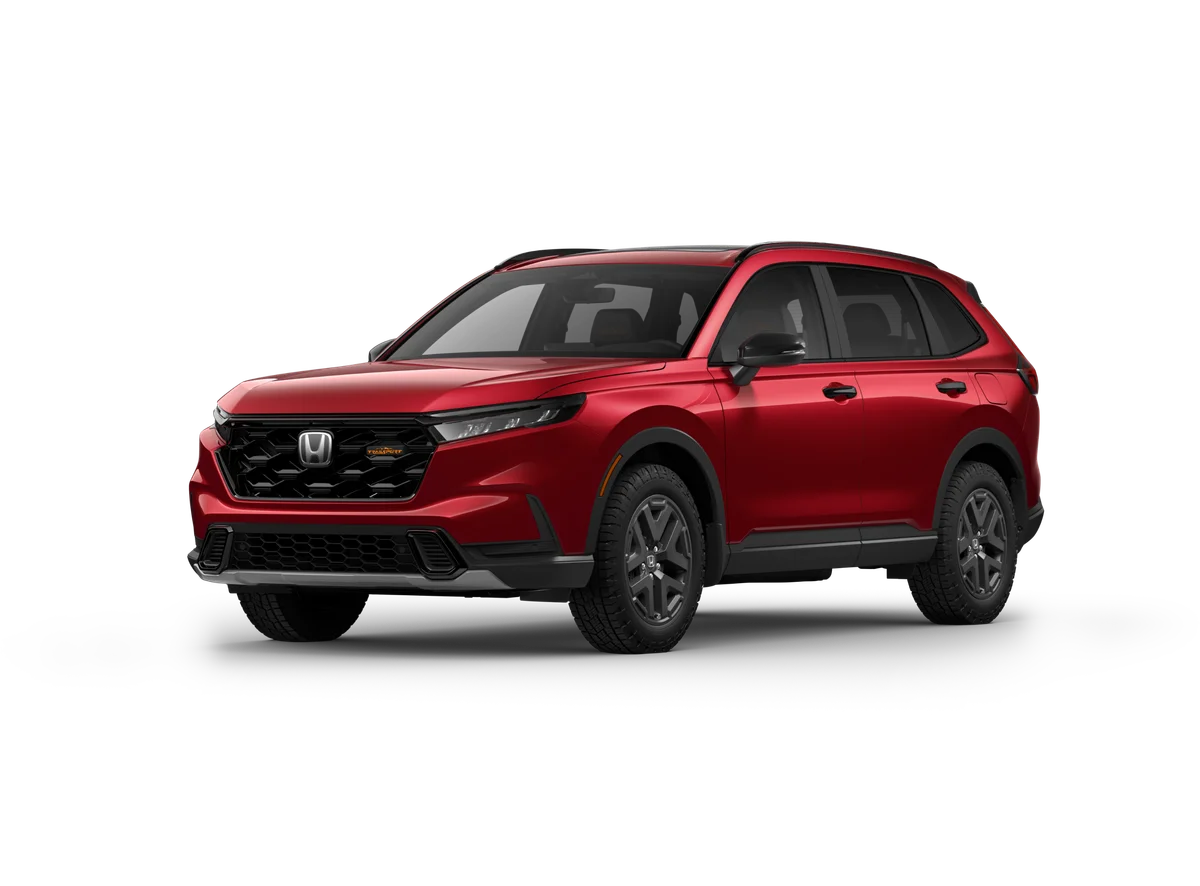
| Honda Civic Sport Touring Hybrid | 49 | Regular | $6,840 |
| Toyota Corolla Hybrid SE AWD | 44 | Regular | $7,618 |
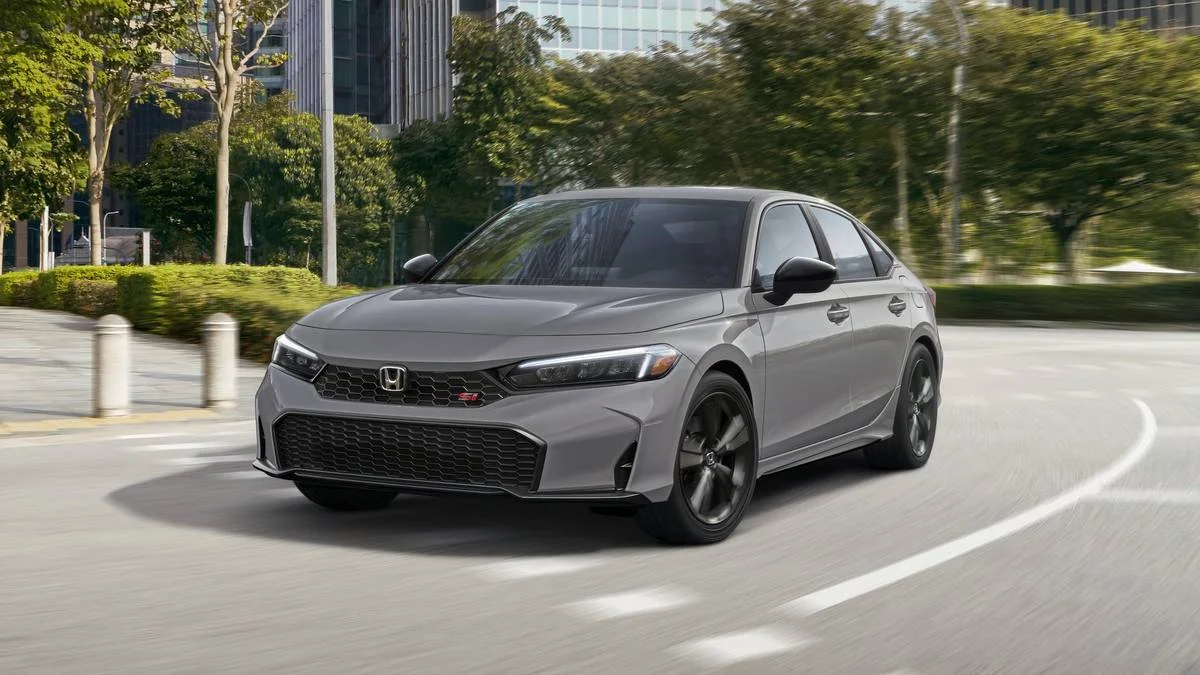
| Honda Civic Si Sedan | 31 | Regular | $10,816 |
| Volkswagen Golf GTI Autobahn | 27 | Premium (91+) | $15,222 |
| Toyota GR Corolla Core | 24 | Premium (91+) | $17,125 |
| Subaru WRX GT | 21 | Premium (91+) | $19,571 |
Why reliability matters more than warranty length on the five-year bill
RepairPal rates the Volkswagen GTI at 3 out of 5 for reliability, with an average annual repair and maintenance cost well above the compact-car average and a probability of a severe repair at 13 percent. Over five years that gap is a four-figure number before any major repair, and Golf R numbers are within $100 to $200 of GTI per CarEdge. Edmunds' 2025 Hyundai Elantra N True Cost to Own puts five-year maintenance around $4,105, well above a Civic LX, though Hyundai's bumper-to-bumper warranty runs five years or 60,000 miles and the powertrain a class-leading 10 years or 100,000 miles.
Toyota and Honda remain the safe bets on this line. CarEdge's lowest-cost-to-own list puts the Corolla Hatchback and Civic in the top ranks for 2026 because reliability keeps repair outlays and residual loss low. Mazda sits in the same neighborhood for reliability but loses ground on depreciation. Volkswagen's four- and five-year warranty coverage softens the mid-term bill but does not change the long-run picture.
Tires are the underappreciated variable. A performance compact on 19 or 20-inch summer tires can need a $1,400 to $1,800 set every 20,000 to 30,000 miles; a Civic LX on all-seasons will not. Over five years that alone can be a $2,000 swing.
How the picture changes across our top-ranked compacts
RankGrids data and the public cost-to-own figures line up on a clear pattern among the compacts ranked on Best Compact Cars of 2026. The first cluster is the efficient and sensible winners: the Civic LX Sedan at an estimated $32,000 five-year total, the Mazda3 2.5 S Select Sedan at about $37,000 and the Corolla Hybrid SE AWD at roughly $37,500. These cars pair modest MSRPs with strong residuals and near-average insurance.
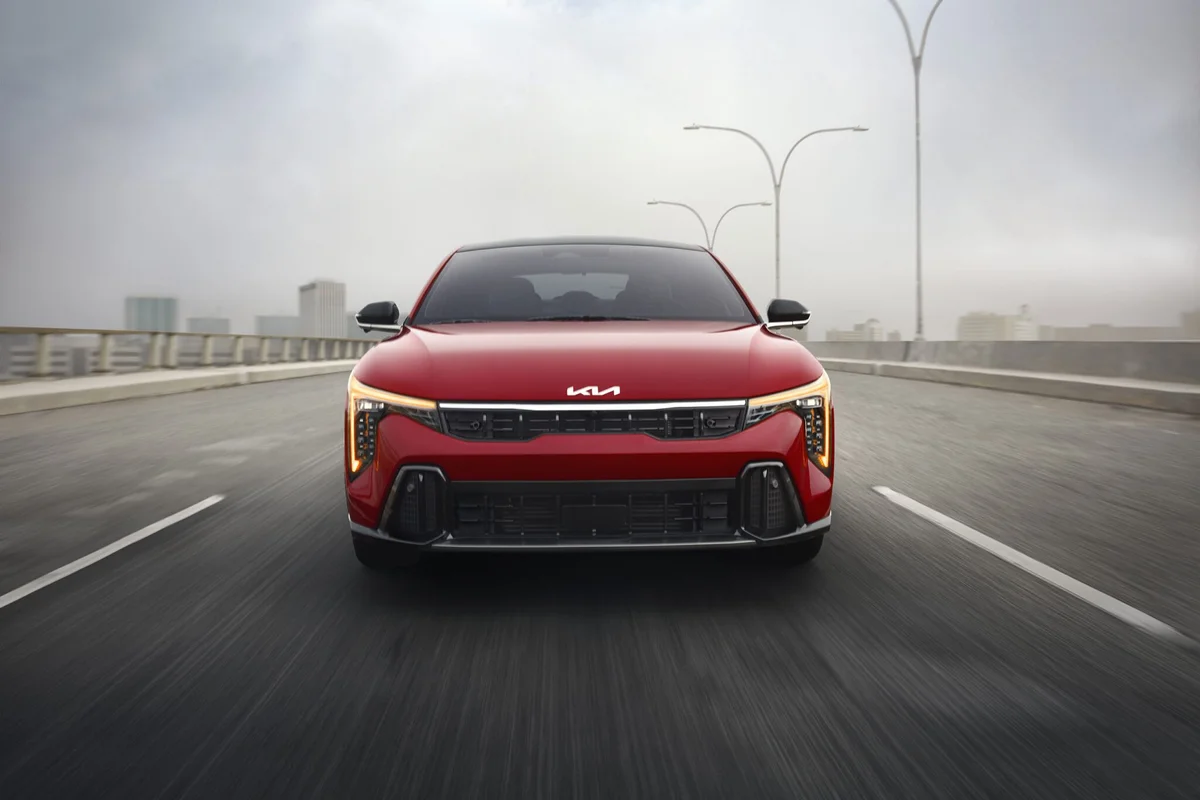
The second cluster is the sensible middle: the Civic EX Sedan at around $36,800, the Civic Sport Touring Hybrid at $43,900, the Mazda3 Carbon Edition AWD hatchback near $44,100 and the Kia K4 GT-Line Turbo around $44,000. All sit within a $7,000 band and the trade-off is practical, not financial: AWD, cargo, premium interior or hybrid efficiency.
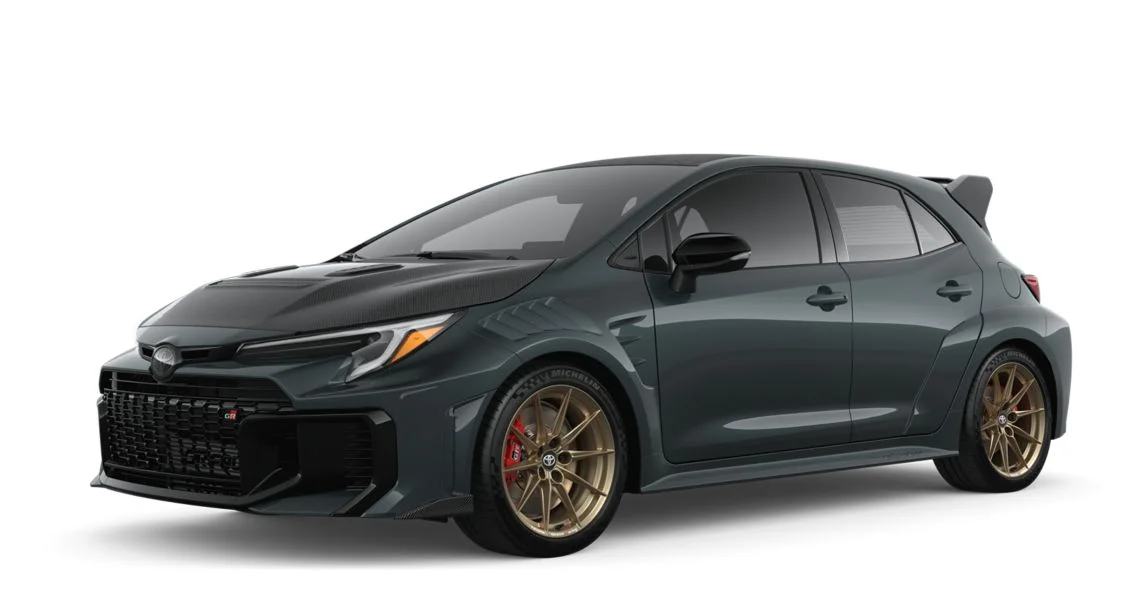
The third cluster is the performance compacts, where ownership economics change sharply. The Civic Type R actually posts the lowest five-year total in this group at about $41,600, carried almost entirely by exceptional residual value, even with a four-figure insurance premium. The GR Corolla Premium Plus runs $67,000, the Golf R about $54,200, and both GTI trims land near $58,000 to $59,500. A Civic Type R and a GR Corolla Premium Plus start within $330 of each other on MSRP and finish $25,000 apart over five years on these estimates. See the Type R vs. GR Corolla vs. Golf R head-to-head for the specification side of that trade.
| Model | Starting MSRP | Estimated 5-year TCO | Why it lands there |
|---|---|---|---|
| Honda Civic LX Sedan | $24,695 | $32,000 | Top-tier residuals, cheap to insure, 36 MPG |
| Toyota Corolla Hybrid SE AWD | $27,665 | $37,500 | 44 MPG hybrid, strong Toyota residuals |
| Honda Civic Sport Touring Hybrid | $32,395 | $43,900 | Fuel savings offset the higher MSRP |
| Mazda3 Turbo Premium Plus AWD | $37,535 | $58,444 | Higher depreciation drag, 26 MPG |
| Honda Civic Type R | $46,895 | $41,600 | Benchmark residuals absorb a high MSRP |
| Toyota GR Corolla Premium Plus | $46,565 | $67,000 | Premium fuel, 24 MPG, insurance load |
Why a cheaper compact can cost more to own than a pricier one
Three factors flip the ranking when total cost is the metric. First, residual value is leveraged: a 10-percentage-point gap in five-year retention on a $35,000 car is $3,500 at trade-in before interest. Second, insurance premiums compound monthly and are not negotiable with the carrier beyond coverage choices. Third, premium fuel on a 24 MPG tune at 15,000 miles a year adds roughly $630 a year against a 36 MPG regular-unleaded compact of similar size, before any MPG penalty of the performance tune.
This is how a $46,895 Civic Type R undercuts a $46,565 GR Corolla by a wide margin over five years on these estimates: the Honda keeps more of its MSRP in the metal, insurance is manageable for the segment, and while both drink premium at 24 MPG, Toyota's AWD system and tighter production volume raise the GR Corolla's running cost in the cost-to-own data CarEdge and Edmunds publish.
The short version
If total five-year outlay is the deciding factor, a Civic LX, a Corolla Hybrid or a Mazda3 S Select will finish several thousand dollars ahead of almost anything else in the segment. If a performance compact is non-negotiable, the Civic Type R is the one that behaves most like a sensible compact on the balance sheet, mostly because the market refuses to let it depreciate. Everything else in the hot-hatch tier, from GR Corolla to Golf R to WRX to Elantra N, carries a real financial premium that buyers should see on paper before they drive it home, not after.
See Best Compact Cars of 2026Questions people ask
How much does a compact car really cost per year beyond the monthly payment?+
AAA's 2026 study puts the average new vehicle at $12,863 a year, or about $1,072 a month at 15,000 miles. Compacts typically run lower, roughly $8,000 to $11,000 a year once insurance, fuel, maintenance and depreciation are added to interest, depending on the model and trim.
Which compact cars have the lowest total cost of ownership?+
CarEdge's 2026 lowest-cost-to-own list places the Toyota Corolla Hatchback at $30,541 and the Honda Civic at $32,541 over five years, both near the top of the compact segment. The Corolla Hybrid, Civic LX and Mazda3 S Select follow closely, driven by strong residuals and near-average insurance.
Why can a cheaper compact car cost more to own than a pricier one?+
Three reasons: a lower sticker on a car with weaker residuals loses more absolute dollars to depreciation, a turbo trim can nearly double the insurance premium against a base trim, and a premium-fuel performance tune adds roughly $630 a year in fuel alone over a 24 MPG baseline. A Civic Type R with a $46,895 MSRP can finish five years ahead of a cheaper rival because it holds value exceptionally well.
How much does depreciation cost me on a compact car in the first three years?+
A Honda Civic hatchback retains about 77 percent of MSRP after five years per iSeeCars, so the first three years run around 15 to 20 percent off, or roughly $4,000 to $5,000 on a $25,000 car. A Mazda3 depreciates about 38 to 41 percent over five years, so three-year loss is closer to $6,000 to $8,000. Performance compacts with limited supply, such as the GR Corolla and Civic Type R, lose less than the segment average.
Should I factor in insurance and fuel when comparing compact car prices?+
Yes, and they often matter more than the sticker gap. Insurify data puts a standard Honda Civic near $2,080 a year for full coverage, while LendingTree reports the Civic Type R at $2,779 with State Farm and around $4,010 as the priciest Honda to insure. A 49 MPG hybrid Civic and a 24 MPG premium-fuel GR Corolla differ by roughly $10,000 in fuel alone over five years. Put insurance, fuel and depreciation on the same page as the monthly payment before deciding.
Are hybrid compacts worth the extra money?+
At the EPA's 2026 fuel-price assumption of $4.47 a gallon for regular, a 49 MPG Civic Hybrid saves roughly $750 to $900 a year in fuel against a 31 MPG Civic Si and keeps Honda residuals. The hybrid premium is now small enough that Edmunds' 2026 True Cost to Own has the Corolla Hybrid within a few hundred dollars of the gasoline Corolla.
How much extra does premium fuel add over five years?+
At EPA's 2026 price assumptions of $4.47 regular and $5.48 premium, premium is about $1.01 a gallon more. For a 24 MPG performance compact at 15,000 miles a year, that works out to roughly $630 a year or about $3,150 over five years before any MPG penalty from the performance tune or any maintenance and insurance differences.
Do longer warranties make a car cheaper to own?+
Partially. Hyundai and Kia offer five-year bumper-to-bumper and 10-year powertrain coverage, which does reduce out-of-pocket repair risk through year five. But warranty does not change depreciation, insurance or fuel, which are the three largest ownership categories, so a well-warranted car can still finish above a Civic or Corolla on total cost.
Sources
What this guide is based on. We research from published specifications, independent reviews and owner reports; we did not test these products ourselves.
- 1.AAA: New Vehicle Ownership Is Up To $12,863 Per Year, CarPro
- 2.2026 Honda Civic Cost to Own, Kelley Blue Book
- 3.2026 Toyota Corolla Cost to Own, Kelley Blue Book
- 4.2026 Toyota Corolla Hybrid: True Cost to Own, Edmunds
- 5.2025 Hyundai Elantra N: True Cost to Own, Edmunds
- 6.2026 MAZDA MAZDA3 Cost to Own, Kelley Blue Book
- 7.10 Cars with the Lowest Cost of Ownership 2026, CarEdge
- 8.Best Resale Value Compact Cars, iSeeCars
- 9.Subaru WRX Resale Value and Depreciation, iSeeCars
- 10.Toyota GR Corolla Costs, CarEdge
- 11.Honda Civic Si Depreciation, CarEdge
- 12.Mazda Mazda3 Sedan Depreciation, CarEdge
- 13.Mazda Mazda3 Hatchback Depreciation, CarEdge
- 14.Volkswagen GTI Reliability 2026 Ratings, RepairPal
- 15.Cheapest Honda Car Insurance, LendingTree
- 16.Average Cost of Honda Car Insurance (2026), Insurify
- 17.Subaru WRX Insurance Cost by Model Year and Driver Age (2026), MoneyGeek
- 18.2026 State of Insurance Auto Trend Report, The Zebra
- 19.Fuel Economy Guide 2026, EPA / US Department of Energy
Products mentioned
 Honda Civic LX Sedan
 Honda Civic Si Sedan
 Honda Civic Sport Touring Hybrid Sedan
 Honda Civic Type R
 Kia K4 GT-Line Turbo
 Mazda3 2.5 S Carbon Edition AWD HatchbackMazda3 2.5 Turbo Premium Plus Sedan AWD
 Subaru WRX GT
 Toyota Corolla Hybrid SE AWD
 Toyota GR Corolla Premium Plus
 Volkswagen Golf GTI AutobahnVolkswagen Golf R 2026
More on compact cars
Explainer
Why Peak Horsepower Is a Misleading Number in Compact Cars
Peak horsepower is a single data point. Torque delivery, curb weight, and differential type are what actually determine how a compact car accelerates and corners. Here is what to read on the spec sheet instead.
Explainer
Does a Hybrid Compact Actually Save You Money? The 2026 Payback Calculation
Real payback math on the 2026 Civic Sport Touring Hybrid and Toyota Corolla Hybrid. How long the extra sticker price takes to recover at today's gas prices and your actual annual mileage.
Explainer
Manual vs. DCT in Performance Compacts: What You Gain and What You Give Up
A clear read on whether to buy the manual or the dual-clutch in a GR Corolla, Civic Type R, Elantra N or Golf: lap times, resale, maintenance and daily driving with sources named.
Explainer
AWD vs. FWD in Compact Cars: When the Extra Drivetrain Actually Earns Its Cost
All-wheel drive adds weight, fuel cost, and $1,500 to $3,000 to a compact car's sticker. This guide quantifies the trade-offs and shows which drivers actually benefit, from snow country to the track.
Buying guide
How to Choose a Compact Car: A Decision Guide for 2026
The real forks in a compact car purchase: performance versus daily practicality, AWD by climate, hatch versus sedan, transmission choice, and sticker price versus five-year cost.