Buying guide
How to Choose a Compact Car: A Decision Guide for 2026
The real forks in a compact car purchase: performance versus daily practicality, AWD by climate, hatch versus sedan, transmission choice, and sticker price versus five-year cost.
Updated November 12, 2026 · Based on 20 sources · How we research
If you are deciding between a Civic, a Corolla, a Mazda3, a GTI, a GR Corolla or a hybrid sedan, this guide is for you. The compact segment covers more ground than it used to: 49-MPG hybrids, 300-plus-hp hot hatches, AWD sedans, and basic commuter cars all live on the same shelf. The one thing most buyers get wrong is anchoring on sticker price and peak horsepower, then being surprised a year later by what the car actually costs to insure, fuel and drive in bad weather. The real forks are body style, drivetrain, transmission and five-year total cost. This guide walks through them in order, with named examples from the RankGrids compact car ranking for 2026.
Start with how you actually use the car, not the spec sheet
Before anything else, answer six concrete questions: how far is your daily commute, how many passengers do you carry more than once a month, what is the biggest thing you need to fit in the back, what does your winter actually look like, where do you park, and how long do you plan to keep the car. Enthusiasts especially tend to spec for an edge case: the occasional track day, the one ski trip, the once-a-year move. Pick the car that fits what you will do fifty weeks out of the year, then handle the exceptions with winter tires, a cargo bag or a rental.
The RankGrids best compact cars of 2026 ranking scores candidates on fuel economy, cargo volume, horsepower, 0-60, 60-0 braking and AWD availability precisely because none of those metrics alone chooses the car. The weights depend on the kind of driving you actually do, which is the thing a spec sheet cannot tell you.
Compact car or small SUV?
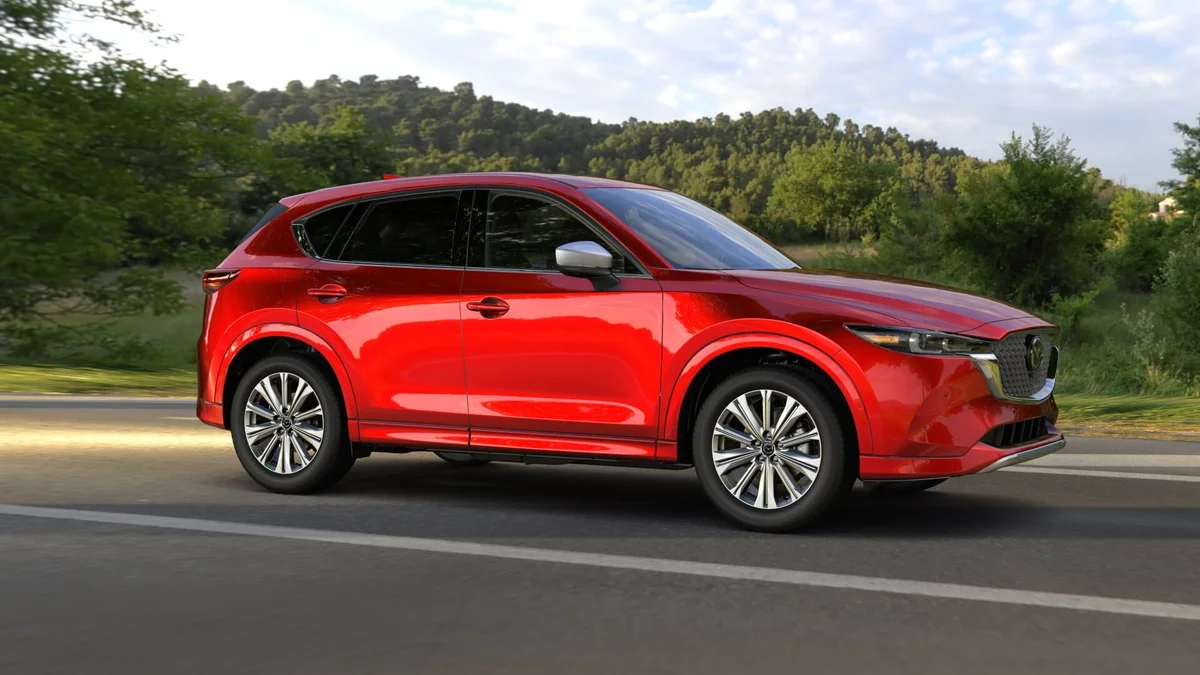
This is the first fork, and the SUV usually wins at the dealer because it feels bigger for similar money. The underlying numbers tell a quieter story. A compact sedan trunk is tight: the Mazda3 2.5 S Select Sedan lists 13.2 cubic feet and the Civic Sport Touring Hybrid Sedan 14.8 cubic feet per Mazda and Honda spec sheets. A compact hatch is a different proposition. The Mazda3 2.5 S Carbon Edition AWD Hatchback carries 47.1 cubic feet with the rear seats folded, close to what a RAV4-class small SUV offers behind its back seat.
Fuel and total cost separate the two more decisively. TrueDrivingCost puts a small SUV at about $106 more per year to fuel than a compact car at standard mileage, roughly $530 more over five years. Insurance and depreciation lean the same direction. If you need SUV ride height for an unpaved driveway, a roof rack for bikes, or regular bulky loads, buy the SUV. If more space means the occasional Costco run or a yearly move, a hatch like the Mazda3 Carbon Edition AWD Hatchback covers it for thousands less.
Hot hatch or regular compact?
A hot hatch adds roughly 100 horsepower, costs $7,000 to $22,000 more than a well-equipped base compact in this year's lineup, drinks premium fuel, insures higher, and runs sport tires that need replacing more often. In exchange you get a car that is genuinely fun on a back road. The question is whether you will actually use that.
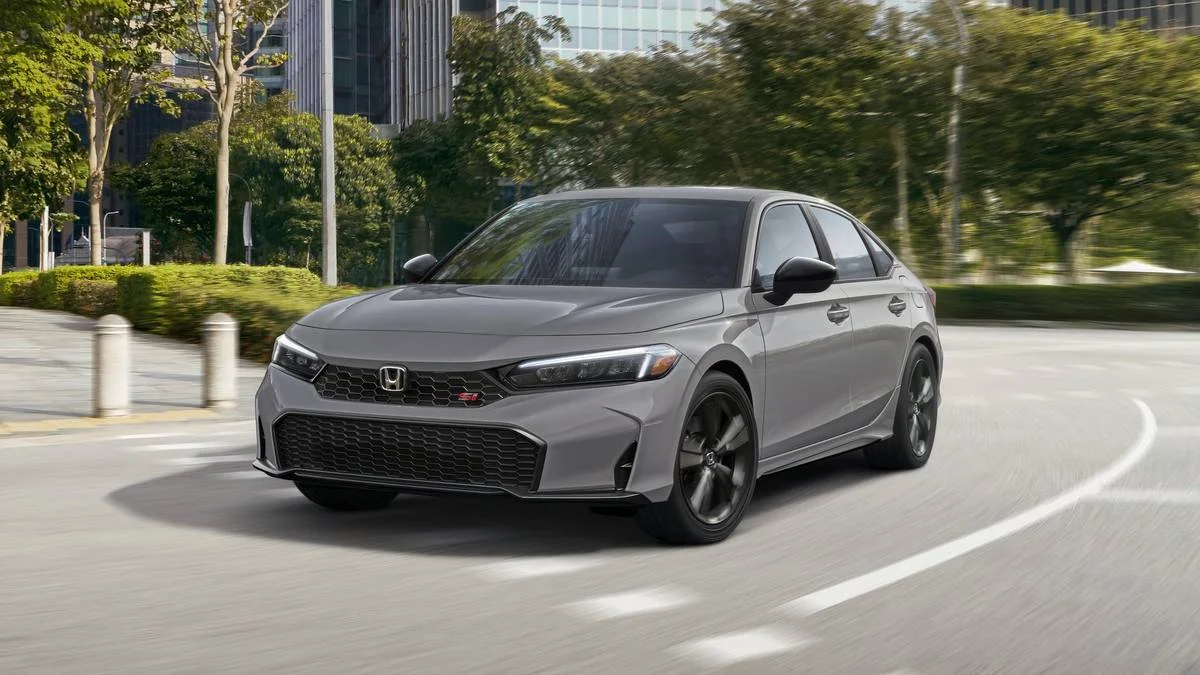
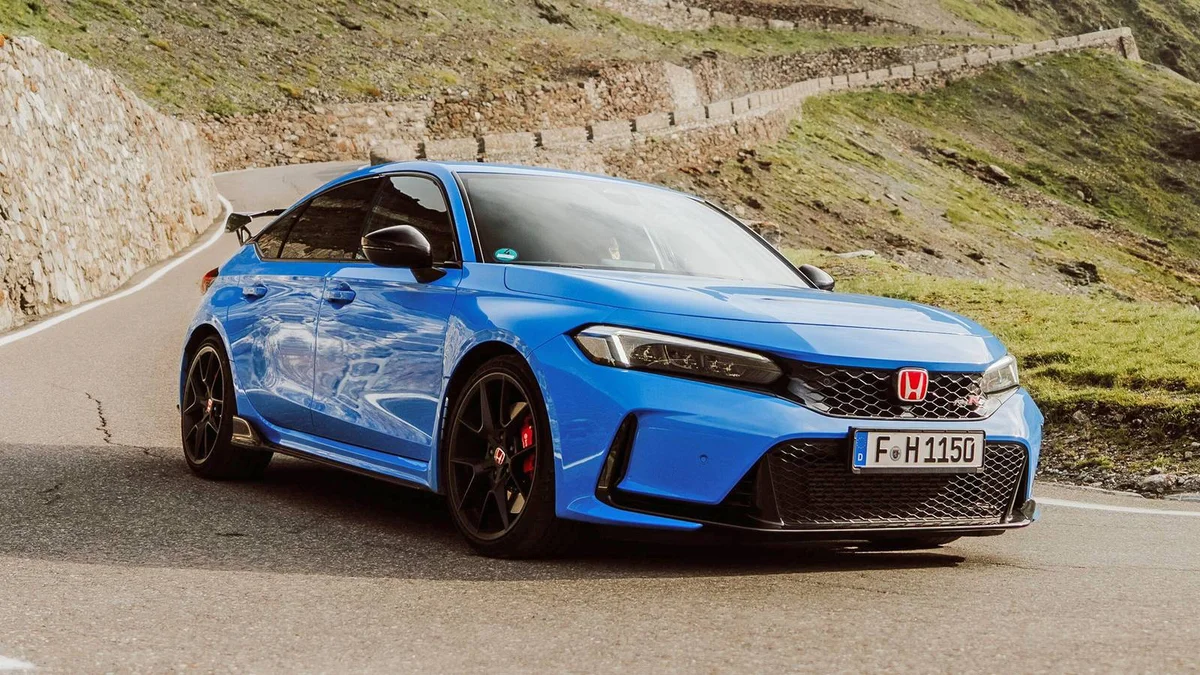
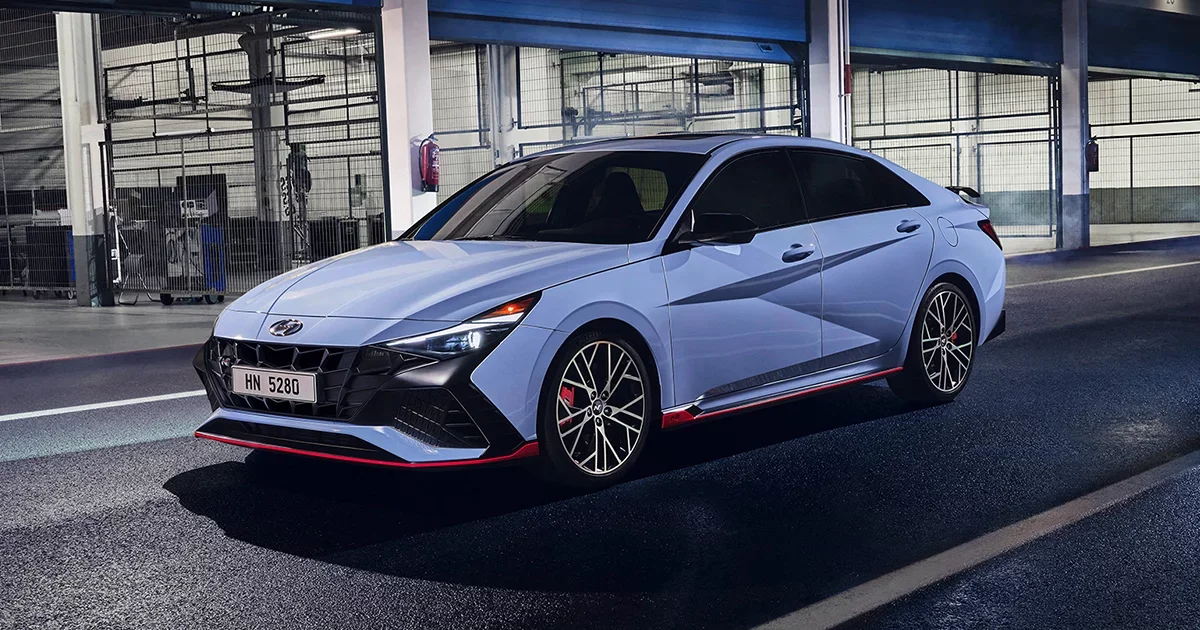
Reviews converge on a clear hierarchy. The Volkswagen Golf GTI is the most refined daily driver in the group, with its DSG praised for commuting. The Honda Civic Si Sedan is the best value in the mid-tier, pairing a helical limited-slip differential with 31 MPG combined on the EPA cycle. The Hyundai Elantra N is the most powerful of that mid-tier at 276 hp, but Edmunds notes a firm ride when driven hard. At the top, the Honda Civic Type R is described by Drive as among the best front-wheel-drive hot hatches ever built, with a helical LSD and dual-axis strut front suspension that keep torque steer in check.
If you rarely drive outside urban traffic, a Civic Si or a Mazda3 Turbo Premium Plus AWD gives most of the texture at a fraction of the running cost. The RankGrids head-to-head of the Civic Type R, GR Corolla Premium Plus and Golf R goes deeper on where the full-fat versions differ.
Does AWD earn its cost in your climate?
AWD adds weight, drops fuel economy by 2 to 4 MPG, and raises the sticker by $1,500 to $3,000. The question most buyers skip is whether it solves the problem they think it does. CarWhere is explicit: a two-wheel-drive car on winter tires out-brakes and out-corners a four-wheel-drive car on all-seasons on ice and packed snow. AutoNation Mobile Service reaches the same conclusion. Reviewers of the 2026 GR Corolla put it plainly: AWD helps you go, but winter rubber helps you stop and turn, per Doubleclutch.ca.
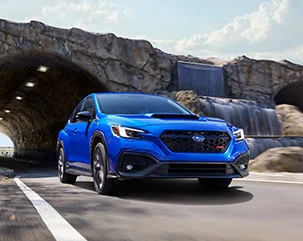
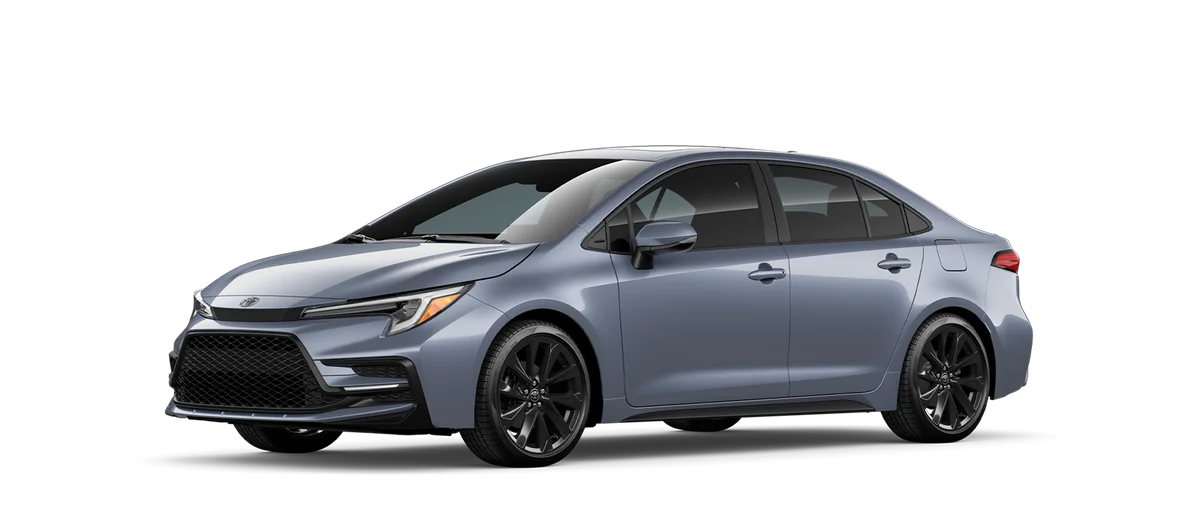
Where AWD earns itself is deep unplowed snow, slush, a long uphill driveway, or gravel. For a buyer in Boston or Denver who clears the drive before leaving, a FWD compact with four winter tires is cheaper and often safer than an AWD compact on all-seasons. For a buyer in Vermont with an unpaved mile to the main road, the Subaru WRX GT with symmetrical AWD, the Toyota Corolla Hybrid SE AWD with E-Four, or a Mazda3 AWD makes sense. TopSpeed frames the WRX as a four-season sport compact precisely because of this.
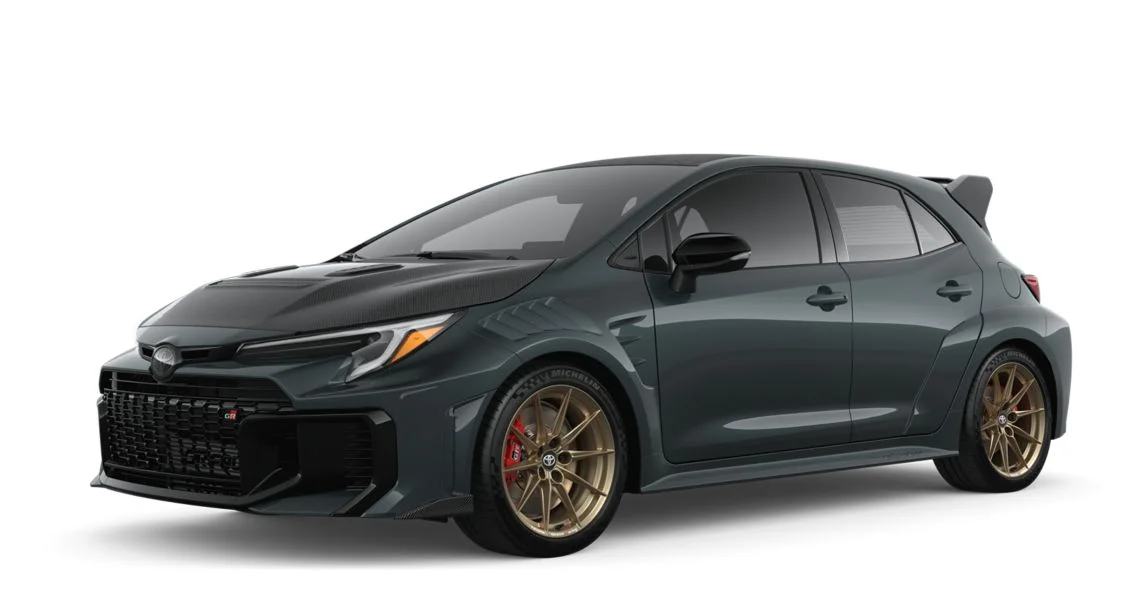
Performance AWD systems are a different purchase. The Volkswagen Golf R's torque-vectoring setup and the Toyota GR Corolla Premium Plus's GR-FOUR system with driver-selectable torque splits exist primarily for cornering, not for commuting through a storm.
Hatchback or sedan? Manual or automatic?
Body style is a practicality question dressed up as a style question. A Civic sedan has a 14.8 cubic foot trunk; a Mazda3 hatchback nearly doubles usable volume with the rear seats folded. If you ever move apartments, buy appliances, haul bikes, or carry a stroller plus luggage, the hatch is the correct answer. If you mostly carry people and clean cargo, a sedan rides quieter and feels more secure.
Transmission choice narrowed for 2026. Volkswagen dropped the manual from the Golf R, which now ships with the 7-speed DSG only, per Edmunds. The Toyota GR Corolla Core still offers a 6-speed manual or Toyota's 8-speed Direct Automatic. The Civic Si is manual-only. The Elantra N is quicker to 60 with the 8-speed DCT than with the manual by about a second, per Edmunds. For city commuting a DCT or torque-converter automatic is less tiring; for engagement the manual is still the honest choice where it exists. Pick the one you will enjoy on a 60-minute traffic crawl, not the one you will enjoy for ten minutes on a canyon road.
The specs that matter, and the ones that do not
Horsepower, 0-60 and infotainment screen size are secondary. They sell cars at the dealer, not after the first six months of ownership.
- 60-0 mph braking distance from an instrumented test. In the current compact field the Civic Type R stops in 108 ft, the 2025 Golf GTI Autobahn in 110 ft, the Mazda3 Turbo in 131 ft, and the Toyota Corolla Hybrid in 139 ft per published tests. That 31-foot spread is more than a full car length at highway speed.
- Real-world fuel economy, not the EPA sticker. Edmunds reports the 2026 Civic Hybrid matched its 49-MPG combined EPA figure in testing. The Corolla Hybrid AWD averaged just over 41 MPG against a 44 EPA on Edmunds' route per the 2025 Corolla Hybrid review.
- IIHS 2026 ratings. Both Mazda3 body styles, the Kia K4 GT-Line Turbo and the Civic Sedan trims carry the Top Safety Pick+ designation; the Hyundai Elantra holds the base Top Safety Pick, per IIHS ratings and manufacturer disclosures reflected in RankGrids data.
- Warranty length. Hyundai and Kia's 5-year, 60,000-mile bumper-to-bumper with a 10-year, 100,000-mile powertrain is worth real money over a long hold.
- Cargo volume with the seats folded. The number behind the rear seats understates how useful a hatch actually is.
Sticker price is not the real number
A $31,495 Civic Si looks almost $9,000 cheaper than a $40,520 GR Corolla Core, but the five-year numbers compress the gap. Kelley Blue Book puts the 2026 Civic's total 5-year cost to own at $40,296, the 2026 Corolla at $40,461, and the 2026 Kia K4 at $44,589. For hot hatches, insurance alone can add several hundred dollars a year, and premium fuel another $200 to $400 depending on mileage.
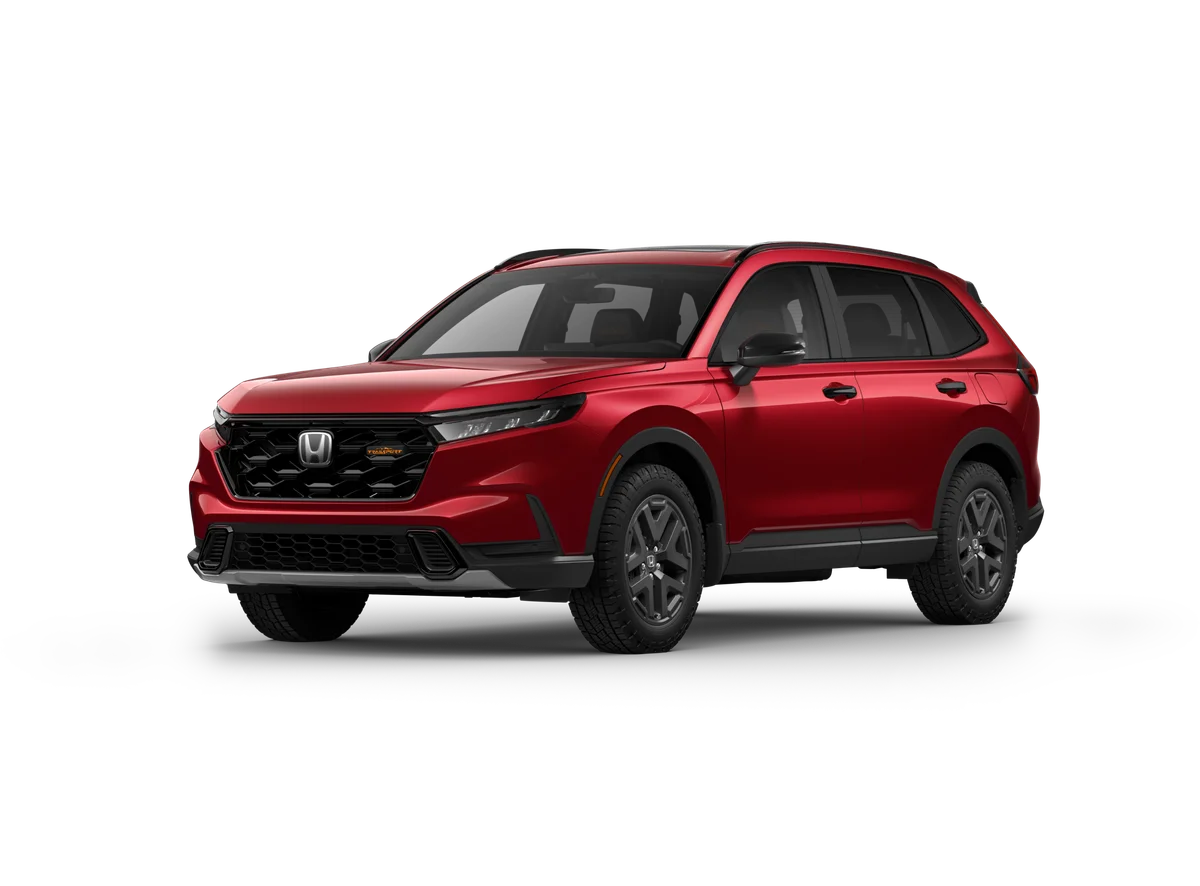
Hybrids recover real money on fuel but carry a $2,500 to $4,000 premium up front between matched trims. At 15,000 miles a year, the Honda Civic Sport Touring Hybrid Sedan at 49 MPG saves roughly $700 to $900 a year against a 30-MPG gas sedan, so payback usually lands between three and five years. The honest exercise before you sign is to pull KBB's cost-to-own number for the two or three trims you are seriously considering, add your expected insurance quote (not the dealer's placeholder), and compare totals, not stickers.
Match the car to how you actually live
Rather than ranking blind, start with your profile and work down to a trim. The table below maps typical buyer scenarios to specific picks from the RankGrids ranking.
| Buyer profile | Primary need | Top pick | Why |
|---|---|---|---|
| High-mileage commuter | 49 MPG, quiet cabin | Civic Sport Touring Hybrid | Edmunds matched the 49-MPG EPA figure in testing; 200 hp hybrid makes it quick enough |
| Snow-belt commuter | All-weather AWD, efficiency | Corolla Hybrid SE AWD | E-Four AWD with a 44-MPG EPA; one of the few AWD hybrids under $28,000 |
| First-time buyer, budget | Lowest 5-year cost, safety | Civic LX Sedan | IIHS Top Safety Pick+; $24,695 start; KBB $40,296 5-year cost to own |
| Premium value seeker | Near-luxury interior | Mazda3 Carbon Edition AWD Hatchback | Soft-touch cabin, standard AWD, IIHS Top Safety Pick+ |
| Enthusiast on a budget | Daily drivability, real engagement | Civic Si Sedan | Helical LSD standard, 31 MPG combined, manual only |
| Enthusiast with weather | All-weather performance | Subaru WRX GT or GR Corolla Core | Symmetrical AWD or GR-FOUR; both usable year-round on winter tires |
| No compromises | Track capability, daily usability | Civic Type R, GR Corolla Premium Plus, Golf R | All three sit near the top of the ranking; the comparison link above breaks the tie |
The short version
Pick the car for your fifty-week year, not for its best day. For most buyers that means a Civic, a Corolla or a Mazda3 in a trim matched to a real commute, with an IIHS Top Safety Pick or Pick+ rating and a 5-year cost to own under $45,000 per KBB. If you live with winter, add four winter tires before you add AWD. If you want performance, decide first whether you will use it in traffic or only on empty roads, and buy the hot hatch (Civic Si, GTI) or the full version (Civic Type R, GR Corolla, Golf R) accordingly. Then compare five-year totals, not stickers.
See Best Compact Cars of 2026Questions people ask
What should I look for when buying a compact car?+
Daily usability first: cargo you actually need, visibility, commute comfort and real-world fuel economy. IIHS 2026 ratings, 60-0 braking distance and five-year total cost should outrank peak horsepower and 0-60. The RankGrids ranking weights these criteria together rather than letting any one number decide.
Should I buy a compact car or a small SUV?+
Buy the compact if more space means an occasional Costco run or a yearly move. Buy the small SUV if you load bulky items weekly or need ground clearance. Per TrueDrivingCost, a compact costs about $106 a year less to fuel than a small SUV at standard mileage, and a compact hatch often matches a small SUV on usable cargo volume with the seats folded.
How do I decide between a hot hatch and a regular compact?+
Ask whether you will use the extra performance in daily traffic or only on empty roads. If the latter, a Civic Si or Mazda3 Turbo gives most of the engagement at a fraction of the running cost. If you track the car or routinely drive twisty roads, the Civic Type R, GR Corolla and Golf R repay the premium. The GTI sits between the two for refinement.
Does AWD matter in a compact car?+
Less than most buyers think. Per CarWhere, FWD on dedicated winter tires out-brakes and out-corners AWD on all-seasons on ice and packed snow. AWD earns its cost in deep unplowed snow, slush, gravel or a steep driveway, and in performance cars like the Golf R and GR Corolla where it enables cornering tricks, not snow commuting.
Is a hybrid compact worth it?+
If you drive 15,000-plus miles a year, yes. Edmunds reports the 2026 Civic Hybrid matched its 49-MPG EPA rating in testing. At average gas prices that saves roughly $700 to $900 a year against a 30-MPG sedan, so the $2,500 to $4,000 matched-trim premium pays back in three to five years, with higher residual value on top.
Which compact car has the best interior quality?+
The Mazda3 across its trim range. Reviewers at J.D. Power and Forbes describe soft-touch surfaces, real stitching and perception that rivals entry-luxury brands. The trade-off is a tighter rear seat and a smaller 13.2 cubic foot trunk than a Civic or Corolla.
Manual or automatic in a 2026 hot hatch?+
Choices narrowed this year. The Golf R is DSG-only, the Civic Si is manual-only, and the GR Corolla, Elantra N and Jetta GLI still offer both. The Elantra N is about a second quicker to 60 with the DCT than with the manual, per Edmunds. Pick the manual for engagement, the automatic for daily traffic.
Should I buy new or lightly used?+
Hot hatches with limited production, such as the Civic Type R and GR Corolla, hold value well, so lightly used examples often command near-MSRP. For base compacts, one- and two-year-old Civics, Corollas and Mazda3s depreciate faster and are often the better buy if certified pre-owned warranties are available.
Sources
What this guide is based on. We research from published specifications, independent reviews and owner reports; we did not test these products ourselves.
- 1.2026 Honda Civic Hybrid Prices, Reviews, and Pictures, Edmunds
- 2.2025 Toyota Corolla Hybrid Prices, Reviews, and Pictures, Edmunds
- 3.2026 Hyundai Elantra N Prices, Reviews, and Pictures, Edmunds
- 4.2026 Volkswagen Golf R Prices, Reviews, and Pictures, Edmunds
- 5.2026 Honda Civic Type R review, Drive
- 6.Car Review: 2026 Toyota GR Corolla, DoubleClutch.ca
- 7.I Drove the 2026 Toyota GR Corolla 6-Speed Manual: Honest Review, Autoblog
- 8.2026 Toyota GR Corolla Review: Can Trick AWD Dethrone the Civic Type R?, Man of Many
- 9.2026 Golf GTI Autobahn Review, Road Test Reviews
- 10.2026 Mazda Mazda3 Review, J.D. Power
- 11.2026 Honda Civic Cost to Own, Kelley Blue Book
- 12.2026 Toyota Corolla Cost to Own, Kelley Blue Book
- 13.2026 Kia K4 Cost to Own, Kelley Blue Book
- 14.2026 Mazda Mazda3 Cost to Own, Kelley Blue Book
- 15.FWD vs AWD: Which Drivetrain Should You Buy?, CarWhere
- 16.Which Is Better in Snow: AWD vs FWD with Winter Tires?, AutoNation Mobile Service
- 17.Fuel Cost by Vehicle Type, TrueDrivingCost
- 18.Subaru WRX: The All-Weather Sport Compact That Delivers, TopSpeed
- 19.Should You Still Buy A 2025 Honda Civic Si In A World Where The Hyundai Elantra N Also Exists?, The Autopian
- 20.Test-Driving The 2026 Mazda 3 Turbo Premium Plus Hatchback, Forbes
Products mentioned
 Honda Civic LX Sedan
 Honda Civic Si Sedan
 Honda Civic Sport Touring Hybrid Sedan
 Honda Civic Type R
 Hyundai Elantra N
 Mazda3 2.5 S Carbon Edition AWD HatchbackMazda3 2.5 Turbo Premium Plus Sedan AWD
 Subaru WRX GT
 Toyota Corolla Hybrid SE AWD
 Toyota GR Corolla CoreToyota GR Corolla Premium Plus
 Volkswagen Golf R 2026
More on compact cars
Explainer
Sticker Price vs. True Cost: What a Compact Car Actually Costs to Own Over Five Years
Depreciation, insurance, premium fuel and scheduled maintenance can swing five-year ownership cost by $15,000 or more between compact cars with similar MSRPs. Here is where that money goes.
Explainer
Why Peak Horsepower Is a Misleading Number in Compact Cars
Peak horsepower is a single data point. Torque delivery, curb weight, and differential type are what actually determine how a compact car accelerates and corners. Here is what to read on the spec sheet instead.
Explainer
Does a Hybrid Compact Actually Save You Money? The 2026 Payback Calculation
Real payback math on the 2026 Civic Sport Touring Hybrid and Toyota Corolla Hybrid. How long the extra sticker price takes to recover at today's gas prices and your actual annual mileage.
Explainer
Manual vs. DCT in Performance Compacts: What You Gain and What You Give Up
A clear read on whether to buy the manual or the dual-clutch in a GR Corolla, Civic Type R, Elantra N or Golf: lap times, resale, maintenance and daily driving with sources named.
Explainer
AWD vs. FWD in Compact Cars: When the Extra Drivetrain Actually Earns Its Cost
All-wheel drive adds weight, fuel cost, and $1,500 to $3,000 to a compact car's sticker. This guide quantifies the trade-offs and shows which drivers actually benefit, from snow country to the track.