Explainer
Does a Hybrid Compact SUV Actually Save You Money?
AAA's 2026 study found hybrid compact SUVs cost less per mile than gas or EV. See the real break-even math on the premium, model by model, at the mileage you actually drive.
Updated November 11, 2026 · Based on 19 sources · How we research
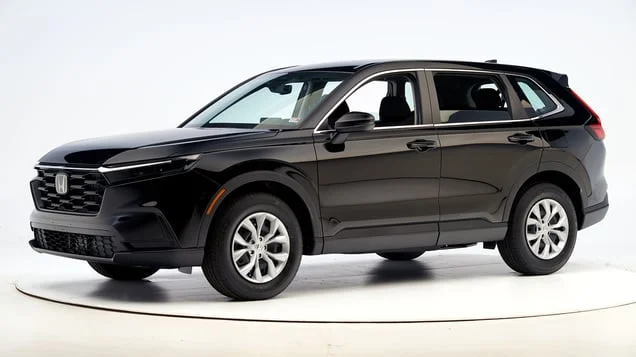
This guide is for buyers deciding between the hybrid and gas version of the same compact SUV: a Honda CR-V Hybrid against a CR-V EX, a Tucson Hybrid against a Tucson SE, a CX-50 Hybrid against a 2.5 S. The one thing most shoppers get wrong is framing the choice as a bet, paying more upfront to earn it back at the pump. That framing misses the headline finding of AAA's 2026 Your Driving Costs study: in the compact SUV class, hybrids are already the cheapest vehicle type to own on total cost per mile, before the fuel math even starts. The real question is not whether a hybrid pays back. It is how fast at your mileage, and whether the premium on the specific model you want is small enough to make the answer obvious.
What AAA's 2026 study actually says about hybrid compact SUVs
AAA's 2026 Your Driving Costs study, released in September 2026, was the first edition to break out hybrids as their own fuel type instead of lumping them with gas. In the compact SUV class, AAA put hybrids at $0.747 a mile over a five-year, 75,000-mile ownership window. Gas compact SUVs ran $0.777 a mile. Electric compact SUVs came in highest at $0.793 a mile, because depreciation on EVs averaged $5,298 a year versus $3,845 for hybrids and $3,568 for gas models, which erased most of the fuel savings (Quartz coverage of the AAA 2026 study).
Two assumptions matter before you apply those numbers to yourself. AAA built them around 15,000 miles a year of driving and a 12-month average pump price of $4.152 a gallon through May 2026, close to the $4.01 national average AAA reported on November 9, 2026 (AAA national gas prices). Drivers who clock fewer miles than that will not see the per-mile edge AAA describes. Drivers who clock more will see it widen. Here is how the category looked in AAA's breakdown.
| Compact SUV type | Energy/year | Maintenance/year | Depreciation/year | Total/year | Cost/mile |
|---|---|---|---|---|---|
| Gas | $2,382 | $1,954 | $3,568 | $11,656 | $0.777 |
| Hybrid | $1,731 | $1,506 | $3,845 | $11,201 | $0.747 |
| Electric | $771 | $1,402 | $5,298 | $11,888 | $0.793 |
Toyota already made the choice for RAV4 shoppers
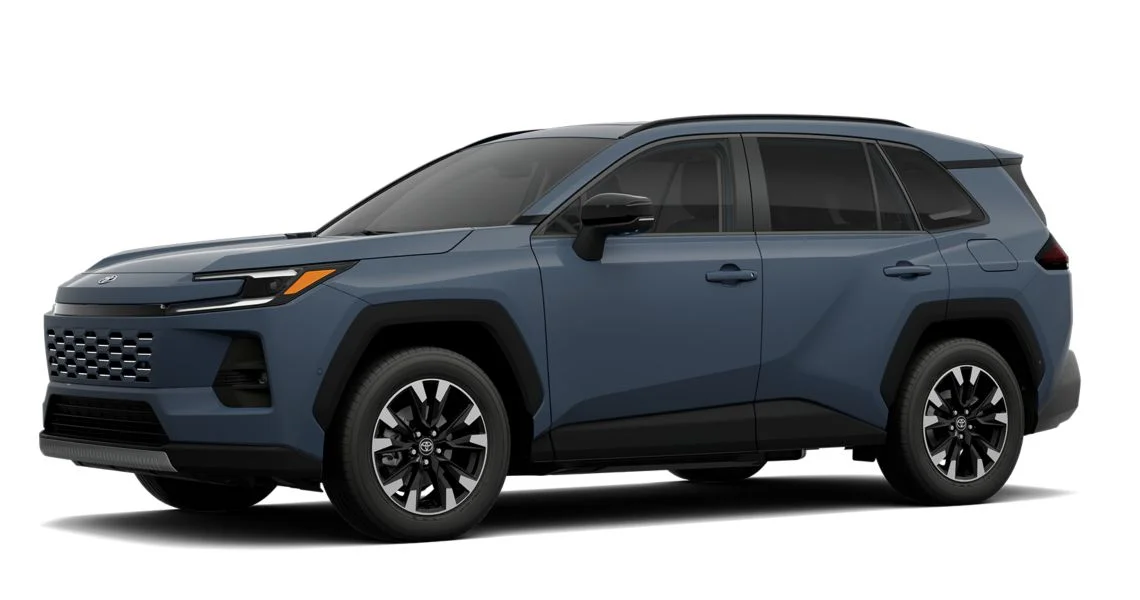
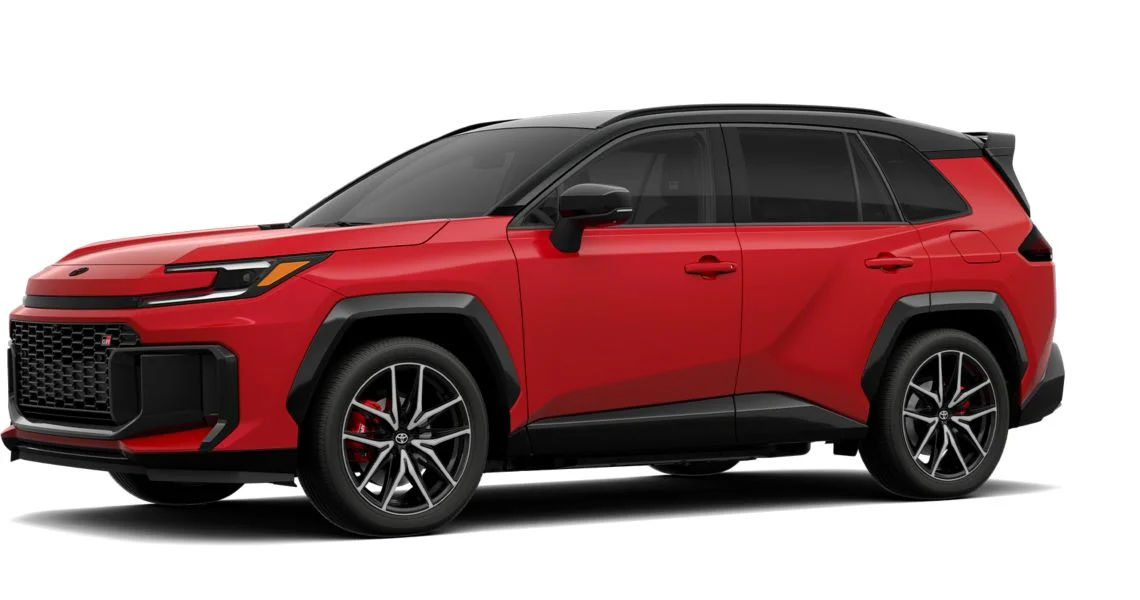
If you want a 2026 Toyota RAV4, you are buying a hybrid. Toyota dropped the gas-only engine for 2026, so every trim is either a conventional hybrid starting at $31,900 for the LE FWD or the RAV4 Prime plug-in hybrid starting around $44,600 (CarBuzz on 2026 RAV4 pricing). Against the outgoing 2025 gas RAV4 LE FWD at $29,800, that is a $2,100 bump at the entry point, in exchange for an EPA combined rating of 41 mpg versus 30 mpg on the old gas model. Oddly, the 2026 hybrid LE actually prices $950 under the 2025 hybrid LE once destination is added (KBB on the 2026 RAV4).
At 15,000 miles a year and $4.15 gas, that $2,100 premium pays back in roughly four years on fuel alone, which is not the fastest in the segment but close to the CX-50 Hybrid's story. The stronger argument on the RAV4 is resale: CarBuzz, citing iSeeCars, put the five-year-old RAV4 Hybrid at 74.8 percent retained value, the strongest of any hybrid compact SUV (CarBuzz on RAV4 Hybrid resale). The caveat on the current model is safety: the 2026 RAV4 scored IIHS Acceptable overall on the updated moderate overlap test, a notch below the Lexus NX 350h and Hyundai Tucson Hybrid in that measure.
When a hybrid compact SUV is not the better buy
The math stops working in three specific cases. Low annual mileage is the first. At 8,000 to 10,000 miles a year, the fuel savings on the CR-V example above shrink to $250 to $310, pushing payback past the typical six-year ownership horizon. If local gas is well under $3.50 instead of $4.15, that break-even extends again.
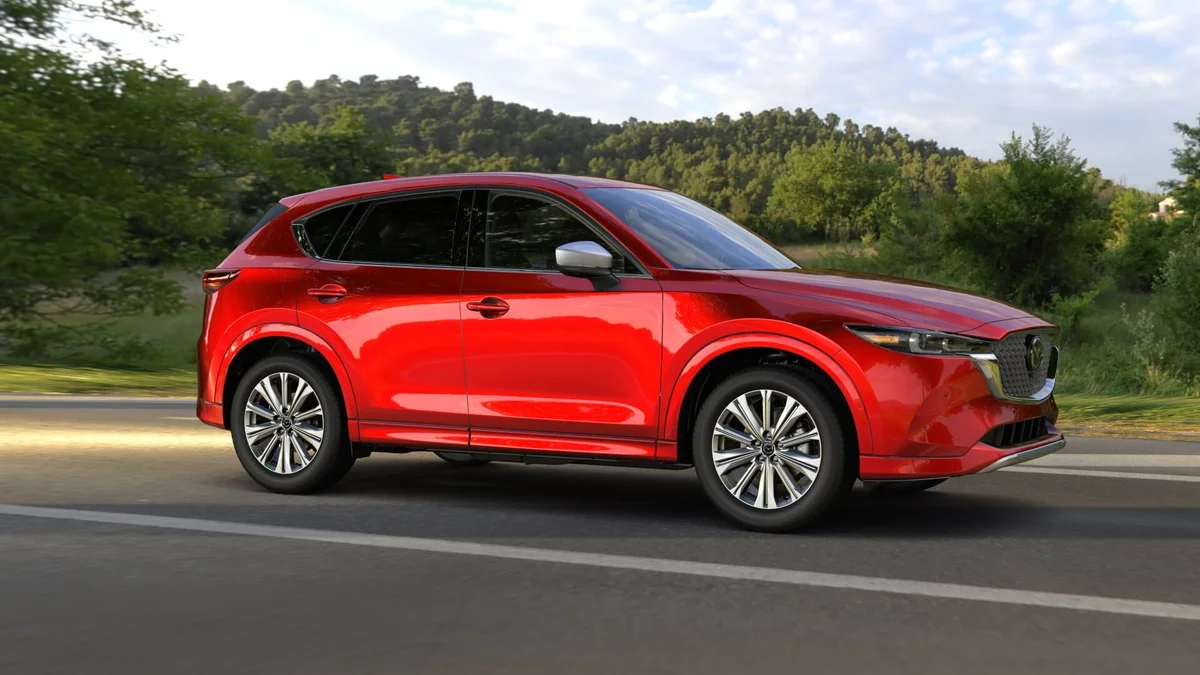
The second is highway-dominant driving. Hybrids earn their biggest MPG advantage in city traffic, where the gas engine shuts off and regenerative braking does the most work. A buyer whose commute is 75 miles of 70 mph interstate every day will see a much smaller MPG improvement. For that driver, the Mazda CX-5 at $29,050, no hybrid option, 28 mpg combined, may be the better buy on sticker.
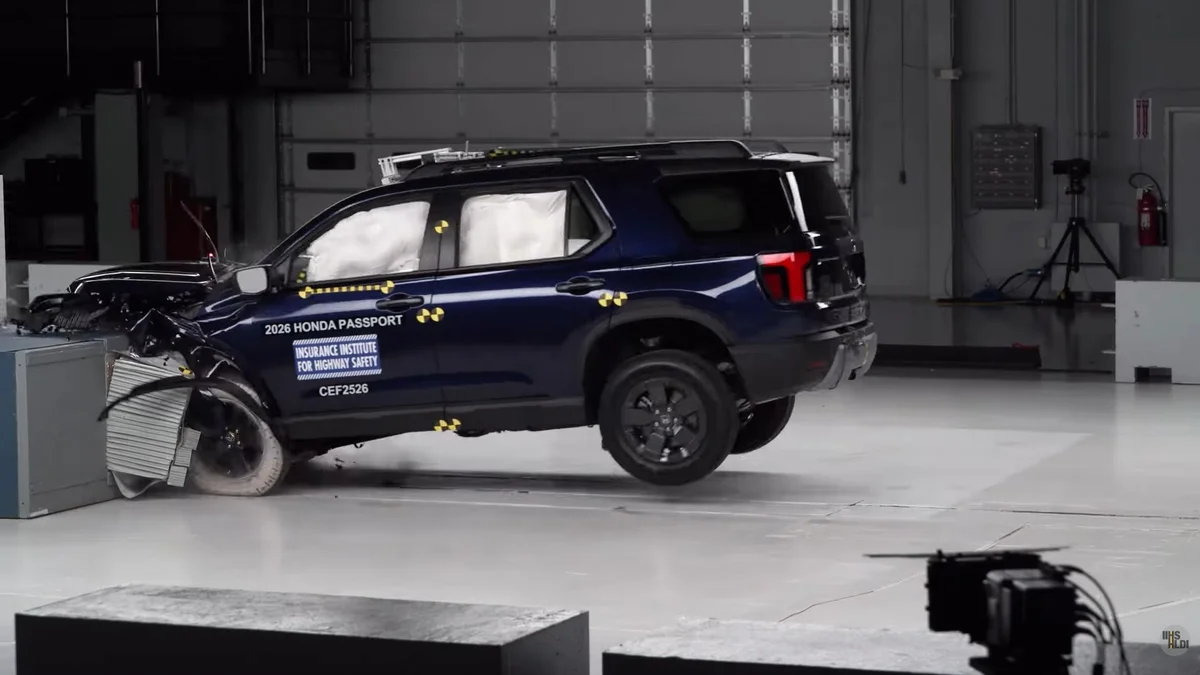
The third is when the car you actually want does not offer a hybrid, or offers one that does not match your use case. The Honda Passport is a gas-only V6 at 21 mpg combined, aimed at towing and weekend-camping buyers who need 5,000 pounds of capability a hybrid compact SUV cannot match. Buying a hybrid that does not fit your life, to save fuel on miles you will not drive the way EPA models them, is a worse answer than paying for the gas vehicle that fits.
What about the hybrid battery?
The standard objection is that any fuel savings get eaten by one battery replacement bill. The warranty side of that math is reassuring. Toyota and Honda cover the hybrid battery for at least 8 years and 100,000 miles. Hyundai and Kia extend hybrid battery coverage to 10 years and 100,000 miles, with a capacity floor at 70 percent of original (SlashGear on the Tucson Hybrid battery). For the first decade of ownership on a mainstream compact SUV hybrid, a degraded pack is the manufacturer's bill.
Out of warranty, the honest number is $2,000 to $7,000 installed, depending on model and whether the shop uses a new OEM pack, a remanufactured pack, or individual module replacement (EVRepairDirectory on 2026 hybrid battery replacement costs). Dealer-installed new packs on a Honda CR-V Hybrid run in that same range (TopSpeed on CR-V Hybrid battery costs). That is a real number, but it lands after a decade of fuel savings that, at 15,000 miles a year on the examples above, now total $4,600 to $7,500. A battery bill at year ten does not retroactively erase a payback that happened at year three or four.
The short version
At 15,000 or more miles a year, a hybrid compact SUV is the right buy on pure financial grounds for anything with a sub-$3,000 premium, which now describes most of the mainstream segment. The Hyundai Tucson Hybrid has the clearest break-even story at well under three years. The Toyota RAV4 Hybrid follows at about four years but wins the long game on resale. The Mazda CX-50 Hybrid pays back in four years too. The Honda CR-V Hybrid pays back more slowly on fuel alone but still wins on total cost of ownership once AAA's maintenance and depreciation gaps are included. If you drive 8,000 miles a year on highway loops and plan to flip the car in three years, pick the gas equivalent and pocket the sticker difference. For everyone else, the compact SUV rankings show where each powertrain lands on everything else that matters.
See Best Compact SUVs of 2026Questions people ask
Is a hybrid SUV worth the extra money?+
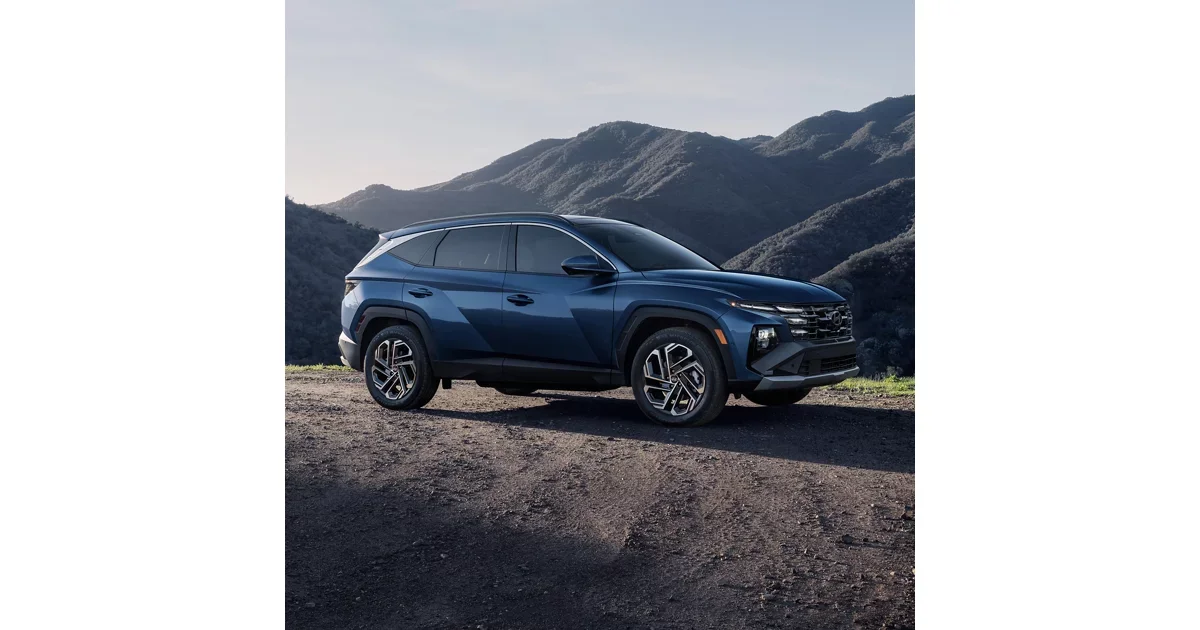
For most compact SUV buyers driving 12,000 miles a year or more at today's gas prices, yes. AAA's 2026 Your Driving Costs study put hybrid compact SUVs at $0.747 a mile versus $0.777 for gas and $0.793 for electric, the cheapest of the three. The smaller the premium on your target model, the clearer the case: the 2026 Hyundai Tucson Hybrid SE asks only $1,600 over the gas Tucson SE at equivalent FWD trim.
How long does it take to break even on a hybrid?+
Two to seven years for mainstream compact SUV hybrids at $4.15-a-gallon gas and 15,000 miles a year. The Hyundai Tucson Hybrid breaks even on fuel savings in under three years, the Mazda CX-50 Hybrid in four, the Honda CR-V Hybrid closer to six and a half. Higher annual mileage shortens all of these; lower mileage extends them.
Is the hybrid version of a compact SUV worth buying?+
Yes, in most cases. Besides fuel savings, AAA found hybrids spend about $450 less a year on maintenance than gas compact SUVs, largely because regenerative braking extends brake pad life. Toyota and Honda hybrid badges also lead the segment on resale, which flattens the depreciation penalty on the bigger sticker.
Do hybrid cars actually save money in the long run?+
Yes on a total cost basis. AAA's 2026 study put annual ownership cost for a compact SUV hybrid at $11,201 versus $11,656 for gas and $11,888 for electric. That $455 a year advantage over gas more than covers the typical hybrid price premium over five years, before any individual driver's break-even calculation is done.
Should I buy a hybrid or regular gas compact SUV?+
Buy the hybrid if you drive 12,000 miles a year or more, do significant city or stop-and-go commuting, plan to keep the car at least five years, and the premium on your target model is under $3,000. Buy the gas version if you drive under 10,000 miles a year on mostly highway, plan to trade in within three years, or the specific model's hybrid premium runs above $4,000.
Will the hybrid battery wear out and cost me the savings?+
Unlikely within the warranty period. Toyota and Honda cover the hybrid battery for 8 years and 100,000 miles. Hyundai and Kia extend to 10 years and 100,000 miles. Out-of-warranty replacement runs $2,000 to $7,000 installed, which almost always arrives after fuel savings have already cleared the hybrid premium several times over.
Does insurance cost more for a hybrid compact SUV?+
Yes, typically 5 to 15 percent more than a comparable gas model, because of the higher sticker, specialized parts, and the high-voltage system. It does not flip the overall economics but pushes the fuel-savings break-even date out by a few months.
Are hybrid resale values strong?+
For Toyota and Honda hybrids, yes. CarBuzz, citing iSeeCars, put the five-year-old Toyota RAV4 Hybrid at 74.8 percent retained value, the strongest of any hybrid compact SUV, with the Honda CR-V Hybrid close behind. Hyundai and Kia hybrid residuals are improving but still trail the Japanese leaders by several percentage points.
Sources
What this guide is based on. We research from published specifications, independent reviews and owner reports; we did not test these products ourselves.
- 1.Cost of owning a car in 2026: AAA figures by vehicle type, Quartz
- 2.Your Driving Costs 2026, AAA
- 3.AAA National Gas Prices, AAA
- 4.National Average Falls 12 Cents in One Week, AAA Newsroom
- 5.AAA Hybrids Win Ownership Cost Comparison Over EVs, CarPro
- 6.AAA 2026 Your Driving Costs: Hybrids Beat EVs and Gas Cars, The Autowire
- 7.AAA Says This New-Car Ownership Cost Averages $4,422 A Year, Money Digest
- 8.2026 Toyota RAV4 Price Announced, CarBuzz
- 9.2026 Toyota RAV4 Costs $950 Less Than Predecessor In a Way, Kelley Blue Book
- 10.RAV4 Hybrid Retains 74.8% Of Its Value After 5 Years, CarBuzz
- 11.2026 Honda CR-V Hybrid vs CR-V Gas: Five-Year Cost Comparison, SmartTechInvest
- 12.Mazda's CX-50 Hybrid Costs $3,000 More Than the Gas Model, TopSpeed
- 13.2026 Hyundai Tucson Hybrid - Pricing and Trims, Cars.com
- 14.Toyota RAV4 Hybrid Resale Value and Depreciation, iSeeCars
- 15.RAV4 Brake Wear Is Typically Lower Due to Regenerative Braking, RAV4Life
- 16.How Much It Costs to Replace a Hyundai Tucson Hybrid Battery, SlashGear
- 17.How Much It Costs to Replace a Honda CR-V Hybrid Battery in 2026, TopSpeed
- 18.Hybrid Battery Replacement Cost in 2026, EV Repair Directory
- 19.Hybrid Car Insurance Costs in 2026, Insurance.com
Products mentioned


More on compact suvs
Explainer
Compact SUV Cargo Space: Why the Number Manufacturers Advertise Is Misleading
Automakers lead with maximum cargo volume, measured with the rear seats folded flat. The behind-rear-seats number is the one that matters for everyday family use, and it narrows the gap between compact SUVs considerably.
Explainer
Do You Actually Need AWD in a Compact SUV?
Most compact SUV AWD systems run in front-wheel drive most of the time, cost about $1,300 to $2,000 extra, and lose to winter tires in independent braking tests. Here is when AWD actually earns its price.
Explainer
IIHS vs NHTSA Safety Ratings: Why the Same Car Can Score Differently on Both
IIHS and NHTSA run different crash tests on different scales. Here is what each one measures, why a 5-star SUV can earn IIHS Marginal, and how to read both when shopping a compact SUV.
Explainer
Hybrid or PHEV: Which Powertrain Actually Fits Your Driving Life?
A hybrid works no matter where you park. A plug-in hybrid only pays off if you can charge at home. Here is how to tell which one fits your driving.
Buying guide
How to Choose a Compact SUV: The Five Decisions That Actually Matter
The five structural decisions that separate the right compact SUV from the wrong one: powertrain, drivetrain, safety test literacy, five-year cost, and whether compact is even your size.