Explainer
Do You Actually Need AWD in a Compact SUV?
Most compact SUV AWD systems run in front-wheel drive most of the time, cost about $1,300 to $2,000 extra, and lose to winter tires in independent braking tests. Here is when AWD actually earns its price.
Updated November 11, 2026 · Based on 13 sources · How we research
Most people pay $1,300 to $2,000 for all-wheel drive in a compact SUV without knowing what the system actually does. In the majority of crossovers it sits in front-wheel drive most of the time, wakes up when a sensor sees slip, and does nothing to shorten your braking distance. For a plowed commute, the AWD line item is often oversold. For launch traction on a steep snowy driveway or regular trips off pavement, it can earn its keep. This guide separates the two cases using published testing, not marketing, and ties each point to the real models on our compact SUV ranking.
Most 'AWD' in this segment is front-wheel drive most of the time
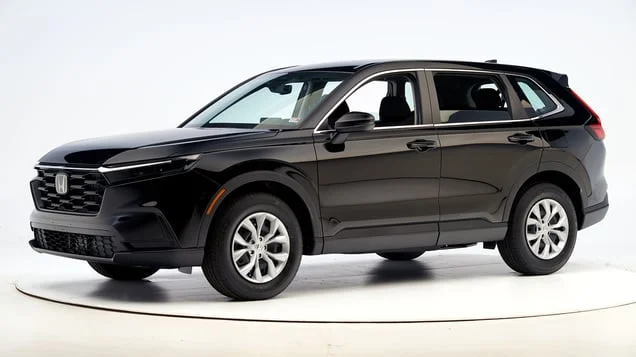
The phrase 'all-wheel drive' suggests power at every corner, all the time. In compact crossovers that is rarely true. Honda's Real Time AWD on the Honda CR-V 2026 operates as a front-wheel-drive vehicle under normal conditions and sends power rearward only after slip is detected or predicted. CarBuzz reports the sixth-generation CR-V system can route up to 50% of engine torque to the rear wheels from a standstill, up from 40% on the prior generation (CarBuzz).
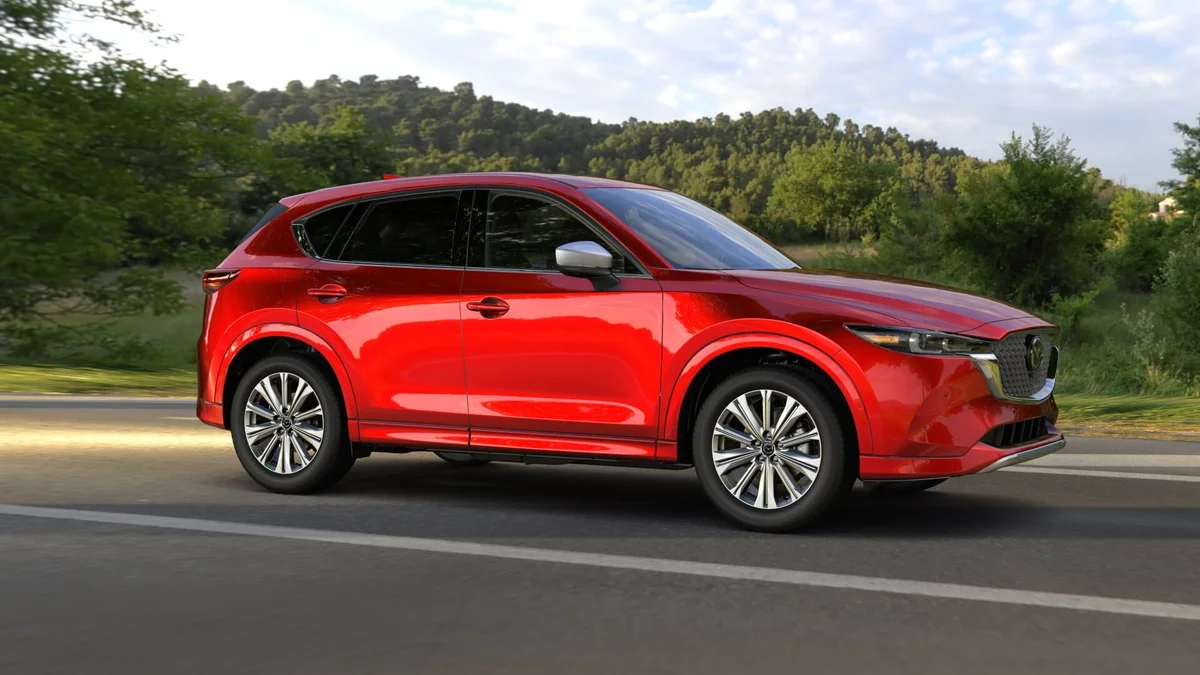
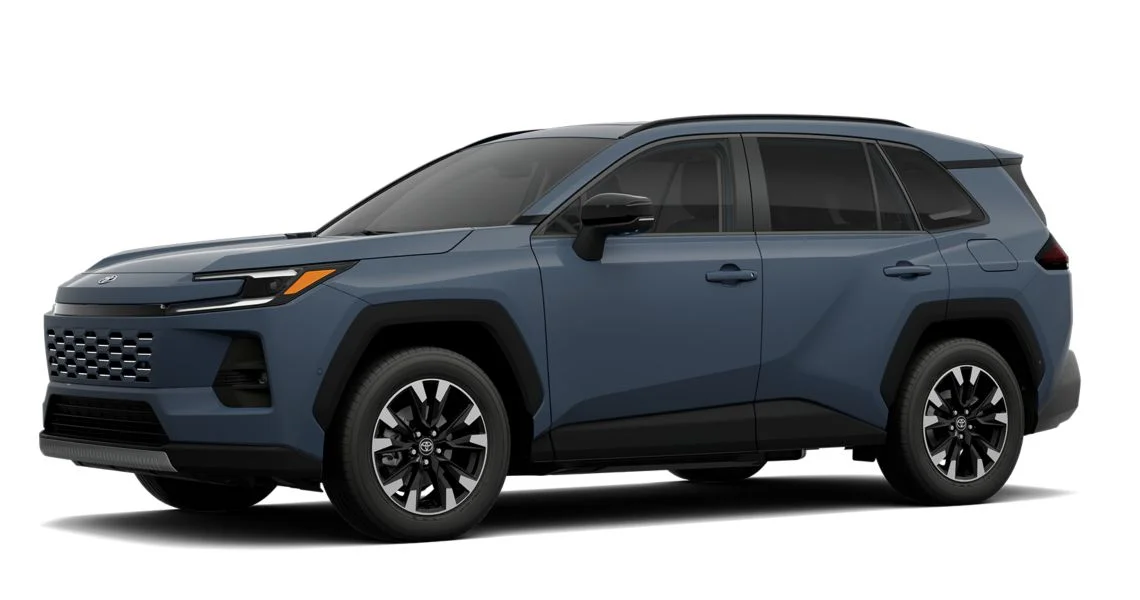
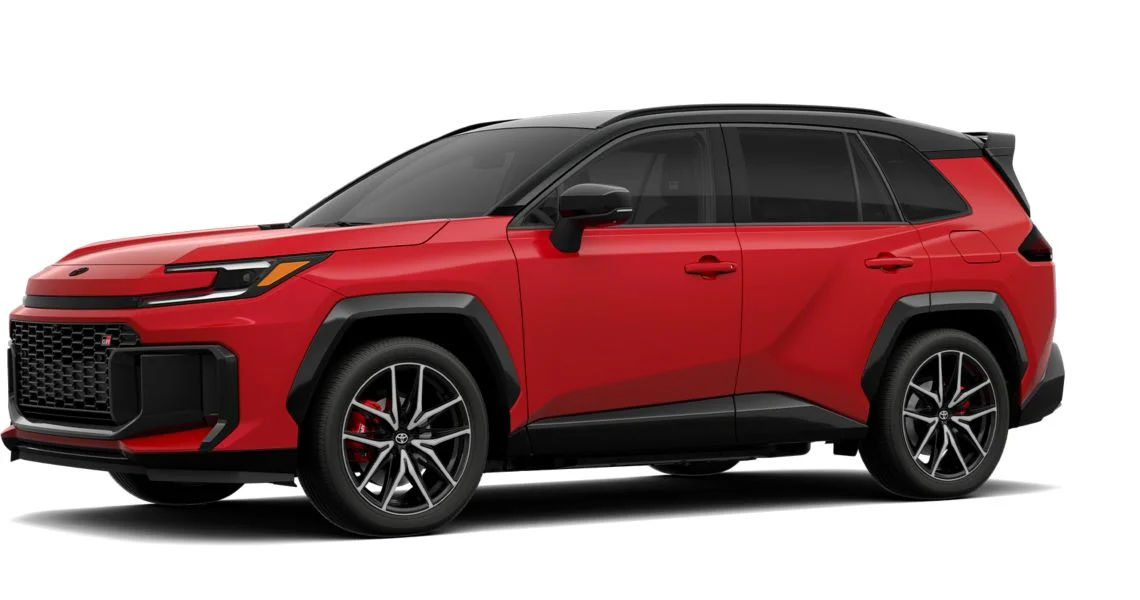
Toyota's Electronic On-Demand AWD on the Toyota RAV4 Hybrid 2026 and Toyota RAV4 Prime 2026 uses a dedicated rear electric motor instead of a driveshaft, which keeps the efficiency penalty small but still means the rear axle is engaged on demand rather than continuously. Mazda's i-Activ AWD on the Mazda CX-5 2025 and Mazda CX-50 2026 is more proactive, monitoring road conditions and nudging torque rearward before slip occurs, but it is still a front-biased system.
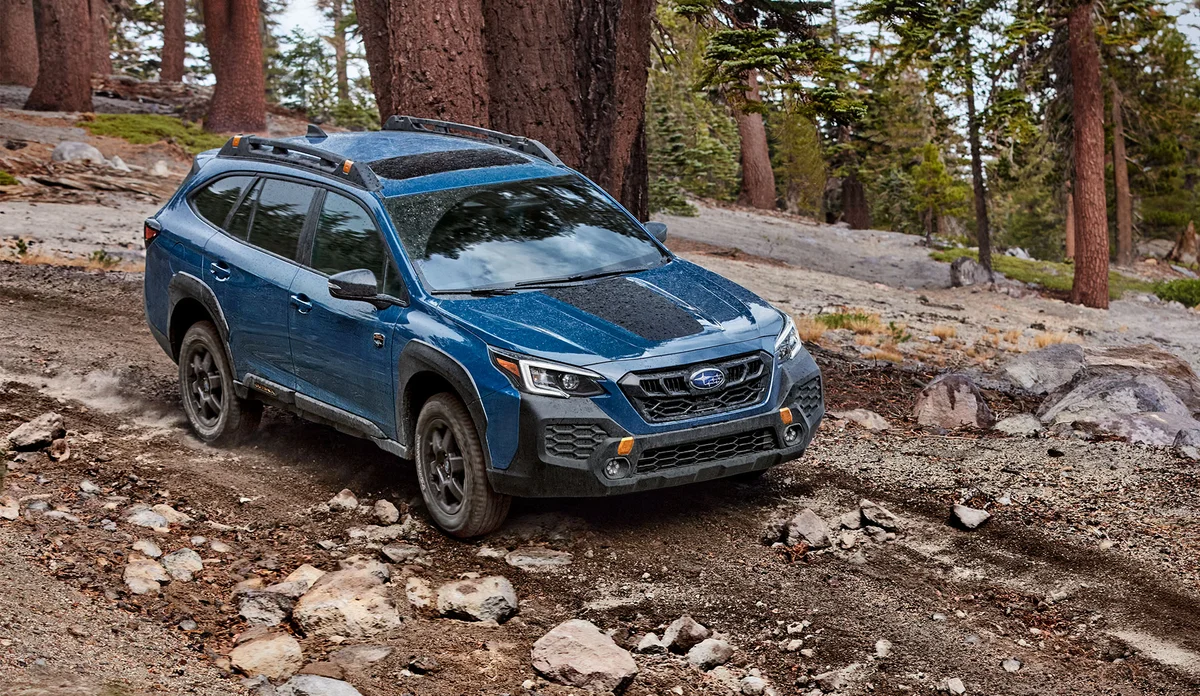
Subaru is the outlier. Every Subaru Forester 2025 and Subaru Crosstrek 2026 ships with Symmetrical AWD as standard, with no front-wheel-drive version anywhere in the lineup (Sport Durst Subaru). On CVT models the system defaults to roughly 60% front and 40% rear and delivers power continuously rather than reactively (TopSpeed). If you want AWD that is always engaged in a mainstream compact, Subaru is one of the few places to find it.
AWD or 4WD? In this segment you don't really have a choice
4WD and AWD both send power to all four wheels but go about it differently. 4WD routes power through a transfer case, often with a low-range gear and a driver-selectable mode, and is designed for low speeds on rough terrain. AWD uses a variable connection that the vehicle manages automatically at any speed (J.D. Power, CarMax).
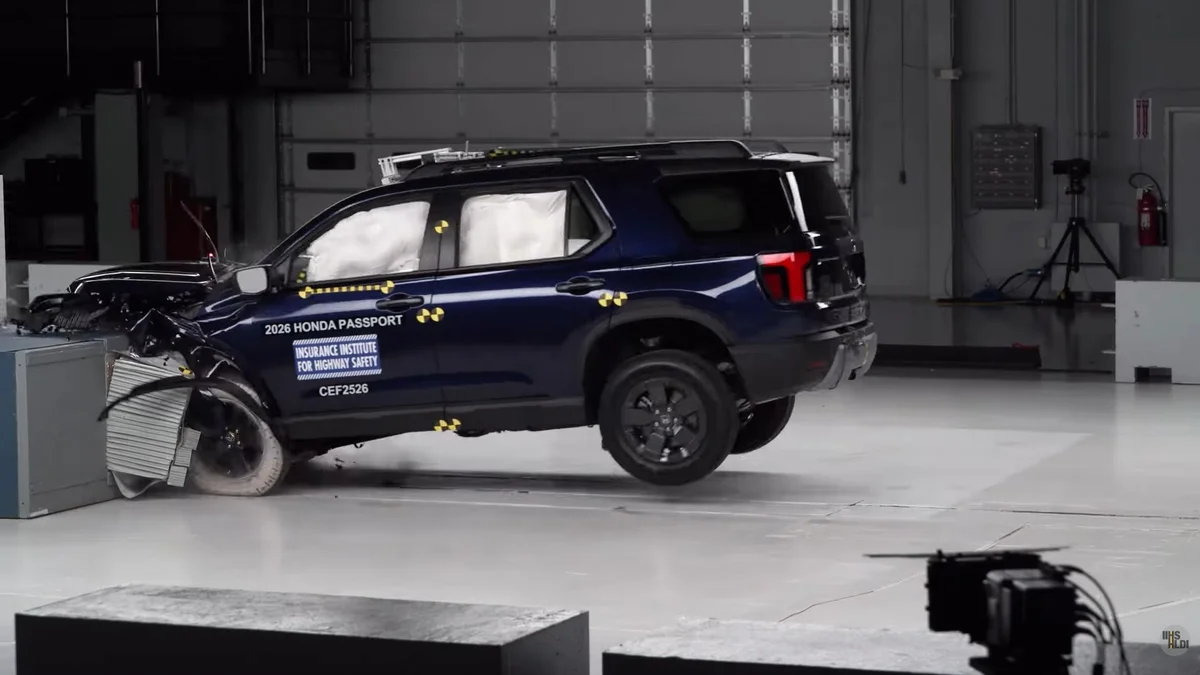
Compact SUVs are unibody crossovers built on car platforms. None of the vehicles on our compact SUV ranking uses a traditional 4WD transfer case with low range. The closest you get in this list is Honda's i-VTM4 system on the Honda Passport 2026, which can direct individual rear-wheel torque for vectoring and adds Mud, Snow, and Sand drive modes, or Subaru's X-Mode on the Forester and Crosstrek, software that retunes throttle, the AWD coupling, and braking for low-grip surfaces. Subaru says X-Mode can be activated at 25 mph or less and will not function above 18 mph (Subaru).
If you need a true 4x4 with low range for rock crawling or deep-mud trail work, a compact crossover is not the segment. If you just want traction for snow, light gravel, or an unpaved forest road, the AWD systems in this class are built for exactly that, and the terminology argument matters less than how often the system actually routes power to the rear.
What the braking tests actually show
The strongest case against paying for AWD comes from the way the testing treats it. Under braking, no wheels are driven. Vehicles fitted with the same tires perform similarly when stopping on slippery roads, because the drivetrain is not involved. Les Schwab, citing Consumer Reports' own testing, says a front-wheel-drive car on winter tires will have a shorter stopping distance and better cornering than an AWD vehicle on all-seasons (Les Schwab).
Consumer Reports put specific numbers on this. An AWD Honda CR-V on all-season tires needed about 668 feet to stop from 60 mph on snow. The same CR-V on winter tires stopped in roughly 300 feet, matching a front-wheel-drive Toyota Camry on winter tires to within 16 feet (autoevolution summary).
Motor1's own back-to-back test in a Mini Countryman S echoed the Consumer Reports pattern: FWD on snow tires stopped about a car length shorter than AWD on all-seasons, and matched or beat it in cornering (Motor1). Motor1 also notes that AWD vehicles can encourage drivers to travel at higher speeds in winter conditions without delivering a braking advantage, a false confidence effect that is a real downside, not just a wash (Motor1).
What AWD actually buys you
None of this means AWD is useless. The place it earns its price is launch traction: getting a two-ton crossover moving from a stop on a snowy incline, pulling out of a slushy intersection without the front tires spinning, or climbing an unplowed driveway. Two driven axles share the torque load, which lowers the chance any single tire breaks grip during acceleration. InsideEVs' summary of the tire and drivetrain research puts it plainly: AWD on winter tires is the best combination for snowy hills; AWD on summer tires can lose to RWD on winter rubber (InsideEVs).
Beyond pure launch, the smarter systems add capability. Subaru's X-Mode on the Subaru Crosstrek 2026 and Subaru Forester 2025 retunes engine response, holds lower gears, and keeps the AWD coupling tight for low-grip surfaces. Honda's i-VTM4 on the Honda Passport 2026 can push torque to individual rear wheels for vectoring, and Mazda's selectable Off-Road mode on the Mazda CX-50 2026 adjusts throttle and traction thresholds for gravel. The Toyota RAV4 Hybrid 2026 uses a rear electric motor to add torque vectoring without a mechanical driveshaft.
If your driving profile includes unpaved forest service roads, boat ramps, campsite access tracks, or a long dirt driveway, those features justify the AWD line item. If your 'challenging conditions' are a plowed interstate after an inch of snow, they do not.
What AWD costs you, in dollars and MPG
The 2026 Honda CR-V charges $1,500 for AWD on gas trims ($32,315 FWD vs $33,815 AWD on the LX), while the 2026 Toyota Corolla Cross charges $1,300 on L and LE trims and $1,450 on XLE. Most mainstream compact SUVs land between those figures, with some premium models closer to $2,000.
The fuel-economy hit is smaller than most buyers expect, but it is real. The 2026 RAV4 Hybrid LE drops from 43 mpg combined FWD to 42 mpg AWD (Toyota of Glendale). The 2026 Nissan Rogue goes from 32 mpg combined FWD to 31 mpg AWD. At 15,000 miles a year and typical US gas prices, a one-mpg hit costs roughly $100 more per year, or about $500 over five years.
There is a partial offset at resale. iSeeCars ranks the Toyota RAV4 Hybrid as the top hybrid crossover SUV for five-year value retention at 75.4%, with the standard RAV4 at 74.6% and the Honda CR-V 2026 at 70.3% for the small SUV category; the Subaru Crosstrek 2026 retains 71.2% (iSeeCars). In snowbelt states, AWD trims tend to command higher used prices because buyers filter for them, so the net lifetime cost of the AWD option is usually less than the sticker premium suggests.
Who should pay for AWD, and who should not
If you live in a northern state, your street gets plowed on a delay, your driveway slopes, or you routinely drive on gravel, the AWD premium is reasonable insurance for launch traction, and resale will likely return part of it. If you live in a flat city with reliable plowing, or anywhere south of roughly the 37th parallel, the money is almost always better spent on four winter tires on a FWD vehicle and pocketing the balance. Les Schwab argues this directly: winter tires beat AWD on all-seasons for braking and cornering on snow and ice (Les Schwab).
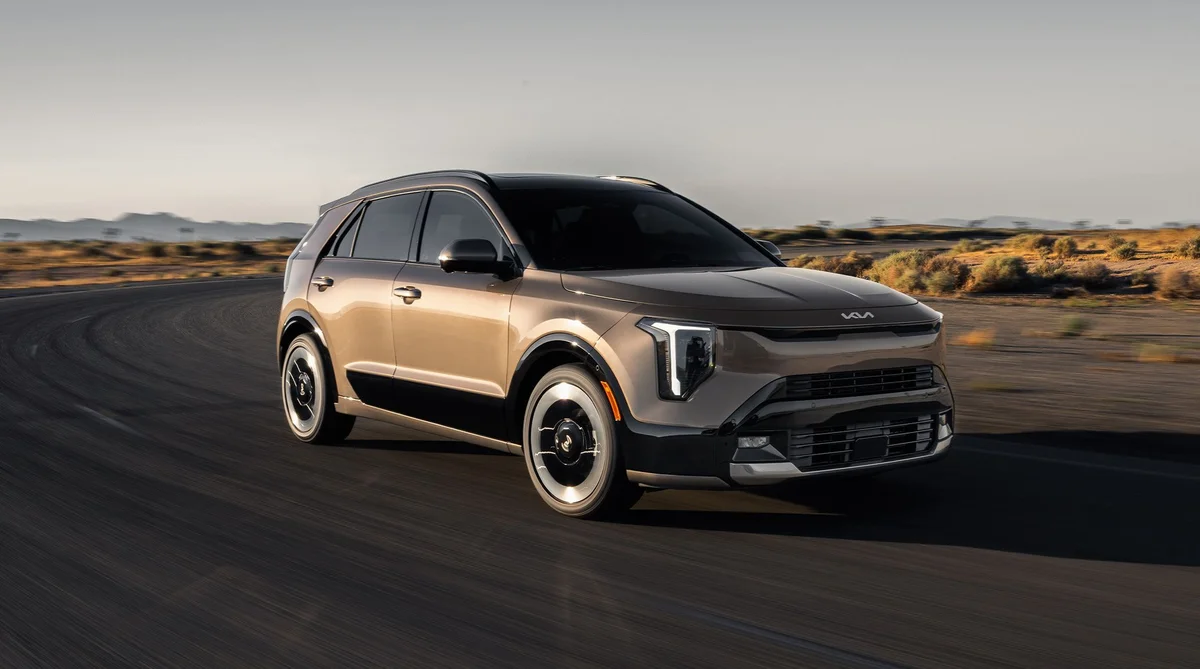
The option is not always available anyway. The Kia Niro Hybrid 2026 is sold only as front-wheel drive, which is part of how it reaches 53 mpg combined. Subaru buyers get the opposite problem: no FWD Crosstrek or Forester exists, so the comparison does not apply. The Mazda CX-50 2026 also comes AWD-standard. Everywhere else in our compact SUV ranking, AWD is a box you check and pay for.
| Buyer profile | AWD? | Why |
|---|---|---|
| Flat city, mild winters, plowed roads | Skip it | Winter tires on FWD deliver better braking and cornering for less money |
| Occasional snow, suburban commute | Optional | AWD helps launches, but four winter tires help more; do one or the other |
| Hilly driveway, heavy snowbelt, unplowed streets | Buy it | Launch traction on inclines is where AWD earns the premium |
| Light trail, gravel, forest roads | Buy it | Systems like Subaru X-Mode and Honda i-VTM4 add real capability |
| Serious off-road, rock crawling | Wrong segment | Compact crossovers lack low range and locking differentials |
The honest answer most buyers don't hear
A compact SUV with AWD and all-season tires is not a winter-rated vehicle. It is a FWD vehicle that can occasionally send torque to the back, wearing all-season rubber. Treating it as safer than a sedan on winter tires is how drivers end up in a ditch with four driven wheels. If your budget is tight, winter tires beat AWD. If your budget allows both, pair them, because AWD only improves launches and winter tires improve braking, cornering, and launch alike (Les Schwab).
The counterexample is the 'always on' crowd. A Subaru with Symmetrical AWD gives you continuous torque to all four wheels, not reactive torque, and that is a real behavioral difference on repeated low-grip transitions like icy intersections or wet gravel switchbacks. If you drive those conditions often, the Subaru premium over a reactive-AWD rival is money going to a system that actually works the way the brochure promises.
The short version
The honest answer is that most buyers in flat climates don't need AWD and would be better served putting the $1,300 to $2,000 into winter tires and a cash buffer. If you live where it snows hard, have a sloped driveway, or drive on gravel, AWD on the Toyota RAV4 Hybrid 2026, Subaru Forester 2025, or Honda CR-V 2026 earns its premium, especially paired with a dedicated winter tire set. If you want AWD that is engaged most of the time, Subaru is the only mainstream option in our compact SUV ranking. Everywhere else, AWD is a launch-traction feature, not a safety feature, and the sales floor will tell you otherwise.
See Best Compact SUVs of 2026Questions people ask
Do I need AWD in a compact SUV?+
Probably not, unless you regularly drive on snow, gravel, or steep, slippery driveways. In flat climates with reliable plowing, a FWD compact SUV with four winter tires will outbrake and outcorner an AWD version on all-seasons, per Consumer Reports testing cited by Les Schwab and autoevolution.
Is AWD worth the extra cost?+
AWD adds about $1,300 to $2,000 to the sticker and costs roughly 1 mpg combined on most mainstream compact SUVs. It is worth it if you need launch traction on inclines or unpaved roads, and the snowbelt resale premium offsets part of the cost on models like the RAV4 Hybrid and Crosstrek. For a dry-climate commuter it is not worth it.
Is AWD better than FWD in snow?+
Only for accelerating. AWD helps a vehicle launch from a stop in snow because torque is shared across two axles. It does not help you stop or steer. Consumer Reports found an AWD CR-V on all-seasons needed about 668 feet to stop from 60 mph in snow, while the same CR-V on winter tires stopped in roughly 300 feet. Tires do the work on ice, not drivetrains.
What is the difference between AWD and 4WD in an SUV?+
AWD varies torque split automatically at any speed through a center coupling, usually without driver input. 4WD routes power through a transfer case, typically with a selectable low-range gear and sometimes locking differentials, designed for slow-speed rough terrain. Compact SUVs are AWD crossovers; none in the mainstream market has a true 4WD transfer case with low range.
Should I pay extra for AWD if I live somewhere it snows?+
If it snows enough that your street is sometimes unplowed, your driveway is sloped, or you commute on hills, yes. If it snows a few times a year on flat, plowed roads, skip AWD and buy four winter tires instead. The ideal setup in a heavy snowbelt is AWD plus winter tires, not AWD with all-seasons.
Does AWD help you stop faster in snow?+
No. Under braking no wheels are driven, so AWD and FWD vehicles with identical tires brake identically. Les Schwab, citing Consumer Reports, concludes that winter tires matter more than drivetrain for winter safety.
Which compact SUVs have AWD standard with no FWD option?+
Every Subaru Forester and Subaru Crosstrek ships with Symmetrical AWD as standard; Subaru does not sell a FWD version of either. The Mazda CX-50 is also AWD-standard. Most other compact SUVs, including the CR-V, RAV4, Tucson, and Sportage, are FWD by default with AWD as a paid option.
Can I just buy winter tires instead of AWD?+
For most flat-climate buyers, yes, and you will be safer on snow and ice than an AWD owner on all-seasons. Les Schwab and Consumer Reports both show that winter tires improve braking, cornering, and launch, not just launch, which is the one area AWD actually helps.
Sources
What this guide is based on. We research from published specifications, independent reviews and owner reports; we did not test these products ourselves.
- 1.AWD Won't Save You From Winter Weather, Consumer Reports Says, autoevolution
- 2.AWD With All-Season Tires Or FWD On Snows: Which Is Better In Winter?, Motor1
- 3.Is AWD Actually Better In The Snow?, Motor1
- 4.Do I Need Snow Tires If I Have AWD?, Les Schwab
- 5.Do You Really Need AWD Or Will Winter Tires And FWD/RWD Suffice?, InsideEVs
- 6.What's the Difference Between AWD and 4WD?, J.D. Power
- 7.AWD vs. 4WD: What's the difference?, CarMax
- 8.Honda Turned A Primitive 90s Technology Into One Of 2025's Best, CarBuzz
- 9.A Deep-Dive On Subaru's Symmetrical AWD System And What Sets It Apart, TopSpeed
- 10.Subaru Crosstrek AWD: Standard on Every Trim, Sport Durst Subaru
- 11.What Is Subaru X-MODE?, Subaru of America
- 12.2025 Toyota RAV4 vs. 2026 Toyota RAV4, Toyota of Glendale
- 13.Best Resale Value Small SUVs, iSeeCars
Products mentioned

More on compact suvs
Explainer
Does a Hybrid Compact SUV Actually Save You Money?
AAA's 2026 study found hybrid compact SUVs cost less per mile than gas or EV. See the real break-even math on the premium, model by model, at the mileage you actually drive.
Explainer
Compact SUV Cargo Space: Why the Number Manufacturers Advertise Is Misleading
Automakers lead with maximum cargo volume, measured with the rear seats folded flat. The behind-rear-seats number is the one that matters for everyday family use, and it narrows the gap between compact SUVs considerably.
Explainer
IIHS vs NHTSA Safety Ratings: Why the Same Car Can Score Differently on Both
IIHS and NHTSA run different crash tests on different scales. Here is what each one measures, why a 5-star SUV can earn IIHS Marginal, and how to read both when shopping a compact SUV.
Explainer
Hybrid or PHEV: Which Powertrain Actually Fits Your Driving Life?
A hybrid works no matter where you park. A plug-in hybrid only pays off if you can charge at home. Here is how to tell which one fits your driving.
Buying guide
How to Choose a Compact SUV: The Five Decisions That Actually Matter
The five structural decisions that separate the right compact SUV from the wrong one: powertrain, drivetrain, safety test literacy, five-year cost, and whether compact is even your size.