Explainer
IIHS vs NHTSA Safety Ratings: Why the Same Car Can Score Differently on Both
IIHS and NHTSA run different crash tests on different scales. Here is what each one measures, why a 5-star SUV can earn IIHS Marginal, and how to read both when shopping a compact SUV.
Updated November 11, 2026 · Based on 15 sources · How we research
If you are cross-shopping compact SUVs, you have probably noticed that a Toyota RAV4 Prime carries five NHTSA stars but an IIHS Marginal in the updated moderate overlap front test, while a Hyundai Tucson earns five stars and IIHS Top Safety Pick+. The two labels look like they must be measuring the same thing. They are not. IIHS and NHTSA run different crashes, grade them on different scales, and weight the results against different priorities. The single most common mistake is treating five NHTSA stars as a universal safety verdict. This guide explains what each system actually tests in 2026, where the two diverge, and how to read them together when the sticker on the window shows two different scores.
The two agencies are testing different crashes, on different scales
NHTSA runs the New Car Assessment Program: a full-width frontal impact at 35 mph into a fixed rigid barrier, a side impact from a 3,015-pound moving barrier at 38.5 mph, and a 20 mph side pole test. Each is scored on a one-to-five star scale, and an overall vehicle score combines the frontal, side, and rollover components (NHTSA, Government 5-Star Safety Ratings Usage Guidelines).
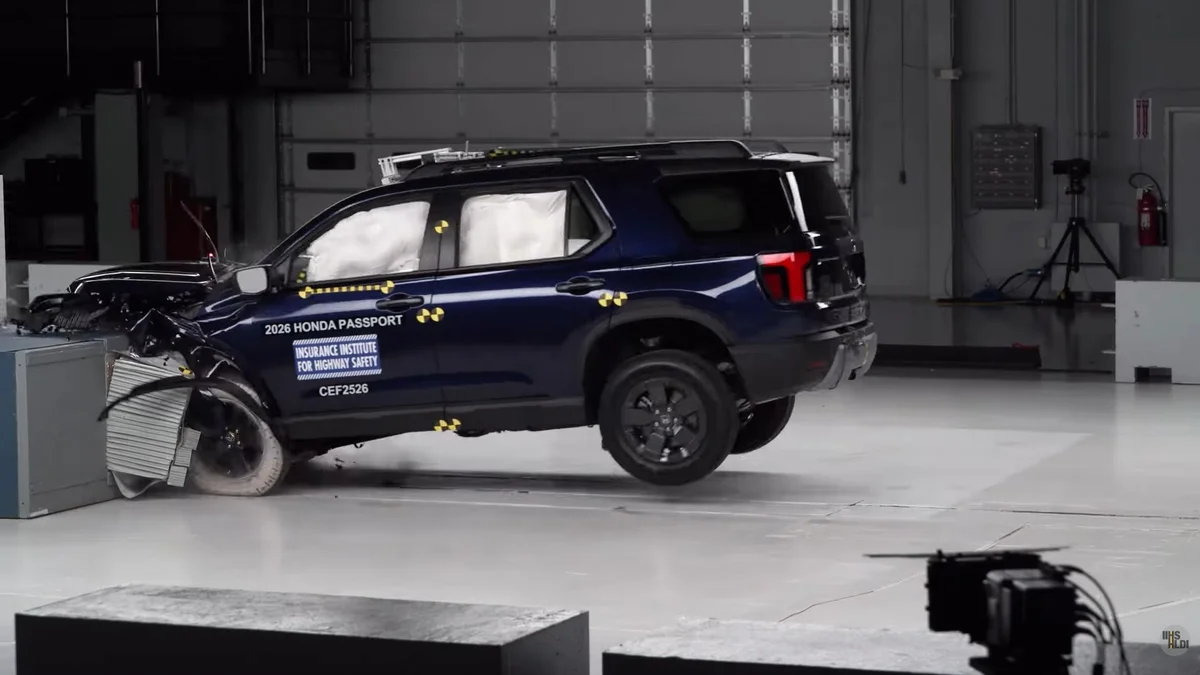
IIHS runs a different battery. The small overlap front test drives the vehicle into a rigid barrier at 40 mph with only 25 percent of the front overlapping, which stresses the structure outside the main crush rails (IIHS, small overlap test protocol). The updated moderate overlap front test uses a deformable barrier at 40 mph with 40 percent overlap and, since 2022, a second-row dummy (IIHS, new crash test spotlights lagging protection for rear passengers). The updated side test uses a 4,200-pound barrier at 37 mph, up from the original 3,300 pounds at 31 mph, because real-world T-bones are increasingly caused by heavier SUVs and pickups (IIHS, prepares to launch new side crash test). On top of those, IIHS grades headlight output, roof strength, head restraints, pedestrian front crash prevention, and vehicle-to-vehicle front crash prevention. Results are reported as Good, Acceptable, Marginal, or Poor.
The upshot: NHTSA gives you one full-width frontal, one moving-barrier side crash, one side pole, and now some ADAS checks. IIHS gives you four crash geometries plus a long list of avoidance and visibility tests. They are not the same measurement at different detail levels. They are different measurements entirely, and the overlap is narrower than the shared vocabulary of stars and letters suggests.
| Test type | NHTSA | IIHS |
|---|---|---|
| Frontal | 35 mph full-width into fixed barrier | 40 mph small overlap (25 percent) and updated moderate overlap (40 percent, rear dummy included) |
| Side | 3,015-lb barrier at 38.5 mph and 20 mph side pole | 4,200-lb barrier at 37 mph (updated 2021) |
| Rear occupant | Not evaluated in the frontal test | Scored as part of updated moderate overlap since 2022 |
| Headlights | Not graded | Graded Good to Poor per trim |
| Scale | 1 to 5 stars | Good, Acceptable, Marginal, Poor |
What IIHS Top Safety Pick+ actually requires in 2026
For the 2026 award cycle, IIHS tightened both award tiers. Top Safety Pick+ now demands a Good rating in the small overlap front, updated moderate overlap front, and updated side tests, plus Acceptable or Good headlights across all trims, a Good rating in pedestrian front crash prevention, and an Acceptable or Good rating in the newer vehicle-to-vehicle front crash prevention 2.0 evaluation (IIHS, 2026 Top Safety Pick criteria). The standard Top Safety Pick drops the vehicle-to-vehicle requirement and allows Acceptable in pedestrian prevention, but still requires Good across the three crash tests.
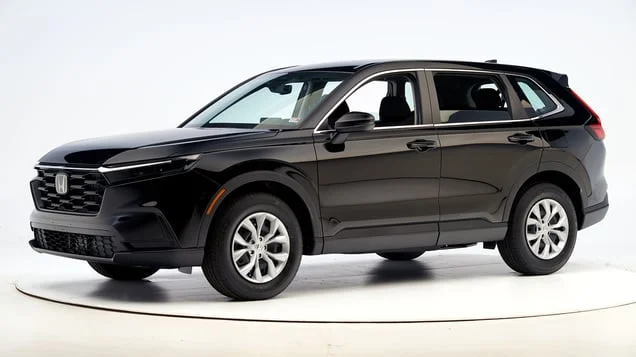
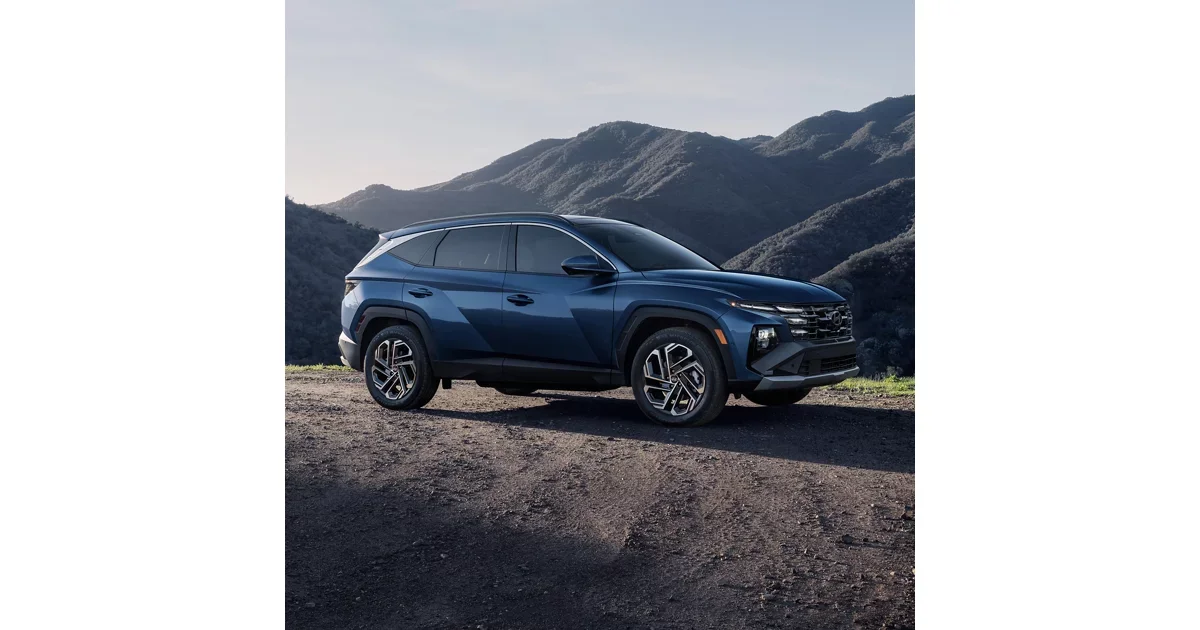
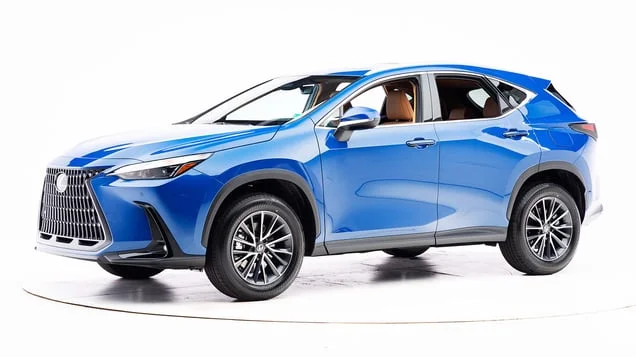
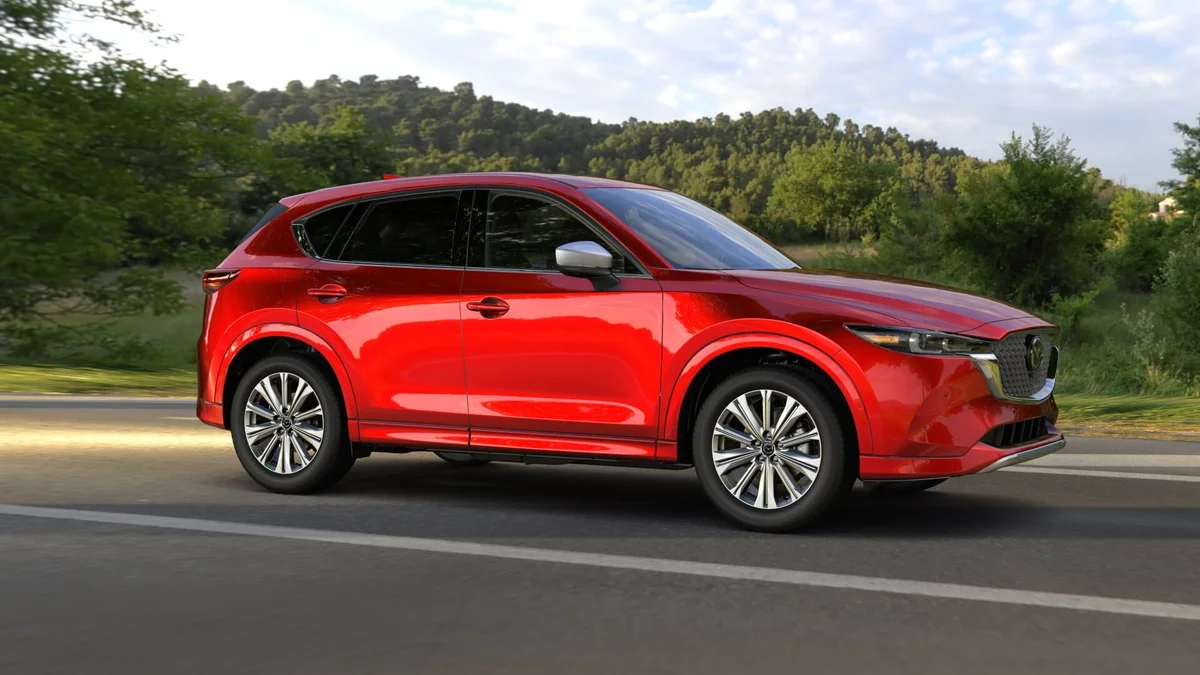
Two of those thresholds are new for 2026. The moderate overlap front test now requires Good (previously Acceptable qualified for Top Safety Pick), and the vehicle-to-vehicle prevention 2.0 test is a stricter evaluation than the 1.0 version that preceded it (Wards Auto, IIHS 2026 awards). A number of 2025 winners did not qualify this year. Among compact SUVs covered in our 2026 rankings, IIHS gave 2026 Top Safety Pick+ to the Hyundai Tucson, Kia Sportage, Mazda CX-5, Mazda CX-50, Mazda CX-30, Lexus NX, Honda Passport, and Subaru Forester (non-Wilderness trims). The Honda CR-V earned Top Safety Pick but not the plus tier. The Toyota RAV4 and RAV4 Prime missed both awards for 2026 (Consumer Reports, safest 2026 cars per IIHS).
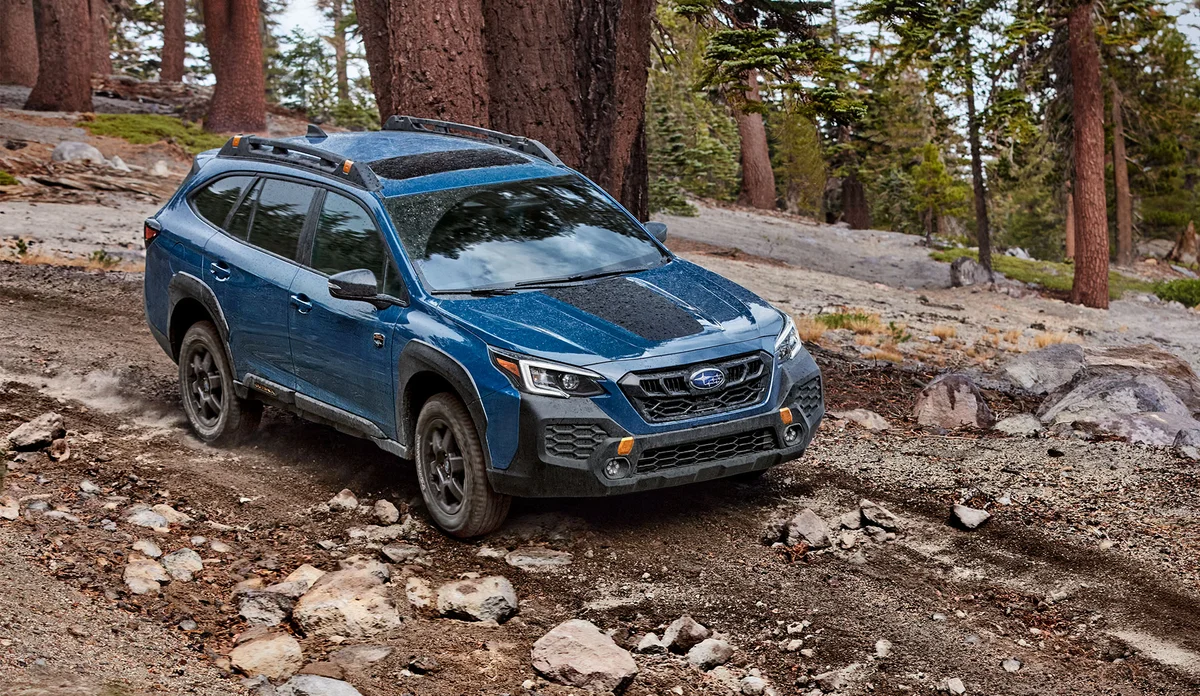
A caveat worth knowing: IIHS awards apply to specific trims and headlight configurations. The Subaru Forester Wilderness, for example, uses the previous-generation platform and does not share the current Forester's Top Safety Pick+ designation (Subaru U.S. Media Center, 2025 Forester TSP+). If you are shopping a specific trim, check IIHS's vehicle page for the trim badge, not just the model.
Why a 5-star SUV can earn IIHS Marginal: the rear-seat test NHTSA does not run
The most common NHTSA-IIHS mismatch on current compact SUVs traces to one test. In 2022, IIHS added a second-row dummy to the moderate overlap front test. The reason: research found that in vehicles built after model year 2007, belted rear-seat occupants face a 46 percent higher risk of fatal injury than those buckled in up front (IIHS, new crash test spotlights lagging protection for rear passengers). The gap opened because front-seat restraints have improved dramatically (dual-stage airbags, seat belt pretensioners and load limiters, knee airbags) while rear-seat belts are mostly the basic design of the early 1990s. The injuries flagged on the rear dummy are chest injuries from excessive shoulder-belt force and head and neck loads, with submarining under the lap belt a secondary concern.
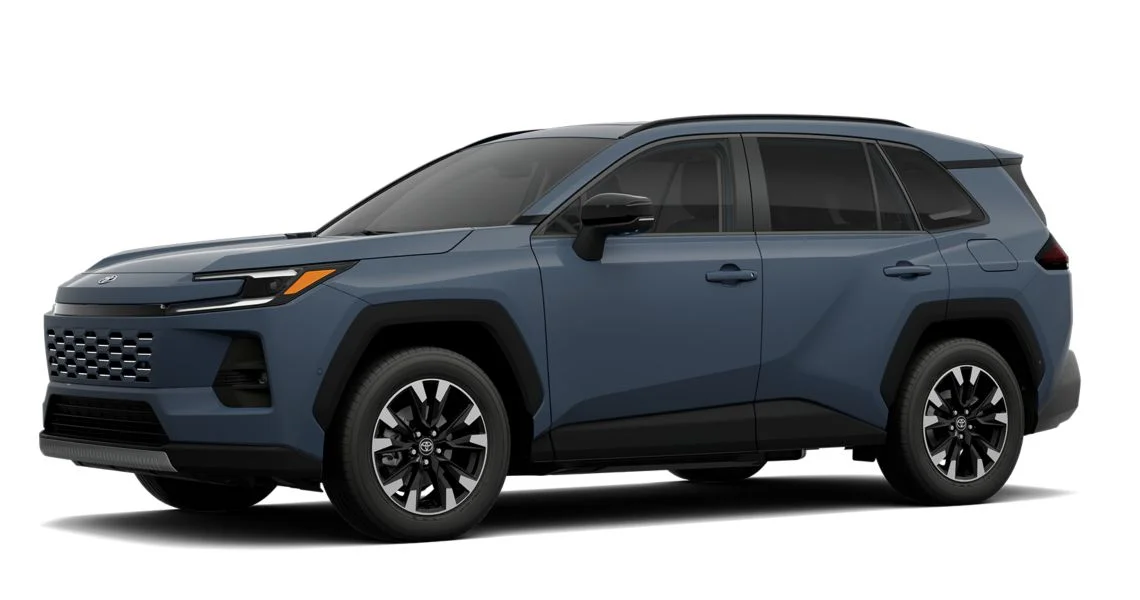
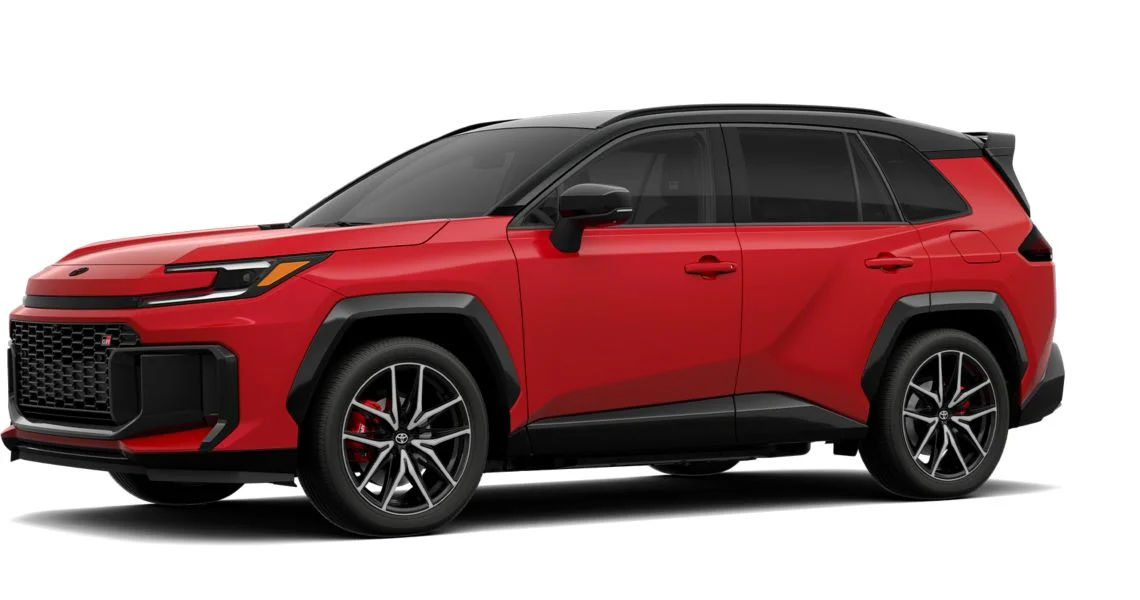
That test is where the Toyota RAV4 Prime 2026 picks up its Marginal rating despite the prior-generation RAV4 holding a NHTSA 5-star overall (CarGurus, Toyota RAV4 safety guide). The Toyota RAV4 Hybrid 2026 is rated Acceptable overall with the same rear-occupant concern flagged in the updated moderate overlap, better than the Prime but still short of Good. Both the Lexus UX 300h 2026 and Lexus UX 250h 2026 are rated Marginal in the updated moderate overlap even though both carry 5-star NHTSA side ratings. The Subaru Crosstrek 2026 is another 5-star NHTSA vehicle that lands at Marginal in the updated moderate overlap and consequently misses Top Safety Pick for 2026 in its gas form.
This is not a contradiction. NHTSA's full-width frontal test, by design, does not place a dummy in the second row or score rear occupant kinematics. A 5-star NHTSA frontal says the front-seat dummy's injury risk is 10 percent or less compared to the average vehicle in that same crash (NHTSA ratings explainer). It says nothing about the person seated behind the driver. IIHS's Marginal rating in the updated moderate overlap is answering a different and newer question, and the compact SUV class as a whole is still catching up to it.
What NHTSA 5 stars does and does not tell you
NHTSA's 5-star scale has specific definitions that most buyers skip. Five stars in the frontal crash means a 10 percent or less chance of serious injury relative to an average vehicle. Five stars in the side crash means a 5 percent or less chance. Five stars in rollover means a 10 percent or less rollover risk (NHTSA, resources related to NCAP).
The biggest NHTSA caveat is the one almost nobody reads. Frontal crash ratings can only be compared between vehicles within the same class and within plus or minus 250 pounds of each other. The reason is physics: NHTSA's frontal test is effectively a crash into another vehicle of the same mass, so a 5-star 3,400-pound compact SUV cannot be stacked against a 5-star 5,500-pound full-size SUV. Side crash ratings are more comparable across classes because the barrier mass is constant. If you are cross-shopping a Honda Passport 2026 and a Mazda CX-30 2026, their 5-star frontal ratings are not directly comparable against each other, even though both earned the same label (NHTSA, Government 5-Star Safety Ratings Usage Guidelines).
NHTSA is catching up on the avoidance and pedestrian side. The agency finalized a revised NCAP roadmap that adds four pass/fail ADAS evaluations (pedestrian automatic emergency braking, lane keeping assistance, blind spot warning, blind spot intervention), plus a new pedestrian crashworthiness test; the 2026 Tesla Model Y was the first vehicle to pass the new ADAS benchmarks (NHTSA press release). These upgrades move NHTSA closer to what IIHS has already been scoring for years, but the initial compact SUV coverage is still patchy. If an avoidance score matters to you now, IIHS has deeper data per model.
Which rating should you trust?
The honest answer is both, and you should treat them as answers to different questions rather than as rival verdicts.
IIHS is the more demanding crashworthiness scorer and the one asking newer questions. Its small overlap test exposes structural weaknesses the NHTSA full-width test does not (autoevolution, NHTSA and IIHS crash test scores explained). Its updated moderate overlap puts rear-seat protection on the scorecard. Its updated side uses a heavier barrier at a higher speed. If a vehicle holds a Good across all three IIHS crash tests in 2026, it has cleared a tougher bar than a NHTSA 5-star alone represents.
NHTSA is still useful for two things. First, its star ratings give you a within-class comparison grounded in injury probability percentages, which IIHS does not publish. Second, its 2026 ADAS and pedestrian additions are standardized pass/fail evaluations that will cover vehicles IIHS has not yet tested, including recent EVs and all-new models. The Chevrolet Equinox EV 2026 is a current example: 5-star NHTSA overall but IIHS has not completed its evaluation yet.
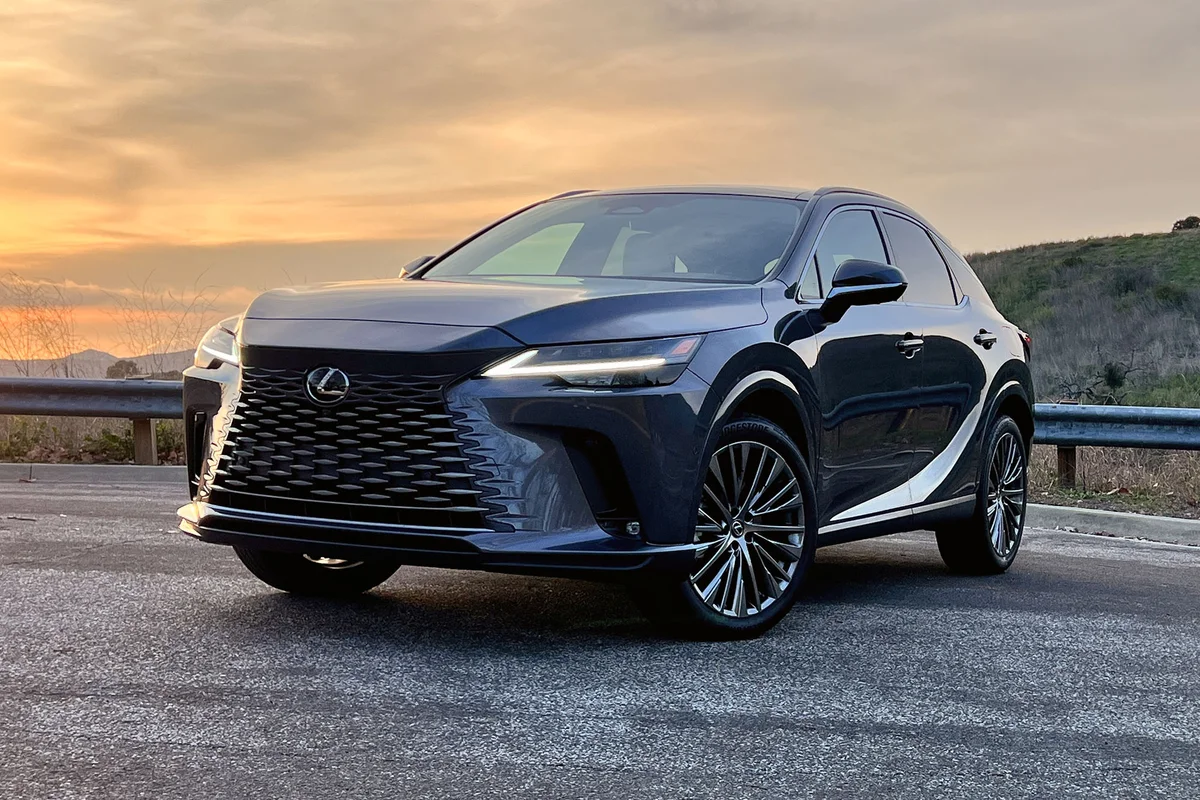
The combination that should give you the most confidence is a vehicle earning both IIHS Top Safety Pick+ and a NHTSA 5-star overall. In our Best Compact SUVs of 2026 ranking, the Hyundai Tucson Hybrid 2026, Hyundai Tucson 2026, Kia Sportage 2026, Mazda CX-5 2025, Mazda CX-50 2026, Mazda CX-30 2026, Subaru Forester 2025 (non-Wilderness), and Honda Passport 2026 hit both. The Lexus NX 350h 2026 is a split case worth noting: IIHS Top Safety Pick+ but 4 stars on NHTSA's frontal test (5 stars on the side). That is the inverse of the rear-seat problem: the NX passes IIHS's newer and harder tests, but NHTSA's full-width frontal flags a slightly higher front-dummy injury risk than the 5-star threshold allows.
How compact SUV shoppers should actually use both ratings
If you carry rear-seat passengers routinely, especially children in boosters or adults on long trips, the IIHS updated moderate overlap rating is the single most informative number in this comparison. Favor vehicles that score Good or at least Acceptable. The Mazda CX-5 2025 earned Good across all three current IIHS crash tests after Mazda added rear belt pretensioners and load limiters starting with the 2023 model year, which is the kind of specific engineering change rear-seat passengers benefit from (IIHS, 2025 Mazda CX-5 vehicle page).
If your commute is dominated by stop-and-go city traffic, crash avoidance matters at least as much as crashworthiness. Top Safety Pick+ winners for 2026 must earn Good in pedestrian prevention and at least Acceptable in the newer vehicle-to-vehicle prevention 2.0; the bar on the vehicle-to-vehicle test is what pushed several 2025 winners out of the plus tier this cycle.
If you are considering an EV or a brand-new model, IIHS data will be thinner. The Toyota C-HR 2026 has an IIHS Good in small overlap but no NHTSA score yet for the 2026 model year. The Chevrolet Equinox EV 2026 has NHTSA 5 stars but no IIHS evaluation. In those cases, NHTSA is the floor, not the ceiling, and you should hold judgment until IIHS publishes.
- Both IIHS Top Safety Pick+ and NHTSA 5-star overall: strongest two-vote verdict available
- NHTSA 5-star but IIHS Marginal in updated moderate overlap: rear-occupant risk IIHS is flagging that NHTSA does not measure
- IIHS Top Safety Pick+ but NHTSA 4-star frontal: the car passed IIHS's harder crashes but shows higher front-seat injury risk in NHTSA's full-width frontal
- NHTSA 5-star but no IIHS rating: common for new EVs; treat as a floor until IIHS publishes
The short version
A five-star NHTSA rating and an IIHS Marginal are not a contradiction: they are different tests asking different questions. For a compact SUV, the version of the question that matters most to current buyers is whether rear-seat occupants are protected in a frontal crash, and IIHS is the only one of the two agencies that currently answers it. If you can find a vehicle that earns both IIHS Top Safety Pick+ for 2026 and NHTSA 5-star overall, like the Tucson Hybrid, Tucson, Sportage, CX-50, CX-30, CX-5, Forester, or Passport, you have cleared the toughest bar either agency currently sets. If you cannot, read the split and make it a conscious trade-off.
See Best Compact SUVs of 2026Questions people ask
What does IIHS Top Safety Pick+ mean?+
For 2026, Top Safety Pick+ requires a Good rating in all three IIHS crash tests (small overlap front, updated moderate overlap front, and updated side), Acceptable or Good headlights standard across all trims, a Good rating in pedestrian front crash prevention, and an Acceptable or Good rating in the newer vehicle-to-vehicle front crash prevention 2.0 evaluation. The moderate overlap bar was raised from Acceptable to Good this cycle, so the 2026 award is harder to earn than the 2025 version.
Why does my car have 5 NHTSA stars but Marginal from IIHS?+
The two agencies test different crashes. IIHS's updated moderate overlap front test, introduced in 2022, puts a dummy in the second row and scores rear-occupant injury risk. NHTSA's 35 mph full-width frontal does not. Research found belted rear passengers in post-2007 vehicles face a 46 percent higher fatal injury risk than front occupants, and most compact SUVs have not yet caught up. The RAV4 Prime, Lexus UX, and Subaru Crosstrek are current examples of 5-star NHTSA vehicles rated Marginal by IIHS on that updated test.
Which safety rating should I trust, IIHS or NHTSA?+
Read both, because they measure different things. IIHS is tougher on crashworthiness, tests more crash geometries (small overlap, rear occupant, heavier side barrier), and grades headlights and crash avoidance. NHTSA provides injury-probability percentages useful within a weight class and is now adding standardized ADAS pass/fail evaluations. The strongest signal is a vehicle that earns both IIHS Top Safety Pick+ and NHTSA 5-star overall.
What is the difference between IIHS and NHTSA crash tests?+
NHTSA runs a full-width 35 mph frontal, a 38.5 mph side crash with a 3,015 pound barrier, and a 20 mph side pole, and scores one to five stars. IIHS runs a 40 mph small overlap test (only 25 percent of the front hits the barrier), an updated 40 mph moderate overlap test with a second-row dummy, and a 37 mph side test with a heavier barrier of about 4,200 pounds, and grades Good, Acceptable, Marginal, or Poor. IIHS also tests headlights, roof strength, head restraints, and front crash prevention; NHTSA has added ADAS and pedestrian tests starting in 2025 and 2026.
Is a 5-star NHTSA rating good enough?+
It depends on what you are buying for. Five stars means a 10 percent or lower injury risk in the frontal test and 5 percent or lower in the side test, but only against vehicles within plus or minus 250 pounds of the same class. It does not score rear-seat occupant protection in a frontal crash, does not grade headlights, and until recently covered crash avoidance less thoroughly than IIHS. For most compact SUV shoppers in 2026, a 5-star NHTSA plus an IIHS Top Safety Pick+ is the threshold worth aiming for.
Does IIHS test every trim level?+
IIHS awards apply to specific build configurations and headlight options, not necessarily every trim. The Subaru Forester Wilderness, for example, uses the previous-generation platform and is not covered by the current Forester's Top Safety Pick+ designation. Always confirm the trim badge on IIHS's vehicle page before assuming the award transfers.
Why did fewer compact SUVs win Top Safety Pick+ in 2026?+
IIHS raised the bar. The updated moderate overlap front test now requires a Good rating (previously Acceptable qualified for Top Safety Pick), and the vehicle-to-vehicle prevention 2.0 evaluation is tougher than its predecessor. Several 2025 winners lost the award this year without their cars getting worse; the standard moved.
Sources
What this guide is based on. We research from published specifications, independent reviews and owner reports; we did not test these products ourselves.
- 1.2026 IIHS Top Safety Pick criteria, Insurance Institute for Highway Safety
- 2.IIHS eyes crash avoidance improvements with its 2026 safety awards, Wards Auto
- 3.New crash test spotlights lagging protection for rear passengers, IIHS
- 4.Small Overlap Frontal Crashworthiness Evaluation Crash Test Protocol, IIHS
- 5.IIHS prepares to launch new, more challenging side crash test, IIHS
- 6.Government 5-Star Safety Ratings for Motor Vehicles Advertising and Communication Usage Guidelines, NHTSA
- 7.NHTSA Ratings, NHTSA
- 8.Resources Related to NHTSA's New Car Assessment Program, NHTSA
- 9.Tesla Model Y first vehicle to pass NHTSA's new Advanced Driver Assistance System tests, NHTSA
- 10.Safest New Cars of 2026, According to the IIHS, Consumer Reports
- 11.NHTSA and IIHS Crash Test Scores Explained, autoevolution
- 12.Toyota RAV4 Safety Guide: Ratings, Recalls & Driver Tech, CarGurus
- 13.2025 Subaru Forester Earns IIHS Top Safety Pick+ Award, Subaru U.S. Media Center
- 14.2025 Mazda CX-5 IIHS Vehicle Ratings Page, IIHS
- 15.Factors associated with mortality in rear-seated adult passengers involved in fatal motor vehicle crashes on US roadways, Injury Epidemiology
Products mentioned

More on compact suvs
Explainer
Does a Hybrid Compact SUV Actually Save You Money?
AAA's 2026 study found hybrid compact SUVs cost less per mile than gas or EV. See the real break-even math on the premium, model by model, at the mileage you actually drive.
Explainer
Compact SUV Cargo Space: Why the Number Manufacturers Advertise Is Misleading
Automakers lead with maximum cargo volume, measured with the rear seats folded flat. The behind-rear-seats number is the one that matters for everyday family use, and it narrows the gap between compact SUVs considerably.
Explainer
Do You Actually Need AWD in a Compact SUV?
Most compact SUV AWD systems run in front-wheel drive most of the time, cost about $1,300 to $2,000 extra, and lose to winter tires in independent braking tests. Here is when AWD actually earns its price.
Explainer
Hybrid or PHEV: Which Powertrain Actually Fits Your Driving Life?
A hybrid works no matter where you park. A plug-in hybrid only pays off if you can charge at home. Here is how to tell which one fits your driving.
Buying guide
How to Choose a Compact SUV: The Five Decisions That Actually Matter
The five structural decisions that separate the right compact SUV from the wrong one: powertrain, drivetrain, safety test literacy, five-year cost, and whether compact is even your size.