Explainer
Can You Own an Electric Car Without Home Charging?
A straight look at EV ownership without a driveway or garage: who makes it work in 2026, what it costs, and when to skip electric entirely.
Updated November 11, 2026 · Based on 22 sources · How we research
Roughly 29.6 percent of US households have no dedicated off-street parking, let alone a 240-volt outlet to wire into (EV Cable Hub). Automakers quietly assume you will plug in overnight at home. If you cannot, the sales pitch does not match your life. This page is for renters, apartment dwellers, urban drivers with street parking, and anyone else deciding whether an EV can work without a home charger in 2026. The thing most people get wrong is treating public charging as a single substitute for home charging. It is not. Whether an EV works for you depends on three things: how far you actually drive, what mix of workplace, Level 2, and DC fast chargers exists within a short detour of your week, and whether the car you pick charges fast enough to keep the public stops brief.
Who this problem actually affects
Access to home charging is unevenly distributed. An Escalent survey of new-vehicle buyers found 55 percent said they could charge in a garage and 33 percent in a driveway (Charged EVs). Zoom out to all US households and the picture changes: roughly 30 percent lack dedicated off-street parking, concentrated in cities, older neighborhoods, and multifamily buildings (EV Cable Hub).
Inside apartment buildings the gap gets sharper. Of apartment-dwelling EV drivers without an assigned parking space, 93 percent rely entirely on public charging (EV Cable Hub). Those are the people this guide is actually about. If you own a single-family home with a driveway, a Level 2 install will almost always be the right answer and you can skip ahead to our best electric cars ranking.
The three charging patterns that actually work without a home plug
Owners who succeed without home charging usually follow one of three patterns. The first is workplace-primary. If your employer offers Level 2 charging and you commute by car most days, you can cover 150 to 250 miles of range a week sitting in the office lot. About 23 percent of US companies currently offer workplace charging, and roughly 40 percent of US EV drivers report some level of access to charging at work (Qmerit). Pricing at workplace chargers is often subsidized or free.
The second is public Level 2 primary. This works when there is a Level 2 charger within walking distance of where you sleep, typically in a grocery store lot, a parking garage, or a city curbside pilot. You leave the car plugged in for several hours while you do something else. It is slow but cheap and non-disruptive.
The third is DC fast charging primary. The pattern treats an EV like a gas car, filling up in 20 to 45 minutes once or twice a week at a nearby DC fast charger. On paper this is the simplest model, but it is the most expensive and the one that most benefits from picking the right car. The Tesla Supercharger network now accepts most non-Tesla EVs built with the NACS connector, including new vehicles from BMW, Cadillac, Chevrolet, GMC, Hyundai, Kia, Lucid, Mercedes-Benz, Porsche, Rivian, and Volvo, with Ford, Audi, Jeep, Polestar, and Ram reaching it via adapter (The Charge Port).
A fourth option gets mentioned in forums more than it should: Level 1 trickle charging from a regular 120-volt outlet. It adds 3 to 5 miles of range per hour, so a 12-hour overnight session covers 36 to 60 miles (Enphase). For someone who drives under 40 miles a day and has access to an outdoor outlet, this is quietly viable. One owner documented 19 months of Level 1-only EV ownership, no Level 2, no significant inconvenience (EV Dances). If you drive more than 60 or 70 miles a day, Level 1 alone will not keep up.
What public charging actually costs versus home
Home electricity averages roughly $0.16 per kWh nationally, and smart overnight rates can dip under $0.10. Public DC fast charging is two to three times that. Electrify America stations charge $0.43 to $0.60 per kWh at the standard rate, dropping to $0.33 to $0.50 with the $4 per month Pass+ plan (Jouleio). EVgo lists $0.35 to $0.55 per kWh standard and cuts that to $0.33 with its $7.99 EVgo+ membership (ChargeCostLab).
The practical difference: filling a 75 kWh battery at home costs around $12, at a cheap Level 2 public site maybe $18, and at a DC fast charger $30 to $42. Over 12,000 miles a year that works out to roughly $500 home, $800 to $1,000 Level 2 public, and $1,400 to $2,000 DC fast charging. JD Power's 2026 EVX home charging study puts average EV charging spend at $63 per month, up $5 from 2025, with satisfaction on cost falling 11 points (JD Power). That is the baseline for home-chargers. Public-only owners pay noticeably more.
| Scenario | Typical cost per kWh | Cost per 75 kWh fill |
|---|---|---|
| Home Level 2, standard rate | $0.14 to $0.18 | $11 to $14 |
| Home Level 2, off-peak smart rate | $0.08 to $0.12 | $6 to $9 |
| Workplace Level 2 | $0.00 to $0.30 | $0 to $23 |
| Public Level 2 destination | $0.20 to $0.35 | $15 to $26 |
| EVgo DC fast, member | $0.33 | $25 |
| Electrify America DC fast, standard | $0.43 to $0.60 | $32 to $45 |
| Tesla Supercharger, non-Tesla | $0.30 to $0.50 | $23 to $38 |
Charging speed is the one spec that actually changes your life
If you live with public charging, the single most impactful number on the spec sheet is peak DC charge rate. EPA range determines how often you have to charge. Peak charge rate determines how long each stop takes. A commuter who DC fast charges twice a week will spend about twice as long each week at a 150 kW car than at a 350 kW car, for the same miles added.
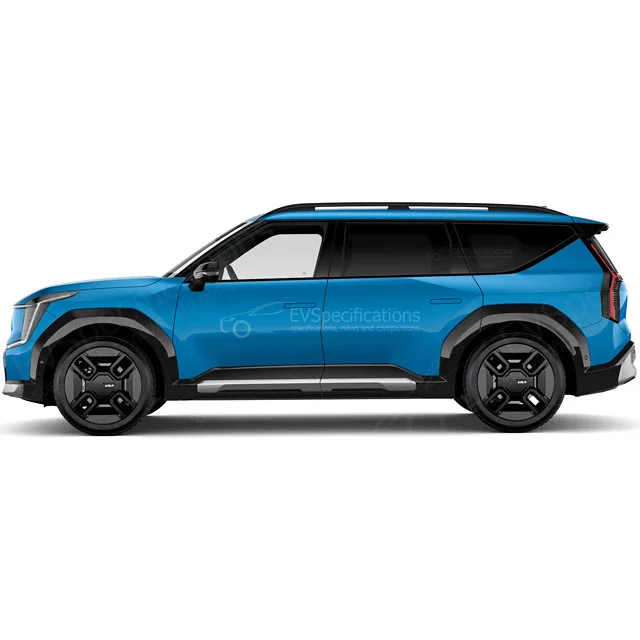
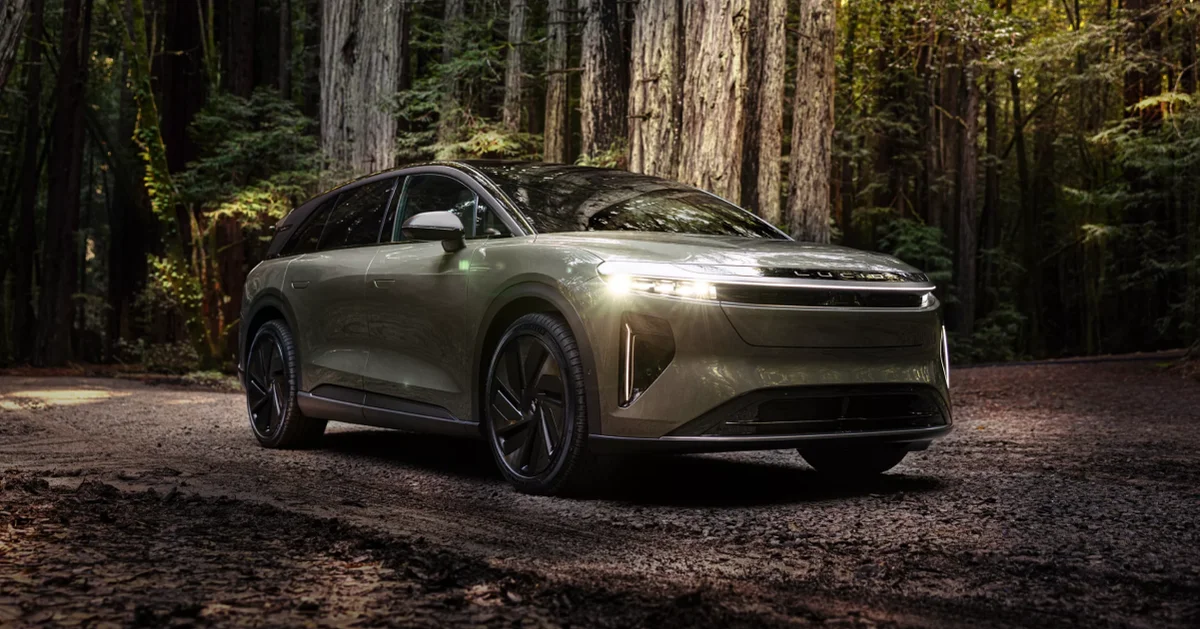
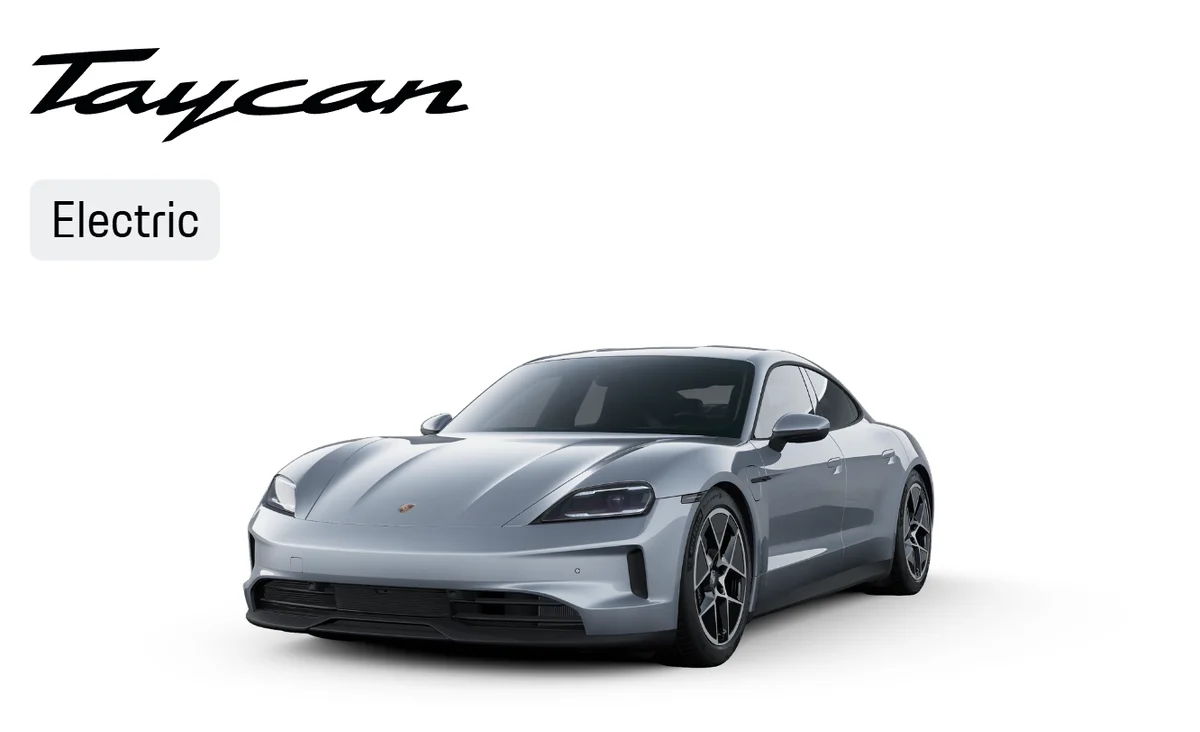
The 800-volt architectures stand out. The 2026 Hyundai IONIQ 5 N peaks at 350 kW, the same as the 2026 Kia EV9 GT-Line AWD. The 2026 Porsche Taycan 4S hits 320 kW on 800V, and the 2026 Lucid Gravity Grand Touring climbs to 400 kW peak. In the right conditions those cars go from 10 to 80 percent in under 20 minutes. The 2026 Chevrolet Silverado EV LT Extended Range also targets 350 kW, which matters because its battery is enormous at 170 kWh.
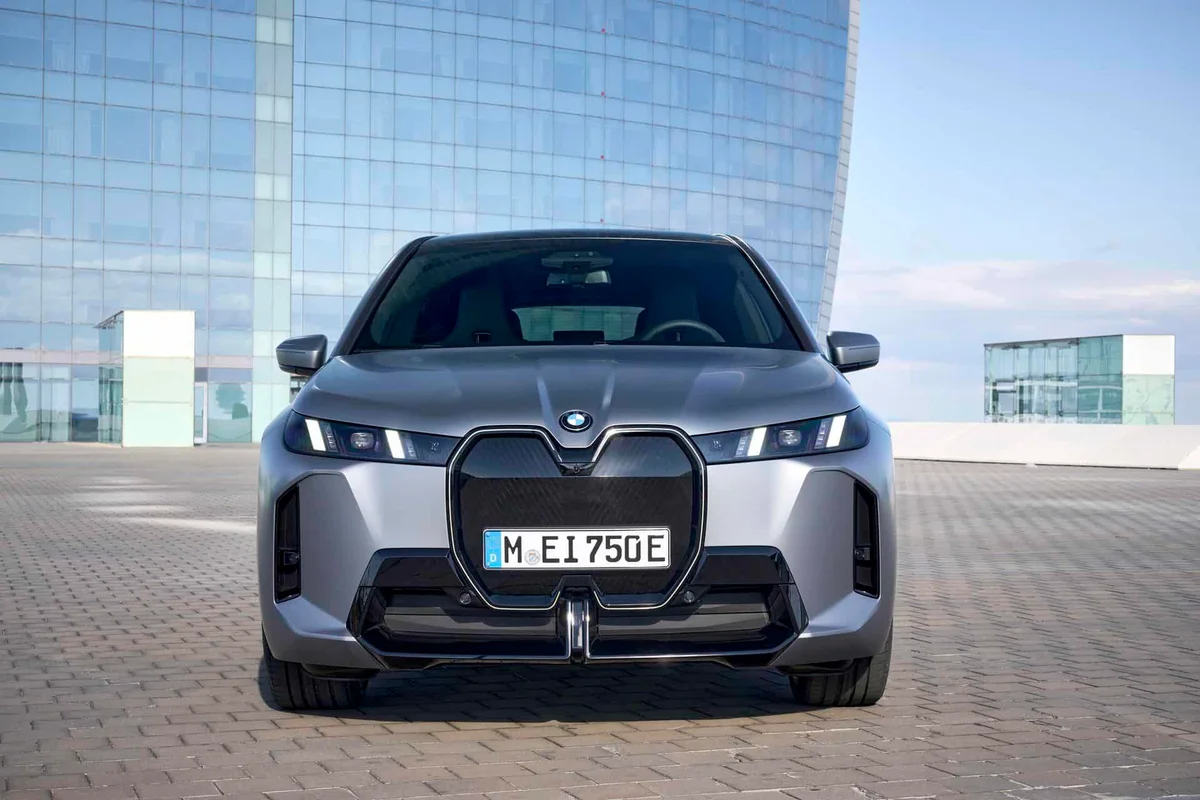
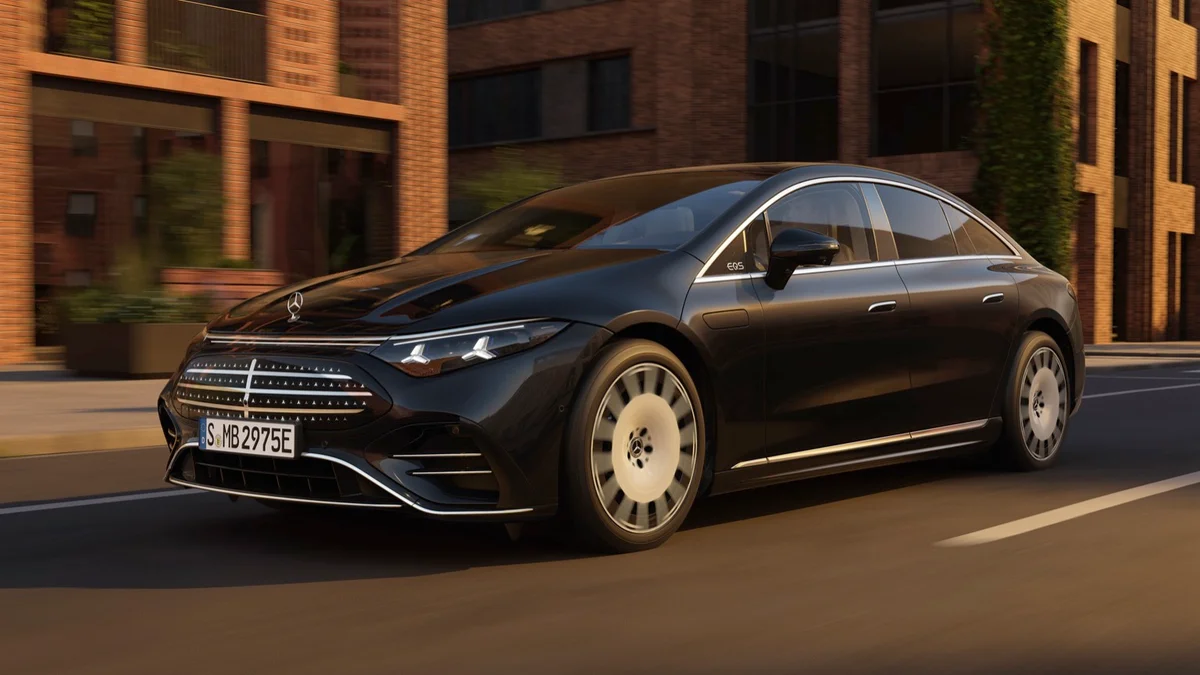
At the other end, some premium EVs that work fine with a home charger become tedious without one. The 2026 BMW iX xDrive60 peaks at 195 kW, the 2026 Mercedes-Benz EQS 450+ at 200 kW, and the 2026 Rivian R1T Dual Large at 220 kW. Those are perfectly adequate when you only hit public chargers on road trips, but if DC fast charging is your weekly routine, every slow session adds up.
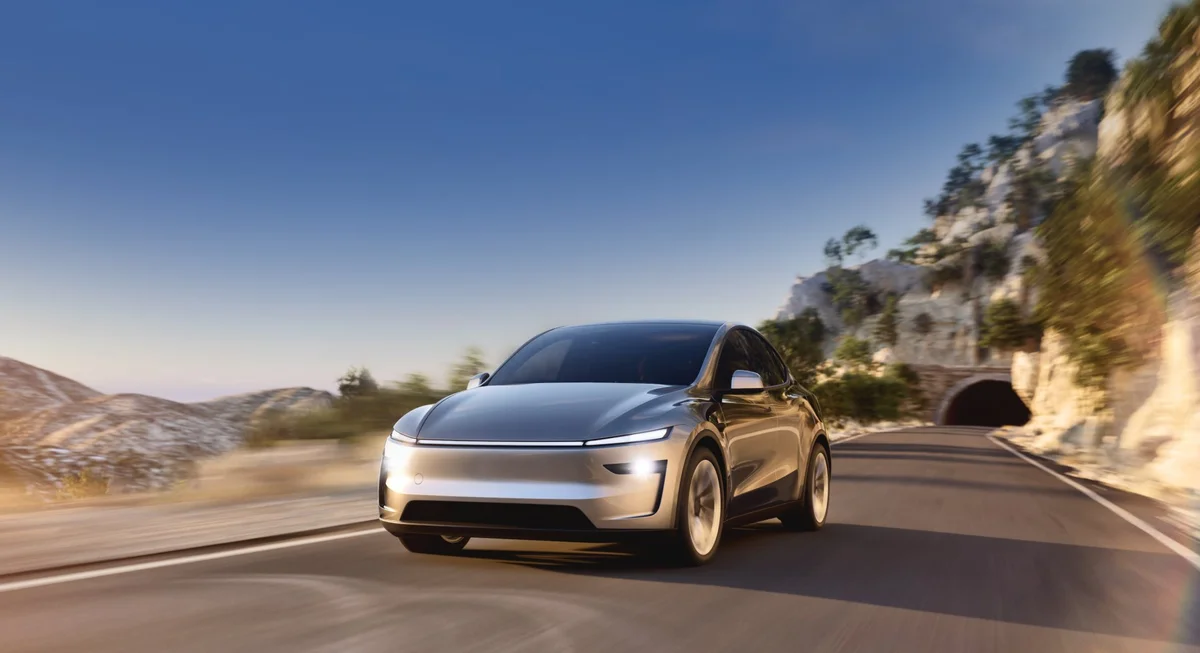
Tesla sits in its own category. The 2026 Tesla Model Y Long Range AWD peaks at 250 kW, slower than the Hyundais and Lucids, but it plugs into the Supercharger network, which reports the highest uptime of any US DC network at roughly 99 percent (EV Charger Scout). For a public-charging-primary owner, reliable access to a slightly slower charger beats faster chargers you might find broken.
Can you force your building to let you install one?
Even in multifamily buildings, home charging is sometimes possible. As of 2026, 15 states plus Washington DC have right-to-charge laws: California, Colorado, Florida, Hawaii, Illinois, Maryland, Massachusetts, New Jersey, New York, Oregon, Texas, Utah, Vermont, Virginia, and Washington (EV ChargeRight). These statutes bar HOAs and condo boards from unreasonably denying your request to install a charger in a space you own or have exclusive use of, so long as you pay for installation, carry liability insurance, and use a licensed electrician.
Protection for renters is much narrower. Only California, Colorado, Connecticut, Florida, Illinois, New York, Oregon, and DC have right-to-charge language that applies to tenants, and even there, the lease often has to permit it (EV ChargeRight). In most of the country a landlord can still say no.
The leading edge is building code. Starting January 1, 2026, California's updated CALGreen code requires every assigned parking space in new multifamily construction to include a low-power Level 2 EV charging receptacle (EV ChargeRight). That does nothing for existing buildings today, but over the next decade it fundamentally shifts the base rate. If you are hunting for a new apartment with an EV in mind, ask whether your assigned space includes a plug before you sign.
Curbside and lamppost charging is arriving unevenly
A growing third option sits between home and public fast charging: curbside Level 2 chargers mounted on existing street infrastructure. Los Angeles leads the US with a Bureau of Street Lighting program targeting 10,000 citywide and roughly 750 streetlight-mounted chargers installed to date, with AmpUp and EVSE recently deploying 150 more poles (Electric Drives). New York City's pilot has 88 curbside Level 2 stations today, with 600 more announced through It's Electric and Maverick EV for installation over three years (CleanTechnica). Philadelphia has selected It's Electric and PositivEnergy to install up to 1,000 curbside chargers across all 18 planning districts, with the first going live in early 2027 (Electrek). Washington DC, Detroit, Boston, Kansas City, Portland, Seattle, Sacramento, and Alameda all have active pilots (RMI).
The appeal is that you plug in where you park overnight, using the same curb parking you would use anyway. Pole-mounted chargers that tap existing electrical infrastructure cut installation costs by up to 70 percent compared with ground-up pedestal stations (InsideEVs). The downside is that outside of LA and parts of New York, density is still too low to count on. A San Francisco Public Press investigation found that despite years of promises, curbside charging in San Francisco remains scarce (SF Public Press). Check your specific neighborhood on PlugShare or a city map before counting on this.
Public charging reliability has improved, but it is not perfect
The common worry for anyone considering an EV without home charging is: what if the charger is broken? That fear was earned. It is also partly out of date. JD Power's 2026 public charging study found failed charging visits fell to a record-low 12 percent, down from the 20-plus percent rates of 2022 and 2023 (JD Power). Nationwide DC fast charger uptime now averages around 93.5 percent (EV Charger Scout).
Reliability still varies sharply by network. Tesla Supercharger leads at roughly 99.2 percent uptime. IONNA, the automaker joint-venture network, topped JD Power's 2026 ranking. Mercedes-Benz High-Power Charging and Rivian Adventure Network also score well. Older Electrify America and EVgo sites are more mixed. One industry analysis estimates 20 to 25 percent of US public DC fast chargers are out of service at any given moment when you include minor faults (EV Engineering).
Operationally this means two things for a public-charging-primary owner. First, always have a backup station in mind within 5 to 10 miles. Second, NACS access to Superchargers is now the single most valuable network to have, which argues for either a Tesla or a new NACS-equipped EV from Ford, GM, Hyundai, Kia, Rivian, Lucid, or others (The Charge Port).
Who should not try this
Public-charging-only EV ownership gets harder in a few specific situations. Long-distance commuters, say 80 or more miles each way, are the worst fit, because the daily recharge need exceeds what a casual public routine can supply without eating into evenings. Rideshare and delivery drivers who put 150-plus miles on a car daily face the same problem at higher volume, though some manage it by renting through programs like Hertz or Uber Green that bundle fast-charging credits.
Cold-climate drivers lose 20 to 30 percent of effective range in deep winter, and DC fast charging slows significantly on a cold battery. If you live in Minneapolis without a garage and you cannot preheat the car, the margin for error gets thin. Owners in sparse rural areas with few public chargers within 25 miles should also think twice: the DC fast network is dense along interstates and in cities, but thin in between.
Finally, if your nearest reliable public charger is more than a 10-minute detour from your usual route, owning an EV without home charging turns into a chore. Drive your prospective charging routine for a week in a rental or a loaner before you commit.
The short version
An EV without home charging works for a specific profile: a renter or apartment dweller with a predictable daily driving range under 50 miles, either workplace charging or a reliable public Level 2 charger near home, and an EV that fast charges above 250 kW for the occasional top-up. The 2026 Tesla Model Y Long Range AWD is the easiest first EV for this use case because of Supercharger access. If you want faster charging and are willing to pay more, the 2026 Hyundai IONIQ 5 N and 2026 Kia EV9 GT-Line AWD at 350 kW cut every public stop meaningfully shorter. If you live in a dense neighborhood with no workplace charging and no curbside pilot, and your building will not permit an install, a plug-in hybrid or an efficient gas car is still the honest answer in 2026.
See Best Electric Cars of 2026Questions people ask
Can I own an EV if I live in an apartment?+
Yes, but the math depends on three things: whether your building allows a charger install in your assigned space, whether workplace charging is available, and the density of public Level 2 and DC fast charging within a short drive. If you live in a right-to-charge state like California or New York and have assigned parking, start by formally requesting an install. If not, plan on workplace or public Level 2 as your primary with DC fast charging for top-ups.
What if I cannot charge at home?+
Combine workplace Level 2 if available, public Level 2 at grocery stores or garages where you already spend time, and DC fast charging once a week or so. Expect to pay $0.30 to $0.60 per kWh on public DC fast networks compared with $0.10 to $0.18 at home, so budget an extra $500 to $1,000 per year versus a home-charging owner.
How do EV owners charge without a garage?+
In order of common use: workplace chargers during the workday, public Level 2 chargers at destinations like supermarkets, DC fast chargers every few days, curbside lamppost chargers in cities running pilots (Los Angeles has roughly 750 installed, New York 88 with 600 more planned), and Level 1 from a 120V outlet if an exterior outlet is accessible. Most owners use a mix of two or three.
Is it practical to rely only on public charging for an EV?+
Practical, yes. Pleasant, only if you pick the right car and live in a city with dense NACS-compatible charging. Failed public charging sessions have dropped to about 12 percent in 2026, and Tesla Superchargers run close to 99 percent uptime. The penalty is money and time: budget 30 to 90 minutes of charging per 200 miles driven, and 2 to 3 times home electricity rates.
Can renters own electric cars?+
Yes. Eight jurisdictions (California, Colorado, Connecticut, Florida, Illinois, New York, Oregon, and DC) have right-to-charge laws that extend to renters, so you may be able to require your landlord to permit an install. Elsewhere, you need the landlord's agreement. If neither works, you are relying on workplace, public, or curbside charging, which is doable but requires picking the right car.
How do I charge an electric car without a driveway?+
Map every charger within three miles of home and work on PlugShare before you buy. Pick an EV with NACS access or an adapter so you can use Tesla Superchargers. If your city has curbside pole chargers, check they are near your parking spot. If an outdoor 120V outlet is accessible with a short cord and your daily driving is under 40 miles, Level 1 can carry the load with no infrastructure at all.
Which EVs are best for public charging only?+
The 800-volt cars that peak at 300 kW or higher: the Hyundai IONIQ 5 N and Kia EV9 at 350 kW, the Lucid Air Grand Touring at 300 kW, the Lucid Gravity at 400 kW, the Porsche Taycan 4S at 320 kW, and the Chevy Silverado EV at 350 kW. For reliability, Tesla Model Y and Model S on the Supercharger network also work very well despite the lower 250 kW peak.
Is Level 1 charging from a wall outlet enough for an apartment EV?+
If you drive less than 40 miles a day and have access to an outdoor 120V outlet near where you park, yes. Level 1 adds 3 to 5 miles per hour, so a 12-hour overnight session covers 36 to 60 miles. Above 60 miles of daily driving it cannot keep up, and above 100 miles you need regular Level 2 or DC fast charging supplements.
Sources
What this guide is based on. We research from published specifications, independent reviews and owner reports; we did not test these products ourselves.
- 1.EV Charging Statistics US 2026, EV Cable Hub Journal
- 2.Study: Four of Five New EV Buyers Can Charge at Home, Charged EVs
- 3.Right-To-Charge Policies, Plug In America
- 4.Right-to-Charge Laws by State: Can Your HOA Say No? (2026), EV ChargeRight
- 5.The Future of Workplace EV Charging with Utilities and Collaborative Solutions, Qmerit
- 6.How Much Does It Cost to Charge an EV? Home vs Public Pricing (2026), Jouleio
- 7.Public EV Charging Networks Compared: Cost by Network (2026), ChargeCostLab
- 8.Workplace and Destination EV Charging (2026), ChargeCostLab
- 9.Can You Charge a Non-Tesla at a Tesla Supercharger? (2026), The Charge Port
- 10.Voltpost Air Lamppost EV Charger Review, InsideEVs
- 11.LA Goes EV With Major On-Street Charging Initiative, Electric Drives
- 12.New York City Will Install 600 New Curbside EV Charging Stations, CleanTechnica
- 13.1,000 Curbside EV Chargers Are Coming to Philadelphia, Electrek
- 14.Driving Electric: Making EV Charging More Accessible Through Curbside Charging, RMI
- 15.Curbside EV Charging Remains Scarce in San Francisco, SF Public Press
- 16.DC Fast-Charging Reliability Improves as Failed Charging Visits Fall to 12%, EV Engineering & Infrastructure
- 17.US Charging Uptime Rankings: Q1 2026, EV Charger Scout
- 18.2026 US Electric Vehicle Experience (EVX) Home Charging Study, JD Power
- 19.2026 US Electric Vehicle Experience (EVX) Public Charging Study, JD Power
- 20.EV Charging for Apartment Dwellers, Enphase
- 21.Living With an EV on Level 1 Charging for 19 Months, EV Dances
- 22.Can You Own an EV if You Live in an Apartment?, Recurrent Auto
Products mentioned



More on electric cars
Explainer
How Much Range Do You Lose Towing With an Electric Vehicle?
What real tow tests on Rivian, Chevrolet Silverado EV, Ford F-150 Lightning and Tesla show about range loss, and how to plan a towing trip on a battery.
Explainer
Does DC Fast Charging Damage Your EV Battery?
What large fleet studies say about DC fast charging and long-term EV battery health, when the 80 percent rule matters, and the habits that actually move the needle.
Explainer
EV Charging Levels Explained: Level 1, Level 2, and DC Fast Charging
Level 1, Level 2, and DC fast charging all deliver different speeds, and your car's acceptance rate caps how fast each one goes. Here is what each level actually adds per hour, what your car's spec sheet controls, and how to pick a home and road setup.
Explainer
EPA Range vs. Real-World Range: What You Will Actually Get
EPA ratings are measured at 75 degrees with mild driving. Highway speed, cold weather, and towing can each cut real EV range 20 to 60 percent. Here is how to estimate yours.
Buying guide
How to Choose an Electric Car: A Decision Framework for 2026
Four questions about your own driving decide which EV is right. Range, charging, towing, and ownership length, with real numbers and which specs are marketing.