Explainer
Does DC Fast Charging Damage Your EV Battery?
What large fleet studies say about DC fast charging and long-term EV battery health, when the 80 percent rule matters, and the habits that actually move the needle.
Updated November 11, 2026 · Based on 14 sources · How we research
If you drive an EV, you have probably run into the same warnings from forums, dealers and YouTube: never fast charge, never go to 100 percent, never run it low. Most of it is directionally right and quantitatively wrong. The 2026 fleet data shows that occasional DC fast charging has a small, measurable effect on long-term battery health, and that the habit most owners actually get wrong is not fast charging at all. It is sitting at 100 percent in a hot driveway, plugged in, every night. This guide walks through what the evidence says, what the 80 percent rule is really about, and which habits change the outcome at 100,000 miles.
What large fleet studies say about fast charging and battery life
The most-quoted real-world dataset comes from Recurrent, which analyzed more than 160,000 data points from 13,000 Teslas on US roads, mostly model year 2018 or later. Over five to six years of ownership, cars that fast charged at a Supercharger more than 70 percent of the time showed no statistically significant extra range loss compared with cars that fast charged less than 30 percent of the time. For modern Teslas with active liquid cooling, the fear that regular Supercharging quickly shortens pack life was not supported in that fleet.
The larger and newer Geotab 2026 study draws a different nuance from 22,700 vehicles across 21 makes and models. The fleet average degradation rate is 2.3 percent per year. Vehicles that leaned on high-power DC fast charging above 100 kW for most sessions averaged 3.0 percent per year of capacity loss, compared with 1.5 percent for vehicles that primarily used AC or lower-power charging. The behavior that moves the needle is using fast charging as the daily default, not using it on trips.
The older and harsher data point comes from an Idaho National Laboratory test described by TNW, which ran 2012 Nissan Leafs for roughly 50,000 miles in the Phoenix heat. Cars charged exclusively on 50 kW DC fast chargers lost around 27 percent of capacity; identical cars charged only on Level 2 lost around 23 percent. The gap was real but small, and the test platform had no active battery cooling, a design nothing in our best electric cars of 2026 list shares.
Why the 80 percent rule exists, and when it doesn't apply
Lithium cells age fastest at the extremes of state of charge. Between roughly 80 and 100 percent, cell voltage sits close to its upper limit, which accelerates the side reactions that consume lithium inventory and grow the solid electrolyte interphase layer. A post on WiTricity's blog frames it simply: the cost of that last 20 percent is chemical stress, not just slower charging.
It is also slow. Once a modern NMC or NCA pack passes about 80 percent, the battery management system tapers current sharply to protect the cells. On a 250 kW Supercharger pulling the 2026 Tesla Model S Long Range, the time from 80 to 100 can rival the time from 20 to 80. On a road trip, driving to the next stop at 80 is faster than waiting for a full pack.
The rule does not apply to lithium iron phosphate. Standard Range Teslas, some Ford Mustang Mach-E variants and a long list of Chinese-market cars use LFP, which is more tolerant at the top of charge and depends on periodic full charges so the battery management system can recalibrate its range estimate. For those cars, the manufacturer explicitly asks for a 100 percent charge at least weekly.
Should you charge to 100 percent?
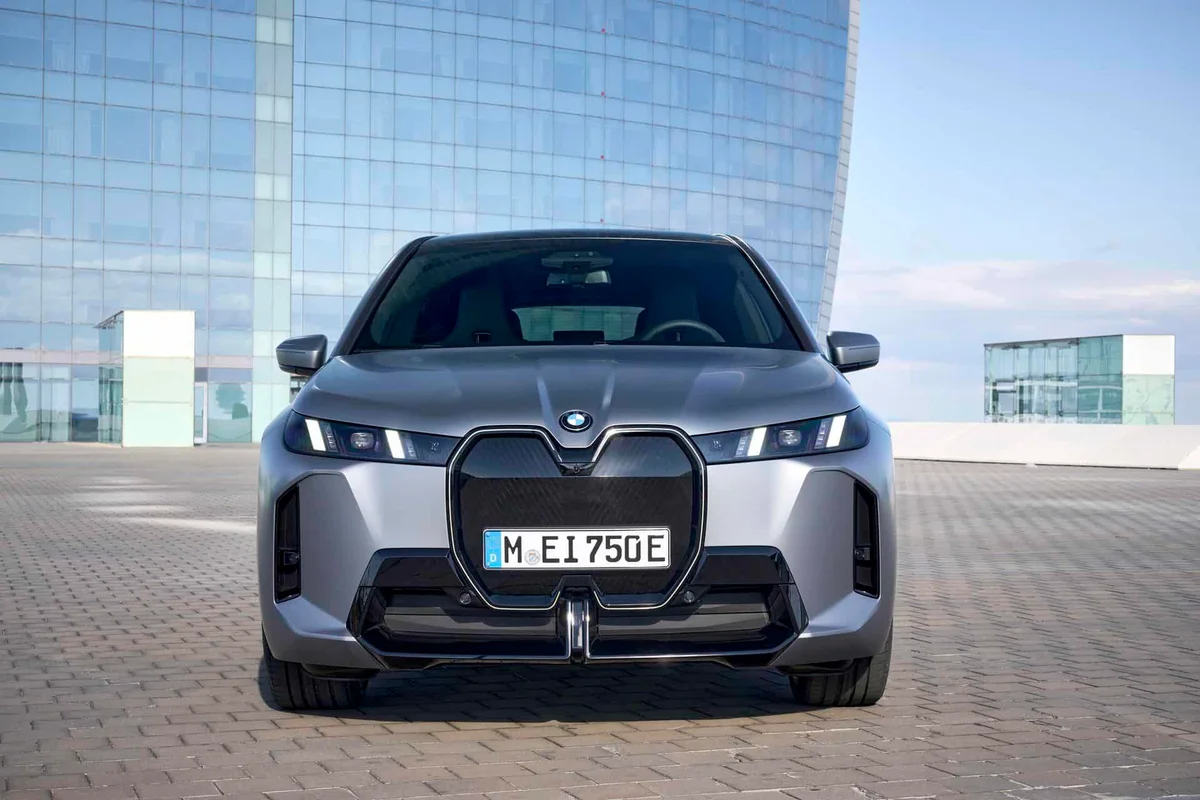
For NMC or NCA packs, used in nearly every long-range or performance EV in our 2026 ranking, charging to 100 percent daily is not a good idea. The problem is less the full charge itself than the time spent at full. A pack that touches 100 percent and leaves within an hour experiences a short voltage peak. A pack that sits at 100 percent, plugged in, through a weekend in a hot garage accumulates most of the damage people attribute to charging too high. Set the daily cap at 80 percent for cars like the Lucid Air Grand Touring or BMW iX xDrive60, and top up to 100 just before departure.
For LFP packs, the guidance flips. Tesla's and Ford's owner documentation tells LFP owners to charge to 100 percent regularly and run a full charge weekly for pack calibration. A 2024 Journal of The Electrochemical Society paper summarized by InsideEVs found that cycling LFP cells near the top of charge does carry some measurable degradation cost, but the authors and the article recommended sticking with automaker guidance rather than changing habits radically, because the convenience penalty outweighs the modest gain.
The practical heuristic for every chemistry is the same: it is the dwell time at the extremes that matters. Set the charge timer so the pack hits your target close to when you leave, not eight hours earlier.
How long do EV batteries actually last?
Modern packs lose capacity at roughly 1.5 to 3 percent per year, depending on climate, charging mix and chemistry. The 2.3 percent per-year Geotab average projects to about 81 percent state of health after eight years. A 2025 Nature Energy study using UK vehicle-testing records put the average battery electric vehicle lifespan at 18.4 years, and Stanford research published in 2024 reported that real-world driving, with its stops and rest periods, ages packs more slowly than the steady-state cycles used in laboratory testing.
Every new EV sold in the US carries at least an 8 year, 100,000 mile battery warranty, the federal floor set under Clean Air Act rules, and states adopting California emissions rules require the same, according to CarEdge. The warranty typically guarantees the pack to a stated capacity retention threshold, most commonly 70 percent. Rivian's dual-motor R1T and R1S carry an 8 year, 150,000 mile battery warranty, with longer 175,000 mile coverage on quad-motor builds, per Autoblog. Tesla covers the Model S and Model X to 8 years or 150,000 miles. Lucid covers the Air Grand Touring to 8 years or 100,000 miles, per the Lucid 2026 warranty booklet.
Across those studies, the share of packs that fall below the 70 percent threshold inside the warranty period is small. Most modern packs enter the used market with 85 to 90 percent of original range intact.
What actually hurts the battery more than fast charging
If you rank the drivers in the fleet data, the order looks very different from the public worries. Heat is first. Geotab found that vehicles in hot climates degrade about 0.4 percent per year faster than those in mild ones. Phoenix and Las Vegas EVs lose capacity faster than Seattle and Minneapolis ones at identical mileage.
Second is time spent at high state of charge. A pack that sits at 100 percent all weekend, plugged in, in heat, accrues most of the damage that is popularly blamed on charging too high.
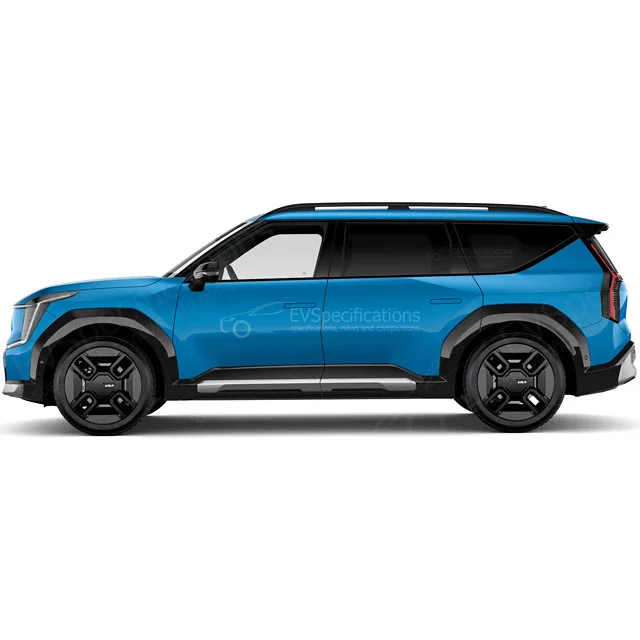
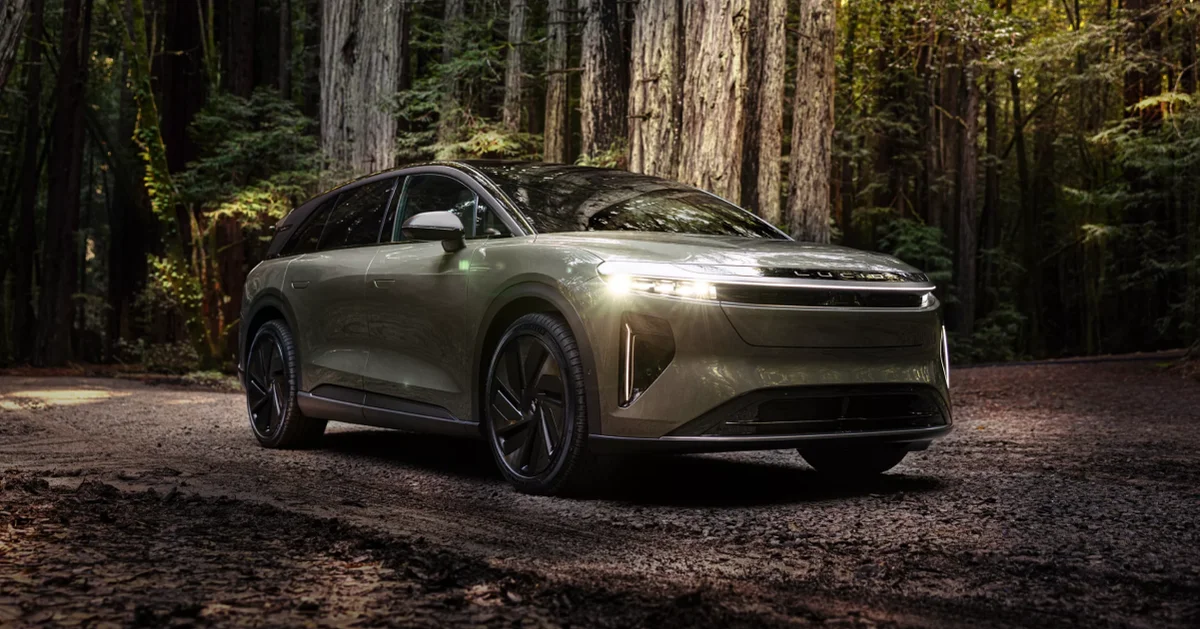
Third is making DC fast charging the primary source. The 100 kW-plus heavy users in Geotab's data degrade at roughly twice the rate of AC-primary users. For an owner using the Lucid Gravity's 400 kW peak or the Kia EV9 GT-Line's 350 kW capability as their main daily refill, this is real. For an owner hitting a fast charger a few times a month on trips, it is invisible.
Fourth, and least talked about, is deep discharge frequency. Routinely running a pack under 10 percent, especially in heat, puts more stress on the cells than most owners realize. The middle of the state-of-charge window is where lithium is happiest.
Will you actually need to replace the battery?
Probably not during the warranty period, and most owners never will. Trade-in and resale have shifted from odometer anxiety toward battery state-of-health reports, which are increasingly standard at valuation. A car with an above-average state of health is worth more than a sibling with the same mileage and a weaker pack.
If a pack does need replacement outside warranty, 2026 pricing from independent repair accounting puts a current-generation Tesla Model S 100 kWh pack in the rough neighborhood of $18,000 to $22,000 drive-out, according to an AutoEdgeView cost summary. Rivian R1T replacements are quoted higher given the 108.5 kWh pack and still-limited independent parts supply, with new high-voltage pack pricing reported around $25,000 to $30,000 plus several thousand in specialized labor.
For cars like the 2026 Chevrolet Silverado EV LT Extended Range with a 170 kWh pack, that math is sobering out of warranty, which is one more reason the long warranty terms and the thermal management design on these packs matter at purchase.
Is 800V architecture easier on the battery?
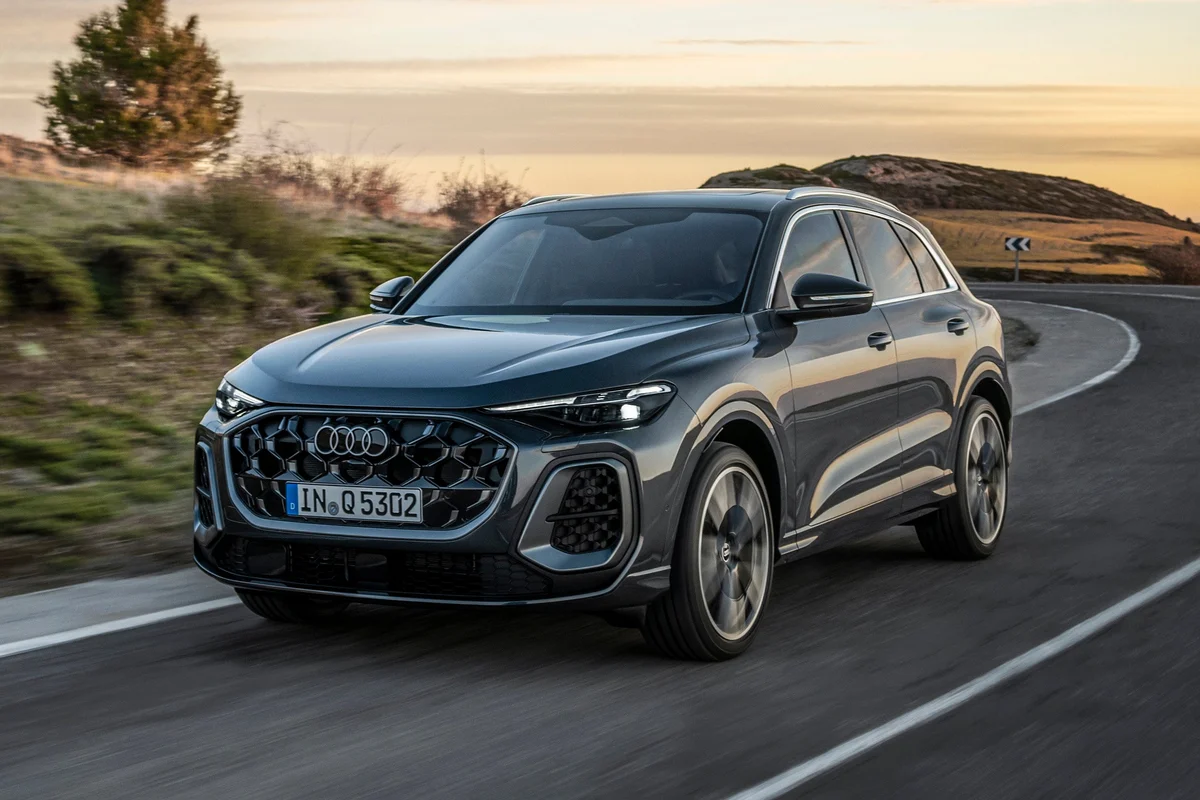
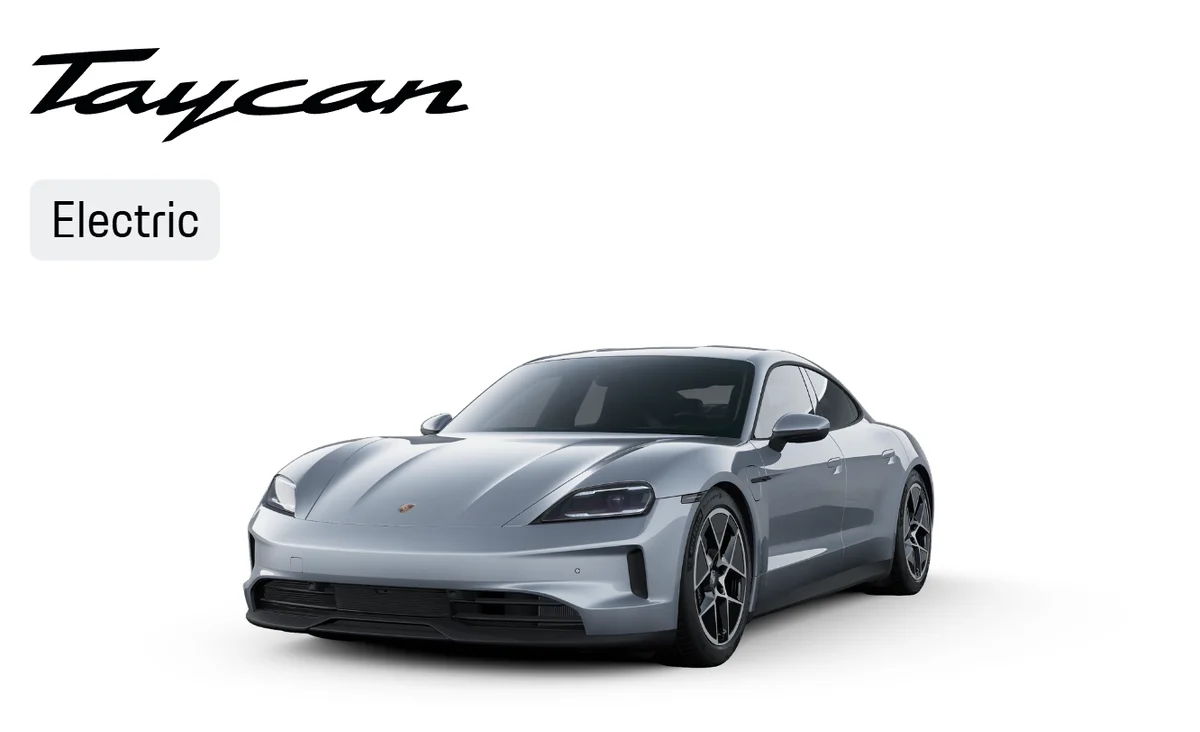
A quiet point in the fast-charging conversation is that not all peak power numbers stress the pack equally. An 800V electrical architecture, used by the 2026 Porsche Taycan 4S, the Audi S e-tron GT, the Hyundai E-GMP cars including the IONIQ 5 N and the Kia EV9, moves the same power at roughly half the current of a 400V system. Less current means less resistive heating inside the cells and busbars.
Less heat generated at peak power means less BMS throttling and less long-term cell imbalance. In practice, a 270 to 320 kW session on an 800V pack is thermally milder than a 250 kW session on an older 400V design, which is part of why peak charging numbers alone understate the real story.
This does not make 800V fast charging consequence-free, but it does mean that when the Geotab data separates high-power DC fast charging from lower-power charging, the 800V cars sit nearer the kinder end of that spectrum than their peak kW figures suggest.
The charging routine that keeps a modern pack healthy
Rolled together, the evidence points at a short list of habits that have the largest practical effect on how your pack looks at 100,000 miles.
Every weekday, do Level 2 at home or at work. Set the daily cap at 80 percent for NMC or NCA packs; set it at 100 percent for LFP and run a weekly full charge for calibration. Use DC fast charging on trips, not as the primary source. Trigger preconditioning by setting the charger as a destination before you arrive. Avoid parking the car plugged in at 100 percent for long stretches, particularly in summer. In extreme heat, park with the pack somewhere in the 40 to 70 percent band when the car will sit for a week or more.
- Set daily charging limit to 80 percent for NMC or NCA packs, 100 percent for LFP
- Charge to 100 percent only right before a road trip, and leave shortly after
- Precondition the pack before any DC fast charge, especially in cold weather
- Do not leave the car soaking at 100 percent plugged in overnight, repeatedly, in heat
- Keep DC fast charging under 30 percent of total energy if you can; higher is fine when it has to be
- Avoid routinely running the pack below 10 percent in hot weather
- For long storage, park with state of charge between 40 and 70 percent
The short version
Occasional DC fast charging is not the villain the forum wisdom makes it out to be. The large fleet datasets from Recurrent and Geotab agree: modern, thermally-managed packs tolerate it well. What actually accelerates battery aging is making high-power DC the daily default, leaving the car soaking at 100 percent in heat, and climate itself. Pick an EV with active thermal management, cap daily charging at 80 percent on NMC packs, run LFP packs to 100 percent on schedule, and treat fast chargers as a road-trip tool. Follow that routine and the data says you should cross 100,000 miles with 85 to 90 percent of original range intact, well inside every major manufacturer's 70 percent warranty threshold.
See Best Electric Cars of 2026Questions people ask
Does fast charging damage an EV battery?+
Occasional DC fast charging on a modern EV with liquid-cooled thermal management has a small, barely measurable effect on long-term degradation. Recurrent's analysis of 13,000 Teslas found no statistically significant difference between heavy and light fast-charging owners over 5 to 6 years. The habit that does accelerate wear is making DC fast charging your primary charging source, which the 2026 Geotab study links to roughly double the annual degradation rate.
Should I charge my electric car to 100 percent?+
For NMC or NCA packs, used in most long-range EVs, no, not for daily driving. Set the limit at 80 percent and charge to 100 percent only right before a trip, timed so the pack does not sit at full for hours. For LFP packs, used in standard-range Teslas and some Fords, the opposite is true: charge to 100 percent regularly and do a full charge at least weekly so the battery management system can recalibrate its range estimate.
Should I only charge to 80 percent?+
For daily use on an NMC or NCA pack, 80 percent is a good default and comes directly from manufacturer guidance. It keeps the cells out of the high-voltage range where chemical side reactions are faster, and it means your fast-charge sessions stay in the quicker part of the taper curve. Raise the cap to 100 percent before a long drive.
Does DC fast charging ruin battery life?+
No, not on a modern thermally-managed EV used sensibly. Using DC fast charging as the primary source, repeatedly, at above 100 kW, does measurably accelerate degradation, from roughly 1.5 to about 3.0 percent per year in Geotab's 22,700-vehicle dataset. Using it a few times a month on road trips does not.
How long do EV batteries last?+
At the fleet average 2.3 percent per-year degradation from Geotab's 2026 study, a pack retains about 81 percent of its original capacity after 8 years. A 2025 Nature Energy study of UK data put the average battery electric vehicle lifespan at 18.4 years. Most modern packs cross 100,000 miles with 85 to 90 percent of original range intact.
Will I need to replace the battery?+
Almost certainly not during the warranty period. Every US EV carries at least an 8 year, 100,000 mile warranty with a 70 percent capacity floor, and most packs stay well above that threshold. Out-of-warranty replacement for a current Tesla Model S 100 kWh pack runs roughly $18,000 to $22,000 drive-out by 2026 reporting, with Rivian R1T pack prices quoted higher still.
What is the best charging habit for EV battery health?+
Do Level 2 at home at an 80 percent daily cap for NMC or NCA packs, or a 100 percent cap for LFP with a weekly full charge. Use DC fast charging on trips, not daily. Precondition the pack before a fast charge, avoid leaving the car plugged in at 100 percent for long stretches, and keep the state of charge in the middle of the range during hot-weather storage.
Does cold weather damage the battery?+
Cold weather reduces usable range temporarily and slows charging, but it does not accelerate long-term degradation the way heat does. Heat is the climate factor that actually matters: Geotab's data shows hot-climate EVs degrade roughly 0.4 percent per year faster than mild-climate ones. The cold-weather risk is charging a very cold pack too quickly, which is what preconditioning exists to prevent.
Sources
What this guide is based on. We research from published specifications, independent reviews and owner reports; we did not test these products ourselves.
- 1.EV Battery Health: Key Findings from 22,700 Vehicle Data Analysis, Geotab
- 2.Update: Scientists Reveal How EV Fast Charging Impacts Battery Health, Recurrent
- 3.Is Fast Charging Bad for Your Electric Car?, Recurrent
- 4.Is fast charging bad for your EV battery?, TNW
- 5.The 80 Percent Rule: Why You Shouldn't Charge Your EV to 100 Percent, WiTricity
- 6.LFP Battery Health Degrades At Full Charge, Study Finds, InsideEVs
- 7.Rivian Warranty Information Revealed, Autoblog
- 8.The Best EV Battery Warranties, CarEdge
- 9.How Much Does a Tesla Battery Cost to Replace? 2026 Pricing & Longevity Guide, AutoEdgeView
- 10.Driving an Electric Car Can Extend Battery Life, Stanford News
- 11.The closing longevity gap between battery electric vehicles and internal combustion vehicles in Great Britain, Nature Energy
- 12.Tesla Battery Longevity Not Affected by Frequent Supercharging, Electrek
- 13.New Geotab Data Shows EV Battery Health Remains Strong as Fast Charging Use Increases, GlobeNewswire
- 14.New Vehicle Limited Warranty North America Lucid Vehicles Model Year 2026, Lucid Motors
Products mentioned
 2026 Audi S e-tron GT
 2026 BMW iX xDrive60
 2026 Chevrolet Silverado EV LT Extended Range
 2026 Hyundai IONIQ 5 N
 2026 Kia EV9 GT-Line AWD
 2026 Lucid Air Grand Touring
 2026 Lucid Gravity Grand Touring
 2026 Porsche Taycan 4S
 2026 Rivian R1S Dual Motor Large Pack2026 Rivian R1T Dual Large2026 Tesla Model S Long Range
 2026 Tesla Model Y Long Range AWD
More on electric cars
Explainer
How Much Range Do You Lose Towing With an Electric Vehicle?
What real tow tests on Rivian, Chevrolet Silverado EV, Ford F-150 Lightning and Tesla show about range loss, and how to plan a towing trip on a battery.
Explainer
Can You Own an Electric Car Without Home Charging?
A straight look at EV ownership without a driveway or garage: who makes it work in 2026, what it costs, and when to skip electric entirely.
Explainer
EV Charging Levels Explained: Level 1, Level 2, and DC Fast Charging
Level 1, Level 2, and DC fast charging all deliver different speeds, and your car's acceptance rate caps how fast each one goes. Here is what each level actually adds per hour, what your car's spec sheet controls, and how to pick a home and road setup.
Explainer
EPA Range vs. Real-World Range: What You Will Actually Get
EPA ratings are measured at 75 degrees with mild driving. Highway speed, cold weather, and towing can each cut real EV range 20 to 60 percent. Here is how to estimate yours.
Buying guide
How to Choose an Electric Car: A Decision Framework for 2026
Four questions about your own driving decide which EV is right. Range, charging, towing, and ownership length, with real numbers and which specs are marketing.