Buying guide
How to Choose an Electric Car: A Decision Framework for 2026
Four questions about your own driving decide which EV is right. Range, charging, towing, and ownership length, with real numbers and which specs are marketing.
Updated November 11, 2026 · Based on 14 sources · How we research
Most EV buyers in 2026 start by comparing spec sheets. That is backwards. The electric car that fits your life is determined less by horsepower or screen size than by four questions about you: how far you drive on a normal day, where you plug in, whether you tow or haul, and how long you plan to keep the car. Answer those first and the field narrows fast. A 300-mile commuter sedan and an 11,000-pound-tow adventure truck live on the same shopping list only if you have not done the work. This guide walks each decision in order, then flags which numbers on the window sticker actually matter and which are marketing.
How much range do you actually need?
FHWA's Our Nation's Highways report puts the average US driver at about 13,700 miles a year, or roughly 37 miles a day (FHWA). A 250-mile EV covers a full week of average commuting between charges. The question is not whether you need 500 miles. It is what your hardest trip looks like, and what your car is doing in February at 70 mph with the heat on.
Two deratings matter. AAA's April 2026 dynamometer study of three 2025 EVs, the Chevrolet Equinox EV, Ford Mustang Mach-E, and Tesla Model Y, found an average 39% range loss at 20°F against a 72°F baseline, with the cabin heater identified as the primary culprit (AAA). Steady 70 to 75 mph highway driving typically costs another 15 to 25% versus the EPA mixed cycle, which InsideEVs has documented across dozens of cars (InsideEVs). Multiply: a 300-mile EPA rating realistically covers about 180 to 200 miles of cold-weather interstate driving before you need a plug.
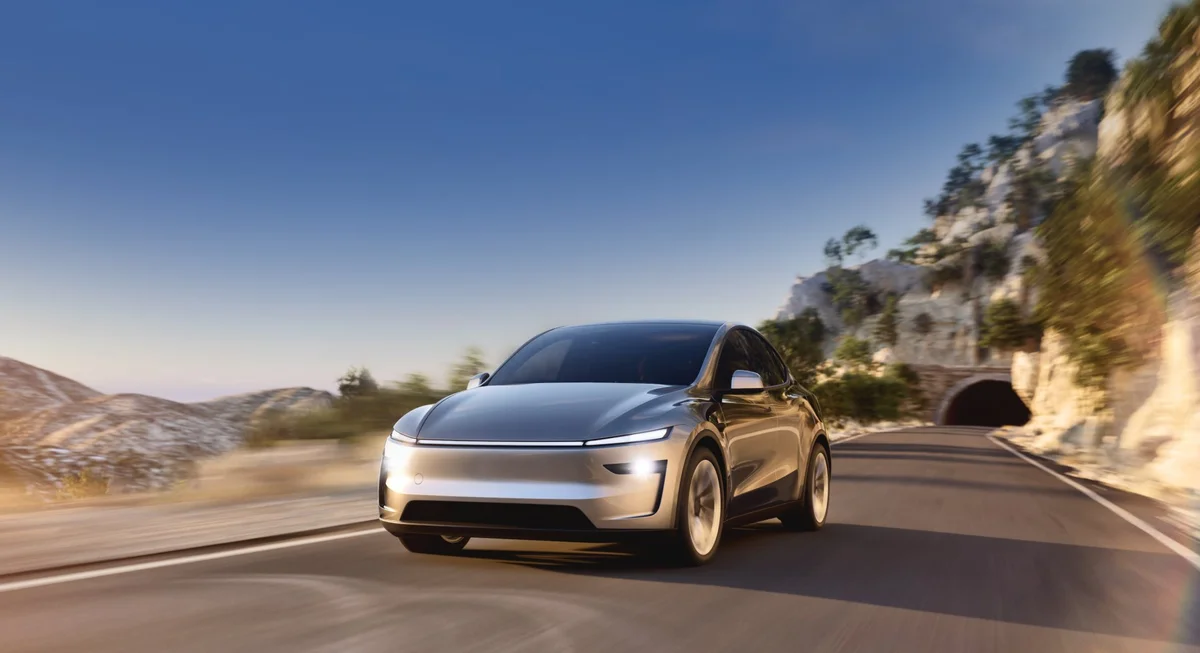
Translate that into our best electric cars ranking. The 2026 Tesla Model Y Long Range AWD at 327 EPA miles is a comfortable commuter and a workable road-tripper. The 2026 Hyundai IONIQ 5 N at 266 miles is a second car or a short-commute toy, not a road-trip tool. At the other end, the 2026 Lucid Air Grand Touring covered 821 km (about 510 miles) at a steady 113 km/h (70 mph) in an Out of Spec Reviews highway test before power cut off (ArenaEV).
- Daily commute under 40 miles: any EV in the ranking works, even the shortest-range cars
- Occasional 200-mile day trips: 280 EPA miles or more
- Regular 300-plus mile highway runs in winter: 400 EPA miles or more, plus fast charging
- Rural owner with long one-way drives: 450 EPA miles or more, non-negotiable
Where will you plug in?
Home charging is not a nice-to-have. JD Power's 2024 US Electric Vehicle Experience home charging study found that 86% of all EV charging happens at home, and Plug-in America's 2025 driver survey reported similarly high home-charging access among current owners (JD Power, Plug-in America). An EV without a home plug is a very different ownership experience from one with a Level 2 charger in the garage.
A Level 2 install runs $1,000 to $3,000 all in for most houses: $300 to $700 for the charger and $750 to $2,500 for the electrician, more if the panel needs upgrading (HomeGuide). The federal 30C credit that covered 30% of install cost up to $1,000 ended for equipment placed in service after June 30, 2026, so new 2026 buyers reading this now pay the full install (iEVChina). If you rent, live in an older condo, or park on the street, the math changes further. You will do the majority of your charging at a public DC fast charger, and that makes two specs you can otherwise ignore suddenly critical: peak charging rate and network access.
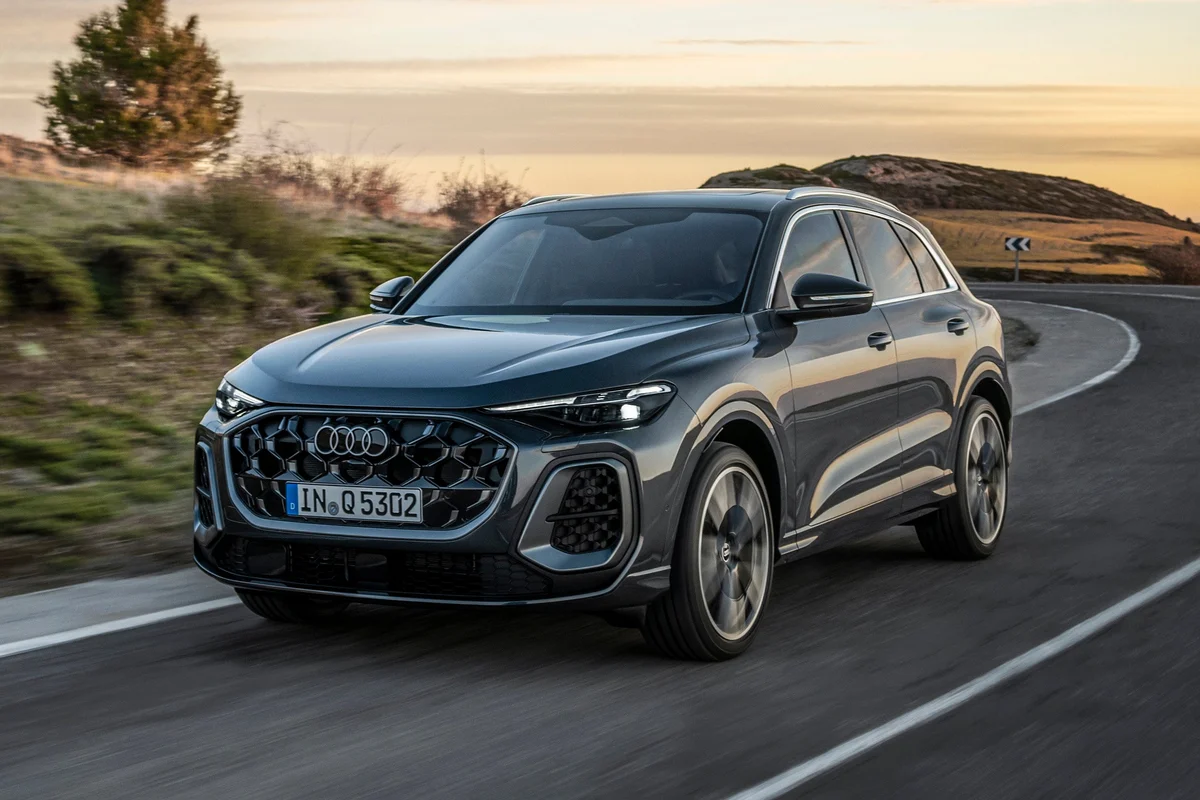
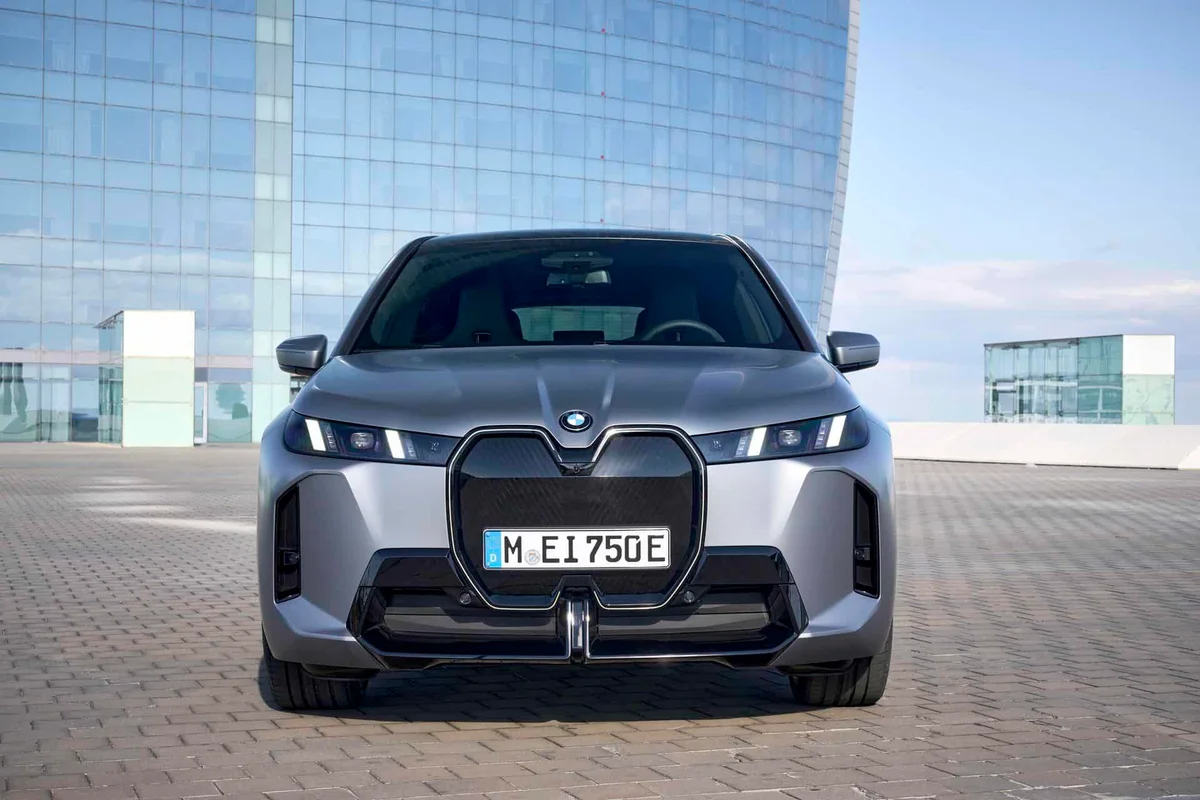
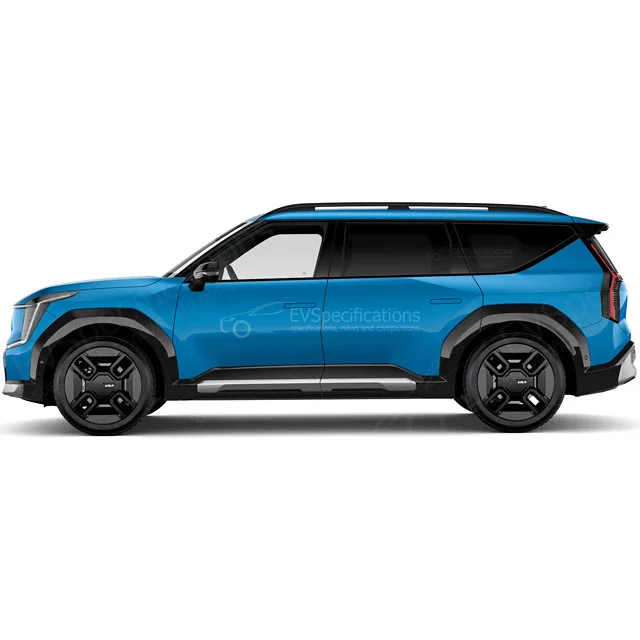
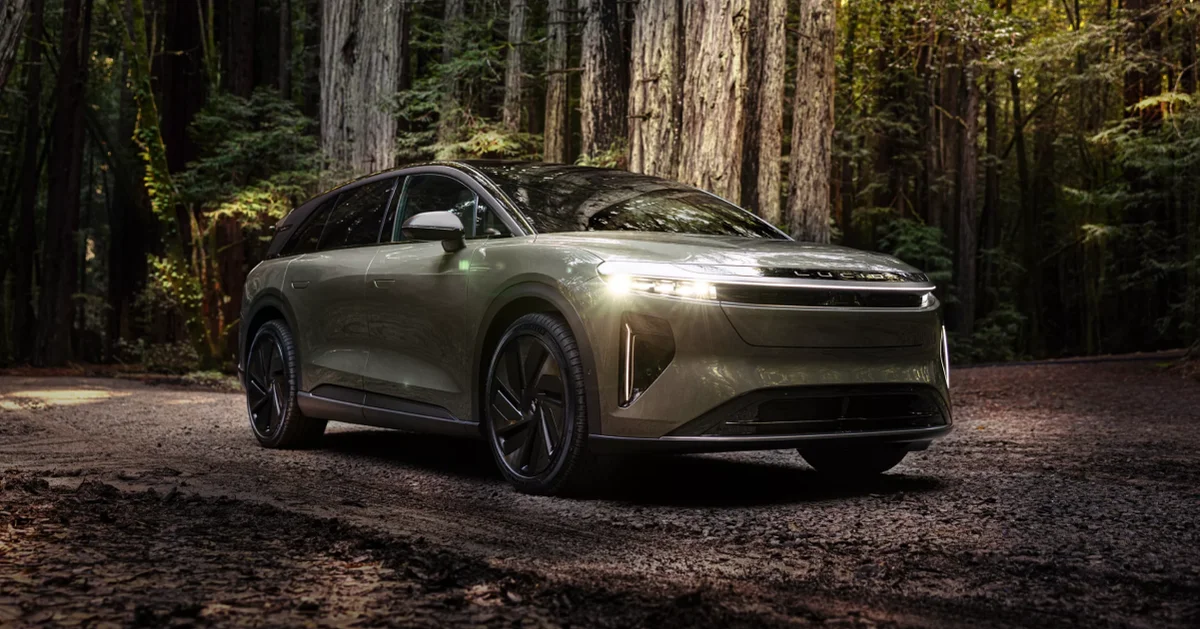
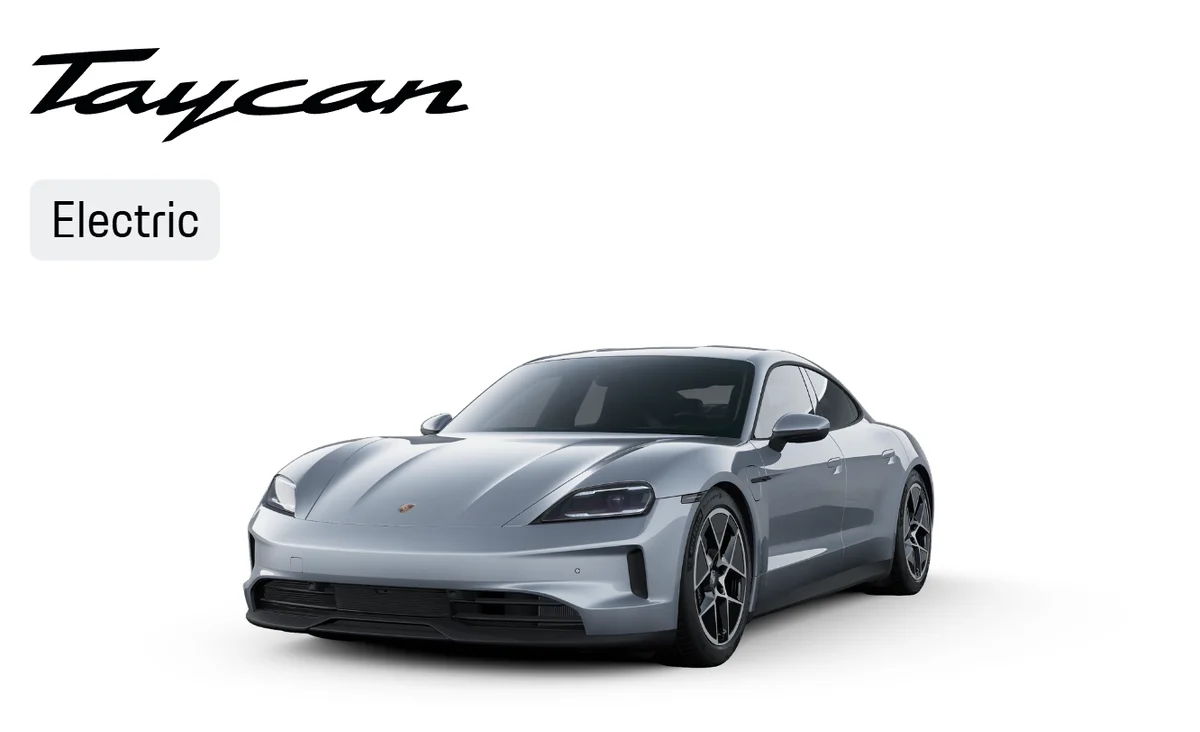
Peak kW is only half the story. What matters is how fast the car holds that peak, usually measured as 10 to 80% time. The 800-volt platforms dominate here. The 2026 Lucid Gravity Grand Touring accepts 400 kW. The 2026 Porsche Taycan 4S and 2026 Audi S e-tron GT are rated at 320 kW on 800V architectures. The 2026 Hyundai IONIQ 5 N and 2026 Kia EV9 GT-Line AWD share a 350 kW platform. A 400V car at a 195 kW peak, like the 2026 BMW iX xDrive60, adds real time to road trips, maybe 15 to 20 minutes per stop versus the fastest cars.
Network access got simpler in 2026. More than 25,000 Tesla Supercharger stalls in North America are now open to non-Tesla EVs including Ford, GM, Rivian, Hyundai, Kia, and Stellantis brands via native NACS ports or adapters (Cartelligent). If you road-trip through the middle of the country, that network is the one most likely to have a working stall when you need it.
Do you tow, haul, or go off-pavement?
If the honest answer is no, skip this section. Most electric SUVs will handle a bike rack and a trip to the home improvement store. If the answer is yes, towing changes the math more than any other single factor. Independent testing consistently shows EV trucks lose 40 to 60% of their rated range when towing, and more in cold or mountainous conditions (ChargeCostLab).
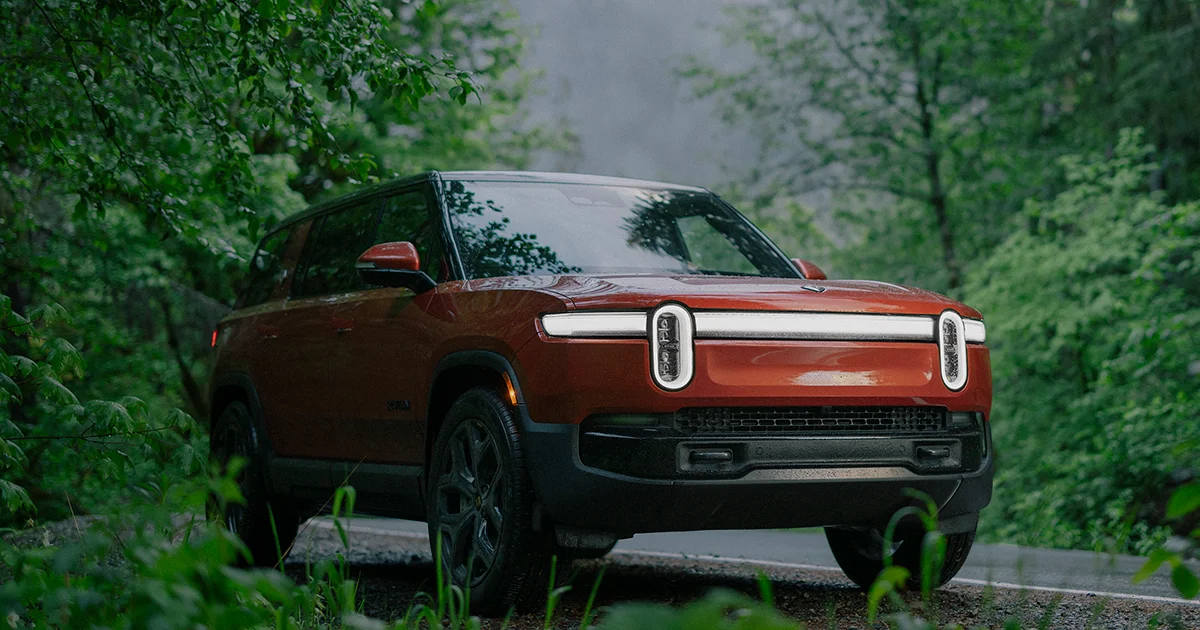
The 2026 Rivian R1T Dual Large is rated for 11,000 pounds and 329 EPA miles. ChargeCostLab's summary of a Car and Driver tow test shows a quad-motor R1T with a 6,100-pound trailer at 70 mph falling to 110 miles of highway range, roughly a 66% hit from its unladen highway figure (ChargeCostLab). The 2026 Chevrolet Silverado EV LT Extended Range has a 410-mile EPA rating and a 12,500-pound tow capacity on a 170 kWh battery, with one Torque News owner report describing roughly 150 to 170 miles of range pulling a travel trailer (Torque News). Neither is a cross-country tow rig the way a diesel one-ton is. Both are workable for 100-to-150-mile towing days with a DC fast charger at either end.
For families who need three rows plus the ability to pull a utility trailer or a small camper, the 2026 Rivian R1S Dual Large and the 2026 Lucid Gravity Grand Touring at 407 EPA miles are the serious options. The 2026 Kia EV9 GT-Line AWD is the price-conscious pick.
| Vehicle | EPA range | Manufacturer tow rating | Est. towing range (heavy load) |
|---|---|---|---|
| Rivian R1T Dual Large | 329 mi | 11,000 lb | ~110 to 180 mi |
| Chevrolet Silverado EV LT ER | 410 mi | 12,500 lb | ~150 to 220 mi |
| Rivian R1S Dual Large | 329 mi | 7,700 lb | ~160 to 200 mi |
| Lucid Gravity Grand Touring | 407 mi | 6,000 lb | ~200 to 240 mi |
How long will you keep the car?
This is the question most buyers skip, and it determines whether the right choice is to lease, to buy a new car, or to buy used. Two facts set up the decision.
First, batteries last. Recurrent's analysis of its connected-vehicle fleet finds that EV batteries lose roughly 2.3% of capacity per year on average, and vehicles past 100,000 miles typically retain the large majority of their original range (Recurrent). Federal rules require an 8-year or 100,000-mile battery warranty guaranteeing at least 70% capacity, and warranty replacements have been rare in practice. If you buy and plan to keep the car ten years, the battery is not the risk people fear.
Second, EVs depreciate hard. iSeeCars' five-year study puts average EV depreciation at 58.8%, versus 45.6% for the overall vehicle market (iSeeCars via Yahoo Autos). The federal $7,500 Section 30D new-EV tax credit and the $4,000 Section 25E used-EV credit ended for vehicles acquired after September 30, 2025 under the One Big Beautiful Bill Act, which has pushed used EV prices higher as buyers absorb the full sticker on new cars (Motor1).
The practical read: if you plan to keep the car three to four years, lease it. You pay only for the depreciation and avoid the resale pain. If you plan to keep it eight to ten years, buy and ignore the depreciation curve, because you will drive it through. If you want to save real money, buy a two- to three-year-old used EV where the previous owner ate the depreciation, and verify battery health with a Recurrent or OEM state-of-health report before you sign.
Which specs actually matter, and which are marketing?
Window stickers make it easy to compare the wrong numbers. These matter: EPA range (as a baseline, not a promise), 10-to-80% DC fast charge time in minutes, battery warranty terms, cargo volume behind the seats you use, seat count, tow rating if you tow, curb weight if your garage has a limit, and the shape of the charging curve. These do not matter for most buyers: 0-to-60 under four seconds, top speed above 130 mph, horsepower numbers above about 400, and the diagonal measurement of the center screen.
The 2026 Tesla Model S Plaid does 0 to 60 in 1.99 seconds. The 2026 BMW i4 M60 xDrive runs a 3.6-second sprint and offers 593 horsepower. Both are thrilling once, then they fade into the background of daily commuting while their shorter range (320 miles for the Plaid, 232 for the M60) costs real convenience every week. Buy performance only if performance is the reason you are buying.
The spec worth more attention than it gets is cargo and packaging. The 2026 Audi S e-tron GT lists 11 cubic feet of trunk space. The 2026 BMW i4 M60 xDrive lists 10. A single golf bag and a weekend bag will fill either. By contrast, the 2026 Tesla Model Y Long Range AWD offers 30 cubic feet and the 2026 BMW iX xDrive60 offers 35.5. Measure the suitcase, not the horsepower.
The short version
Work through the questions in order. If you have home charging and a normal commute, the 2026 Tesla Model Y Long Range AWD is the default-right answer at $48,990. If you drive long highway days, the 2026 Tesla Model S Long Range at $89,990 pairs 405 miles with Supercharger access, and the 2026 Lucid Air Grand Touring at $114,900 pairs 512 EPA miles with 300 kW DC charging. If you need three rows, look at the 2026 Lucid Gravity Grand Touring, the 2026 Rivian R1S Dual Large, or the 2026 Kia EV9 GT-Line AWD. If you tow weekly, the 2026 Rivian R1T Dual Large or 2026 Chevrolet Silverado EV LT Extended Range are the only serious choices today, and both will still lose roughly half their range at rated load. If you enjoy driving as the reason you are buying, the 2026 Hyundai IONIQ 5 N and the 2026 Porsche Taycan 4S sit at opposite price points and both earn their badges.
See Best Electric Cars of 2026Questions people ask
How do I decide which electric car is right for me?+
Answer four questions in order: how far you drive on a normal day and your longest annual trip, where you plug in overnight, whether you tow or haul, and how long you plan to keep the car. Those four decisions narrow the shopping list faster than any spec comparison, because they rule out the cars that do not fit your life regardless of how good they look on paper.
How much range do I actually need?+
The US average is about 37 miles a day per FHWA, so 250 EPA miles covers a full week of commuting between charges. For regular highway road trips, add margin for winter and highway speed: a 300-mile EPA car realistically delivers about 180 to 200 cold-weather highway miles. If you drive 300-plus mile days in winter, aim for 400 EPA miles or more.
Can I own an EV without home charging?+
Yes, but it is a different experience. Without a home plug, you will do most charging at DC fast chargers, which makes peak charging speed, the shape of the charging curve, and network access (especially Supercharger compatibility) much more important. Cars on 800V architecture, like the Porsche Taycan or Lucid models, cut stop times meaningfully.
Is the $7,500 federal EV tax credit still available in 2026?+
No. The $7,500 new-EV credit (Section 30D) and the $4,000 used-EV credit (Section 25E) ended for vehicles acquired after September 30, 2025, under the One Big Beautiful Bill Act. The separate 30C home-charger credit (30% of install cost up to $1,000) also ended, for equipment placed in service after June 30, 2026.
How long will an EV battery last?+
Recurrent reports an average 2.3% capacity loss per year across its connected-vehicle fleet, with most cars retaining the large majority of range at 100,000 miles, and warranty replacements have been rare. Federal rules require manufacturers to warranty the battery for 8 years or 100,000 miles at 70% capacity.
How much range do EVs lose in winter?+
AAA's April 2026 dynamometer study found an average 39% range loss at 20°F versus a 72°F baseline across three 2025 EVs (Equinox EV, Mustang Mach-E, Model Y). Most of the loss came from running the cabin heater, not the battery chemistry itself. Preconditioning the car while plugged in before you leave recovers a meaningful fraction of that.
Do EVs hold their value?+
On average, no. iSeeCars' five-year data shows EVs losing about 58.8% of value versus 45.6% for the overall market. That has started to shift as used EV prices climbed in 2026 after the federal tax credit ended. Leasing a new EV or buying a two- to three-year-old used one are the two ways to avoid the worst of the depreciation curve.
How much does it cost to install a home charger?+
Most US homeowners pay $1,000 to $3,000 all in for a Level 2 (240V) charger, which breaks down to roughly $300 to $700 for the unit and $750 to $2,500 for installation. Costs climb if the electrical panel needs upgrading. The federal 30C credit that offset 30% of install cost up to $1,000 ended June 30, 2026, so new installs today do not qualify.
Sources
What this guide is based on. We research from published specifications, independent reviews and owner reports; we did not test these products ourselves.
- 1.Our Nation's Highways 2026, Federal Highway Administration
- 2.2024 US Electric Vehicle Experience Home Charging Study, JD Power
- 3.2025 EV Driver Annual Survey Report, Plug-in America
- 4.Temperature Effects on Electric and Hybrid Vehicle Efficiency (April 2026), AAA
- 5.These EVs Far Outperform Their EPA Range On The Highway, InsideEVs
- 6.EV Truck Towing Range & Cost-Per-Mile Penalty 2026, ChargeCostLab
- 7.Chevy Silverado EV LT Extended Range Owner Towing Report, Torque News
- 8.What are the misunderstandings about EV battery degradation?, Recurrent Auto
- 9.EVs Lose Value Nearly 30% Faster Than Gas Cars, Study Finds, Yahoo Autos / iSeeCars
- 10.US EV Federal Tax Credit 2026 Final IRS Rules, iEVChina
- 11.Lucid Air Grand Touring keeps the 500-mile promise in real-life range test, ArenaEV
- 12.Tesla's Supercharger Network: Opening access to All EVs, Cartelligent
- 13.How Much Does It Cost to Install an EV Charger at Home? 2026, HomeGuide
- 14.Used EV Prices Were Plummeting. Now They're More Expensive Than Gas Cars, Motor1
Products mentioned
 2026 Audi S e-tron GT
 2026 BMW iX xDrive60
 2026 Chevrolet Silverado EV LT Extended Range
 2026 Hyundai IONIQ 5 N
 2026 Kia EV9 GT-Line AWD
 2026 Lucid Air Grand Touring
 2026 Lucid Gravity Grand Touring
 2026 Porsche Taycan 4S
 2026 Rivian R1S Dual Large2026 Rivian R1T Dual Large2026 Tesla Model S Long Range
 2026 Tesla Model Y Long Range AWD
More on electric cars
Explainer
How Much Range Do You Lose Towing With an Electric Vehicle?
What real tow tests on Rivian, Chevrolet Silverado EV, Ford F-150 Lightning and Tesla show about range loss, and how to plan a towing trip on a battery.
Explainer
Can You Own an Electric Car Without Home Charging?
A straight look at EV ownership without a driveway or garage: who makes it work in 2026, what it costs, and when to skip electric entirely.
Explainer
Does DC Fast Charging Damage Your EV Battery?
What large fleet studies say about DC fast charging and long-term EV battery health, when the 80 percent rule matters, and the habits that actually move the needle.
Explainer
EV Charging Levels Explained: Level 1, Level 2, and DC Fast Charging
Level 1, Level 2, and DC fast charging all deliver different speeds, and your car's acceptance rate caps how fast each one goes. Here is what each level actually adds per hour, what your car's spec sheet controls, and how to pick a home and road setup.
Explainer
EPA Range vs. Real-World Range: What You Will Actually Get
EPA ratings are measured at 75 degrees with mild driving. Highway speed, cold weather, and towing can each cut real EV range 20 to 60 percent. Here is how to estimate yours.