Explainer
EV Charging Levels Explained: Level 1, Level 2, and DC Fast Charging
Level 1, Level 2, and DC fast charging all deliver different speeds, and your car's acceptance rate caps how fast each one goes. Here is what each level actually adds per hour, what your car's spec sheet controls, and how to pick a home and road setup.
Updated November 11, 2026 · Based on 16 sources · How we research
If you have never owned an EV, charging reads like three different standards, but it is really one scale set to three speeds. Level 1 is a 120V wall outlet, Level 2 is a 240V circuit, and DC fast charging is a dedicated public station that feeds direct current straight into the battery. The common mistake is reading the charger's rated kilowatts and assuming the car will use them. The ceiling is set by whichever is lower: the charger's output or the car's acceptance rate. A 350 kW station pushing into a car rated for 150 kW still delivers 150 kW. This guide covers what each level adds per hour, the specs on your car that actually matter, and what to install at home.
What Level 1, Level 2, and DC fast charging actually deliver
Level 1 uses a standard 120V household outlet and the cord that ships with most EVs. The U.S. Department of Transportation puts the rate at around 1.4 to 1.9 kW, which adds 3 to 5 miles of range per hour (transportation.gov). That math is brutal on a long-range battery: a 2026 Lucid Air Grand Touring with a 117 kWh pack would need more than three days to go from empty to 80% on Level 1. It is enough for a short daily commute if you plug in every night, and not much else.
Level 2 runs on the same 240V service your clothes dryer uses. Home units usually land between 7.2 kW and 11.5 kW, which adds roughly 25 to 40 miles of range per hour (Qmerit). Commercial Level 2 pedestals reach 19.2 kW but a passenger EV almost never accepts that much. In an overnight window, a Level 2 unit refills whatever a normal day of driving used, on almost any EV sold today.
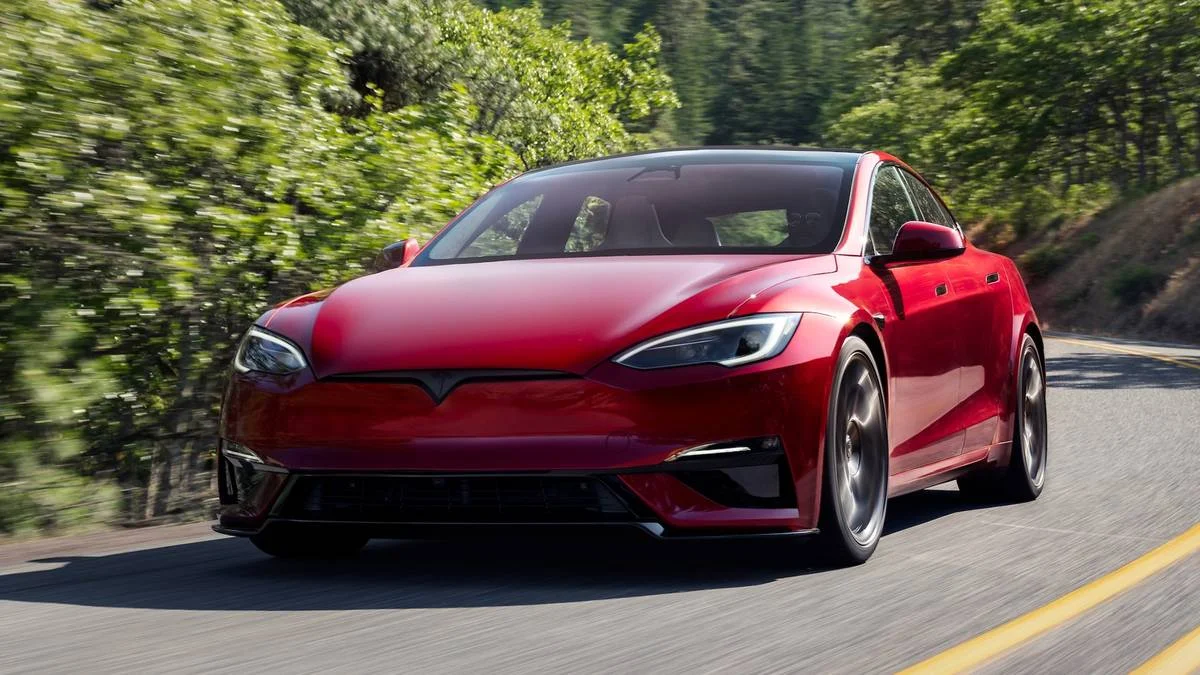
DC fast charging skips the car's onboard converter and pushes direct current directly into the battery. Public DC units span 50 kW to 350 kW. On a station that matches the car, a battery goes from 10% to 80% in 18 to 30 minutes. Hyundai quotes 18 minutes for the IONIQ 5 on a 350 kW station (Hyundai); a Tesla Model S on a 250 kW V3 Supercharger lands closer to 27 to 29 minutes in InsideEVs testing of the Plaid variant (InsideEVs).
| Level | Voltage | Typical power | Miles added per hour | Typical use |
|---|---|---|---|---|
| Level 1 | 120V AC | 1.4 to 1.9 kW | 3 to 5 | Overnight for short commutes |
| Level 2 | 240V AC | 7.2 to 11.5 kW home; up to 19.2 kW commercial | 25 to 40 | Home, workplace, destination |
| DC fast | 400 to 1,000V DC | 50 to 350 kW | 150 to 1,000+ | Highway road trips |
Your car, not the charger, usually sets the ceiling
Every EV carries two separate charging limits. On AC (Level 1 and Level 2) the limit is the onboard charger, a converter inside the car that turns grid AC into the DC the battery needs. Most passenger EVs cap AC intake between 7.2 kW and 11.5 kW. A few long-range luxury cars go higher. Buying a bigger home station changes nothing beyond that number because the onboard charger is a hard ceiling (EV Charge Time Calculator).
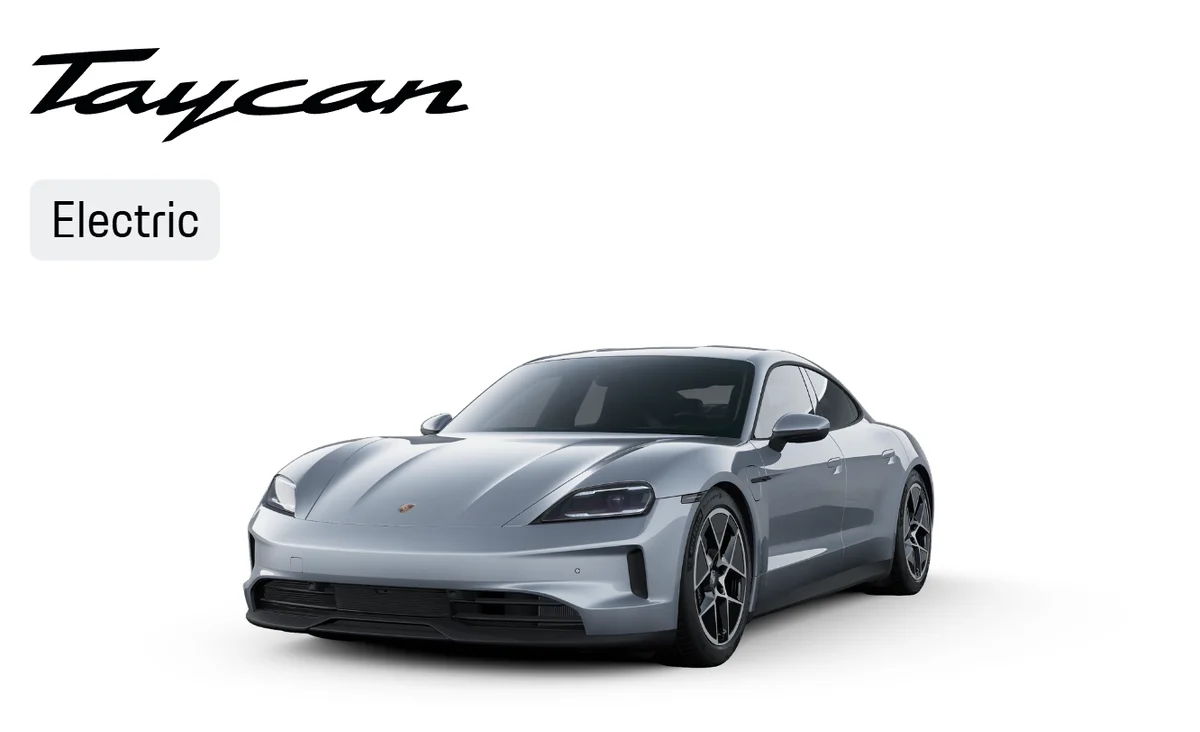
On DC fast charging the limit is the battery pack and the car's high-voltage architecture. The industry has split between 400V platforms and 800V platforms (Lucid runs 924V, per Wikipedia). An 800V car moves the same power at half the current, which keeps heat down and allows higher sustained rates. The 2026 Porsche Taycan 4S peaks at 320 kW and holds above 300 kW for up to five minutes before tapering (Porsche Newsroom). The 2026 Lucid Air Grand Touring hit 319 kW in an InsideEVs test and added about 200 miles of highway range in 11 minutes (InsideEVs).
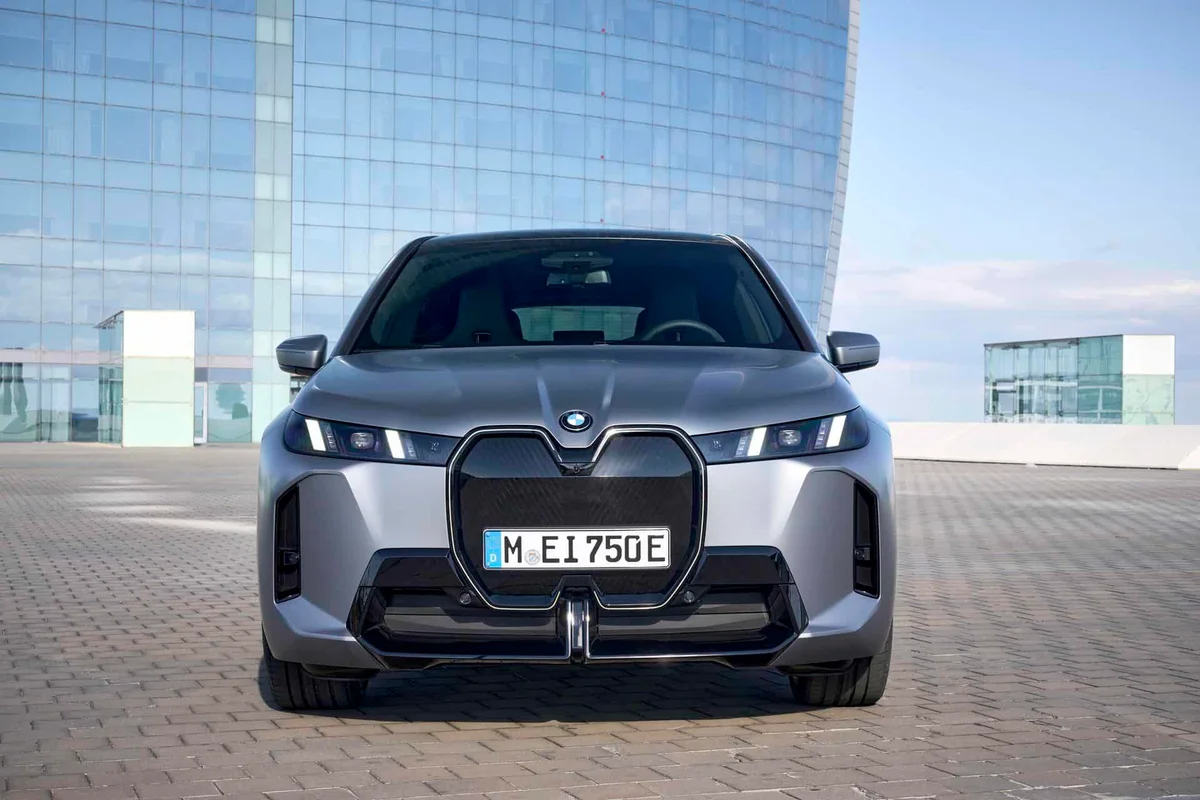
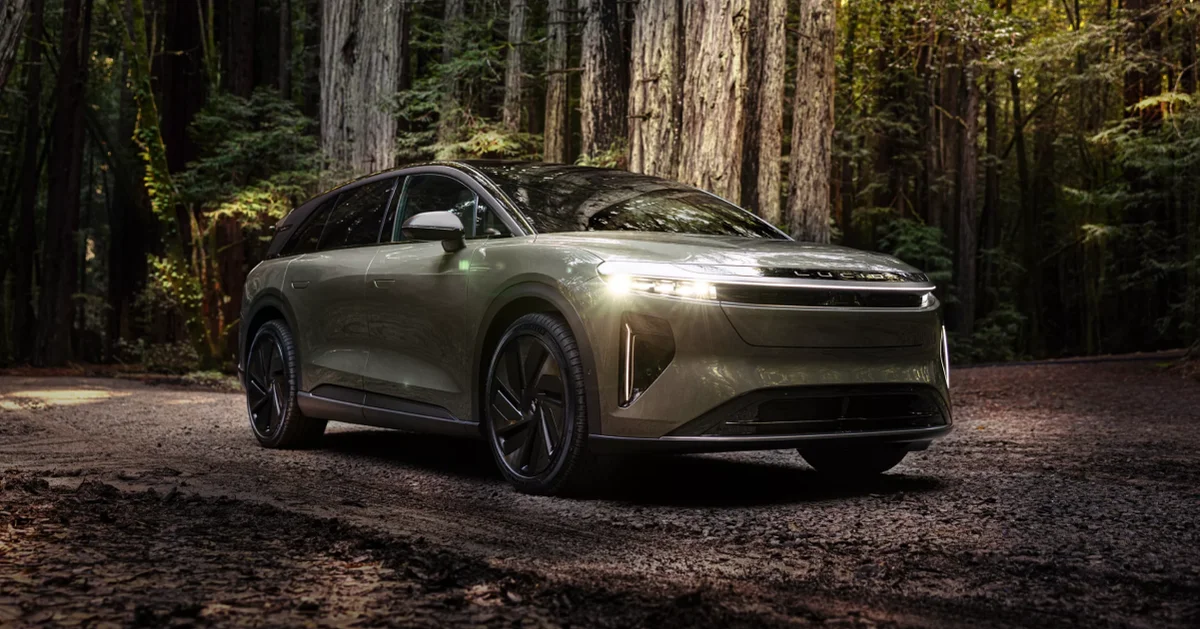
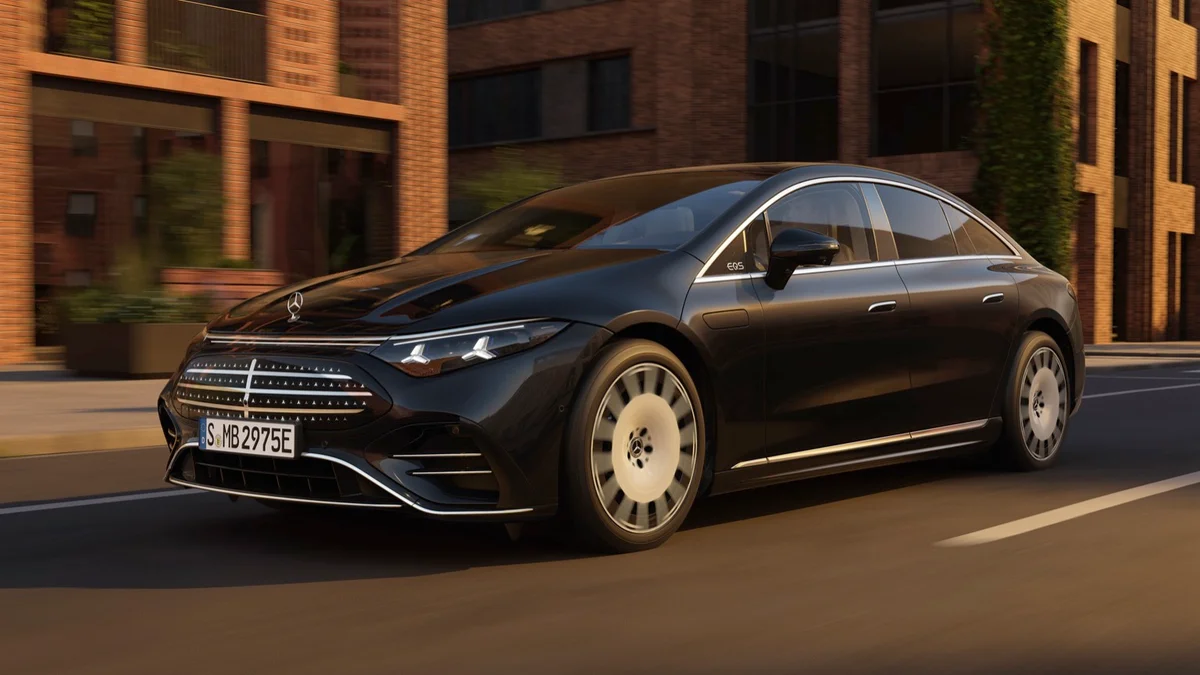
Among our ranked EVs, DC peak rates vary widely for cars at similar prices. The 2026 Lucid Gravity Grand Touring accepts 400 kW. The 2026 Hyundai IONIQ 5 N and 2026 Kia EV9 GT-Line AWD both sit at 350 kW on the same E-GMP 800V platform. The 2026 BMW iX xDrive60 caps at 195 kW and the 2026 Mercedes-Benz EQS 450+ at 200 kW, despite costing more than cars that charge nearly twice as fast. On a 350 kW station, the slower cars simply ignore the extra capacity.
kW versus kWh: why battery size and charging speed are different problems
kWh and kW describe different things. kWh is how much energy your battery holds (the tank). kW is how fast energy moves (the hose). Range is the tank's size divided by how much the car uses per mile. A 100 kWh 2026 Tesla Model S Long Range travels 405 EPA miles; the same 100 kWh in the heavier, less efficient Model S Plaid goes 320. Same tank, different thirst.
Charging time depends on kWh added divided by kW sustained, not peak kW. A 100 kWh battery charging at an average of 150 kW adds roughly 70 kWh in 28 minutes, taking it from 10% to 80%. On a Model S Plaid at 250 kW peak, InsideEVs measured an average of 130 kW across the 20% to 80% window because the curve tapers hard above 50% state of charge (InsideEVs). Peak kW makes for marketing. Average kW across the useful band is what fills a battery.
Do you need to install a home charger?
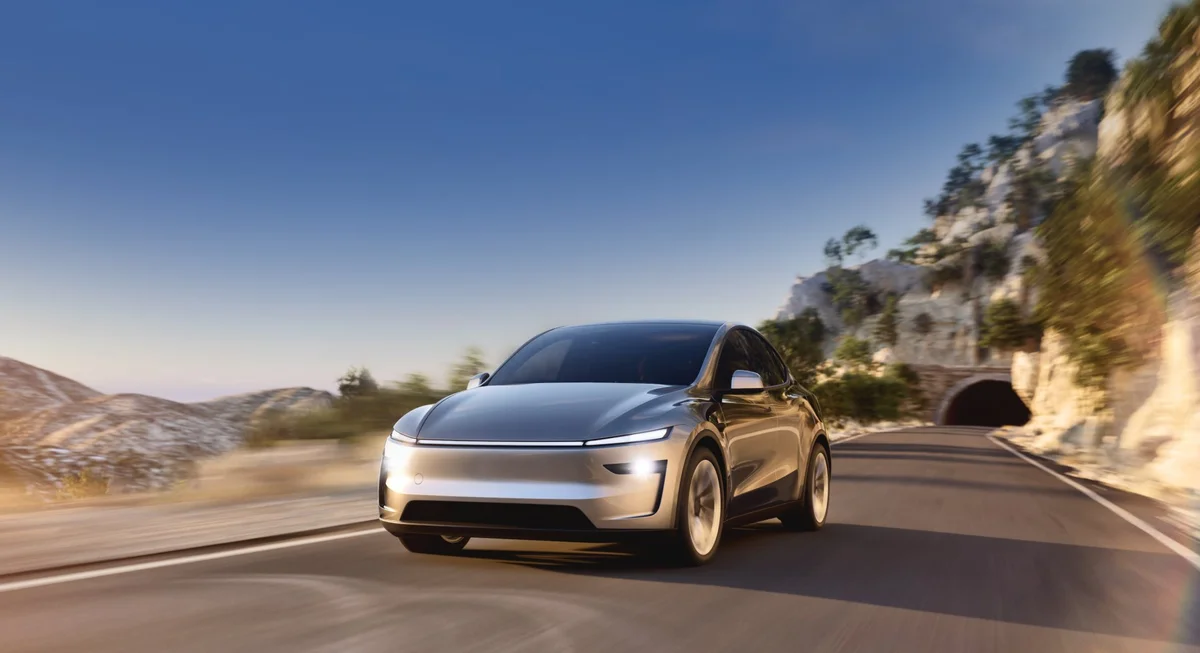
For most owners, yes, though not always a wall-mounted Level 2 unit. If you drive less than 30 miles on a typical day and can plug in every night, Level 1 from a 120V outlet is enough. A 2026 Tesla Model Y Long Range AWD at 4 miles added per hour would recover 48 miles overnight, more than the national average commute.
If your daily driving regularly tops 40 miles, or you own a long-range vehicle you want ready every morning, Level 2 is the practical answer. A plug-in Level 2 charger with a NEMA 14-50 outlet typically costs $400 to $1,000 installed; a hardwired install runs $800 to $2,700 with the unit (EV Digest, Simple Switch). Long wire runs or panel upgrades can push totals to $3,500 to $6,500. The federal EV charger tax credit (30%, up to $1,000) expired for property placed in service after June 30, 2026, so recent buyers get no help there.
Match the charger's amperage to the car. A 48-amp Level 2 unit delivering 11.5 kW is wasted on a car that only accepts 7.2 kW, but it costs little more to install and future-proofs for the next vehicle. The limiter sits in the car's onboard charger, not the wire (Battery Tender).
Will any public fast charger work with your car?
Mostly, with the right plug or an adapter. North America has standardized on NACS, Tesla's connector, starting with model year 2025 for Ford, GM, and Rivian, and model year 2026 for Hyundai, Kia, and most others. A NACS car plugs directly into Tesla Superchargers, which account for more than 40,000 stalls in the United States alone, as well as new public NACS pedestals (EV Charging Stations, Tesla).
Older CCS1 cars still charge almost everywhere. On non-Tesla CCS stations they plug in natively. To use a Supercharger, they need a CCS-to-NACS adapter: GM sells one for about $225, Ford for roughly $200 (iEVChina). CHAdeMO, the old Nissan Leaf connector, has been abandoned on new fast-charge hardware and is not supported at Superchargers at all.
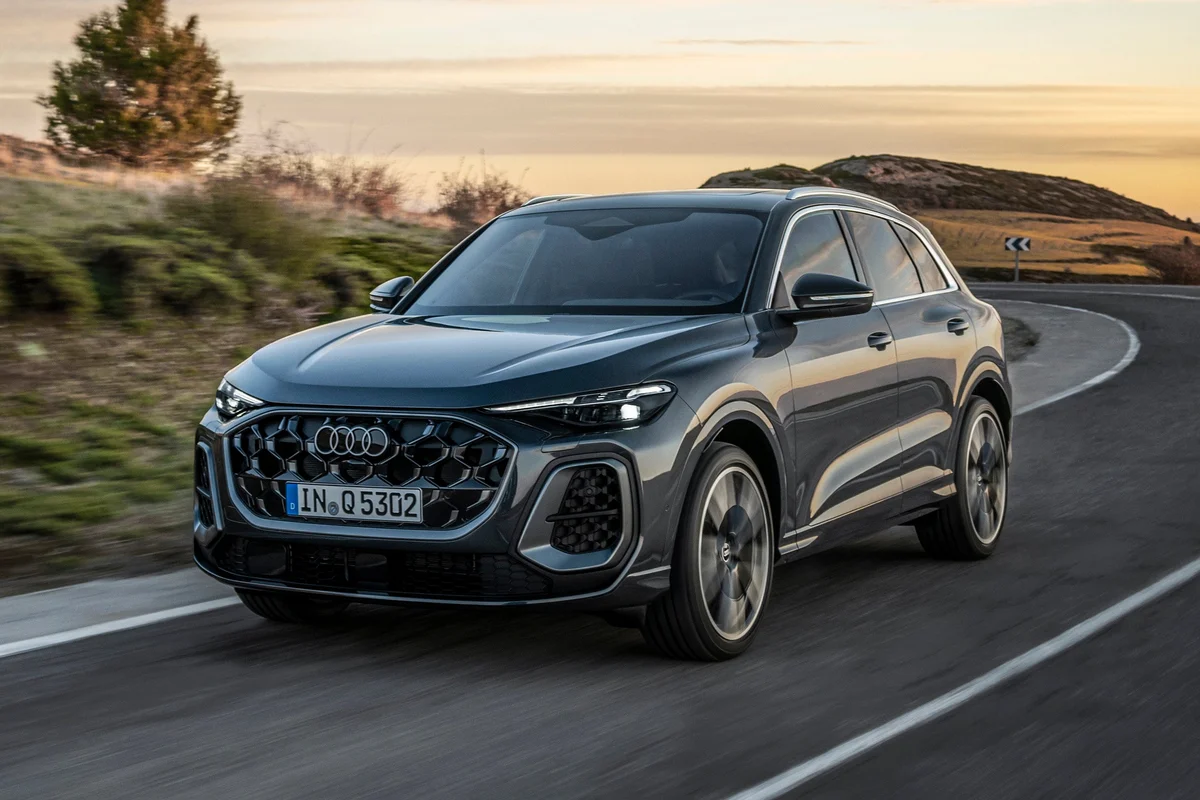
Among our top ranked cars, the 2026 Tesla Model S Long Range, 2026 Tesla Model Y Long Range AWD, and 2026 Tesla Model S Plaid ship with NACS and get Supercharger access out of the box. Non-Tesla CCS models like the 2026 Porsche Taycan 4S and 2026 Audi S e-tron GT need an adapter for Superchargers but charge fastest on 800V-capable CCS hardware from Electrify America and EVgo.
Home charging covers most days; DC fast covers road trips
A home Level 2 on a long-range EV adds something like 70 to 100 miles across an overnight window. An hour at the same station adds 25 to 40 miles. On a 150 kW DC station, the same car adds 100 to 150 miles in 15 minutes. A 350 kW station on a well-matched 800V car adds roughly 200 miles in 10 to 12 minutes, which matches the InsideEVs result on the Lucid Air.
The gap looks lopsided but matches real use. Americans drive about 38 miles a day on average per FHWA data, and a full overnight Level 2 cycle handles that with margin (FHWA). DC fast charging exists for the 300-mile day when you need to top up in the time it takes to get coffee. A 350 kW peak only matters if you actually drive road trips; for a commuter, a 2026 Tesla Model Y at 250 kW and a 2026 Lucid Air at 300 kW both finish a Level 2 session overnight in the same window.
Cold weather shifts the DC picture more than it shifts the AC picture. A cold battery accepts fast charging 30% to 60% slower than a warm one. Preconditioning (navigating to the station so the car warms the pack in advance) reclaims most of that penalty (Cars.com). Level 1 and Level 2 are far less sensitive to temperature, which is one reason home charging is the backbone of EV ownership in cold climates.
Match the setup to how you actually drive
Three patterns cover most buyers. If your daily miles are low, you have a 120V outlet in the garage, and you live near a public DC station for occasional road trips, Level 1 at home is enough. Any EV on our list fits that pattern, from the 2026 Tesla Model Y Long Range AWD up to the 2026 Lucid Air Grand Touring.
If you drive more than 40 miles a day, or share one vehicle across a two-driver household, install Level 2. A 40-amp or 48-amp hardwired unit on a dedicated 50-amp or 60-amp circuit covers every current EV. Pick a station certified by Energy Star and cross-reference the car's AC acceptance rate before paying for 19.2 kW capability the car cannot use.
If you road trip regularly, the car's DC peak and battery architecture matter more than any home choice. An 800V car, like the Taycan 4S, Audi S e-tron GT, IONIQ 5 N, or EV9 GT-Line AWD, cuts road-trip stops below 20 minutes on 350 kW hardware. For a direct rate-by-rate comparison see our best electric cars of 2026 ranking.
The short version
The decision is less about Level 1, Level 2, and DC fast charging as categories and more about three questions. How many miles do you drive on a normal day? Can you plug in overnight? How often do you take trips longer than the car's range? A short-commute driver with a 120V outlet already has what they need. A longer-commute or multi-car household should install a Level 2. Road-trippers should pay attention to the car's DC peak and whether it runs 400V or 800V architecture. The level labels describe the hardware; the real speed is whichever is lower, the station or the car.
See Best Electric Cars of 2026Questions people ask
How many miles does Level 1 charging add overnight?+
Roughly 30 to 50 miles across an 8 to 10 hour window. A 120V outlet delivers 1.4 to 1.9 kW, enough for most daily commutes but not enough to recover from a long drive before the next morning.
How much faster is Level 2 than Level 1?+
About 6 to 10 times faster. Level 1 adds 3 to 5 miles per hour; Level 2 at 7.2 kW to 11.5 kW adds 25 to 40 miles per hour. The difference matters once you drive more than 40 miles a day.
What is the fastest-charging EV in your rankings?+
The 2026 Lucid Gravity Grand Touring tops out at 400 kW. The 2026 Lucid Air Grand Touring, rated at 300 kW, was measured at 319 kW by InsideEVs. The 2026 Porsche Taycan 4S peaks at 320 kW; the IONIQ 5 N and Kia EV9 GT-Line AWD peak at 350 kW.
Does a 350 kW charger charge my EV faster than a 150 kW charger?+
Only if the car accepts more than 150 kW. The lower number wins. A BMW iX capped at 195 kW gains little from a 350 kW station; a Lucid Air or Porsche Taycan uses most of it.
Is it better to plug in and charge every night?+
Yes for convenience, and most manufacturers recommend keeping state of charge between about 20% and 80% for daily use on lithium-ion packs. Plugging in overnight and setting the car's charge limit to 80% is standard practice.
What is the difference between kW and kWh on an EV?+
kWh is energy stored, like gallons in a tank. kW is power moving, like gallons per minute. A 100 kWh battery charging at an average of 100 kW takes roughly an hour to fill, ignoring taper. Peak kW sells cars; average kW across the charging window determines actual time.
Do I need a wall-mounted Level 2 charger, or will a NEMA 14-50 outlet work?+
Either works. A portable charger plugged into a NEMA 14-50 outlet installs for $400 to $1,000 and delivers up to 9.6 kW at 40 amps. Hardwired wall units are neater, support up to 48 amps (11.5 kW), and cost $800 to $2,700 installed.
Can a non-Tesla EV use a Supercharger?+
If the car ships with NACS (most 2025 Ford, GM, Rivian; most 2026 Hyundai, Kia, and others), it plugs in natively. Older CCS1 cars need a manufacturer-sanctioned NACS adapter, roughly $200 to $225. CHAdeMO cars cannot use Superchargers.
Sources
What this guide is based on. We research from published specifications, independent reviews and owner reports; we did not test these products ourselves.
- 1.Charger Types and Speeds, U.S. Department of Transportation
- 2.Charge Smarter: Understanding Electric Vehicle Amperage and EV Charger Amperage, Qmerit
- 3.IONIQ 5 Performance and Charging, Hyundai
- 4.Tesla Model S Plaid Fast Charging Results Amaze: Analysis, InsideEVs
- 5.Watch The Lucid Air Grand Touring Add 200 Miles Of Range In 11 Minutes, InsideEVs
- 6.Range and Charging, Porsche Newsroom
- 7.EV Onboard Chargers: AC Charging Limits Explained, EV Charge Time Calculator
- 8.Level 2 Charger Amps: How to Choose 16A, 32A, 40A, or 48A (2026), Battery Tender
- 9.Level 2 EV Charger Installation Cost 2026 (Real Numbers), EV Digest
- 10.What Is The Cost Of Level 2 EV Charger Installation In 2026?, Simple Switch
- 11.NACS Adapter Guide 2026: Ford, GM, Hyundai, Rivian Supercharger, iEVChina
- 12.Supercharging Other EVs, Tesla
- 13.US Tesla Supercharging Network Exceeded 40,000 Stalls, EV Charging Stations
- 14.When Should I Precondition an EV?, Cars.com
- 15.Our Nation's Highways: Drivers, U.S. Federal Highway Administration
- 16.Lucid Air, Wikipedia
Products mentioned
 2026 Audi S e-tron GT
 2026 BMW iX xDrive60
 2026 Hyundai IONIQ 5 N
 2026 Kia EV9 GT-Line AWD
 2026 Lucid Air Grand Touring
 2026 Lucid Gravity Grand Touring
 2026 Mercedes-Benz EQS 450+
 2026 Porsche Taycan 4S
 2026 Rivian R1T Dual Large2026 Tesla Model S Long Range
 2026 Tesla Model S Plaid
 2026 Tesla Model Y Long Range AWD
More on electric cars
Explainer
How Much Range Do You Lose Towing With an Electric Vehicle?
What real tow tests on Rivian, Chevrolet Silverado EV, Ford F-150 Lightning and Tesla show about range loss, and how to plan a towing trip on a battery.
Explainer
Can You Own an Electric Car Without Home Charging?
A straight look at EV ownership without a driveway or garage: who makes it work in 2026, what it costs, and when to skip electric entirely.
Explainer
Does DC Fast Charging Damage Your EV Battery?
What large fleet studies say about DC fast charging and long-term EV battery health, when the 80 percent rule matters, and the habits that actually move the needle.
Explainer
EPA Range vs. Real-World Range: What You Will Actually Get
EPA ratings are measured at 75 degrees with mild driving. Highway speed, cold weather, and towing can each cut real EV range 20 to 60 percent. Here is how to estimate yours.
Buying guide
How to Choose an Electric Car: A Decision Framework for 2026
Four questions about your own driving decide which EV is right. Range, charging, towing, and ownership length, with real numbers and which specs are marketing.