Buying guide
How to Choose a Pickup Truck: Five Decisions in Order
Start from the heaviest thing you will ever tow or haul, then work through payload, cab, drivetrain, powertrain, and price. Each step eliminates trucks before you reach a dealer.
Updated November 11, 2026 · Based on 18 sources · How we research
Most pickup truck shopping starts with a brand badge or a trim level and ends with an expensive truck that cannot do the one job it was bought for. The better entry point is dull but decisive: picture the heaviest trailer you will ever pull and the heaviest load you will ever drop in the bed, then work backward through five decisions in order. Payload need, cab and bed configuration, drivetrain, powertrain, and price ceiling. Each one quietly removes trucks from the lot before you sign anything. The most expensive mistake buyers make is reading the big towing number on the window sticker, loading three passengers and a tongue weight into the bed, and unknowingly exceeding the truck's gross vehicle weight rating before they ever hook the trailer up.
Start with the heaviest load you will tow or haul, not the badge
Write down two numbers before you look at any truck. The weight of the heaviest trailer you plan to pull, loaded, and the weight of the heaviest load you plan to put in the bed and cab, passengers included. If you tow a 7,500 pound travel trailer twice a year and carry two people plus a cooler the rest of the time, you are not shopping for the same truck as a landscaper who hauls 1,800 pounds of mulch five days a week. The ranked Best Pickup Trucks of 2026 spans from the 2,000 pound tow rating of the 2026 Ford Maverick XLT AWD up to the 13,300 pound capacity of the 2025 Chevrolet Silverado 1500 High Country diesel, and the right pick depends almost entirely on where your two numbers fall on that line.
Add a 10 to 15 percent margin to both numbers. Trailers get heavier when you load them, people add weight, hitches and bed mats and toolboxes all eat capacity. Weigh Safe notes that the recommended tongue weight for safe towing is 10 to 15 percent of the loaded trailer, and that tongue weight comes out of your truck's payload, not its tow rating. A 7,000 pound travel trailer at 12 percent tongue weight drops 840 pounds onto your rear axle before you buckle your seatbelt. If you forget that step, the badge on the fender will not save you.
Payload is the number that fails first, not towing capacity
Payload is what the truck carries on itself: passengers, cargo in the bed and cab, fuel, bed accessories, and the tongue weight of any trailer. Towing capacity is what the truck can pull behind it on a trailer, with most of that weight riding on the trailer's own axles. Firestone Complete Auto Care puts it plainly: payload is held in the truck, towing is pulled behind it, and towing numbers are usually far higher because the trailer axles do most of the work.
The number that fails first is almost always payload. A 2026 Ford F-150 Platinum SuperCrew is rated for 13,100 pounds of towing but only 1,964 pounds of payload. Four 200 pound adults, 150 pounds of gear, and the 12 percent tongue weight from a 7,000 pound trailer puts you at 1,790 pounds, leaving 174 pounds of headroom before you break the gross vehicle weight rating. Pacbrake is explicit that you can sit under the towing number and still be over GVWR, and that is the illegal and unsafe combination. Always read the yellow sticker inside the driver's door jamb, which lists the specific truck's payload. The brochure number is the best case, not yours.
Gross combined weight rating is the ceiling for truck plus trailer together. Exceeding GCWR cooks transmissions, overheats brakes, and voids warranty claims. If you are routinely at the edge of a half-ton's numbers, you probably want a heavier truck, not a stronger trailer brake controller.
Compact, midsize, or full-size: match the truck to how often you use it heavy
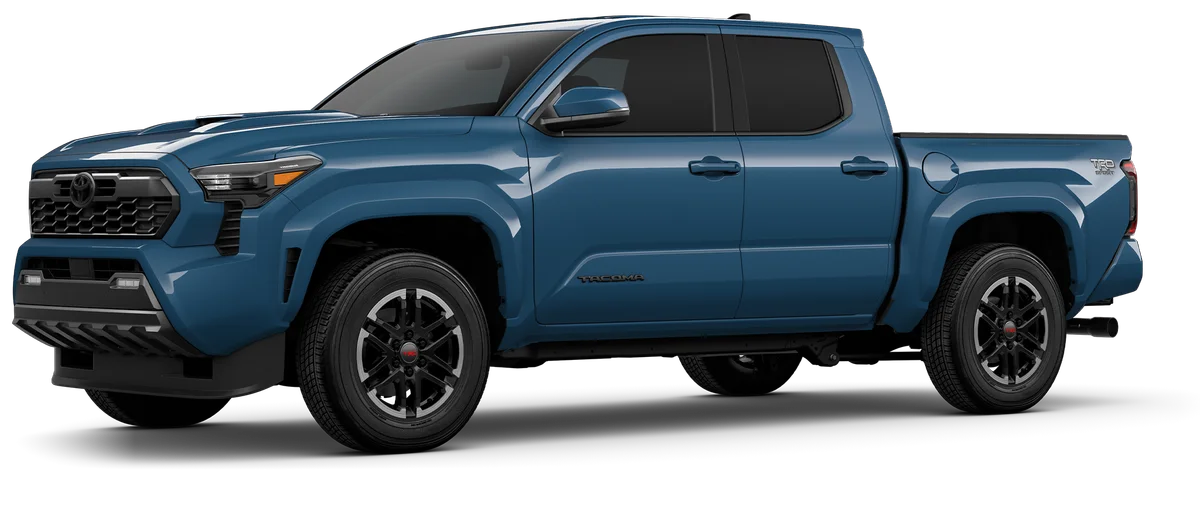
Three size tiers cover almost every buyer. Compact pickups like the 2026 Ford Maverick XLT AWD are closer to a crossover in footprint and tow 2,000 to 4,000 pounds. Midsize trucks such as the 2025 Toyota Tacoma TRD Off-Road and 2025 Chevrolet Colorado Z71 stretch to roughly 6,400 to 7,700 pounds of towing and are easier to park. Full-size half tons like the F-150, Ram 1500, Silverado 1500, Tundra, and Sierra 1500 start where midsize ends and run up to 13,300 pounds in the right configuration.
The honest test is frequency, not peak capability. A Torque News profile of a longtime F-150 owner quotes owner Mike Hewlett saying the Maverick Hybrid covered 90 percent of his full-size duty cycles while returning 41 mpg in his driving. Cars.com lists the 2026 Maverick AWD Hybrid at 40 mpg city and the FWD Hybrid at 42, against roughly 15 to 18 mpg city for mainstream gas half tons. If you only cross into heavy-duty territory twice a year, you are paying for permanent capability and a permanent fuel economy penalty for two weekends. SlashGear summarizes the trade cleanly: full-size for frequent heavy towing and payload, midsize for daily driving with occasional gear.
Half ton, three quarter ton, and one ton are informal labels tied to GVWR class. J.D. Power explains half tons are Class 2a (6,001 to 8,500 pound GVWR), three quarter tons are Class 2b (8,501 to 10,000), and one tons sit in Class 3 (10,001 to 14,000). Modern half tons carry far more than the old half-ton label suggests, but once your trailer crosses roughly 12,000 pounds loaded, especially if it is a fifth wheel, the three quarter ton conversation starts.
| Size class | Typical towing | Typical payload | Example from our ranking |
|---|---|---|---|
| Compact | 2,000 to 4,000 lb | 1,500 lb | 2026 Ford Maverick XLT AWD |
| Midsize | 6,400 to 7,700 lb | 1,500 to 1,600 lb | 2025 Toyota Tacoma TRD Off-Road |
| Full-size half ton | 8,200 to 13,300 lb | 1,337 to 2,080 lb | 2026 Chevrolet Silverado 1500 LTZ |
| Heavy duty (3/4, 1 ton) | 12,000 to 36,000+ lb | 3,000 to 7,000+ lb | Not in this ranking |
Crew cab or regular cab, and how long a bed do you actually need
Cab and bed are a seesaw. On almost every full-size platform, the frame length is close to fixed, so a longer cab means a shorter bed. Capital One points out that similarly equipped F-150 crew cabs run about 2,500 dollars more than their extended cab equivalents and generally come with a shorter bed. Across our ranked trucks, crew cab half tons cluster at 5.5 to 5.8 foot beds. The 2026 Ford F-150 XLT SuperCrew is the exception at 6.5 feet, with an overall length of 243.8 inches, long enough that it needs a bigger parking spot.
The practical bed test is the 4x8 sheet. Measure Centre and Armorthane both confirm that a 5.5 foot bed is roughly 67 inches of floor, too short for a 4x8 sheet of plywood to lie flat even with the tailgate closed. A 6.5 foot bed handles the sheet with the tailgate down and a strap. An 8 foot bed carries it flat with the gate shut. If plywood, lumber, or 2x4s show up in your life more than a few times a year, bias toward the longer bed and accept the shorter back seat.
Crew cab seats five adults in real comfort and fits rear-facing child seats without front-seat passengers moving their knees. Regular cab is almost extinct on half tons and is really a work-truck configuration today: maximum bed length, two seats, lower price. Extended cabs, with small rear doors, survive on midsize trucks like the Tacoma and are a useful middle ground for a dog, a toolbox, or occasional back-seat passengers. Carbuzz summarizes the trade: the crew cab trades bed length for people space, and most buyers now choose the people space.
4WD earns its price only on specific terrain, not everywhere
The 4WD premium is roughly 3,000 to 4,000 dollars on most half tons and comes with a payload penalty because the transfer case and front axle add weight. Aldan American notes that 2WD trucks, being lighter, typically offer slightly better payload and tow ratings. If you live in a flat, dry climate and never leave pavement, 2WD does the job and returns slightly better fuel economy.
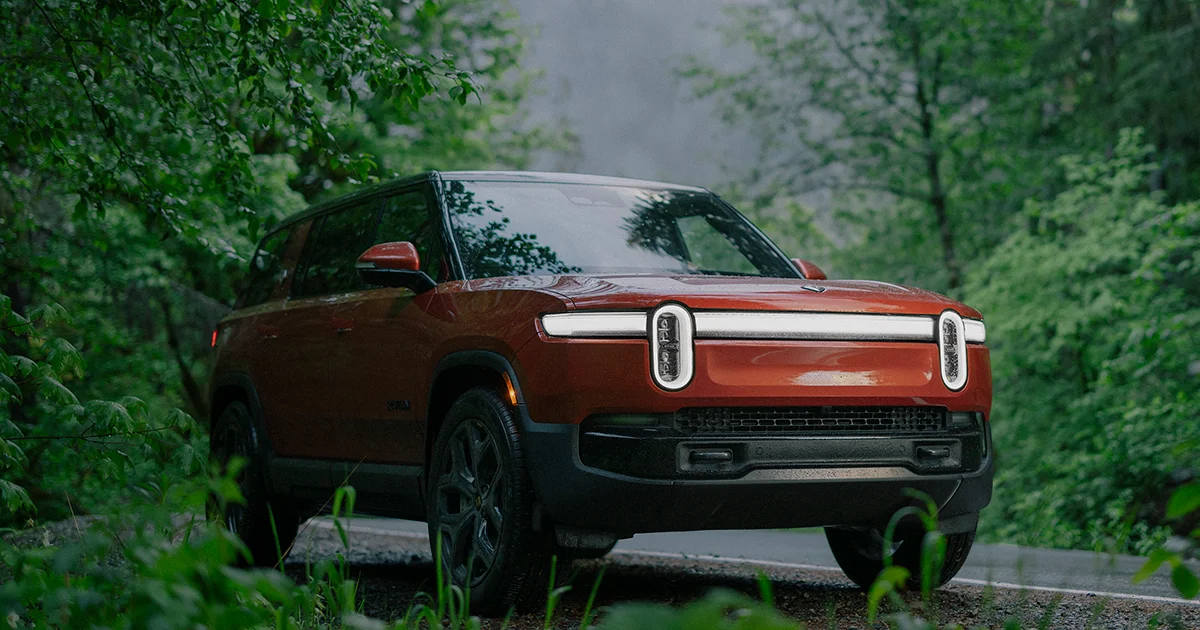
The case for 4WD is specific: snow belts, mountain passes, unpaved job sites, launching boats from wet ramps, towing on grass or gravel. If any of those describe more than a few days a year, pay the premium. Part-time 4WD on a half ton is not the same as the all-wheel-drive system on an electric truck like the 2025 Rivian R1T Adventure Dual Large, which drives all four wheels continuously. Each has tradeoffs around fuel economy, pavement behavior, and off-road articulation.
Five engine shapes buy you five different trucks
Naturally aspirated V8s are the known quantity. The 2025 Ford F-150 Lariat 5.0L V8 and the 5.3L and 6.2L V8s in the Silverado and Sierra deliver familiar power and a deep service history, at the cost of 15 to 17 mpg city in most trims. If you plan to keep the truck 10 years, the V8 remains the lowest-surprise option.
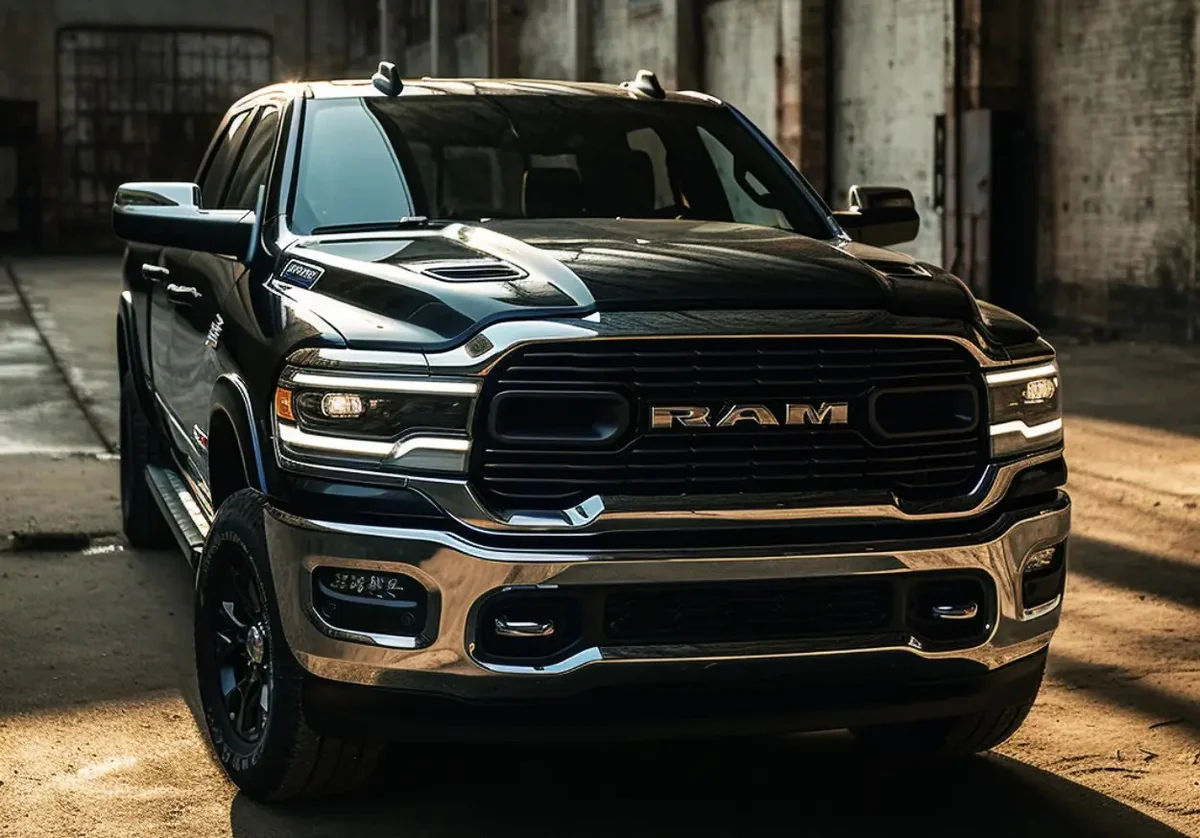
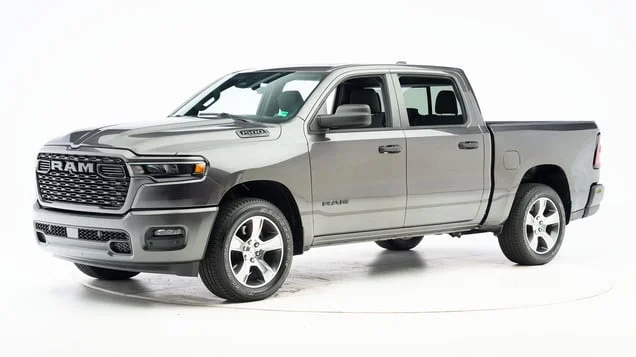
Turbocharged sixes are the current efficiency play on the gas side. The 2025 Ram 1500 Limited runs a 3.0L Hurricane twin-turbo inline-six making 540 hp, with a standard-output version in the 2025 Ram 1500 Laramie rated to tow 11,580 pounds. Caveat: Torque News reporting on owner experiences documents a cluster of early-production electrical faults on Hurricane-equipped Ram 1500s, including instrument cluster blackouts, module communication dropouts, and extended repair timelines tied to parts backorders. Owner forums show both clean experiences and repeated dealer trips. If you are a first-adopter type that is fine; if you want a known story, stick with a V8 or a mature hybrid.
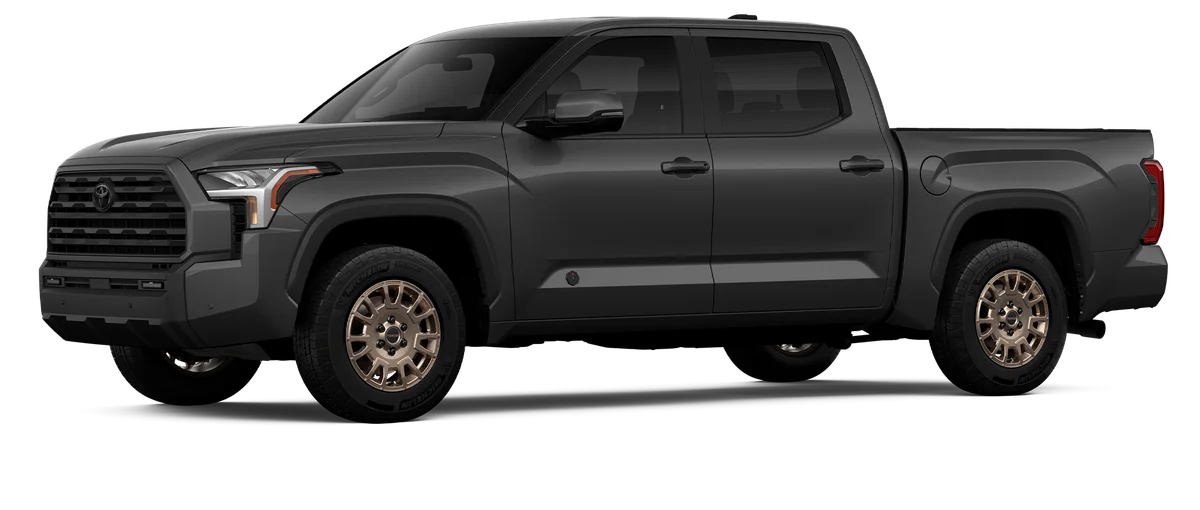
Hybrids blur the choice. The 2026 Ford F-150 Platinum SuperCrew with the 3.5L PowerBoost hybrid pairs 24 mpg city with a 13,100 pound maximum tow rating on properly equipped trims. The 2026 Toyota Tundra TRD Pro and 2025 Toyota Tundra Capstone use the i-FORCE MAX hybrid for 437 hp and up to 11,175 pounds of towing. The 2026 Ford Maverick XLT AWD is the extreme case: 40 mpg city, 2,000 pound tow rating.
Diesel sits in a narrow band. The 3.0L Duramax in the 2025 Chevrolet Silverado 1500 High Country rates 20 city and 26 highway with 13,300 pounds of towing. The Autopian reports averaging 30 mpg unloaded on the highway in a 2026 Silverado 1500 with the same engine, and about 12 mpg while towing a trailer to Oshkosh. Diesel pencils out if you tow heavy and long distances; if you tow twice a year, the fuel price premium and DEF maintenance eat the savings.
Electric pickups are a lifestyle decision, not a tow truck. The 2025 Rivian R1T Adventure Dual Large delivers 329 miles of unloaded range, 11,000 pounds of towing, and 610 lb-ft of instant torque. Real-world towing tests collected by ChargeCostLab show 40 to 60 percent range loss with a sizable trailer at highway speed, and up to two-thirds with a heavy, boxy one. Owner-reported tests on the Rivian Owners Forum covered over 150 miles on a single charge with a 9,000 pound load. If your trailer routes already pass fast chargers every 150 miles, the R1T works. If they do not, it does not.
Set a price ceiling, then inspect for the things that actually fail
Set a price ceiling before you walk in, including the 10 to 12 percent for tax, tag, and documentation fees that most buyers forget. The ranked trucks cover a 50,000 dollar range, from the 32,865 dollar Ford Maverick XLT AWD to the 81,995 dollar 2026 GMC Sierra 1500 AT4X Duramax. Within a nameplate, moving from a work trim like the F-150 XLT at 54,555 dollars to the F-150 Platinum at 72,600 dollars buys leather, 12-inch screens, hybrid powertrain, and six seats, not more capability in the dirt.
If you are shopping used, inspect the frame and underbody first. Mother Earth News and Vehicle Inspectors both put frame rust, suspension mount condition, and undercarriage corrosion ahead of engine checks. Salt-belt trucks that look clean on top can be eaten through underneath. Pull the hitch and look for drops or paint scrapes from tongue weight that was too high. Check the tires for uneven wear, which can mean alignment, suspension, or chronic overloading. Request service records and verify the VIN against title and inspection paperwork. On a late-model Hurricane-equipped Ram, ask specifically for module and software-update history.
On a new truck, sit in the back seat with the front seat set for someone your height. Lower the tailgate and confirm the bed length with a tape measure. Drive it under load if the dealer allows it; the test drive from the lot to the stoplight tells you almost nothing about how the truck tows. If none of the trucks on the test drive feel right, that is a signal, not a nuisance.
The short version
Buy the smallest truck that comfortably covers your two numbers. If the heaviest trailer you tow is a 3,500 pound utility rig and the heaviest payload is three bags of mulch, a Maverick Hybrid or a Tacoma is the honest answer. If you tow a 7,000 pound travel trailer every summer and haul a motorcycle every weekend, a well-equipped F-150 XLT or Silverado 1500 in the 54,000 to 65,000 dollar range is the center of the market. If you routinely cross 11,000 pounds of trailer or need true luxury, go to a Platinum, Limited, Denali, or Tundra Capstone at 72,000 dollars and up. If your trips already route past fast chargers every 150 miles and your towing is occasional, the Rivian R1T is a legitimate choice. The failure mode is almost always buying more truck than needed for daily duty and then finding you still ran out of payload on the one day of the year that mattered.
See Best Pickup Trucks of 2026Questions people ask
What size pickup truck do I actually need?+
Write down the heaviest trailer you tow loaded and the heaviest total weight you carry (passengers, cargo, tongue weight). Under roughly 4,000 pounds total across both, a compact like the Maverick works. Between 4,000 and 7,000 pounds, a midsize like the Tacoma or Colorado fits. Above that, you are in full-size half-ton territory, and above about 12,000 pounds of loaded trailer, look at three-quarter-ton heavy duty trucks.
How do I know if a truck can handle what I need to tow?+
Three numbers, not one. Towing capacity is the ceiling for trailer weight. Payload capacity, printed on the yellow sticker in the driver's door jamb, covers passengers, cargo, and tongue weight (10 to 15 percent of the loaded trailer). Gross combined weight rating is the total for truck plus trailer. A truck that clears your trailer weight can still fail on payload once you add people and tongue weight, so check all three.
Should I get a crew cab or a regular cab?+
Crew cab if you ever carry rear-seat passengers, child seats, or pets, which is most buyers today. Regular cab if you need maximum bed length for work and only two seats. Extended cab, still available on midsize trucks like the Tacoma, is a middle ground for occasional back-seat use. Expect the crew cab to cost roughly 2,500 dollars more and come with a shorter bed on the same frame.
Do I need 4WD or will 2WD do?+
2WD works if you stay on pavement in dry climates and want slightly higher payload, towing, and fuel economy. 4WD earns its 3,000 to 4,000 dollar premium if you see real snow, launch boats, drive unpaved roads, or go off pavement. Four wheel drive does not increase tow ratings. On many trucks it slightly reduces them.
What is the difference between payload and towing capacity?+
Payload is what the truck itself carries: passengers, bed cargo, tongue weight from a trailer, and accessories. Towing capacity is what the truck pulls behind it on a trailer, where most of the weight sits on the trailer axles. Towing numbers are usually much higher, but tongue weight (10 to 15 percent of trailer weight) counts against payload, which means payload is usually what fails first when you load up.
Should I buy a full-size or midsize pickup truck?+
Midsize if you tow under 7,000 pounds, want a truck you can park easily, and care about fuel economy. Full-size if you routinely tow heavier, carry five adults in comfort, or need more than 1,600 pounds of payload. Many buyers who choose full-size never use the extra capability; Torque News documented an F-150 owner whose Maverick Hybrid covered 90 percent of his duty cycle at 41 mpg.
What should I look for when buying a pickup truck?+
On used trucks, check the frame and underbody for rust first, then suspension mounts, hitch wear, tire wear patterns, and service records. Inspect the engine bay for leaks and signs the truck was warmed up before you arrived. On new trucks, confirm payload on the door-jamb sticker, measure the bed with a tape, and sit in the back seat set for your height. If the truck has a newer engine family like the Ram Hurricane, ask about recall and software history.
Is a diesel half ton worth the premium over gas?+
Only if you tow heavy regularly. A 3.0L Duramax Silverado averaged 30 mpg unloaded on the highway and about 12 mpg towing to Oshkosh in an Autopian test. Diesel fuel costs more, and DEF plus maintenance add expense. If you tow more than a few times a year at distance, diesel pencils out. If towing is occasional, a hybrid or a V8 half ton is a cleaner choice.
Sources
What this guide is based on. We research from published specifications, independent reviews and owner reports; we did not test these products ourselves.
- 1.The Difference Between Payload and Towing Capacity, Firestone Complete Auto Care
- 2.Understanding Tow Ratings: GVWR vs. GCWR vs. Payload vs. Tongue Weight, Pacbrake
- 3.Definitive Guide to Safe Towing, Weigh Safe
- 4.What Is the Difference Between a Half-Ton and a Quarter-Ton Pickup?, J.D. Power
- 5.Midsize vs Full-Size Pickup Trucks: 4 Things to Consider, SlashGear
- 6.Crew Cab vs. Extended Cab: How to Weigh Your Options, Capital One
- 7.Crew Cab Vs. Regular Cab: Popular Truck Configurations Compared, Carbuzz
- 8.4WD vs 2WD Trucks: What's the Difference?, Aldan American
- 9.Pickup Truck Bed Dimensions Comparison 2026, Measure Centre
- 10.Truck Bed Dimensions and Sizes Chart, Armorthane
- 11.What's the 2026 Ford Maverick's MPG?, Cars.com
- 12.Ford F-150 Owner Says the Maverick Hybrid Replaces 90% of Full-Size Truck Duty Cycles, Torque News
- 13.I Drove America's Only New Half-Ton Diesel Pickup Truck, The Autopian
- 14.EV Truck Towing Range and Cost-Per-Mile Penalty (2026), ChargeCostLab
- 15.Rivian R1T Towing Test: 9,000 Pounds on the Hitch for Over 150 Miles, Rivian Owners Forum
- 16.New Ram 1500 Owners Face Repair Delays As Dealerships Stumble Over Hurricane Engine Electrical Architecture, Torque News
- 17.Buy a Used Truck With the 12 Point Truck Inspection Checklist, Mother Earth News
- 18.Used Truck Inspection Checklist: 23 Things a Pre-Purchase Inspector Checks, Vehicle Inspectors
Products mentioned
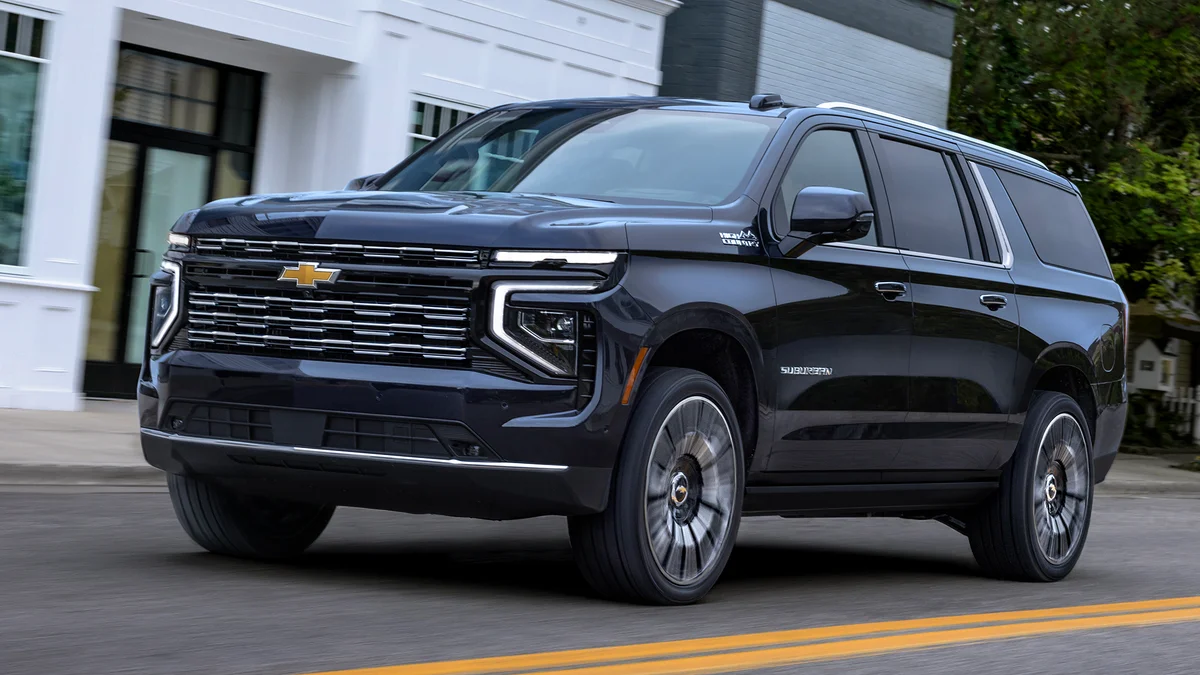 2025 Chevrolet Colorado Z71 Crew Cab 4WD2025 Chevrolet Silverado 1500 High Country Crew Cab 4WD2026 Chevrolet Silverado 1500 LTZ
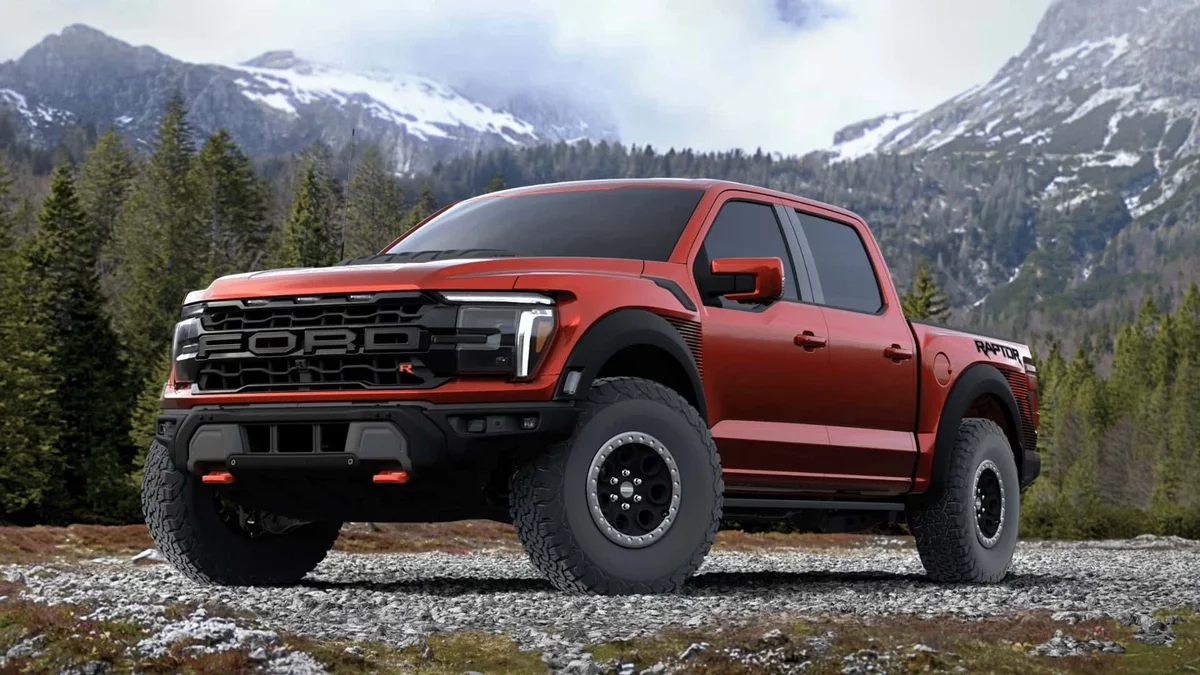 2026 Ford F-150 Platinum SuperCrew 4x4
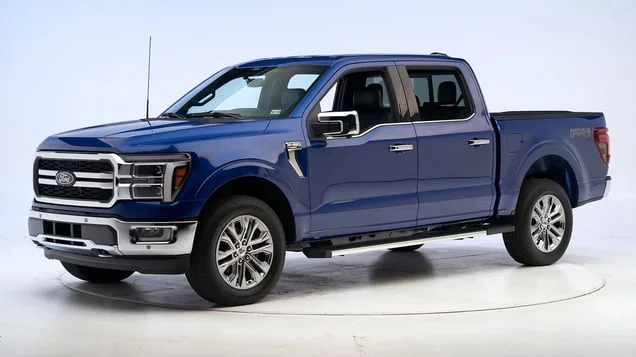 2026 Ford F-150 XLT SuperCrew 4x42026 Ford Maverick XLT AWD
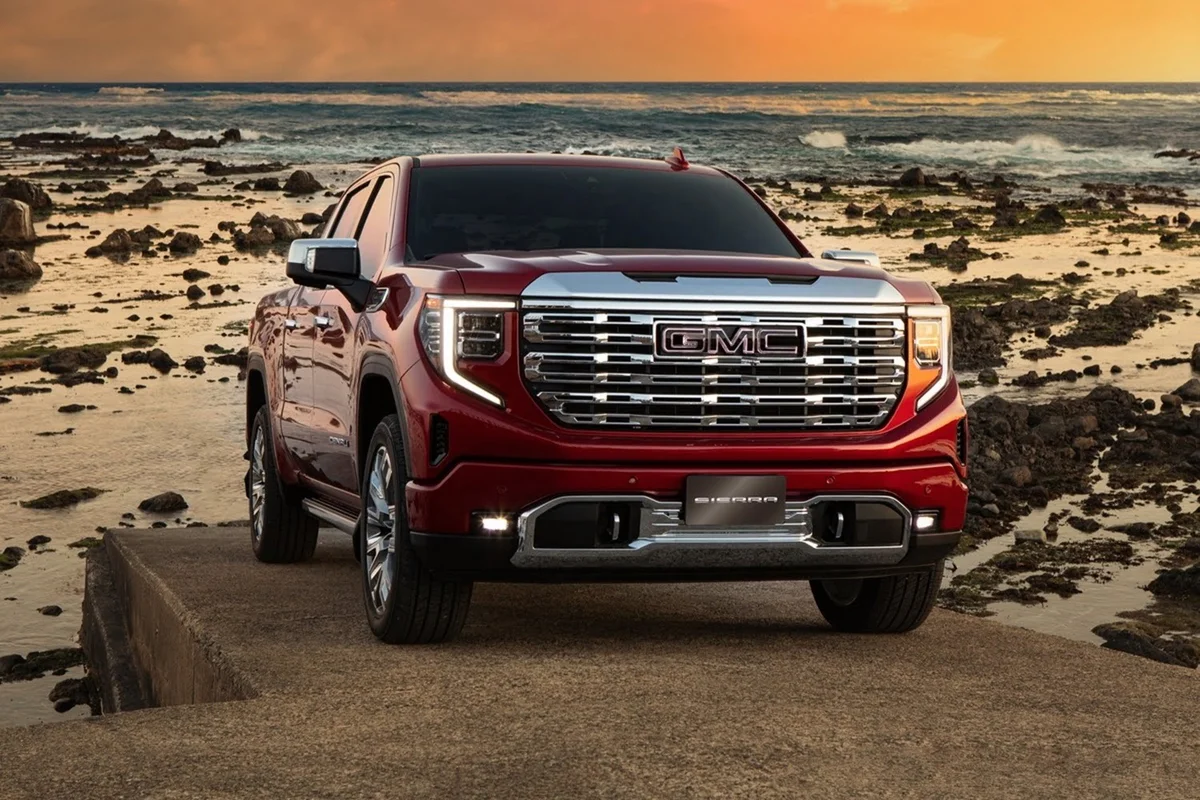 2026 GMC Sierra 1500 AT4X Crew Cab 4WD
 2025 Ram 1500 Laramie 4x4 Crew Cab
 2025 Ram 1500 Limited
 2025 Rivian R1T Adventure Dual Large
 2025 Toyota Tacoma TRD Off-Road Double Cab 4x4
 2026 Toyota Tundra TRD Pro
More on pickup trucks
Explainer
Midsize vs Full-Size Pickup Truck: What You Actually Give Up and Gain
How the Toyota Tacoma, Chevy Colorado, Ford F-150, and Ram 1500 compare on towing, payload, size, fuel economy, and resale, with the numbers that actually decide which pickup you should buy.
Explainer
4WD vs AWD vs 2WD in Pickup Trucks: What the Labels Mean and When You Need Each
Pickup 4WD is a part-time, driver-selected system for loose surfaces, not daily driving. AWD is automatic. 2WD saves money, weight, and fuel. Here is what each system actually does, what it costs, and when to engage it.
Explainer
Half-Ton, 3/4-Ton, 1-Ton: What These Pickup Truck Classifications Mean in 2026
What half-ton, three-quarter-ton, and one-ton actually mean today, how much a modern half-ton really hauls, and when the step up to heavy duty is worth it.
Explainer
What Actually Happens to Electric Pickup Truck Range When You Tow
Real tow tests show electric pickups lose 40 to 60 percent of their rated range pulling a loaded trailer at highway speed. Here is what that means for anyone deciding whether to buy one.
Explainer
What the Towing Capacity Number on the Window Sticker Does Not Tell You
The max tow number on a pickup's window sticker is a laboratory figure tied to one trim, one driver, and an empty bed. Here is how payload, tongue weight, and GCWR actually set what your truck can pull.