Explainer
Wireless Headphone Specs That Are Mostly Marketing (and What to Check Instead)
Driver size, bare 20 Hz to 20 kHz ranges, and THD percentages fill wireless headphone spec sheets without telling you how they sound. Here is what to read, and what to skip.
Updated November 18, 2026 · Based on 15 sources · How we research
If you are shopping for a pair of wireless over-ear headphones in 2026, the spec sheet is doing a lot of theatre and very little explaining. Three numbers that look like they should matter, driver diameter, the blanket 20 Hz to 20,000 Hz frequency response, and total harmonic distortion as a percentage, barely predict how a pair sounds on your head. This guide is for buyers who want to stop being flattered by big-driver claims and start reading past them. The one thing most people get wrong: they treat the spec sheet as a ranking tool when it is closer to a packaging element, and they skip the parts that actually decide sound quality, which are tuning, fit, codec support on your phone, and independent measurements against a target curve.
Does a bigger driver mean better sound?
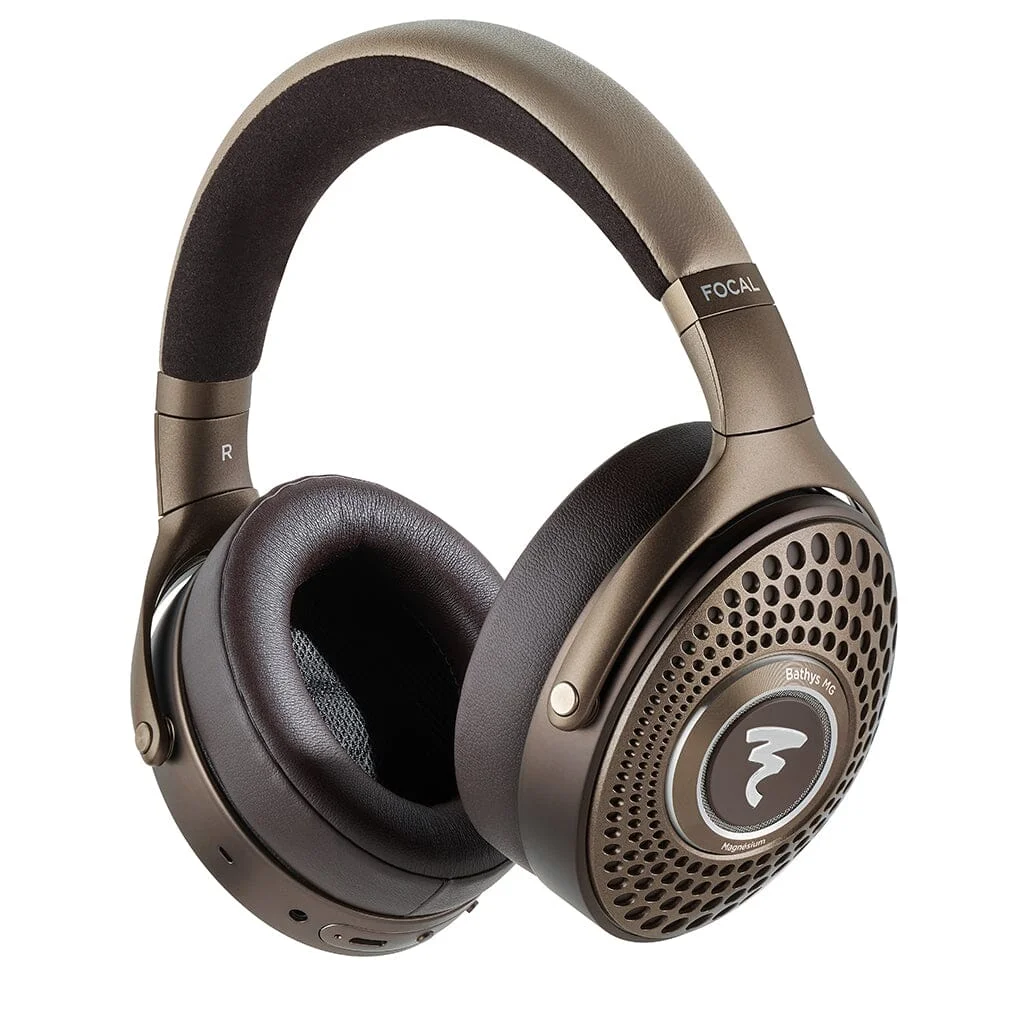
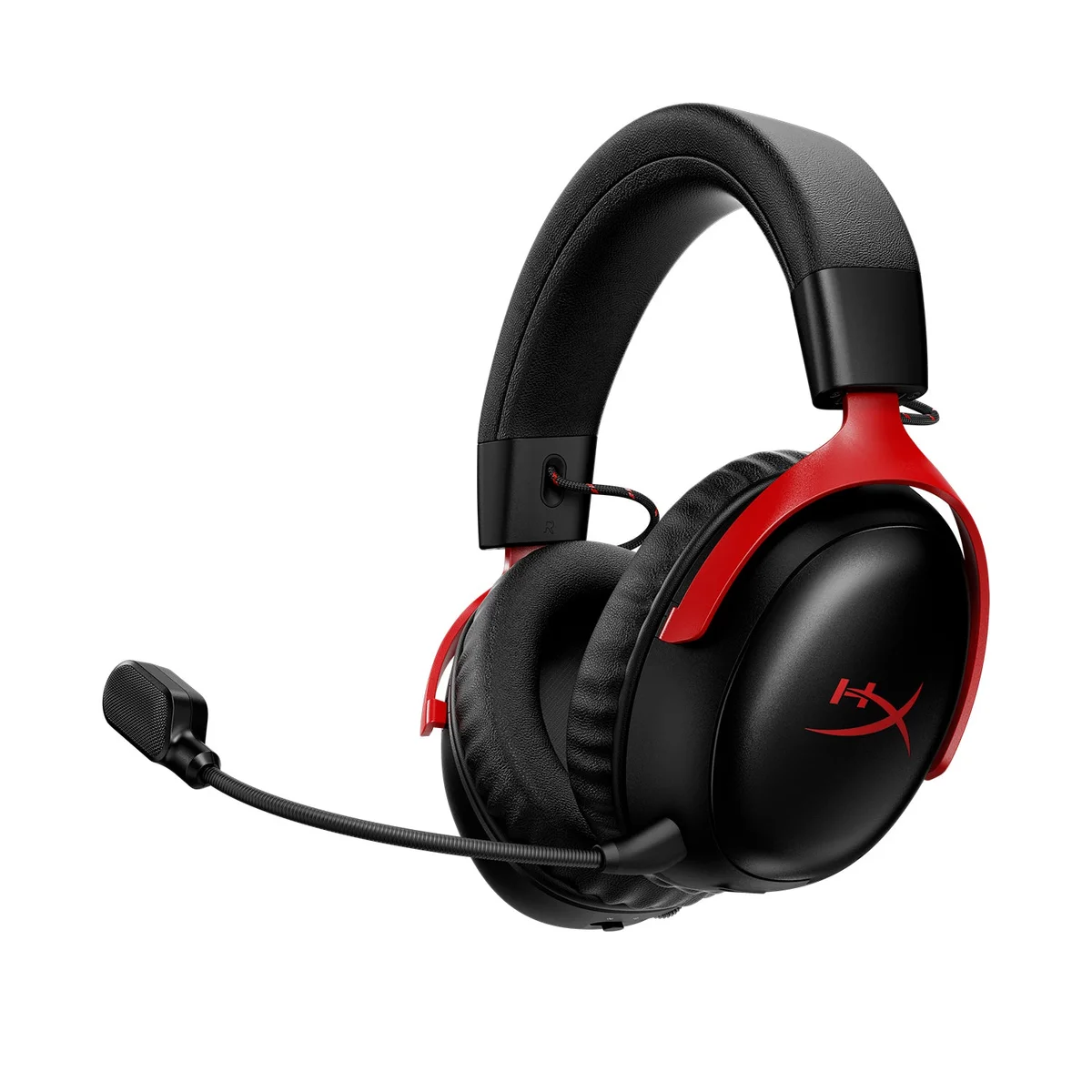
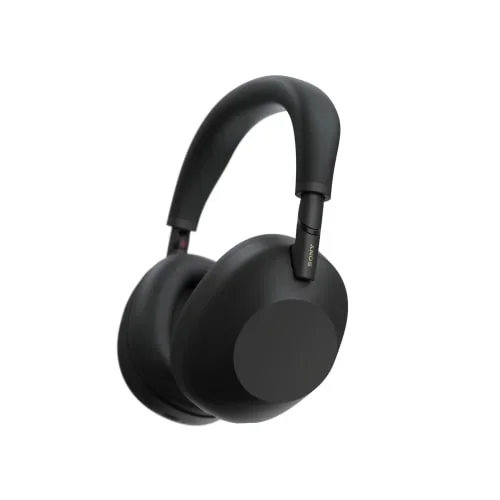
No, and the ranked wireless headphones in our database make the case cleanly. The Sony WH-1000XM6 runs 30 mm drivers with a carbon-fiber composite dome and is widely treated as a reference-class ANC can, with Android Central calling the 30 mm drivers 'so clean' and noting a flatter out-of-box EQ after Sony redesigned the internal architecture. The HyperX Cloud III S Wireless uses 53 mm angled drivers and sits at a lower price with a gaming-first V-shape, where SoundGuys measured cleaner reproduction, more detail, and noticeably less distortion than the previous Cloud III Wireless but calls the tuning gaming-first rather than critical listening. The Focal Bathys MG is a $1,499 wireless flagship and runs a 40 mm driver, because Focal built a pure-magnesium M-shaped dome upgraded from the aluminum-magnesium design of the original Bathys rather than reach for a bigger diaphragm.
The reason driver size is a weak predictor: a bigger diaphragm moves more air, which helps loudness and sometimes low-end headroom, but it does not control tuning, damping, or resonance. As one audio explainer puts it, a 53 mm driver does not always sound better than a 40 mm driver, and sound quality tracks enclosure design, materials, and tuning more closely than diameter. Diaphragm mass, thinness, and the motor assembly matter more than width. That is why Sony kept 30 mm through five generations of the 1000X line and only redesigned the components, and why Focal sells a four-figure wireless can on a 40 mm driver.
What does "20 Hz to 20,000 Hz" actually tell you?
Close to nothing, because the number is almost always printed without a tolerance. A frequency response spec is only useful if it includes a deviation figure, typically written as "plus or minus 3 dB," which tells you the range over which the headphone stays within a defined loudness window. Headphone makers almost never publish that tolerance, and as Geoffrey Morrison argued at Forbes a decade ago, the figure in the catalog has little correlation with what the headphone measures and is at best incomplete, at worst meaningless. Without a tolerance, "20 Hz to 20,000 Hz" is a statement that the driver produces some sound at those extremes, not that it produces useful sound.
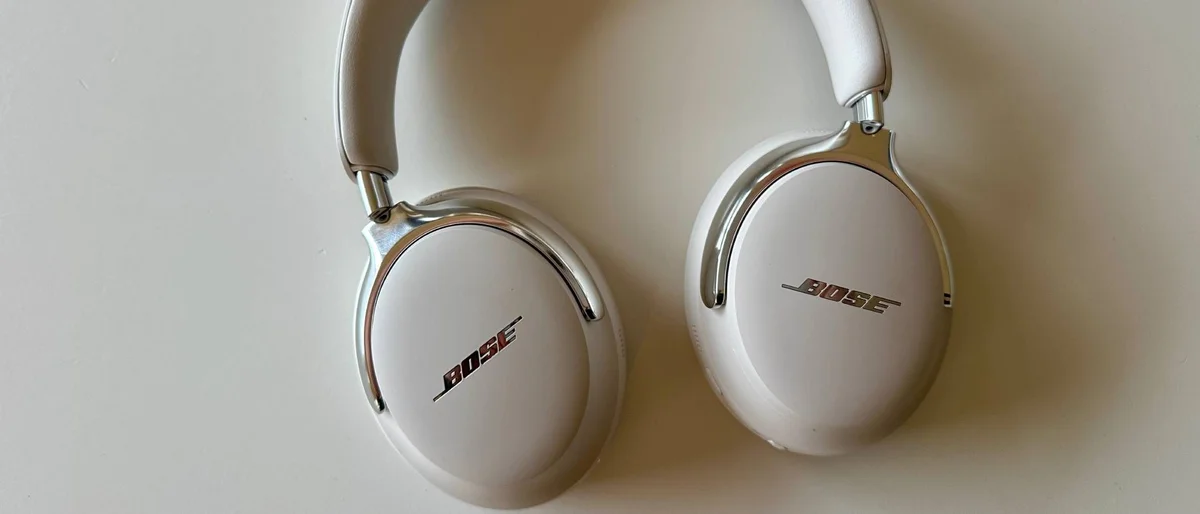
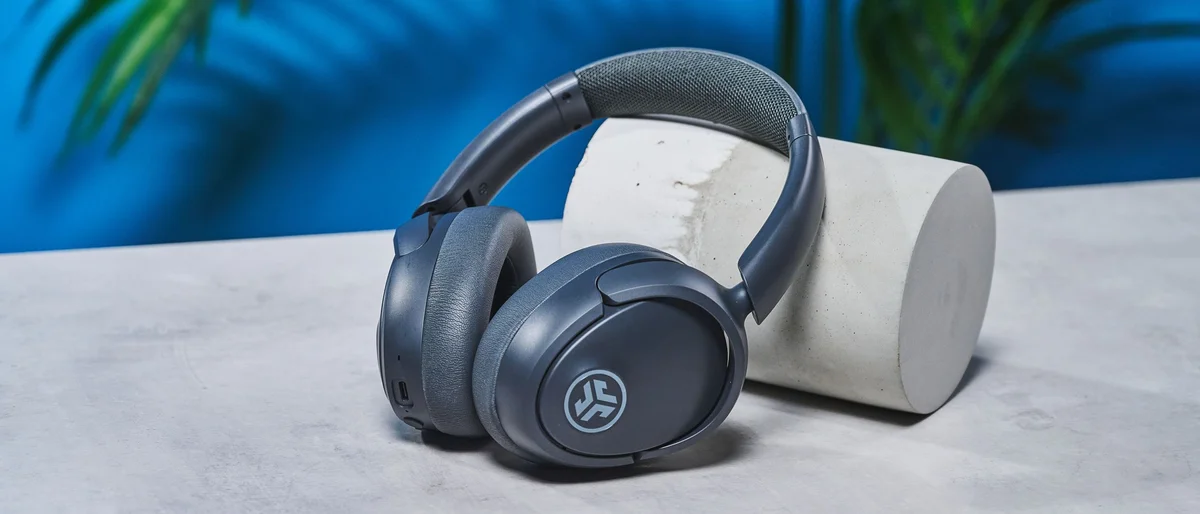
You can see the inconsistency across our own ranked set. The JLab JBuds Lux ANC at $79.99 lists 20 Hz to 20,000 Hz. The Focal Bathys MG at $1,499 lists 10 Hz to 22,000 Hz. The Bose QuietComfort Ultra (2nd Gen) and the Apple AirPods Max do not publish a frequency response at all, which is a quiet admission that Bose and Apple do not think the number tells buyers anything they do not already read in reviews. Apple relies on Adaptive EQ that adjusts response based on head and seal, and Brent Butterworth at SoundStage Global notes Apple does not publish a curve and had to measure the response himself to compare it against other models.
A target curve is the benchmark worth caring about. Harman's research on listener preference found that trained and untrained listeners prefer headphones that follow a specific tuning, with a bass shelf and a controlled upper-mid rise, and that preference tracks measurement closely. SoundGuys publishes its own house curve plotted against measured responses, and Rtings and Head-Fi do the same. The useful question is not "does this headphone cover 20 Hz to 20 kHz," because almost all closed-back over-ears do, but "how closely does its measured curve match a research-backed target."
Is a 40 mm or 50 mm driver better?
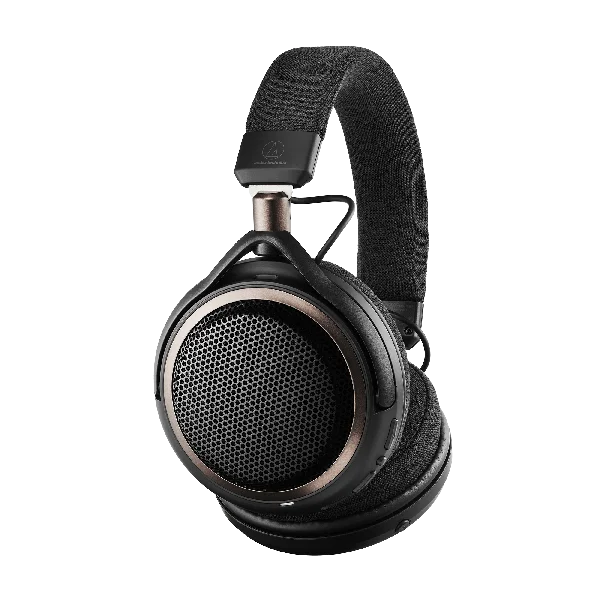
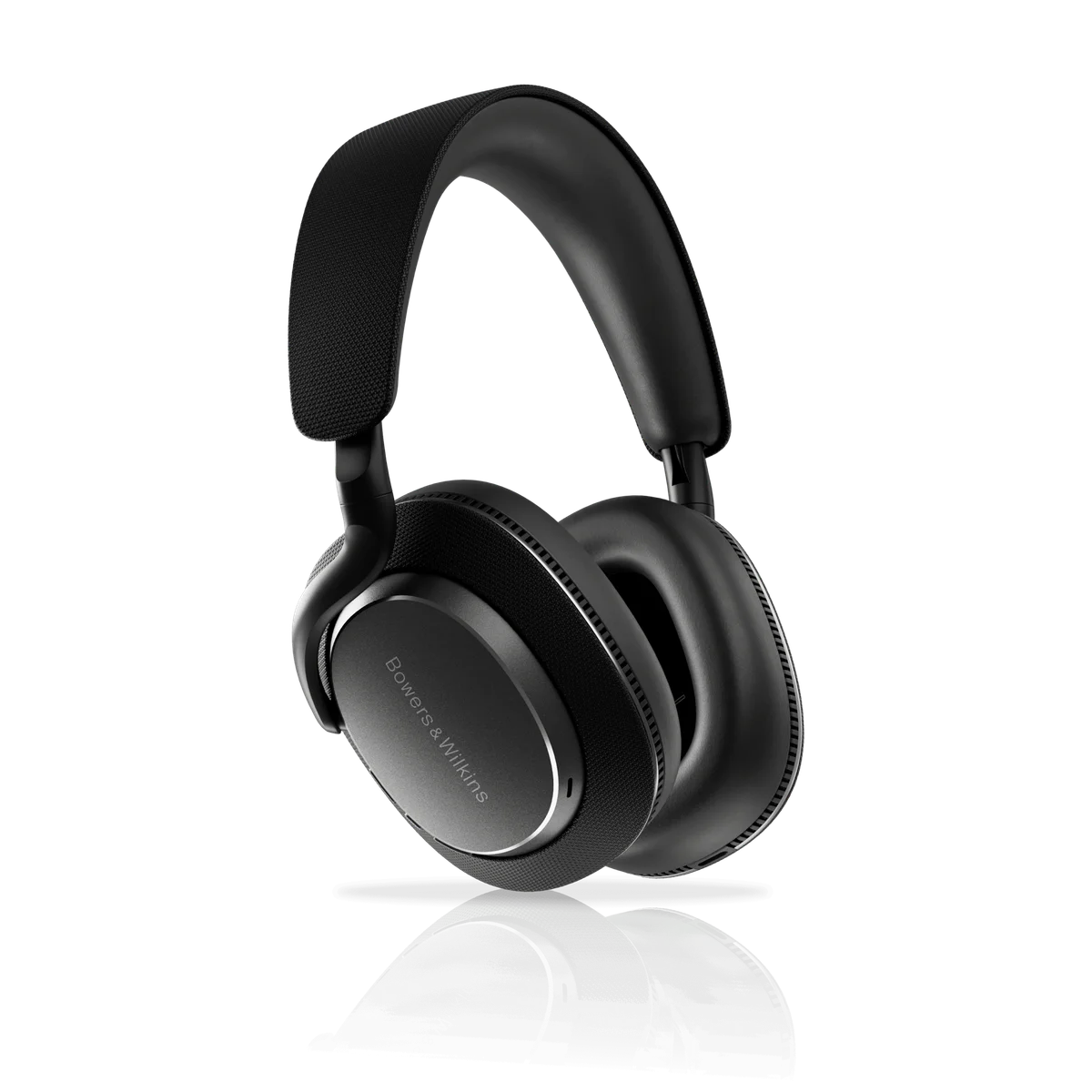
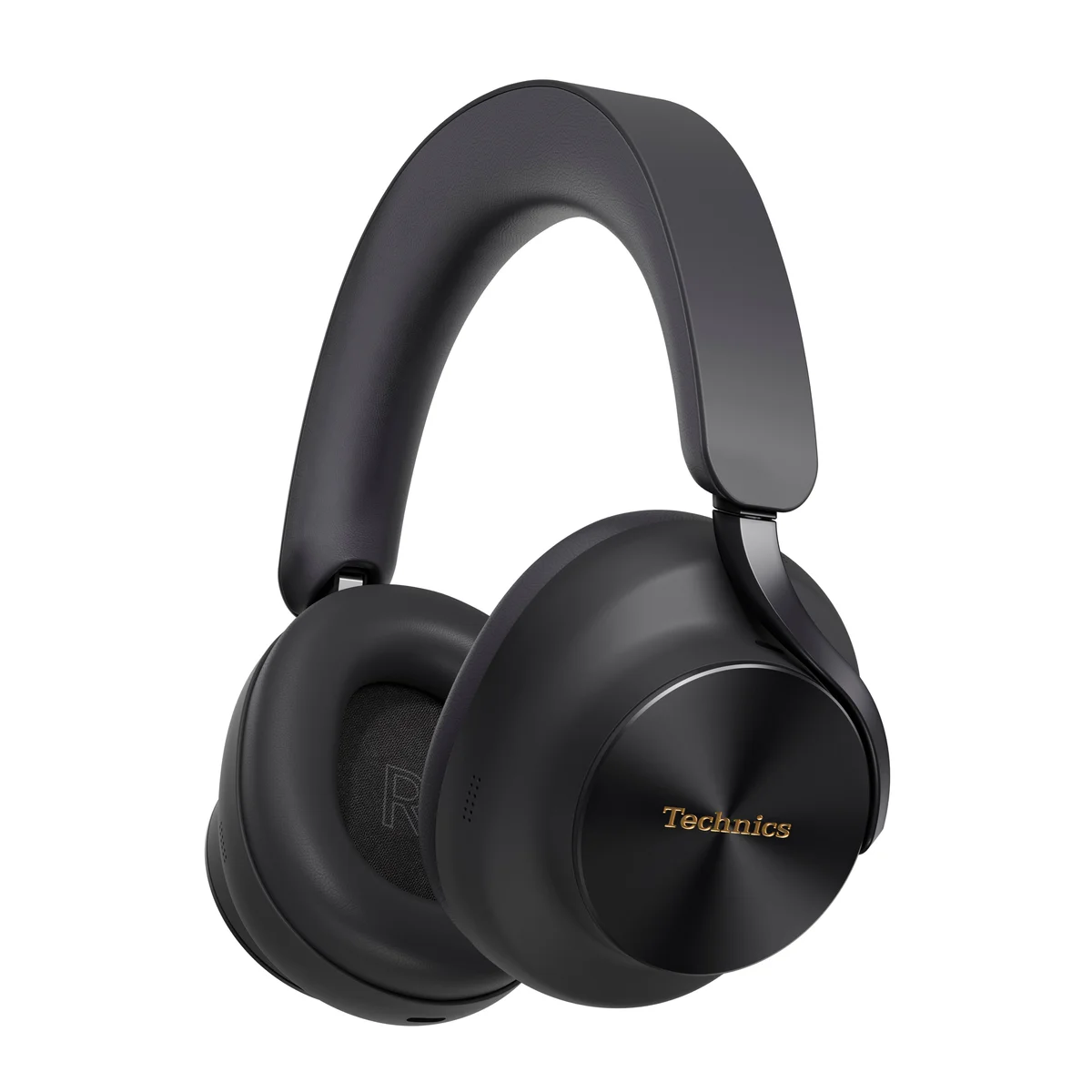
Neither, on its own, and the ranked wireless field is dominated by 40 mm because that size is a good compromise between low-frequency extension and midrange control inside an over-ear cup. The 40 mm club in our rankings includes the Focal Bathys MG at 9.3, the Bowers & Wilkins Px7 S3 at 8.9 with dual 40 mm bio-cellulose drivers, the Technics EAH-A1000 at 8.8 with a magnetic-fluid 40 mm, and budget picks like the JLab JBuds Lux ANC at $79.99. The 53 mm camp is small: the HyperX Cloud III S and the open-back Audio-Technica ATH-AL5NC. The sub-40 mm camp includes the 30 mm Sony WH-1000XM6 at 9.1 and the 32 mm Jabra Evolve3 85 at 8.3, tuned for voice.
The takeaway is that driver size tracks what the headphone is trying to do, not how well it does it. Sony's 30 mm serves ANC and travel, where the tight front cavity benefits from a small diaphragm. HyperX's 53 mm angled driver serves gaming imaging and headroom. Focal's 40 mm serves audiophile tuning, where the magnesium material matters more than the diameter. Compare rankings and reviewer notes, not millimeters.
| Model | Driver | Price | What that size is tuned for |
|---|---|---|---|
| Sony WH-1000XM6 | 30 mm with carbon-fiber composite dome | $449.99 | ANC cabin and midrange clarity |
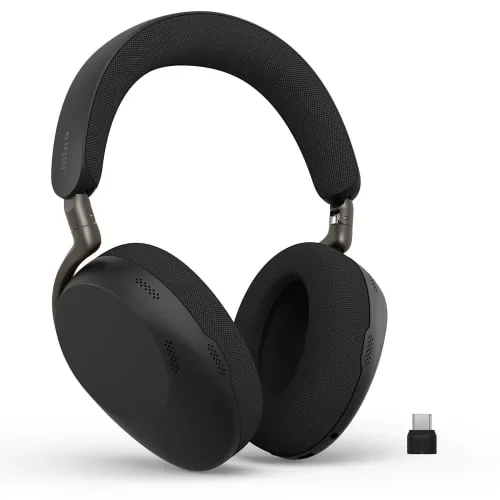
| Jabra Evolve3 85 | 32 mm dynamic | $649 | Voice pickup and call tuning |
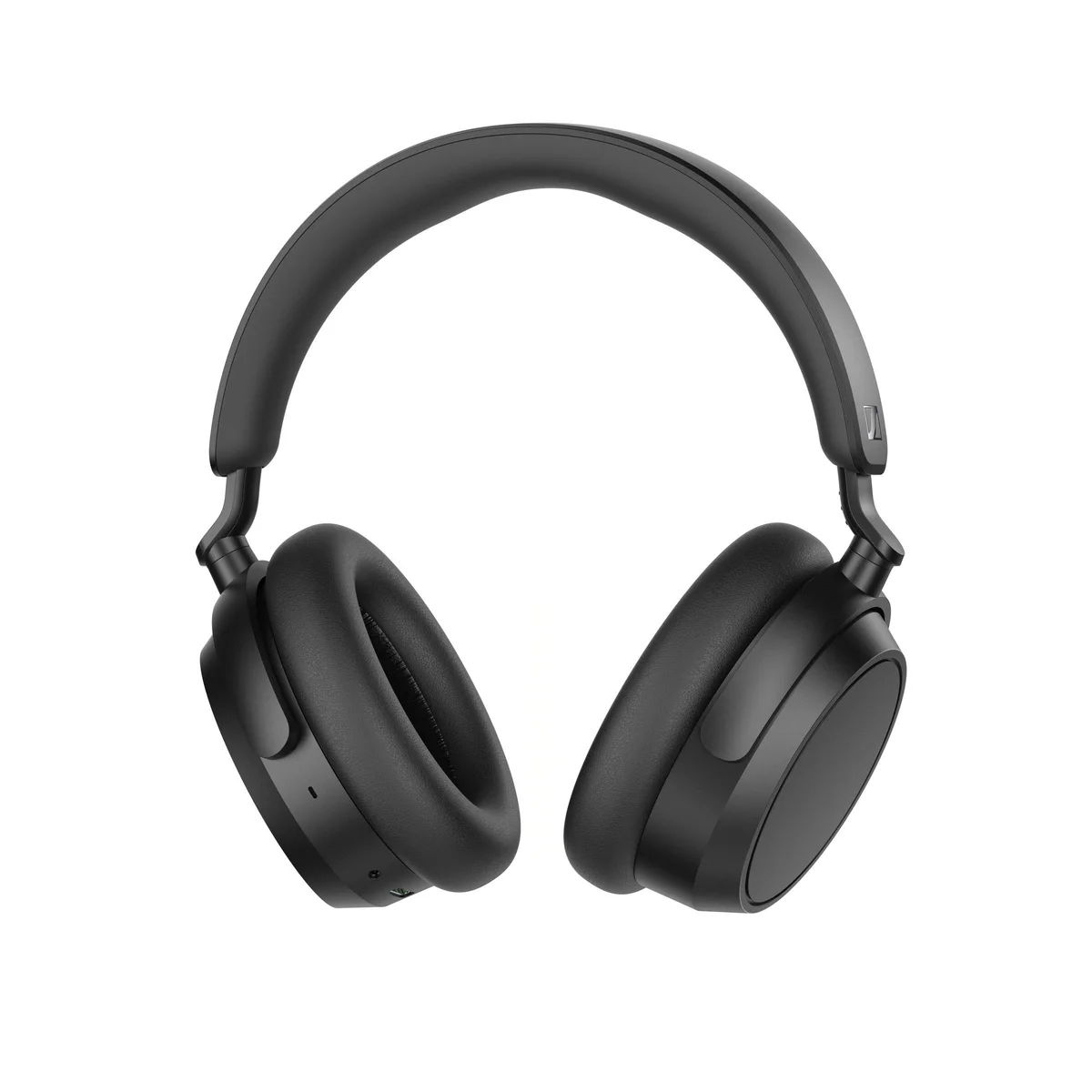
| Sennheiser ACCENTUM Plus | 37 mm dynamic | $249 | Lightweight travel with Sennheiser tuning |
| Focal Bathys MG | 40 mm pure-magnesium M-shaped dome | $1,499 | Reference tuning in a wireless cup |
| Bowers & Wilkins Px7 S3 | 40 mm bio-cellulose (dual) | $479 | Natural audiophile voicing |
| HyperX Cloud III S Wireless | 53 mm angled dynamic | $179 | Gaming imaging and headroom |
| Audio-Technica ATH-AL5NC | 53 mm open-air | $279 | Open-back airiness over wireless |
Is higher impedance better for wireless headphones?
For wireless use, impedance is close to a non-issue because the amplifier is inside the cup. The Sennheiser ACCENTUM Plus Wireless lists 560 ohms and still plays fine from a phone over Bluetooth 5.2, because your phone is not driving the drivers directly. Avantree makes this point bluntly: for wireless headphones, the built-in amplifier is designed for the drivers it powers, so the ohm rating does not affect what reaches your ears. What matters more is codec support, DSP tuning, and battery capacity.
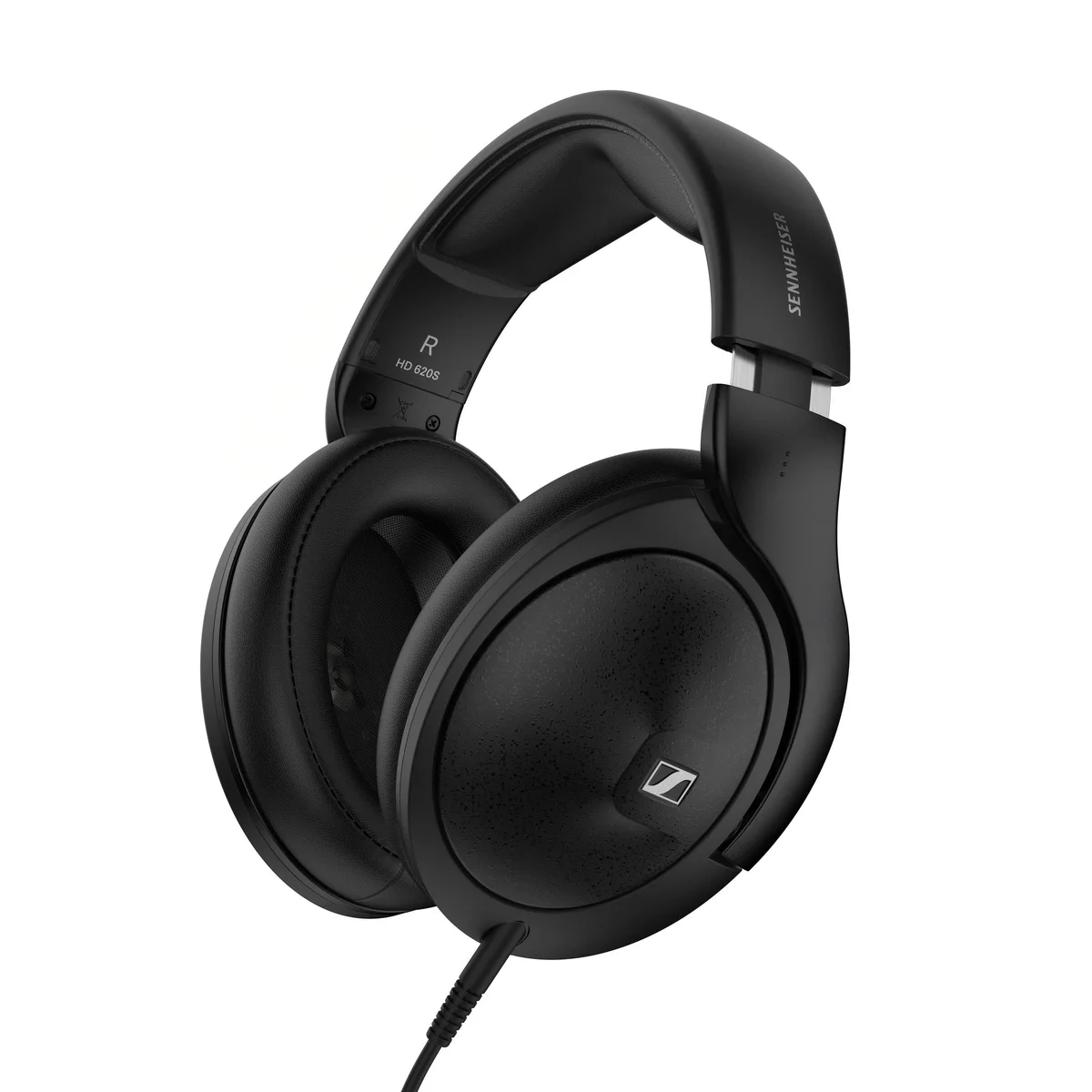
Impedance only becomes a buying criterion if you also plan to use the 3.5 mm or 6.35 mm wired input with a weak source, or if the model is wired-only. Our highest-impedance ranked item, the Sennheiser HD 620S, sits at 150 ohms, half the 300-ohm nominal impedance of the open HD 600 and HD 650, and Kuulokenurkka reports it plays loud enough from laptop and phone jacks but recommends a basic dedicated amp at home. That is a wired audiophile use case, not a wireless one. The rest of the ranked wireless field sits between 16 ohms (JBuds Lux, Focal Bathys MG, Anker Soundcore Space One) and 61 ohms (HyperX Cloud III S), and none of those differences matter over Bluetooth.
What is sensitivity, and does it matter for wireless?
Sensitivity is a sound pressure level expressed in dB per milliwatt or dB per volt, and it tells you how loud a pair plays for a given input power. For wired headphones on weak sources it has some bearing: The Master Switch describes 86 dB as relatively low and anything above 110 dB as high, and notes that impedance tends to do more of the work in deciding whether a phone can drive a pair. For wireless cans, sensitivity is handled inside the device, like impedance. The amplifier and the driver are matched at the factory, and you will not run out of volume unless the headphone is broken.
The sensitivity number can still tell you something about the design philosophy, higher-sensitivity wireless drivers often leave more headroom for dynamic peaks at a given battery draw, but it is not a buying criterion. You will not be comparing 103 dB versus 108 dB on a shelf and picking the louder one. Volume limiting on your phone matters more than sensitivity on the box.
THD: the percentage that stopped being a tiebreaker
Total harmonic distortion measures how much the headphone adds non-musical content to the signal, usually reported as a single percentage at a reference level. Many manufacturers quote THD under 1 percent at 1 kHz, and a few quote under 0.1 percent. Two problems make the number hard to use. First, THD is not a standardised specification and results across manufacturers are difficult to compare. Second, a single-number THD hides whether the distortion is even-order (often inaudible or pleasant) or odd-order (more audible and harsher), and at what frequency it occurs. Dekoni Audio puts it plainly: a single THD percentage is useless without the test frequency, power level, and harmonic breakdown, since odd-order harmonics show up as harshness while low-order even harmonics often add warmth.
Most modern over-ear wireless headphones measure well below the audibility threshold at normal listening levels. If you want distortion to inform a purchase, look at a reviewer's THD plot across the frequency range at 90 dB or 100 dB SPL, not the single percentage on the box. Rtings publishes these plots. The one practical case where THD on a spec sheet is useful is when a manufacturer refuses to disclose it: that silence usually tracks lower measurement quality.
What specs actually matter when buying wireless headphones?
Five things predict satisfaction more than driver diameter, bare frequency response, or THD. The first is independent measurement against a target curve, which is where Rtings, SoundGuys, and Head-Fi earn their keep. The second is codec support matched to your device, since LDAC on an iPhone is wasted and AAC on an Android that does not implement it well is worse than SBC. The third is ANC performance in the specific noise your life contains, cabin drone versus office chatter versus train brakes, which reviewers test with pink noise and real-world recordings. The fourth is battery life with ANC on, not off, since the manufacturer's headline is usually the ANC-off number. The fifth is comfort and clamp force for your head and glasses situation, which is why our ranked set reports comfort as its own score.
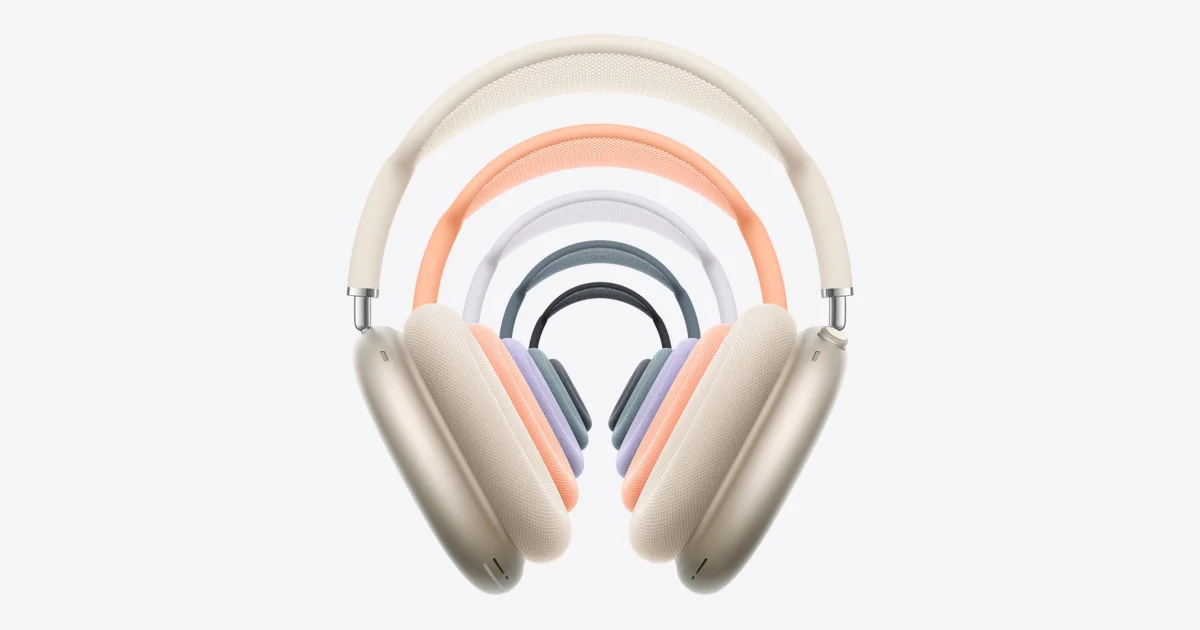
The spec-sheet items that do matter are the quieter ones. Bluetooth version and multipoint, since recent revisions (5.3, 5.4, 6.0 LE Audio) tend to improve pairing reliability and latency. Codec list, because aptX Lossless on the Bowers & Wilkins Px7 S3 delivers lossless over Bluetooth on compatible Android phones, and AAC on the Apple AirPods Max is the default on iOS. Wired input options, since USB-C audio on the Bose Ultra 2 and the Focal Bathys MG bypasses Bluetooth entirely for higher-resolution listening. Weight in grams, because 386 g (AirPods Max) and 356 g (HyperX Cloud III S) start to hurt after an hour. These are the numbers to filter on.
- Measured response plotted against a target, not catalog frequency range
- Codec support for the phone or computer you actually own
- ANC rating in the noise type you spend time in, verified by a reviewer with a rig
- Battery life with ANC on, including quick-charge behavior
- Weight in grams and clamp force, from an owner who wore them for a week
- Bluetooth version and multipoint behaviour between your devices
- Wired fallback: USB-C lossless, 3.5 mm, or neither
Are headphone specs reliable? How to read them without being fooled
Specs are reliable in a narrow sense: the manufacturer's engineering team put those numbers together honestly, and the driver really is 40 mm, and it really does produce some sound at 20 Hz. They are unreliable as predictors of sound because the field has never standardised on measurement conditions, and the useful numbers (tolerance-bounded response, distortion plots, impedance curve, isolation curve) almost never appear on the box. The split between "true" and "useful" is where most buyers get caught.
Our own rankings try to close that gap. The scoring methodology on Best Over-Ear Headphones of 2026 and Best Budget Wireless Over-Ear Headphones 2026 weights measured sound against cross-referenced reviews from Rtings, What Hi-Fi, SoundGuys, and Head-Fi, rather than reading manufacturer specs at face value. If a spec is going to matter, it has to agree with what a reviewer measured on a test rig. Use the spec sheet as a filter for compatibility (Bluetooth version, codec, battery, weight, wired input) and use reviews with measurements for sound.
The short version
Treat the wireless headphone spec sheet as a compatibility checklist, not a quality ladder. Driver size tells you what the headphone is trying to do, not how well it does it. The bare 20 Hz to 20,000 Hz number is not informative without a tolerance. Impedance and sensitivity do almost no work for Bluetooth listening because the amp is inside the cup. THD percentages hide more than they reveal. If you want the best wireless sound and ANC under $500, the Sony WH-1000XM6 at $449.99 and the Bose QuietComfort Ultra 2 at $449 earn their rankings on measurements and reviews, not spec sheets. If you want audiophile tuning wireless, the Focal Bathys MG and the Bowers & Wilkins Px7 S3 carry the argument through pure-magnesium drivers and aptX Lossless, not diameter. Buyers on a tight budget get further with the JLab JBuds Lux ANC at $79.99 than with any spec sheet in its price band.
See Best Over-Ear Headphones of 2026Questions people ask
Does bigger driver size mean better sound?+
No. A bigger diaphragm can move more air and sometimes help loudness or low-end headroom, but it does not control tuning, damping, or resonance, which do most of the work. Sony's 30 mm WH-1000XM6 and Focal's 40 mm Bathys MG are both reference-class, while a cheap 50 mm driver can sound worse than either. Judge the whole headphone against measurements and reviews, not millimeters.
What does "20 Hz to 20,000 Hz" mean for headphones?+
Almost nothing without a tolerance. The spec means the driver produces some sound at those extremes, but it does not say how loud or how linear. The useful figure is response plotted against a target curve, like Harman's, which reviewers at Rtings and SoundGuys publish as graphs. Most closed-back over-ears cover the audible range, so the printed range rarely separates a good headphone from a bad one.
Is a 40 mm or 50 mm driver better?+
Neither is inherently better. The 40 mm size dominates premium wireless because it balances bass extension and midrange control inside an over-ear cup; 50 mm and 53 mm sizes show up more in gaming headsets like the HyperX Cloud III S Wireless, where imaging and headroom are the goal. Material (magnesium, bio-cellulose, composite), motor design, and tuning matter more than diameter.
Is higher impedance better for wireless headphones?+
No. For Bluetooth use the amplifier is inside the headphone, matched by the manufacturer to the drivers, and the ohm rating does not affect how the headphone performs. Impedance only matters for wired-only headphones driven by a weak source, where above about 100 ohms a dedicated headphone amp starts to help.
What is sensitivity in headphones?+
Sensitivity is how loud a headphone plays for a given input power, usually in dB per milliwatt or dB per volt. The Master Switch describes 86 dB as relatively low and anything above 110 dB as high. For wireless headphones the number is largely internal, since the amp sits in the cup, so it does not inform a Bluetooth purchase.
Are headphone specs reliable?+
The numbers are honest, but they are not standardised and often lack the tolerances needed to compare models. Driver size, bare frequency range, and headline THD percentages are weak predictors of sound. Independent measurements from Rtings, SoundGuys, and Head-Fi, matched against a target curve, are far more reliable than a manufacturer spec sheet.
How should I read wireless headphone specs?+
Use the spec sheet to check compatibility, not sound quality. The lines that matter are Bluetooth version, codec list (and whether your phone supports them), multipoint, ANC rating and battery life with ANC on, weight in grams, and any wired fallback like USB-C lossless. For sound, go to measured reviews.
Why do some headphones not list a frequency response at all?+
Because the number does not help buyers. Apple does not publish a frequency range for AirPods Max and Bose does not publish one for the QuietComfort Ultra 2. Both rely on independent reviewers to publish measured response plots, which tell you more than any single catalog line could.
Sources
What this guide is based on. We research from published specifications, independent reviews and owner reports; we did not test these products ourselves.
- 1.3 Reasons Why Headphone Specs Are Worthless, Forbes
- 2.Is a Bigger Driver Better in Headphones?, SwitchAndClick
- 3.Headphone Impedance and Sensitivity Explained, The Master Switch
- 4.What Is Headphone Impedance And Why Does It Matter?, Avantree
- 5.Sony WH-1000XM6 Review, Android Central
- 6.HyperX Cloud III S Wireless Review, SoundGuys
- 7.Focal Bathys MG Review: Best Sounding Wireless Headphones Without Sacrifice, Moon Audio
- 8.How Well Do the Apple AirPods Max Headphones Measure?, SoundStage Global
- 9.Apple AirPods Max Review, Rtings
- 10.Why Headphone Target Curves and THD Don't Tell the Whole Story, Listen, Inc.
- 11.Is All Headphone Distortion Bad? Understanding Harmonic Distortion, Dekoni Audio
- 12.Understanding the Harman Target Curve for Headphones, Audiosolace
- 13.The House Curve: How We Make Our Target Headphone Responses, SoundGuys
- 14.Closed-back Newcomer to the HD 600 Series: Sennheiser HD 620S, Kuulokenurkka
- 15.How To EQ Your Headphones, Rtings
Products mentioned
More on wireless headphones
Explainer
Do Bluetooth Codecs Actually Matter? SBC, AAC, aptX, and LDAC Explained
What each Bluetooth codec actually does, when LDAC or aptX is audibly better than AAC or SBC, and why the right codec rarely translates into a real listening upgrade.
Explainer
What Active Noise Cancellation Actually Cancels (and What It Cannot)
Why ANC silences plane engines but barely touches coffee shop chatter, plus what causes the pressure feeling and whether it can hurt your ears.
Buying guide
How to Choose Wireless Over-Ear Headphones
A decision framework for wireless over-ear headphones built around four questions: where you listen, whether ANC helps there, which Bluetooth codec your phone sends, and how long you wear them per sitting.