Explainer
Do Bluetooth Codecs Actually Matter? SBC, AAC, aptX, and LDAC Explained
What each Bluetooth codec actually does, when LDAC or aptX is audibly better than AAC or SBC, and why the right codec rarely translates into a real listening upgrade.
Updated November 18, 2026 · Based on 11 sources · How we research
If you have shopped for wireless headphones in the last year, you have seen LDAC, aptX Adaptive, or aptX Lossless listed as a selling point and wondered whether it changes what you hear. The short answer: a codec upgrade only matters when three things line up at once. Your source device has to support the fancy codec, your music has to be high enough resolution to reward it, and your wireless environment has to be clean enough to sustain the top bitrate. For most listeners those three things rarely line up, which is why codec spec sheets rarely translate into real-world differences. This guide walks through what each codec does, when the difference is audible, why your headphones sometimes refuse to use the one you paid for, and which RankGrids-ranked models are worth the premium for a codec you will actually use.
The short answer: codec rarely changes what you hear
Most of the time, the codec on the box is not what you will hear. SoundGuys concludes outright that "codecs are starting to matter less and less as development improves" and that SBC and AAC meet the needs of the vast majority of people. In blind A/B comparisons posted by Head-Fi members, LDAC is audible only on a few specific tracks or not at all (Head-Fi forum discussion).
The driver, the fit, the tuning, and your source material all have bigger effects on what reaches your ears than codec choice. That said, the codec can matter in a narrow set of cases, and understanding what each one does tells you when to care and when to tune out the marketing.
What SBC, AAC, aptX, and LDAC actually are
SBC, the Subband Codec, is the fallback every Bluetooth audio device supports. SoundGuys cites it at 192 to 320 kbps, splits the signal into frequency bands, and compresses each band separately. It has a bad reputation because the Bluetooth stack often picks conservative bitrates to protect the connection, but when configured near its ceiling SBC is closer to AAC than codec debates usually suggest.
AAC (Advanced Audio Coding) is the codec Apple invested in. Over Bluetooth it typically caps around 250 to 256 kbps on iPhones. AAC uses a more sophisticated psychoacoustic model than SBC and generally sounds better at the same bitrate. The caveat is implementation. Apple encodes AAC in hardware and it sounds clean; Android AAC encoding has been inconsistent across generations, which is part of why Android reviewers often prefer any aptX or LDAC flavor over AAC on that platform.
aptX comes in flavors. Classic aptX runs at 352 kbps at 48 kHz/16-bit. aptX HD pushes to 576 kbps at 48/24. aptX Adaptive sits in the middle at a variable 279 to 420 kbps while targeting low latency, roughly 50 to 80 ms, per XDA Developers. aptX Lossless uses Qualcomm's Snapdragon Sound stack to deliver bit-for-bit 16-bit/44.1 kHz CD quality at over 1 Mbps in ideal conditions, scaling down to about 140 kbps on congested links, per What Hi-Fi.
LDAC is Sony's codec, included in the Android Open Source Project since Android 8.0 Oreo per Wikipedia). It has three bitrate modes, 330, 660, and 990 kbps, and supports up to 24-bit/96 kHz. By default it runs in Best Effort mode, which chooses a tier based on signal strength. LDAC is still lossy compression at every tier, including 990 kbps; the fidelity ceiling is higher than AAC's, but lossless it is not.
| Codec | Max bitrate | Max sample / bit depth | Lossless | Typical latency |
|---|---|---|---|---|
| SBC | ~320 kbps | 48 kHz / 16-bit | No | ~200 ms |
| AAC | ~256 kbps | 48 kHz / 16-bit | No | ~150 to 200 ms |
| aptX Classic | 352 kbps | 48 kHz / 16-bit | No | ~120 ms |
| aptX HD | 576 kbps | 48 kHz / 24-bit | No | ~200 ms |
| aptX Adaptive | 279 to 420 kbps | 48 kHz / 24-bit | No | ~50 to 80 ms |
| aptX Lossless | up to ~1,200 kbps | 44.1 kHz / 16-bit | Yes (CD quality) | varies |
| LDAC | 330 / 660 / 990 kbps | 96 kHz / 24-bit | No | >200 ms |
Does LDAC actually sound better than AAC?
In controlled listening, the difference is hard to find. Head-Fi members who ran their own A/B comparisons report that LDAC is audible only on a few specific tracks or not at all (Head-Fi forum discussion).
The caveat is the lower LDAC tiers. SoundGuys' LDAC deep dive measured 330 kbps LDAC as performing worse than aptX and well-tuned SBC at all frequencies, with a noise floor reaching -35 dB at high frequencies. That matters because 330 kbps is where many Android phones land in Best Effort mode once the Bluetooth signal gets congested, which in practice means a lot of real listening sessions outside a quiet room.
What this means on the ground: on an Android phone, in a quiet room, with a FLAC or 24-bit file, and LDAC locked to 990 kbps, the signal is clean. Move any one of those variables and the codec stops being the bottleneck. The headphones themselves, the tuning, the fit, and the recording have larger audible effects than codec choice in almost every situation outside a reference listening setup.
What codec does your iPhone use, and what about Android?
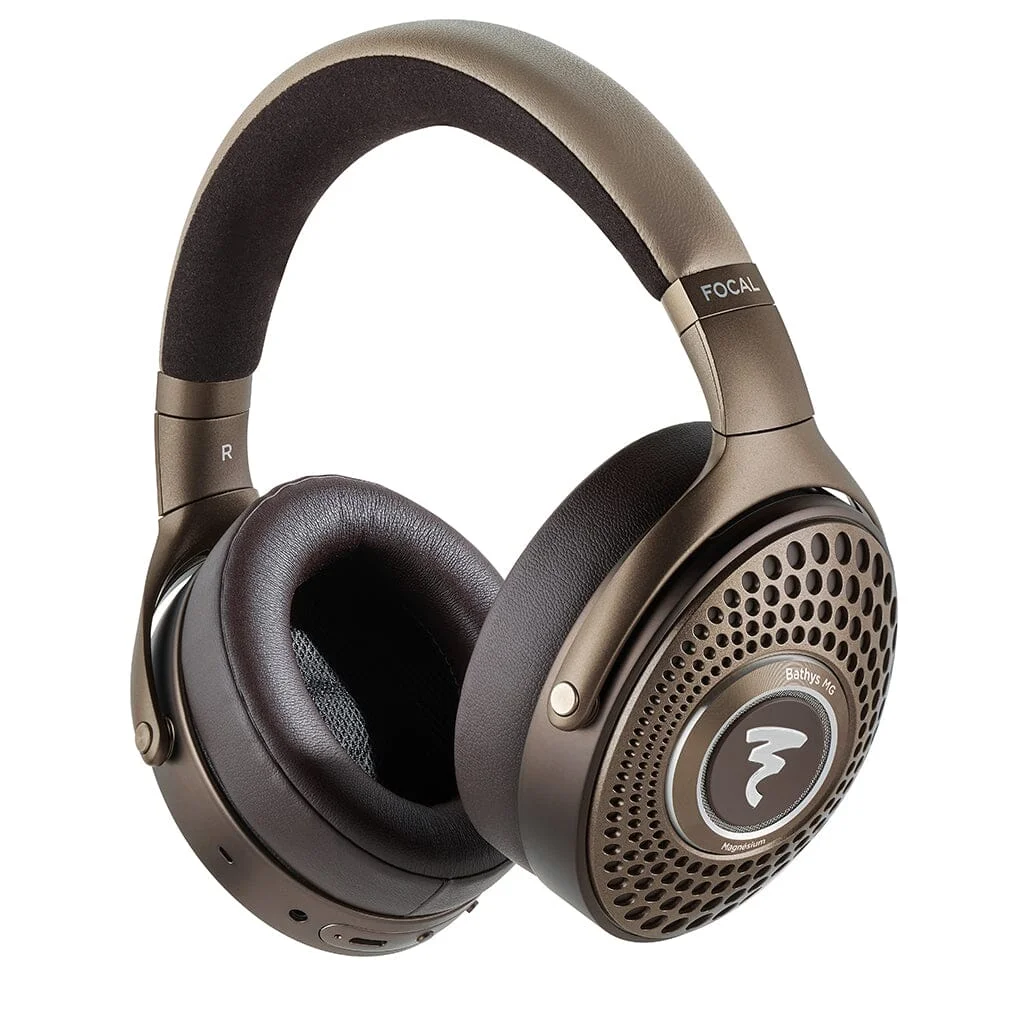
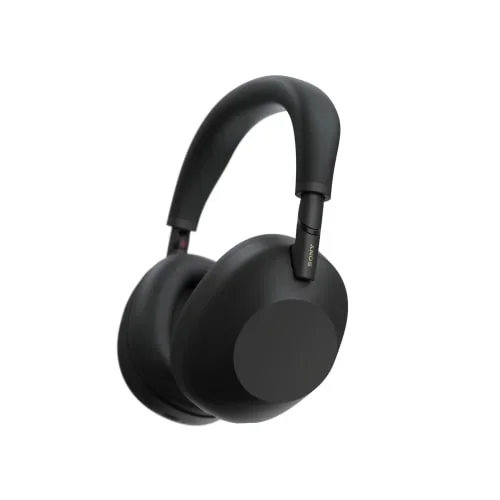
iPhones only speak AAC and SBC over Bluetooth, with no exceptions and no roadmap toward aptX or LDAC. Pair an iPhone with the Sony WH-1000XM6 and the link will run at AAC even though the headphones advertise LDAC and LC3. Pair the Focal Bathys MG with an iPhone and the aptX family it supports goes unused. For iPhone owners, codec spec shopping past AAC quality is wasted money.
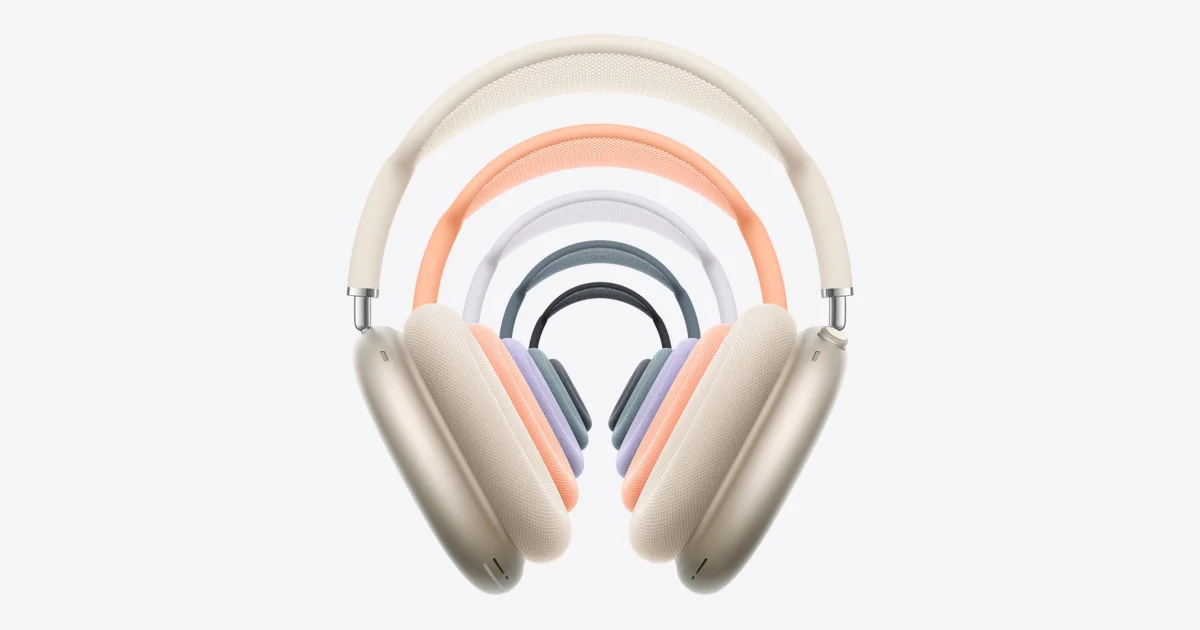
Apple's workaround for high-resolution listening is wired. The 2024 USB-C AirPods Max gained 24-bit/48 kHz lossless playback with iOS 18.4, but only through the included USB-C cable, per Engadget. The Bluetooth link is still AAC.
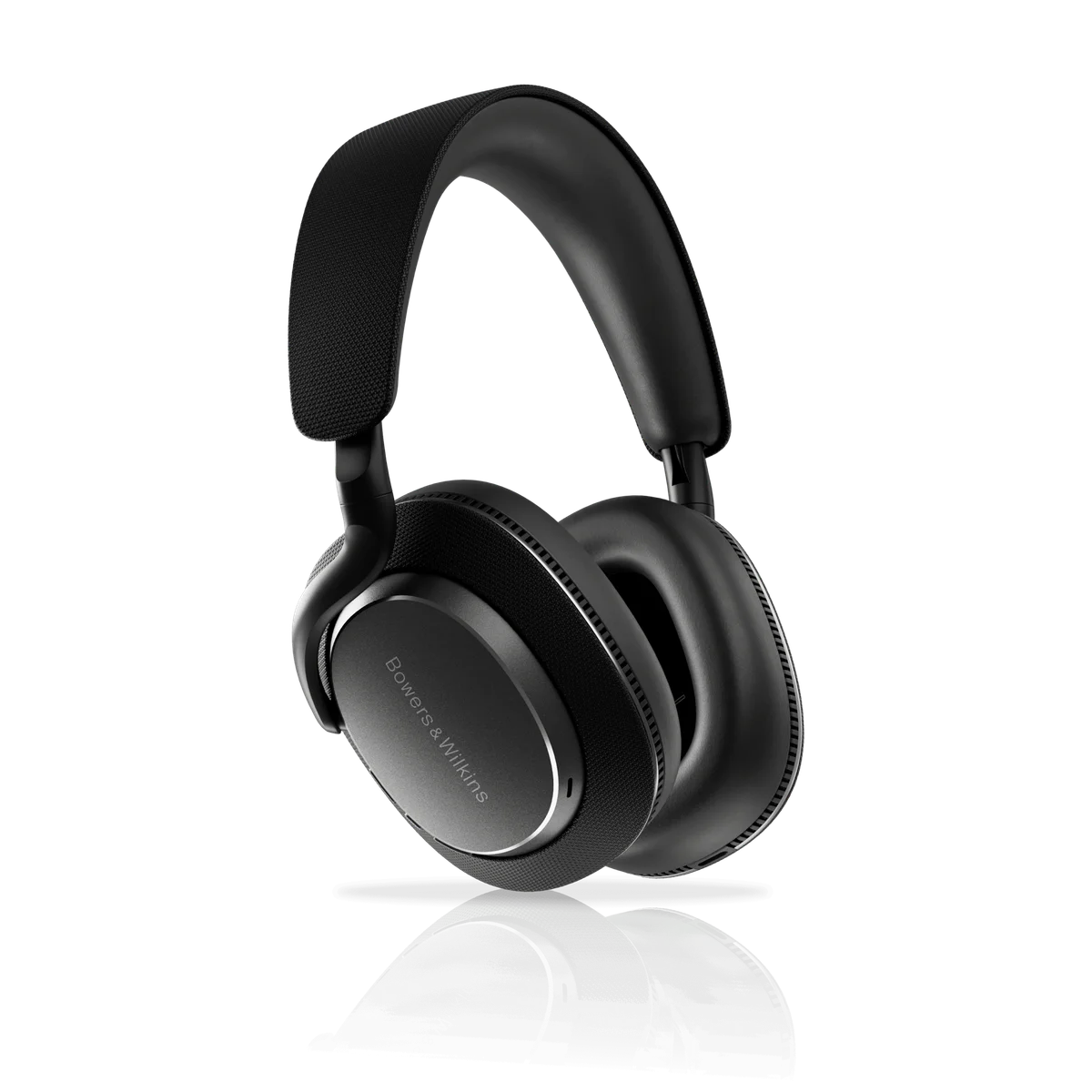
On Android it depends on your phone, your headphones, and the Bluetooth stack's current decisions. A Pixel or Galaxy paired with the Sony WH-1000XM6 will typically pick LDAC. A Snapdragon Sound phone paired with the Bowers & Wilkins Px7 S3 can negotiate aptX Lossless. To see the active codec, enable Android Developer Options and open Bluetooth Audio Codec; what is listed there is what is actually running (Digitash walkthrough).
Why your headphones keep connecting at SBC
You bought the right headphones, you own the right phone, and Developer Options still shows SBC as the active codec. There are three common reasons. First, multipoint. The Sony WH-1000XM6 drops to a lower-bitrate codec when multipoint is active, per SoundGuys' WH-1000XM6 review. If you want LDAC, you turn off "Connect to 2 devices simultaneously" in the Sony Sound Connect app.
Second, signal conditions. SoundGuys found that LDAC's 990 and 660 kbps tiers begin experiencing problems just below -60 dBm RSSI, with the standard falling back to 330 kbps or SBC to keep the stream going. A crowded 2.4 GHz environment (Wi-Fi, microwaves, other Bluetooth devices, your phone riding in a back pocket) is enough to force a downshift you will not see in the UI.
Third, Android's Developer Options can reset the codec to the default after a reconnect. If you forced LDAC manually and the headphones later re-paired after a restart, Android may have rolled you back to AAC or SBC. The system-level Bluetooth setting "Connection preference" matters too: choosing "Stable connection" tells the phone to prioritize a reliable link over codec quality, which can override your Developer Options selection.
- Multipoint on: many LDAC headphones, including the Sony WH-1000XM6, drop to AAC or SBC.
- Weak signal (worse than -60 dBm): LDAC drops from 990/660 to 330 kbps or SBC.
- Developer Options reset after reboot or re-pair.
- Connection preference set to Stable rather than High audio quality.
Does Spotify sound better with LDAC?
Mostly no. Spotify Premium's existing catalog streams as Ogg Vorbis at up to 320 kbps on desktop and mobile, per How-To Geek's coverage of Spotify's audio tiers. Any Bluetooth codec with more than about 400 kbps of real bandwidth already carries that stream intact. LDAC at 990 kbps on a Spotify 320 kbps file is a four-lane highway for a bicycle; the extra lanes do not add detail that was not in the file to begin with. If your listening is 90 percent Spotify, LDAC's practical benefit over AAC is small.
Lossless streaming is where the codec can start to pay back. Apple Music, Qobuz, and Tidal offer lossless or hi-res catalogs; Spotify has begun rolling out a lossless FLAC tier up to 24-bit/44.1 kHz for Premium subscribers, per How-To Geek. On a 24-bit Qobuz file, LDAC 990 or aptX Lossless have something real to carry. Apple Music remains an awkward case: on AirPods Max its lossless tier only reaches the headphones over USB-C, not Bluetooth, per Engadget.
aptX vs LDAC: which is better?
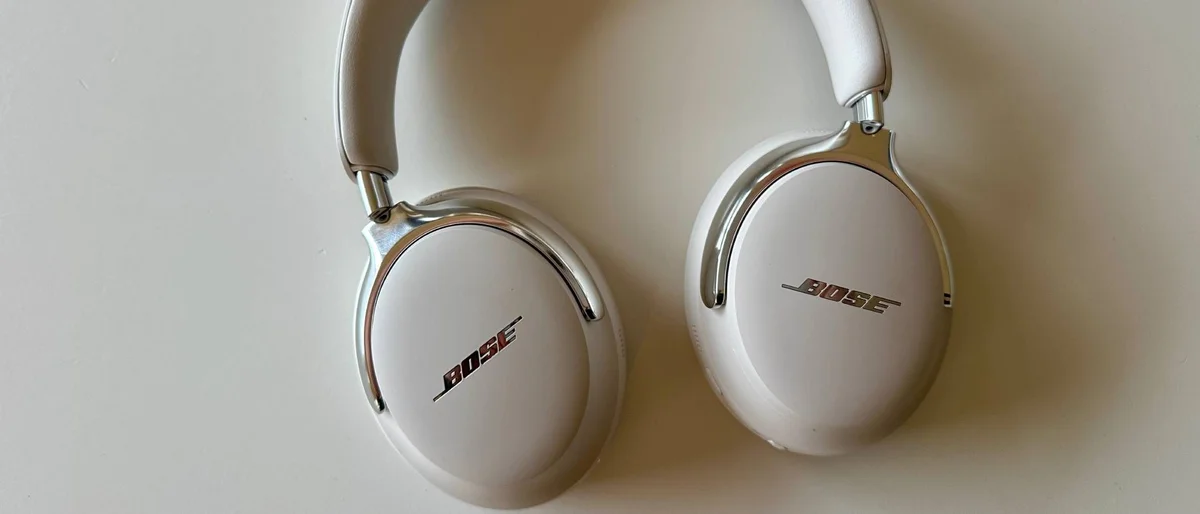
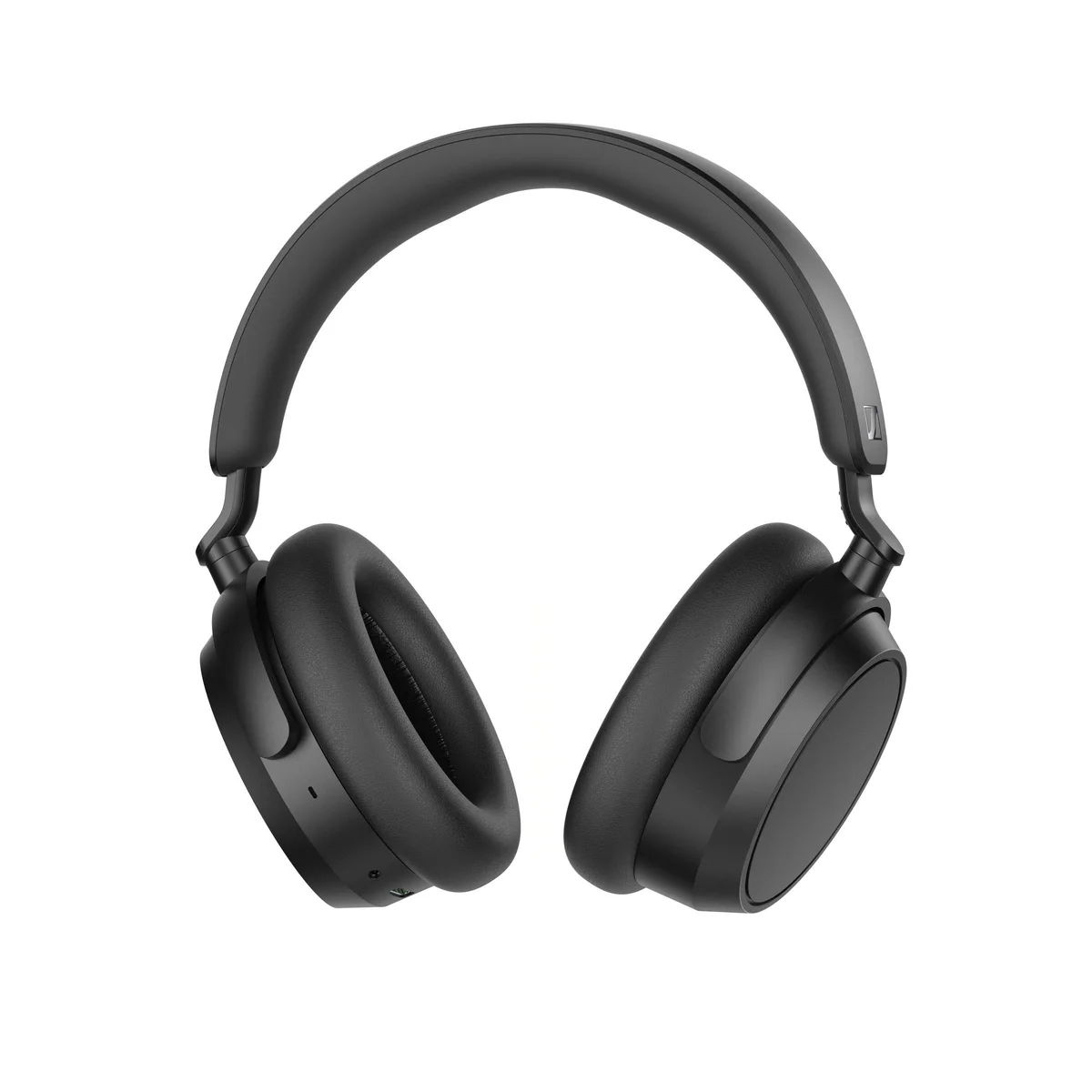
It depends on what you mean. At its best LDAC moves more data: up to 990 kbps and 24-bit/96 kHz, versus aptX HD's 576 kbps or aptX Adaptive's 279 to 420 kbps. In ideal conditions (strong link, hi-res file, compatible hardware) LDAC has the higher sample-rate and bit-depth ceiling. aptX Adaptive counters with lower latency and more aggressive bitrate scaling to keep audio smooth on marginal connections, which is why it is popular in headsets that double for video and games. The Bose QuietComfort Ultra Headphones (2nd Gen) and Sennheiser ACCENTUM Plus Wireless use aptX Adaptive for that reason.
aptX Lossless is a different animal. Qualcomm describes it as mathematically bit-for-bit at 16-bit/44.1 kHz, which means for CD-quality lossless files it is cleaner than LDAC at 990 kbps despite a lower-looking bitrate, per What Hi-Fi. It needs a complete Snapdragon Sound stack on both ends, which is still rare in both phones and headphones. For hi-res catalogs above CD quality, LDAC keeps the sample-rate advantage, even if that only matters for a small slice of what most people actually stream.
Do you need LDAC headphones?
If you own an iPhone, no. Your phone cannot transmit LDAC or any aptX codec. Pick based on tuning, ANC, comfort, and battery, as covered in our Best Over-Ear Headphones of 2026. The Apple AirPods Max (USB-C) and the Bose QuietComfort Ultra Headphones (2nd Gen) both run AAC with an iPhone.
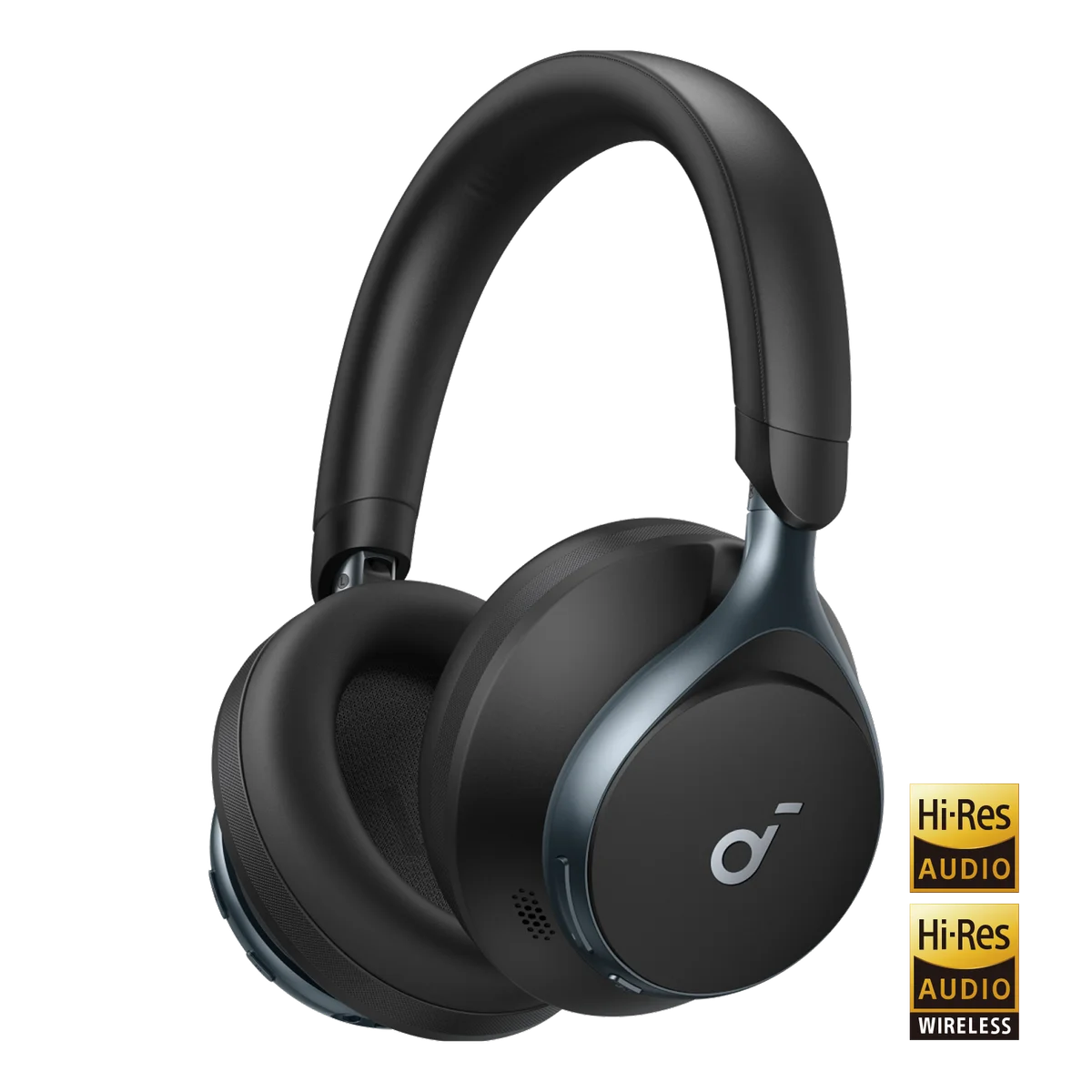
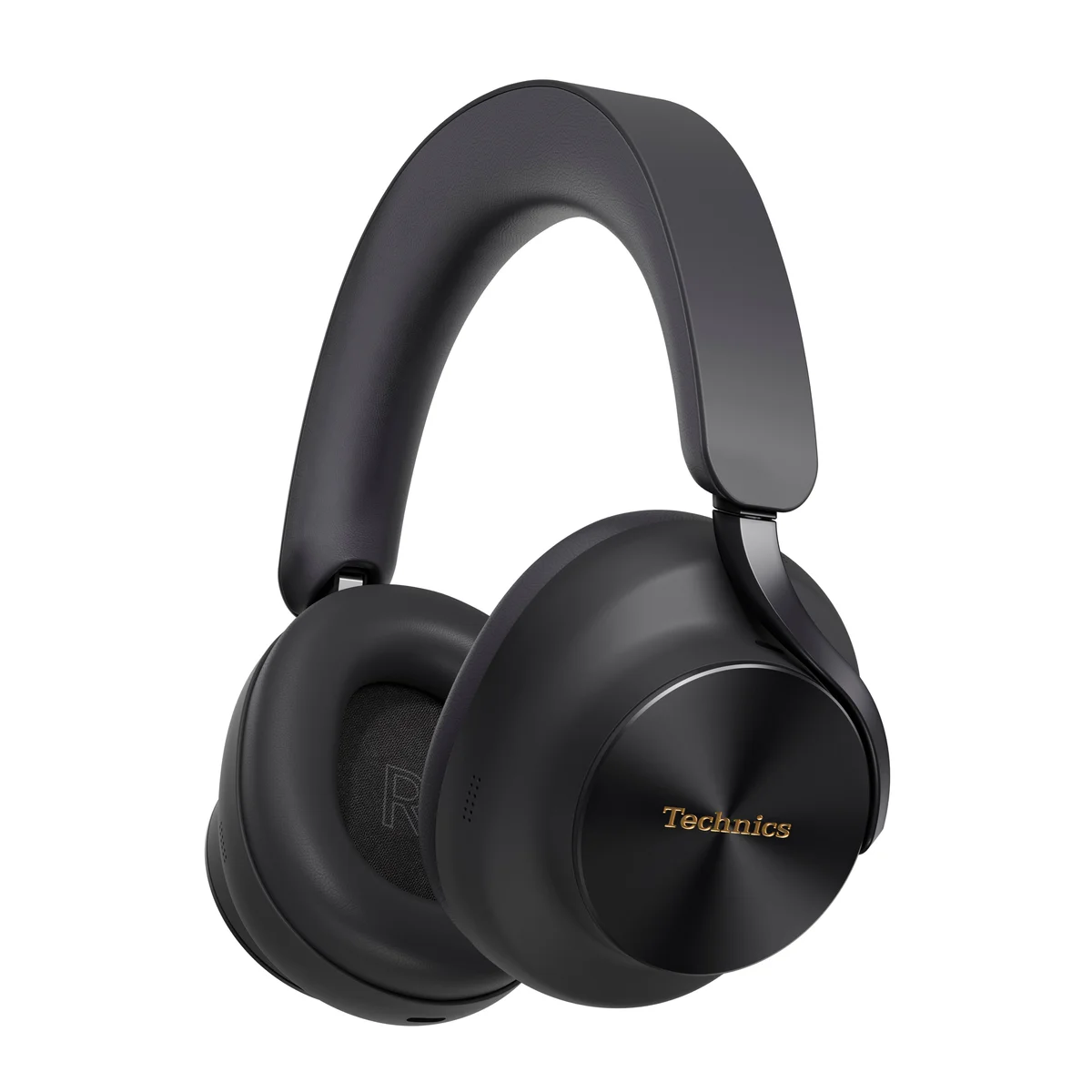
If you own an Android phone and listen on a quiet commute or at home to lossless files, a codec upgrade can matter. The Sony WH-1000XM6 supports LDAC and LC3, the Technics EAH-A1000 adds Bluetooth 6.0 with LDAC, and the Bowers & Wilkins Px7 S3 is one of the few currently shipping with aptX Lossless. For a budget LDAC entry point, the Anker Soundcore Space One brings LDAC in at $99, and the Sony WH-CH720N is one of the cheapest Sony-made LDAC pairs on the market.
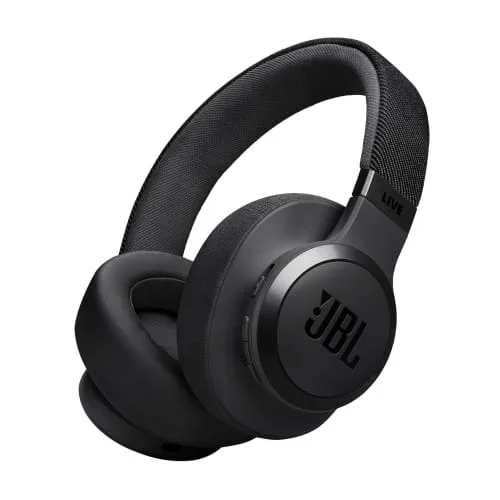
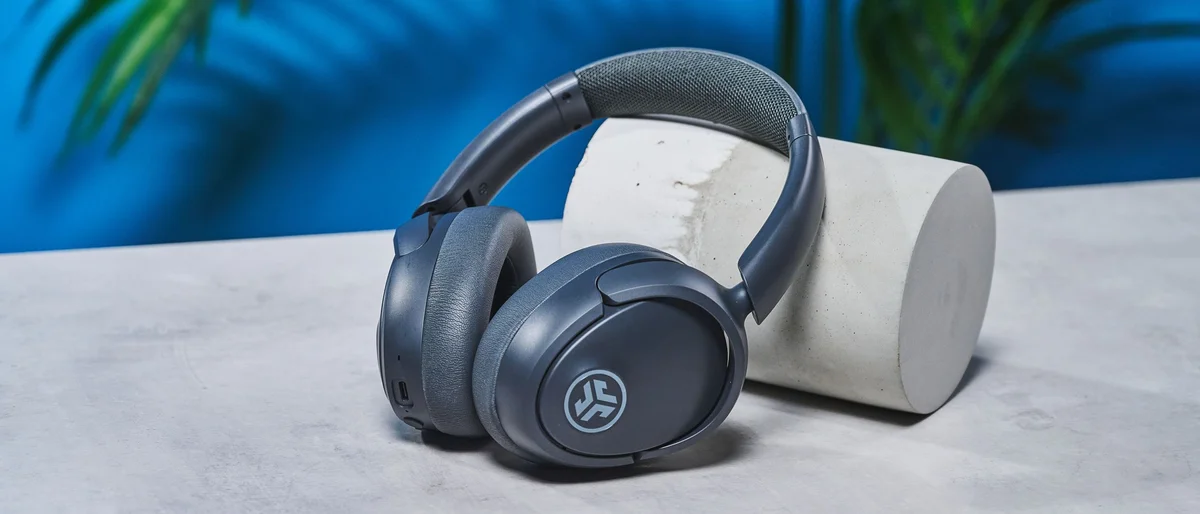
If your listening is mostly Spotify, YouTube, or voice calls, the codec is almost never the limiting factor. The JLab JBuds Lux ANC and JBL Live 770NC ship with SBC and AAC only and sound the way they sound because of their drivers and tuning, not because they lack LDAC. Our Best Budget Wireless Over-Ear Headphones 2026 ranking weights codec support lightly for exactly this reason.
The short version
Buy the headphones first, then check that the codec story is not a dead end for your phone. iPhone owners should ignore LDAC and aptX entirely and focus on AAC-tier hardware. Android owners who listen to lossless files in quiet rooms get a real (if small) upgrade from LDAC or aptX Lossless, provided they disable multipoint and keep their phone close. For everyone else, the codec is a tiebreaker at best. Drivers, tuning, fit, ANC, and your source material all do more work than the three letters on the box.
See Best Over-Ear Headphones of 2026Questions people ask
Does LDAC actually sound better than AAC?+
Measurably yes at 990 kbps, audibly rarely. In published blind tests most listeners cannot reliably tell AAC apart from LDAC at its top tier on real music through real headphones. LDAC at its 330 kbps fallback actually measures worse than AAC and aptX on test signals, per SoundGuys.
Do I need LDAC headphones?+
Only if you own an Android phone and listen to lossless or hi-res files in a clean wireless environment. iPhone owners cannot use LDAC at all. Spotify, YouTube, and podcast listeners will not hear a practical difference between a well-implemented AAC connection and LDAC.
What Bluetooth codec does iPhone use?+
AAC and SBC only. Apple has not added aptX or LDAC to any iPhone or iPad. Pairing an iPhone with LDAC-capable headphones like the Sony WH-1000XM6 drops the link to AAC automatically. For lossless audio on Apple hardware, the only path is a USB-C wired connection to headphones that support it, such as the AirPods Max.
Does Spotify sound better with LDAC?+
Not for its standard tiers. Spotify Premium streams at up to 320 kbps Ogg Vorbis, which any Bluetooth codec with 400 kbps or more of real bandwidth carries intact. LDAC only pays back when the source file is lossless or hi-res, which includes Spotify's newer Lossless tier, Apple Music Lossless on Android, Tidal, and Qobuz.
Why is my headphone connecting at SBC instead of LDAC?+
Three common causes. Multipoint is on and the headphones disable LDAC when paired to two devices. The wireless signal is weaker than about -60 dBm, so Android falls back to a safer codec. Or Developer Options has reset to the default after a reconnect. Turn off multipoint, bring the phone closer, and set the Bluetooth codec manually in Developer Options to force LDAC.
aptX vs LDAC, which is better?+
LDAC at 990 kbps has the higher sample-rate and bit-depth ceiling and is better for hi-res source files. aptX Adaptive has lower latency, roughly 50 to 80 ms, which matters for video and games. aptX Lossless is bit-perfect at CD quality and cleaner than LDAC on 16-bit/44.1 kHz files, but it needs Snapdragon Sound on both ends.
What is SBC Bluetooth?+
SBC (Subband Codec) is the default Bluetooth audio codec every A2DP device supports. It runs at up to about 320 kbps at 48 kHz. It gets a bad reputation because the Bluetooth stack often picks conservative bitrates, but at its ceiling it is closer to AAC than codec arguments suggest.
Does codec matter for wireless headphones?+
Less than most spec sheets imply. The driver, tuning, fit, and your source material all have bigger effects on what you hear. Codec choice matters in a narrow case: hi-res or lossless source, supported phone, strong signal, no multipoint. For most people, the right call is to pick headphones on sound and comfort first and treat LDAC or aptX Lossless support as a tiebreaker.
Sources
What this guide is based on. We research from published specifications, independent reviews and owner reports; we did not test these products ourselves.
- 1.Understanding Bluetooth codecs, SoundGuys
- 2.The ultimate guide to Bluetooth headphones: LDAC isn't Hi-Res, SoundGuys
- 3.Sony WH-1000XM6 review: It (mostly) delivers, SoundGuys
- 4.LDAC (codec), Wikipedia
- 5.Comparison of audio coding formats, Wikipedia
- 6.Qualcomm says aptX Lossless can deliver lossless CD-quality audio over Bluetooth, What Hi-Fi
- 7.AptX Adaptive is Qualcomm's new Bluetooth audio codec which compresses audio at a variable bitrate, XDA Developers
- 8.Apple is finally updating AirPods Max with lossless and ultra-low latency audio, Engadget
- 9.Don't Forget to Turn On Spotify's Lossless Streaming Feature, How-To Geek
- 10.How to Change Bluetooth Audio Codecs to LDAC or aptX HD in Android Developer Options, Digitash
- 11.Is LDAC (Real World) overrated?, Head-Fi
Products mentioned
More on wireless headphones
Explainer
Wireless Headphone Specs That Are Mostly Marketing (and What to Check Instead)
Driver size, bare 20 Hz to 20 kHz ranges, and THD percentages fill wireless headphone spec sheets without telling you how they sound. Here is what to read, and what to skip.
Explainer
What Active Noise Cancellation Actually Cancels (and What It Cannot)
Why ANC silences plane engines but barely touches coffee shop chatter, plus what causes the pressure feeling and whether it can hurt your ears.
Buying guide
How to Choose Wireless Over-Ear Headphones
A decision framework for wireless over-ear headphones built around four questions: where you listen, whether ANC helps there, which Bluetooth codec your phone sends, and how long you wear them per sitting.