Buying guide
How to Choose Wireless Over-Ear Headphones
A decision framework for wireless over-ear headphones built around four questions: where you listen, whether ANC helps there, which Bluetooth codec your phone sends, and how long you wear them per sitting.
Updated November 18, 2026 · Based on 14 sources · How we research
This guide is for anyone staring at a wall of wireless over-ear headphones and trying to make sense of codec acronyms, driver sizes, and ANC marketing. The mistake most people make is leading with the spec sheet. Specs look objective but are mostly irrelevant until you answer four questions about yourself first: where you will mostly use them, whether that environment actually benefits from active noise cancellation, which Bluetooth codec your phone or laptop actually speaks, and how long you wear headphones in a single sitting. Pick the wrong model for your environment and even a $549 pair will frustrate you.
Start with where you listen, not with the spec sheet
The variable that decides whether a headphone works for you is the room or vehicle you spend your listening hours in. A train commuter, an open-plan office worker, and a weekend home listener each face different acoustic problems, and the best headphone in one setting can be an expensive mismatch in another.
Transit commuters deal with low-frequency rumble. Aircraft engines, air conditioning, road noise, and train rumble are exactly the sounds where active cancellation works well, per Wikipedia's overview of noise-cancelling headphones, which also notes that ANC is ineffective on sudden or irregular sounds including speech. Office workers face the opposite problem: voices sit in the mid frequencies where ANC struggles. A peer-reviewed study in Building and Environment reported by Acoustic Bulletin found that ANC headphones made participants rate office noise as less bothersome but did not improve their actual performance on recall and n-back tasks. Home listeners usually have no serious noise to fight, which means the ANC budget is better spent on drivers, tuning, or weight.
That is the first filter. Name the environment, then let it remove whole product tiers from your list. Opening our broader Best Over-Ear Headphones of 2026 list without this filter means an hour spent comparing specs that do not apply to your use case.
Is ANC actually worth it for how you listen?
ANC is marketed as a universal upgrade. It is not. The physics of adding an inverted waveform works well on continuous low-frequency sound and falls off at higher frequencies, where human voices and sudden clatter live.
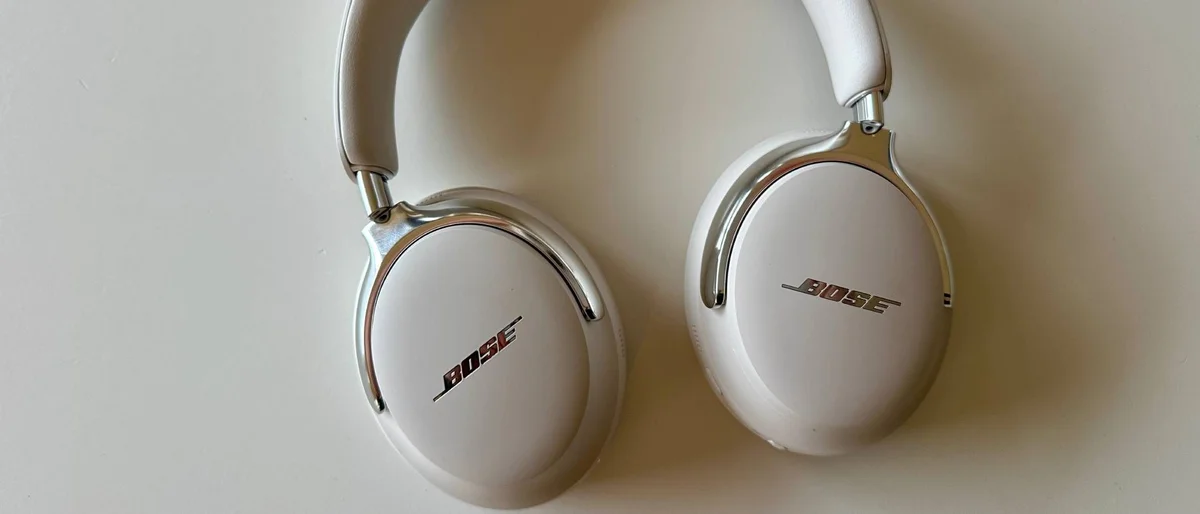
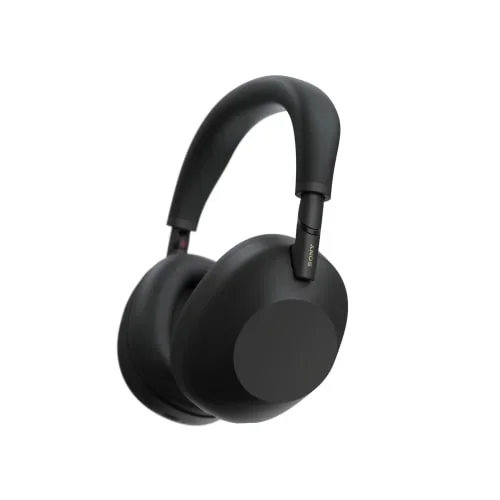
If your commute is a subway, a plane, or a highway bus, yes, ANC earns its price and the gap between top-tier and mid-tier is audible. The Sony WH-1000XM6 and the Bose QuietComfort Ultra Headphones (2nd Gen) are the current ceiling. In a subway test, Gizmodo found the XM6 slightly better than the Bose at muting train noise, while Rolling Stone gives Bose the passive-isolation edge from better-padded cushions and praises its customizable ANC scenes for different settings.
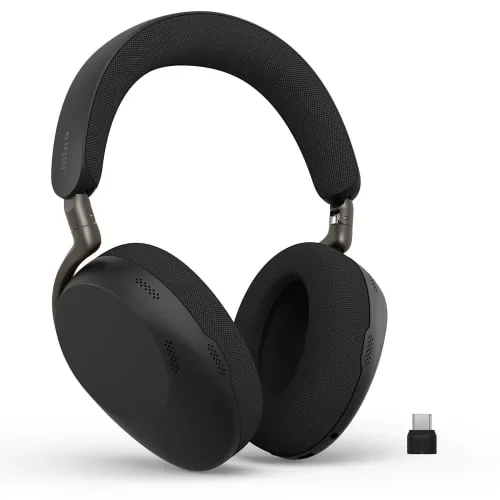
If your noisy environment is a coworker on a call three desks away, the honest answer is that ANC will reduce background hum and relax you, but it will not reliably erase speech. Combine it with music at a conversational volume and you get tolerable focus, not silence. If calls are the point, prioritize microphone arrays over ANC marketing. The Jabra Evolve3 85 uses a six-mic AI array tuned for conference calls and is 220g, which matters more here than its 32mm driver.
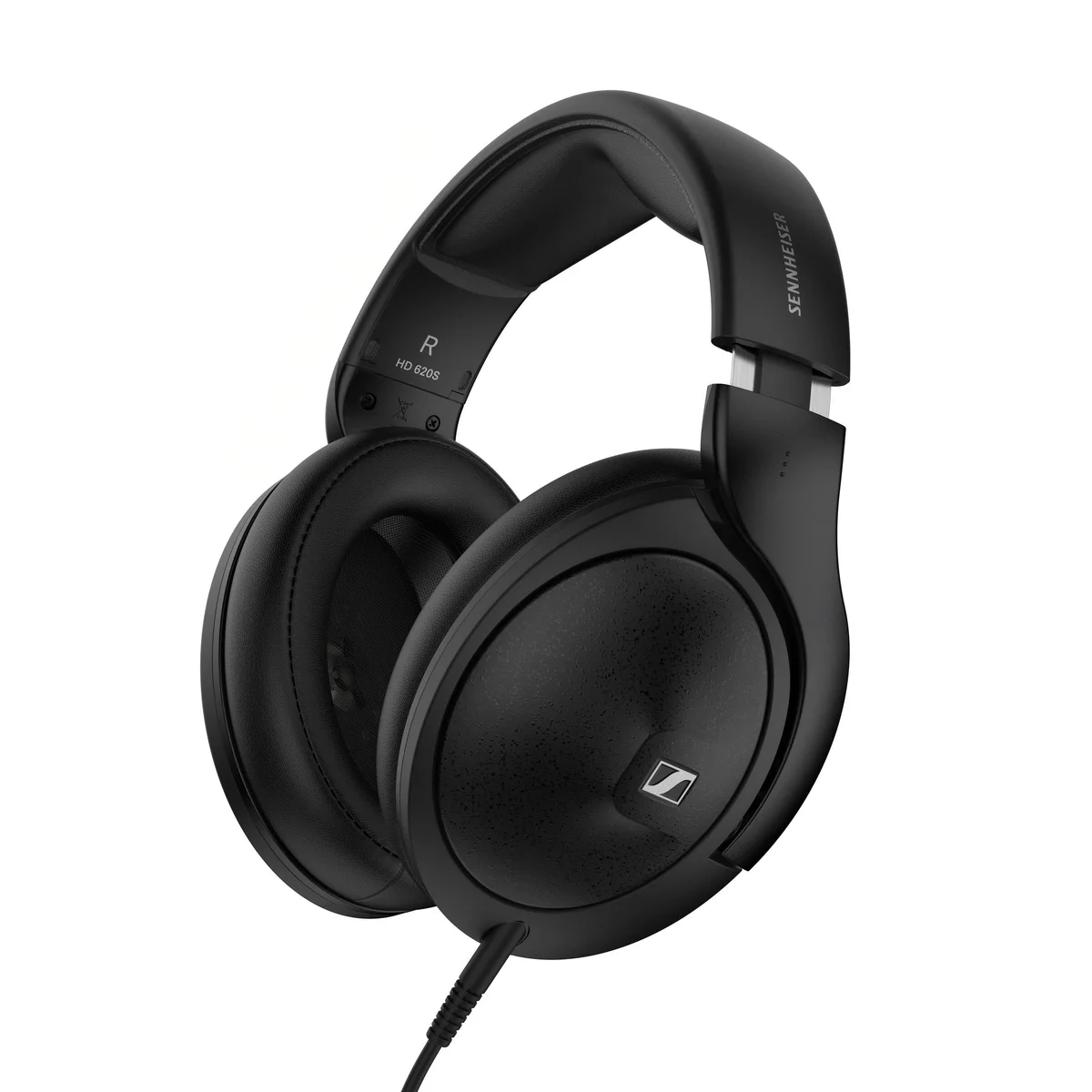
If you listen at home in a quiet room, ANC is a feature you are paying for and never turning on. A wired reference pair such as the Sennheiser HD 620S or an open-back wireless design like the Audio-Technica ATH-AL5NC spends the same money on drivers and staging instead.
Match the codec to the phone or laptop you actually own
Bluetooth codecs are where buyers overpay most. The codec in your headphones only matters if the source device can send it.
iPhones and iPads send AAC over Bluetooth capped at around 250 kbps and cannot send LDAC or aptX at all, as SoundGuys and Android Authority both document. If you buy a $450 LDAC-capable pair and plug it into an iPhone, you are paying for a feature you will never hear. Qualcomm-powered Android phones run aptX Adaptive and, on newer chips, aptX Lossless. Other Android phones usually support LDAC up to 990 kbps. For true hi-res wireless, both ends of the chain need to agree, and the chain has to hold a strong signal, as Head-Fi threads on iPhone AAC transcoding discuss in detail.
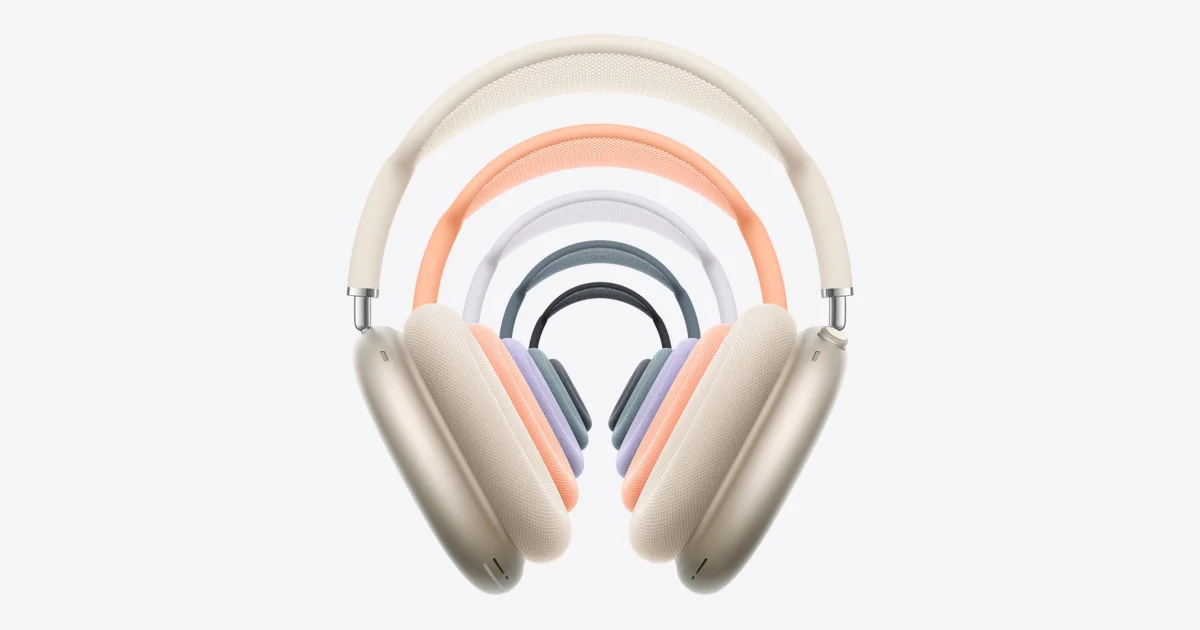
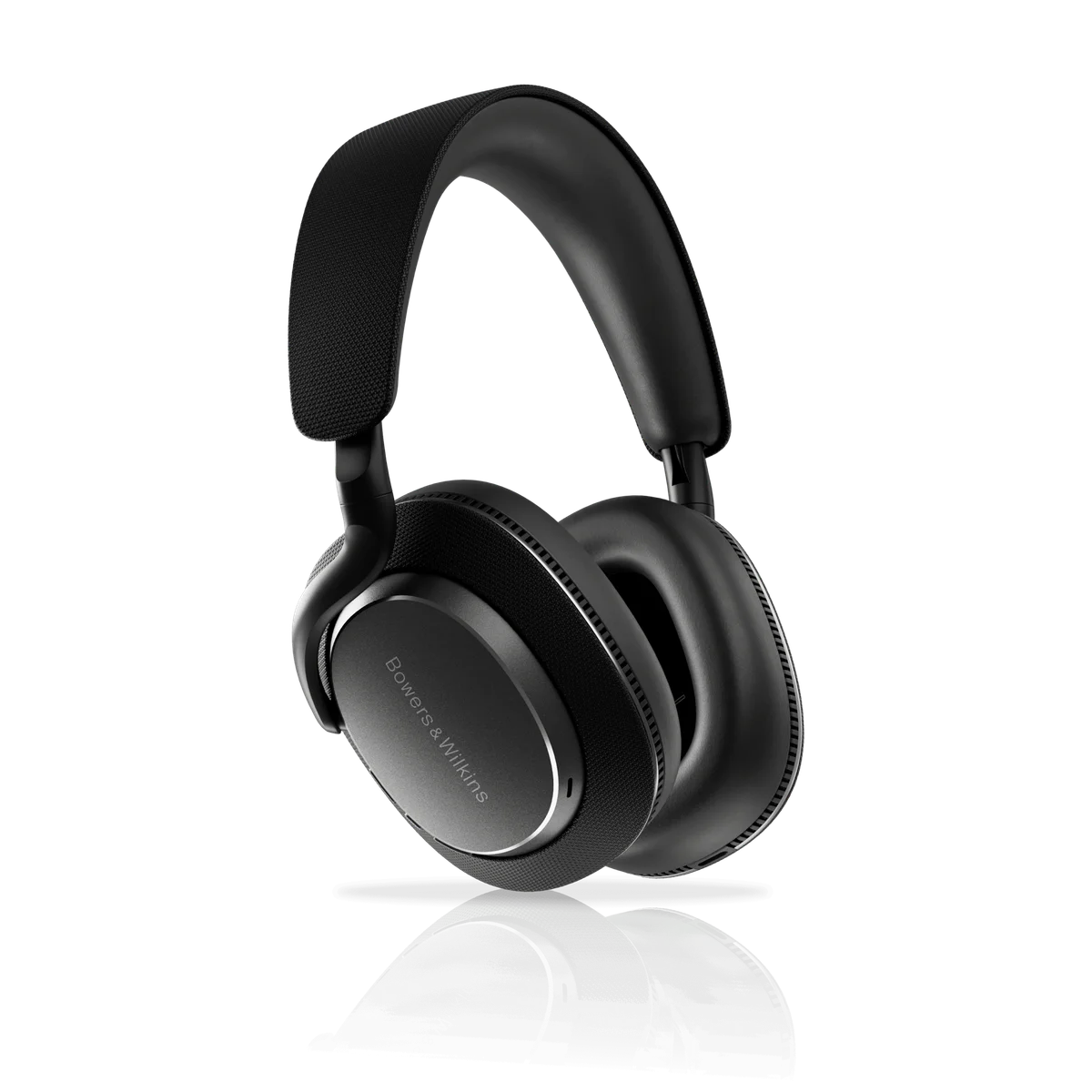
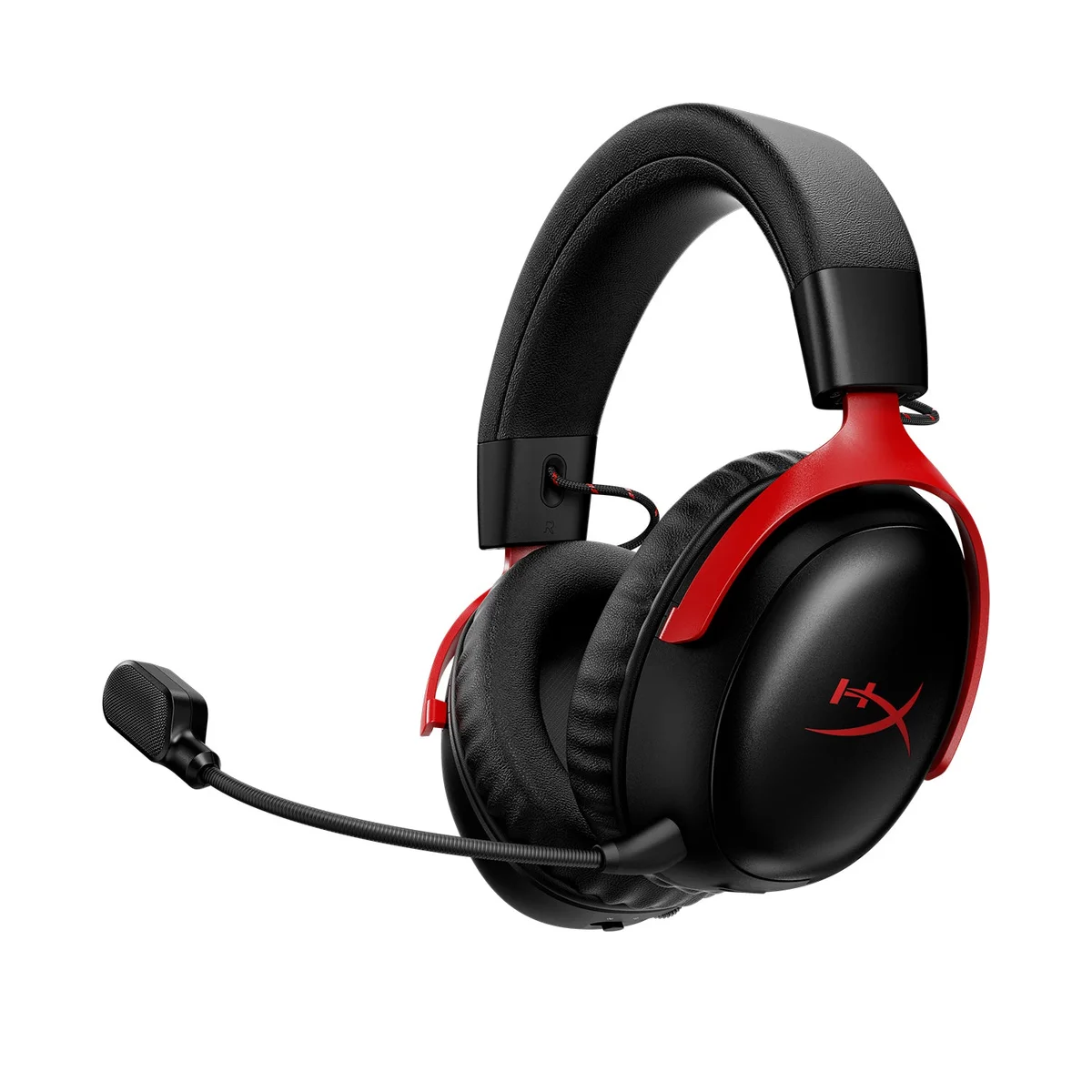
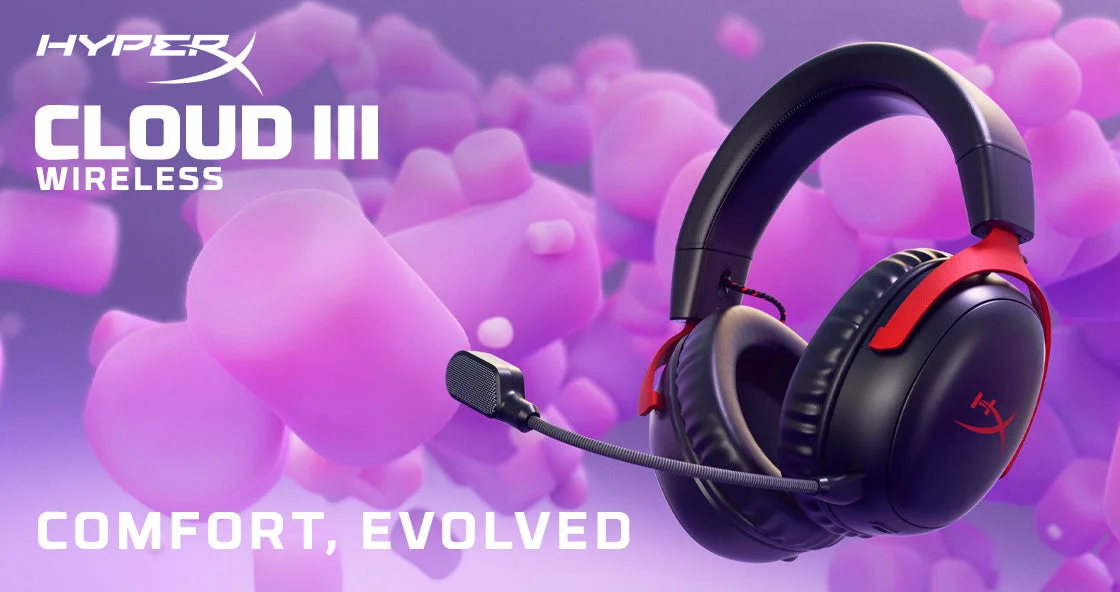
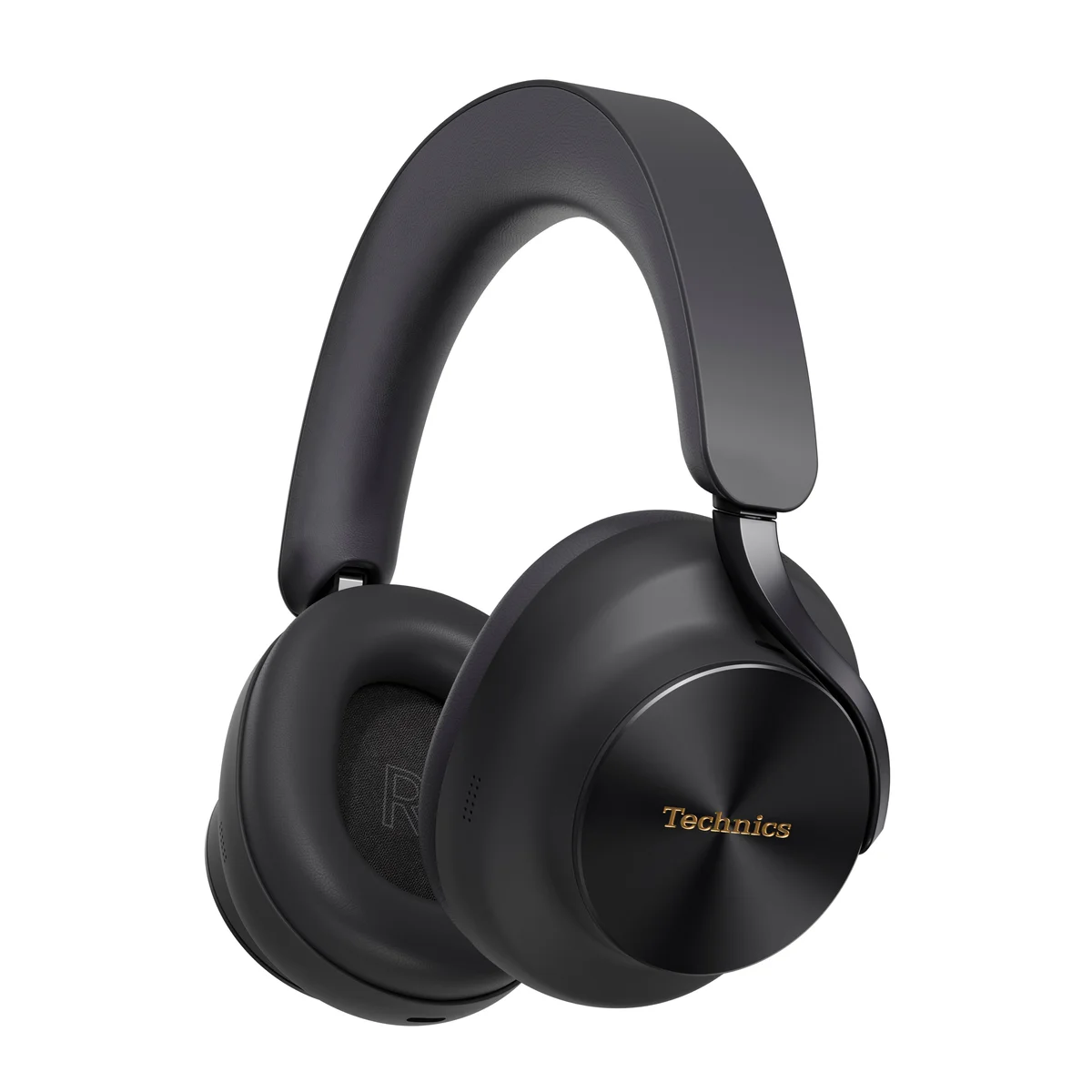
The practical implications are simple. iPhone owners should prioritize AAC implementation, comfort, and ANC over codec breadth. The Bose QuietComfort Ultra 2 and the Apple AirPods Max (USB-C) are strong iPhone matches; the AirPods Max adds ALAC lossless when wired over USB-C. Android owners with Qualcomm phones can pay more for aptX Adaptive or aptX Lossless, which is where the Bowers & Wilkins Px7 S3 earns its $479, per the RTINGS Px7 S3 review. Android owners without Qualcomm should look at LDAC pairs like the Sony WH-1000XM6, the Technics EAH-A1000, or on a tight budget the Anker Soundcore Space One at $99. Gamers on PC and console should treat Bluetooth as a secondary mode and buy for the 2.4GHz dongle instead; the SteelSeries Arctis Nova 5 Wireless and the HyperX Cloud III S Wireless are built that way.
How long do you wear them in one sitting?
Weight and clamp force are the two underrated specs. Under an hour, almost anything is tolerable. Past two hours, over-ear models reduce pressure on ear cartilage better than on-ear designs, and the lightest over-ears at 190 to 240 grams separate from the heaviest at 320 to 390 grams by a clear margin of comfort.
Three concrete data points. The Sony WH-1000XM6 weighs 254g and reviewers at TechRadar describe it as comfortable for extended wear. The Apple AirPods Max (USB-C) weighs 386g, which SoundGuys notes you feel on the head even though the headband spreads the load well. The Jabra Evolve3 85 is 220g and specifically tuned for people who live on calls.
If you wear headphones more than four hours a day, weight below about 270g and plush earpads matter more than any codec. Glasses wearers should also prefer lower clamping force, since a tight seal helps ANC and isolation but presses glasses arms into your temples.
Over-ear beats on-ear for anything past a short burst
For wireless listening of any real length, over-ear wins. On-ear models press directly on the ear cartilage and, past one to two hours, that pressure becomes fatiguing for most people. Over-ears distribute clamp around the ear with a larger cushion, isolate better passively, and leave room for larger drivers if the manufacturer chooses to use one.
On-ear only wins a narrow case: when portability and low weight outrank comfort and you are listening in short bursts. That is a small share of actual wireless use, which is why every headphone in our Best Over-Ear Headphones for Specialized Workflows 2026 list is over-ear. For most readers, that is the right default.
How much is enough?
The field is clustered in roughly four tiers. For most buyers the $125 to $200 range answers the question without compromise.
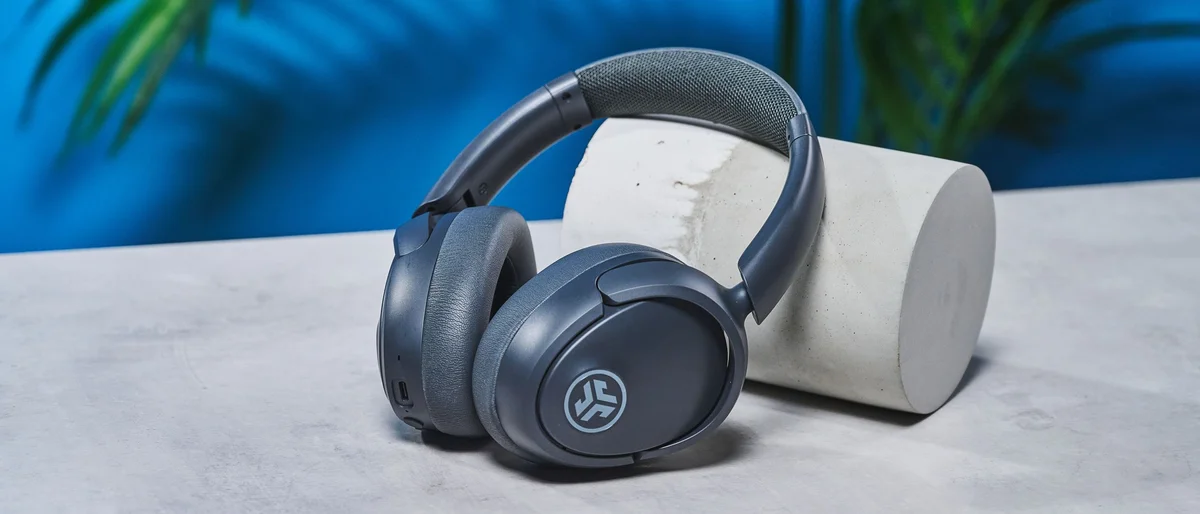
At the bottom, the JLab JBuds Lux ANC at $79.99 covers hybrid ANC, multipoint, Bluetooth 5.4, and 40 hours of ANC-on battery, which Tom's Guide reviewed favorably as a sub-$100 option. The Anker Soundcore Space One at $99 is the only sub-$100 pair in this list that supports LDAC. Both are honest options; what you trade is deep-bass ANC strength and premium materials.
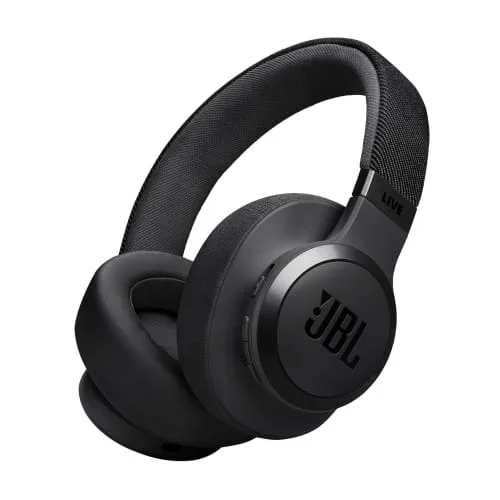
The sweet spot is $125 to $200. The JBL Live 770NC at $139 offers 65-hour battery and adaptive ANC. Wireless gaming lives here too: the SteelSeries Arctis Nova 5 at $129 brings 60-hour Bluetooth battery over 2.4GHz and Bluetooth 5.3, and the HyperX Cloud III S Wireless at $179 reaches 120 hours on 2.4GHz at 50 percent volume. For a tight budget shopper, start at our Best Budget Wireless Over-Ear Headphones 2026 ranking before anywhere else.
The flagship ANC tier runs roughly $300 to $500. The Bose QuietComfort Ultra 2 at $449, the Sony WH-1000XM6 at $449.99, the Technics EAH-A1000 at $449.99, and the Bowers & Wilkins Px7 S3 at $479 cover the range. Each wins a different edge case: Bose for all-around ANC and call quality, Sony for LDAC-grade Android hi-res, Technics for Bluetooth 6.0 LE Audio, and Bowers & Wilkins for aptX Lossless and audiophile tuning.
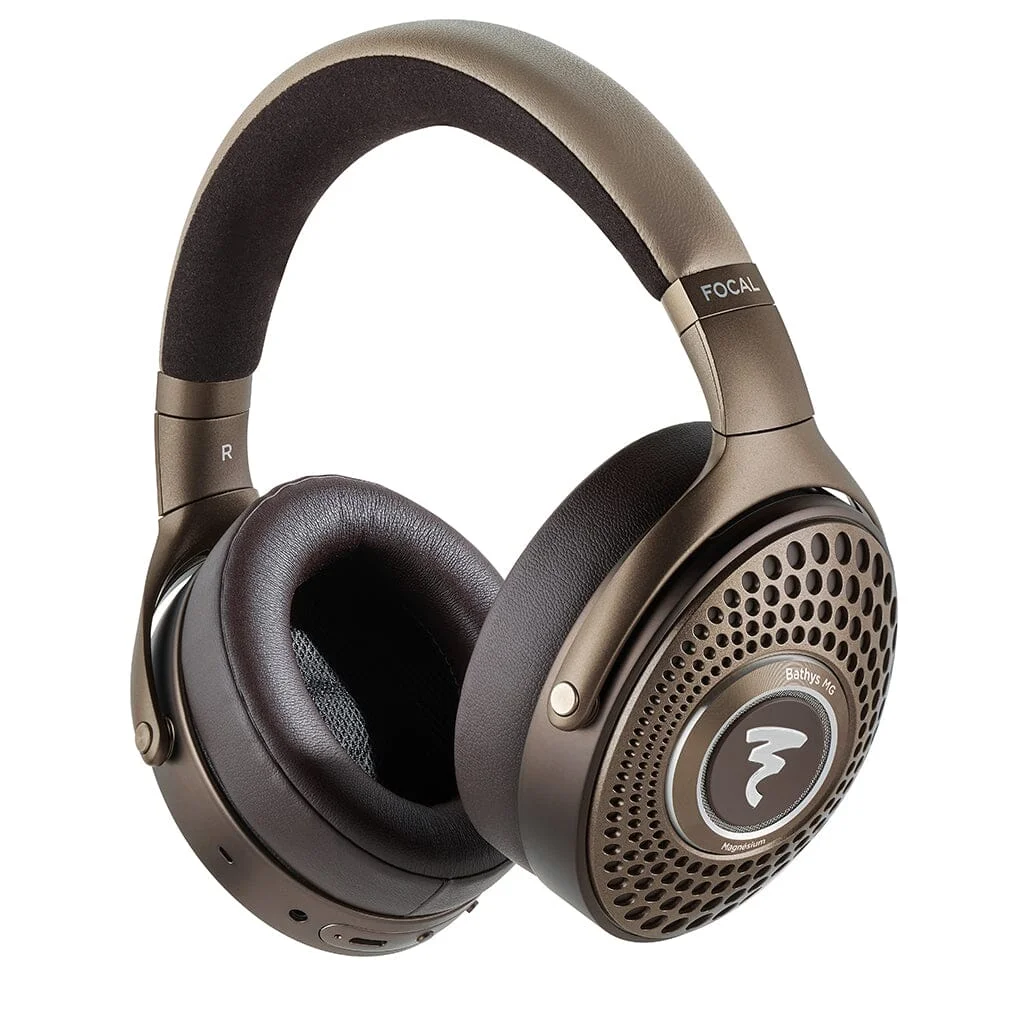
Past $500 you are buying industrial design, materials, or a specific audiophile signature. The Apple AirPods Max (USB-C) at $549 adds ALAC lossless over USB-C and head-tracked Spatial Audio for Apple users. The Focal Bathys MG at $1,499 uses magnesium M-dome drivers and a 24-bit/192kHz USB-DAC mode; TechRadar covers the upgrade and the steep price jump.
| Tier | Price | Example | Best for |
|---|---|---|---|
| Budget ANC | $80 to $100 | JLab JBuds Lux ANC | First ANC buyer, iPhone or Android |
| Sweet spot | $125 to $200 | JBL Live 770NC, Arctis Nova 5 | Daily commute, wireless gaming |
| Flagship ANC | $300 to $500 | Sony WH-1000XM6, Bose QC Ultra 2 | Frequent flyers, Android hi-res |
| Audiophile wireless | $500+ | AirPods Max, Focal Bathys MG | Apple ecosystem, home listening at reference quality |
The most important spec is weight against your sessions
If you pick one specification to lead on, do not pick driver size or codec list. Pick weight, measured against how many hours you plan to wear them in a sitting. A 386g AirPods Max and a 254g Sony XM6 are both flagship pairs, but the 132g gap decides which one you reach for on a long workday. Specs like driver diameter (40mm is standard; 30mm and 53mm are the exceptions) and quoted frequency response (humans top out near 20 kHz regardless of what the box says) are less load-bearing.
After weight, battery life relative to your charging habits matters next. Twenty hours is fine if you charge nightly; 50 hours or more is better if you commute or forget to plug in. SoundGuys' explanation of multipoint Bluetooth also notes that for people juggling a phone and a laptop, multipoint is close to a hard requirement, which rules out several otherwise good gaming headsets. Everything else, soundstage width, impedance, driver material, is a tiebreaker.
The short version
Work the four questions in order. Name the environment you will spend the most hours in. Decide whether that environment actually benefits from ANC, remembering that ANC blocks rumble well and voices poorly. Check which codec your phone sends: AAC on Apple, LDAC or aptX Adaptive on Android. Then match the weight and clamp force to how long you sit with headphones on. Commuters and flyers should look at the Sony WH-1000XM6 or Bose QuietComfort Ultra 2. Hybrid workers who live on calls should look at the Jabra Evolve3 85 or a lighter ANC pair with multipoint. Android audiophiles can justify the Bowers & Wilkins Px7 S3 or the Technics EAH-A1000. Home listeners spending four-figure budgets should look at the Focal Bathys MG or wired alternatives. Sub-$100 shoppers are not compromising as much as they used to; the JLab JBuds Lux ANC proves it.
See Best Over-Ear Headphones of 2026Questions people ask
How do I know which wireless headphones to buy?+
Answer four questions in order. Where will you mostly use them? Does that environment benefit from ANC? Which Bluetooth codec does your phone actually send? How long do you wear headphones in one sitting? Each question eliminates whole segments of the market, and by the time you finish there are usually only three or four pairs left to compare.
What should I look for in wireless headphones?+
In priority order: a codec your source device can actually use, ANC tuned for the noise you actually face, weight that matches your session length, battery life that matches your charging habits, and multipoint if you move between a phone and a laptop. Driver size, impedance, and quoted frequency response are tiebreakers, not deciding factors.
Is ANC worth it for me?+
If you commute by subway, bus, train, or plane, yes. ANC is strongest on the continuous low-frequency noise those environments produce. In an open office, ANC will soften background hum but will not reliably erase speech, because voices sit above the frequency band ANC handles well. At home in a quiet room, ANC is a feature you are paying for and leaving off.
How much should I spend on wireless headphones?+
Most buyers are best served between $125 and $200, where pairs like the JBL Live 770NC and SteelSeries Arctis Nova 5 sit. Under $100, the JLab JBuds Lux ANC is honest value. Past $500 you are mostly paying for industrial design, luxury materials, or a specific audiophile tuning.
Which wireless headphones are best for commuting vs the office vs home?+
Commuting rewards strong low-frequency ANC and long battery: Sony WH-1000XM6, Bose QuietComfort Ultra 2, or JBL Live 770NC on a budget. Office work rewards light weight, multipoint, and microphone quality for calls: Jabra Evolve3 85 or lighter ANC pairs. Home listening rewards drivers over ANC: Sennheiser HD 620S wired, or Focal Bathys MG and Audio-Technica ATH-AL5NC if you want wireless.
Over-ear or on-ear headphones, which is better?+
For wireless listening of any real length, over-ear wins. On-ear models press directly on the ear cartilage and become fatiguing past one to two hours. Over-ears distribute clamp around the ear, isolate better passively, and support longer sessions. On-ear only makes sense for short bursts where portability and low weight outrank comfort.
Do I need expensive wireless headphones?+
No. The JLab JBuds Lux ANC at $79.99 covers hybrid ANC, multipoint, and 40 hours of ANC-on battery, and Tom's Guide reviewed it favorably as a sub-$100 option. You pay more for stronger low-frequency ANC, codec breadth, premium materials, and audiophile tuning. If you only commute occasionally and listen on an iPhone, a sub-$100 pair is enough.
What is the most important spec in wireless headphones?+
Weight, measured against how long you plan to wear them. A 380g flagship and a 250g mid-range are both capable, but the heavier pair is the one you take off first. After weight, prioritize codec match with your phone, battery life against your charging habits, and multipoint if you move between devices. Everything else is a tiebreaker.
Sources
What this guide is based on. We research from published specifications, independent reviews and owner reports; we did not test these products ourselves.
- 1.Sony WH-1000XM6 Review, RTINGS
- 2.Sony WH-1000XM6 Review: A Damn Near Perfect Pair of ANC Headphones, Gizmodo
- 3.Sony WH-1000XM6 review, TechRadar
- 4.Sony WH-1000XM6 vs. Bose QuietComfort Ultra 2 Headphones: Review, Rolling Stone
- 5.Understanding Bluetooth codecs, SoundGuys
- 6.Bluetooth audio codecs: A guide to earbud audio quality, Android Authority
- 7.iPhone AAC Bluetooth bottleneck and transcoding, Head-Fi
- 8.Noise-cancelling headphones, Wikipedia
- 9.Active noise-cancelling headphones do not improve cognitive performance in office noise environment, Acoustic Bulletin
- 10.Apple AirPods Max review, SoundGuys
- 11.JLab JBuds Lux ANC review, Tom's Guide
- 12.Focal just upgraded its audiophile noise cancelling wireless headphones, TechRadar
- 13.Bowers & Wilkins Px7 S3 Review, RTINGS
- 14.What is Bluetooth multipoint?, SoundGuys
Products mentioned
More on wireless headphones
Explainer
Wireless Headphone Specs That Are Mostly Marketing (and What to Check Instead)
Driver size, bare 20 Hz to 20 kHz ranges, and THD percentages fill wireless headphone spec sheets without telling you how they sound. Here is what to read, and what to skip.
Explainer
Do Bluetooth Codecs Actually Matter? SBC, AAC, aptX, and LDAC Explained
What each Bluetooth codec actually does, when LDAC or aptX is audibly better than AAC or SBC, and why the right codec rarely translates into a real listening upgrade.
Explainer
What Active Noise Cancellation Actually Cancels (and What It Cannot)
Why ANC silences plane engines but barely touches coffee shop chatter, plus what causes the pressure feeling and whether it can hurt your ears.