Explainer
What Active Noise Cancellation Actually Cancels (and What It Cannot)
Why ANC silences plane engines but barely touches coffee shop chatter, plus what causes the pressure feeling and whether it can hurt your ears.
Updated November 18, 2026 · Based on 12 sources · How we research
If you bought premium ANC headphones for a coffee shop and felt let down, you did not get a lemon. You met the physics. Active noise cancellation is very good at a narrow job: erasing low-frequency, steady, predictable sound like jet engines, train rumble and HVAC hum. It is close to useless against voices, dishes, keyboards or anything high-pitched and sudden. This guide explains why, what today's flagships from Sony, Bose, Apple and Focal can and cannot cancel, what causes the pressure feeling in your ears, and whether any of this is bad for your hearing.
Which sounds ANC reliably cancels
Active noise reduction was first engineered for pilots because propeller aircraft cabins concentrate their noise in the low bass. AVweb's tutorial measured a Piper Comanche peaking near 80 Hz and a Cessna 210 near 120 Hz, with the bulk of the energy between 70 and 300 Hz. That is exactly where destructive interference works, and the article describes the added attenuation from ANR in that band as "very noticeable" over passive isolation alone (AVweb).
Consumer flagships extend the same principle. In SoundGuys' paired measurements the Sony WH-1000XM6 reduced overall loudness by about 87 percent against the Bose QuietComfort Ultra (2nd Gen) at 85 percent, a small but repeatable margin (SoundGuys). The sources both headphones silence most easily are continuous, low-pitched, and predictable enough for a small processor to compute their inverse in real time.
- Jet engines and propeller drone
- Train rumble on a subway car
- City bus diesel idle
- Refrigerator compressors and HVAC blowers
- Computer case fans and desktop PCs
- Car cabin road rumble at highway speed
Why speech slips through
Human speech carries most of its energy between roughly 300 Hz and 3 kHz. Vowels sit in the lower half; consonants, which do most of the work for intelligibility, stretch up to 8 kHz. Only the lowest vowel harmonics overlap the frequency range where ANC can do real work. Everything above that depends on the earcup seal.
Flagships keep chasing the edge. HeadphoneCheck notes the XM6's 12-microphone array and QN3 chip extend cancellation further into the mid-range than previous Sony models. In side-by-side tests at Android Central, Sony's flagship ANC reduced nearby conversation more than Bose's, while Bose preserved more environmental awareness. Even so, both rely on their closed-back seal for most of the mid and high frequency attenuation; the ANC chip is adding a few decibels on top, not producing the quiet by itself.
Why noise cancellation disappoints in a coffee shop
A coffee shop is nearly a worst-case ANC environment. The dominant sounds are conversation (middle of the speech band), espresso machine hiss (broadband, favoring highs), cup clatter (sharp transients) and background music (everything at once). None of that is continuous low-frequency noise. The underlying HVAC hum that ANC does cancel sits well below the chatter you are actually trying to escape.
What helps in that room is a tight passive seal and your own music at a moderate volume to mask what leaks through. If you actually want to hear the barista call your name, transparency mode is the better answer. It passes outside sound through the microphones rather than fighting it, which is how most people get useful speech awareness from these headphones.
Why your ears feel pressure even when there is no air pressure
Many first-time ANC users describe something like being on a plane during descent. It is real, but it is not air pressure. Audio writers call it eardrum suck. When ANC strips away the low-frequency hum your brain was using to anchor the ambient acoustic scene, the prediction model your auditory cortex runs flags the absence as wrong. MakeUseOf describes the effect as a perception problem rather than a mechanical one.
Specific headphones draw specific complaints. The Apple AirPods Max thread on the MacRumors forum collects hundreds of posts: some owners adapt within a week, others return the product. Owners of the Bose QC Ultra report similar effects, compiled by PirateGadgets. If you feel it, the practical fix is to drop ANC intensity in the companion app (Sony's and Bose's apps both allow this) or switch to an adaptive mode that varies the cancellation with the environment.
Is ANC bad for your ears?
The cancellation itself is not. ANC works by reducing the sound pressure level reaching your eardrum, not by adding anything that would damage it. There is no acoustic trauma, no harmful emission and no barometric effect. The pressure sensation above is a perceptual artifact, not a physical injury.
The real risk is behavioral. When the background is quieter, people often raise their listening volume because the music no longer competes with ambient noise, and then forget to drop it again when the room goes quiet. The World Health Organization considers 80 dB safe for roughly 40 hours a week; every 3 dB above that halves the safe duration. Used well, ANC actually protects your hearing, because you can listen to the same content at a lower volume in a noisy environment (TechRadar). Used as an excuse to crank the volume, it does not.
Match the headphones to the noise you actually face
For planes, trains and open-plan HVAC, pay for flagship ANC and you will get your money's worth. For a coffee shop or an office full of talking colleagues, prioritize a tight passive seal and sound you enjoy at low volume; ANC spec sheets will not solve that problem. For shared home listening, transparency rather than cancellation is usually the right default.
The table below maps the ranked products to the noise they are and are not designed to beat. Prices are the MSRPs on file in the RankGrids data.
| Headphones | Where ANC genuinely helps | Where it cannot help | Price |
|---|---|---|---|
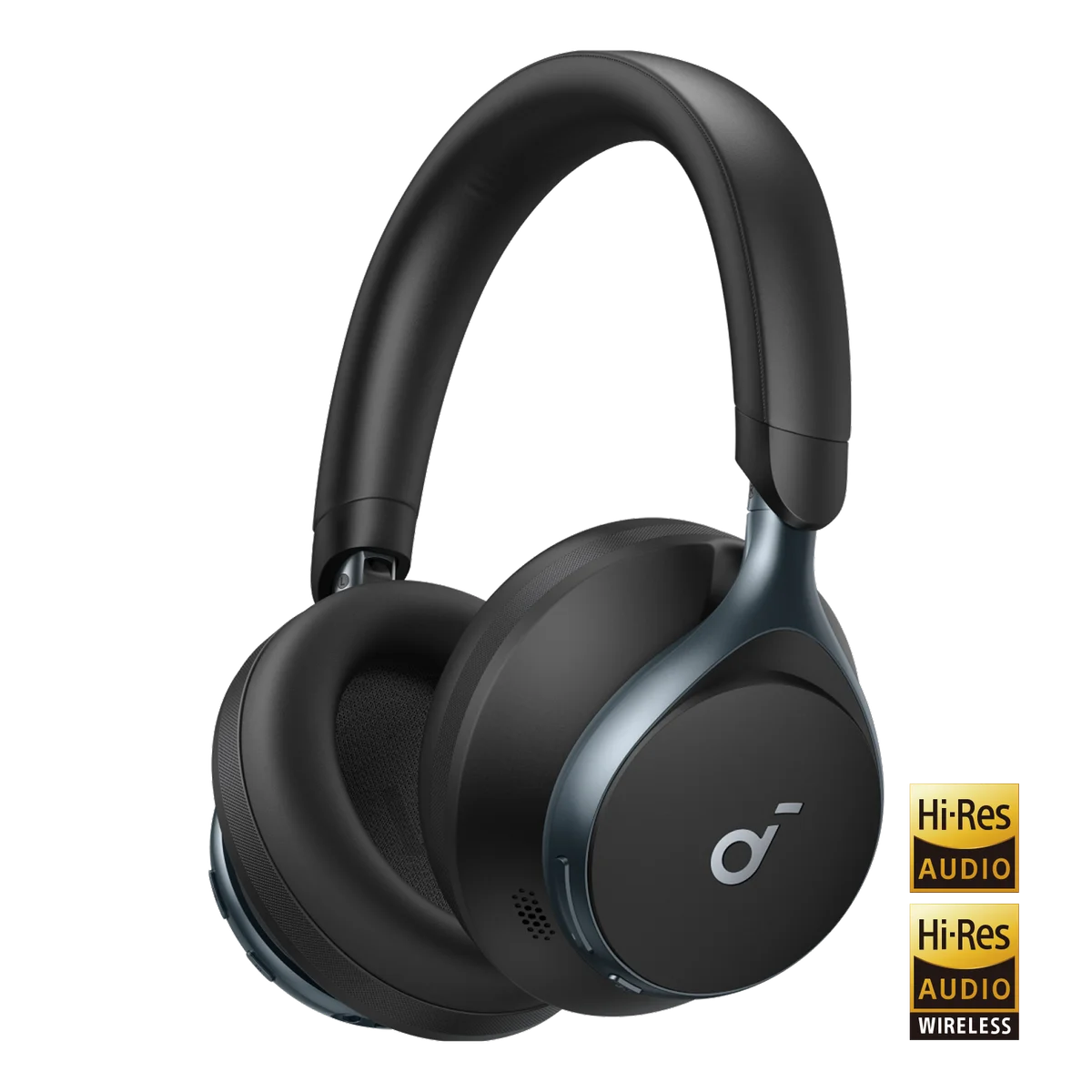
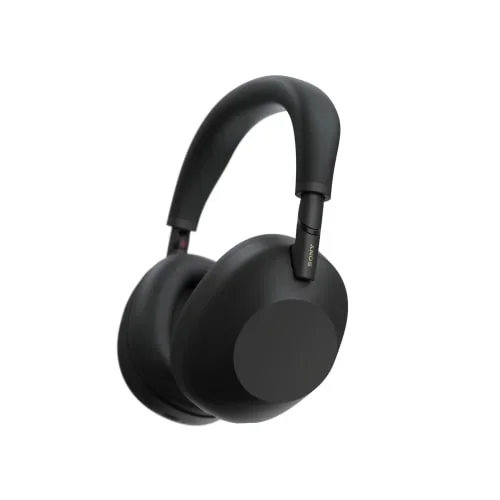
| Sony WH-1000XM6 | Flights, trains, HVAC; measured ahead of Bose QC Ultra at SoundGuys | Nearby conversation, espresso hiss | $449.99 |
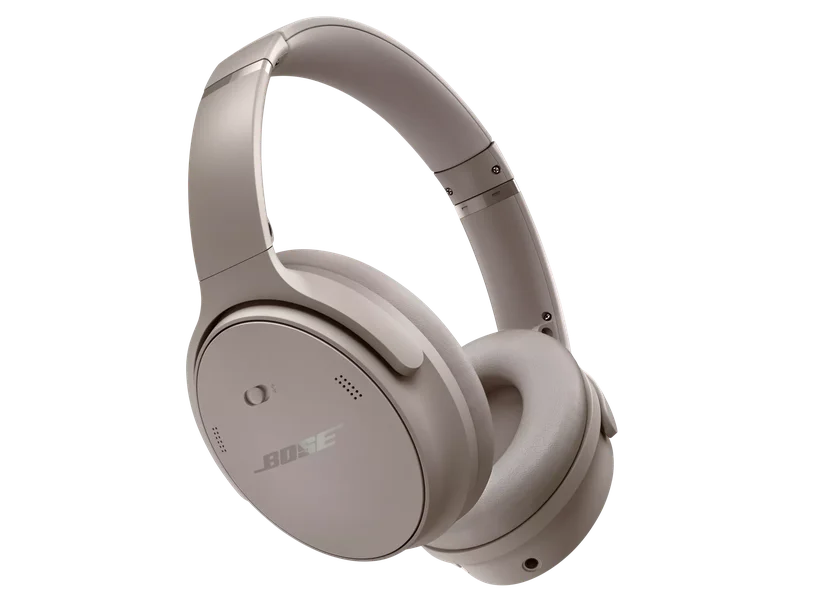
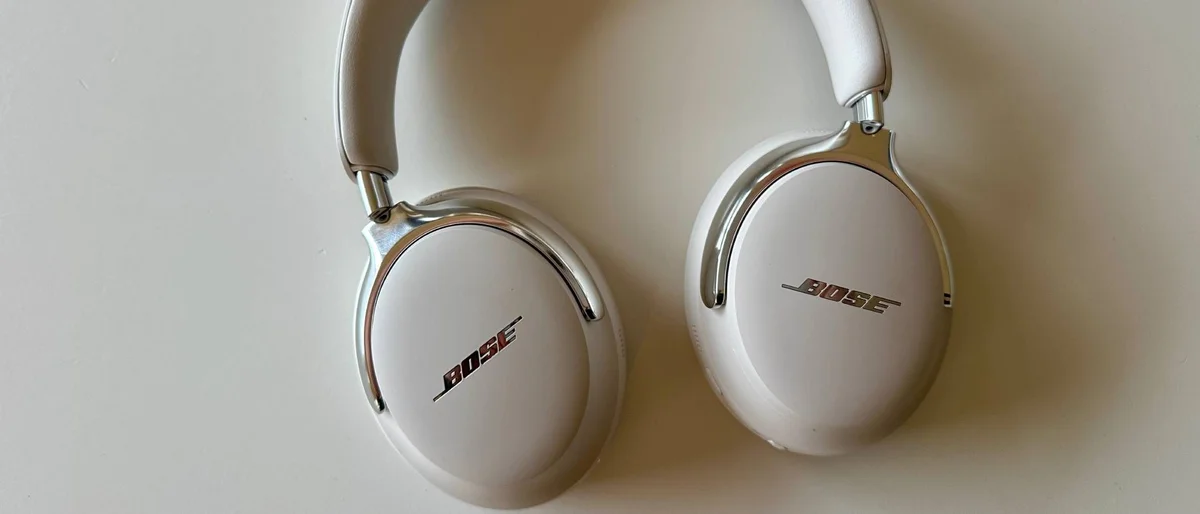
| Bose QuietComfort Ultra 2 | Flights and commutes with adaptive ANC | Sudden sounds, mid-range chatter | $449 |
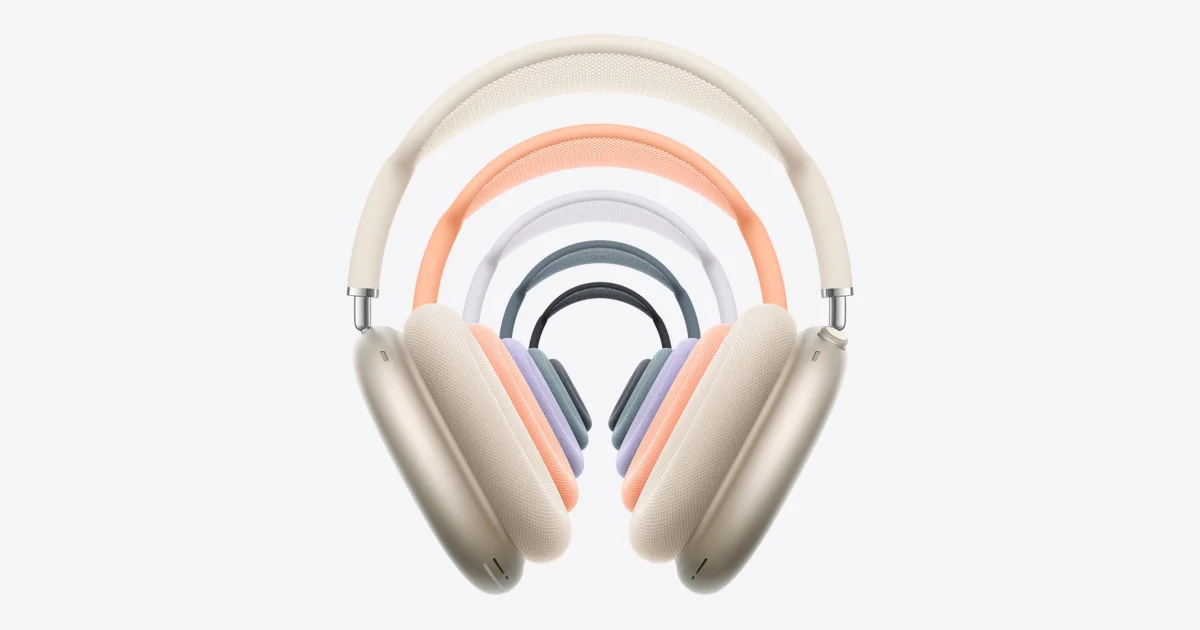
| Apple AirPods Max | Six-mic ANC array plus dense aluminum chassis | Users prone to the pressure sensation report it most here | $549 |
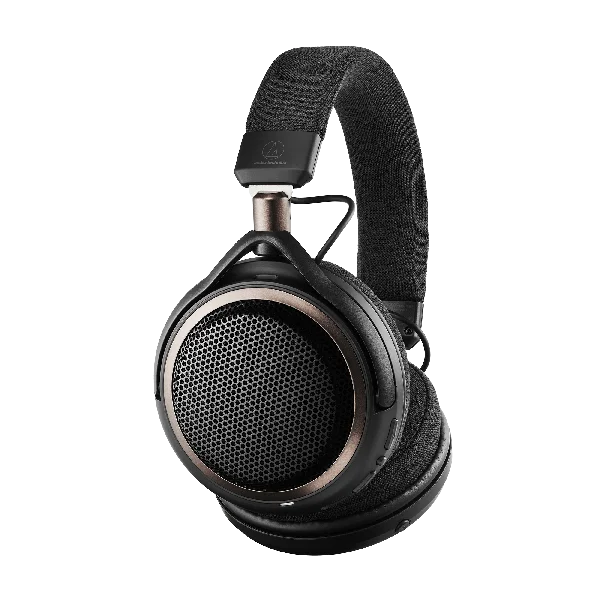
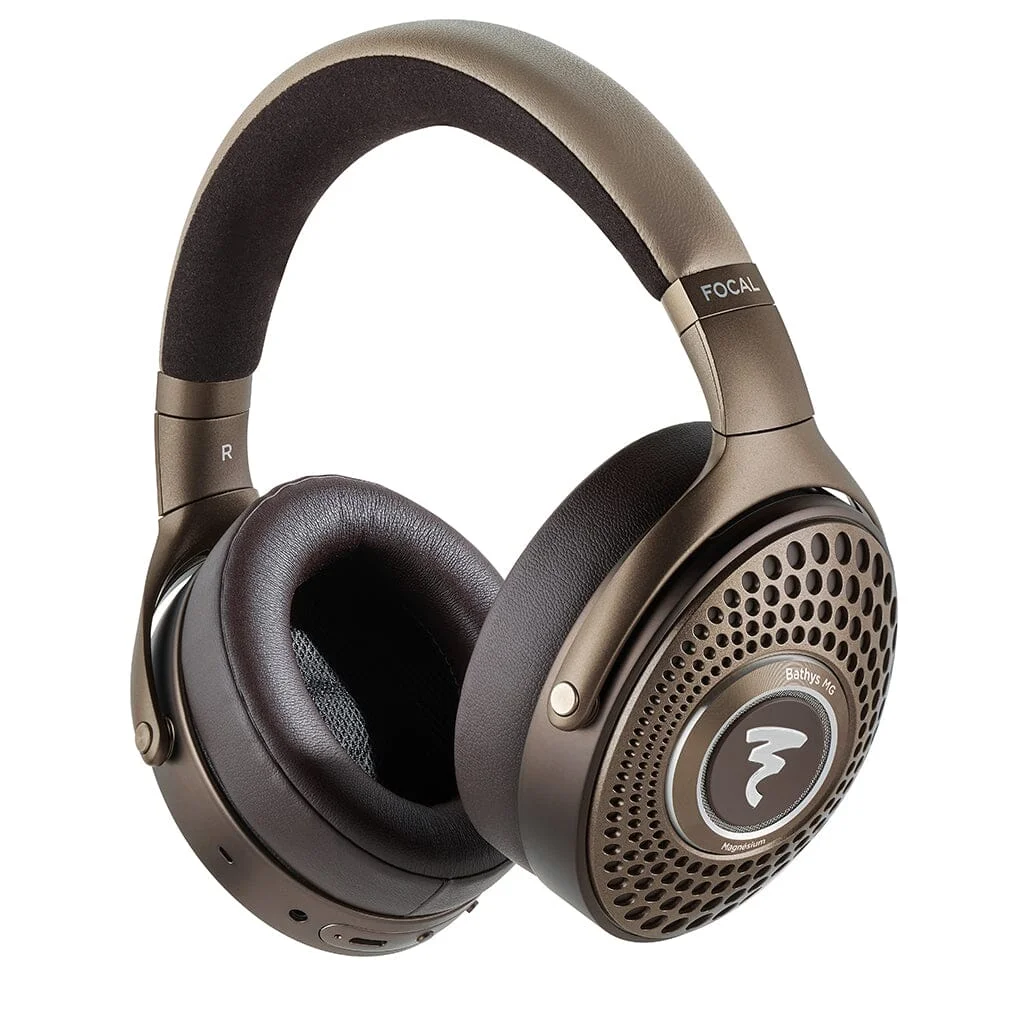
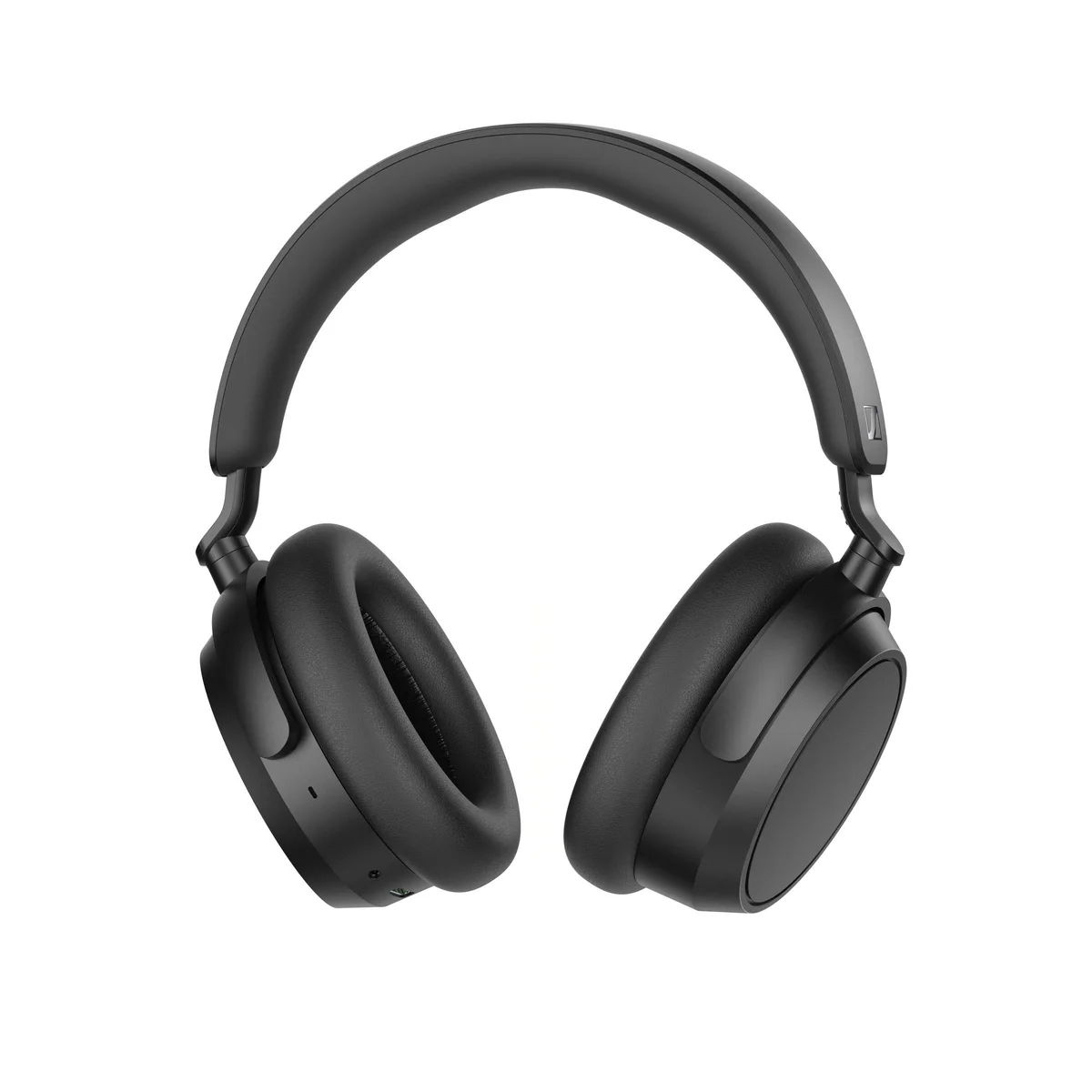
| Focal Bathys MG | Travel plus critical listening at home | Not aimed at noisy call environments | $1,499 |
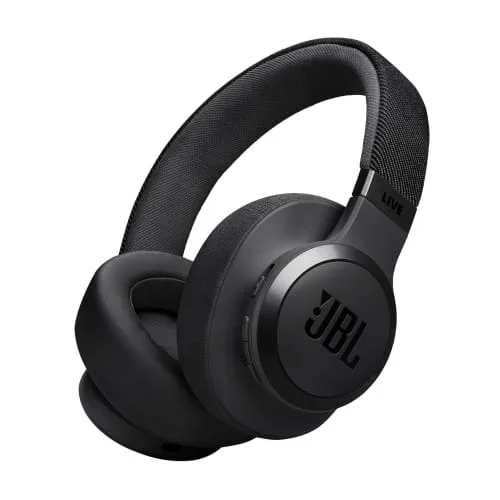
| JBL Live 770NC | Daily commute under $150 | Deep plane rumble (owners report it trails flagships) | $139 |
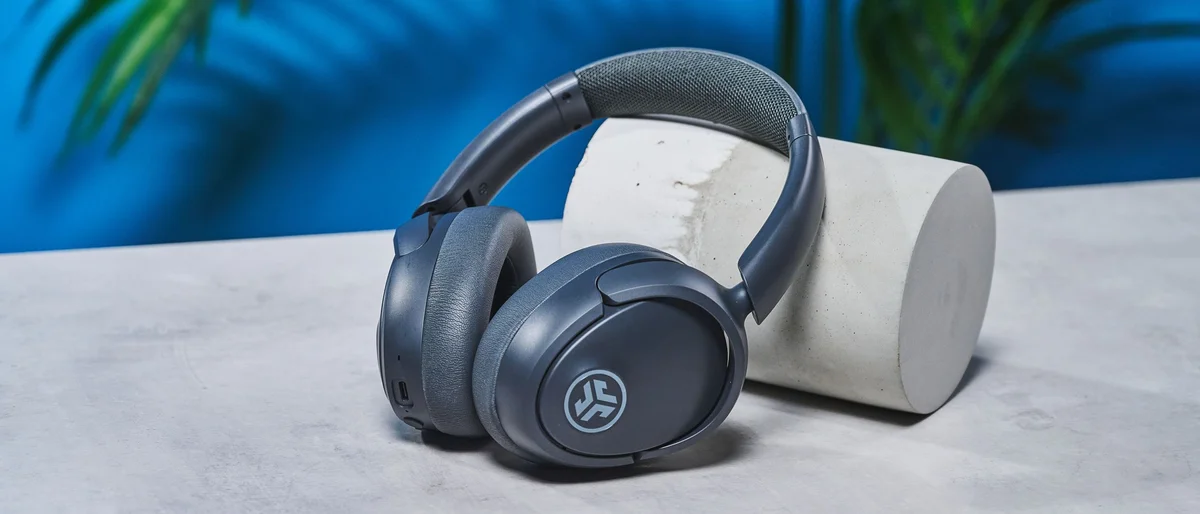
| JLab JBuds Lux ANC | Entry hybrid ANC on buses and office HVAC | Deep bass noise and mid-range chatter | $79.99 |
The short version
ANC is not magic. It is a specific tool that strips out predictable low-frequency drone and essentially nothing else. For a plane cabin or a subway car, spend on a flagship like the Sony WH-1000XM6, Bose QuietComfort Ultra 2 or Focal Bathys MG; the physics works in your favor. For voices or clatter, no ANC budget will fix it, so prioritize a tight passive seal and music you enjoy at low volume. See our over-ear ranking for scenario shortlists and the budget wireless guide for lower-priced options that still handle the ANC sweet spot.
See Best Over-Ear Headphones of 2026Questions people ask
Does ANC cancel voices?+
Not really. Voices sit mostly between 300 Hz and 3 kHz, with important consonants reaching up to 8 kHz. ANC is strongest below 500 Hz. Flagships like the Sony WH-1000XM6 shave a little off the mid-range, but most of the reduction of voices you perceive comes from the passive seal of the earcups, not the ANC chip.
Does noise cancelling work in a coffee shop?+
Partly. It will cancel the HVAC hum underneath the room but leave the chatter, dishes and espresso hiss largely intact. If you want a coffee shop to go quiet, your best weapons are a tight seal and music at a moderate volume; if you want to stay aware, use transparency mode instead of ANC.
Why do noise cancelling headphones hurt my ears?+
Usually not literal pain but a pressure sensation known as eardrum suck. Your brain expects a baseline of low-frequency ambient sound; when ANC removes it the auditory cortex flags the absence and interprets the quiet as pressure. Some people adapt in a few days, others never. Lowering ANC intensity in the companion app usually helps.
Is ANC bad for your ears?+
The cancellation itself is not. ANC reduces sound pressure rather than adding to it, and no credible research links the algorithm to hearing damage. The indirect risk is behavioral: people sometimes turn the volume up to compete with background noise and forget to drop it again. The WHO's safe listening guideline of 80 dB over 40 hours a week is easy to hit at moderate volume once ANC takes the ambient edge off.
Why does ANC feel like pressure in my ears?+
Because your brain is used to constant ambient low-frequency noise and ANC removes it. There is no air pressure change and no barometric effect. The sensation is perceptual and goes away for many users after a few days; for those it does not, dropping the ANC intensity or using an adaptive setting usually fixes it.
Does ANC work for speech?+
Only at the margins. The lowest harmonics of a deep voice overlap ANC's effective range below 500 Hz, but consonants and most vowels do not. Flagships are improving at the mid-range but speech reduction depends more on the earcup seal than on the ANC circuitry.
Does noise cancellation cause hearing damage?+
No, not directly. Published research does not link the cancellation process itself to hearing damage. The volume you listen at still matters; ANC lets you listen quieter in a noisy environment, which is actively good for your ears if you take advantage of it rather than raising the volume to match.
What sounds does ANC actually block?+
Continuous, low-frequency, predictable sounds: airplane and train engines, bus diesels, HVAC and ventilation hum, refrigerator compressors, PC fans, car cabin road noise. According to AVweb, active cancellation adds very noticeable attenuation in the band below 500 Hz and essentially nothing above it. If a sound is sudden, high-pitched, or speech, ANC will barely touch it.
Sources
What this guide is based on. We research from published specifications, independent reviews and owner reports; we did not test these products ourselves.
- 1.Active noise control, Wikipedia
- 2.Noise-cancelling headphones, Wikipedia
- 3.Active Noise Reduction, FizziQ
- 4.ANR 101: A Tutorial on Active Noise Reduction Headsets (Section 3 - Airplane Issues), AVweb
- 5.Sony WH-1000XM6 vs Bose QuietComfort Ultra Headphones, SoundGuys
- 6.Sony WH-1000XM6 Review, HeadphoneCheck
- 7.I took the best Bose and Sony earbuds to 3 noisy places to see which cancel out the most noise, Android Central
- 8.That pressure feeling from ANC headphones? Here's what's actually causing it, MakeUseOf
- 9.AirPods Max - anyone else experienced a strong pressure inside ear from NC?, MacRumors Forums
- 10.Bose QuietComfort Ultra Complaints: Ear Pressure, Mic & Reliability, PirateGadgets
- 11.Deafness and hearing loss: Safe listening, World Health Organization
- 12.How a pair of noise-cancelling headphones could protect your hearing, TechRadar
Products mentioned
More on wireless headphones
Explainer
Wireless Headphone Specs That Are Mostly Marketing (and What to Check Instead)
Driver size, bare 20 Hz to 20 kHz ranges, and THD percentages fill wireless headphone spec sheets without telling you how they sound. Here is what to read, and what to skip.
Explainer
Do Bluetooth Codecs Actually Matter? SBC, AAC, aptX, and LDAC Explained
What each Bluetooth codec actually does, when LDAC or aptX is audibly better than AAC or SBC, and why the right codec rarely translates into a real listening upgrade.
Buying guide
How to Choose Wireless Over-Ear Headphones
A decision framework for wireless over-ear headphones built around four questions: where you listen, whether ANC helps there, which Bluetooth codec your phone sends, and how long you wear them per sitting.