Explainer
Hybrid vs. Gas Three-Row SUV: Is the Fuel Savings Worth the Price Premium?
A payback calculator for hybrid three-row SUVs: how long each model takes to recover its price premium at current gas prices, and the buyers for whom gas still wins.
Updated November 11, 2026 · Based on 20 sources · How we research
You are comparing two trims of the same three-row SUV. One has a hybrid badge, a higher MPG figure, and a price tag two to seven thousand dollars higher. The dealership math says the hybrid "pays for itself in fuel savings," and sometimes it does. Sometimes it takes nine years. The answer depends almost entirely on which model you are looking at, because manufacturers price hybrid premiums very differently: Toyota charges $1,750 extra for the Highlander Hybrid, Kia charges $7,300 extra for the Telluride Hybrid, and those two numbers produce very different payback math on the same gallon of gas. This page runs the numbers at the current AAA national average of $3.98 per gallon and sorts the hybrid three-row SUVs into clear buckets: quick payback, slow payback, and the small group of trims where gas still wins outright.
The $4-a-gallon math, in one paragraph
Start with the baseline: AAA's national average for regular gasoline is $3.98 per gallon on November 10, 2026, down from roughly $4.10 a week earlier and $4.37 a month earlier (AAA Gas Prices). The average U.S. driver covers roughly 15,000 miles per year. Every MPG you add at that annual mileage saves a predictable amount of fuel: a three-row SUV going from 22 MPG combined to 35 MPG combined burns 253 fewer gallons per year, which at $3.98 works out to roughly $1,007 saved annually. Hold that number in your head. A hybrid is "worth it" when the price premium you pay at the dealer divided by the fuel savings per year gives a payback shorter than you plan to keep the vehicle.
Which three-row SUVs actually come as hybrids
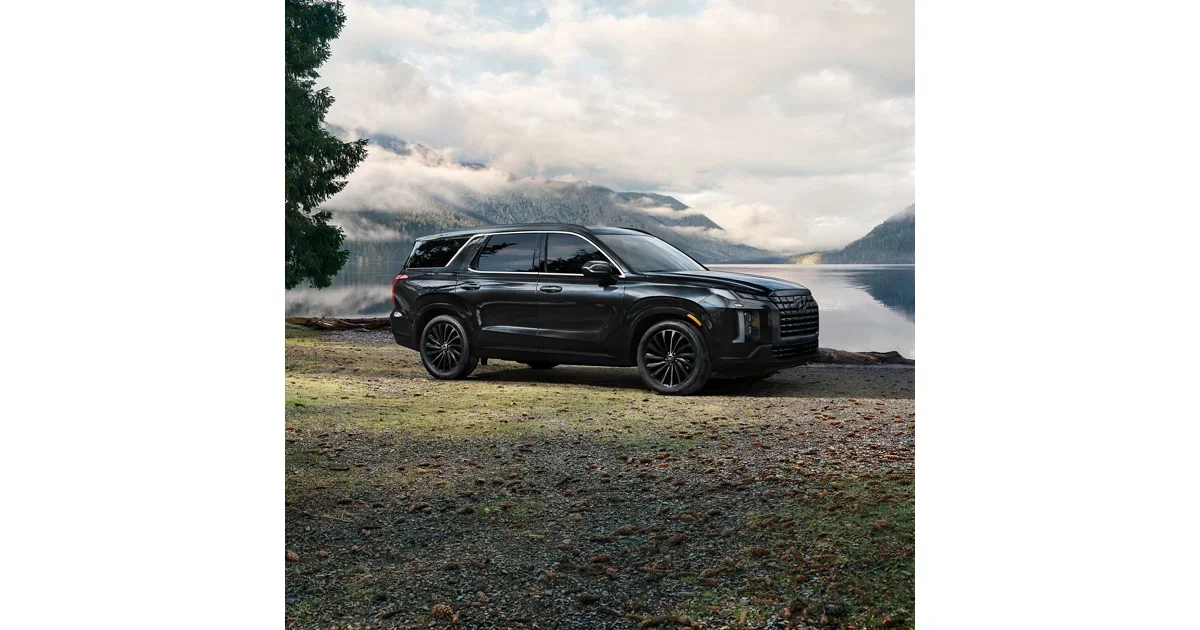
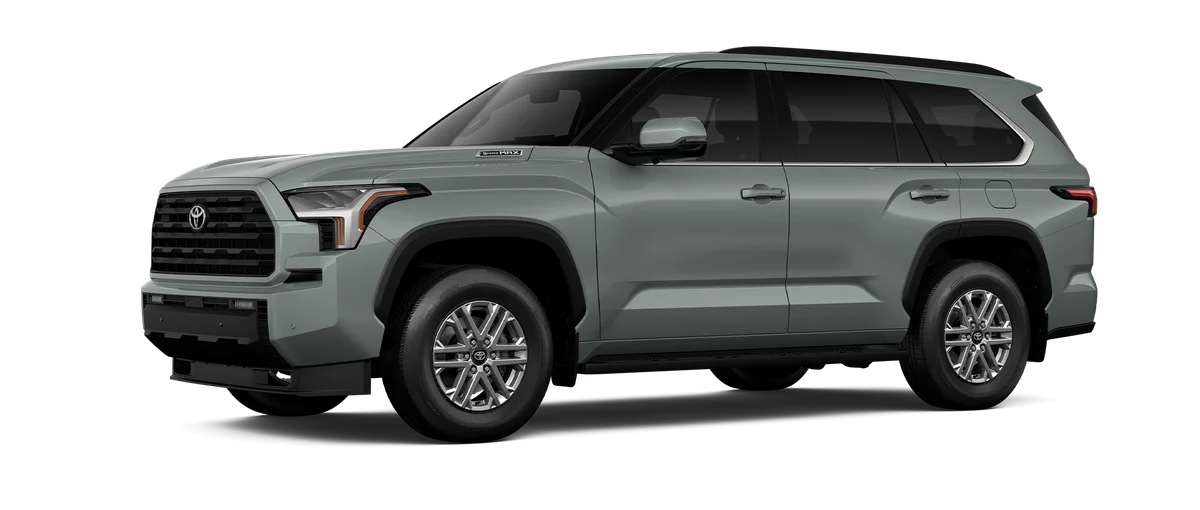
The hybrid three-row shelf is smaller than it looks. Toyota dominates, with hybrid or hybrid-only versions of the Highlander, the Grand Highlander, and the full-size Sequoia. Hyundai and Kia added hybrid trims to the redesigned Palisade and Telluride for 2026 and 2027 respectively. Among the large body-on-frame SUVs, the picture is bleaker: the Ford Expedition, Chevrolet Suburban, GMC Yukon XL, Cadillac Escalade, and Lincoln Navigator do not offer any hybrid trim for 2026, and Ford has no PowerBoost version of the current Expedition (Edmunds). Buyers who want fewer trips to the pump in a full-size three-row have exactly one conventional-hybrid choice: the Sequoia i-FORCE MAX.
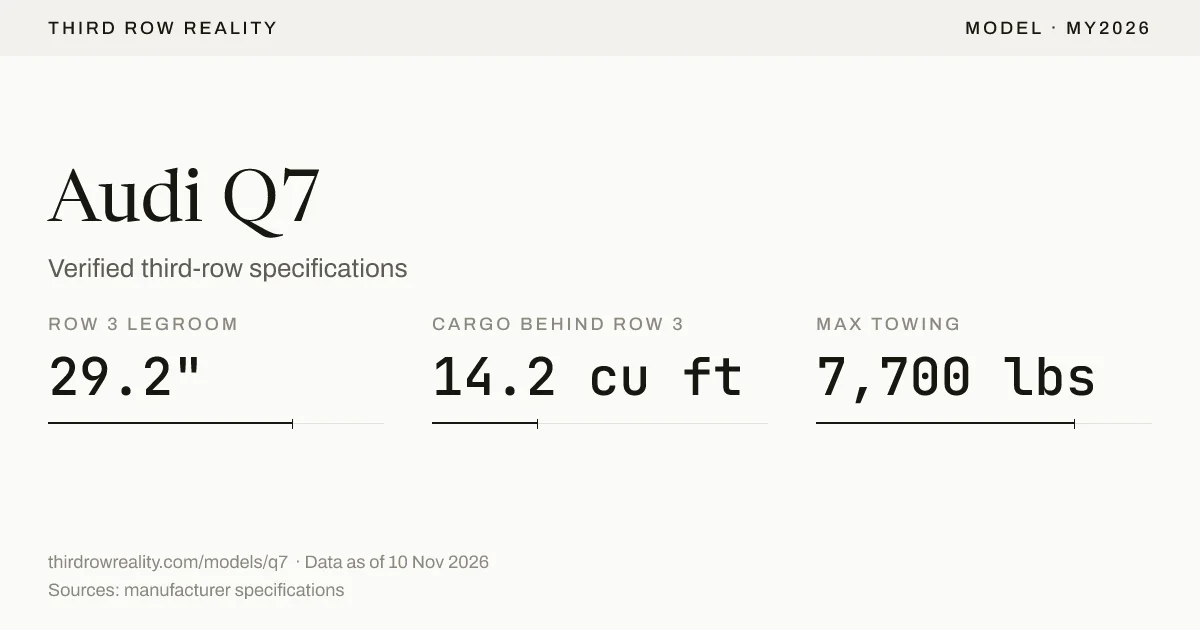
On the luxury and near-luxury side, hybrid means several different things. The Volvo XC90 comes as a B5 mild hybrid at 24 MPG combined or a T8 Recharge plug-in hybrid with 32 miles of electric range and a 58 MPGe rating (Cars.com). The Mercedes-Benz GLS 580 uses a 48-volt mild hybrid that improves responsiveness but lifts combined economy only to 17 MPG (Cars.com). The Lexus TX sells a 500h hybrid rated at 27 MPG combined and a 550h+ plug-in hybrid with 33 miles of electric range and 76 MPGe (Edmunds). The Mazda CX-90 PHEV is rated at 56 MPGe (Mazda USA). The Audi Q7 55 TFSI e plug-in hybrid remains on sale in the U.S. for 2026 while a next-generation Q7 PHEV is scheduled to follow later (topelectricsuv.com). The Land Rover Defender 130 uses a mild-hybrid gas engine in the U.S.; the P400e plug-in is still not sold here for 2026. Lincoln discontinued the Aviator Grand Touring PHEV after the 2024 model year, so the Lincoln Aviator returns for 2026 with the twin-turbo gas V6 only.
| Model | Gas MPG (combined) | Hybrid MPG (combined) | Price Premium |
|---|---|---|---|
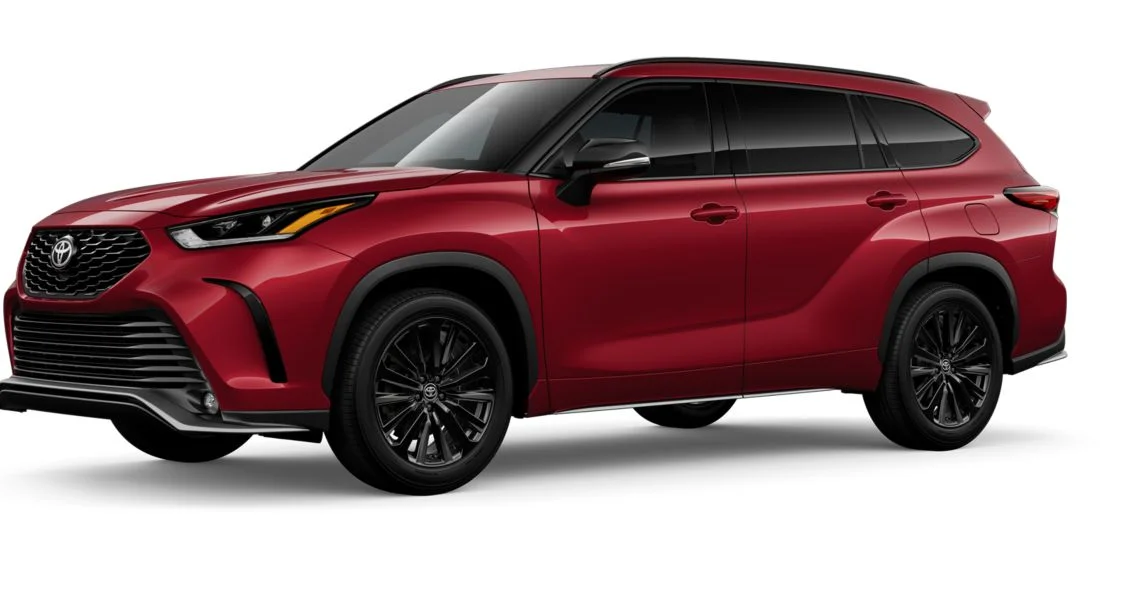
| Toyota Highlander (midsize) | 24 | 35 | ~$1,750 |
| Toyota Grand Highlander (midsize) | 22 | 36 (standard) / 27 (Hybrid MAX) | ~$2,500 (standard hybrid) |
| Hyundai Palisade (midsize, 8-seat) | 20 | 34 FWD / 29 AWD | ~$5,225 |
| Kia Telluride (midsize) | 22 | 35 FWD / 31 AWD | $7,300 |
| Toyota Sequoia (full-size) | N/A (hybrid only) | 20-22 | N/A |
| Volvo XC90 B5 vs T8 PHEV | 24 (B5 mild hybrid) | 58 MPGe / 27 gas-only | ~$15,150 |
| Lexus TX 500h vs 550h+ PHEV | 27 (500h hybrid) | 76 MPGe / 29 gas-only | ~$9,000 |
| Mazda CX-90 turbo vs PHEV | 24 | 56 MPGe / 26 in hybrid mode | ~$12,500 |
Where the hybrid pays back fast: Toyota is the sweet spot
The 2026 Toyota Highlander Hybrid is priced to be a no-brainer. Cars.com reports the gas Highlander at 24 MPG combined and the hybrid at 35 MPG combined, with the hybrid priced less than $2,000 above the equivalent gas trim at a premium of about $1,750 (Cars.com). At 15,000 miles a year and $3.98 gas, the gas model burns 625 gallons for about $2,488; the hybrid burns 429 gallons for about $1,707. Annual savings: roughly $780. Payback: about 2 years and 3 months. Beyond that, every mile the hybrid drives is money in the owner's pocket. Even if the owner keeps the vehicle only five years, the fuel math is roughly $2,200 ahead, and Autoblog notes that hybrid trims have generally held more of their MSRP than their gas counterparts, giving hybrid resellers an extra cushion (Autoblog).
The Toyota Grand Highlander is close behind. The 2026 Grand Highlander Hybrid LE starts at $45,610 MSRP and the standard 2.5-liter hybrid is EPA-rated at 36 MPG combined for front-drive XLE trims (Edmunds). Owners on the Grand Highlander Forum report 32 to 35 MPG combined in mixed real-world driving, close to the sticker, with one owner citing 35.2 MPG in mostly-city use (Grand Highlander Forum). The gas version at 22 MPG combined costs the average 15,000-mile driver about $2,714 a year in gas; the standard hybrid about $1,659. The $1,055 annual gap puts payback at roughly 2.5 years on a ~$2,500 premium.
The exception inside Toyota's own lineup is the Grand Highlander Hybrid MAX. It costs considerably more than the standard hybrid, and the EPA rating drops to 27 MPG combined because the setup chases 362 horsepower and 5,000-pound towing rather than efficiency (Autoblog). If you want MPG, buy the standard hybrid, not the MAX.
Plug-in hybrids are a completely different calculation
The EPA's 56 MPGe rating on the Mazda CX-90 PHEV or the 58 MPGe rating on the Volvo XC90 Recharge is a hybrid-electric number, not a gasoline number. When the battery is depleted and the car is running primarily on its gas engine, the Volvo XC90 T8 returns 27 MPG combined and the Mazda CX-90 PHEV returns about 26 MPG in hybrid mode (Cars.com, Mazda USA). That is barely better than a mild-hybrid gas three-row, which means the PHEV only earns its roughly $12,000 to $15,000 price premium over the equivalent gas trim if the owner plugs it in nearly every day and does most driving inside the 26 to 33 miles of electric range. Volvo Insights put it bluntly: a T8 that is never plugged in is barely more efficient than a B5 while carrying several hundred pounds of extra battery and motor (Volvo Insights).
The economics change entirely for buyers with a home Level 2 charger and a commute shorter than the electric range. A driver covering 40 miles a day with 32 miles of electric range on the XC90 Recharge can cover roughly 80 percent of annual mileage on utility-rate electricity at 15 to 20 cents per kWh, which works out to about 4 cents per electric mile versus roughly 15 cents per gas mile at 27 MPG. Over five years, that gap can offset most or all of the premium. Without home charging, the PHEV math falls apart. The Audi Q7 55 TFSI e only pays back if its 17.9 kWh battery is regularly refilled; the pack is too small to make meaningful dents in long trips on public charging alone.
Where gas still wins outright
Heavy towers should stay gas or diesel. The Ford Expedition tows 9,600 pounds and the Toyota Sequoia Hybrid tows 9,520 pounds, but owners who regularly tow a 7,000-pound trailer see hybrid fuel-economy advantages collapse. Toyota Tundra and Sequoia owners on forum threads commonly report 9 to 12 MPG when towing at highway speed, roughly matching their non-hybrid full-size peers. The hybrid system's efficiency gains come mostly from low-speed regenerative braking in city driving, not from pulling trailers up grades. If more than a third of annual miles are towing, the hybrid premium rarely pays back.
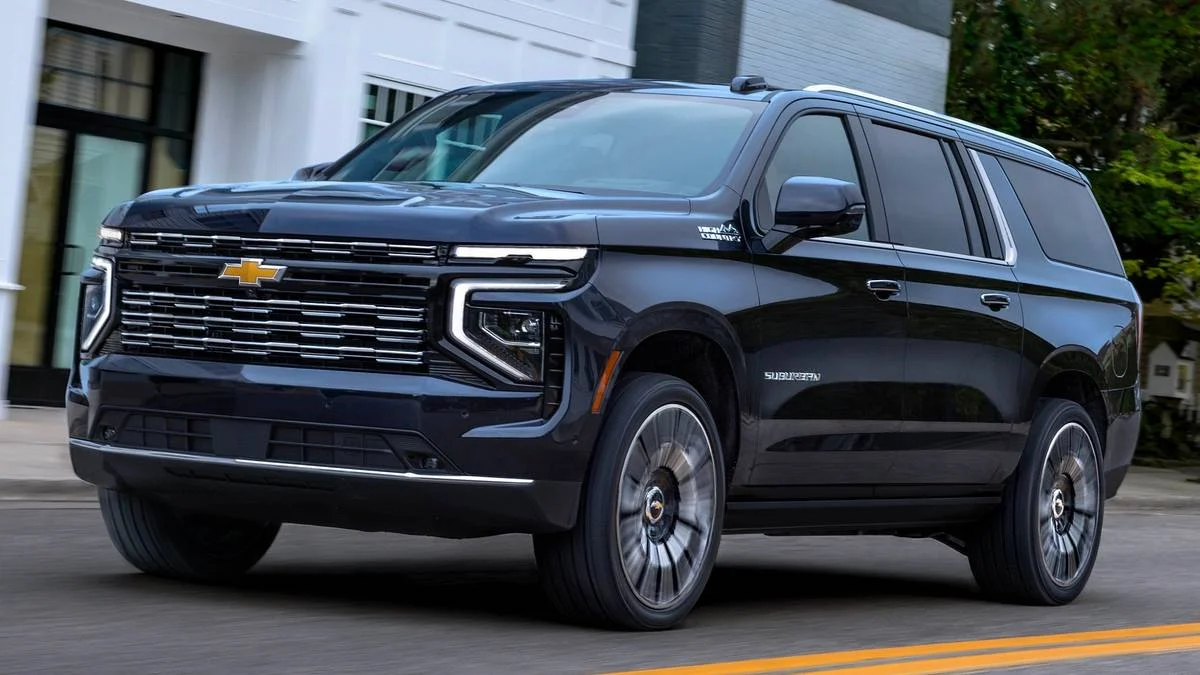
Full-size three-row buyers who need a conventional SUV also have fewer hybrid options than they think. Cadillac, Lincoln, Chevy, GMC, and Ford all sell only gas (or, in the Suburban's case, diesel) powertrains in their largest SUVs for 2026. The Chevrolet Suburban 3.0-liter Duramax diesel is EPA-rated at 23 MPG combined with rear-drive and 22 MPG combined with four-wheel drive, which matches or beats the Toyota Sequoia Hybrid's roughly 20 to 22 MPG combined (fueleconomy.gov). Diesel pricing runs higher than gasoline, but for highway-heavy use and heavy towing the Suburban diesel is one of the more fuel-efficient full-size three-row choices on sale.
Low-mileage drivers also tilt toward gas. At 8,000 miles a year rather than 15,000, every payback period lengthens by about 87 percent. A Highlander Hybrid still recovers its $1,750 premium in about four years at that mileage, which is fine. A Kia Telluride Hybrid pushes past 12 years to recover its $7,300 premium, which exceeds typical ownership. If you cover fewer than 10,000 miles per year and the hybrid premium is above $4,000, the gas trim is the better financial decision even before resale.
Resale value and the battery question
Resale works in the hybrid's favor at the category level. The AAA 2026 Your Driving Costs analysis found that medium hybrid SUVs lose $4,822 a year in value against $5,052 for comparable gas models (TheAutoWire). Across the segment, hybrids retained a few percentage points more of their MSRP after five years than gas peers, and Autoblog's reporting notes that Toyota hybrid trims have been standout residual-value performers (Autoblog). For buyers who sell or trade before the fuel-savings payback period closes, that extra residual value often covers the balance of the premium.
The remaining anxiety most buyers raise is hybrid battery replacement. RepairPal's current estimate for a dealer replacement of the high-voltage battery in a 2025 Toyota Highlander Hybrid is $10,468 to $10,730 (RepairPal). The independent specialist market has knocked the real cost down significantly on older generations, with remanufactured packs and multi-year warranties available for a fraction of the dealer figure. Toyota, Hyundai, and Kia warrant their hybrid batteries for 10 years or 150,000 miles, a window that outlasts most private ownership. Consumer Reports continues to show Toyota hybrid SUVs among the most reliable vehicles sold, including the Highlander Hybrid and Grand Highlander Hybrid (Consumer Reports). Hybrid batteries rarely fail inside the warranty, and when they do fail later, independent replacement costs are a fraction of dealer estimates.
The short version
Buy the hybrid trim of the Toyota Highlander or standard Grand Highlander, no hesitation; the $1,750 to $2,500 premium pays back in under three years at current gas prices, and the vehicles hold their value better afterward. Consider the Hyundai Palisade Hybrid if you drive at least 12,000 miles a year and plan to keep the vehicle five or more years. Skip the Kia Telluride Hybrid unless you drive heavily and keep cars long; its $7,300 premium pushes payback near seven years front-drive and over nine with all-wheel drive. Treat plug-in hybrids like the Volvo XC90 Recharge, Mazda CX-90 PHEV, Lexus TX 550h+, and Audi Q7 55 TFSI e as commuter vehicles that happen to have a gas engine: only worth buying if the owner can plug in at home nearly every night. And if you tow heavy, want a full-size body-on-frame SUV, or cover fewer than 10,000 miles a year, the gas (or, in the Suburban's case, diesel) trim is still the right pick. See our full Best Three-Row SUVs of 2026 ranking for the trim-level breakdowns.
See Best Three-Row SUVs of 2026Questions people ask
Is a hybrid three-row SUV worth the extra cost?+
For the Toyota Highlander and standard Grand Highlander, yes without caveats: the premium is under $2,500 and pays back in 2 to 3 years at current gas prices. For the Hyundai Palisade, yes if you drive 12,000+ miles a year and keep the car at least five years. For the Kia Telluride Hybrid, the math is harder because Kia charges $7,300 more for the hybrid, pushing payback past seven years for front-drive and over nine for all-wheel drive.
How much do you save on gas with a hybrid three-row SUV?+
At the AAA national average of $3.98 per gallon and 15,000 miles a year, a hybrid at 35 MPG combined versus a gas model at 22 MPG combined saves roughly $1,007 a year. A hybrid at 34 MPG versus 20 MPG (the Palisade front-drive case) saves roughly $1,229 a year. Compute it for your mileage: annual savings equal gas price times (miles / gas MPG − miles / hybrid MPG).
Which three-row SUVs come in hybrid versions?+
Toyota Highlander, Toyota Grand Highlander, Toyota Sequoia (hybrid only), Hyundai Palisade, Kia Telluride, Lexus TX 500h and TX 550h+ PHEV, Mazda CX-90 PHEV, Volvo XC90 B5 mild hybrid and T8 Recharge PHEV, Audi Q7 55 TFSI e PHEV, and the Mercedes-Benz GLS 580 48-volt mild hybrid. The Ford Expedition, Chevy Suburban, GMC Yukon XL, Cadillac Escalade, Lincoln Navigator, Lincoln Aviator, Honda Pilot, Volkswagen Atlas, and Acura MDX do not offer hybrid trims for 2026.
Should I buy a hybrid or gas three-row SUV?+
Hybrid if you drive 12,000+ miles a year and plan to keep the vehicle at least as long as the payback period for that specific model. Gas (or diesel) if you tow heavily, drive fewer than 10,000 miles a year, want a full-size body-on-frame SUV where hybrid options are extremely limited, or are shopping a model whose hybrid premium exceeds $5,000 and plan to trade within three years.
How long does it take for a hybrid SUV to pay for itself in fuel savings?+
Toyota Highlander Hybrid: about 2.2 years. Toyota Grand Highlander Hybrid: about 2.5 years. Hyundai Palisade Hybrid: about 4.3 years for front-drive and 5.6 years for all-wheel drive. Kia Telluride Hybrid: roughly 7.2 years front-drive, 9.3 years all-wheel drive. Plug-in hybrids depend entirely on charging access and can pay back in 3 to 5 years with daily home charging, or essentially never if driven mostly on the gas engine.
Do hybrid SUVs hold their value better than gas ones?+
On average in the mid-size SUV class, yes. AAA's 2026 depreciation analysis puts medium hybrid SUV depreciation at $4,822 a year versus $5,052 for comparable gas models. Autoblog's reporting also highlights Toyota hybrid trims as standout residual-value performers against their gas counterparts.
What does it cost to replace a hybrid battery after the warranty ends?+
RepairPal estimates a dealer replacement of the high-voltage battery on a 2025 Toyota Highlander Hybrid at $10,468 to $10,730. Independent hybrid-battery specialists sell remanufactured packs for substantially less on older generations, often with multi-year warranties. Toyota, Hyundai, and Kia all warranty hybrid batteries for 10 years or 150,000 miles.
Is a plug-in hybrid three-row SUV worth it without home charging?+
No. The 26- to 33-mile electric range on current three-row PHEVs is designed around daily home charging. Without a Level 2 home charger, you pay the $9,000 to $15,000 PHEV premium for a vehicle that returns 26 to 29 MPG combined on its gas engine, which is barely better than a mild-hybrid gas trim and far worse than a conventional hybrid. Public DC fast charging on small PHEV batteries is often more expensive per mile than gasoline.
Sources
What this guide is based on. We research from published specifications, independent reviews and owner reports; we did not test these products ourselves.
- 1.AAA National Average Falls 12 Cents in One Week, AAA
- 2.What's the 2026 Toyota Highlander and Highlander Hybrid's MPG?, Cars.com
- 3.2026 Toyota Grand Highlander Hybrid Prices, Reviews, and Pictures, Edmunds
- 4.I Drove The 2026 Toyota Grand Highlander Hybrid, Autoblog
- 5.Real-World Fuel Economy (Grand Highlander Forum), Grand Highlander Forum
- 6.Kia Releases Pricing for All-New 2027 Telluride Hybrid, Kelley Blue Book
- 7.2026 Hyundai Palisade Hybrid, Kelley Blue Book
- 8.I Drove The 2026 Hyundai Palisade, And The Hybrid Engine Makes It, Autoblog
- 9.How Far Can a 2026 Volvo XC90 Plug-in Hybrid Go on Electricity Alone?, Cars.com
- 10.Which Hybrid Wins? Volvo XC90 B5 Vs T8, Volvo Insights
- 11.2026 Mercedes-Benz GLS 580 Specs, Prices, Cars.com
- 12.2026 Mazda CX-90 Plug-in Hybrid 3-Row SUV, Mazda USA
- 13.2026 Lexus TX Plug-in Hybrid Prices, Reviews, and Pictures, Edmunds
- 14.Next-gen Audi Q7 Hybrid: What we know ahead of its mid-2026 release, topelectricsuv.com
- 15.2026 Ford Expedition MPG & Gas Mileage Data, Edmunds
- 16.2026 Chevrolet Suburban EPA Fuel Economy, fueleconomy.gov
- 17.AAA 2026 Your Driving Costs: Hybrids Beat EVs and Gas Cars, The Autowire
- 18.The Real Reason Hybrid Resale Is Crushing EV Owners, AOL/Autoblog
- 19.2025 Toyota Highlander Hybrid High Voltage Battery Replacement Cost, RepairPal
- 20.New Hybrids & EVs Ratings & Reliability, Consumer Reports
Products mentioned


More on three row suvs
Explainer
Body-on-Frame vs. Unibody: What Platform Choice Does to a Three-Row SUV
Full-size three-row SUVs on a truck frame tow more and handle rough roads differently than unibody crossovers, at a real cost in fuel economy, handling, and interior packaging. Here is what that choice actually changes.
Explainer
Three-Row SUV Cargo Numbers Explained: What the Specs Don't Tell You
Three-row SUVs advertise huge cargo figures, but those numbers require folding every rear seat. Here is what each measurement means and how much space you really have once the family is in the car.
Explainer
Three-Row SUV vs. Minivan: The Honest Trade-Off
What the specs actually say: minivans beat three-row SUVs on cargo, legroom, MPG, and sliding doors. SUVs win on towing, ground clearance, and AWD. Here is which numbers decide.
Explainer
Which Three-Row SUVs Have a Third Row Adults Can Actually Use?
A plain-language guide to the third-row legroom threshold that separates adult-usable SUVs from kid-only back benches, with specific 2026 models that clear the bar.
Buying guide
How to Choose a Three-Row SUV
Five real decisions that separate three-row SUVs: full-size body-on-frame or midsize unibody, third-row use, towing, hybrid or gas, and seat layout.