Buying guide
How to Choose a Three-Row SUV
Five real decisions that separate three-row SUVs: full-size body-on-frame or midsize unibody, third-row use, towing, hybrid or gas, and seat layout.
Updated November 11, 2026 · Based on 16 sources · How we research
Three-row SUV is one of the loosest categories in the car market. The badge covers everything from a $39,190 Kia Telluride to a Mercedes-Benz GLS 580 that starts at $117,500, and the vehicles inside it answer completely different questions. One hauls three car seats and groceries. Another pulls a 9,000-pound boat and sleeps a family in a national park. The mistake most buyers make is shopping on brand, badge or monthly payment before deciding which of the five big trade-offs they actually care about: full-size body-on-frame or midsize unibody, how often the third row carries people and who sits there, how much towing they really do, hybrid or gas, and captain's chairs or bench. This guide walks through those five with real numbers from manufacturers and reviewers, then names the vehicles that fit each profile from our Best Three-Row SUVs of 2026 ranking.
Full-size body-on-frame or midsize unibody?
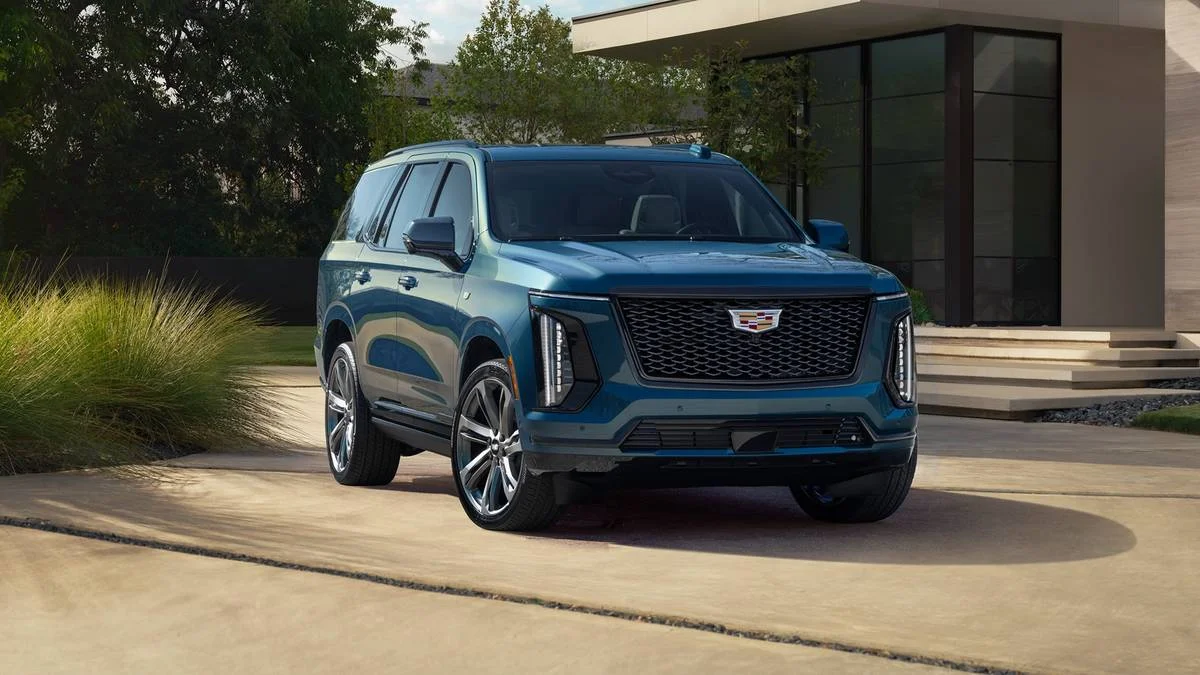
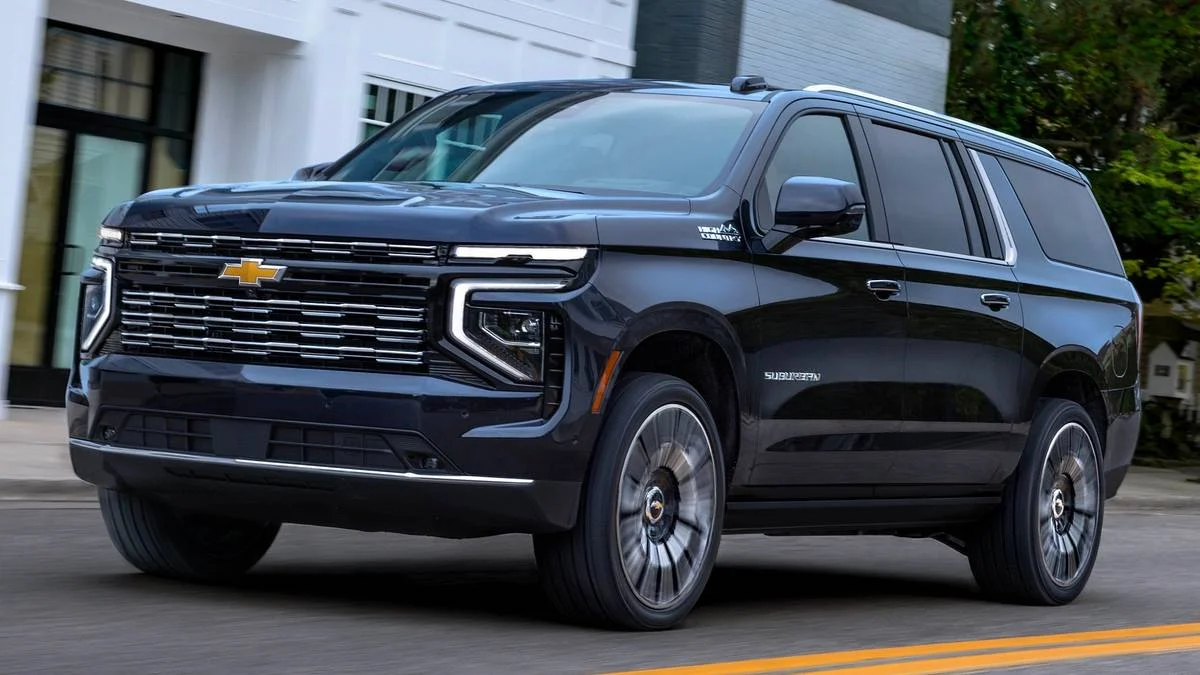
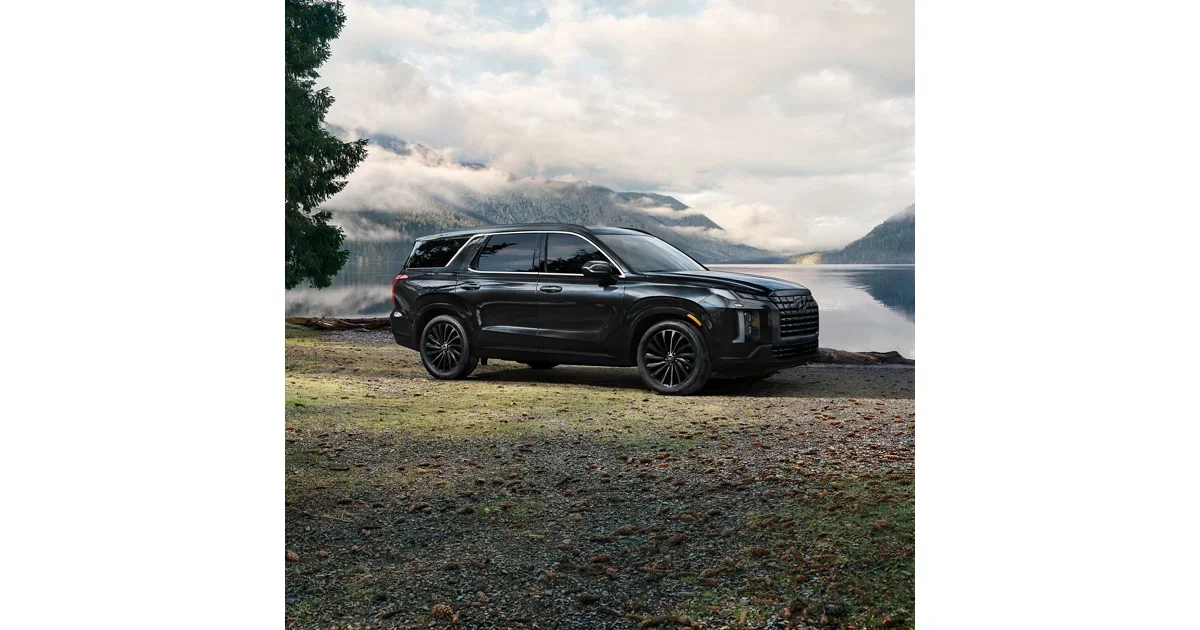
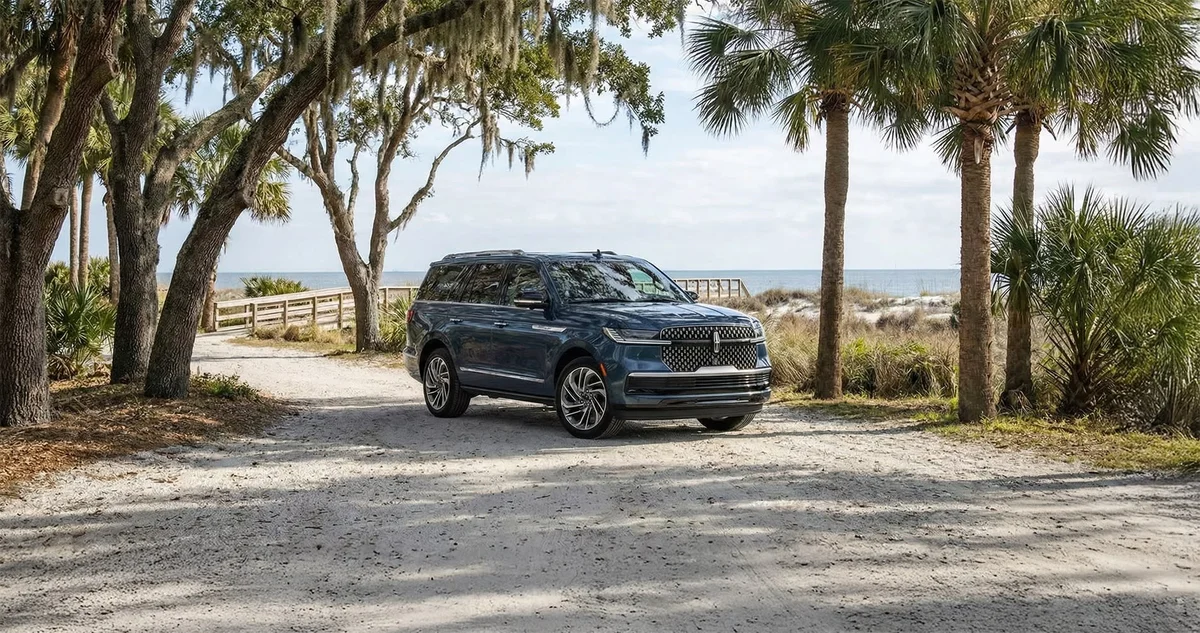
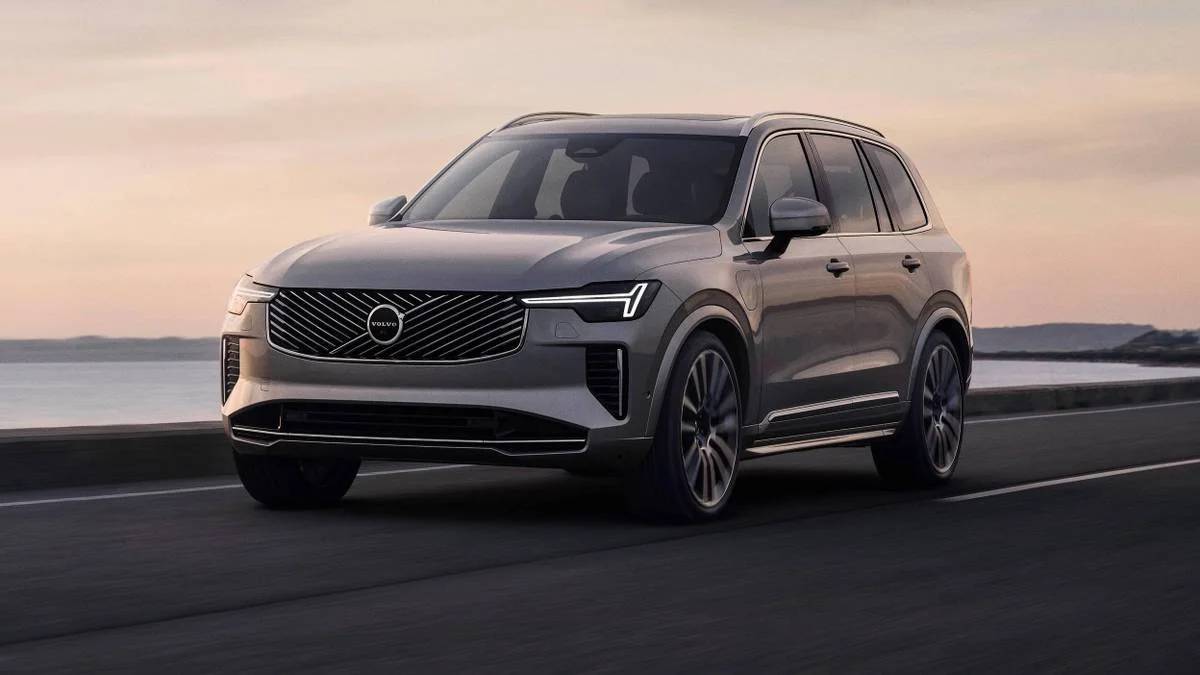
The first fork in the road is construction. Body-on-frame SUVs put a separate ladder frame under the body, the same way a pickup truck is built. The Chevrolet Suburban, GMC Yukon XL, Ford Expedition, Toyota Sequoia, Cadillac Escalade, Lincoln Navigator, Infiniti QX80 and Land Rover Defender 130 all use this platform. Unibody crossovers bond the body and frame into a single structure, like a car. The Kia Telluride, Honda Pilot, Hyundai Palisade, Toyota Highlander, Volkswagen Atlas, Volvo XC90, Audi Q7, Lincoln Aviator and Acura MDX sit in that camp. Carbuzz's rundown of body-on-frame SUVs summarizes the trade-off plainly: frame-based vehicles are heavier and less fuel-efficient but handle heavier loads and uneven terrain better, while unibody crossovers drive more like cars.
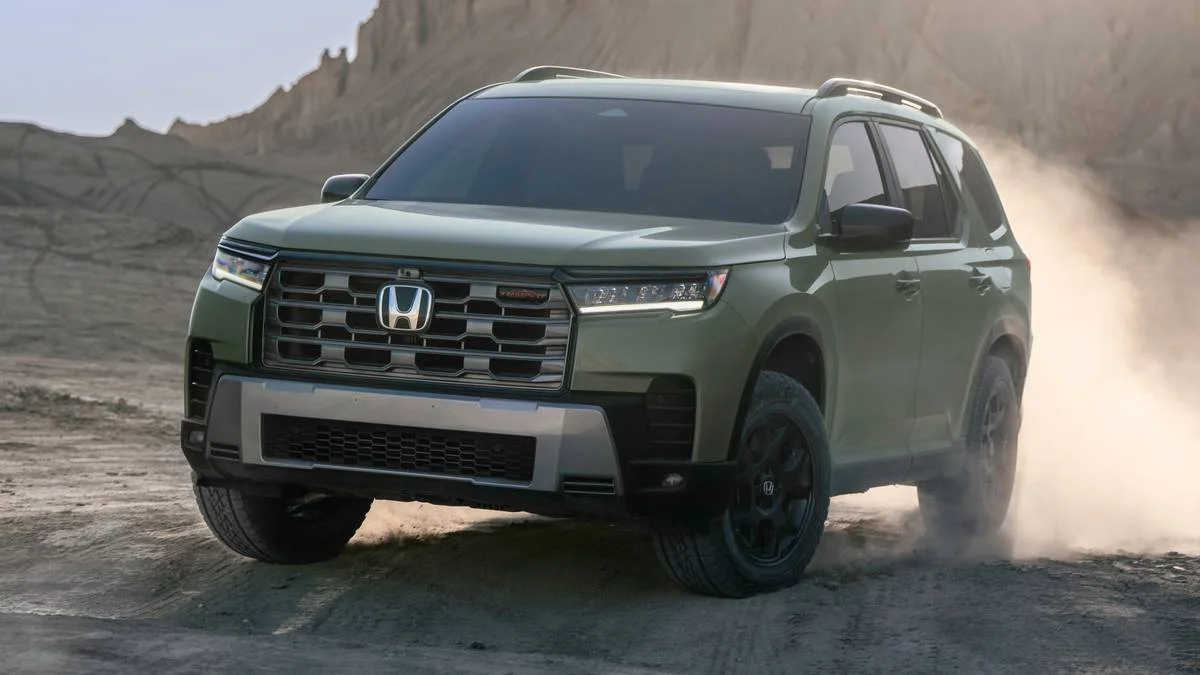
The practical gap shows up in cargo and interior volume. The 2026 Chevrolet Suburban swallows 144.5 cubic feet with the seats folded and 41.5 cubic feet behind the third row, per Autoblog's Suburban vs Expedition comparison; the standard Ford Expedition manages 22.9 cubic feet behind row three, and the Expedition MAX extends that to 37.4. Midsize crossovers top out well below full-size max: the Honda Pilot offers 83.9 cubic feet maximum, the Telluride 89.3, the Atlas 96.6.
Size has real costs. A Suburban is about 226 inches long and parks like a parallel-parked barge. It drinks fuel at 17 mpg combined, as do the Escalade, Navigator and Yukon XL. In daily school runs and tight city streets, a midsize crossover is simply easier to live with. The short version: if you are not towing heavy, not road-tripping with eight people regularly and not running dirt roads, a full-size body-on-frame SUV is more vehicle than you need. If you are doing any of those three things habitually, nothing else will satisfy.
Will adults actually sit in the third row?
Third-row legroom is the spec most likely to be misread. On paper, 32 inches sounds similar to 36 inches. In the seat, the difference is the gap between knees jammed into the row ahead and knees that can stretch out. The best adult third rows in our ranking are the Lincoln Navigator at 36.5 inches, the Chevrolet Suburban and GMC Yukon XL at 36.7, and the Ford Expedition at 36.5. CarPro's Navigator L review calls that third-row legroom 'impressive' and headroom 'plentiful,' and notes the sliding second row frees even more space when needed.
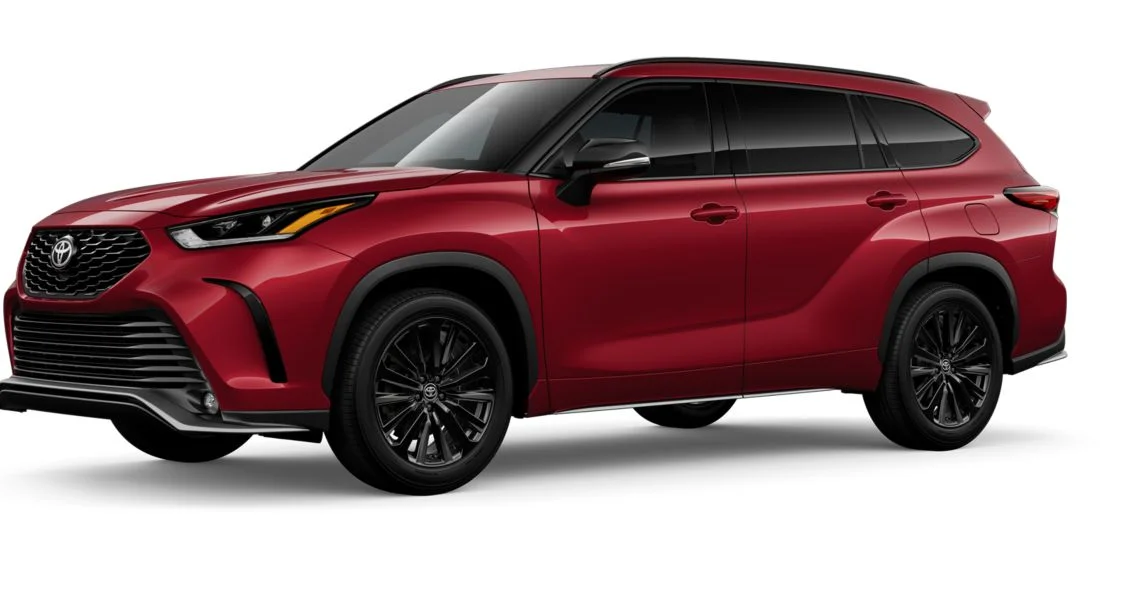
The child-only third rows are a different animal. The Toyota Highlander lists 28 inches of third-row legroom, the Acura MDX 29.1, the Audi Q7 and Lincoln Aviator 29.2. These are fine for kids on a short drive and uncomfortable for anyone over about five foot four. In between sit most midsize crossovers: the Kia Telluride at 31.4 inches, Volvo XC90 at 31.9, Hyundai Palisade at 32.1, Honda Pilot at 32.5. Carbuzz's Pilot versus Telluride comparison argues that the Pilot's extra shoulder room makes three-across back there more realistic than in the Telluride, which matters for carpools.
Shoppers who want adult passengers in row three for long drives should shop full-size or step up to the Mercedes-Benz GLS (34.6 inches), BMW X7 (33.3) or Cadillac Escalade (34.9). Shoppers who need only a seat for an extra child or two can save thousands by staying midsize. Cars.com's Highlander versus Grand Highlander piece points out that even the Grand Highlander's 33.5 inches of third-row legroom is about what you find in the rear seat of a compact car: usable, not generous.
| Third row | Legroom | Who it fits |
|---|---|---|
| Lincoln Navigator | 36.5 in | Adults, all day |
| GMC Yukon XL / Suburban | 36.7 in | Adults, all day |
| Ford Expedition | 36.5 in | Adults, all day |
| Cadillac Escalade | 34.9 in | Adults, long trips |
| Honda Pilot | 32.5 in | Teens, shorter adults |
| Hyundai Palisade | 32.1 in | Teens, shorter adults |
| Kia Telluride | 31.4 in | Children, occasional teens |
| Lincoln Aviator / Audi Q7 | 29.2 in | Children only |
| Toyota Highlander | 28.0 in | Small children only |
How much do you really tow?
Tow ratings span more than 5,000 pounds across this category, and most buyers overestimate what they need. A 3,000-pound pop-up camper or a 4,000-pound boat on a single-axle trailer is within reach of every mainstream midsize three-row in our list: the Pilot, Telluride, Palisade, Toyota Highlander, Volvo XC90, Atlas, Aviator and MDX all rate 5,000 pounds. The Audi Q7 trails at 4,400 pounds.
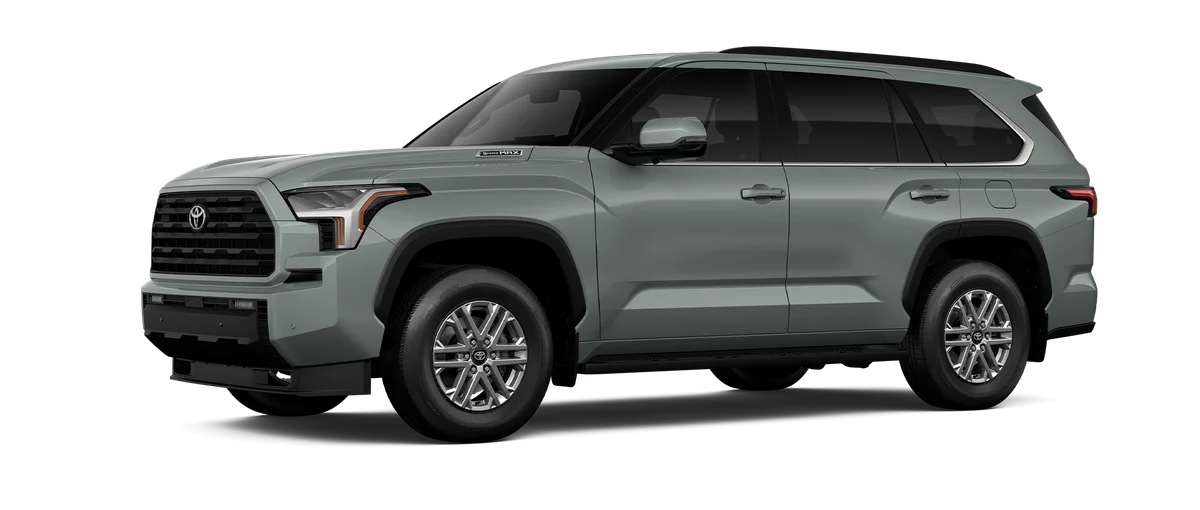
Heavy towing is where full-size body-on-frame SUVs justify themselves. The Ford Expedition pulls up to 9,600 pounds when properly equipped. Ford's King Ranch page notes this requires the Heavy-Duty Trailer Tow Package, which is standard on Tremor, Platinum and King Ranch and optional elsewhere. The Toyota Sequoia Hybrid rates up to 9,520 pounds. Green Car Reports notes that the Sequoia remains the only hybrid full-size SUV you can buy, and its 437-horsepower twin-turbo V6 hybrid pairs that output with towing that beats the Tahoe and standard Expedition. The Lincoln Navigator tows 8,700, the Infiniti QX80 8,500, the Land Rover Defender 130 8,201, and the Suburban, Yukon XL and Land Rover Discovery land near 8,200.
The thing to know before towing: payload matters as much as tow rating. Those max numbers assume a nearly empty vehicle. A full family plus gear eats into the tongue-weight budget fast. If you plan to regularly tow near capacity with passengers and cargo aboard, buy a vehicle rated 2,000 pounds above your trailer's dry weight. And verify the specific trim and drivetrain, because the Escalade rating slides from 8,100 pounds in two-wheel drive to 7,900 in four-wheel drive, per Edmunds' 2026 Escalade road-trip review.
Captain's chairs or bench seat?
Most three-row SUVs offer both second-row layouts. Captain's chairs cut capacity by one, usually eight to seven, and add a walk-through aisle to row three. The second row gets armrests, individual climate controls on higher trims, and often heating or ventilation that a bench cannot deliver. A bench seats three abreast and gives you the eighth seat. The Car Seat Lady, a widely cited child-passenger-safety resource, recommends a bench if you need to install three car seats across row two, because captain's chair arrangements generally cannot accommodate three wide child seats.
The practical decider is how often row three carries people. If the third row is up constantly, captain's chairs make loading and unloading back there far easier because the gap between chairs serves as a walkway, rather than having to fold or tilt a bench every time. If the third row is up a few times a year but you carpool three kids every day, the bench is the better buy. The Suburban, Yukon XL, Sequoia, Expedition, Palisade and Telluride all let you pick. The BMW X7, Mercedes-Benz GLS and Cadillac Escalade usually come with captain's chairs at this price level because luxury buyers rarely use the eighth seat anyway.
Which specs actually matter?
Not every window-sticker number pulls equal weight. Max cargo with every seat folded is the most-quoted figure and the least useful: you buy a three-row SUV to carry people in the third row, not to fold them flat. Cargo behind the third row is the real shopping volume. Autoblog's Suburban vs Expedition cargo comparison lists 41.5 cubic feet behind the Suburban's third row, 22.9 for the standard Expedition and 37.4 for the Expedition MAX. The Toyota Sequoia is the outlier of the full-size class: its hybrid battery pushes the cargo floor up so the sliding third row leaves only about 11.5 to 22.3 cubic feet behind it, depending on slide position, which is the single most-cited criticism in reviews like The Torque Report's.
Reliability matters more than brand prestige over the eight to ten years a family keeps one of these. Yahoo Autos, summarizing Consumer Reports data, gave the Toyota Highlander Hybrid an 86 out of 100 reliability score, with the gas Highlander close behind at 80 and the Kia Telluride well behind at 60. Kia and Hyundai still offer a 10-year, 100,000-mile powertrain warranty that offsets some of that risk. BMW and Land Rover have below-average reliability records even on fresh models.
Tow rating, highway mpg, third-row legroom, ground clearance and all-wheel-drive type are the specs to weigh. Ignore 0-to-60 times unless you are specifically buying a performance version; nobody drag-races a Suburban.
- Third-row legroom and headroom (not just "seats seven")
- Cargo behind the third row, not max cargo
- Tow rating for the trim and drivetrain you will actually buy
- Highway mpg if you road-trip, combined mpg if you commute
- Third-party reliability data plus warranty length
- Ground clearance and AWD type if you see snow or dirt
What questions should you ask before you sign?
A few minutes of self-interrogation will steer you to the right vehicle faster than any dealer walkaround. These are the questions that actually determine whether you will love or resent the SUV in your driveway at year three.
- How many days a year will the third row carry people, and will those people be adults, teenagers or small children?
- What is the heaviest trailer we will ever tow, and how often?
- Will this fit in our garage, our workplace lot and standard street parking?
- How many car seats do we install at once, and do we need three across in row two?
- Do we drive mostly city, suburban or highway miles, and does that make a hybrid worth it?
- How long do we plan to keep this vehicle, and does the brand's reliability record support that?
The short version
Three-row SUVs fail buyers when the vehicle doesn't match the use case. A family of five that road-trips a few times a year and carpools kids is served best by a midsize unibody like the Kia Telluride, Honda Pilot or Hyundai Palisade, with the hybrid version if daily miles are high. A family that genuinely uses all three rows for adults needs full-size: Navigator, Suburban, Yukon XL or Expedition. Buyers who tow over 7,000 pounds should shop the Expedition, Sequoia Hybrid, Navigator, QX80 or one of the full-size GM twins. Luxury shoppers who want adult third-row space with a prestige badge end up at the Escalade, GLS or X7, in that order on interior room. Match the vehicle type to how you actually use it, and the badge and monthly payment take care of themselves.
See Best Three-Row SUVs of 2026Questions people ask
How do I know if I need a full-size or midsize three-row SUV?+
If you regularly carry adults in row three, tow more than 7,000 pounds or need maximum cargo with all seats up, buy full-size (Suburban, Yukon XL, Expedition, Sequoia, Escalade, Navigator). If row three is for kids or occasional use and you tow nothing heavier than a small boat, a midsize unibody crossover (Telluride, Pilot, Palisade, Highlander) will be cheaper to buy, cheaper to fuel, and much easier to park.
What should I actually look for when buying a three-row SUV?+
Third-row legroom and headroom for the actual passengers who sit back there, cargo volume behind the third row (not max cargo), tow rating for the exact trim and drivetrain you want, highway or combined mpg depending on your driving, reliability and warranty, and ground clearance plus AWD type if you see snow. Test-fit car seats and have a tall adult sit in the third row before you commit.
Is a three-row SUV practical for a family of five or six?+
For five, a midsize unibody three-row is usually the sweet spot: everyone has space, the third row is available for friends or cargo, and fuel bills are reasonable. For six with two adults in the back regularly, you need a full-size vehicle like the Navigator, Suburban or Expedition for genuine adult legroom in row three. Six passengers that include kids can still work in a midsize Pilot or Palisade, but plan for tight long trips.
What questions should I ask before buying a three-row SUV?+
How many days a year will the third row carry people and who will sit there; what's the heaviest trailer you'll tow; will it fit in your garage and daily parking; how many car seats do you install at once; is your driving city, suburban or highway (which drives the hybrid decision); and how long will you keep the vehicle, since reliability compounds. Answer these honestly and the shortlist narrows fast.
Which three-row SUV specs actually matter?+
Third-row legroom and headroom, cargo behind the third row, tow rating for your specific trim, fuel economy in your typical driving mix, reliability data from third parties like Consumer Reports, and warranty length. Max cargo with the seats folded, 0-to-60 times and horsepower numbers matter far less than the marketing suggests.
Sources
What this guide is based on. We research from published specifications, independent reviews and owner reports; we did not test these products ourselves.
- 1.Best Body-On-Frame SUVs, Carbuzz
- 2.Chevrolet Suburban vs. Ford Expedition: Which One Has More Cargo Space?, Autoblog
- 3.2026 Lincoln Navigator L Black Label Review, CarPro
- 4.Kia Telluride vs. Honda Pilot Comparison: Three-Row Crossover War, Carbuzz
- 5.This or That: 2026 Toyota Highlander vs. 2026 Grand Highlander, Cars.com
- 6.2026 Ford Expedition King Ranch, Ford
- 7.2025 Toyota Sequoia remains the only hybrid full-size SUV you can buy, Green Car Reports
- 8.2026 Toyota Sequoia Review: Plenty of Power, Not Enough Cargo Space, The Torque Report
- 9.2026 Cadillac Escalade Road Trip Review, Edmunds
- 10.First drive: 2026 Hyundai Palisade HEV makes a good thing better, Wards Auto
- 11.2026 Hyundai Palisade Gas-Only vs. Hybrid: Which is Best?, Autoblog
- 12.2026 Hyundai Palisade Hybrid vs. Gas Palisade: Which One Actually Costs Less, Road Ethos
- 13.2026 Toyota Highlander Hybrid Fuel Economy Guide, AutoEdge View
- 14.2026 Volvo XC90 T8 PHEV Review, Green Cars
- 15.Bench vs. Captain's Chairs, The Car Seat Lady
- 16.Toyota Highlander vs. Honda Pilot vs. Kia Telluride: Which One Is The Most Reliable?, Yahoo Autos
Products mentioned
More on three row suvs
Explainer
Hybrid vs. Gas Three-Row SUV: Is the Fuel Savings Worth the Price Premium?
A payback calculator for hybrid three-row SUVs: how long each model takes to recover its price premium at current gas prices, and the buyers for whom gas still wins.
Explainer
Body-on-Frame vs. Unibody: What Platform Choice Does to a Three-Row SUV
Full-size three-row SUVs on a truck frame tow more and handle rough roads differently than unibody crossovers, at a real cost in fuel economy, handling, and interior packaging. Here is what that choice actually changes.
Explainer
Three-Row SUV Cargo Numbers Explained: What the Specs Don't Tell You
Three-row SUVs advertise huge cargo figures, but those numbers require folding every rear seat. Here is what each measurement means and how much space you really have once the family is in the car.
Explainer
Three-Row SUV vs. Minivan: The Honest Trade-Off
What the specs actually say: minivans beat three-row SUVs on cargo, legroom, MPG, and sliding doors. SUVs win on towing, ground clearance, and AWD. Here is which numbers decide.
Explainer
Which Three-Row SUVs Have a Third Row Adults Can Actually Use?
A plain-language guide to the third-row legroom threshold that separates adult-usable SUVs from kid-only back benches, with specific 2026 models that clear the bar.