Explainer
Robot Vacuum Dock Features Explained: Self-Empty to Auto-Refill
What each dock layer (self-empty, auto-wash, hot water, auto-refill, auto-dry) actually removes from your chore list, what it costs, and what you still maintain.
Updated November 17, 2026 · Based on 26 sources · How we research
This guide is for people who keep seeing "self-empty," "auto-wash," "hot water," and "auto-refill" on robot vacuum spec sheets without a clear sense of which features change day-to-day life and which ones mostly push up the price. The one thing most buyers get wrong: above roughly $400, the dock is now the main thing you are paying for, not the robot. The four features in the title are a stack, not a bundle. Each layer removes a chore. Each layer adds hardware, water plumbing or consumables, and a bit of maintenance you did not have before. This explainer walks through each one in order, using the real temperatures, capacities and prices manufacturers publish, and names the trade-offs independent reviewers and owners keep reporting.
The self-empty dock is a vacuum inside a cabinet
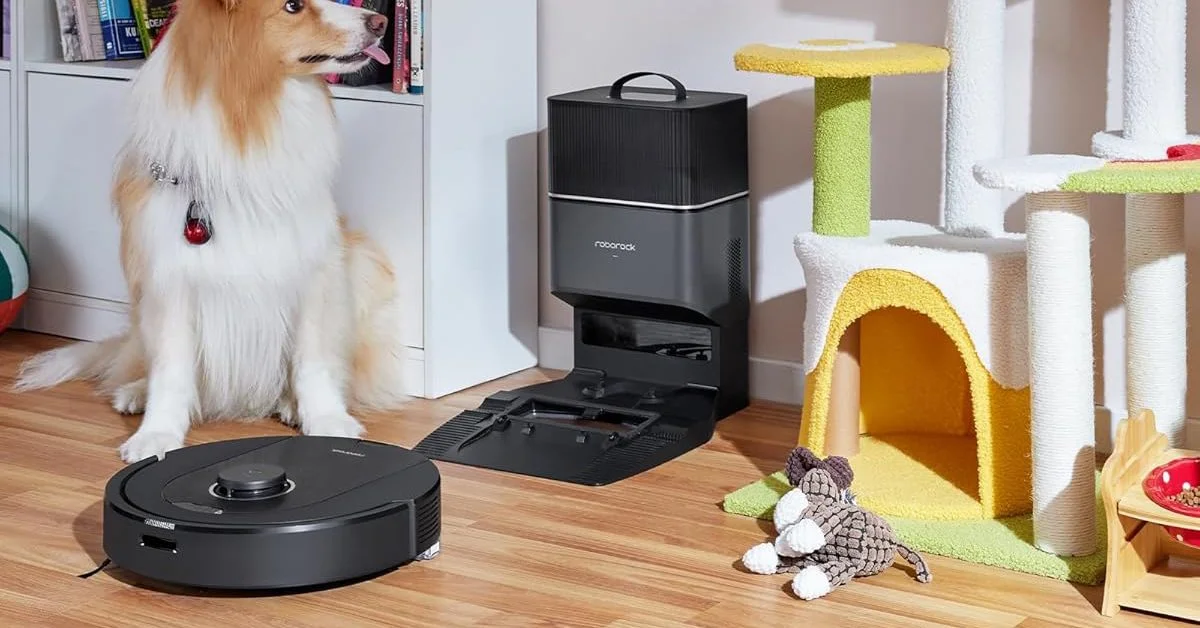
A self-emptying dock is a charging base with its own small vacuum motor, a cyclone, and a sealed paper bag. When the robot parks, the base fires a short, strong suction burst through a port in the dustbin and pulls dirt into the bag. iRobot shipped the first mainstream version with the Roomba i7+ in September 2018, according to the company's launch announcement. IEEE Spectrum notes that competitors had shown vacuum docks as far back as CES 2012, but iRobot's version was the one that made the pattern standard.
Capacity is quoted in robot bin-loads, because that decides how often the owner replaces the bag. iRobot's original Clean Base holds about 30 bin-loads in a 1.7 L sealed bag, per the product spec sheet. Roborock quotes a seven-week hands-off interval on the Qrevo Master using a 2.7 L bag. The entry-tier Roborock Q5 Pro+ in our ranking carries a 0.77 L robot dustbin and a similar multi-week dock interval. These numbers assume a small-to-medium home, light shedding, and no sand tracked in during winter.
Two things the spec sheet does not tell you. First, the dock empty cycle is loud. Narwal's noise guide publishes typical dock bursts of 75 to 80 dB for 10 to 15 seconds, well above the 55 to 65 dB the robot makes while cleaning. Owners who schedule overnight runs sometimes move the dock to a laundry room for this reason. Second, the dust bag is a consumable. YourRobotVacuum estimates bag replacement at $30 to $90 a year depending on brand.
Self-emptying and self-washing are two different machines in one box
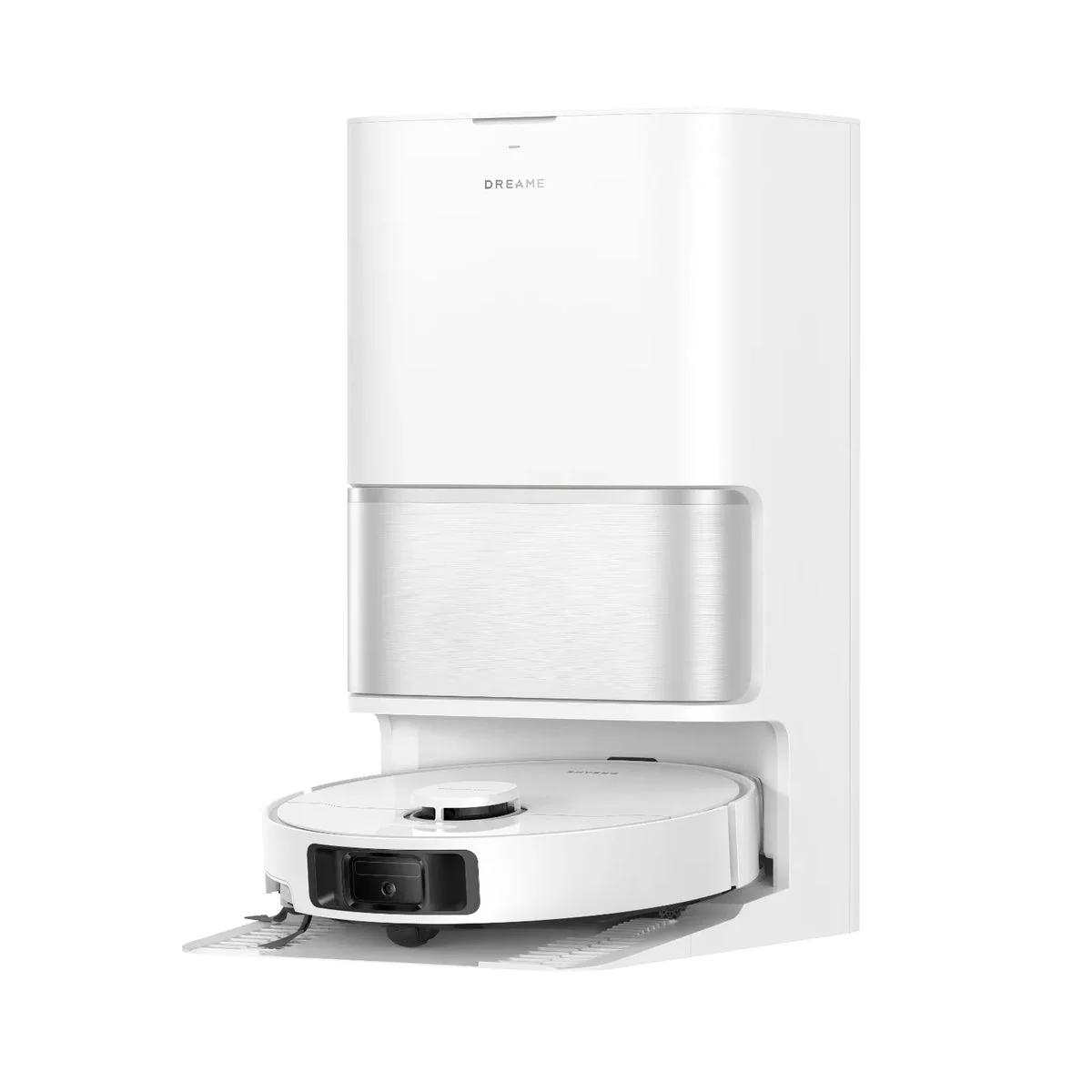
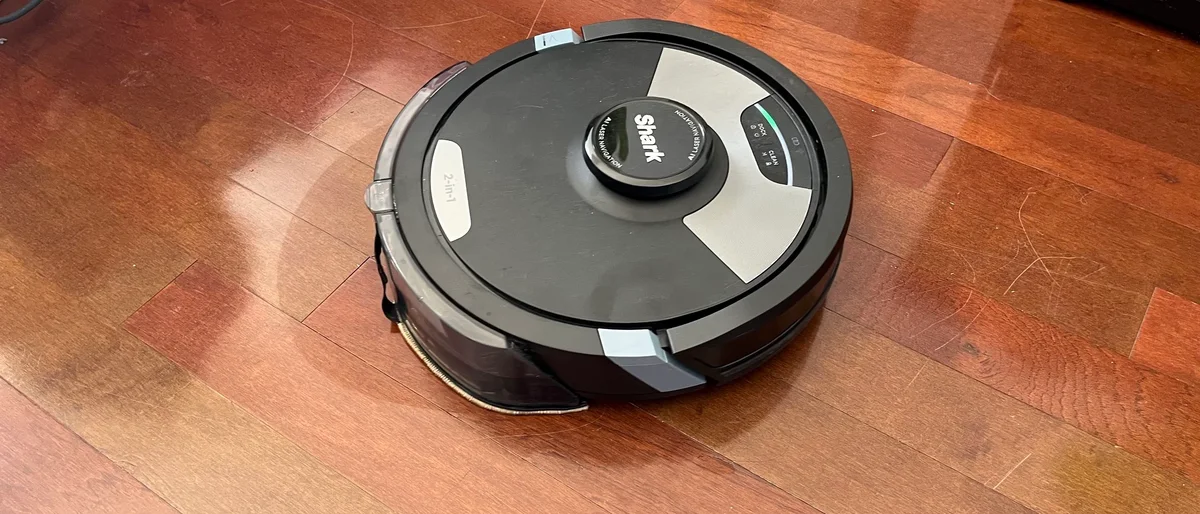
A self-emptying dock handles vacuuming only: dust goes from the robot into a bag. A self-washing dock adds a completely separate system that scrubs the mop pads on a textured tray, using water from a clean tank, and drains the dirty water into a second tank the owner empties. These are additive. A dock can be self-emptying without mop washing (the Roborock Q5 Pro+ and the Shark AI Ultra RV2610WA in our ranking are both in this tier), but any dock that washes mop pads will almost always also empty the dustbin.
Roborock describes a three-stage cycle on the Qrevo Master dock: pre-wash, rinse, spin-dry. Ecovacs's Deebot T20 Omni press release describes the same pattern with a 55 °C wash step. The important distinction for buyers: mop washing deals with the pad, not the dustbin, the brushroll, or the filter. Yahoo Tech's Roomba Combo j9+ review is blunt about what happens when this layer is missing: the dock auto-refills the robot's water tank, but the owner still rinses the damp pad in the sink.
Does the hot water actually do anything?
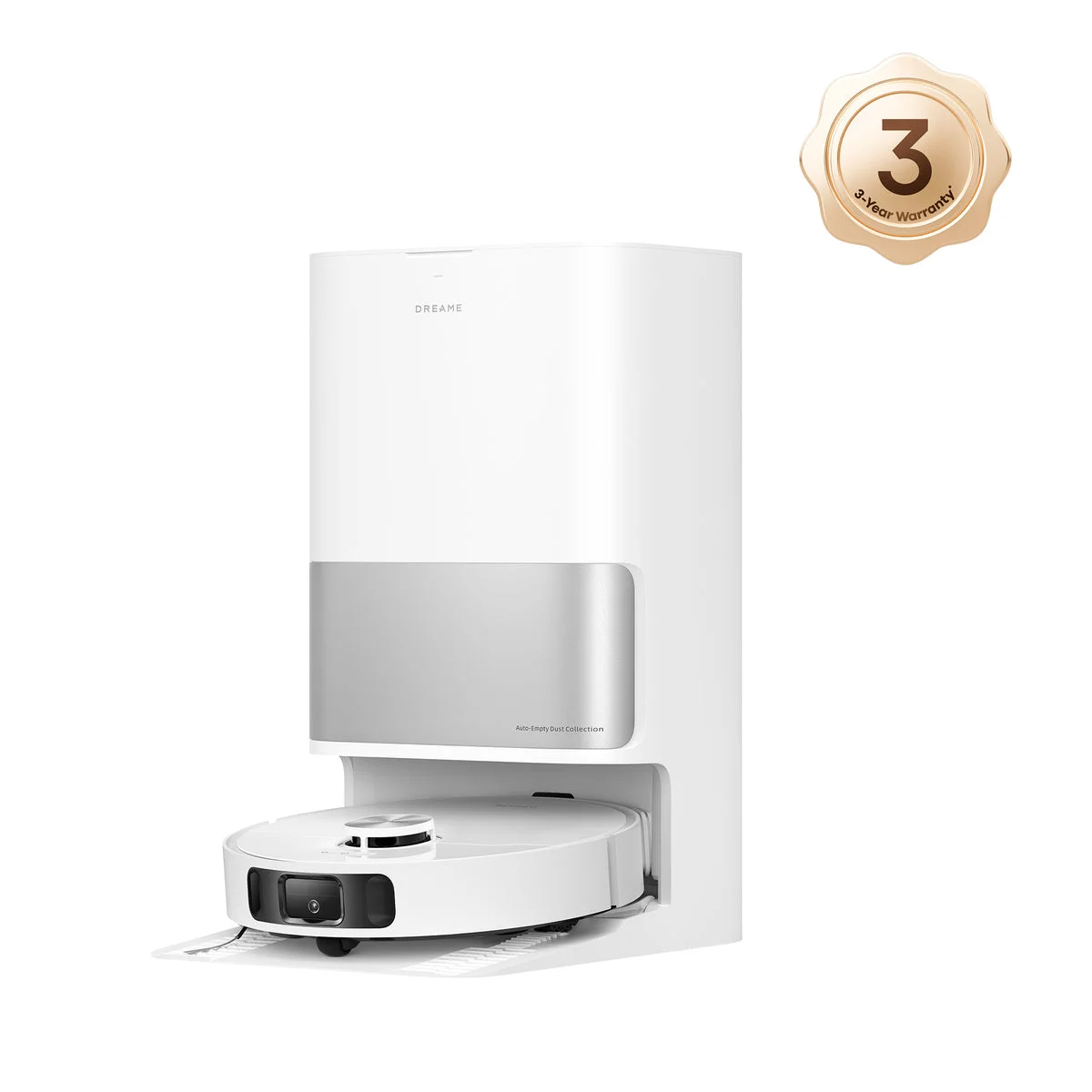
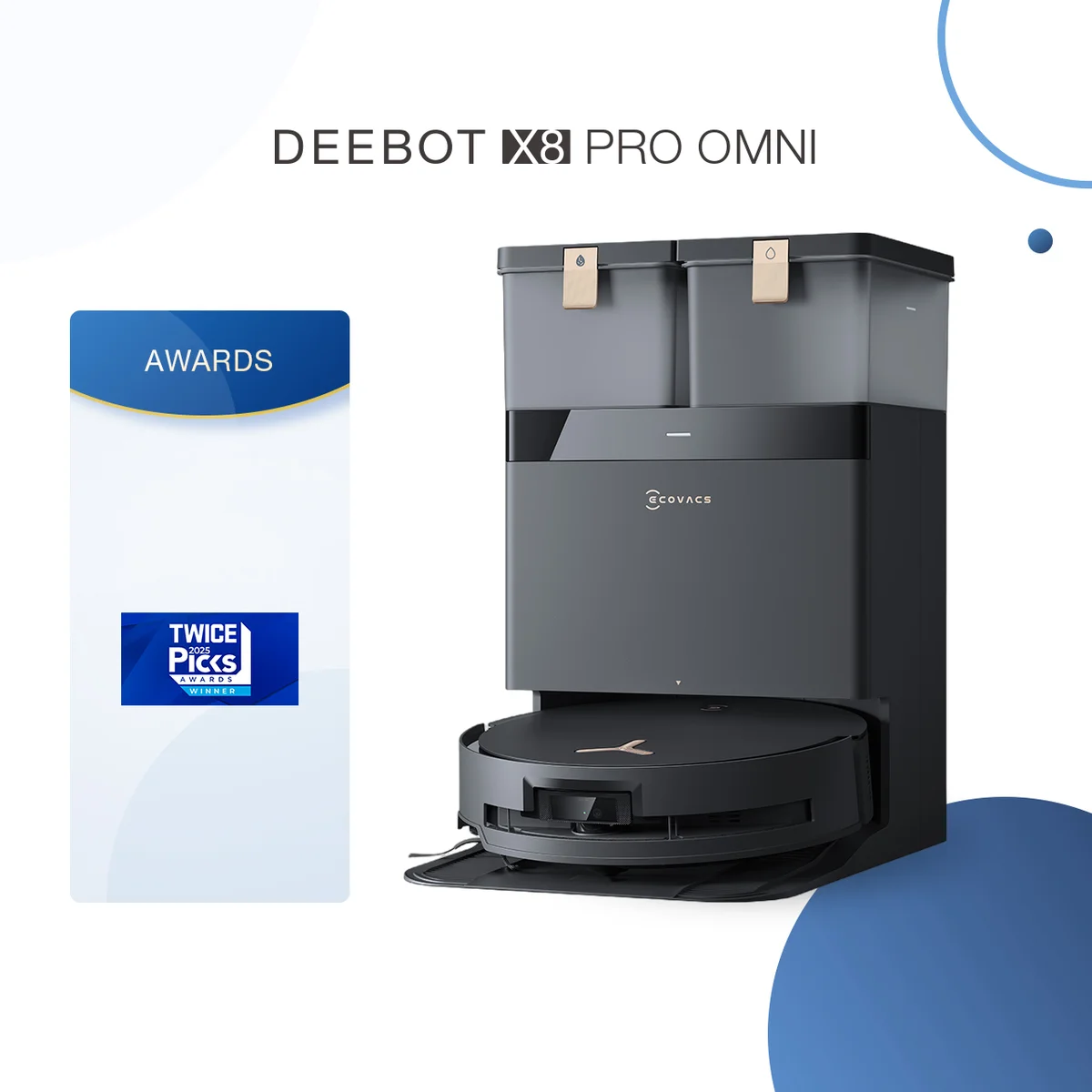
Hot-water mop washing is the single most-marketed dock feature in the flagship tier, and the question most buyers ask is whether the temperature matters or is just a spec-sheet checkbox. The published numbers sit in a narrow band. The Roborock Qrevo Master washes at 60 °C (140 °F). The Dreame X40 Ultra goes to 70 °C (158 °F). The Ecovacs T20 Omni runs 55 °C (131 °F). Our ranking's Ecovacs Deebot X8 Pro Omni advertises 75 °C dock sanitizing. The Dreame L20 Ultra, by contrast, washes pads without heating the water, and our product page lists that as a con.
On sanitation, 60 °C is a real threshold, not an invented one. The CDC's Legionella guidance treats 60 °C as the point where Legionella is killed rapidly in hot water systems. A peer-reviewed PubMed study found 60 °C exposure for five minutes effectively kills E. coli in artificially contaminated water. So the heat genuinely does something to the pad.
The honest caveat: the hot water sanitizes the pad on the dock tray, then cools before the robot applies it to your floor. TechRadar's Qrevo Master review describes the day-to-day benefit mainly as better grease and stain removal and a pad that smells less at the end of the week, rather than a sanitized floor. That matches what Narwal says about pad odor on its own maintenance blog: without a hot wash and a long warm-air dry, biofilm forms on wet pads and the dock begins to smell.
Auto-refill and plumbed docks are a different commitment
The last automation layer removes the clean-water refill and the dirty-water dump. A plumbed dock connects to home plumbing with small-bore tubing and does both jobs automatically. SwitchBot's S10, covered by Digital Trends, ships with adapters for sinks, toilets, dishwashers and washing-machine supply lines. Roborock's Saros 10 refill and drainage manual specifies 3/8-inch tubing, a floor-drain within six meters, and inlet pressure between 0.1 and 0.4 MPa. Eufy sells its plumbed module for the S1 Pro HydroJet as a separate accessory rather than including it.
Install hurdles are real. Tech Advisor's SwitchBot S10 review calls out plumbing reliability as the honest limiting factor, and SlashGear describes the install as "nearly hands-free" only after the plumbing is sorted. If you rent, or the room where the dock will live does not share a wall with plumbing, this tier is probably not on the menu.
None of the 20 products in our best robot vacuums ranking ships with a plumbed dock as the default configuration. The flagships at the top rely on 3 to 4 liter tanks and expect the owner to refill them weekly.
The dock is why flagship robots cost what they cost
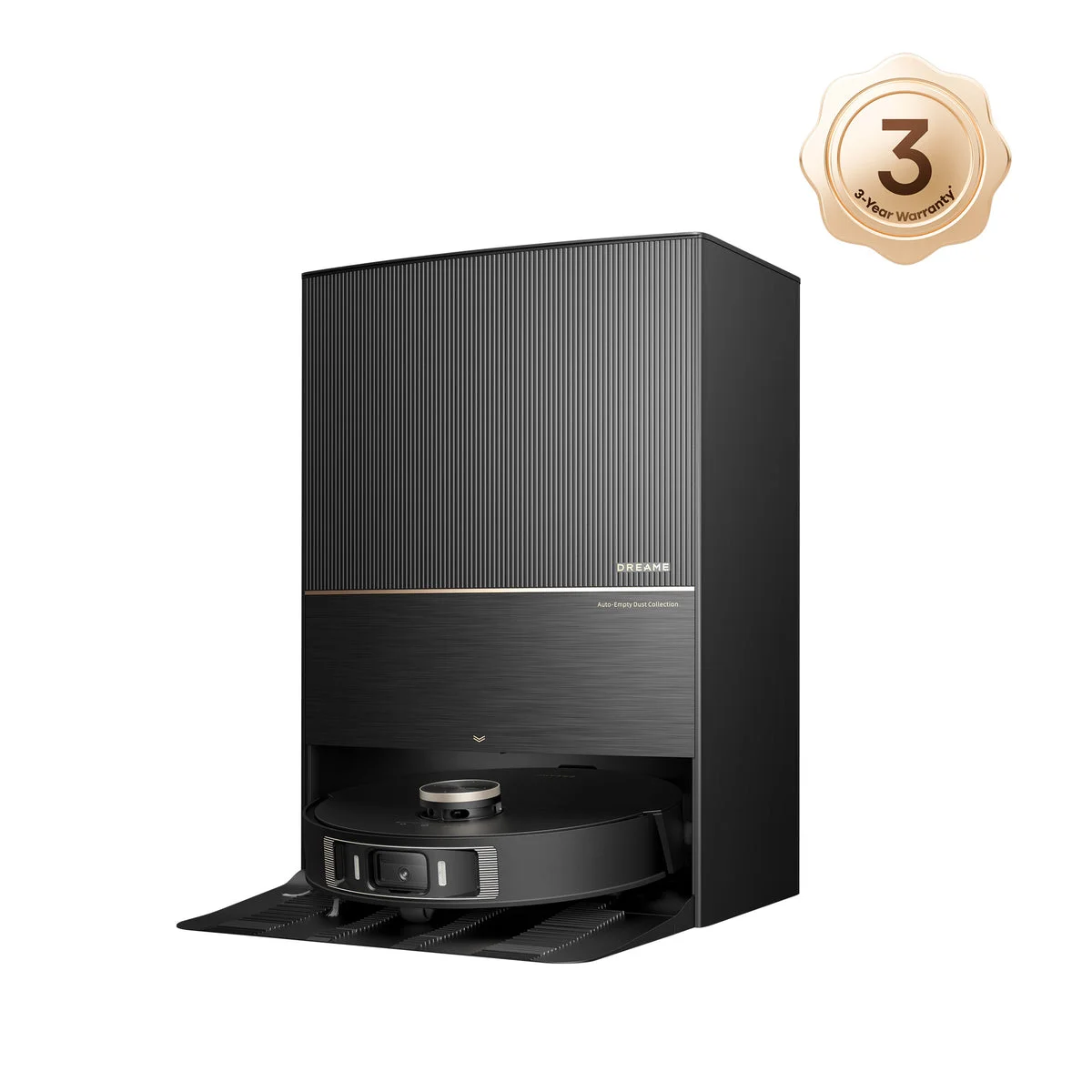
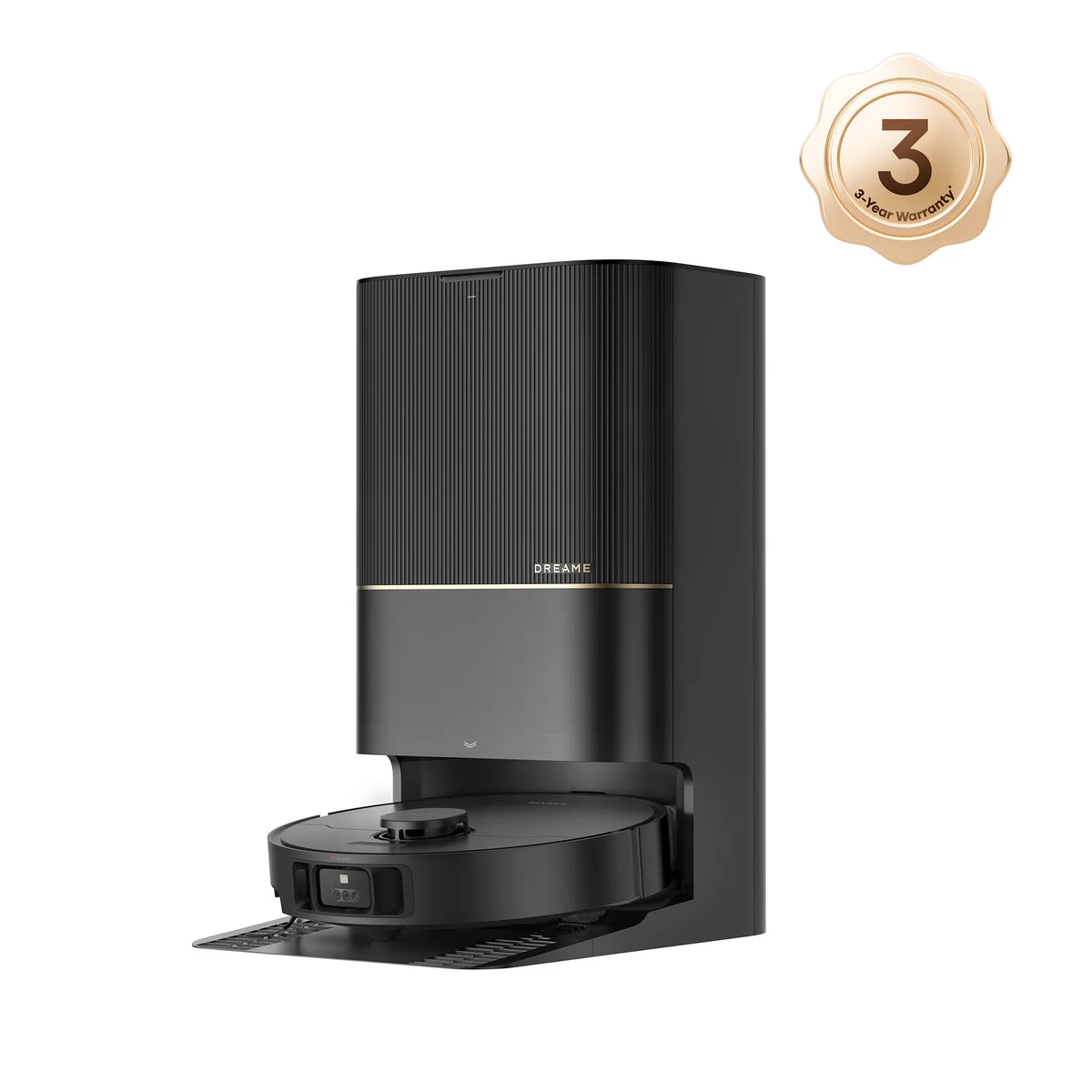
Pull apart a top-tier "omni" dock and the itemized contents explain the price gap: a sealed dust bag with its own vacuum motor, two water tanks, a water heater, a warm-air dryer, mop-wash trays with scrubber ribs, a drainage pump, fill-level sensors, and the robot's charging contacts. Tom's Guide's Qrevo Curv review describes essentially this parts list. Roborock's own Qrevo Master page lists a 60 °C wash and 45 °C warm-air dry, and the Roborock Qrevo Master in our ranking sits at $1,599. The Roborock S8 MaxV Ultra is $1,699.99 with a similar Omni dock plus ReactiveAI 3.0 obstacle avoidance. The Dreame X40 Ultra is $1,399 for 12,000 Pa suction and a 70 °C hot-water mop wash.
Tom's Guide puts the case for the entry tier plainly in a separate opinion piece: "you're paying for luxury, not performance." That is a fair framing. The robot does the actual cleaning. The dock saves you chores. If you do not mind emptying a dustbin by hand twice a week and rinsing a mop pad in the sink, the money is better spent elsewhere.
| Dock tier | What it adds | Typical price band | Example from our ranking |
|---|---|---|---|
| Self-empty only | Dustbag transfer | $280 to $650 | Roborock Q5 Pro+ ($379) |
| Self-empty + mop wash (no heat) | Pad rinse on tray | $450 to $900 | Dreame Bot L20 Ultra ($899) |
| Self-empty + hot-water mop wash + auto-dry | Pad sanitize, warm-air dry | $700 to $1,400 | Ecovacs Deebot T20 Omni ($799) |
| Full flagship omni | All of the above plus best obstacle AI, larger tanks | $1,100 to $1,700 | Roborock Qrevo Master ($1,599) |
| Plumbed auto-refill | Clean fill and dirty drain via home water | Flagship plus $150 to $300 module | None in top 20 |
What you still do, even with the fanciest dock
Owner reports and long-term reviews converge on a predictable maintenance list. Partial automation is the point where people get frustrated, because the leftover chore is unexpected.
RTINGS's long-term Roborock S8 Pro Ultra test notes the mop wash function worked well but ongoing tank and pad attention did not disappear. Modern Castle's 18-month Roomba i7+ review found the same pattern on the vacuum-only side: dust bags still need swapping, and the dock tray collects fine dust around the aperture.
- Empty the dirty-water tank: weekly on most flagships with 3 to 3.5 L tanks, more often for heavy mopping.
- Refill the clean-water tank: weekly on the same cadence.
- Replace the dust bag: every four to seven weeks on flagship docks, longer for one-person homes.
- Rinse the mop wash tray: every one to two weeks, per Narwal's maintenance guide.
- Replace mop pads: every three to six months, per YourRobotVacuum.
- Replace the HEPA filter: every two to six months depending on brand.
- Descale the hot-water heater: monthly in hard-water areas, per aftermarket brand Funk Fix.
- Cut hair off the brushroll if it is not an anti-tangle design: our Dreame L40 Ultra Gen 2 entry notes a standard brushroll can accumulate hair over long sessions.
For pet owners, the brushroll matters more than the hot water
The honest answer to whether self-empty docks clog on pet hair is yes, sometimes, and the usual culprit is the brushroll rather than the dock itself. The empty cycle moves hair from the robot's bin through a short channel into the bag. Two failure modes come up again and again in owner reports: tangles at the bin aperture, and wrapped hair at the main brushroll that never makes it to the bin in the first place.
The industry's answer is a redesigned brushroll. Shark markets a self-cleaning anti-hair-wrap brushroll on the AI Ultra RV2610WA in our ranking. Roborock's DuoRoller and DuoDivide pair two rubber rollers that resist wrap. Ecovacs's ZeroTangle appears on the Deebot T30S Combo, with ZeroTangle 2.0 on the X8 Pro Omni. Narwal's Freo Pro carries an SGS zero-tangle certification for its DualFlow system. Vacuum Wars' Roborock testing notes that anti-tangle designs reduce but do not eliminate wrap, especially with long human hair.
If you have pets, prioritize the anti-tangle brushroll over the hot-water dock. The hot water sanitizes the pad; it does not help you fish hair out of a jammed roller.
The short version
Buy by the tier that matches your tolerance for chores, not by the longest spec sheet. Self-empty only is enough for small apartments, light shedding, and mostly hard-floor homes, and the Roborock Q5 Pro+ covers this at $379. Self-empty plus mop washing (no heat) suits mixed flooring where you want to mop more than once a week; the Dreame Bot L20 Ultra sits in that tier at $899. Hot-water auto-wash with warm-air drying is the first tier worth paying for in pet households or any home where pad odor matters, and the Ecovacs Deebot T20 Omni, Roborock Qrevo Master and Dreame X40 Ultra are the clearest examples from $799 to $1,599. Plumbed auto-refill is still niche in late 2026 and only worth the install hurdle if the dock will live near existing plumbing. Full category context sits in our Best Robot Vacuums of 2026 ranking.
See Best Robot Vacuums of 2026, Top 10 RankedQuestions people ask
What is a self-emptying robot vacuum dock?+
It is a charging base with its own small vacuum, cyclone and sealed paper bag. When the robot parks, the base pulls dirt out of the dustbin into the bag. iRobot shipped the first mainstream version with the Roomba i7+ in September 2018. Capacity is usually quoted in robot bin-loads, often 30 or more, which maps to several weeks between bag changes.
What is the difference between a self-emptying and a self-washing dock?+
Self-emptying handles dust only, from the robot bin into a bag. Self-washing is a separate system that rinses the mop pads on a textured tray, pumps the dirty water into a second tank, and in better docks dries the pads with warm air. A dock can self-empty without self-washing, but any dock that washes pads will also empty the bin.
Is a self-emptying dock worth the extra cost?+
If you empty a small dustbin by hand twice a week without thinking about it, no. If you have pets, carpet, or live in a dusty area and would otherwise skip empties until the robot started dragging a full bin, yes. The jump from no dock to a self-empty dock is the single biggest quality-of-life change in robot vacuums. Each layer above that returns less per dollar.
Do I need a hot-water mop washing dock?+
Not for a clean floor; the hot water sanitizes the pad on the dock, not the floor. You want it if pad odor bothers you, if you mop more than once a week, or if you have pets. Published temperatures range from 55 °C (Ecovacs T20 Omni) to 75 °C (Ecovacs X8 Pro Omni), and 60 °C is the CDC's hot-water threshold for killing Legionella rapidly.
Why do robot vacuum docks cost so much?+
A flagship omni dock contains a sealed dust bag with its own vacuum motor, two water tanks, a water heater, a warm-air dryer, mop wash trays with scrubber ribs, a drainage pump, fill sensors, and the robot's charging contacts. That is more mechanical hardware than the robot itself. Tom's Guide's own take: you are paying for luxury, not cleaning performance.
How often do I still have to maintain a self-emptying robot vacuum?+
On a flagship, expect weekly dirty-water dumps and clean-water refills, a dust bag swap every four to seven weeks, mop-tray rinsing every one to two weeks, pad replacement every three to six months, filter replacement every two to six months, and monthly descaling of the hot-water heater in hard-water areas. The dock does not eliminate maintenance; it reduces frequency.
Do self-emptying docks clog with pet hair?+
Occasionally, yes. The common failure points are the dustbin outlet and the main brushroll, where hair wraps before it ever reaches the bin. Anti-tangle brushroll designs (Shark self-cleaning, Roborock DuoRoller, Ecovacs ZeroTangle, Narwal DualFlow) reduce but do not eliminate the problem. If pets are your main driver, prioritize the brushroll design over the dock temperature.
What does a fully automated robot vacuum dock actually do?+
The full stack: empties the robot's dustbin into a bag, refills the robot's internal water tank from a clean reservoir, scrubs the mop pads with hot water on a tray, drains dirty water into a second tank, and dries the pads with warm air. A plumbed version adds automatic clean-water refill and dirty-water drain via household plumbing. Even at this tier, the dust bag, dirty tank and mop pads remain consumables.
Sources
What this guide is based on. We research from published specifications, independent reviews and owner reports; we did not test these products ourselves.
- 1.New iRobot Roomba i7+ Robot Vacuum Learns a Home's Floor Plan and Empties Itself, iRobot
- 2.iRobot Develops Self-Emptying Roomba, IEEE Spectrum
- 3.iRobot Clean Base product spec sheet, iRobot via Best Buy
- 4.Roborock Qrevo Master product page, Roborock
- 5.Dreame X40 Ultra product page, Dreame
- 6.ECOVACS Introduces Higher and Hotter Performance to Its DEEBOT Lineup with T20 OMNI, Business Wire / Ecovacs
- 7.Roborock Qrevo Master review, TechRadar
- 8.Controlling Legionella in Potable Water Systems, CDC
- 9.Effect of Heat on the Sterilization of Artificially Contaminated Water, PubMed / National Library of Medicine
- 10.SwitchBot S10 robot vacuum connects to your plumbing for fully automated mopping, Digital Trends
- 11.Roborock Saros 10 Refill and Drainage System Manual, Roborock
- 12.eufy Accessory Auto Water Refill and Drainage System for S1 Pro HydroJet, Eufy via Amazon
- 13.SwitchBot S10 review: nearly hands-free, SlashGear
- 14.SwitchBot S10 review: hands-free floor cleaning, with caveats, Tech Advisor
- 15.Roborock Qrevo Curv review, Tom's Guide
- 16.Are robot vacuums with self-emptying bases worth it?, Tom's Guide
- 17.Roborock S8 Pro Ultra review, RTINGS.com
- 18.The Hidden Costs of Robot Vacuum Ownership, YourRobotVacuum
- 19.Does Your Robot Mop Need Descaling?, Funk Fix
- 20.Robot Vacuum Maintenance Guide, Narwal
- 21.Why Does My Vacuum Smell Bad? Causes & Easy Fixes, Narwal
- 22.Robot Vacuum Noise Levels: dB Guide & Quiet Model Tips, Narwal
- 23.Roomba i7+ 18 Month Test, Modern Castle
- 24.Roomba Combo j9+ review: Wait, I have to wash the mop pad myself?, Yahoo Tech
- 25.Roborock S8 Pro Ultra review, Vacuum Wars
- 26.Best robot vacuums in 2026, Tom's Guide
Products mentioned
More on robot vacuums
Explainer
Does Robot Vacuum Mopping Actually Clean, or Is It Just a Wet Wipe?
What robot mopping really does, how vibrating, spinning and roller pads compare, and when you still need a real mop.
Explainer
Robot Vacuum Suction Pa Numbers Explained: What They Measure and Why They Don't Tell the Whole Story
A plain-language explainer on what a robot vacuum Pa rating actually measures, why numbers have ballooned without better cleaning, and how much Pa you really need for hard floors, carpet, and pet hair.
Buying guide
How to Choose a Robot Vacuum: The Four Decisions That Actually Matter
Skip the suction Pa arms race. Match a robot vacuum to your floors, your mopping needs, your dock tolerance, and your pets.