Explainer
Does Robot Vacuum Mopping Actually Clean, or Is It Just a Wet Wipe?
What robot mopping really does, how vibrating, spinning and roller pads compare, and when you still need a real mop.
Updated November 17, 2026 · Based on 17 sources · How we research
If you are looking at a $1,000-plus robot vacuum, mopping is where the marketing gets the loudest and the physics get the quietest. Brands show dried ketchup disappearing in one pass and dock washes at 212°F. Independent reviewers describe a narrower picture: robot mops are very good at keeping an already-clean hard floor clean, and much weaker on anything that needs real pressure or heat on the floor itself. This guide is for buyers trying to decide whether the mopping feature on a combo robot is worth paying for, or whether it is essentially a damp wipe stapled to a vacuum. The one thing most people get wrong is treating the robot mop as a replacement for the manual mop, when the evidence from reviewers and owners says it is a maintenance layer sitting on top of occasional deep cleaning.
A robot mop is a damp pad dragged across the floor, not a mop
The word "mop" invites you to picture a bucket, a wringer, and someone pressing down hard on a stain. A robot mop does almost none of that. It carries a shallow water tank, wets a microfiber pad or roller, and slides it over the floor under the robot's own weight. Vacuum Wars describes the downward force applied by the three common mop systems: passive and vibrating pads at roughly 6 to 8 newtons, dual spinning pads at 6 to 12 newtons, and roller designs at 9 to 18 newtons. A person pressing on a sponge mop applies far more force than that, and can hold the pressure over one spot for as long as needed. Robots cannot match that, and they cannot pause over a stain the way you can.
That physical limit is the reason the honest reviewers keep arriving at the same sentence. Focused Insight, writing up the roller-equipped Ecovacs Deebot X8 Pro Omni, puts it this way: "It maintains a floor. It doesn't reset one." Robovac Guide says the same thing more bluntly: "A good robot mop keeps a clean floor clean. It does not make a dirty floor clean." This is also the pattern long-term reviewers at Tom's Guide report after weeks with current models. The mop handles dust, pollen, pet-paw film, light footprints, and fresh liquid spills if the robot gets there soon enough. It does not handle dried sauce bonded to tile, pet-urine stains that soaked into grout, or sticky residue that needs a fingernail.
Once you internalize that the robot is applying less force than a damp sock, the rest of the category stops being confusing. Hot-water docks, 60-plus object recognition, 12-level water flow, FlexiArm extensions, all of it is work to get the damp pad to the right place and keep it from stinking. None of it changes what the floor actually receives.
Vibrating, spinning, roller: what the three mop systems actually do
Almost every current premium combo uses one of three mop designs. They are not interchangeable, and the choice matters more for cleaning behavior than the suction number on the box.
Vibrating or "sonic" pads sit on an oscillating plate that shakes the microfiber pad at high frequency, up to about 4,000 vibrations per minute per Vacuum Wars. The downward force is light and even, and the shaking helps loosen thin grime. The design fails on anything that needs sustained pressure in one spot, and the single-pad face gradually accumulates whatever it has picked up, which can be smeared across the rest of the room if the dock wash is weak.
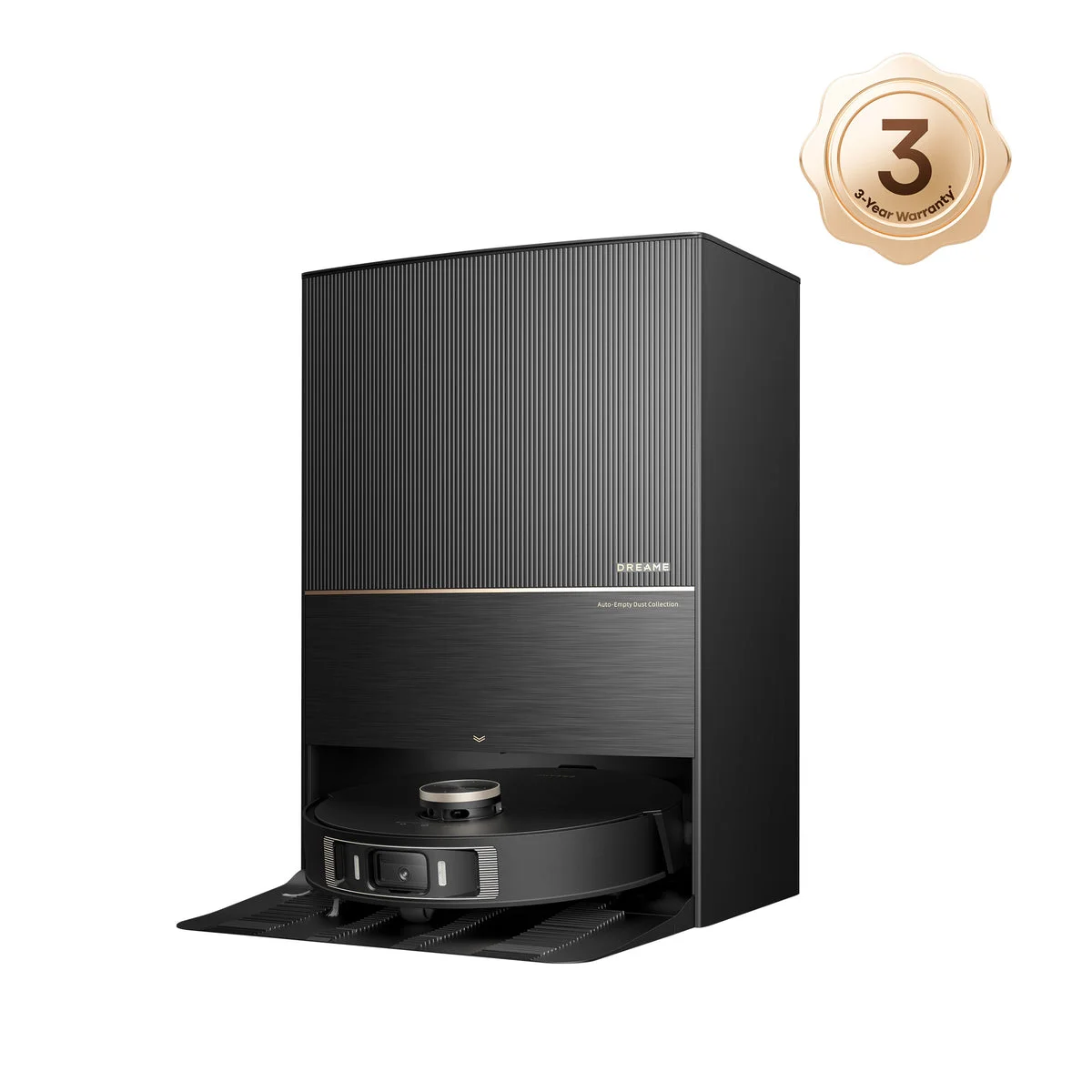
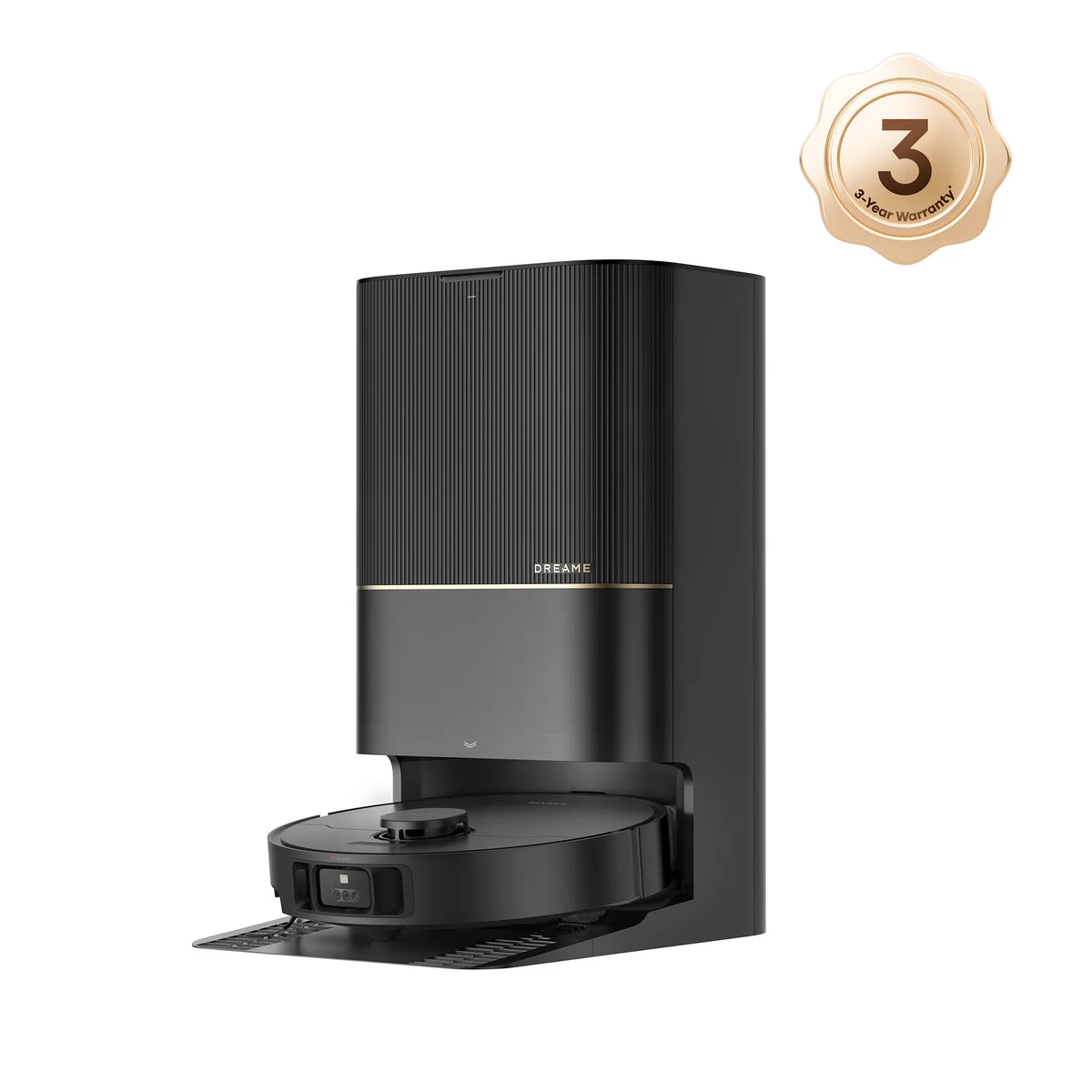
Dual spinning pads are the mainstream 2026 approach, used on the Dreame X40 Ultra (our page), Roborock S8 MaxV Ultra (our page), Roborock Qrevo Master (our page), and the Narwal Freo Z Ultra (our page). Two pads turn under the robot while slightly pressing down. Vacuum Wars pegs rotation speeds up to 260 RPM on the flagships. Spinning is the best balance for most homes: it covers more area per second than a vibrating pad, it can nudge up to the baseboard on models with a sideways-extending arm, and Vacuum Wars finds it does noticeably better on light dried spots than static or vibrating pads.
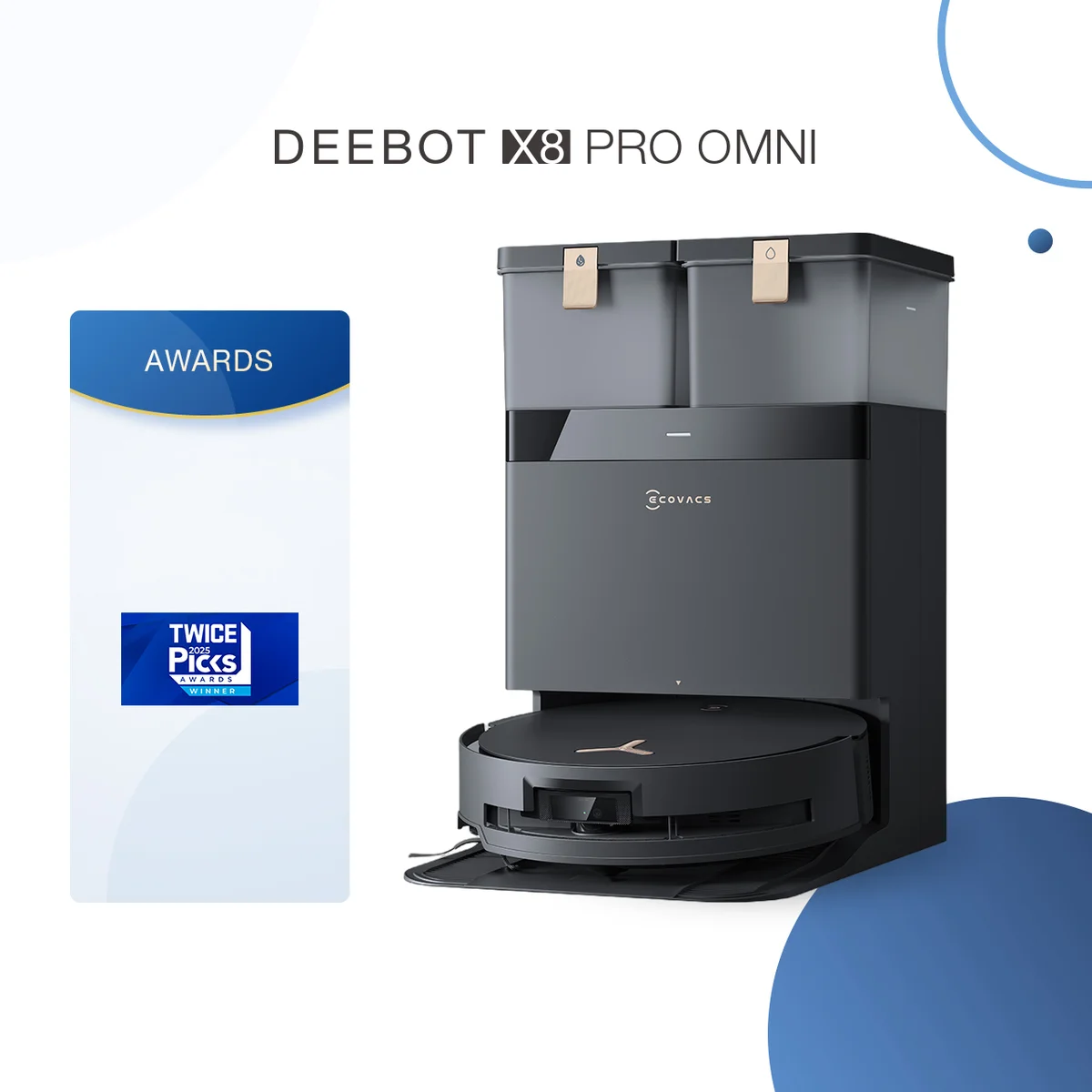
Roller mops are the newest mainstream design, used on the Ecovacs Deebot X8 Pro Omni (our page). A rotating cylinder continuously wets its leading edge, scrapes dirty water into an internal tank, and presents a clean section of roller to the floor every revolution. Digital Trends describes the X8 roller rotating at up to 200 RPM with 4,000 Pa of downward pressure, and Tom's Guide treats it as the cleanest finish on hardwood among current mop robots. The tradeoff is height, noise, and maintenance: the roller is taller so the robot clears less furniture, and you are now also washing a scraper and a dirty-water tank.
| System | Example model | Downward force | What it is good at | What it is bad at |
|---|---|---|---|---|
| Vibrating pad | Older Roborock S7 generation | Roughly 6 to 8 N | Dust, pollen, light footprints | Anything dried on, corners |
| Dual spinning pads | Dreame X40 Ultra, Roborock S8 MaxV Ultra | 6 to 12 N | Daily maintenance, light sticky spots, baseboard edges on arm-extending models | Set-in stains, grout |
| Continuous roller | Ecovacs Deebot X8 Pro Omni | 9 to 18 N | Fresh wet messes, residue-free hardwood | Low furniture clearance, tangled plush rugs |
How well robot mopping works on tile versus hardwood
Tile and hardwood are both "hard floors" to the robot, but they punish robot mops differently. Tile is tougher on the mop because its grout lines sit slightly below the tile surface and are porous. The robot pad glides across the top of the tile and never reaches into the grout channel. Bsty Home spells it out: grout cleaning needs heat and agitation pressed down into the recess, which a flat pad passing above it cannot deliver. For a tile kitchen with discolored grout, the robot will keep the field of the tile clean indefinitely and will not improve the grout at all.
High-gloss porcelain and polished stone add a second problem, which is that any residue or streak is instantly visible. Owners on the current generation report that cold-water docks tend to leave a faint film on gloss tile that a hot-water dock does not, because the warmer rinse strips more grease from the pad before the next pass. This is one of the few places the dock wash actually changes what the floor sees.
Hardwood is kinder to the robot because it has no grout to fail on, and because fewer messes bond to a sealed hardwood surface the way they do to kitchen tile. The caveat is water tolerance. Engineered wood, laminate, and older oiled floors should see as little water as possible, which is why models like the Dreame X40 Ultra and Roborock Qrevo 2 Pro (our page) let you set water flow per room. On these surfaces, TechRadar recommends keeping the X40 Ultra at the lowest water setting. A spinning or vibrating pad on low water is roughly a damp dust mop, which is exactly what sealed hardwood wants most days.
The third surface worth calling out is luxury vinyl plank. It behaves like tile for mopping purposes, with no grout risk, no water sensitivity, and a satin finish that hides streaks. This is the easiest surface for a robot mop and the one where the feature looks closest to its marketing.
The dried-spill test is where robots quietly fail
Dried-on messes are the single clearest dividing line between what a robot mop can and cannot do. Multiple independent testers now run a standardized dried-stain protocol, letting coffee, juice, or soy sauce bond to tile for a few hours, then running the robot and scoring how much comes up. The Vacuum Wars scoring is where the field spreads out: Focused Insight cites the category average at 98 points on Vacuum Wars' dried-stain test, and the Ecovacs Deebot X8 Pro Omni roller scored 72 against that average, a visible gap on the test it is advertised to win.
The Dreame X40 Ultra is the model most commonly called out as the exception. Vacuum Wars describes it visibly outperforming the Roborock S8 MaxV on dried coffee and grape juice stains thanks to the 158°F water it puts onto the pad during the dock wash. Roller designs like the X8 Pro Omni handle fresh wet messes best but underperform on dried stains, per the Focused Insight number above. Spinning-pad models in the mid-range, like the Roborock Qrevo Pro (our page) and the Dreame L10s Ultra Gen 2 (our page), generally need a second pass or an assist from a wet paper towel.
The honest read: no robot mop in 2026 reliably erases a stain the way pressing a Magic Eraser or a wet rag onto it will. The best ones get close on fresh coffee. None of them get close on dried yogurt, dried pet accidents, or anything that has baked onto gloss tile overnight.
If dried spills are your main motivation for buying, the ranking that matters is dried-stain performance, not suction. Our best robot vacuums list weights dock and cleaning performance heavily for this reason, and the Dreame X40 Ultra vs Roborock S8 MaxV Ultra vs Roborock Qrevo Master comparison walks through where each flagship falls on the dried-mess question.
Hot-water dock washing cleans the pad, not the floor
Hot-water docks are the headline feature on every 2026 flagship: the Dreame X40 Ultra at 158°F (Best Buy spec), the Roborock Qrevo Curv at 167°F (Vacuum Wars), and the newest Roborock Saros 20 and Dreame X60 Max Ultra docks reaching 212°F per Robot Review Desk. This matters more than cold-water docks, but not in the way the marketing implies. The hot water washes the pad. It does not raise the water temperature the robot then uses on your floor to any meaningful degree, because that water sits in an unheated reservoir inside the robot and cools on the way out.
What hot-water pad washing actually buys you: less grease carry-over between runs, less biofilm on the pad itself, and meaningfully less "wet-dog" smell over time. TechAdvisor documents the author finding mold in both water tanks after following the app's weekly maintenance schedule, and Descent Analysis puts a number on it: biofilm forms on the inside of a full-water tank within 48 to 72 hours at room temperature. Cold-water docks that simply rinse the pad do not stop this, and the worse the pad hygiene, the more a mop run smells like a gym bag. Hot-water docks do not fix the water tank itself, which you still have to empty and rinse, but they knock down the pad side of the problem.
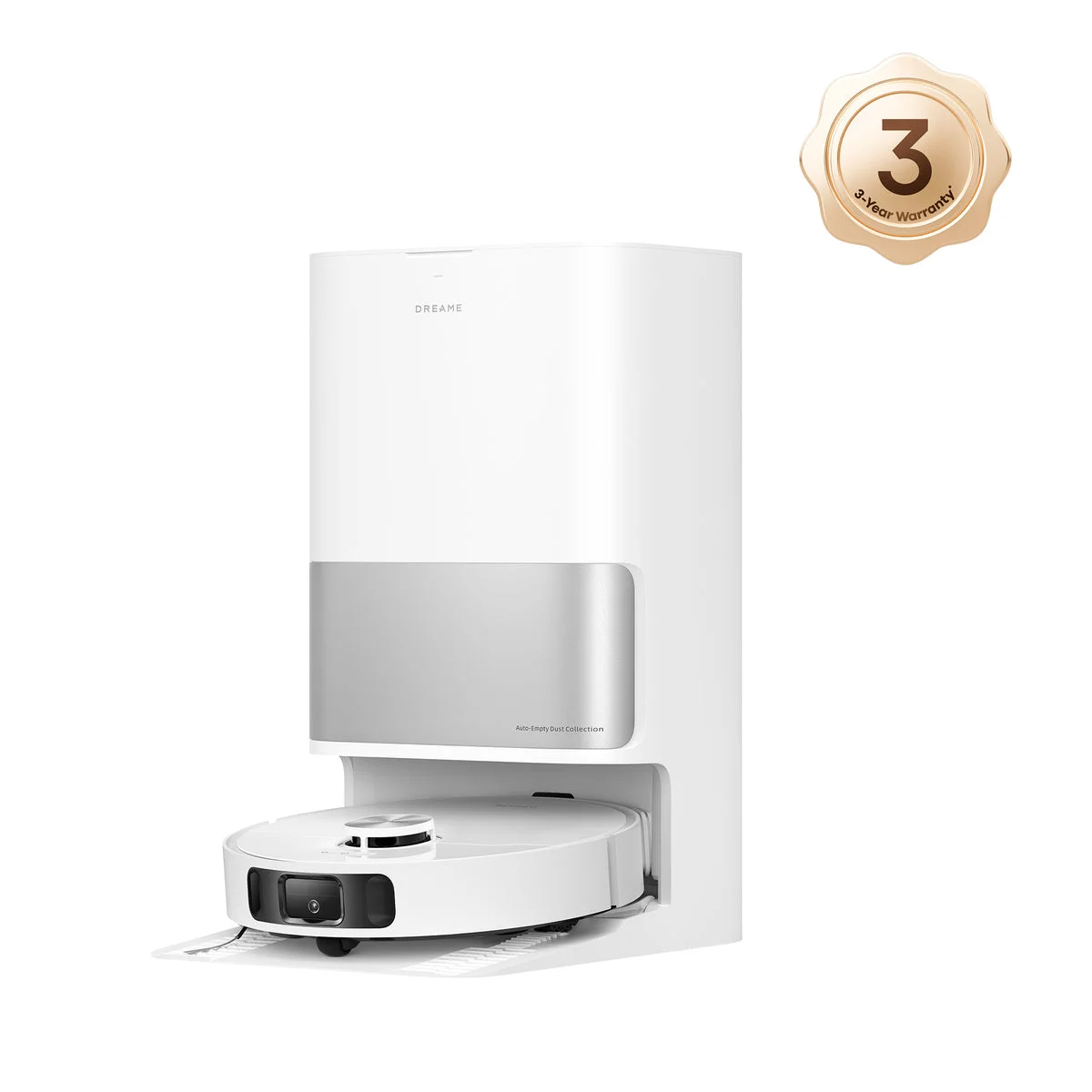
Putting it plainly: hot-water dock washing is a sanitation and odor feature. If you care about not smearing dirty mop film around your kitchen between manual mops, it is one of the most useful dock upgrades you can pay for. If you expect it to scrub dried food off the floor, you will be disappointed. The Ecovacs Deebot T20 Omni (our page) heats dock water to 131°F per Ecovacs' own announcement, on the lower end for a hot-water dock, while the Dreame Bot L20 Ultra (our page) skips the hot wash entirely, which is the first place owners mention a musty smell after a few weeks.
You still need to mop manually, just a lot less often
Across every reviewer we looked at, including the long-term testers at Tom's Guide, TechRadar, and CNN Underscored, the consensus is the same. A good robot mop stretches the interval between manual mops from roughly once a week to roughly once a month in a tile or vinyl kitchen, and from every few weeks to every couple of months in a hardwood-heavy home. It does not drop that interval to never.
The jobs you will still do by hand are predictable. Corners: a round robot cannot reach a 90-degree inside corner, and arm-extending side-brushes help with perimeter mopping but still miss the corner itself. Grout: the robot slides across the tile tops, grout stays its own problem. Baked-on, bonded, and sticky messes: these need pressure over seconds in one spot, which a moving robot cannot apply. Area rug edges: nearly all robots lift the pad over carpet, but the transition inch at the rug edge tends to stay slightly grubby.
The workflow that actually works is: run the robot most days on a scheduled pass, deep-clean manually when you can see it is needed, and use the hot-water dock to keep the pad from turning into a petri dish. If you have a grout-heavy kitchen or a toddler who paints the floor with oatmeal, budget for a steam mop as well. If your floors are mostly hardwood or vinyl and your household is adults-and-pets, the robot plus a monthly quick manual mop is a reasonable new baseline.
So is the mop feature on a combo robot worth paying for?
For hard-floor-majority homes, yes, and the delta is bigger than it looks on paper. A combo robot with dock wash and a spinning or roller mop replaces the daily dust-mop step entirely, which is the step people actually skip. You are not paying for a replacement mop. You are paying for the maintenance pass you were not doing by hand.
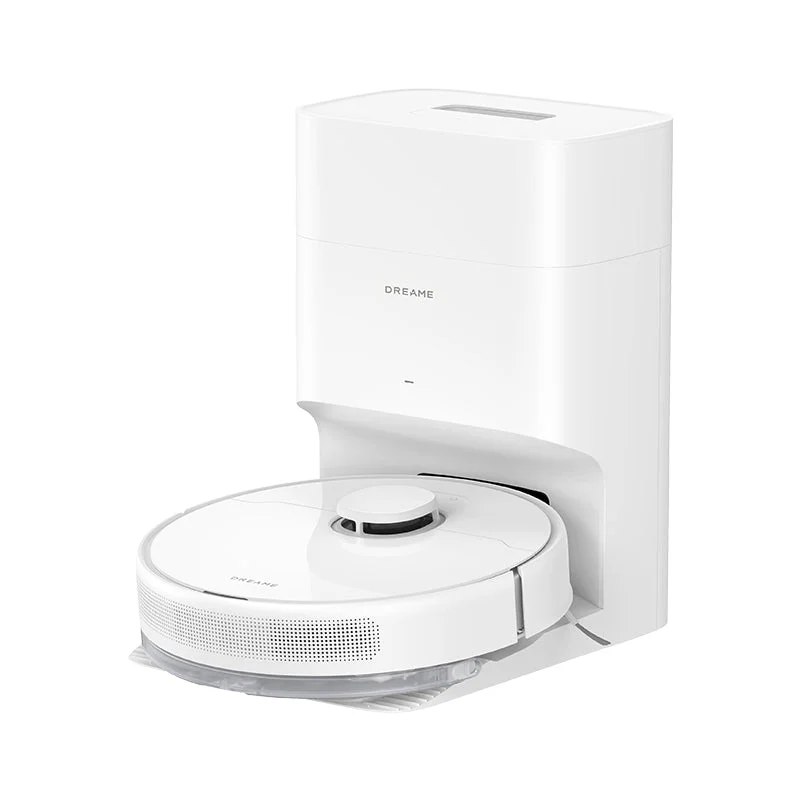
For carpet-heavy homes, no, or at least not at the premium tier. The mop will lift over carpet, but you lose most of the benefit the dock is engineered around, and the extra few hundred dollars over a vacuum-only robot is better spent on suction and brush design. A simpler mop-capable model like the Dreame D10 Plus Gen 2 (our page) with no dock wash makes more sense in that setup.
The sweet spot in the current market is the mid-tier hot-water-dock model. The Ecovacs Deebot T30S Combo (our page) and the Roborock Qrevo Master give you spinning pads, hot-water dock wash, and automatic pad drying for well under flagship pricing. You pay the flagship premium when you specifically want roller-style mopping on a heavy wet mess (X8 Pro Omni) or the highest dried-stain scores plus 158°F or hotter dock wash.
The short version
Robot mopping is real cleaning, but it is maintenance cleaning. The robot carries a damp pad across the floor at low pressure, which is enough to pick up the dust, pollen, light footprints, and fresh liquid that make a floor feel grubby day to day. It is not enough to lift dried food, strip stained grout, or substitute for the weight of your hand on a sticky spot. Hot-water dock washing is a pad-hygiene feature, not a floor-scrub upgrade, and it is the single most useful dock add-on if odor and smearing are what bother you. Buy a mid-tier combo with spinning pads and a hot-water dock if you have hard floors and want to stop sweeping. Buy a roller model like the Ecovacs Deebot X8 Pro Omni if your messes are mostly wet. Keep the manual mop or steam mop for the monthly deep pass. Our best robot vacuums list ranks the current combo models on exactly these cleaning metrics.
See Best Robot Vacuums of 2026, Top 10 RankedQuestions people ask
Does a robot vacuum mop actually replace a real mop?+
No. It replaces the daily dust-mop or spot-wipe, not the deep clean. Reviewers consistently describe the robot as maintaining a clean floor, not resetting a dirty one. Plan on a manual mop or steam mop every three to six weeks even with the best combo.
How well does robot mopping work on tile versus hardwood?+
Smooth tile and luxury vinyl plank are the best surfaces for a robot mop because they are flat and water-tolerant. Grout lines, which sit below the tile surface, do not get cleaned at all. Hardwood works well on low water settings but gains less from mopping day to day because less bonds to a sealed wood finish.
Is the mopping feature on a combo robot worth paying for?+
On a hard-floor-majority home, yes, especially at the mid-tier with a hot-water dock. On a carpet-heavy home, the extra cost of the mop system is less justified and the money is better spent on suction and anti-tangle brush design.
Can a robot mop remove dried spills or stains?+
Only partially, and only on the strongest models. The Dreame X40 Ultra stands out at the top of Vacuum Wars' dried-stain testing, while the Ecovacs Deebot X8 Pro Omni scored below the category average at 72 versus 98 per Focused Insight. Bonded, sticky, or baked-on messes still need manual pressure the robot cannot apply.
What is the difference between vibrating and spinning mop pads?+
Vibrating pads shake a flat microfiber face at high frequency to loosen light grime. Spinning pads rotate two circular pads under moderate downward pressure. Spinning is the mainstream 2026 choice because it covers more floor per second and nudges closer to baseboards on models with extending arms, while vibrating pads are quieter but weaker on dried spots.
Do I still need to mop manually if I have a robot mop?+
Yes, but less often. Most owners drop from weekly manual mopping to roughly once a month, plus spot cleaning for dried food, grout, and corners. Households with toddlers, pets with frequent accidents, or heavy-use kitchens still benefit from a steam mop on top of the robot.
How clean does a robot mop actually get the floor?+
Clean enough to pass a dry-sock test on a floor that was already in decent shape, and clean enough to pass a paper-towel test on fresh spills with the best models. Not clean enough to pass a fingernail-scratch test on dried messes, and not clean enough to address grout or tight corners.
Does hot-water dock washing make the floor cleaner?+
Mostly indirectly. The hot water washes the mop pad, not the water the robot puts on your floor. That matters because a cleaner pad stops spreading grease and bacteria during the next run, which shows up as a less streaky floor and much less musty smell after a few weeks.
Sources
What this guide is based on. We research from published specifications, independent reviews and owner reports; we did not test these products ourselves.
- 1.Robot Mop Types Explained: Spinning vs Roller vs Vibrating, Vacuum Wars
- 2.Do Robot Vacuum Mops Actually Work?, Robovac Guide
- 3.Best Robot Vacuum Mop Combos in 2026: Which Models Actually Mop Well, Robot Review Desk
- 4.The best robot mops you can buy in 2026, Tom's Guide
- 5.Best robot mops of 2026: Tested and reviewed, CNN Underscored
- 6.Can a robot vacuum effectively mop your floors, too?, TechRadar
- 7.Ecovacs Deebot X8 Pro Omni review: rolling in the right direction, Digital Trends
- 8.Ecovacs Deebot X8 Pro Omni robot vacuum review, Tom's Guide
- 9.The Ecovacs Deebot X8 Pro Omni Cleans Floors That Are Already Under Control, Focused Insight
- 10.Roborock Qrevo Curv Robot Vacuum Review, Vacuum Wars
- 11.Dreame X40 Ultra Review: Is This The Best Robot Vacuum?, Vacuum Wars
- 12.Dreame X40 Ultra product listing (158°F mop self-cleaning), Best Buy
- 13.Dreame X40 Ultra review: the smartest robovac yet, TechRadar
- 14.ECOVACS Introduces Higher and Hotter Performance to Its DEEBOT Lineup with T20 OMNI, Business Wire (ECOVACS)
- 15.Robot Mop vs. Steam Mop: What Robots Still Can't Do, Bsty Home
- 16.I switched to a robot mop: The highs, lows, and ewws, TechAdvisor
- 17.Robot Vacuum Mop Water Tank Cleaning: Preventing Mold, Biofilm, and Odor, Descent Analysis
Products mentioned


More on robot vacuums
Explainer
Robot Vacuum Dock Features Explained: Self-Empty to Auto-Refill
What each dock layer (self-empty, auto-wash, hot water, auto-refill, auto-dry) actually removes from your chore list, what it costs, and what you still maintain.
Explainer
Robot Vacuum Suction Pa Numbers Explained: What They Measure and Why They Don't Tell the Whole Story
A plain-language explainer on what a robot vacuum Pa rating actually measures, why numbers have ballooned without better cleaning, and how much Pa you really need for hard floors, carpet, and pet hair.
Buying guide
How to Choose a Robot Vacuum: The Four Decisions That Actually Matter
Skip the suction Pa arms race. Match a robot vacuum to your floors, your mopping needs, your dock tolerance, and your pets.