Explainer
Padel Racket Weight vs Balance Point: Why the Grams on the Label Don't Tell the Full Story
Total weight is one spec on the box. Balance point and swing weight explain why two rackets at the same grams play nothing alike, with examples from today's frames.
Updated November 12, 2026 · Based on 11 sources · How we research
If you have ever picked up a 355g racket and found it feels like a sledgehammer, then swung a 375g pro frame and found it quick, this guide is for you. The thing most buyers get wrong is shopping on grams, because grams are the number brands print on the throat. The number that actually predicts how a racket behaves in play is swing weight, and swing weight is driven far more by where the mass sits than by how much there is.
The number on the throat is only half the story
Modern padel rackets sit in a tight window. A study of 137 rackets by Blanes-Mira and colleagues measured static weights from 316g to 387g with a mean of 363g, and balance points from 246mm to 283mm with a mean of 265.5mm (Identifying the Inertial Properties of a Padel Racket, PMC). That is a 37mm balance window across the entire market, which sounds small until you see how much a 10mm shift changes the feel of a swing.
Brands print weight because it is cheap to measure and easy to understand. Balance point sometimes shows up on the frame or in the spec sheet (Padel Racket Weight and Balance Explained, PadelSage). The spec that actually predicts how a racket moves through the air, swing weight, is almost never published (Identifying the Inertial Properties of a Padel Racket, PMC). So the shopper walks in knowing one of three numbers that matter, and the two missing are the ones that distinguish a wand from a club.
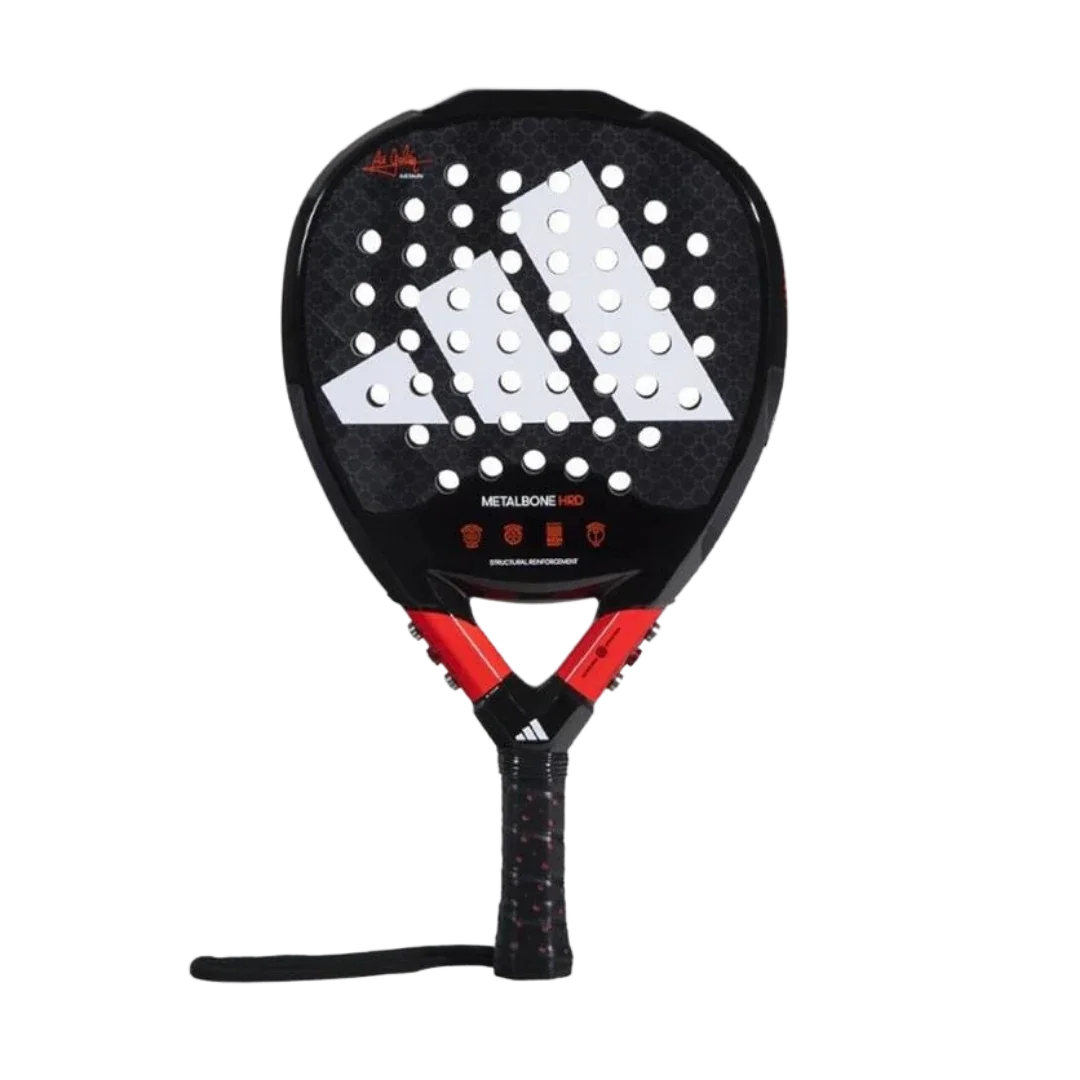
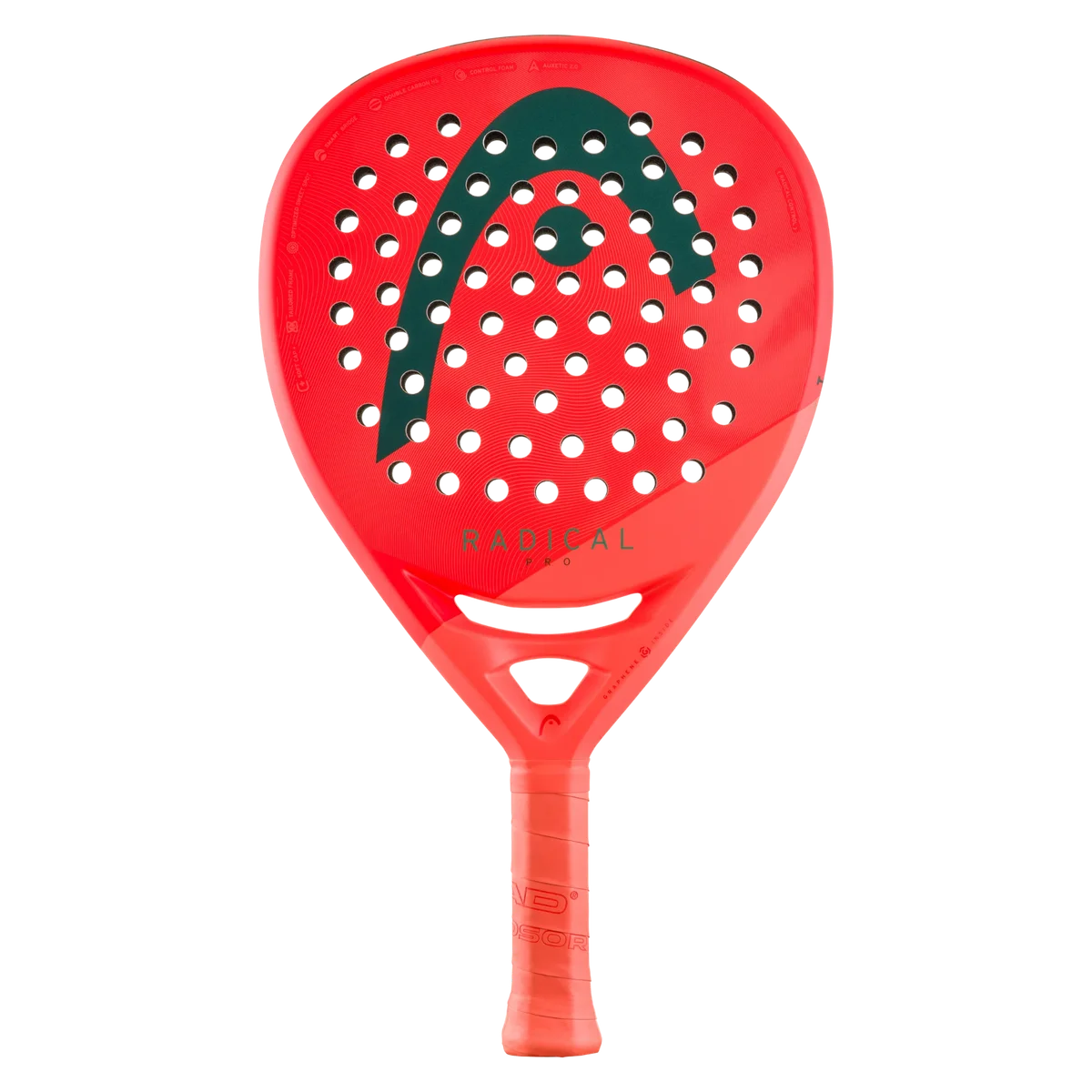
The Best Padel Rackets of 2026 ranking spans the full range of this trade-off. The Adidas Metalbone HRD+ 3.3 weighs 355g with a 280mm balance point. The Head Radical Pro 2026 weighs 370g with a 260mm balance. The Metalbone is 15g lighter on the scale and sits 20mm higher on balance, which is why the lighter frame carries the bigger swing weight. That is the puzzle this guide resolves.
What a balance point actually measures
Balance point is the distance, in millimetres, from the butt cap to the racket's center of mass. You find it by laying the shaft across a narrow edge, sliding until the frame stays horizontal, and measuring from the handle end (Padel Racket Balance Explained, Padel Setup). It tells you where the mass is pooled, not how much there is.
Three bands get thrown around, and sources draw the lines slightly differently. Padel.fyi places head-light below 265mm, even between 265mm and 280mm, and head-heavy above 280mm. Padel Hip draws the head-heavy line at 265mm and uses 260mm to 265mm for even. The useful simplification: below about 265mm the handle feels full and the head feels obedient; above about 270mm the head feels committed and the handle feels light. In between you get the compromise most all-court rackets are tuned for.
A 10mm shift matters more than it sounds. Padel Hip states that a half-centimetre change in balance meaningfully changes swing inertia and can feel like adding several grams at the tip because of the leverage effect (Padel Racket Balance, Padel Hip). In the rankings, the Head Radical Pro 2026 at 260mm is a control teardrop; move the balance 14mm higher, to the Head Delta Pro 2026 at 274mm, and Head's own racket data describes a diamond that rewards conditioning and confident stroke mechanics rather than quick wrist action. Both rackets weigh within 2g of each other.
Swing weight: the spec no label shows you
Swing weight, also called moment of inertia (MOI), is the resistance the racket offers when you try to accelerate it around a pivot near the hand. It is what your shoulder actually feels when you accelerate the frame.
In the Blanes study, MOI around the long swing axis (Ix) averaged 190.6 kg·cm² across 137 rackets and ranged from 161.4 to 209.9 kg·cm². On the perpendicular horizontal axis (Iy), the average was 202.0 kg·cm². The correlation between balance point and Ix was 0.82, and 0.80 for Iy (PMC). Where the center of mass sits is the single biggest predictor of how heavy a racket feels when you swing it.
Here is the catch. Two rackets with the same static weight and the same balance point can still have different swing weights, because mass distribution along the frame is a separate variable. A frame with lead concentrated at the tip and near the butt (a dumbbell) will feel heavier through the air than one with the same mass pooled near the center, even if the scales and the balance test give identical readings (Padel Racket Balance Explained, AceOnePadel). That is why reviewers who hit the same two rackets back to back sometimes report feels the specs do not predict.
Why your lighter racket feels harder to swing
Moment of inertia scales with the square of the distance from the pivot. Move a gram of mass 20mm further from your hand, relative to a pivot near the grip, and the swing-weight contribution of that gram rises not by 20 percent but by nearly 44 percent. That is the physics behind the paradox. A lighter racket with the mass pushed toward the head can take more energy to accelerate than a heavier racket with the mass pulled back toward the grip (Padel Racket Weight and Balance Explained, PadelSage).
The textbook case in the rankings is Adidas Metalbone HRD+ 3.3 2024 at 355g with a 280mm balance against Head Radical Pro 2026 at 370g with a 260mm balance. The Adidas is 15g lighter but carries its mass 20mm further from your hand. The Radical Pro's spec entry describes a low 260mm balance point that reduces swing resistance and aids quick net repositioning; the Metalbone sits at the opposite end of the window the Blanes study measured.
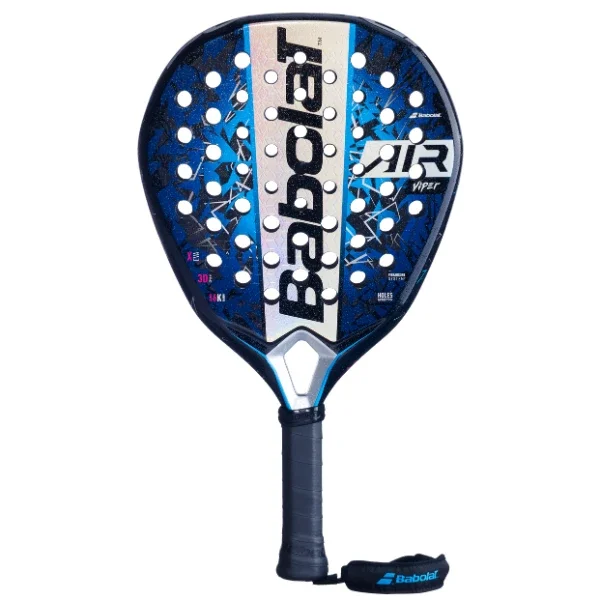
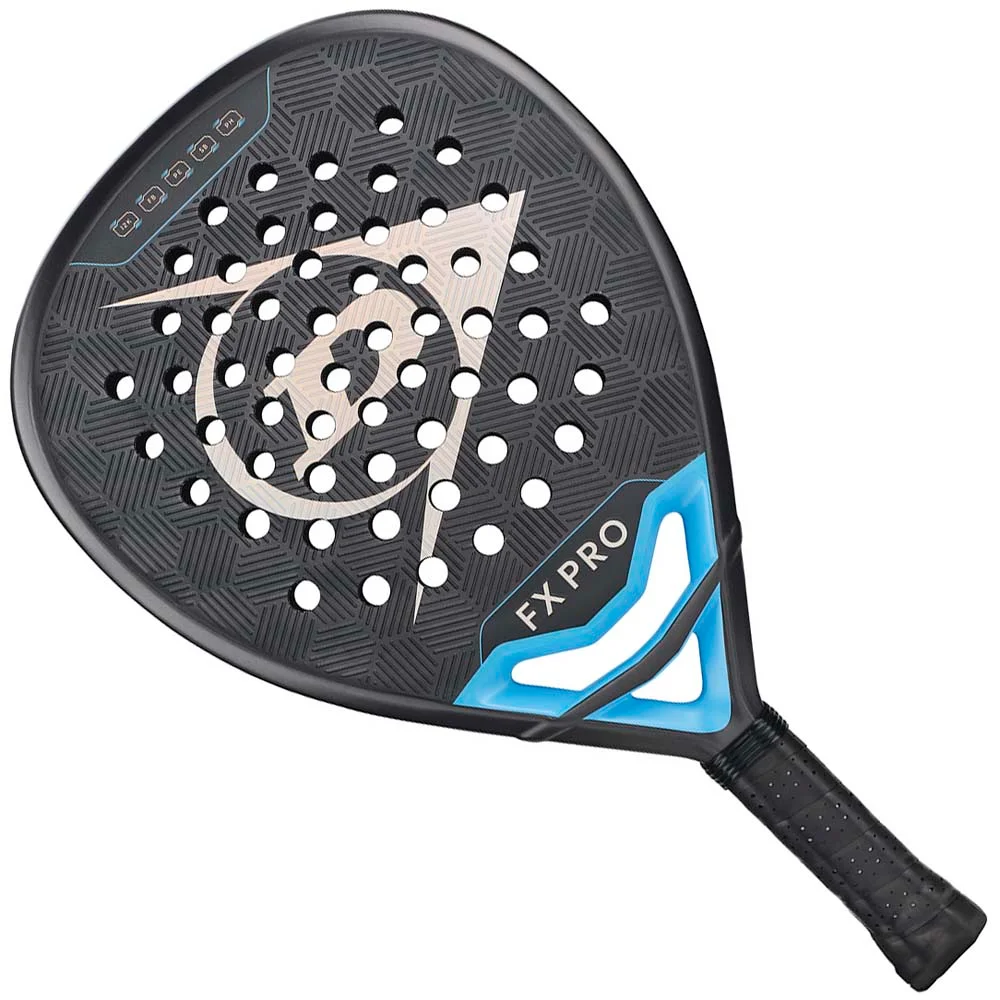
The Babolat Air Viper 2025 makes the same point from the other direction. At 355g with a 272mm balance, it is a light diamond with a head-heavy bias; Babolat's design intent is to keep the head-heavy balance easy to redirect by holding total mass low. Compare that with the Dunlop FX Pro 2026 at 370g with a 275mm balance: same philosophy, more mass, more momentum into the ball, and more swing effort (Padel Racket Weight, Palandos).
Does a heavier racket actually generate more power?
Not directly, and not in the way most buyers assume. Tennis Warehouse University's padel physics work defines effective mass (also called hittingweight) as the mass that actually participates in the collision with the ball, and gives the formula Me = M minus Icm divided by b squared, where M is racket weight, Icm is swing weight around the center of mass, and b is the distance from the impact point to the balance point (The Physics of Padel Racket Power, Tennis Warehouse University). Effective mass is always lower than static mass, except at the one impact point exactly on the balance point.
The practical numbers from that same work are sobering. A 20 percent increase in the effective mass ratio yields about 4 percent more ball velocity. A 20 percent increase in energy return adds about 2 percent. By comparison, a 20 percent gain in swing speed adds about 14 percent to ball speed (Tennis Warehouse University). A lighter racket you can swing faster will usually outhit a heavier racket you cannot.
This is why head-heavy frames read as powerful. They raise effective mass at impact near the top of the face, where attacking players meet the ball on smashes and bandejas. In the Bullpadel Paquito 04 2026 vs Bullpadel Hack 04 2026 vs Head Delta Pro 2026 head-to-head, the Paquito 04 at 375g with a 273mm balance and the Delta Pro at 372g with 274mm both push effective mass out to the tip. The Hack 04 at 370g with a 264mm balance saves some swing effort, which is why Bullpadel bundles it with a CustomWeight system so the owner can add mass where they want it.
Head-heavy, even, and head-light each play a different game
Head-heavy frames, roughly 270mm and above, reward committed swings. The top of the hoop carries momentum into contact, which lifts smash pace and bandeja depth, and the racket resists direction changes between shots. AceOnePadel and Padel Hip both flag the trade-off: the same momentum that drives the ball also delays the frame when a reflex volley calls for a grip change. The pure power diamonds in the top 20 cluster here: Paquito 04 at 273mm, Head Delta Pro at 274mm, Dunlop FX Pro at 275mm, and Metalbone HRD+ 3.3 at an extreme 280mm; Head Speed Pro 2025 reaches the same balance band at 276mm in a teardrop.
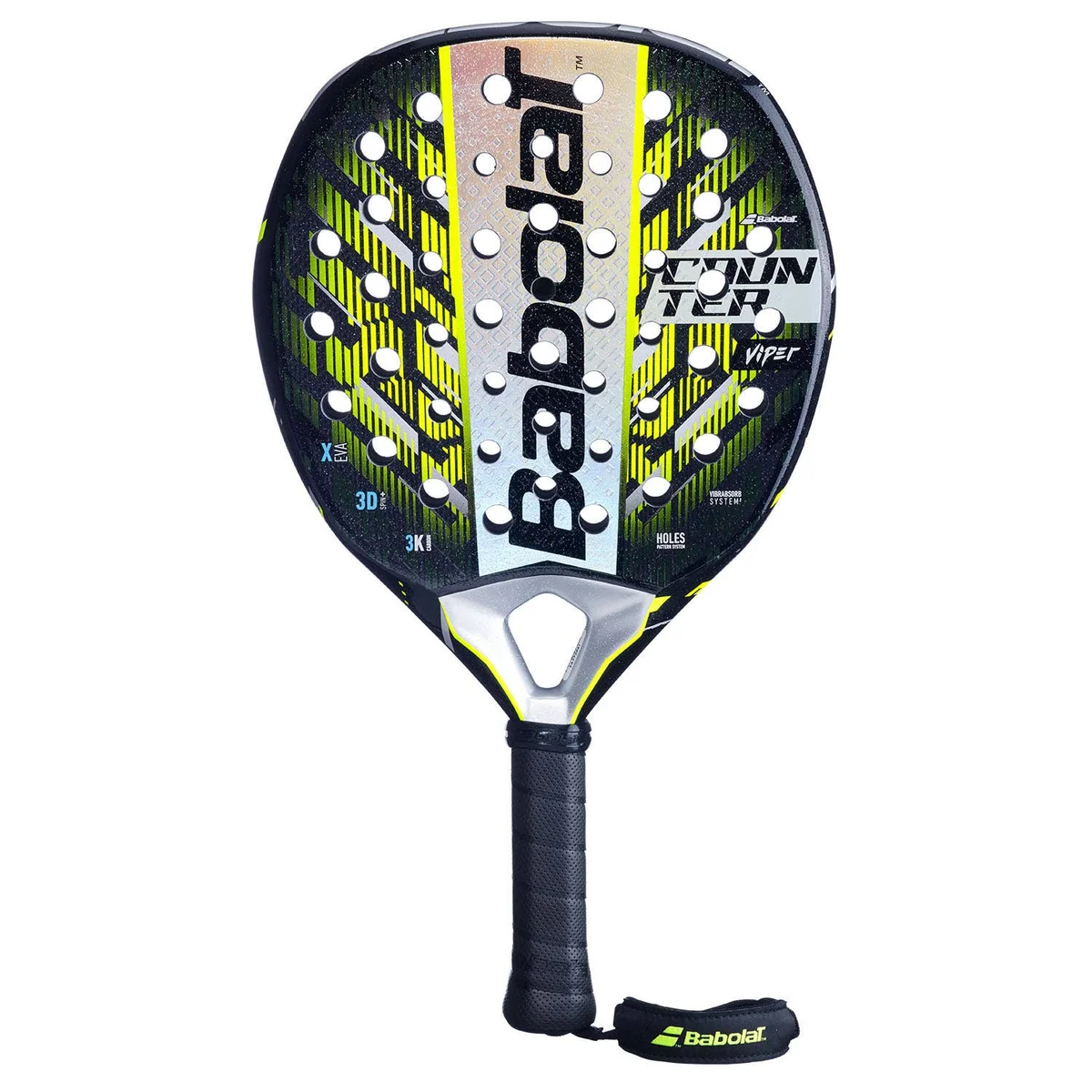
Even-balanced frames, roughly 265 to 270mm, sit in the middle on purpose. The Nox AT10 Luxury Genius 12K 2026 at 265mm and the Babolat Counter Viper 2.5 2025 at 270mm give up the last few miles per hour on a smash in exchange for faster hands at the net and quicker recovery for the next shot. This is what most coaches point improvers toward (12K Padel Weight Guide).
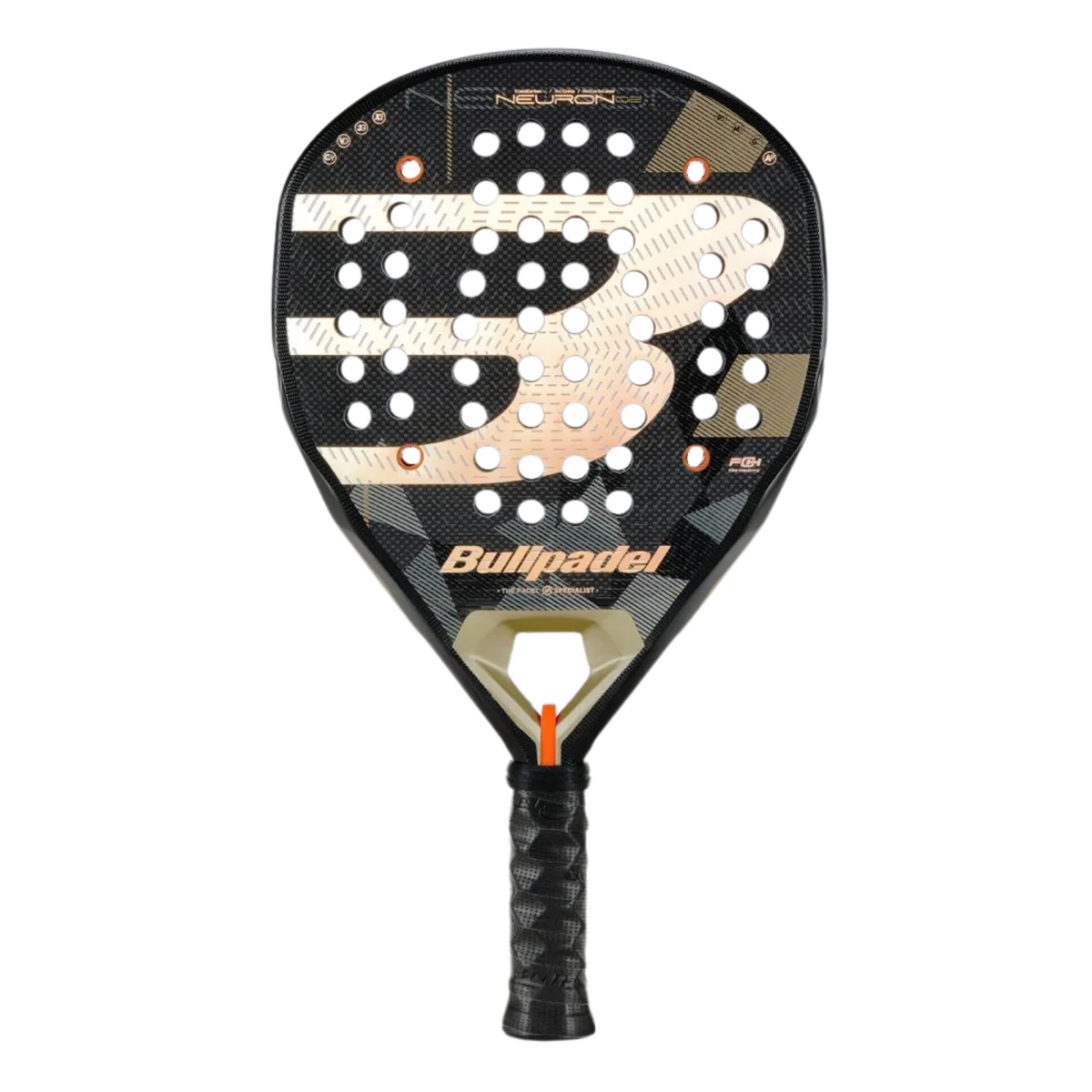
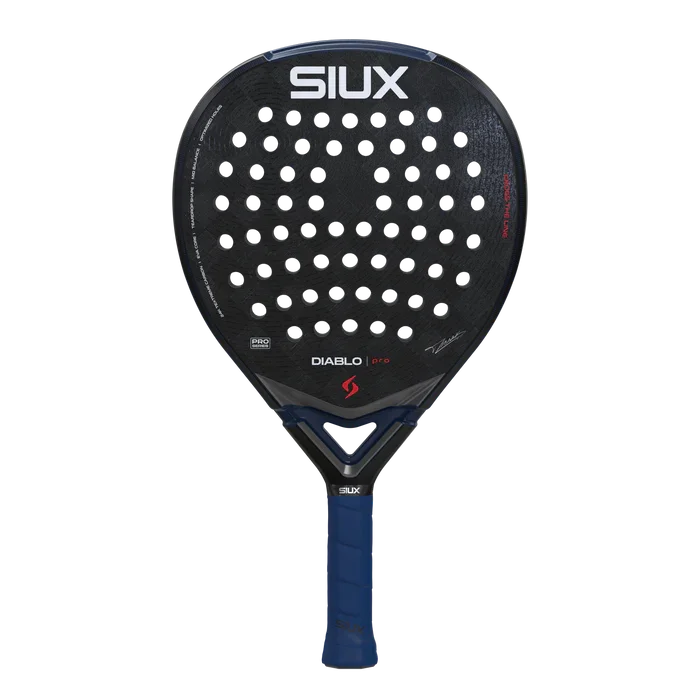
Head-light frames, below 265mm, make the racket feel faster than its grams suggest. Head Radical Pro 2026 at 260mm, Adidas Adipower CTRL 3.3 at 260mm, Siux Diablo Pro 2026 at 260mm, Nox Equation 2024 at 263mm and Bullpadel Neuron 02 2026 at 263mm sit here. Short lever, lower swing weight, more forgiving on reflex defense, less free power on smashes (Palandos).
| Balance | mm range | What it buys | Example |
|---|---|---|---|
| Head-light | Below 265 | Fast hands, less arm load, defensive touch | Head Radical Pro 2026 (260mm) |
| Even | 265 to 270 | Compromise power and handling | Nox AT10 Genius 12K (265mm) |
| Head-heavy | Above 270 | Momentum into the ball, slower redirection | Head Delta Pro 2026 (274mm) |
| Extreme head-heavy | Above 278 | Pro-level smash weight, demands preparation | Adidas Metalbone HRD+ 3.3 (280mm) |
Shape compounds balance
Head shape is not independent of balance; it is the main reason balance ends up where it does. Diamond heads concentrate carbon and foam at the top and push the balance up. Round heads pull it back toward the handle. Teardrops sit in between (Padel Racket Guide, Archysport). That is why most high-balance frames are diamonds, most low-balance frames are rounds, and all-court frames gravitate to teardrops.
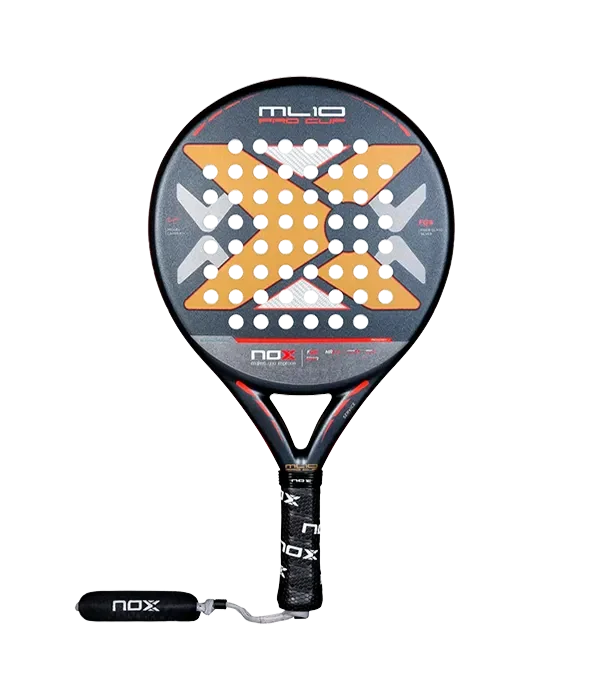
The pairings in the top 20 line up cleanly, with one deliberate exception. Every diamond except the Bullpadel Hack 04 sits at 272mm or higher: Paquito 04 at 273mm, Delta Pro at 274mm, Siux Fenix Pro at 272mm, Babolat Air Viper at 272mm, Metalbone HRD+ 3.3 at 280mm, Dunlop FX Pro at 275mm. The Hack 04 is a diamond at 264mm whose CustomWeight slots let the owner move mass back to the tip if they want it. The rounds in the top 20 (Nox ML10 Pro Cup, Babolat Counter Viper 2.5 at 270mm, Adidas Adipower CTRL 3.3 at 260mm) all lean toward even or head-light.
The useful implication: if two rackets share a shape, balance is the main thing separating their swing character. If they share a balance, shape changes where the sweet spot lives but not the swing weight much. The Siux Pegasus Pro teardrop and the Head Radical Pro teardrop are both in the 365 to 370g range, both teardrops, but Siux positions the Pegasus toward punchy volley play while Head positions the Radical as a control-first club racket.
Which number should you actually buy on?
Start with a balance you can swing cleanly late in a match. Padel Pulse Ace and 12K Padel converge on the same recommendation: beginners and improvers do better in 350 to 365g frames with even or head-light balance; intermediate tournament players sit well in 365 to 375g with a balance chosen for their game; only advanced attackers with grooved mechanics benefit from 375g plus with 270mm plus balance.
The injury angle is real. Palandos notes that head-heavy configurations put more torque on the wrist and elbow because effective mass sits further from the pivot, and recommends players with tennis elbow pick frames under 365g with a handle-heavy balance (Palandos). That is the reasoning behind picks like the Nox ML10 Pro Cup Rough Surface 2025, a 368g round with soft HR3 core, or the Head Radical Pro 2026, a 370g teardrop with a 260mm balance and Control Foam.
If you want power, pick a diamond at 272mm plus and build up to it. If you want to improve faster, pick an even or head-light teardrop in the 365g range and leave the diamond for the shot that justifies it. The scale number is a constraint; the balance number is the decision.
The short version
Weight tells you what sits in your hand. Balance tells you what fights your arm through the swing. Two rackets at the same grams play nothing alike, because a gram of mass placed 20mm further from the pivot adds roughly 44 percent more to the energy cost of accelerating it. For most players, the right move is a teardrop in the 362 to 370g range with a balance between 260 and 268mm, something like the Nox AT10 Luxury Genius 12K 2026 or Bullpadel Neuron 02 2026. If you can swing hard and consistently late in a third set, step up to a 272mm plus diamond like the Head Delta Pro 2026 or Bullpadel Paquito 04 2026. If your elbow or shoulder is the limit, drop below 365g and 265mm balance.
See Best Padel Rackets of 2026Questions people ask
Does a heavier padel racket give more power?+
Only indirectly. Effective mass at the impact point drives ball speed, and effective mass depends on where mass sits, not just how much there is. Tennis Warehouse University's padel physics show a 20 percent gain in effective mass ratio adds only about 4 percent to ball velocity, while a 20 percent gain in swing speed adds about 14 percent. A lighter head-heavy racket you can swing fast will usually hit harder than a heavy frame you cannot.
What is the balance point on a padel racket and why does it matter?+
It is the distance from the butt cap to the racket's center of mass, usually printed in millimetres. In the Blanes et al. sample of 137 modern frames, balance ran from 246mm to 283mm with a mean of 265.5mm. Balance point correlates 0.82 with swing weight on the long axis, so it is the single biggest predictor of how heavy a racket feels when you swing it. Below 265mm swings fast and reacts quickly; above 270mm swings committed and carries into the ball.
Should I choose a lighter or heavier padel racket?+
For most improvers and club players, 362 to 370g with an even or slightly head-light balance is the correct starting point. Go lighter and head-light if you have arm issues or need reflex speed. Go heavier and head-heavy only if you have consistent mechanics and want the extra momentum on smashes. Palandos recommends players with tennis elbow pick frames under 365g with a handle-heavy balance.
What is swing weight in padel?+
Swing weight, or moment of inertia, is the resistance the racket offers when you rotate it around your hand. Across 137 rackets in the Blanes et al. study, long-axis MOI (Ix) averaged 190.6 kg·cm² and ranged from 161.4 to 209.9 kg·cm². It is what your shoulder feels, and manufacturers almost never publish it.
Why does my lighter racket feel harder to swing than my heavier one?+
Because moment of inertia scales with the square of the distance from the pivot. A gram of mass moved 20mm further from the hand, relative to a pivot near the grip, adds roughly 44 percent more to the swing-weight contribution of that gram. A 355g racket with a 280mm balance (like the Adidas Metalbone HRD+ 3.3) will carry a larger swing weight than a 370g racket with a 260mm balance (like the Head Radical Pro 2026), because the lighter frame's mass sits 20mm further out along the lever.
How do I measure my racket's balance point at home?+
Lay the shaft across a narrow edge, like the back of a kitchen knife or your extended finger, and slide it until the racket stays horizontal. Mark where the pivot sat, then measure from the butt cap to that mark in millimetres. Repeat three times and average. The result should match the spec sheet within a few millimetres if the brand prints one.
Does shape change swing weight independently of balance?+
Shape is the main reason balance ends up where it does. Diamonds push mass to the top and raise balance; rounds pull mass back and lower it; teardrops land in between. In the top 20, every diamond except the Bullpadel Hack 04 sits at 272mm or higher, and every round with a published balance sits at 270mm or lower. If two rackets share a shape, balance is the main thing separating their swing character; if they share a balance, shape mostly changes where the sweet spot lives.
Sources
What this guide is based on. We research from published specifications, independent reviews and owner reports; we did not test these products ourselves.
- 1.Identifying the Inertial Properties of a Padel Racket: An Experimental Maneuverability Proposal, PMC / Sensors (Blanes-Mira et al., 2022)
- 2.The Physics of Padel Racket Power, Tennis Warehouse University
- 3.Padel Racket Balance Explained: Head-Heavy, Even and Head-Light, Padel Setup
- 4.Understanding Racket Balance, Padel.fyi
- 5.Padel Racket Weight, Balance, and Grip Size Explained, PadelSage
- 6.Padel Racket Balance Explained: Head-Heavy vs Even vs Head-Light (2026), AceOnePadel
- 7.Padel Racket Balance: Choose the Right Type for Your Game, Padel Hip
- 8.Padel Racket Weight: How Weight and Balance Affect Your Game, Handling, and Injury Risk, Palandos
- 9.Padel Racket Weight Explained: How to Choose, 12K Padel
- 10.Padel Racket Weight Guide: How Heavy Should a Padel Racket Be?, Padel Pulse Ace
- 11.Padel Racket Guide: Shape, Balance & Weight Explained, Archysport
Products mentioned

More on padel rackets
Explainer
Padel Rackets and Arm Pain: Which Specs Actually Reduce the Risk
Elbow injuries are the most common padel complaint. Here is which racket specs (core hardness, face stiffness, balance, shape) measurably change how much shock reaches your arm.
Explainer
What 12K, 18K and 24K Carbon Mean on a Padel Racket (And What They Don't)
The K on a padel racket counts filaments per tow in the carbon weave, not stiffness or quality. This guide separates what carbon grade actually changes from what it doesn't.
Buying guide
How to Choose a Padel Racket
Shape, core hardness, and balance point do the real work when a padel racket feels fast or forgiving. Brand and price matter less than most buyers think.