Buying guide
How to Choose a Luxury SUV: The Seven Decisions That Actually Separate the Right Vehicle from the Wrong One
A practical framework for luxury SUV buyers: tier, driver versus rear-seat priority, two-row versus three-row, powertrain, off-road, bespoke, and real cost of ownership.
Updated November 17, 2026 · Based on 20 sources · How we research
Every serious luxury SUV on sale is a capable vehicle. The problem is not which one is good, but which one matches the week you actually live. Many buyers pick by brand first and horsepower second, then discover months in that they bought a car optimized for a job they never do: a chauffeur SUV they drive themselves every morning, a three-row they never fill, a trail-rated flagship that never leaves paved roads. This guide walks through the seven decisions that separate the right luxury SUV from a very expensive misfit, with real specs and cited sources behind each call. It builds on the full RankGrids Best Luxury SUVs of 2026 ranking.
Ultra-luxury, performance luxury, practical luxury: three different jobs under one segment name
The luxury SUV market splits into three real tiers. The price overlap at the edges makes them easy to confuse, but the engineering priorities are different, and buying across tiers by accident is how people end up unhappy.
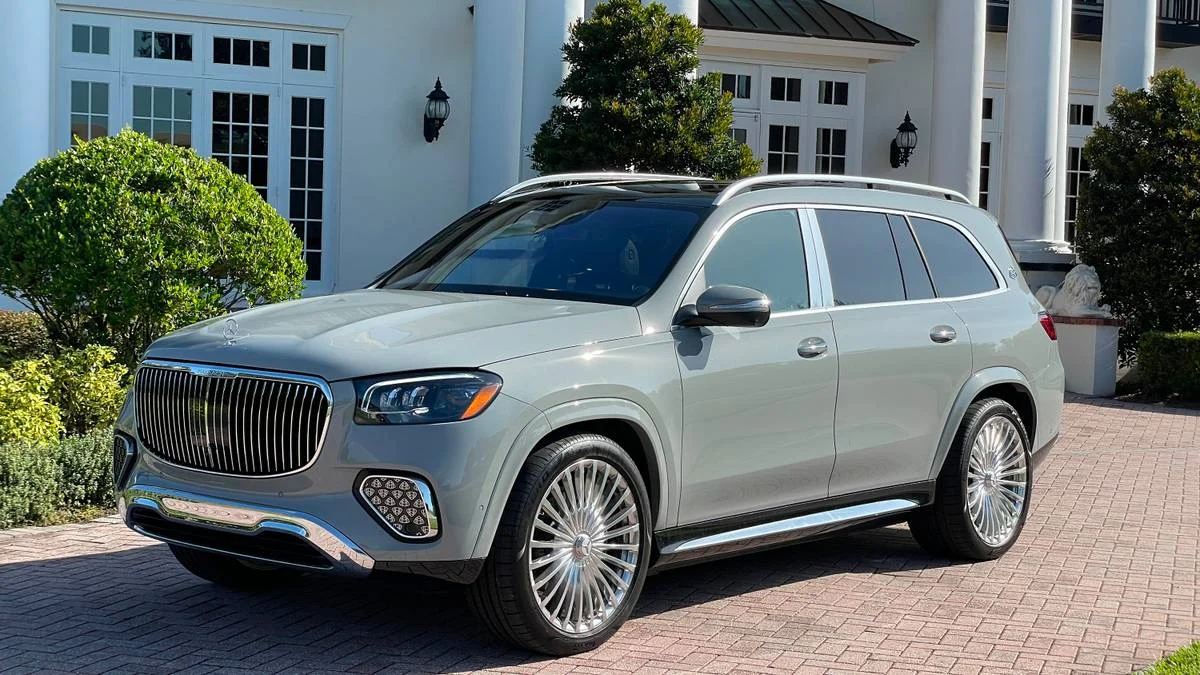
Ultra-luxury sits at the top. The Rolls-Royce Cullinan Series II, Bentley Bentayga Speed and Mercedes-Maybach GLS 600 are hand-assembled and engineered around cabin isolation, hand-finishing and bespoke options. The Cullinan starts at $432,350, and Yahoo Autos reports that extensive bespoke commissioning can push the price up by hundreds of thousands of dollars, with heavily specified examples reaching the $600,000 range.
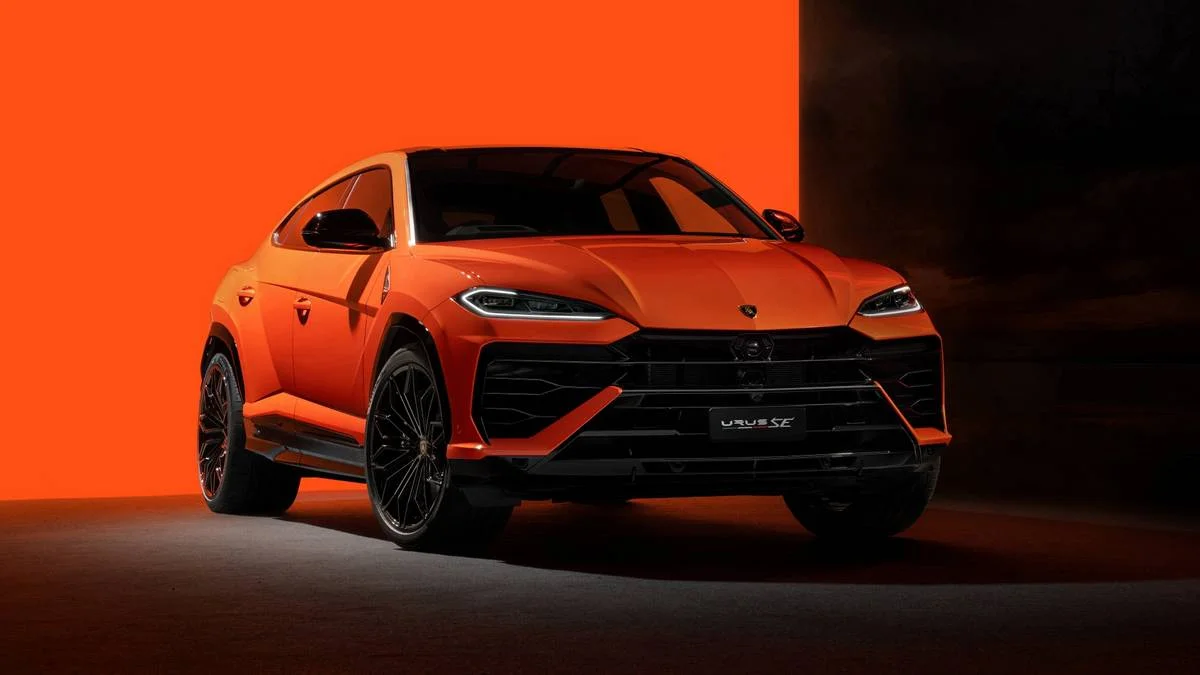
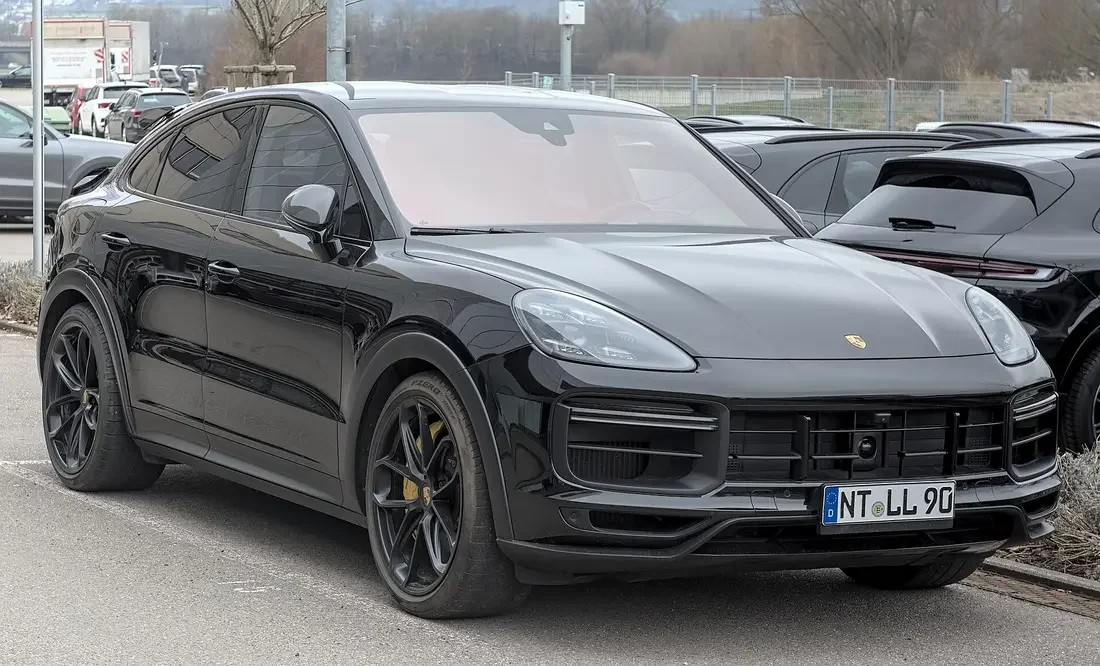
Performance luxury is the second tier. The Porsche Cayenne Turbo GT, Lamborghini Urus SE and Bentayga Speed are tuned to make a two-and-a-half-ton SUV handle like a sports sedan. Porsche confirms the Cayenne Turbo GT holds the production SUV lap record at the Nürburgring Nordschleife at 7:38.9, with Lars Kern driving, announced in June 2021.
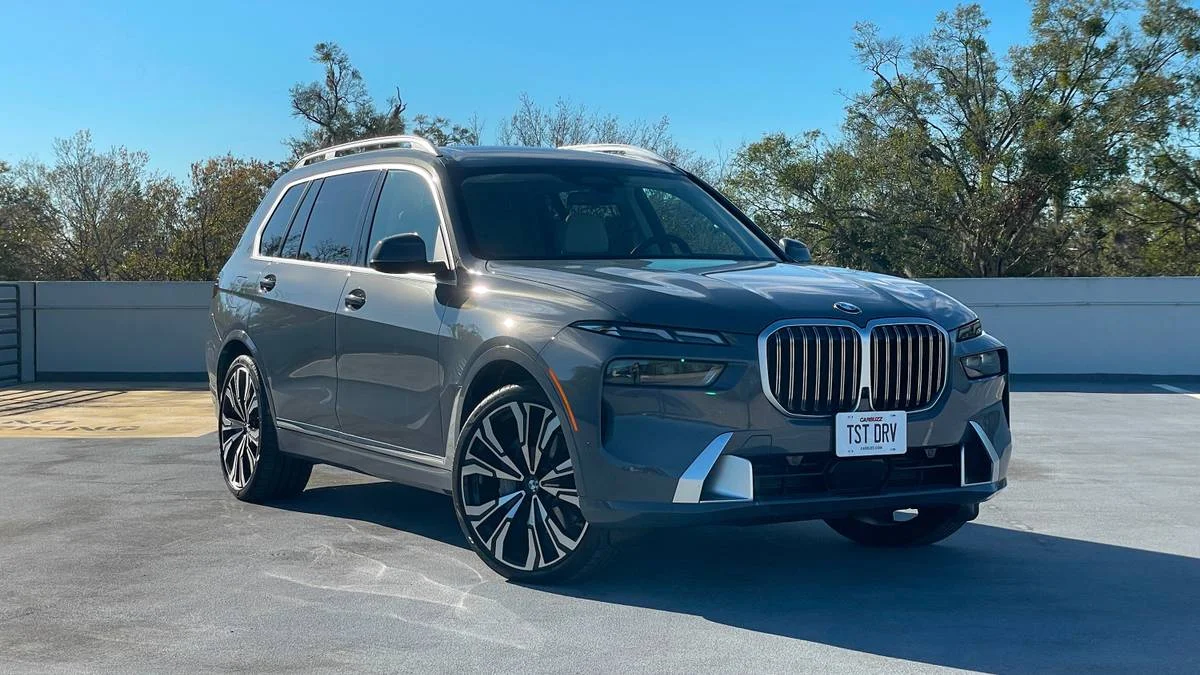
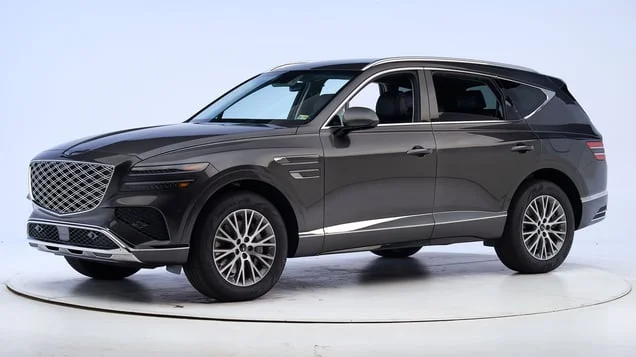
Practical luxury is the third tier. The BMW X7, Mercedes-Benz GLS 580 and Genesis GV80 sell in larger volumes, with broader dealer networks and strong safety records. The GV80 holds a 2026 IIHS Top Safety Pick+ award, and CarBuzz reports that the GV80 has scored 83 out of 100 on JD Power's quality rating consistently since 2023, ahead of segment rivals like the BMW X5 and Mercedes GLE at around 81.
How to know which tier you actually need
The useful question is not aspirational. Work backwards from how the vehicle will be used 85 percent of the time, not the 15 percent you imagine. A buyer who drives themselves to work five days a week does not need a Maybach, even if the budget allows it. A buyer who is driven by staff three days a week does not need a Cayenne Turbo GT.
A simple triage works for most people. If more than half of your miles are with a driver you are not, you are shopping ultra-luxury with a rear-cabin focus. If you drive yourself and value how the car moves, you are shopping performance luxury. If you want a prestige badge without seven-figure insurance exposure, you are usually better served in the practical tier, where the GV80, GLE 450 and X7 are hard to beat.
A second cross-check: what is in the garage now, and what is wrong with it? 'Too slow' leads to the Cayenne Turbo GT or Urus SE. 'Too crude in traffic' leads to the GLS 580 or X7. 'Too anonymous' leads to the Cullinan or Bentayga. Naming the specific complaint is more useful than naming the brand you aspire to.
| Tier | Example | Starting price | Who it is for |
|---|---|---|---|
| Ultra-luxury | Cullinan Series II | $432,350 | Driven, chauffeured, bespoke buyers |
| Ultra-luxury | Maybach GLS 600 | $181,350 | Executives wanting rear-cabin focus |
| Performance luxury | Cayenne Turbo GT | $214,800 | Drivers who want lap-time pace |
| Performance luxury | Urus SE PHEV | $246,495 | Enthusiasts wanting Italian flair |
| Practical luxury | GLS 580 4MATIC | $117,500 | Three-row families needing towing |
| Practical luxury | Genesis GV80 | $72,750 | Value-first prestige buyers |
Driver experience or rear-seat passenger comfort: pick before you shop
The most useful question is also the most quickly skipped. Front and rear seats are optimized differently, and the vehicles that excel at both are rare and very expensive. Pick one priority honestly.
Rear-seat first: the Maybach GLS 600 replaces the second row with individual executive recliners. SlashGear measured 43.4 inches of second-row legroom in the standard position, with up to 1.34 meters (4.4 feet) available when the front passenger slides forward into the chauffeur position. The Cullinan runs a different playbook: hand-stitched leather, laminated glass throughout and roughly 130 kg of acoustic insulation deliver the quietest cabin among production SUVs on sale.
Driver first: the Cayenne Turbo GT reaches 60 mph in 3.1 seconds, which The Drive notes is a tenth quicker than Porsche's own PDK-equipped 911 GT3. The Bentayga Speed makes 641 hp and reaches 60 mph in 3.4 seconds, per Motor1's 2026 review, with self-leveling air suspension, electric roll bars and double wishbones at each corner.
The trade-offs are concrete. The Maybach's rear seat is unrivaled, but trunk space drops to 18 cubic feet once the executive seats arrive. The Urus SE's trunk is 16 cubic feet. If luggage matters more than rear massage, the standard GLS 580 keeps 84.7 cubic feet of max cargo. The head-to-head between Cullinan, Maybach GLS 600 and Bentayga Speed walks these trade-offs further.
Two rows or three: how many days per year do you really seat seven?
Three-row luxury SUVs are often overbought. The question is not whether the third row could be useful. The question is how many times per year it will actually be occupied by adults.
The GLS 580 and the BMW X7 both offer genuine adult third rows, but the GLS wins on usability for taller passengers. Edmunds' head-to-head spec comparison shows 38.9 inches of third-row headroom in the GLS against 36.6 inches in the X7, and 34.6 inches of third-row legroom against 33.3. The X7's falling roofline buys style and costs headroom.
If the third row is only needed a handful of weekends a year, a two-row with a bigger cargo hold often serves better. The two-row Range Rover P530 SE has 70.7 cubic feet of cargo, while the Range Rover LWB seven-seat drops to 43.1 cubic feet behind the second row and 8.7 cubic feet behind the third, per Yahoo's review of the LWB configuration. For most families with two children, a two-row Range Rover or a GV80 with more cargo and a smaller footprint ends up more useful day to day.
Powertrain: PHEV only pays off if you can plug in
Four powertrain choices matter in this segment: pure gasoline, mild hybrid, plug-in hybrid and pure electric. In 2026, PHEV is the live decision.
The Lamborghini Urus SE combines a twin-turbo V8 with an electric motor for 789 combined horsepower and a claimed 35-mile electric range. Car Magazine's review notes the real-world electric range tends to come in lower than the claim, which is typical PHEV behavior.
The Porsche Cayenne E-Hybrid is the one to study, because its EPA rating is conservative. Forbes reported 47 to 49 electric miles per charge in moderate-weather testing of the 2024 car, with no charge below 40 miles. Owners on Rennlist report similar figures in moderate weather, dropping in cold conditions.
A PHEV is worth paying for if you have home charging and your commute fits inside electric range. It is a tax on weight and complexity if you cannot plug in. Pure petrol still wins on range, towing and simplicity: the Bentayga Speed and Cullinan remain pure V8 and V12 respectively.
Off-road: who actually needs low range and locking differentials
Almost every luxury SUV now has terrain modes on the drive selector. Few have the hardware to back them up. Knowing the difference saves money and avoids the wrong vehicle.
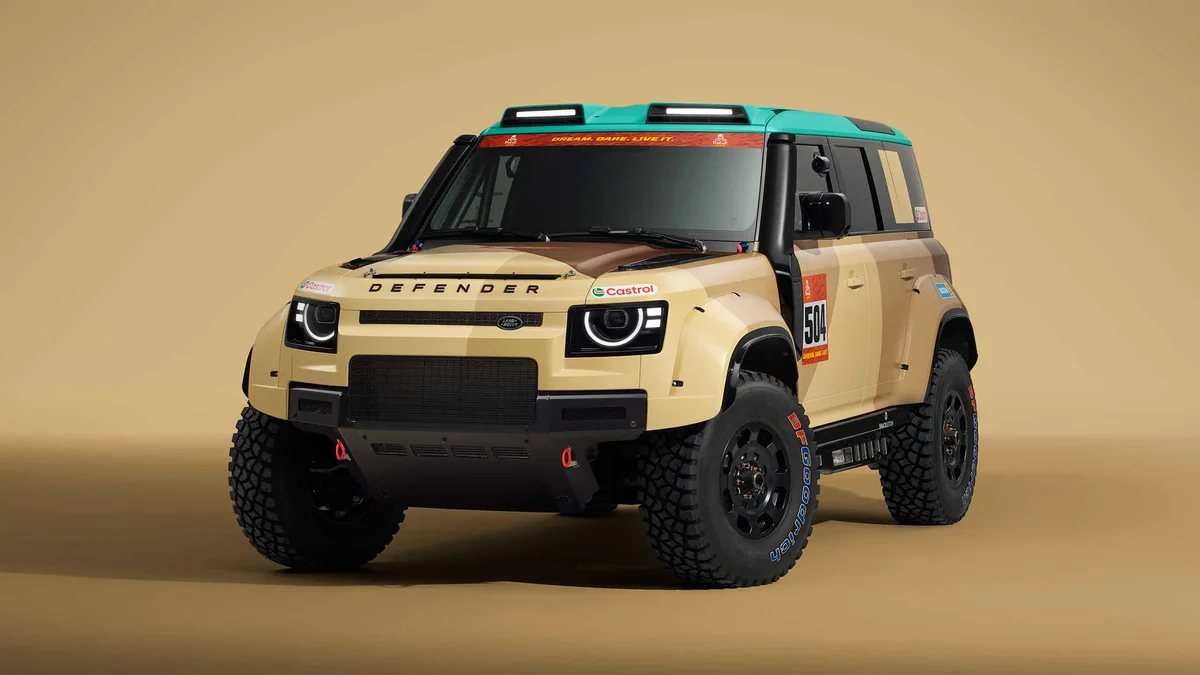
The Mercedes-Benz G 550 has three locking differentials, a two-speed low-range transfer case and a 45-degree approach angle, per RankGrids' specs for the 2026 car. The Land Rover Defender 110 P400 extends its air suspension to 11.5 inches of clearance and wades to 35.4 inches, as Top Gear notes, with Terrain Response 2 standard across all trims. The Range Rover P530 V8 carries the same 35.4-inch wading depth and dedicated Rock Crawl and Wade modes.
The Cayenne has a Gravel mode, not a low range. The Urus SE and Bentayga have graded modes for sand, gravel and snow, but neither has a two-speed transfer case. If the use case is a ski-house driveway and the occasional unpaved trail, any of these cope. If the use case is actual rock-crawling or heavy towing off-pavement, buy the G 550, Defender or Range Rover and pay for the hardware.
Bespoke availability: real scarcity versus flexible commerce
If customization is the point of buying ultra-luxury, the four programs are not equal, and the difference is not in catalog depth.
Rolls-Royce Bespoke and Rolls-Royce Coachbuild operate as a design studio and will build a car to a client brief, including bodywork. Bentley Mulliner is similarly open-ended. Mercedes-Maybach Manufaktur offers broader color, leather and wood options than the standard GLS 600, but stops short of the body changes the Mulliner coachbuilt program undertakes.
Range Rover SV Bespoke is the most interesting new entrant. Autoblog reports that Range Rover managing director Martin Limpert has said he does not see a pricing limit for bespoke commissions, and the brand will not cap how many it accepts. Yahoo's analysis frames the trade-off directly: no price limit describes flexibility of commerce, not scarcity of supply.
If the buyer's goal is 'no other car like this exists,' Rolls-Royce Coachbuild and limited Mulliner commissions are the two serious options. If the goal is 'specified however I want and I do not care that others exist,' any of the four programs work.
The sticker is less than half the story
Depreciation, insurance and maintenance dominate the five-year cost in this segment, and they are uneven by model.
Depreciation is steep and varies by model. HotCars reports the full-size Range Rover loses an average of 63 percent of its value over five years. Land Rover Greenville cites iSeeCars data putting Range Rover five-year depreciation in a 61.7 to 74 percent range, with owners losing an average of $69,856 over that period.
Insurance adds meaningfully to the total. Insuraviz estimates average full-coverage premiums around $6,285 per year for the Bentayga, and AutoMonitor estimates $3,200 to $4,800 per year for the Cullinan depending on location and driving record.
Reliability shapes maintenance. JD Power's 2025 US Vehicle Dependability Study rates Land Rover at 274 problems per 100 vehicles, versus the 204 industry average, placing the brand third from the bottom. Porsche and Genesis score consistently near the top of the luxury class. If you plan to keep the vehicle past the warranty period, reliability compounds into real money; if you lease and rotate every three years, depreciation hurts most.
The seven questions to ask before you sign
If you can answer these honestly, the shortlist usually writes itself.
The common mistake is not that buyers pick the wrong brand. It is that they do not define the job the vehicle has to do, so they are optimizing for a composite buyer who does not exist.
- Will I be the driver more than 80 percent of the time? If not, rear-cabin optimization matters more than 0 to 60.
- How many days per year will three rows be occupied by adults? Under 20, look seriously at a two-row with more cargo.
- Do I have home charging? If not, a PHEV is more cost than value, and a petrol V8 or inline-six is often the better call.
- Is off-road capability a real use or a brochure feature? Low-range hardware is expensive to buy and maintain if unused.
- Am I buying for scarcity or for personalization? Rolls-Royce Coachbuild and limited Mulliner commissions are scarce; SV Bespoke and Manufaktur are flexible.
- What is the five-year total cost, not the sticker? Ask for depreciation, insurance and maintenance estimates in writing.
- Will I actually keep this long enough for reliability to matter, or will I lease and rotate?
The short version
If you drive yourself and value how the car moves, buy performance luxury: Cayenne Turbo GT, Urus SE or Bentayga Speed. If you are driven more often than not and you want a quiet rear cabin, buy ultra-luxury: Cullinan Series II or Maybach GLS 600. If you want a near-luxury badge with strong safety data and a practical footprint, the Genesis GV80 and Mercedes-Benz GLE 450 are hard to beat. If you genuinely leave the pavement, buy the G 550, Defender 110 or Range Rover P530 and pay for the hardware. The mistake is buying for an aspiration rather than the week you actually live.
See Best Luxury SUVs of 2026Questions people ask
What is the difference between an ultra-luxury SUV and a performance luxury SUV?+
Ultra-luxury (Cullinan, Bentayga, Maybach GLS 600) is built around cabin isolation, hand assembly and near-unlimited bespoke options. Performance luxury (Cayenne Turbo GT, Urus SE, Bentayga Speed) is built around lap times, chassis dynamics and power. Both can be expensive; only one is also hand-stitched by a small team at the factory.
Do I really need a three-row luxury SUV?+
Only if three rows are regularly occupied. A two-row Range Rover P530 SE or a Genesis GV80 typically gives more usable cargo, easier parking and lower running costs than a three-row flagship whose third row stays folded most of the year. The GLS 580 and BMW X7 are worth the stretch only if the third row is a weekly reality.
Is a plug-in hybrid luxury SUV worth it?+
Yes if you have home charging and your commute fits inside roughly 30 to 45 miles of real-world electric range. Forbes reported 47 to 49 miles per charge with the Cayenne E-Hybrid in moderate weather, with owners on Rennlist reporting similar figures. Without home charging, you are hauling a heavy battery around for no benefit, and a petrol V8 or inline-six makes more sense.
How prestigious is Genesis compared to BMW or Mercedes?+
Genesis is positioned as near-luxury: competitive on interior quality, strong on safety and reliability scores, but with a smaller dealer network and weaker brand recognition at the valet stand. The 2026 GV80 holds an IIHS Top Safety Pick+ award, and CarBuzz reports it has scored 83 out of 100 on JD Power's quality rating consistently since 2023, ahead of the BMW X5 and Mercedes GLE at around 81.
Which luxury SUV holds its value best?+
Among full-size British flagships, the Range Rover loses an average of 63 percent of its value over five years per HotCars. Porsche typically holds value better than Land Rover across luxury segments according to JD Power dependability data, which correlates with resale strength. Low-volume ultra-luxury brands generally depreciate steeply in absolute dollars because the sticker is so high.
Is a Range Rover reliable?+
Owner-reported reliability has improved but remains below segment average. JD Power's 2025 Vehicle Dependability Study rates Land Rover at 274 problems per 100 vehicles, third from the bottom, versus the 204 industry average. If you plan to keep the car beyond warranty, factor in materially higher maintenance costs than with Porsche or Genesis.
Does the Cullinan really drive differently from a Cayenne?+
Yes, and the gap is enormous. The Cullinan's camera-based air suspension prioritizes a glass-smooth ride at the expense of body control; it is tuned to feel like a moving lounge. The Cayenne Turbo GT holds the production SUV Nürburgring lap record at 7:38.9, with firmer dampers, sportier steering and dramatically more driver feedback. They are near-opposite vehicles at broadly similar prices.
What does bespoke actually get you?+
It ranges from choosing colors and leathers (Manufaktur, Audi exclusive) through fully individual coachbuilt commissions (Rolls-Royce Coachbuild, limited Mulliner editions). Range Rover SV Bespoke is unlimited in volume, which Yahoo Autos characterizes as flexibility of commerce rather than scarcity of supply. If owning something no one else has is the point, the Rolls-Royce and limited Mulliner routes are the two serious options.
Sources
What this guide is based on. We research from published specifications, independent reviews and owner reports; we did not test these products ourselves.
- 1.2027 Rolls-Royce Cullinan Series II, Yahoo Autos
- 2.New sporting hero from Porsche: the Cayenne Turbo GT, Porsche Newsroom
- 3.2022 Porsche Cayenne Turbo GT: A 631-HP SUV That Beats the 911 GT3 to 60 MPH, The Drive
- 4.The 2026 Bentley Bentayga Speed Is a Leather-Lined Gravel Machine Gun: Review, Motor1
- 5.2021 Mercedes-Maybach GLS 600 First Drive Review, SlashGear
- 6.2026 BMW X7 vs. 2027 Mercedes-Benz GLS: Big Luxury Buses Compared, Edmunds
- 7.Range Rover SE LWB Review, Yahoo Autos
- 8.Lamborghini Urus SE hybrid (2026) review, Car Magazine
- 9.2024 Porsche Cayenne E-Hybrid: Range And Efficiency Review, Forbes
- 10.Real World Electric Range - 2024 Cayenne eHybrid?, Rennlist
- 11.Land Rover Defender 110 Review 2026, Top Gear
- 12.Range Rover's Bespoke Bet: Why 'No Limit' Isn't the Same as Rare, Yahoo Autos
- 13.Range Rover Says Its Bespoke SUVs Have No Price Limit, Autoblog
- 14.These Expensive SUVs Are Now Depreciating Like Crazy, HotCars
- 15.Range Rover Depreciation Data, Land Rover Greenville
- 16.Luxury SUV Insurance Cost: 2025 Rates Compared, Insuraviz
- 17.How Much Does a Rolls-Royce Cullinan Cost?, AutoMonitor
- 18.2025 U.S. Vehicle Dependability Study, JD Power
- 19.The Truth About Genesis Reliability, CarBuzz
- 20.2026 TOP SAFETY PICKs: Genesis, IIHS
Products mentioned
 BMW X7 xDrive40i 2026
 Genesis GV80 3.5T AWD 2026
 Lamborghini Urus SE 2026
 Land Rover Defender 110 P400 2026Land Rover Range Rover P530 V8 2026
 Mercedes-Benz G 550 2026Mercedes-Benz GLS 580 4MATIC 2026
 Mercedes-Maybach GLS 600 4MATIC 2026
 Porsche Cayenne E-Hybrid 2026
 Porsche Cayenne Turbo GT 2026Rolls-Royce Cullinan Series II 2026
More on luxury suvs
Explainer
The True Cost of a Luxury SUV: What Depreciation, Maintenance, and Insurance Add to the Sticker Price
Depreciation, maintenance, and insurance routinely push a luxury SUV's five-year cost to 1.5 to 2 times its sticker. Here is what each line actually costs, by brand.
Explainer
PHEV vs. Petrol in a Luxury SUV: Does the Electric Range Actually Change Ownership?
When a Cayenne E-Hybrid, Urus SE, or Range Rover PHEV earns back the premium over a petrol V8, when it does not, and what charging behavior actually decides it.
Explainer
What Bespoke Actually Gets You: Rolls-Royce, Mulliner, Manufaktur, and SV Bespoke Compared
A plain-language map of what each luxury SUV bespoke program lets you change, what it costs above base, and how long it takes to deliver.
Explainer
Why Rolls-Royce, Bentley, and Lamborghini Have No NHTSA or IIHS Safety Ratings
A $400,000 SUV with no crash test rating is not exempt from federal safety law. It is simply too rare for public labs to buy and destroy. Here is what that gap actually means.
Explainer
Air Suspension in Luxury SUVs: What It Does, What It Costs to Fix, and When It Is Worth It
What air suspension does on a luxury SUV, what reviewers and owners report about long-term reliability, the typical cost of compressor and airbag failures, and when the comfort payoff is worth the repair risk.