Explainer
Air Suspension in Luxury SUVs: What It Does, What It Costs to Fix, and When It Is Worth It
What air suspension does on a luxury SUV, what reviewers and owners report about long-term reliability, the typical cost of compressor and airbag failures, and when the comfort payoff is worth the repair risk.
Updated November 17, 2026 · Based on 22 sources · How we research
Walk into a Range Rover, Mercedes-Maybach GLS, or Bentley Bentayga showroom and the salesperson will talk about air suspension as if it were a given. In this segment, it mostly is. The system is why a 5,800 pound SUV can float over expansion joints like a town car, why the vehicle can squat down for freeway cruising and rise several inches for a gravel driveway, and why ride quality is the single feature luxury buyers notice first. It is also the system most likely to cost you four figures at 80,000 miles. This guide is for anyone shopping a used flagship SUV, considering a certified pre-owned Range Rover, or deciding whether to pay the air suspension option on a new BMW X7 or Porsche Cayenne. The thing most buyers get wrong is treating air suspension as a comfort upgrade with no downside. It is a trade: better ride now, bigger repair bills later. Whether that trade works for you depends on the brand, how long you plan to own the car, and whether you buy new or used.
What air suspension actually does in a luxury SUV
Air suspension replaces the steel coil springs you would find on a regular SUV with rubber-and-fabric bellows filled with pressurized air. An onboard compressor and reservoir add or release air at each corner, height sensors track where each wheel is sitting, and a control module keeps the vehicle level regardless of how many passengers or how much cargo it is carrying. The springs are naturally more compliant than metal, and because the system can change pressure in milliseconds, it can soften over small surface imperfections that a coil spring would transmit into the cabin. Reviewers consistently rate air-sprung luxury SUVs higher on ride quality than their coil-sprung counterparts, which is why the feature is standard on nearly every flagship above $120,000.
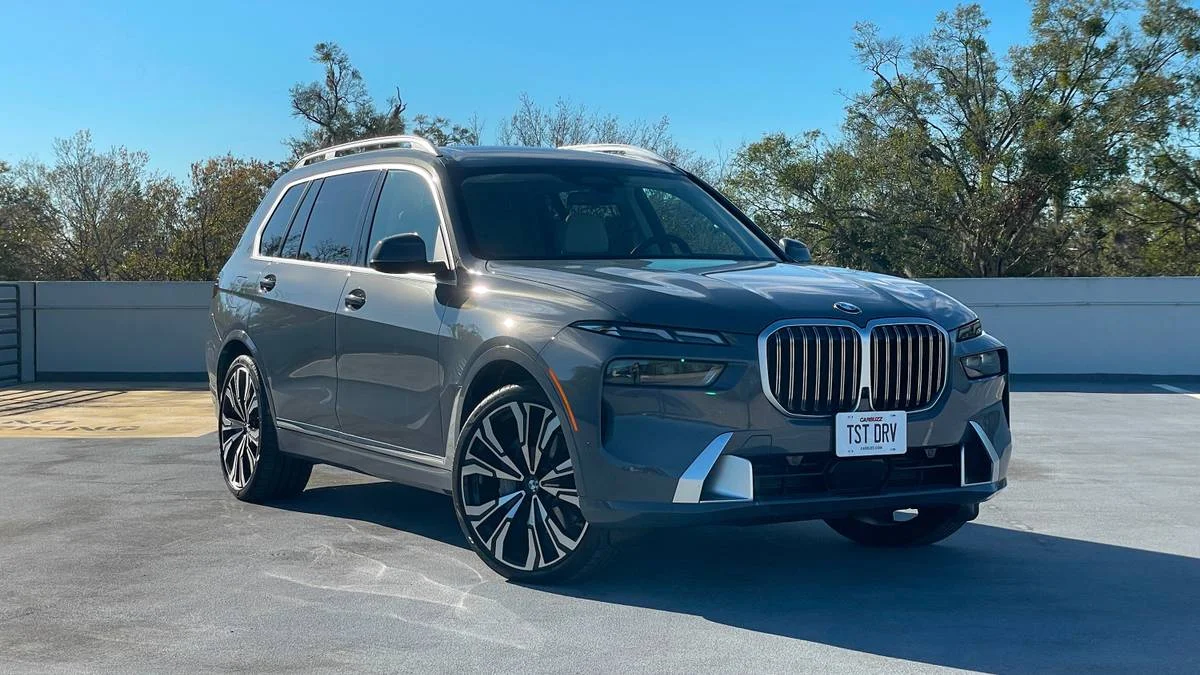
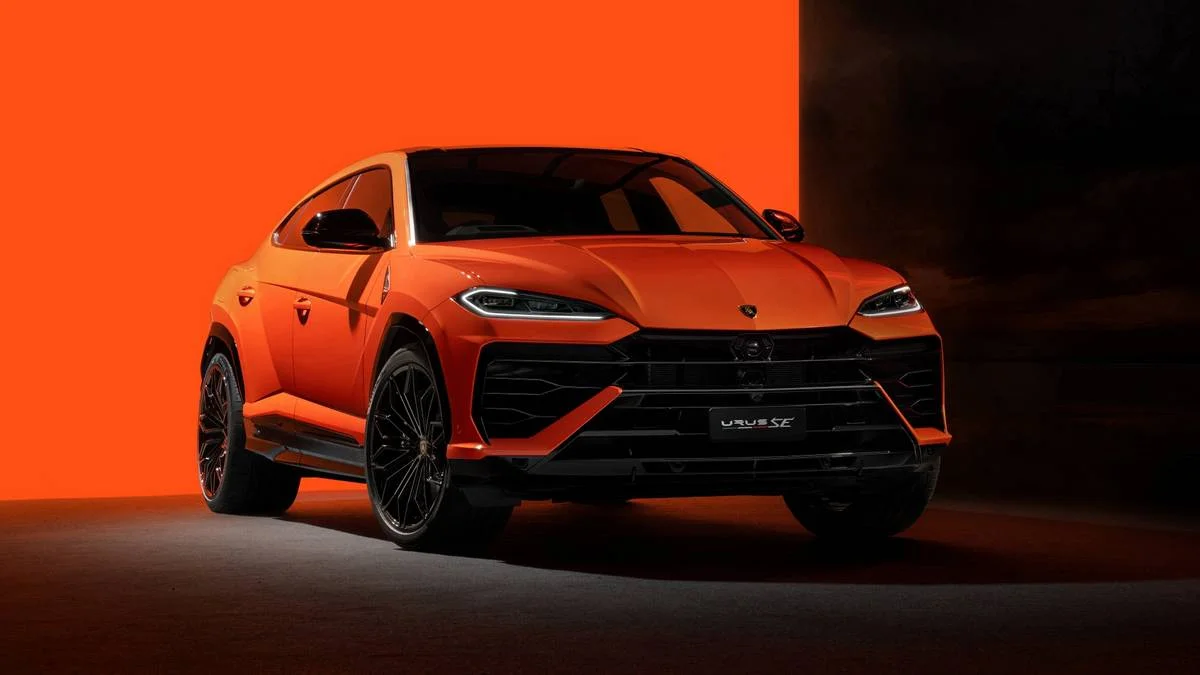
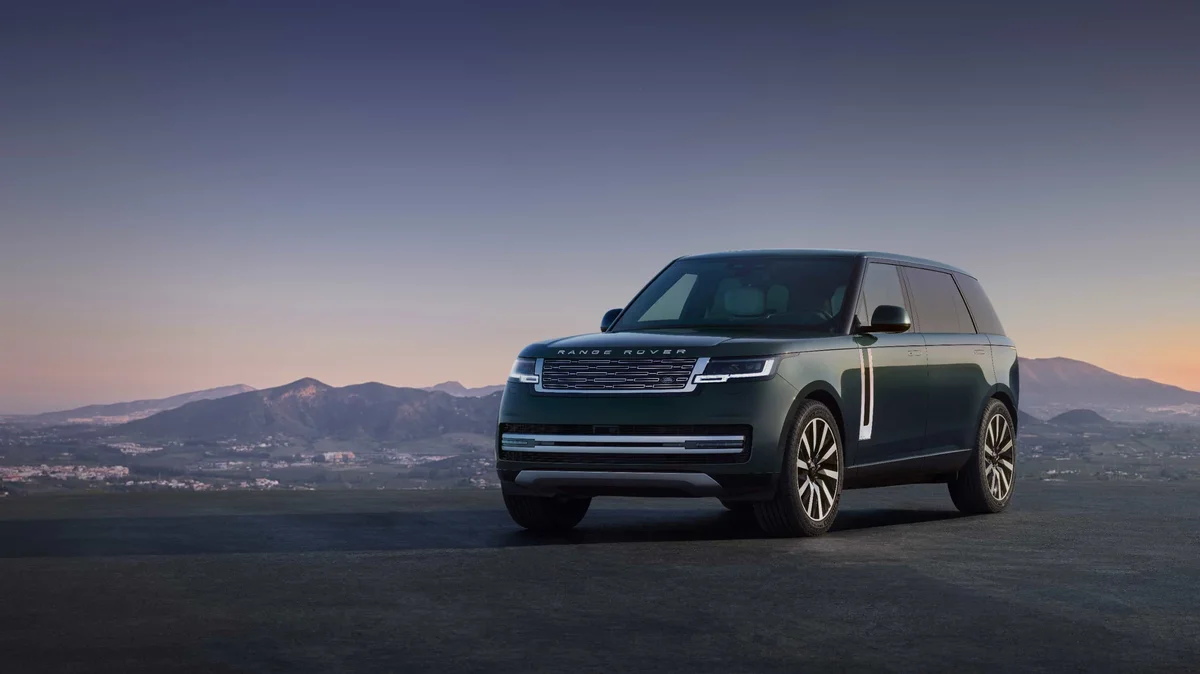
The second thing it does, and the reason it is so useful on an SUV in particular, is adjust ride height. A Land Rover Range Rover drops at highway speed to cut aerodynamic drag and raises for a boat ramp or a rutted road. A Lamborghini Urus uses the same mechanism to reach 9.8 inches of ground clearance in its off-road mode, then squats low in Corsa. Industry analysis puts the fuel savings from automatic lowering at highway speed at roughly 3 to 5 percent on a large combustion SUV, per coverage at drivingeco.com. The BMW X7's standard two-axle air suspension with self-leveling at each wheel is representative of what mainstream luxury buyers get today.
Standard, adaptive, and predictive air suspension are three different systems
The labels overlap in brand marketing, so it helps to separate what they mean mechanically. Standard air suspension replaces the springs with air bladders and self-levels, but the shocks are conventional. Adaptive air suspension adds electronically controlled dampers that change stiffness within milliseconds based on inputs from wheel sensors, steering angle, and drive mode. Nearly every luxury flagship sold today bundles the two together, and brand names such as Mercedes AIRMATIC, Audi adaptive air suspension, BMW adaptive two-axle air suspension, and Land Rover Electronic Air Suspension all describe this combined package. The Wikipedia entry for AIRMATIC traces the system's evolution from height-only control to today's integrated damping.
The step above adaptive is predictive, and only a handful of brands sell it. Rolls-Royce's Flagbearer system on the Cullinan pairs a stereo camera integrated into the windscreen with the air suspension, scanning the road at speeds up to 62 mph and presetting the dampers before the wheels hit a bump. Bentley's Bentayga uses triple-chamber air springs with a 48 volt active anti-roll system whose motors can react in as little as 0.06 seconds, letting a 641 hp SUV corner nearly flat without punishing passengers on bad pavement. The Mercedes-Maybach GLS 600 can be ordered with E-Active Body Control, which adds hydraulic actuators to the AIRMATIC springs and, per Daimler's technical briefing, can lean the body up to 3 degrees into a corner like a motorcycle.
| System | What it adds | Found on |
|---|---|---|
| Standard air suspension | Air springs, self-leveling, ride-height adjust | Older Mercedes GL, entry Range Rover trims |
| Adaptive air suspension | Electronically controlled dampers on top of air springs | BMW X7, Porsche Cayenne, Range Rover, most current flagships |
| Three-chamber or active-roll | Variable spring rate, 48V anti-roll motors | Bentley Bentayga, Porsche Cayenne Turbo GT |
| Preview or predictive | Cameras read the road ahead and preset the dampers | Rolls-Royce Cullinan (Flagbearer), Mercedes GLS with E-Active Body Control |
Is air suspension reliable long term?
The honest answer is: it depends almost entirely on the brand and the generation. Air springs have a predictable failure curve. The rubber bellows degrade and develop pinhole leaks, usually first at the folds where they flex most. Once a spring leaks, the compressor runs more often to compensate, and the compressor eventually burns out from overwork. 4x4 Specialists and other independent Land Rover shops report compressor failures clustering between 60,000 and 80,000 miles on troubled platforms, with individual airbags leaking from about 70,000 miles upward.
That failure curve is sharper on some brands than others. Coverage from Autoblog and The Weekly Driver's federal-data review identifies the L405 generation Range Rover (2013 to 2017) as particularly bad, with air springs and height sensors sometimes failing before 50,000 miles. The current L460 generation that launched in 2022 appears to have cut the suspension-complaint footprint in federal data meaningfully, but owners on RangeRovers.net are already reporting faults including a 48V capacitor issue that trips suspension errors. By contrast, DAX Street places the BMW X7 and current Porsche Cayenne on its rock-solid list, citing minimal failures before 100,000 miles on the X7 and airtight fittings with moisture-resistant compressors on the Cayenne, after a first generation (2003 to 2010) with frequent compressor failures documented by Autojunket's reliability data.
Vehicle weight matters. The Mercedes-Benz GLS 580 and Maybach GLS 600 carry curb weights between 5,300 and 5,800 pounds, and independent Mercedes specialists point to that mass as the reason GLS air springs leak earlier than the lighter GLE. The Lamborghini Urus and Bentley Bentayga share the MLB Evo platform with the Cayenne and inherit the same basic architecture, which DAX Street rates among the better-aging Volkswagen Group air suspensions.
How much does air suspension repair actually cost?
The dollar figures vary with brand, generation, and whether you take the vehicle to the dealer or to an independent specialist. For a Range Rover, RepairPal's estimator puts a single compressor replacement at $2,010 to $2,426 depending on model year, with newer Range Rover Sport jobs toward the top of that range. Add a leaking air spring to the ticket and the total at a Land Rover dealership climbs to $3,500 to $5,000. If you need a full rebuild with all four springs, compressor, and valve block, Land Rover Tysons Corner and Southside Euro describe $7,000 to $10,000 totals.
For a Mercedes with AIRMATIC, Foreign Automotive and Southside Euro both quote single spring replacements at $800 to $1,500 at independents and $2,000 to $3,000 at the dealer, compressor replacement at $900 to $1,800, and a full system overhaul at $3,500 to $6,000 at an independent or $8,000 to $12,000+ at a dealership. First-generation Porsche Cayenne air suspension rebuilds land in the same $8,000 to $12,000 band at dealerships according to Autojunket's reliability data.
Two patterns are worth knowing. First, waiting makes it worse. Southside Euro notes that a $1,200 air spring job becomes a $3,000 repair when the compressor burns out trying to compensate for the leak. Second, dealer pricing is typically roughly double what a competent independent charges, because dealer labor rates run $200 to $300 per hour and the dealer will often replace adjacent components prophylactically.
| Repair | Independent shop | Dealer |
|---|---|---|
| Single air spring (Mercedes, Range Rover) | $800 to $1,500 | $2,000 to $3,000 |
| Compressor replacement (Range Rover) | $900 to $1,500 | $2,010 to $2,426 |
| Valve block | $600 to $1,200 | $1,500 to $2,500 |
| Full four-corner rebuild | $3,500 to $6,000 | $8,000 to $12,000+ |
Why do some owners convert air suspension to coil springs?
A coil conversion replaces the air springs with conventional steel springs and passive or adaptive shocks. Kits are made for the vehicles with the worst reputations: older Range Rovers, Mercedes GL and ML, and E70 BMW X5. Suncore's kit for Mercedes GL and ML costs about $439, Westar's Range Rover kit sits near $1,095, and a full conversion including parts and three to four hours of labor typically runs $1,500 to $1,700. Compared with a $6,000 air rebuild, the math is obvious.
The trade-offs are real though. Autobuffy's conversion guide and owner threads on RangeRovers.net make the same points. The ride loses some of its float, you give up ride-height adjustment entirely so no more automatic lowering at highway speed and no more off-road lift, and the compressor and height-sensor signals have to be disabled or spoofed so the dashboard does not throw a permanent fault. On vehicles where the air system is designed to interact with Terrain Response, air suspension off-road mode, or wade sensing, you lose those functions too. That is why conversions are far more common on 10 to 15 year old Range Rovers and Mercedes GL than on current-generation flagships, where the air system is more deeply tied into the driving experience the buyer paid for.
Should you buy a luxury SUV with or without air suspension?
The answer depends on four variables: how long you plan to own the vehicle, whether you are buying new or used, which brand you are considering, and how important ride and ride-height matter to you. If you lease or rotate every three years, air suspension is almost always worth having. Any failures land inside the factory warranty, and you capture all of the ride-quality benefit with none of the long-term exposure. If you plan to own for ten years, the calculation flips. Expect at least one four-figure air suspension repair between year six and year nine on most European luxury SUVs, and budget accordingly.
Brand matters more than most buyers realize. Based on owner reports and third-party reliability coverage, the BMW X7, the current-generation Porsche Cayenne family, and the Mercedes-Benz GLE 450 stand out as the air-suspended luxury SUVs with the longest typical runs between failures. Range Rover remains the segment's reliability outlier even after the L460 updates. If you want the Range Rover design and capability without the Range Rover service bills, DAX Street and other outlets argue the Cayenne is the pragmatist's answer.
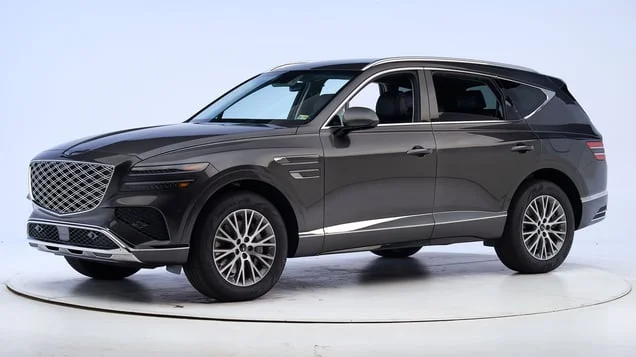
If you do not need the ride-height function, a few options get you most of the comfort for less long-term risk. The Genesis GV80 uses a steel-spring setup with Preview Electronically Controlled Suspension that scans the road with a camera and ranks competitively with German air-sprung rivals on quietness and ride at under $75,000. The Audi Q5 and Mercedes-Benz GLC 300 ship with coil springs standard and only offer air as an option, so skipping the box keeps the ride perfectly acceptable without the compressor.
If you are shopping our Best Luxury SUVs of 2026 list, note which vehicles treat air suspension as standard (every entry above $130,000) versus optional (BMW X7, mid-trim Cayennes, GLE). The optional-air models are where you have a real choice to make.
Which luxury SUVs have the most reliable air suspension?
No single system is bulletproof, but three stand out in current coverage. The BMW X7 sits on DAX Street's rock-solid list with an ownership record of minimal failures before 100,000 miles, though when it does fail, diagnostic work is expensive. The MLB Evo platform system shared by the Porsche Cayenne, Bentley Bentayga, and Lamborghini Urus has aged better than earlier Cayenne generations and benefits from a consistent engineering foundation across three brands that share parts. Mercedes AIRMATIC on the lighter GLE holds up better than AIRMATIC on the heavier GLS, where Au7o's known-issue database records recurring air spring failures.
At the top of the market, the Rolls-Royce Cullinan runs the Flagbearer camera on top of its air suspension, and Mastershocks notes the architecture is heavily derived from BMW parts, which helps parts availability even if labor pricing at Rolls-Royce service is in its own league. The Bentayga's 48V Dynamic Ride is still relatively young and the sample size for 100,000-mile Bentaygas is small, so hard reliability conclusions are premature. If long-term ownership outside warranty is your plan, the Cayenne is the most defensible air-sprung choice in this group.
The short version
Air suspension is a genuine engineering upgrade on a luxury SUV, not a marketing veneer. It gives you a smoother ride, the ability to lower for highway efficiency and raise for off-road clearance, and in the top systems from Rolls-Royce, Bentley, and Mercedes it changes how the vehicle behaves in corners and over bad pavement. It also costs real money to maintain past 60,000 to 80,000 miles. The short decision framework: if you lease or buy new and trade inside the warranty, take the air suspension every time. If you buy a used luxury SUV past 60,000 miles, insist on documented air suspension service and discount the price for the eventual rebuild. If you want the ride quality but not the exposure, consider a Genesis GV80, a Porsche Cayenne S with the standard suspension, or an Audi Q5 without the air option.
See Best Luxury SUVs of 2026Questions people ask
How much does it cost to fix air suspension on a Range Rover?+
A single air compressor replacement runs $2,010 to $2,426 at a Land Rover dealership per RepairPal estimates. A leaking air spring adds roughly $800 to $1,500 at an independent or up to $3,000 at the dealer. A full four-corner rebuild with compressor, springs, and valve block typically lands at $7,000 to $10,000.
How much does Mercedes AIRMATIC repair cost on a GLS or GLE?+
Independent specialists quote $800 to $1,500 for a single air spring, $900 to $1,800 for a compressor, and $3,500 to $6,000 for a complete system overhaul. Mercedes dealerships typically charge roughly double, with full overhauls hitting $8,000 to $12,000 or more.
At what mileage does luxury SUV air suspension typically fail?+
Independent Land Rover and Mercedes shops see compressors failing most often between 60,000 and 80,000 miles and individual air springs starting to leak from about 70,000 miles. DAX Street places the BMW X7 and current Porsche Cayenne on its rock-solid list, with air springs often lasting beyond 100,000 miles.
What is the difference between adaptive air suspension and standard air suspension?+
Standard air suspension replaces metal coil springs with pressurized air bellows and self-levels the vehicle. Adaptive air suspension adds electronically controlled dampers that change stiffness in milliseconds based on road surface, drive mode, and driver inputs. Nearly every current luxury flagship combines the two.
Why do some owners convert air suspension to coil springs?+
A full conversion kit costs $1,500 to $1,700 installed compared with $3,500 to $10,000 for an air rebuild depending on brand and whether you use an independent or a dealer. Owners of older Range Rovers, Mercedes GL, and E70 BMW X5s commonly convert once they are past the second or third air failure. You lose ride-height adjustment and some comfort, but the system becomes effectively maintenance-free.
Does air suspension affect fuel economy?+
Yes, slightly. Analysis at drivingeco.com puts the saving at 3 to 5 percent at highway speed because the vehicle lowers automatically to reduce aerodynamic drag, worth roughly 0.3 to 0.5 liters per 100 km on a large combustion SUV.
Which luxury SUV has the most advanced air suspension?+
The Rolls-Royce Cullinan's Flagbearer system is the most capable setup in production. A stereo camera integrated into the windscreen scans the road at speeds up to 62 mph and tells the air suspension to firm or soften before the wheels hit a bump. The Bentley Bentayga's triple-chamber springs with the 48V Dynamic Ride anti-roll system, whose motors can react in as little as 0.06 seconds, are the closest rival.
Is it worth paying for optional air suspension on a BMW X7 or Porsche Cayenne?+
If you are leasing or planning to trade within the warranty, yes. The ride improvement is meaningful and the risk is covered. If you plan to own past 80,000 miles, factor an eventual $3,000 to $6,000 repair into the decision, or pick a trim without the air option.
Sources
What this guide is based on. We research from published specifications, independent reviews and owner reports; we did not test these products ourselves.
- 1.Land Rover Range Rover Active Suspension System Air Compressor Replacement Cost Estimate, RepairPal
- 2.Range Rover Sport Reliability: What 10 Years of Data Actually Says, Autoblog
- 3.Mercedes AIRMATIC Suspension: Symptoms, Causes, and Repair Costs, Foreign Automotive
- 4.Mercedes Airmatic Failure: Repair Cost vs Coil Conversion, Southside Euro
- 5.2017-2025 Mercedes-Benz GLS Problems & Issues, Au7o
- 6.Range Rover Air Suspension Warning Light: Causes & Costs, 4x4 Specialists
- 7.Range Rover Air Suspension Repair Guide, Land Rover Tysons Corner
- 8.Most Reliable Range Rover Years: A Used-Buyer's Federal-Data Guide, The Weekly Driver
- 9.Rolls-Royce Cullinan, Wikipedia
- 10.Rolls-Royce Air Suspension Explained, Mastershocks
- 11.Bentley Bentayga V8 gets its own unique electric active roll technology, Drive.com.au
- 12.The new Mercedes-Benz GLE under the microscope: E-ACTIVE BODY CONTROL suspension system, Daimler
- 13.Mercedes-Benz AIRMATIC, Wikipedia
- 14.Porsche Cayenne Reliability, All Years Ranked, Autojunket
- 15.5 Luxury SUVs With Rock-Solid Air Suspensions vs 5 Prone to Costly Leaks, DAX Street
- 16.Air Suspension to Coil Spring Conversion: When to Convert, Autobuffy
- 17.Westar Air Spring to Coil Spring Conversion Kits for Range Rover, Autobuffy
- 18.Airmatic Air to Coil Spring and Strut Suspension Conversion Kit GL & ML Class, Suncore Industries
- 19.What is adaptive air suspension in a premium SUV, DrivingEco
- 20.5 Most Common Range Rover Repair Problems, Southside Euro
- 21.RangeRovers.net Suspension Faults Thread, RangeRovers.net
- 22.Opinions, Please, Air Suspension vs Spring Conversion, RangeRovers.net
Products mentioned
 BMW X7 xDrive40i 2026
 Genesis GV80 3.5T AWD 2026
 Lamborghini Urus SE 2026
 Land Rover Range Rover P530 SE 2026Land Rover Range Rover P530 V8 2026Land Rover Range Rover Sport P400 2026
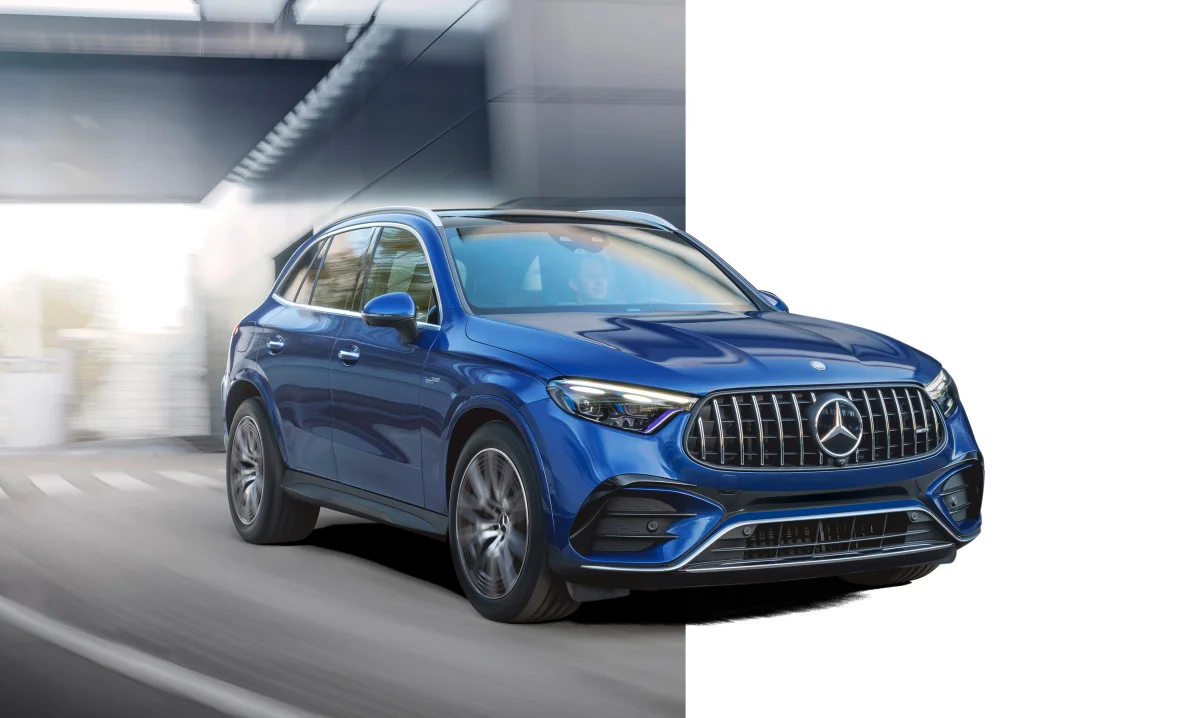 Mercedes-Benz GLS 580 4MATIC 2026
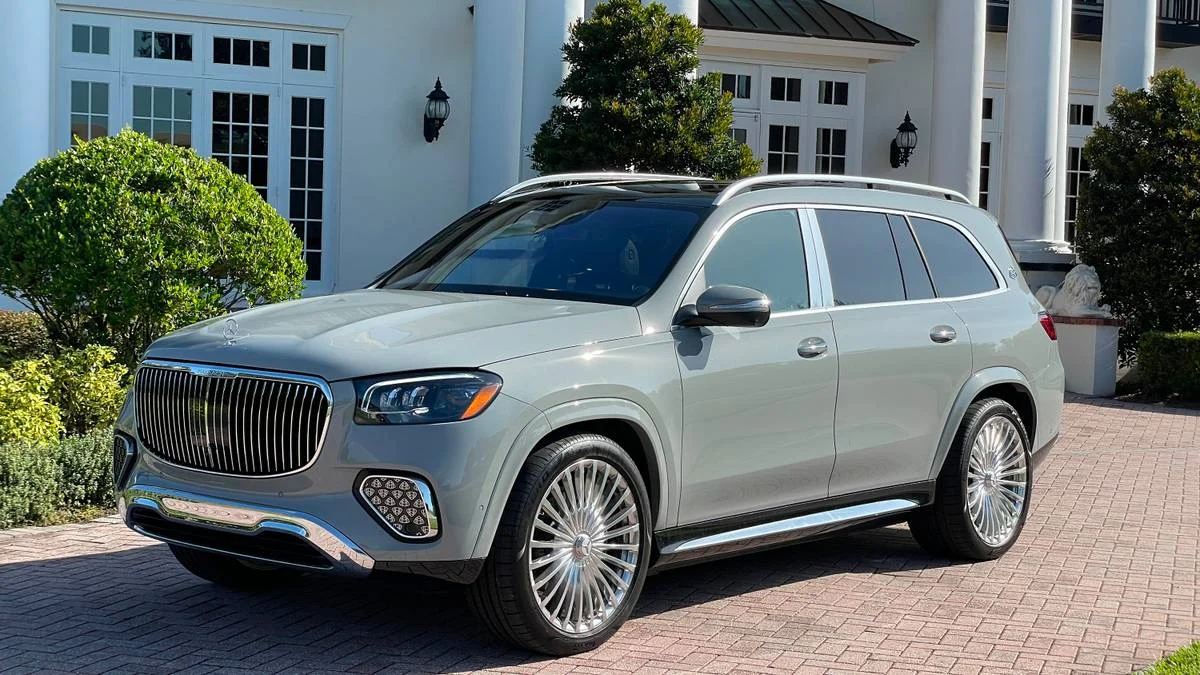 Mercedes-Maybach GLS 600 4MATIC 2026
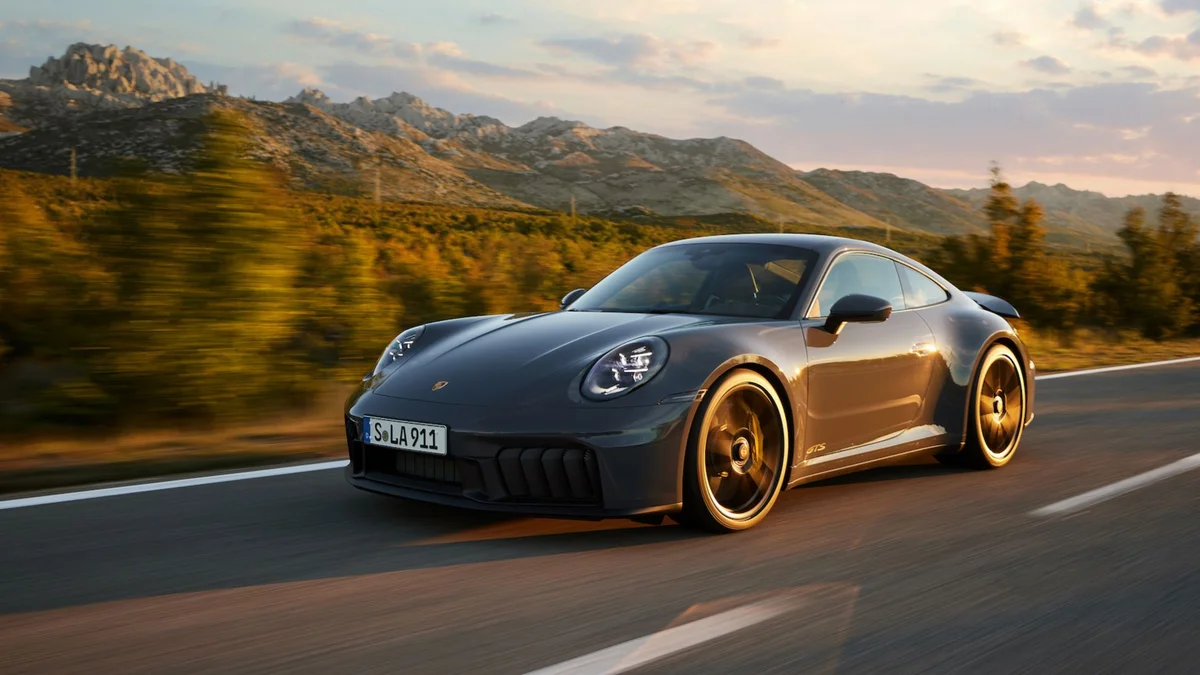 Porsche Cayenne S 2026
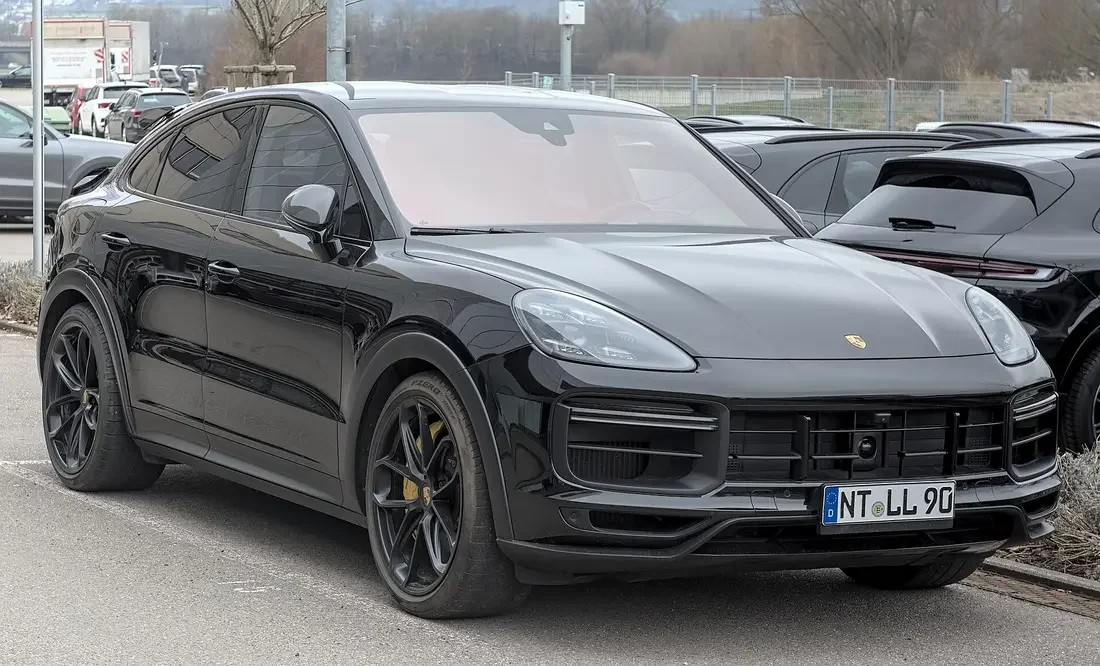 Porsche Cayenne Turbo GT 2026Rolls-Royce Cullinan Series II 2026
More on luxury suvs
Explainer
The True Cost of a Luxury SUV: What Depreciation, Maintenance, and Insurance Add to the Sticker Price
Depreciation, maintenance, and insurance routinely push a luxury SUV's five-year cost to 1.5 to 2 times its sticker. Here is what each line actually costs, by brand.
Explainer
PHEV vs. Petrol in a Luxury SUV: Does the Electric Range Actually Change Ownership?
When a Cayenne E-Hybrid, Urus SE, or Range Rover PHEV earns back the premium over a petrol V8, when it does not, and what charging behavior actually decides it.
Explainer
What Bespoke Actually Gets You: Rolls-Royce, Mulliner, Manufaktur, and SV Bespoke Compared
A plain-language map of what each luxury SUV bespoke program lets you change, what it costs above base, and how long it takes to deliver.
Explainer
Why Rolls-Royce, Bentley, and Lamborghini Have No NHTSA or IIHS Safety Ratings
A $400,000 SUV with no crash test rating is not exempt from federal safety law. It is simply too rare for public labs to buy and destroy. Here is what that gap actually means.
Buying guide
How to Choose a Luxury SUV: The Seven Decisions That Actually Separate the Right Vehicle from the Wrong One
A practical framework for luxury SUV buyers: tier, driver versus rear-seat priority, two-row versus three-row, powertrain, off-road, bespoke, and real cost of ownership.