Explainer
K-Beauty Serum vs Essence vs Ampoule: What the Labels Actually Mean
Serum, essence, and ampoule are loose K-beauty terms, not fixed strength tiers. Here is how to read past the label and pick what your skin needs.
Updated November 6, 2026 · Based on 9 sources · How we research
If you shop K-beauty long enough, you notice the same formula appearing under different labels. One brand calls a 96% snail mucin product an essence. Another sells 10% niacinamide and calls it a serum. A third puts a plain centella extract in a 100 ml bottle and labels it an ampoule. Nothing stops them, because essence, serum, and ampoule are naming conventions, not regulated product classes. Shoppers who assume ampoule equals strongest and essence equals weakest end up overpaying for a category label or missing the formula that would actually treat their concern. This guide explains what the three words tend to mean in practice, where they break down, and how to decide what to buy when the label does not help.
None of these three words is defined by law
The regulatory position is unambiguous. Klairs' own skin school page states that essence, serum, and ampoule are naming conventions and that "none of these three terms has a fixed legal meaning specifying concentration, viscosity or ingredient class" (Klairs Skin School). Dermington reaches the same conclusion from the editorial side, describing the three categories as "points on a single spectrum of water content and active concentration, sliced up and named partly for chemistry and partly for marketing" (Dermington).
Korean ODM (contract manufacturers) do use the words with more internal discipline when they brief factories. One industry write-up gives these working ranges: essence 0.1 to 2% active payload in a 90 to 96% aqueous base, serum 2 to 8% in an 80 to 92% aqueous base, and ampoule 5 to 25% or more, sometimes with anhydrous chassis (Altameet). KoreanCare publishes similar figures from a consumer angle, pairing serums at 5 to 10% niacinamide against ampoules at 15 to 20% (KoreanCare). These are conventions brands may follow, not standards they must meet, and marketing teams routinely override them.
Each word points to a texture and a routine position, not a potency
Even though the words are not binding, they carry texture signals you can use. An essence is usually the most fluid, often watery and slightly viscous, and it sits early in a routine as a first hydration layer. A serum is typically thicker and built around one or two targeted actives. An ampoule traces back to medical glass vials and still implies something concentrated and short course, even when brands sell 100 ml bottles.
The Korean routine logic reflects this: apply thinnest to thickest so each layer can absorb without being blocked by a heavier film above it (Veranum USA). That is a texture rule, not a label rule. If you take the words literally, you can end up patting a tacky mucin essence under a watery "serum" and watching the serum pill.
| Label | Conventional active range | Typical texture | Where it sits |
|---|---|---|---|
| Essence | 0.1-2% active, 90-96% water | Watery, very fluid | First treatment step after toner |
| Serum | 2-8% active | Light fluid to medium gel | After essence, before moisturizer |
| Ampoule | 5-25%+ active, sometimes anhydrous | Dense fluid to syrupy | Targeted step, often short course |
Where our ranked products break their own labels
Our Best K-Beauty Serums of 2026 shortlist is a useful test bench because it pulls 20 top-rated products that carry all three labels. If the labels were reliable, the ampoules would carry the heaviest active loads and the essences the lightest. They do not.
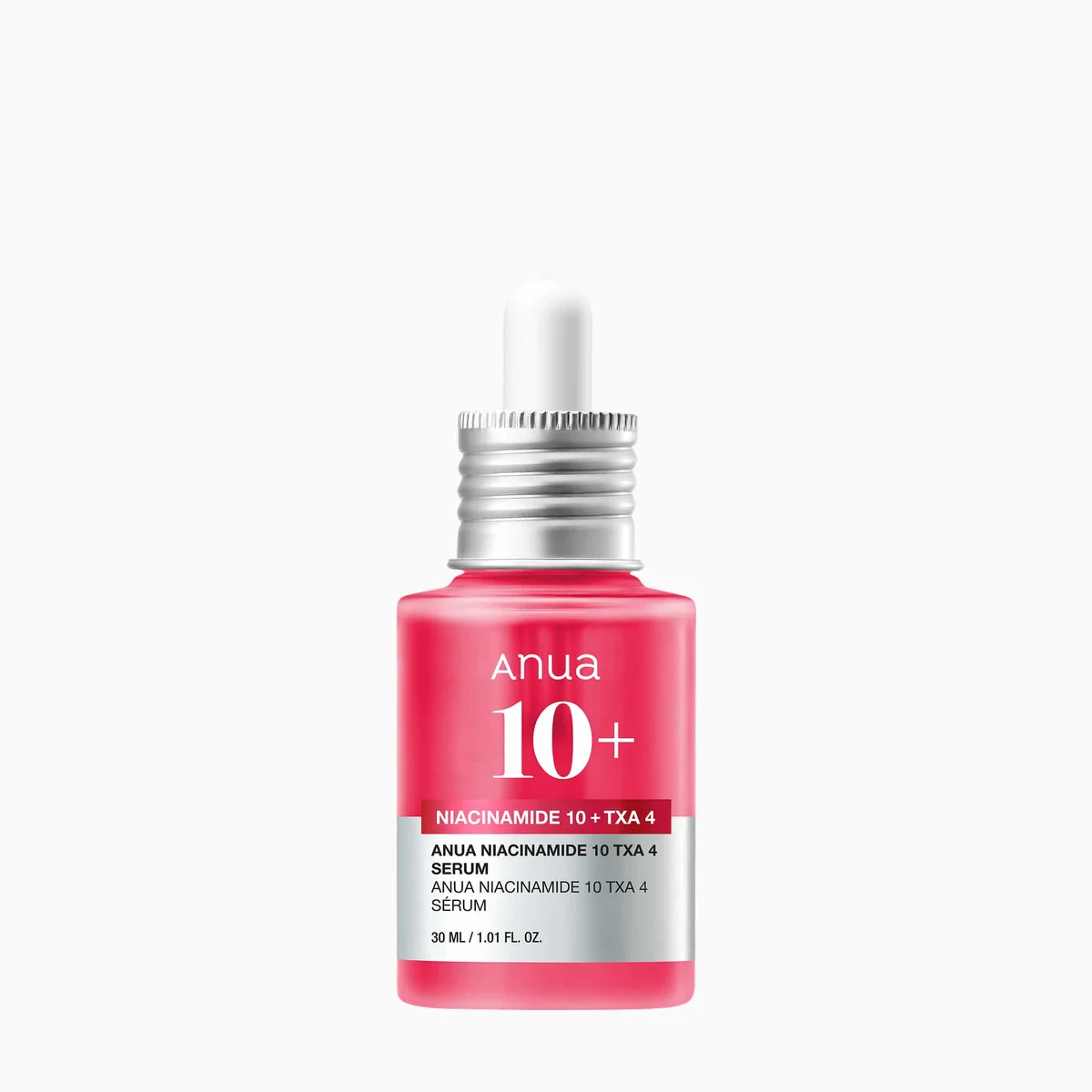
The Anua Niacinamide 10% + TXA 4% Dark Spot Correcting Serum is called a serum but puts 10% niacinamide and 4% tranexamic acid on the label, the kind of payload KoreanCare attributes to an ampoule tier. The SKIN1004 Madagascar Centella Ampoule is called an ampoule but is essentially a single centella asiatica extract in a 100 ml bottle, with no niacinamide, no tranexamic acid, and no peptides. On active payload, it looks much more like an essence than an ampoule.
The COSRX Advanced Snail 96 Mucin Power Essence carries 96.3% snail secretion filtrate (Dr Rachel Ho) and lands as a slightly tacky gel essence rather than a watery first-step fluid. The Sulwhasoo First Care Activating Serum VI is named a serum, but Sulwhasoo instructs applying it "immediately after cleansing, before toner or treatment products" (Sulwhasoo US), which is the classic position of a first essence.
Four products from our shortlist, four labels that do not match what shoppers would expect. If labels drove shopping, buyers would skip the COSRX essence looking for something stronger and buy the SKIN1004 ampoule expecting a big active hit. Both would be wrong.
Is an ampoule stronger than a serum?
Only when the formula behind the label actually is stronger. The ampoule-as-glass-vial format was useful for unstable actives, such as L-ascorbic acid or retinaldehyde, because sealing the dose limited oxidation. That is a preservation argument, not a potency argument. As one review puts it, "ten percent niacinamide is ten percent niacinamide whether it arrives in glass or plastic" (Youth Rituals). For stable ingredients like hyaluronic acid, glycerin, and most peptides, an opaque airless pump protects the formula about as well as a sealed vial.
The specific comparison from our rankings makes the point starkly. The COSRX Full Fit Propolis Light Ampoule carries 83.3% propolis but zero niacinamide and no peptide complex. The Anua serum carries 10% niacinamide, 4% tranexamic acid, and 2% arbutin (Anua). Which one is stronger depends on what strength you are measuring. For brightening and pigmentation, the serum wins by a wide margin. For soothing and barrier recovery from propolis flavonoids, the ampoule wins. The labels tell you nothing about which active you need.
Are Korean essences just watered-down serums?
Mostly no, though the stereotype has a kernel of truth. The original essence category, popularized by products like the Sulwhasoo First Care line and SK-II's Facial Treatment Essence, was conceived as a hydrating and skin-conditioning first step, not a dilute version of a targeted treatment. The job is to restore moisture and prep the stratum corneum before actives come in, so the formula leans on ferments, humectants, and botanical extracts rather than high-percentage brighteners or retinoids.
What has muddied this is that modern K-beauty brands now sell "essences" in every direction. Some are classic humectant-heavy first steps, like the Torriden SOLID-IN Ceramide Essence with a 5D ceramide complex for barrier repair. Others are effectively treatment products under an essence label, like the COSRX snail 96. Calling essences watered-down serums is only accurate for the thin, hydration-first versions, and even there "watered-down" is misleading: a 90% aqueous base is not a diluted serum, it is a different formulation targeted at a different step.
Do you need all three?
For most routines, no. Dermington calls stacking multiple watery hydrators that do the same thing "the single most common way people overspend on a K-beauty routine" (Dermington). The question is not how many steps you can fit in, but how many distinct jobs you need done.
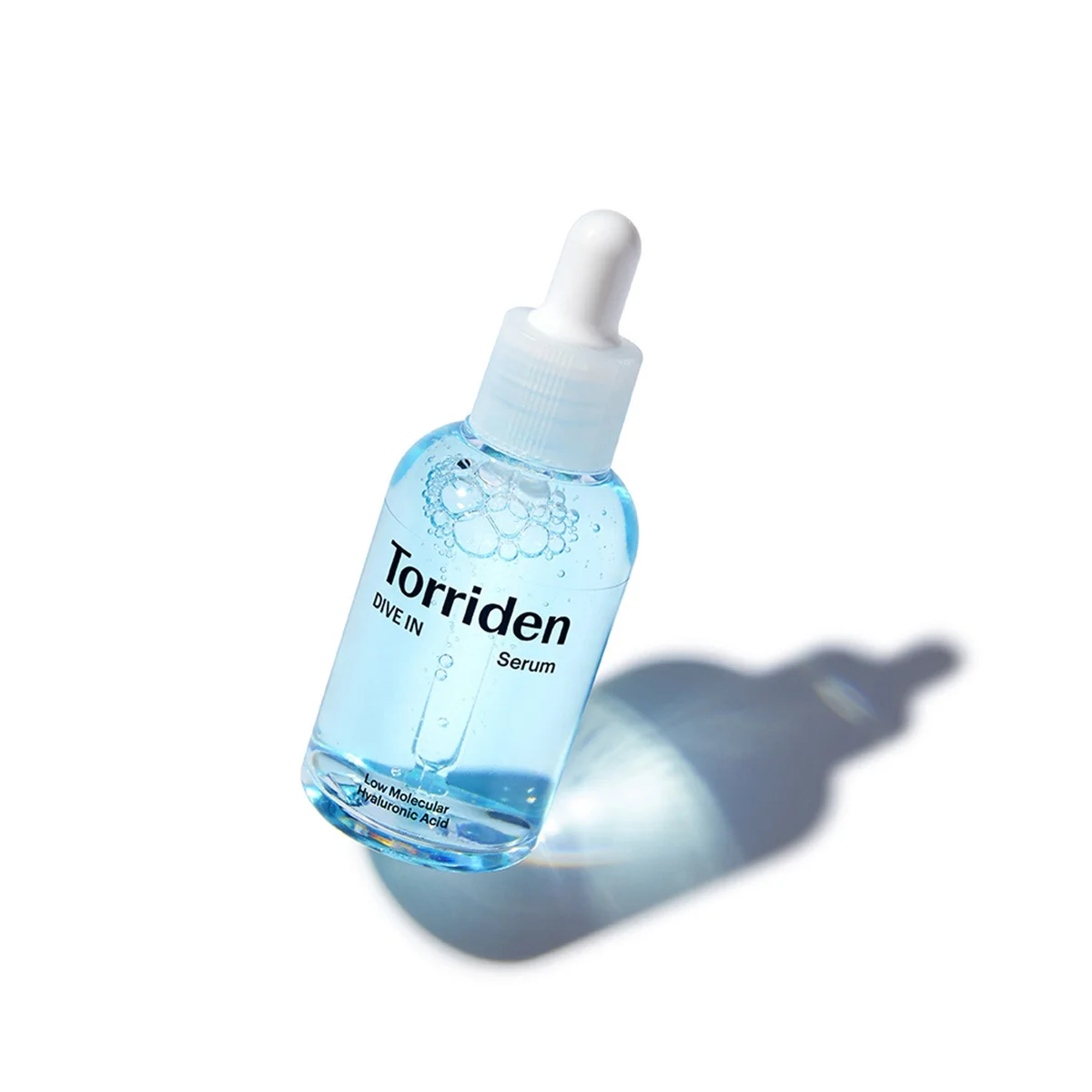
If you have one concern, one treatment product is usually enough. For sensitive, barrier-compromised skin, the Torriden DIVE-IN Low Molecular Hyaluronic Acid Serum or the Torriden SOLID-IN essence do the whole hydration-and-barrier job in a single step. For pigmentation, the Anua niacinamide and TXA serum is already a multi-active formula; adding an "ampoule" from the same ingredient family rarely helps.
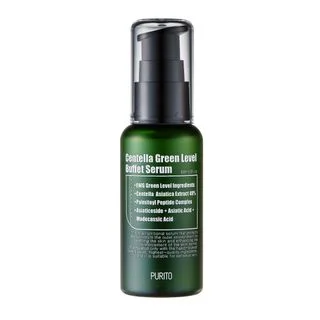
Where layering earns its keep is when you have genuinely different concerns: hydration plus brightening plus soothing, for instance. In that case, a thin watery hydrator (call it essence), a targeted brightening step (call it serum), and a redness or barrier step (call it ampoule or cream) stack because they are doing different jobs. The Purito Centella Green Level Buffet Serum is interesting in this context because it bundles 49% centella, mid-single-digit niacinamide, and ceramides in one bottle, which can replace two or three single-active products for sensitive skin.
- One concern, one product. Pick the formula with the right active for the job.
- Two concerns, two products. Watch for overlap between them (two niacinamide products at once is one too many).
- Three concerns, three products. Choose formulas that do not duplicate; let texture, not label, set the order.
What order do essence, serum, and ampoule go in?
The conventional sequence is thinnest to thickest, which Veranum USA summarizes as essence then serum then ampoule, with 30 to 60 seconds between layers for absorption (Veranum USA). The reasoning is that a thicker, more occlusive product laid down first will slow absorption of a thinner product above it, and you may see pilling.
The practical problem is that labels do not track texture reliably. The COSRX snail 96 essence is thicker than many products labeled serum and runs slightly tacky; it is better treated as a middle layer, not a first step. The Sulwhasoo First Care Activating Serum VI is thin and watery despite its serum name and is explicitly designed as the first step after cleansing. The Torriden SOLID-IN is milky and slightly opaque, closer to a light moisturizer in feel, even though it is labeled an essence. Apply by feel. Press a dot on your hand, feel the weight, and layer from lightest to heaviest. If two products are similar in weight, apply the one with pH-sensitive actives first and give it time.
How to buy without letting the label decide
Ignore the word on the front and read the back. A good K-beauty purchase starts with the concern (hydration, pigmentation, texture, redness, early fine lines), proceeds to the active you need (hyaluronic acid, niacinamide, tranexamic acid, centella, peptides, retinal), and only then looks at the format. If the label says serum but the active is right and the texture fits where you want to put it in your routine, buy it. If the label says ampoule but the formula is thin and the active is light, you are paying for the word.
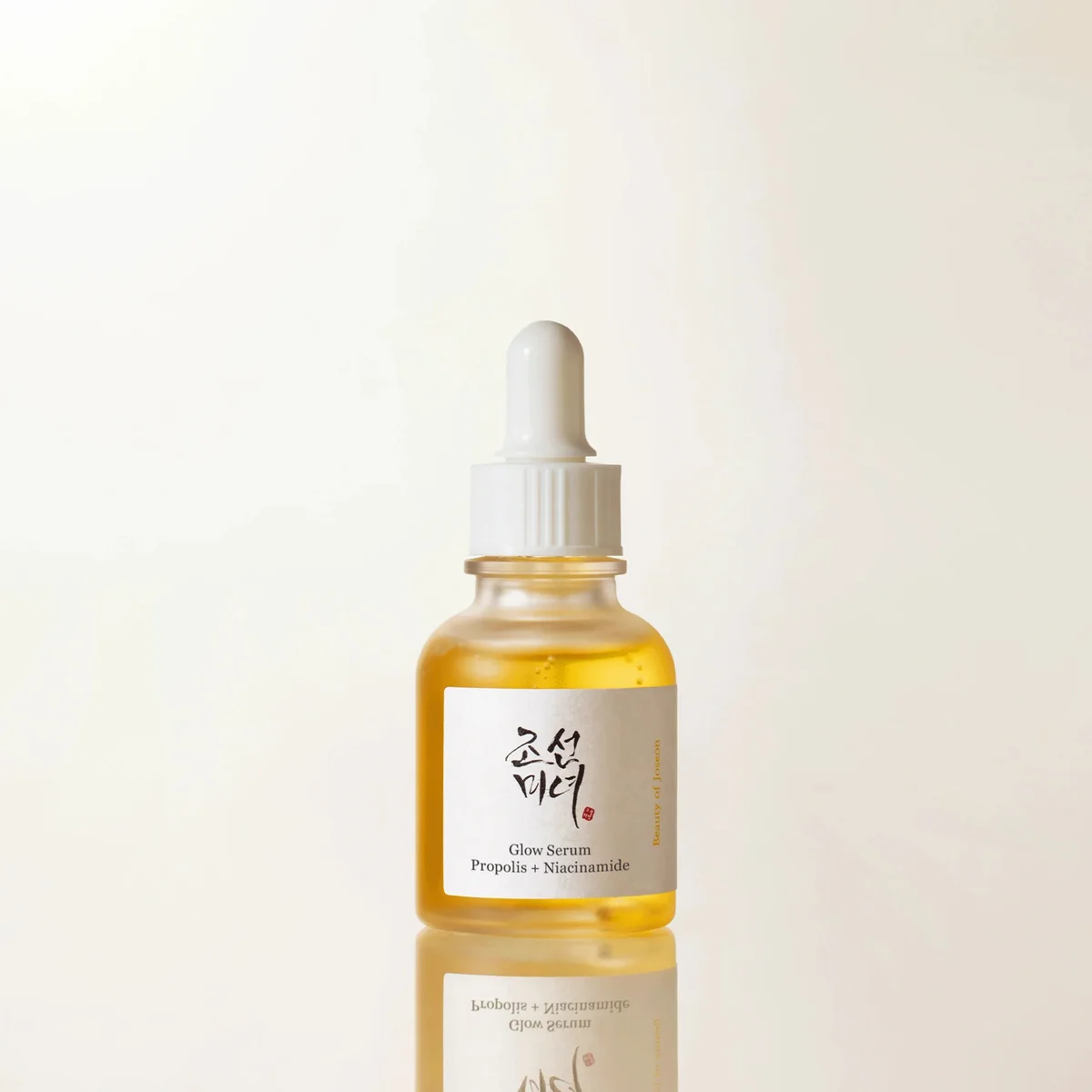
The practical cross-check is to compare the few products you are considering on the same two dimensions: active content and routine position. In our rankings, the Beauty of Joseon Glow Serum: Propolis + Niacinamide is called a serum but is a honey-like gel essence by texture; the SKIN1004 Madagascar Centella Tone Brightening Capsule Ampoule is called an ampoule but applies like a watery essence. Decide by what is in the bottle, not by how it is marketed.
The short version
The three words mostly describe texture and position in a routine, not strength. Buy for the active you need and the texture that fits where you want to use it. If you have sensitive, dehydrated skin, a single fragrance-free hyaluronic or ceramide product usually does the whole job; the Torriden DIVE-IN or Isntree Ultra-Low Molecular HA cover this well. If you have pigmentation and want real brightening, the Anua niacinamide and TXA serum has the highest declared brightening actives in our shortlist regardless of what the label category says. If your concern is redness and barrier recovery, pick a centella-forward formula and ignore whether it is called an essence, serum, or ampoule.
See Best K Beauty Serums of 2026Questions people ask
What is the difference between a Korean serum and an essence?+
By convention, an essence is more aqueous and lighter, with low active content, and sits as the first treatment step; a serum is thicker and carries a higher dose of targeted actives. Neither word is regulated, so the same formula can be labeled either way depending on the brand.
Do I need both an essence and a serum in my routine?+
Usually not. A first-step hydrator plus one targeted treatment covers most routines. Stacking two products that both hydrate (two essences, or an essence and a hydrating serum with the same actives) is where buyers overspend.
What is a K-beauty ampoule and when should I use one?+
The ampoule format originally meant a concentrated, sometimes short-course dose in a sealed vial. Modern K-beauty ampoules range from genuinely higher-payload treatments to standard serums sold under an aspirational name. Use one when the formula inside justifies it, not because the label says ampoule.
Are Korean essences just watered-down serums?+
Not really. Classic essences like Sulwhasoo First Care or SK-II Facial Treatment Essence are hydration and prep products built around humectants and ferments, not diluted serums. Some modern products labeled essence are closer to treatment serums; the label does not guarantee either direction.
Is an ampoule stronger than a serum?+
Not automatically. A sealed or anhydrous format can protect fragile actives like L-ascorbic acid or retinaldehyde from oxidation, but it does not make a stable ingredient more potent. Compare percentages on the label: our rankings include ampoules with zero niacinamide and serums with 10% niacinamide.
Do I need to use all three, or can I just pick one?+
Pick based on what your skin needs. One thoughtfully chosen product per concern is enough. Layer only when the products address genuinely different concerns and do not duplicate actives.
What order do essence, serum, and ampoule go in?+
Thinnest to thickest, with 30 to 60 seconds of absorption time between layers. Apply by the actual feel of the product on your skin, not the word on the bottle; essence-labeled products can be thicker than serum-labeled ones in practice.
Why do some ampoules come in 100 ml bottles if they are supposed to be short-course?+
Because the word is not regulated. Brands use ampoule as a marketing cue for concentrated or premium, even when the bottle size and daily-use format are standard serum. The SKIN1004 Madagascar Centella Ampoule is a familiar example of a 100 ml ampoule sold for ongoing daily use.
Sources
What this guide is based on. We research from published specifications, independent reviews and owner reports; we did not test these products ourselves.
- 1.Essence vs Serum vs Ampoule: What's the Difference?, Klairs
- 2.Ampoule vs Serum vs Essence: K-Beauty Format Guide (2026), Altameet
- 3.Essence vs Ampoule vs Serum: K-Beauty Decoded, Dermington
- 4.Toner vs Essence vs Serum vs Ampoule: The Right Order, Veranum USA
- 5.Are Skincare Ampoules Worth It? Ampoule vs Serum, Honestly, Youth Rituals
- 6.Serum vs Ampoule Difference: Concentration and Usage Guide, KoreanCare
- 7.Snail Mucin Skincare Explained + Review of COSRX Advanced Snail 96 Mucin Power Essence, Dr Rachel Ho
- 8.Niacinamide 10 TXA 4 Serum for Brightening and Dark Spots, Anua
- 9.First Care Activating Serum VI, Sulwhasoo US
Products mentioned
 Anua Niacinamide 10% + TXA 4% Dark Spot Correcting Serum
 Beauty of Joseon Glow Serum: Propolis + Niacinamide
 COSRX Advanced Snail 96 Mucin Power EssenceCOSRX Full Fit Propolis Light Ampoule
 Purito Centella Green Level Buffet Serum
 SKIN1004 Madagascar Centella AmpouleSKIN1004 Madagascar Centella Tone Brightening Capsule Ampoule
 Sulwhasoo First Care Activating Serum VI
 Torriden DIVE-IN Low Molecular Hyaluronic Acid Serum
 Torriden SOLID-IN Ceramide Essence
More on k-beauty serums
Explainer
Fragrance in K-Beauty Serums: When It Is a Problem and When It Is Not
Fragrance is the second most common contact allergen in cosmetics, but it is not a universal skin danger. When to insist on fragrance-free K-beauty serums, and when not to.
Explainer
Does a Higher Niacinamide Percentage Mean a Better K-Beauty Serum?
Clinical trials ran at 2 to 5 percent niacinamide, not 10 or 20. What the label number can and cannot tell you about a K-beauty serum, and how to choose on evidence.
Buying guide
How to Choose a K-Beauty Serum: Match Your Concern, Not the Hype
Pick a Korean serum by your main skin concern and the active that treats it, then filter by clinical backing, sensitivity, and where it fits in a routine.