Explainer
Fragrance in K-Beauty Serums: When It Is a Problem and When It Is Not
Fragrance is the second most common contact allergen in cosmetics, but it is not a universal skin danger. When to insist on fragrance-free K-beauty serums, and when not to.
Updated November 6, 2026 · Based on 12 sources · How we research
Fragrance allergy is believed to affect around 1% of adults in the general population, rising to roughly 8 to 15% among dermatology patients investigated for contact dermatitis (DermNet NZ, SkinScore). That is a real problem if you have eczema, rosacea, actively reactive skin, or a compromised barrier. It is a much smaller problem if you do not. This guide walks through what the dermatology literature actually says, why so many K-beauty formulas still contain parfum, which of the serums in our best K-beauty serums ranking are fragrance-free, and when the label on the back is meaningful. The one thing most readers get wrong: treating fragrance-free as a universal upgrade. For healthy, tolerant skin it rarely is.
Is fragrance in K-beauty serums actually bad for your skin?
The honest answer depends on whose skin you are asking about. A 2024 systematic review in Contact Dermatitis pooled European patch-test data and reported 6.81% of dermatitis patients tested positive to Fragrance Mix I and 3.64% positive to Fragrance Mix II, the two screening panels that cover most of the fragrance allergens responsible for clinical reactions (Botvid et al., Contact Dermatitis). The American Academy of Dermatology attributes roughly 30 to 45% of all cosmetic allergic reactions to fragrance ingredients (SkinScore summary). For people inside that group, every fragranced serum is a small gamble.
For everyone else, the picture is less dramatic but not benign. Dermatologist Shilpi Khetarpal at Cleveland Clinic calls fragrance an irritant in general and says people with compromised barriers, including those with psoriasis or eczema, lack the first line of defense and should avoid it, while framing broader use as a trade-off rather than a universal ban (Cleveland Clinic Newsroom). There is no published evidence that a short-contact, low-concentration fragrance in a well-formulated serum silently damages healthy, resilient skin over time.
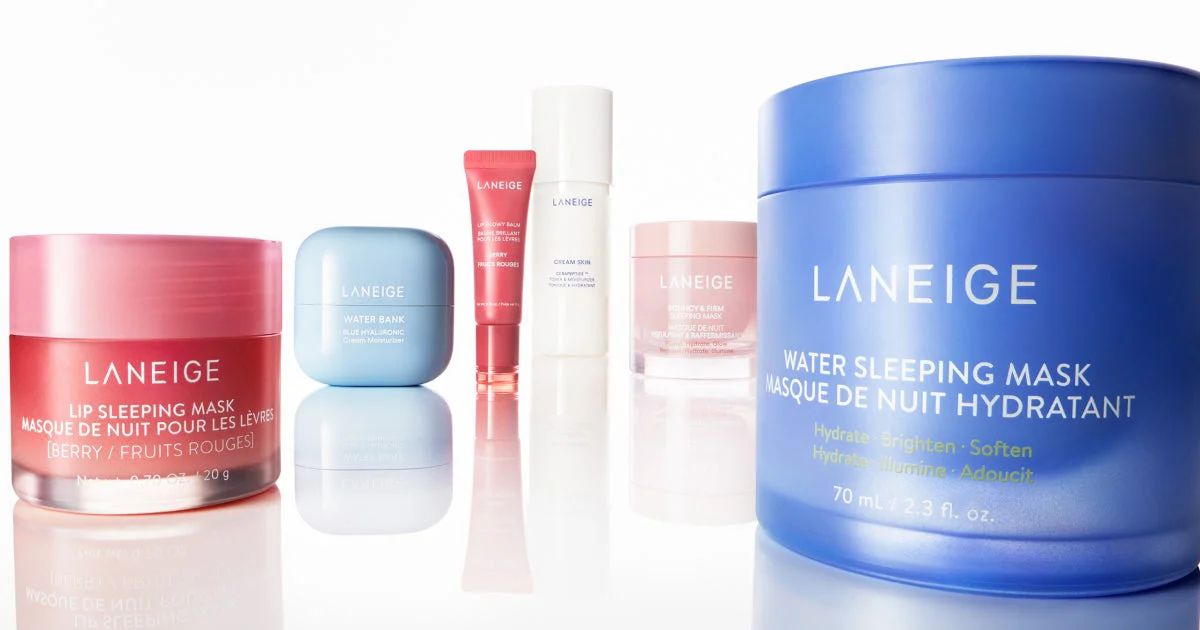
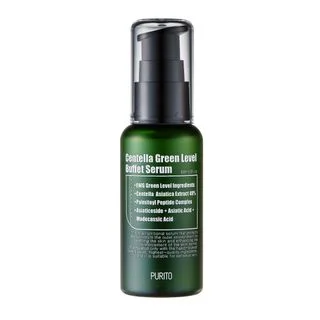
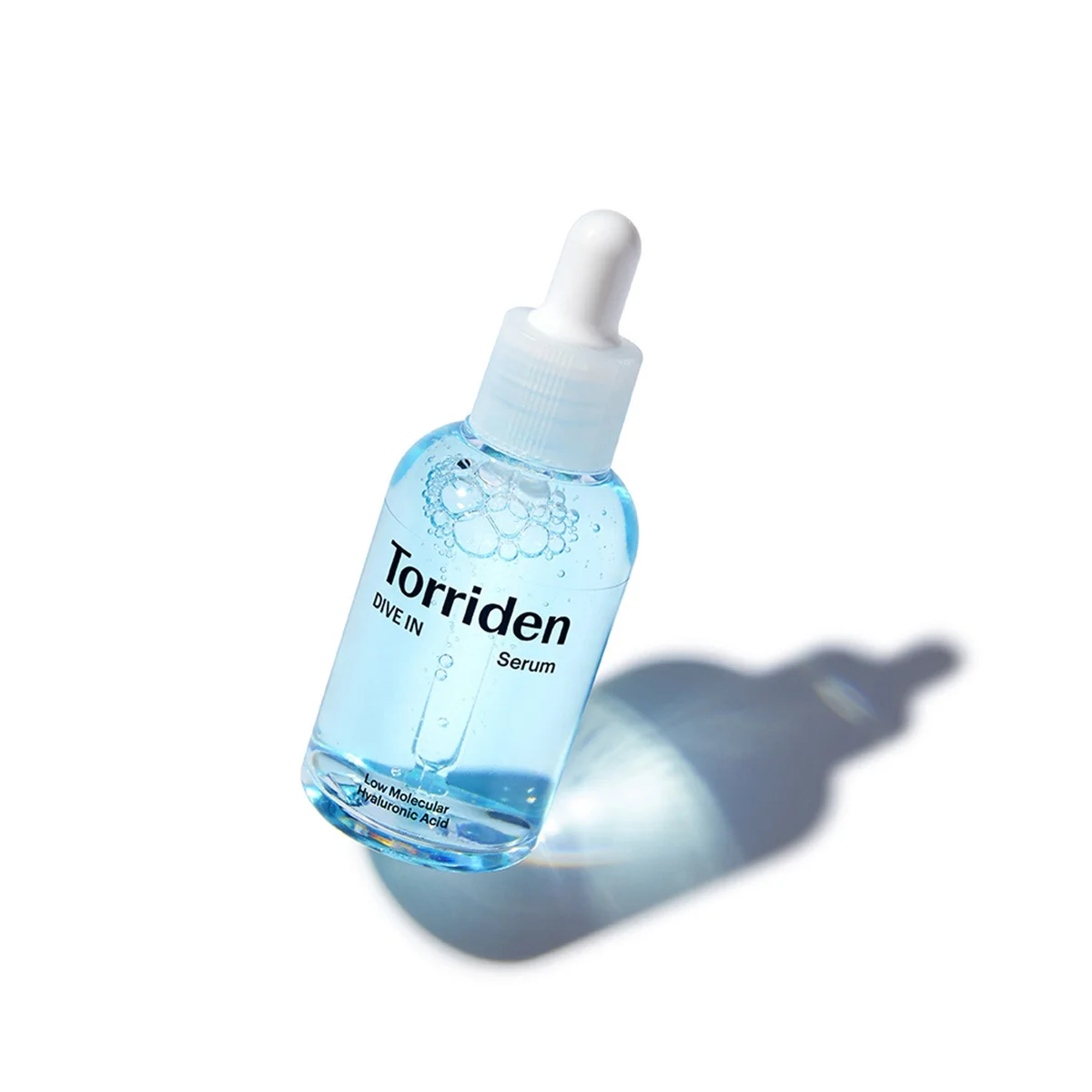
Our ranked list reflects both realities. The Purito Centella Green Level Buffet Serum and Torriden DIVE-IN Low Molecular Hyaluronic Acid Serum are built around calming actives and marketed without added parfum. The Sulwhasoo First Care Activating Serum VI and Laneige Perfect Renew 3X Signature Serum Advanced contain parfum as a formulation choice.
Why do so many K-beauty serums contain fragrance?
Three reasons, and the first is practical. Many of the hero actives in K-beauty have an aggressive natural odor. Fermented ginseng saponins, propolis, snail mucin filtrate, and heartleaf extracts do not smell like a spa. Formulators add fragrance or essential-oil accords to mask the raw material so the product is pleasant to use. The AO Medusa technical team describes this as the dominant reason fragrance appears in Korean clinical skincare, and notes that synthetic masking blends are usually preferred over essential oils because they offer better stability and lower allergen load (AO Medusa).
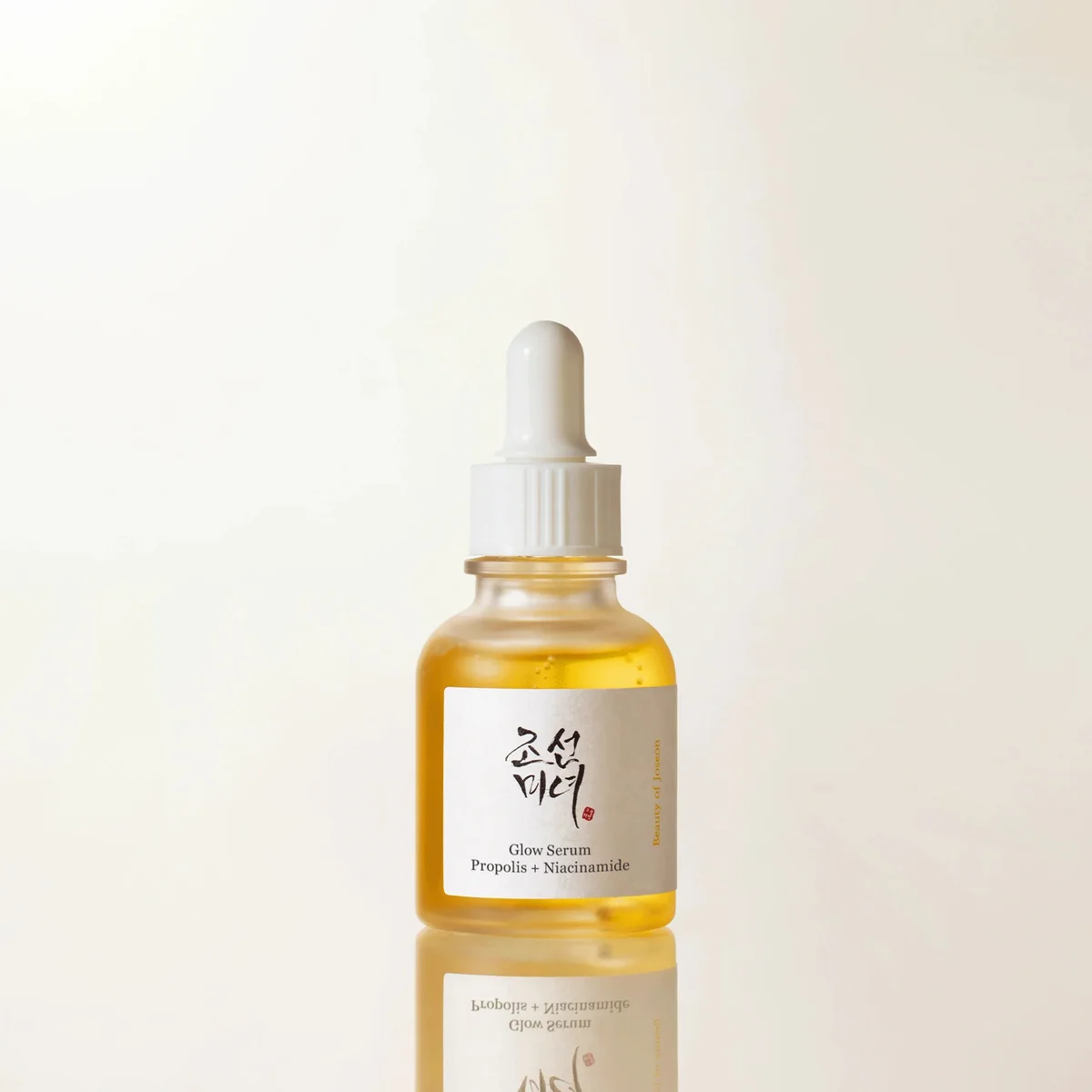
The second reason is the Korean ritual itself. A multi-step routine is a sensory experience, and brands price the sensory layer into the proposition. Sulwhasoo's First Care Activating Serum VI uses the brand's JAUM ACTIVATOR herbal complex and a fragrance deck that Incidecoder lists as parfum plus limonene, linalool, citronellol, citral, and geraniol (Incidecoder). Beauty of Joseon's Glow Serum: Propolis + Niacinamide pairs a high-propolis base with a light added scent.
The third reason is regulatory. Since January 1, 2020 the Korean Ministry of Food and Drug Safety (MFDS) has required manufacturers to name 25 specified fragrance allergens on the ingredient list whenever they exceed 0.001% in a leave-on product or 0.01% in a rinse-off (ChemLinked). That is stricter disclosure than the United States, where the FDA does not regulate 'fragrance-free' at all and allergen names can stay bundled inside 'fragrance/parfum.' The practical effect for K-beauty buyers: when you see linalool, limonene, citronellol, or geraniol broken out on a Korean label, that is a regulated disclosure, not a brand choice.
Can fragrance in skincare damage your skin barrier?
There are two different mechanisms, and confusing them is where most consumer confusion comes from. Irritant contact dermatitis is a non-immune reaction that anyone can experience if the concentration and skin condition are wrong; it shows up as redness, stinging, or burning soon after application. Allergic contact dermatitis is an immune-mediated response that happens only after sensitization, but once established, it recurs on every exposure and often spreads beyond the application site in a streaky pattern (DermNet NZ).
The ingredients that cause most of the trouble are oxidized terpenes. Limonene, linalool, geraniol, and citral are flagged by Incidecoder as common fragrance components that oxidize on air exposure and become more allergenic as a product ages (Incidecoder on Sulwhasoo FCAS VI). A bottle that was mild in month one can be more reactive in month six, which is one reason dermatologists recommend dropper and airless packaging for fragranced formulas and discourage returning to an opened serum after a long gap.
For a healthy barrier, the available evidence does not support the claim that occasional contact with low-concentration cosmetic fragrance causes lasting damage. For a compromised barrier, the picture changes: chronic low-grade inflammation worsens transepidermal water loss and keeps the barrier from completing its repair cycle, which is why fragrance avoidance is first-line advice for eczema, rosacea, and post-procedure skin (Cleveland Clinic).
How do I know if fragrance is actually irritating my skin?
Three patterns are worth learning to recognize. Immediate stinging or a hot, tight feeling within a minute or two of application points to irritant contact dermatitis; it tends to resolve as soon as you stop using the product. A delayed reaction that appears 12 to 72 hours later, especially an itchy, streaky, or weeping rash in the exact pattern where the serum was applied, is more suggestive of allergic contact dermatitis (DermNet NZ). Slow-building redness, dryness, and reactivity to products that used to feel fine often signals accumulated barrier irritation rather than a single-ingredient allergy.
The practical home test is elimination. Drop fragranced serums for two to four weeks, keeping cleansers, moisturizer, and SPF stable, and track whether baseline redness and reactivity settle. If they do, reintroduce one fragranced product and watch. If reactions recur, a formal patch test with Fragrance Mix I, Fragrance Mix II, and Myroxylon pereirae (balsam of Peru) can confirm sensitization; DermNet NZ reports that Fragrance Mix I combined with balsam of Peru identifies roughly 75% of fragrance-allergic patients. Your dermatologist can order this; it is not something a skincare routine alone can diagnose.
- Burning or stinging within minutes: likely irritant, stop using the product
- Itchy streaky rash 12 to 72 hours after application: likely allergic, needs patch testing
- Slow creep of baseline redness and reactivity: barrier irritation, simplify the routine
- No reaction after four weeks of fragrance exposure on intact skin: fragrance is unlikely to be your trigger
Is 'fragrance-free' just a marketing claim on K-beauty products?
The FDA has not defined 'fragrance-free' or 'unscented' for cosmetics sold in the US, and no certification or third-party testing is required before a brand prints either phrase on a label (SkinSafe). The two phrases also mean different things. Fragrance-free is a compositional claim that no scent-giving ingredients were added. Unscented is a sensory claim that the finished product has no perceptible smell, which is sometimes achieved by adding masking fragrance to cover raw material odor. For reactive skin, those are not interchangeable.
K-beauty labels sit in a slightly better position than US labels, for two reasons. First, the MFDS rule forces the 25 flagged allergens onto the ingredient list when present above threshold, so a reactive user can scan for linalool, limonene, geraniol, citronellol, citral, benzyl alcohol, eugenol, and the rest rather than trusting a marketing phrase (ChemLinked). Second, third-party ingredient audit sites like Incidecoder and SkinSort maintain searchable indexes of K-beauty formulas and flag fragrance components by name (SkinSort fragrance-free Korean serums).
The awkward middle is essential oils. The Purito Centella Green Level Buffet Serum is widely described as fragrance-free because it contains no added parfum, but it has historically included bergamot oil and lavender oil, which carry naturally occurring limonene and linalool (KBeauty Notes review, Skincarisma). Purito acknowledged the gap by releasing an Unscented variant that strips the essential oils. For most tolerant users this nuance does not matter; for someone with confirmed limonene sensitization, it very much does.
The 2026 Allergen of the Year sharpens the point. The American Contact Dermatitis Society named benzyl alcohol, and benzyl alcohol frequently appears in formulas marketed as fragrance-free because it doubles as a preservative (Allergen of the Year). A fragrance-free label is not the same as an allergen-free label.
Does fragrance in a K-beauty serum cause long-term skin damage?
For people who are not sensitized and whose barrier is intact, there is no reliable clinical evidence that low-concentration cosmetic fragrance causes cumulative barrier damage, accelerated aging, or chronic inflammation from normal use. That is a weaker claim than 'fragrance is safe for everyone,' but it is what the published literature supports. Dermatology reviews frame fragrance avoidance as a clinical priority for defined groups, not a universal rule (Cleveland Clinic, DermNet NZ).
For sensitized or barrier-compromised users, the picture is different. Once allergic contact dermatitis is established, repeated exposure keeps the inflammation active, and ongoing inflammation damages barrier structure, pigmentation stability, and comfort. In that context, chronic fragrance exposure is a real long-term driver of harm. Sensitization can also develop over time: someone who tolerates fragrance today may not tolerate it in five years, and oxidized terpenes in aging product raise that risk incrementally.
The reasonable default for the general buyer: fragrance is a preference, not a clinical choice. The reasonable default for anyone with eczema, rosacea, peri-oral dermatitis, post-procedure skin, or an allergy history: fragrance is a clinical choice, and the serum shelf should narrow to formulas like Torriden DIVE-IN, Torriden SOLID-IN Ceramide Essence, SKIN1004 Madagascar Centella Ampoule, Isntree Ultra-Low Molecular HA Serum, and the Beauty of Joseon Calming Barrier Serum.
Which serums in our ranking are fragrance-free, and which are not?
This table reflects the ingredient decks and manufacturer claims recorded for the top-ranked serums in our index. Formulas marketed without added parfum but containing essential-oil-derived terpenes are flagged separately because they behave differently for fragrance-sensitized users.
| Serum | Fragrance status | Best for |
|---|---|---|
| Sulwhasoo Concentrated Ginseng Rejuvenating Serum | Fragranced | Experienced anti-aging buyers at prestige price |
| Sulwhasoo First Care Activating Serum VI | Fragranced (parfum plus limonene, linalool, citronellol, citral, geraniol) | Buyers who want the Sulwhasoo scent ritual |
| Purito Centella Green Level Buffet Serum | No added parfum; essential-oil terpenes present historically | Sensitive, redness-prone skin tolerant of botanicals |
| Beauty of Joseon Glow Serum: Propolis + Niacinamide | Fragranced | Oily, acne-prone skin under $20 |
| Torriden DIVE-IN HA Serum | Fragrance-free | Sensitive, dehydrated skin |
| Peach & Lily Retinal For All Renewing Serum | Fragrance-free | Retinoid-sensitive anti-aging |
| COSRX Advanced Snail 96 Mucin Power Essence | Fragrance-free | Budget glass-skin hydration |
| Beauty of Joseon Calming Barrier Serum | Fragrance-free | Beginner sensitive skin |
| SKIN1004 Madagascar Centella Ampoule | Fragrance-free | Barrier-compromised, reactive skin |
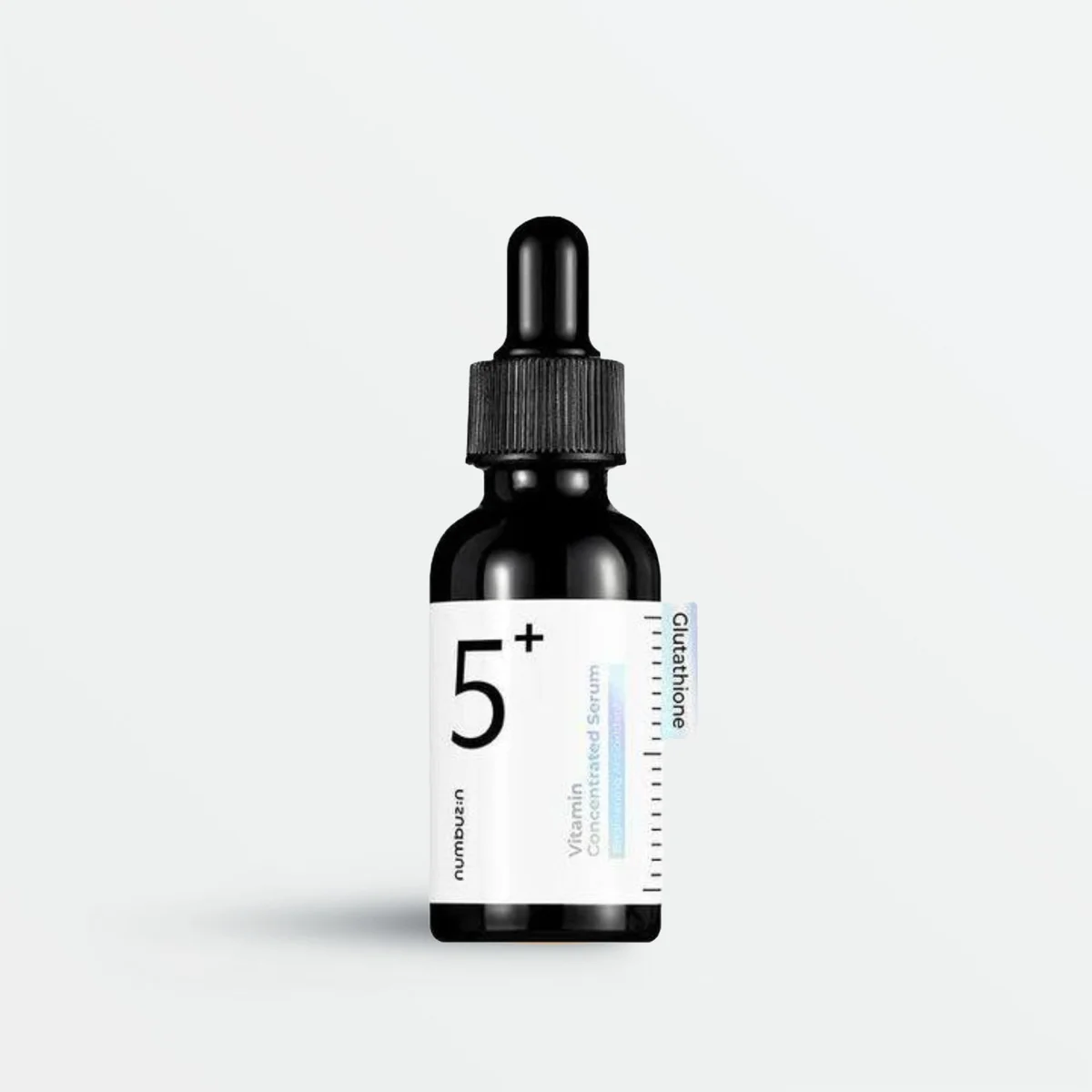
| Numbuzin No.5 Vitamin Concentrated Serum | Fragranced | Dark-spot focus, tolerant skin |
| Laneige Perfect Renew 3X Signature Serum Advanced | Fragranced | Prestige anti-aging buyers |
| Isntree Ultra-Low Molecular HA Serum | Fragrance-free, hypoallergenic tested | First-time K-beauty sensitive skin |
The short version
If you have eczema, rosacea, confirmed fragrance allergy, or an active barrier flare, read the full INCI list and buy only fragrance-free formulas: the Torriden DIVE-IN for hydration, SKIN1004 Madagascar Centella Ampoule for pure soothing, Torriden SOLID-IN Ceramide Essence for barrier rebuild, and Peach & Lily Retinal For All if you need anti-aging without a fragrance load. If your skin is resilient and the scent is part of why you reach for a serum each morning, the Sulwhasoo First Care Activating Serum VI and the Beauty of Joseon Glow Serum are chosen by owners for the sensory experience, and the evidence does not say that is a bad decision. The full set is in our best K-beauty serums ranking.
See Best K Beauty Serums of 2026Questions people ask
Is fragrance in K-beauty serums bad for your skin?+
For most people with intact, non-reactive skin, no. For the roughly 1% of adults with confirmed fragrance allergy and the larger group with eczema, rosacea, or a compromised barrier, yes. The American Academy of Dermatology estimates fragrance causes 30 to 45% of all cosmetic allergic reactions, so it is the single most common removable trigger if you are reacting (SkinScore).
Should I always buy fragrance-free Korean serums?+
No. Fragrance-free is a clinical priority for sensitive, reactive, or barrier-compromised skin and a sensible default after any procedure. For resilient skin with no history of contact dermatitis, it is a preference, not a safety rule.
Why do so many K-beauty serums contain fragrance?+
Three reasons: to mask the natural odor of actives like ginseng, propolis, and fermented botanicals; because scent is part of the Korean multi-step ritual that brands sell; and because synthetic masking fragrance is often chosen over essential oils for stability. Since 2020, Korean brands must name the 25 flagged fragrance allergens on the INCI list when present above threshold (ChemLinked).
Can fragrance in skincare damage your skin barrier?+
It can, through two different routes. Irritant contact dermatitis causes immediate redness, stinging, or burning and resolves when you stop the product. Allergic contact dermatitis is an immune reaction that keeps recurring once sensitization is established and appears as an itchy, often streaky rash 12 to 72 hours later (DermNet NZ). For intact healthy skin, there is no reliable evidence of lasting damage from well-formulated cosmetic fragrance.
How do I know if fragrance is irritating my skin?+
Try a two to four week elimination of every fragranced product while keeping cleanser, moisturizer, and SPF stable. If baseline redness and reactivity calm down and return when you reintroduce fragrance, it is a likely trigger. Formal patch testing with Fragrance Mix I, Fragrance Mix II, and balsam of Peru confirms sensitization and is the only way to be sure which specific compounds you react to.
Is fragrance-free just a marketing claim on K-beauty products?+
Partly. The FDA does not regulate 'fragrance-free' and there is no US certification behind it (SkinSafe). The claim is more verifiable on Korean products because the MFDS requires 25 named allergens to be listed above 0.001% in leave-on products, so you can scan the ingredient list for limonene, linalool, geraniol, citronellol, citral, and the rest. 'Unscented' is a sensory claim and can still include masking fragrance; 'fragrance-free' is a compositional claim and should not.
Does fragrance in a serum cause long-term skin damage?+
For non-sensitized intact skin, there is no published evidence of cumulative long-term damage from low-concentration cosmetic fragrance in a well-formulated serum. For sensitized or barrier-compromised skin, chronic fragrance exposure drives ongoing inflammation that worsens barrier function over time, which is why dermatologists treat avoidance as first-line advice for eczema and rosacea (Cleveland Clinic).
Sources
What this guide is based on. We research from published specifications, independent reviews and owner reports; we did not test these products ourselves.
- 1.Fragrance allergy, DermNet NZ
- 2.Why Fragrances May Be Irritating Your Skin, Cleveland Clinic Newsroom
- 3.Contact sensitization to fragrance mix I and fragrance mix II among European dermatitis patients: A systematic review, Contact Dermatitis (Wiley)
- 4.Fragrance in Skincare: The Hidden Allergen in 60% of Products, SkinScore
- 5.Decoding Skincare Labels: What Fragrance-Free, Hypoallergenic, and Dermatologist-Tested Really Mean, SkinSafe Products
- 6.South Korea Clarifies 25 Fragrance Allergens Need to be Labeled on the Packaging, ChemLinked
- 7.Sulwhasoo First Care Activating Serum VI ingredients, Incidecoder
- 8.About Fragrance in Korean Skincare: Purposeful, Safe, and Often Misunderstood, AO Medusa
- 9.Allergen of the Year, American Contact Dermatitis Society (via Wikipedia)
- 10.Best Fragrance-Free Korean Serums, SkinSort
- 11.PURITO Centella Green Level Buffet Serum Review, KBeauty Notes
- 12.PURITO Centella Green Level Buffet Serum Ingredients and Safety, Skincarisma
Products mentioned
 Beauty of Joseon Calming Barrier Serum: Green Tea + Panthenol
 Beauty of Joseon Glow Serum: Propolis + Niacinamide
 COSRX Advanced Snail 96 Mucin Power Essence
 Isntree Ultra-Low Molecular Hyaluronic Acid Serum
 Laneige Perfect Renew 3X Signature Serum Advanced
 Numbuzin No.5 Vitamin Concentrated Serum
 Peach & Lily Retinal For All Renewing Serum
 Purito Centella Green Level Buffet Serum
 SKIN1004 Madagascar Centella Ampoule
 Sulwhasoo First Care Activating Serum VI
 Torriden DIVE-IN Low Molecular Hyaluronic Acid Serum
 Torriden SOLID-IN Ceramide Essence
More on k-beauty serums
Explainer
Does a Higher Niacinamide Percentage Mean a Better K-Beauty Serum?
Clinical trials ran at 2 to 5 percent niacinamide, not 10 or 20. What the label number can and cannot tell you about a K-beauty serum, and how to choose on evidence.
Explainer
K-Beauty Serum vs Essence vs Ampoule: What the Labels Actually Mean
Serum, essence, and ampoule are loose K-beauty terms, not fixed strength tiers. Here is how to read past the label and pick what your skin needs.
Buying guide
How to Choose a K-Beauty Serum: Match Your Concern, Not the Hype
Pick a Korean serum by your main skin concern and the active that treats it, then filter by clinical backing, sensitivity, and where it fits in a routine.