Buying guide
How to Choose a K-Beauty Serum: Match Your Concern, Not the Hype
Pick a Korean serum by your main skin concern and the active that treats it, then filter by clinical backing, sensitivity, and where it fits in a routine.
Updated November 6, 2026 · Based on 15 sources · How we research
This guide is for anyone standing in front of 40 K-beauty serum options and quietly panicking. The mistake most buyers make is working top-down from brand prestige or a 10-step wishlist, then trying to reverse-engineer a reason the product suits them. The order that actually works is the other direction: one primary concern, one dominant active that has real evidence of treating it, then three filters: whether the formula has clinical data, whether it suits your sensitivity, and where it belongs in your routine. The brand and step count sort themselves out after that. The RankGrids ranking at Best K-Beauty Serums of 2026 scored 20 serums across these same axes, and the products at the top of each concern are not necessarily the most expensive.
Start with one concern, not a shopping list
If you can only name the serum you want after you have named the problem it solves, the shortlist shrinks fast. Dehydration, post-acne marks, redness and barrier damage, early fine lines, oily skin with large pores, and dull or uneven tone each map to a different lead active. Pick the concern that is most visible on your face this month, not the one you worry about in five years.
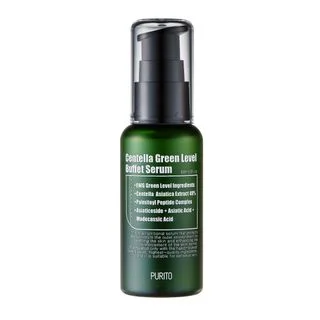
The Korean category can hide this because so many formulas carry four or five actives at once. A "buffet" serum is not a replacement for a decision, it is a hedge. When Purito put 49% centella extract, peptides, niacinamide, panthenol, and ceramide NP into one bottle, the high-centella percentage is the one a reactive-skin buyer is actually paying for. The rest ride along at supporting doses. That is true of most multi-active K-beauty serums: name the hero ingredient and its percentage, and you know what the product can realistically do.
Which actives actually have evidence behind them
A short list of Korean-serum actives has strong independent dermatology data. Niacinamide at 2-5% has the deepest clinical base for barrier support, sebum reduction, and mild brightening, with measurable benefits documented at 2% and clearer hyperpigmentation results at 5-10%. Centella asiatica's active triterpenes, madecassoside and asiaticoside, increased skin moisture by around 26% and reduced transepidermal water loss over 8 weeks in clinical use, with a separate study showing madecassoside raises type I and III collagen synthesis in fibroblasts.
Low-molecular-weight hyaluronic acid (under 100 kDa) penetrates the stratum corneum while high-molecular weights sit on the surface and form a hydrating film, which is why multi-weight HA serums outperform single-weight ones for sustained hydration. Tranexamic acid for pigmentation has clinical backing as well: a serum combining 3% TXA, 1% kojic acid, and 5% niacinamide delivered a 60% improvement in melasma and an 81% drop in post-inflammatory hyperpigmentation over 12 weeks. Retinaldehyde (retinal) sits one metabolic step from retinoic acid and acts up to 11 times faster than retinol while being better tolerated by sensitive skin in several comparative reviews. Snail secretion filtrate at 70-97% has peer-reviewed data for corneometer-measured hydration, barrier recovery, and mild post-acne mark improvement.
PDRN and exosome serums are the opposite case. Dermatology Times reports that visible PDRN improvement has historically come from injection rather than topical application, with topical molecules too large to cross the stratum corneum; a late-2025 study on topical plant-derived PDRN is the first small clinical signal in the other direction. Treat these ingredients as marketing right now, not as a reason to pay a premium.
Match the concern to the active, with real examples
This is the shortest path through the category. Pick the row that matches your top concern, confirm the active and percentage on the bottle, then check the sensitivity column.
Each example below is from the RankGrids 2026 ranking, with the active concentration and a sensitivity note so you can rule products out quickly.
| Concern | Active that works | Example serum | Sensitive-skin suitable? |
|---|---|---|---|
| Dehydration, tight skin | Multi-weight hyaluronic acid | Torriden DIVE-IN Low Molecular HA Serum (five HA weights, fragrance-free) | Yes |
| Redness, reactive barrier | Centella asiatica at high concentration | SKIN1004 Madagascar Centella Ampoule (100% centella base) | Yes |
| Oily skin, enlarged pores | Niacinamide 5-10% plus propolis | Beauty of Joseon Glow Serum: Propolis + Niacinamide (60% propolis, 2% niacinamide) | Mostly, contains fragrance |
| Post-acne marks, stubborn dark spots | Niacinamide 10% with tranexamic acid | Anua Niacinamide 10% + TXA 4% Dark Spot Correcting Serum | No, too strong for reactive skin |
| Uneven tone, melasma | Tranexamic acid with niacinamide at 4-5% | SKIN1004 Tone Brightening Capsule Ampoule (4% niacinamide + TXA) | Yes |
| Fine lines, anti-aging, retinol-intolerant | Encapsulated retinaldehyde or peptides | Peach & Lily Retinal For All Renewing Serum or COSRX The 6 Peptide Skin Booster Serum | Retinal is evening-only; peptide version yes |
| Compromised barrier, eczema-adjacent | Ceramide complex | Torriden SOLID-IN Ceramide Essence (five-ceramide blend) | Yes |
| Acne-pigmentation combo | Azelaic acid 10% with kojic acid | Purito Seoul Azelaic Acid 10 Kojic Tea Tree Serum | Mostly, avoid broken skin |
| "Glass skin" all-day moisture on a budget | High-concentration snail secretion filtrate | COSRX Advanced Snail 96 Mucin Power Essence | Yes, fragrance-free |
How do I know which K-beauty serum is right for my skin type?
Skin type is the second filter, not the first. The pattern of concerns that comes with each type is predictable enough that you can short-circuit a lot of the shopping.
Oily and acne-prone skin usually benefits from a water-light texture, a niacinamide concentration in the 5-10% range to help regulate sebum and refine pore appearance, and the absence of heavy emollients. The Beauty of Joseon Glow Serum at 2% niacinamide plus propolis is the entry-level pick; Anua's 10% niacinamide plus 4% TXA is the aggressive option when there are visible post-inflammatory marks. Skip retinal in the morning either way; if you use it, use it alone in the evening.
Dry and dehydrated skin wants a multi-weight hyaluronic acid serum as the hydration backbone and, if the barrier is noisy, a ceramide layer to lock it in. Torriden DIVE-IN and Isntree Ultra-Low Molecular HA Serum are near-peers here; Isntree uses 14 HA molecular weights, Torriden uses five HA weights plus centella. For deeper barrier damage, Torriden SOLID-IN Ceramide Essence can replace both serum and moisturizer in a simplified routine.
Sensitive and reactive skin should start by removing fragrance from the shortlist entirely. If your skin has been flaring, this is not the time to run that experiment. Among the ranked serums, SKIN1004's pure centella ampoule, Purito Centella Green Level Buffet Serum, and Beauty of Joseon Calming Barrier Serum are the three worth shortlisting first. All three are fragrance-free, centella-forward, and formulated for daily use on reactive skin.
Combination skin is the odd one out: you probably do not need a single serum that "handles everything". A thin brightening or balancing serum (say niacinamide 5%) layered under a moisturizer with targeted actives will usually outperform a single buffet serum trying to cover five concerns.
What to look for when buying a Korean serum
Three checks, in this order. First, is the hero active named and dosed? A label that says "with niacinamide" without a percentage is weaker evidence than one that says "10% niacinamide + 4% tranexamic acid" on the front. INCIdecoder's ingredient breakdowns are useful for checking whether a flagship active sits near the top of the INCI list or buried near the preservatives.
Second, does the brand publish clinical or in-vivo testing on the formula, not just on the ingredient? Sulwhasoo's LYMPHANAX studies, Purito's third-party testing for its Buffet Serum, and the dermatology-supervised trials published for tranexamic-acid serums all raise confidence. A brand that only cites generic ingredient studies is telling you less than one that tested the finished product.
Third, is the sensitivity profile honest? "Hypoallergenic" has no regulatory meaning, but fragrance-free plus dermatologist-tested plus a short list of recognizable soothing botanicals is a real signal. Watch for alcohol denat near the top of the ingredient list in anything you plan to use daily on dry or reactive skin.
Is a more expensive K-beauty serum actually better?
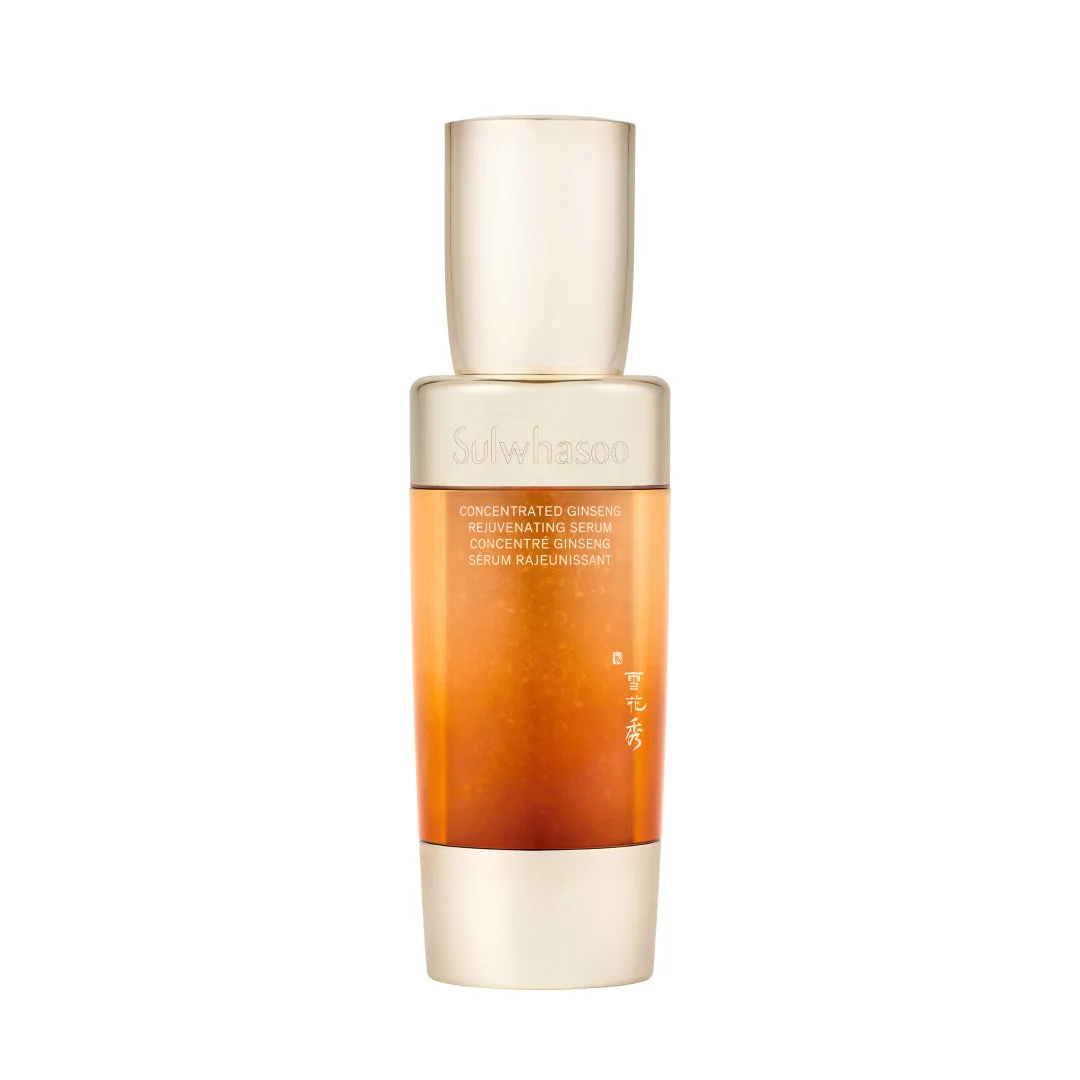
Mostly no, and sometimes yes. The clearest way to answer this is to look across the ranking. At number 1, Sulwhasoo Concentrated Ginseng Rejuvenating Serum sits at $215 for 50ml and earned its position on proprietary ginseng peptide chemistry and clinical validation. At number 3, Purito Centella Green Level Buffet Serum is $24.99 for 60ml, scored the same 9.0, and beats Sulwhasoo on calming efficacy and value. Both are correct for different buyers.
Where price does buy something real: clinical validation budgets, encapsulation technology (the difference between irritating retinol and tolerable retinal), prestige packaging that keeps light-sensitive actives stable, and ingredients that are genuinely expensive to produce such as high-grade ginseng extracts. The Sulwhasoo First Care Activating Serum VI at $89 for 60ml holds a strong user rating on Sephora, which, combined with its LYMPHANAX study backing, is a more credible signal than the number on the shelf.
Where price does not buy anything: marketing storytelling, step-count theater (a serum is not better because it is called an "ampoule"), and unproven delivery claims. COSRX Advanced Snail 96 Mucin Power Essence at $20.90 for 100ml and 96% mucin is a case study in why cheap can be rigorous. If your primary concern is hydration or sensitivity, there is no evidence a $200 serum outperforms the right $25 one.
Do I need a brightening serum or a hydrating one?
Almost everyone needs hydration first, brightening second. A dehydrated barrier looks dull on its own, which means a hydrating serum (hyaluronic acid or ceramide-led) can erase a surprising amount of the "my skin looks tired" problem before any brightening active is involved. If you add a 10% niacinamide serum to a dehydrated face, you often get both effects at once (brighter, more irritated) and cannot tell which active is doing what.
The clean split: if the issue is overall dullness or dryness, start with hydration. If the issue is specific dark marks, blotchy tone, or melasma, you need a dedicated brightening active, and niacinamide alone will not be enough. The clinical data shows tranexamic acid plus kojic acid plus niacinamide outperforms niacinamide monotherapy for visible pigmentation, which is why Anua's 10/4 combo and Numbuzin No.5 are built the way they are.
If you need both, run them in sequence not simultaneously: hydrate first, give it two or three weeks to normalize the barrier, then add a brightener. Trying to fix both in one bottle usually means neither active is dosed high enough.
How to build a K-beauty serum routine without overdoing it
The layering rule most Korean brands teach is correct in principle and over-applied in practice: thinnest to thickest, toner, then essence, then serum, then ampoule, then cream, then SPF. The quieter rule nobody says out loud is that most people only need one or two of those middle steps. A watery first-serum like Sulwhasoo First Care Activating Serum VI or COSRX Snail 96 covers hydration and skin-prep. A targeted ampoule or serum after it (centella, niacinamide, retinal) covers the active concern. That is usually the whole middle of the routine.
The failure mode is stacking a hyaluronic acid, a niacinamide, a tranexamic acid, a retinal, a peptide, and a propolis ampoule into one face. Jane Yoo MD's breakdown of essence vs. serum vs. ampoule makes the point bluntly: these categories differ by concentration and viscosity, not by a mandatory sequence. More steps do not multiply results; they multiply irritation risk.
A workable rhythm: AM is hydrating or brightening (fragrance-free is easier to tolerate under SPF). PM is the active work (retinal, higher-dose niacinamide, azelaic). Alternate heavy actives night to night, not stack them. If your face stings for more than 60 seconds after application or stays red into the next day, drop a layer.
The three filters, applied
Once you have a concern and a hero active, three filters finish the job. Clinical backing: does the brand publish in-vivo or supervised trial data on the finished formula? The serums in the RankGrids top three (Sulwhasoo Concentrated Ginseng, Sulwhasoo First Care Activating Serum VI, and Purito Centella Green Level Buffet) all do, which is part of why they rank where they do. Sensitivity: if you have reacted to fragrance, acids, or alcohol before, start the shortlist from the fragrance-free, centella- or ceramide-led end of the market rather than the niacinamide-10%-plus-acid end. Routine place: a watery first-step serum does one job (prep and hydration), a dedicated ampoule does another (targeted actives). Trying to force a buffet serum into the role of a hero active usually leaves both jobs half-done.
Applied together, these filters usually collapse a 40-product shortlist into three. The remaining decision, which of those three you actually like putting on your face, is the one where evidence runs out: texture, finish, and how it layers under your current moisturizer and SPF.
The short version
The simple version: name your concern, match it to an active with real evidence, apply the three filters (clinical data, sensitivity, routine place), and ignore everything else. For dehydration go Torriden DIVE-IN. For reactive skin or redness go SKIN1004 Madagascar Centella or Purito Buffet. For oily skin with marks go Beauty of Joseon Glow at the entry level or Anua 10/4 if the pigmentation is stubborn. For early aging on retinol-sensitive skin go Peach & Lily Retinal For All. Prestige picks like Sulwhasoo Concentrated Ginseng earn their $215 price for buyers who want validated anti-aging chemistry; they do not out-hydrate or out-calm a well-chosen budget serum for anyone else.
See Best K Beauty Serums of 2026Questions people ask
How do I know which K-beauty serum is right for my skin type?+
Start with your main concern, then narrow by skin type. Oily or acne-prone skin does best with niacinamide 5-10% or azelaic-led serums in a watery texture. Dry or dehydrated skin wants multi-weight hyaluronic acid or a ceramide essence. Sensitive and reactive skin should default to fragrance-free, centella-forward formulas such as SKIN1004 Madagascar Centella Ampoule or Purito Centella Green Level Buffet Serum.
What should I look for when buying a Korean serum?+
Three things in order: a named hero active with a disclosed percentage on the label, clinical or in-vivo testing on the finished formula (not just on the ingredient in isolation), and an honest sensitivity profile. Fragrance-free plus a short list of recognizable soothing botanicals is a real signal; vague claims like 'hypoallergenic' without data are not.
Is a more expensive K-beauty serum actually better?+
Sometimes, for specific reasons. Premium price can buy real clinical trials, encapsulation of fragile actives like retinal, and genuinely expensive botanicals. It does not buy better hydration or barrier calming, where $20 serums like COSRX Snail 96 or $25 ones like Purito Buffet compete directly with $200 options. Pay for prestige only if the formula does something a budget serum cannot.
Do I need a brightening serum or a hydrating one?+
Hydrate first, brighten second. Dehydration makes skin look dull on its own, so a hyaluronic acid or ceramide serum often fixes 'tired' skin before any brightening active is involved. Use a dedicated brightener (tranexamic acid plus niacinamide, or azelaic acid) only if you have specific dark spots, melasma, or post-inflammatory marks.
What actives matter most in a Korean serum?+
The actives with the deepest independent evidence are niacinamide (2-5% for barrier and sebum, 5-10% for pigmentation), centella asiatica triterpenes (madecassoside, asiaticoside) for barrier and inflammation, multi-weight hyaluronic acid for hydration, tranexamic acid and azelaic acid for pigmentation, retinaldehyde for anti-aging with less irritation than retinol, and high-concentration snail secretion filtrate for hydration and post-acne marks.
How do I build a K-beauty serum routine without overdoing it?+
Three to five steps is plenty. Use one first-step watery serum or essence for hydration, then one targeted serum or ampoule for your main active concern. Split actives across AM and PM (hydrating or brightening in the morning, retinal or stronger acids at night), and alternate heavy actives night to night rather than stacking them in a single routine.
Can I use retinal and niacinamide in the same routine?+
Yes, and the combination is generally well tolerated because retinaldehyde supports the barrier rather than disrupting it the way retinol can. Apply the niacinamide-forward serum first on cleansed skin, let it absorb, then follow with retinal at night only. If your skin is new to retinoids, start by alternating nights rather than nightly use.
Does the order of K-beauty serums matter?+
Yes. Apply thinnest to thickest: watery first-serum or essence, then any gel or ampoule actives, then a milky or cream-textured serum, finishing with moisturizer and SPF. The order is less about Korean ritual and more about absorption; a thick ceramide essence applied before a watery HA serum will block it from penetrating.
Sources
What this guide is based on. We research from published specifications, independent reviews and owner reports; we did not test these products ourselves.
- 1.Beauty of Joseon Glow Serum ingredients (Explained), INCIdecoder
- 2.Pharmacological Effects of Centella asiatica on Skin Diseases: Evidence and Possible Mechanisms, PubMed Central
- 3.Centella asiatica phytochemical Madecassoside enhances skin wound healing and protects against UVB-induced keratinocyte damage, PubMed Central
- 4.How much niacinamide is too much niacinamide, Chemist Confessions
- 5.Effect of a Tranexamic Acid, Kojic Acid, and Niacinamide Containing Serum on Facial Dyschromia: A Clinical Evaluation, Journal of Drugs in Dermatology
- 6.Tranexamic Acid for Hyperpigmentation Disorders: A Literature Review on Efficacy and Safety in Melasma and PIH, PubMed Central
- 7.What Is the Difference Between Low and High Molecular Weight Hyaluronic Acid, SeoulCeuticals
- 8.Retinol vs. Retinal: Key Differences Explained, Dermatica
- 9.Social Media Mythbusters: PDRN Serums, Dermatology Times
- 10.Snail Mucin for Skin: The Evidence, the Allergy Question, and Realistic Results, AestheticMedGuide
- 11.Essence vs. Serum vs. Ampoule: What's Actually the Difference?, Jane Yoo MD
- 12.Essence vs Ampoule vs Serum: K-Beauty Decoded, Dermington
- 13.Purito Centella Green Level Review, Lab Muffin
- 14.Sulwhasoo First Care Activating Serum, Sephora
- 15.Best Niacinamide Serum for Every Skin Type, The A Method
Products mentioned
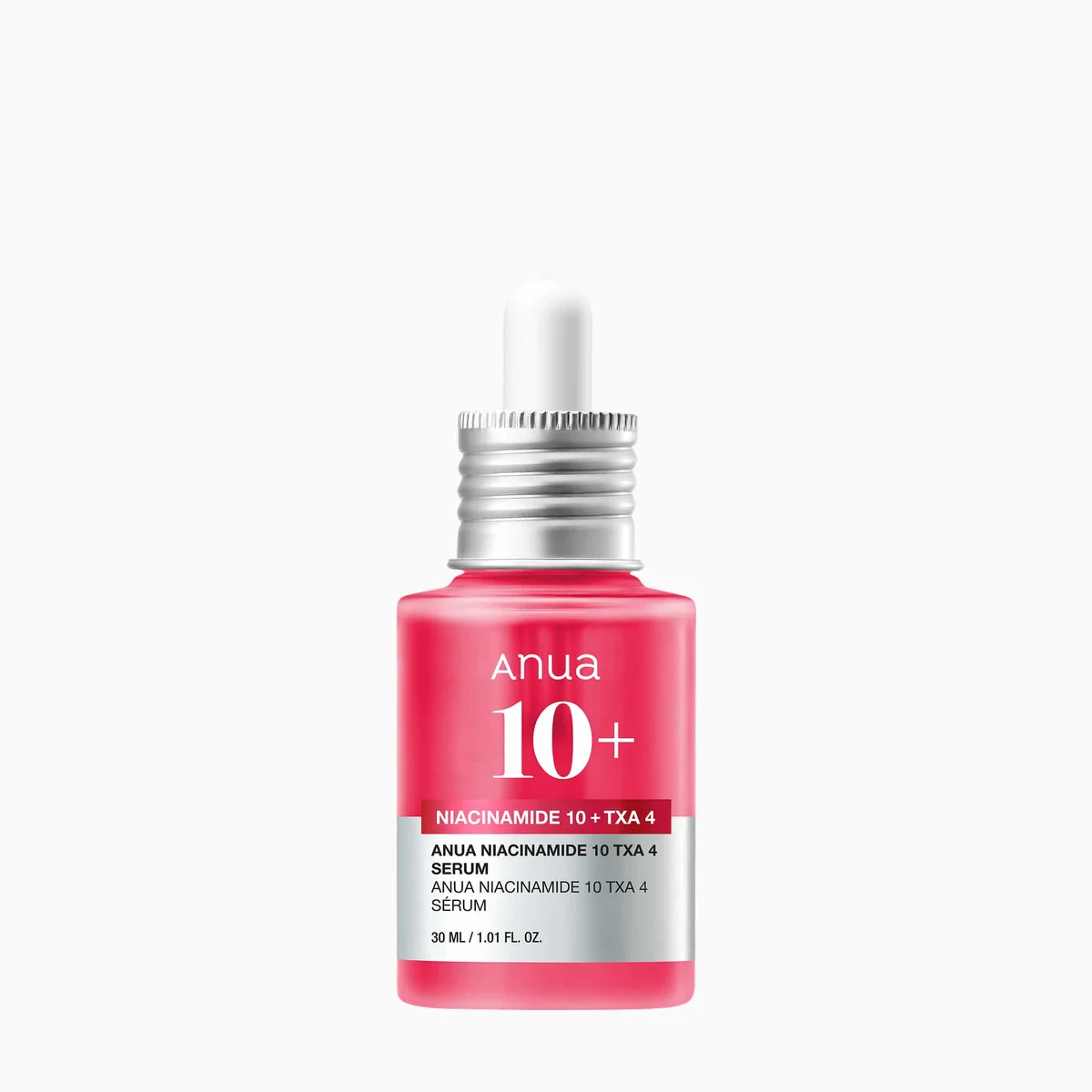 Anua Niacinamide 10% + TXA 4% Dark Spot Correcting Serum
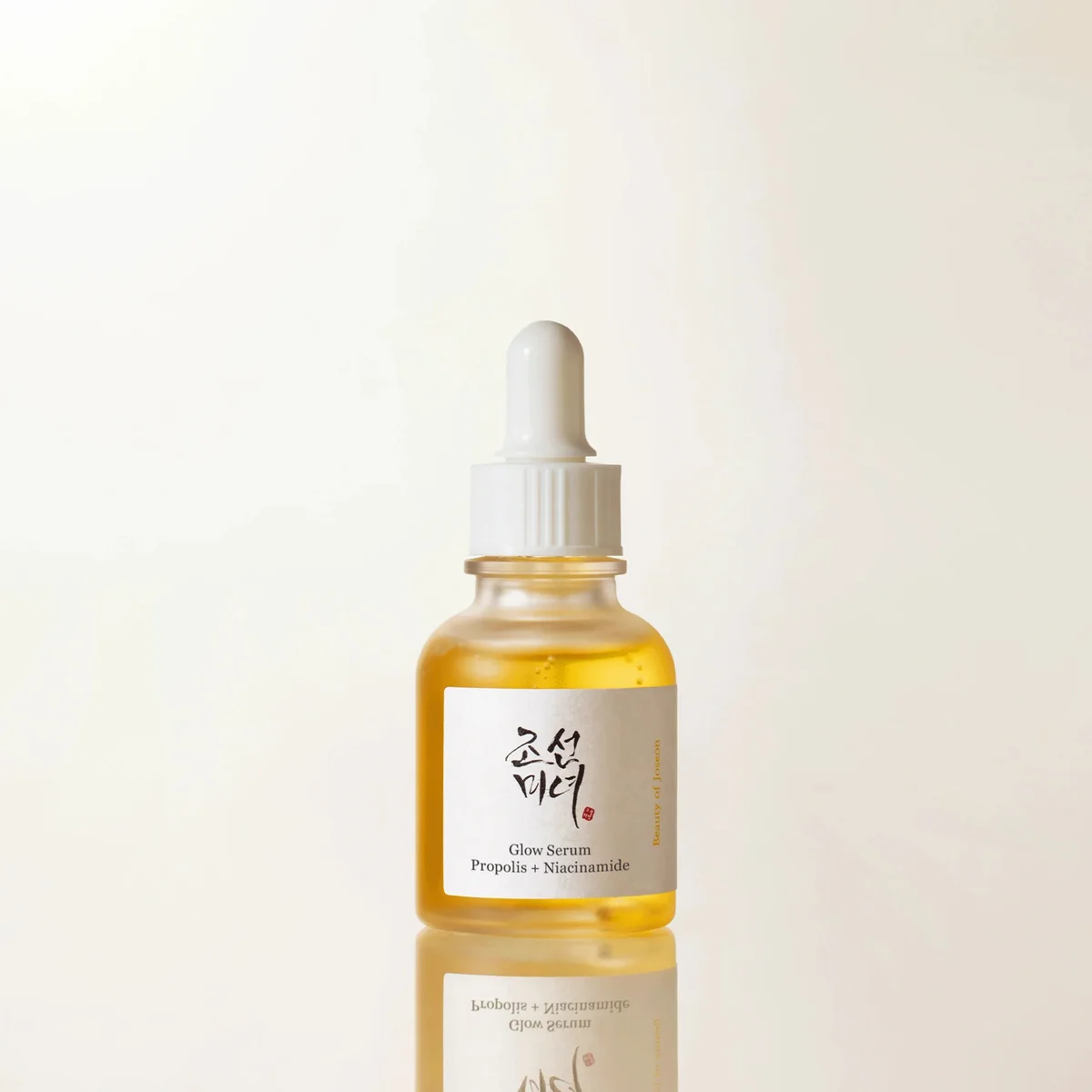 Beauty of Joseon Glow Serum: Propolis + Niacinamide
 COSRX Advanced Snail 96 Mucin Power EssenceCOSRX The 6 Peptide Skin Booster Serum
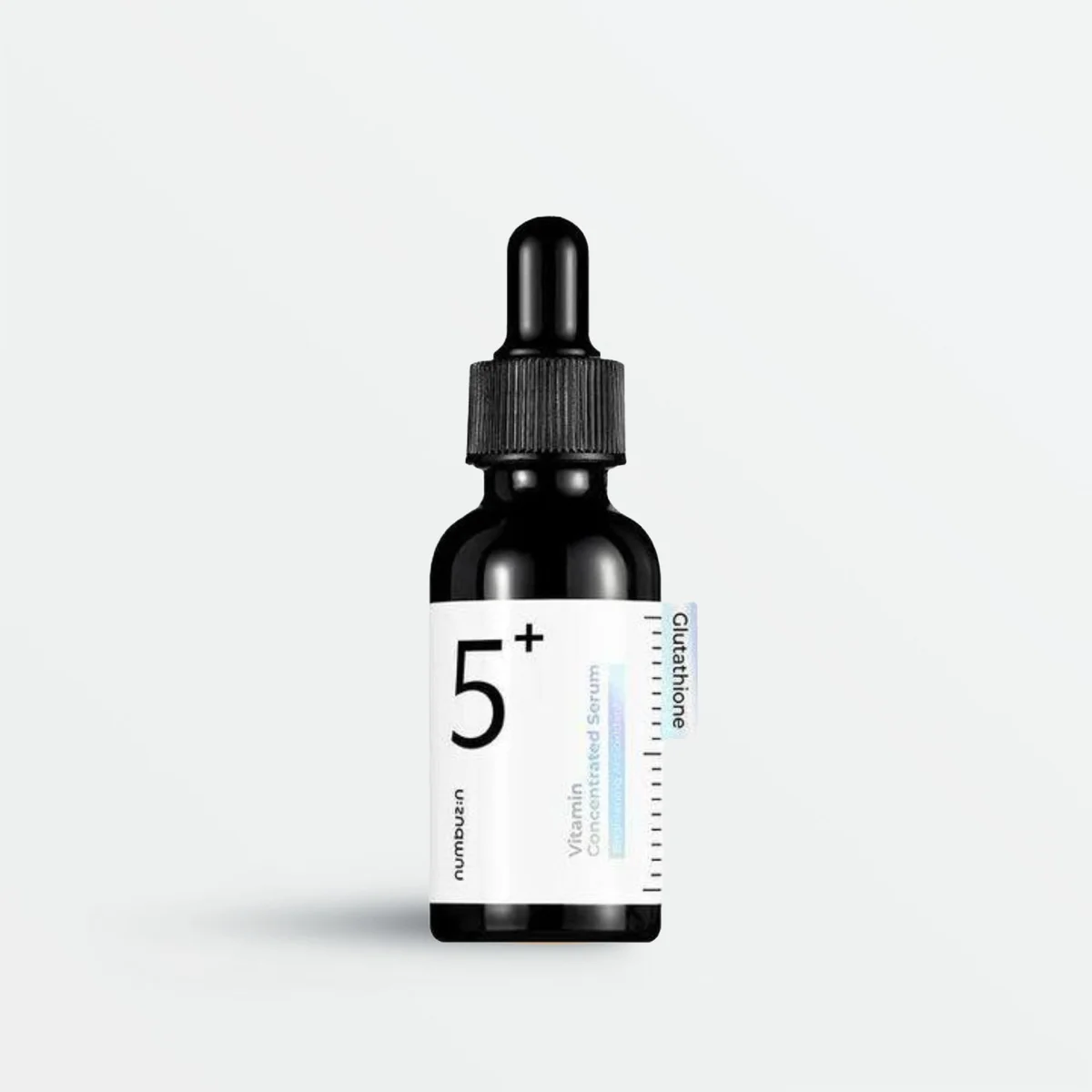 Numbuzin No.5 Vitamin Concentrated Serum
 Peach & Lily Retinal For All Renewing Serum
 Purito Centella Green Level Buffet Serum
 SKIN1004 Madagascar Centella Ampoule
 Sulwhasoo Concentrated Ginseng Rejuvenating Serum
 Sulwhasoo First Care Activating Serum VI
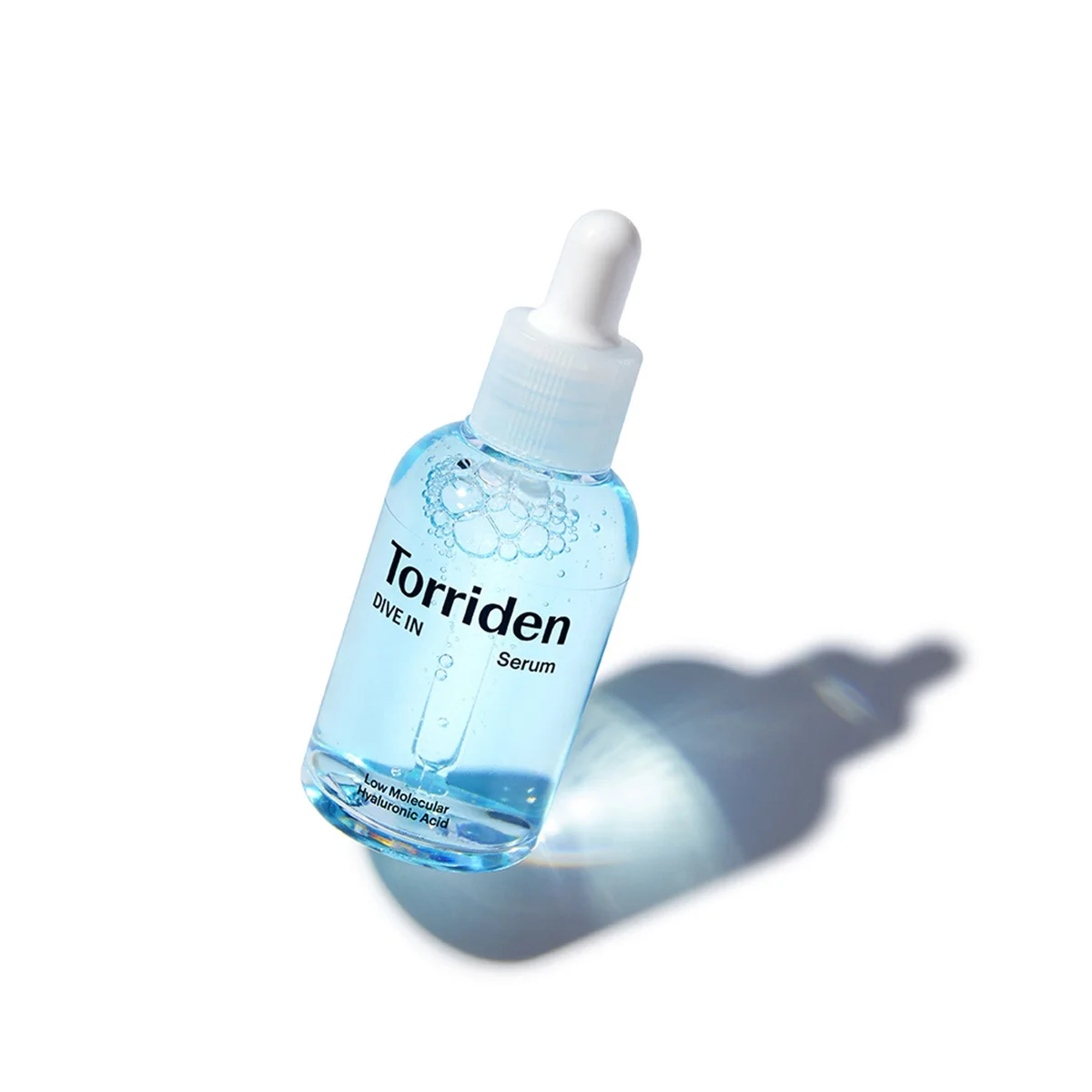 Torriden DIVE-IN Low Molecular Hyaluronic Acid Serum
 Torriden SOLID-IN Ceramide Essence
More on k-beauty serums
Explainer
Fragrance in K-Beauty Serums: When It Is a Problem and When It Is Not
Fragrance is the second most common contact allergen in cosmetics, but it is not a universal skin danger. When to insist on fragrance-free K-beauty serums, and when not to.
Explainer
Does a Higher Niacinamide Percentage Mean a Better K-Beauty Serum?
Clinical trials ran at 2 to 5 percent niacinamide, not 10 or 20. What the label number can and cannot tell you about a K-beauty serum, and how to choose on evidence.
Explainer
K-Beauty Serum vs Essence vs Ampoule: What the Labels Actually Mean
Serum, essence, and ampoule are loose K-beauty terms, not fixed strength tiers. Here is how to read past the label and pick what your skin needs.