Explainer
Why Your Electric SUV Gets Less Range Than the Sticker Says
How the EPA range figure is actually produced, why real-world mileage runs 10 to 30 percent lower, and what that means when two electric SUVs look identical on paper.
Updated November 6, 2026 · Based on 16 sources · How we research
If you are shopping for an electric SUV, you have probably noticed the one number almost every spec sheet leads with: EPA range. It is the number that turns a Kia EV9 into a 280-mile car and a Lucid Gravity Touring into a 400-mile car. It is also a number produced on a laboratory dynamometer at 72 to 75 degrees Fahrenheit, with a highway cycle that averages 48 mph. A Tuesday commute at 72 mph in 35-degree weather is a different test. Most owners report 10 to 30 percent less range than the sticker, and the shortfall varies enough by body shape, battery size, and climate to change which SUV actually wins a side-by-side comparison. This guide explains how the EPA figure is built, where the gap comes from, and how to read two similar-looking EPA numbers so the better car for your driving is the one you actually buy.
How the EPA actually produces that range number
The EPA does not drive an SUV around a loop in Michigan. It tests on a dynamometer, a treadmill for cars, at an ambient 72 to 75 degrees Fahrenheit. The vehicle is charged to full the night before, then run through repeated city and highway cycles until the battery is empty, per the EPA's fuel economy and EV range testing page. The city cycle (UDDS) averages about 20 mph. The highway cycle (HWFET) averages 48 mph with a brief peak at 60 mph. Neither matches how most people drive.
Automakers can choose between a two-cycle test and a longer five-cycle test. The two-cycle version runs only UDDS and HWFET, then multiplies the raw result by a flat 0.7 correction factor to produce the sticker range, lopping 30 percent off the laboratory figure, as The Drive explains. The optional five-cycle test (adding a high-speed US06 pass, an air-conditioning SC03 pass, and a cold-temperature FTP pass) uses measured data from those harder conditions in place of the flat 0.7 multiplier. Many manufacturers stick with the two-cycle default. The city and highway adjusted ranges are then combined 55 percent city, 45 percent highway, which is why the final number weighs city driving more heavily than most SUV owners do.
Two consequences follow. First, the 0.7 multiplier is a blunt instrument that is supposed to cover heat, cold, speed, HVAC load, and aggressive driving all at once. It cannot. Second, the highway cycle is slow by modern standards, so any vehicle whose owners drive mostly at 70 to 75 mph will burn through range faster than the test implies. EPA figures are directionally honest. They are not a promise.
Highway speed is the biggest single range thief
Aerodynamic drag grows with the square of velocity, and the energy needed to overcome it grows with the cube. The jump from 48 mph (the EPA highway cycle average) to 70 mph is close to a doubling of drag power. This is why independent 70-mph highway tests are the most useful counterweight to the sticker. InsideEVs' long-running 70-mph test series finds Tesla vehicles typically return 10 to 13 percent less than their official rating, while several European luxury SUVs match or beat theirs.
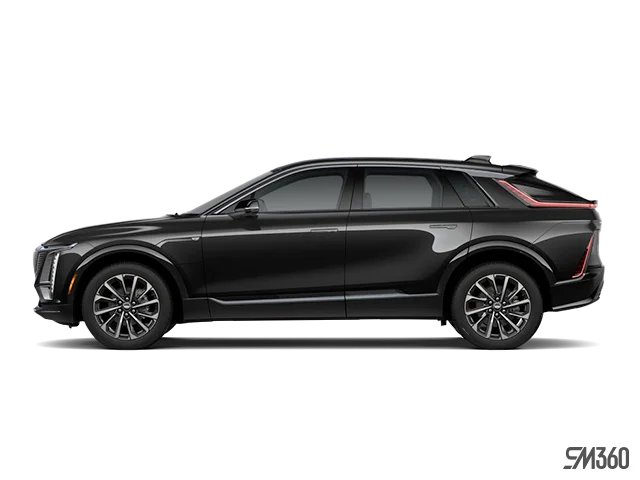
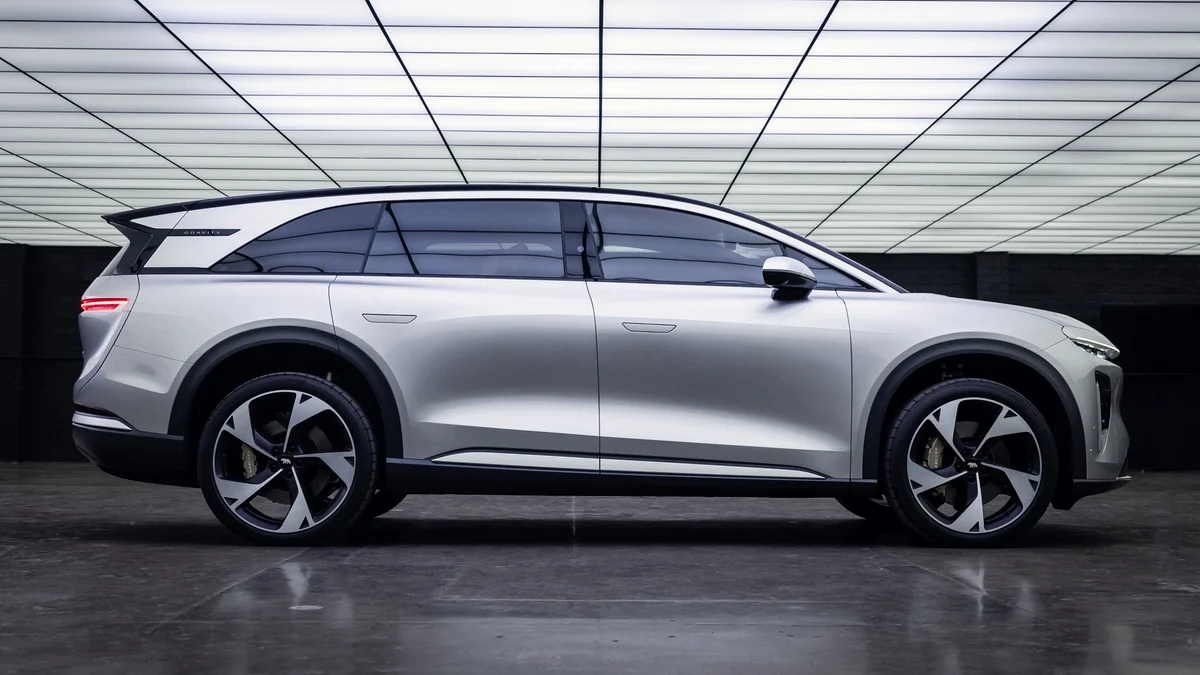
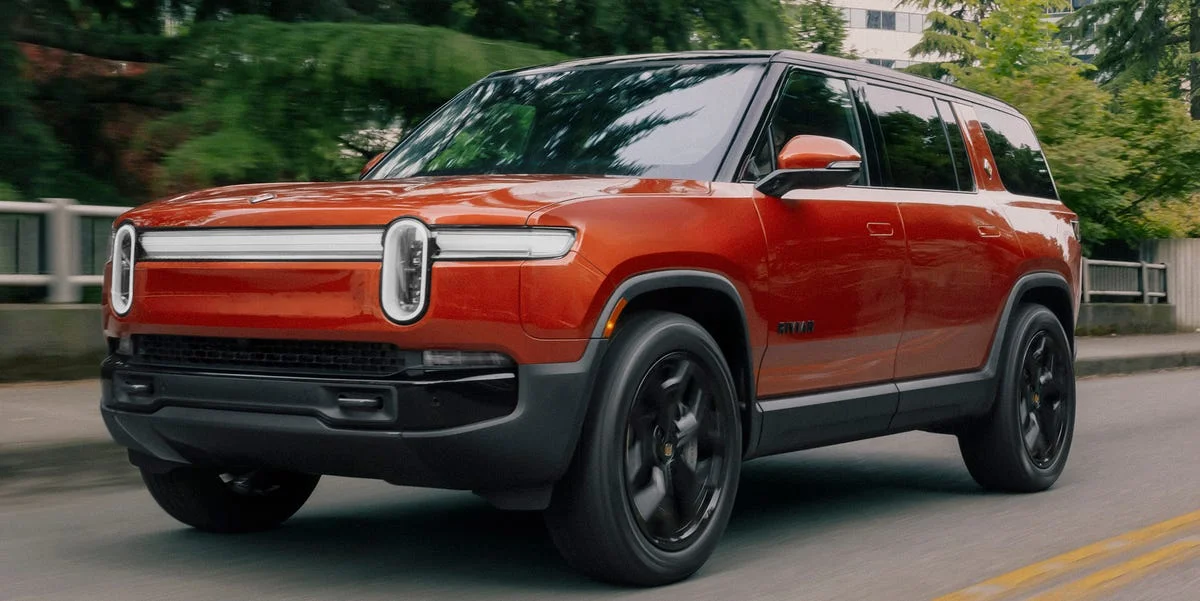
A few concrete numbers from SUVs ranked on RankGrids. Car and Driver's 75-mph highway test of the Kia EV9 GT-Line returned 240 miles, about 88 percent of the GT-Line's 270-mile EPA combined estimate. Consumer Reports' 70-mph highway test of a Rivian R1S Dual-Motor Max returned 358 miles against a 410-mile EPA estimate, a 13 percent shortfall; that is the long-range dual-motor trim, not the 352-mile R1S Quad-Motor in the RankGrids ranking. Edmunds' range test of the Lucid Gravity Grand Touring (a longer-range trim than the 400-mile Touring in the ranking) returned 400 miles on all-season tires against a 450-mile EPA estimate, and 388 miles on performance summer tires against a 407-mile EPA estimate for that configuration, discussed in InsideEVs' writeup of a subsequent retest that reached 401.3 miles after Lucid replaced a faulty rear motor. On the other side, the Cadillac Lyriq rear-wheel-drive version actually beat its EPA combined estimate at 70 mph in InsideEVs testing, running 330 miles against a 312-mile rating.
The practical rule: if a trip is mostly interstate, discount the EPA sticker by about 15 percent before deciding whether an SUV reaches the destination without a stop. Boxy vehicles and performance variants with staggered wheels take a bigger hit than smooth, lower crossovers.
Cold weather really does take a bite, but how big depends on the SUV
Recurrent, an EV analytics company, has pulled telematics data from more than 18,000 vehicles across recent winters. Its headline finding, summarized in its research post, is that EVs retain about 80 percent of their range at freezing temperatures on average, with individual models ranging roughly from 54 to 89 percent retention. The U.S. Department of Energy's September 2024 report on cold ambient temperature impact on BEV performance (DOE Vehicle Technologies Office record) reaches a similar conclusion.
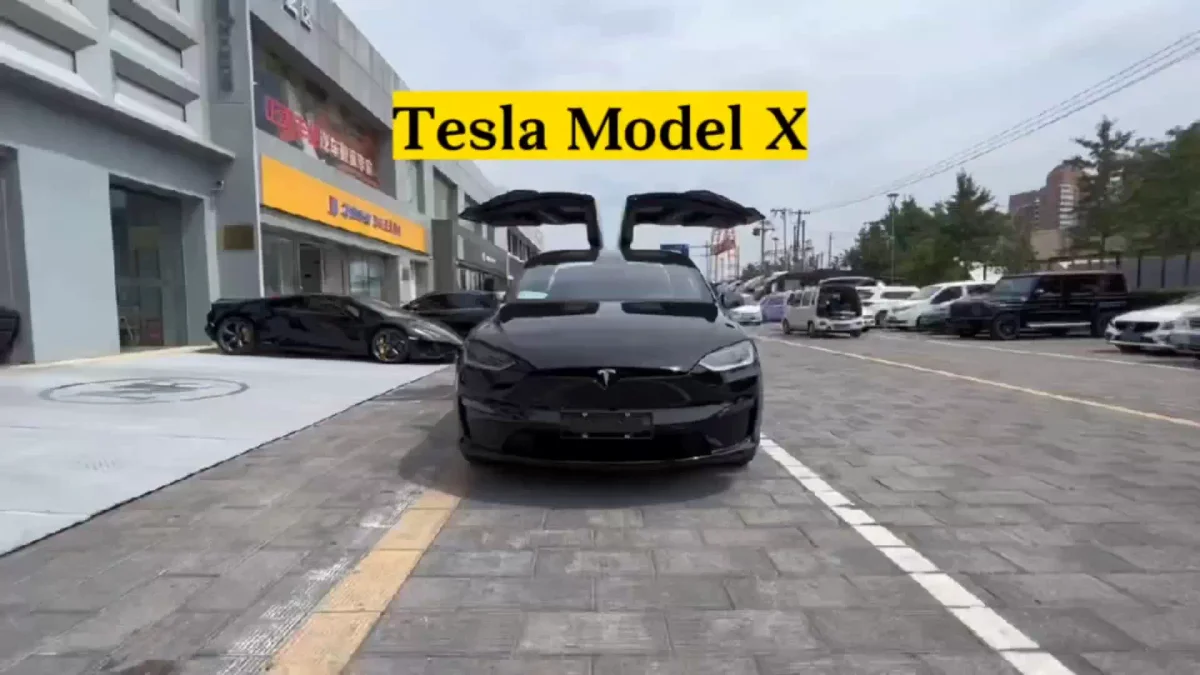
The spread between individual models is wide. Recurrent found the Tesla Model X kept 89 percent of range in cold conditions. The Cadillac Lyriq held 72 percent. The Chevy Equinox EV held 74 to 76 percent depending on the data cut. The Volkswagen ID.4 held only 63 percent. Two mechanical differences explain most of this gap. First, battery pack thermal preconditioning (warming the battery before fast charging or driving) reduces the energy penalty that a cold pack imposes on both driving and charging. Second, heat pumps replace resistive cabin heating with a refrigerant cycle that can pull three to four units of heat out of the air for every unit of electricity spent. Recurrent put the average advantage at roughly 83 percent range retention with a heat pump versus 75 percent without.
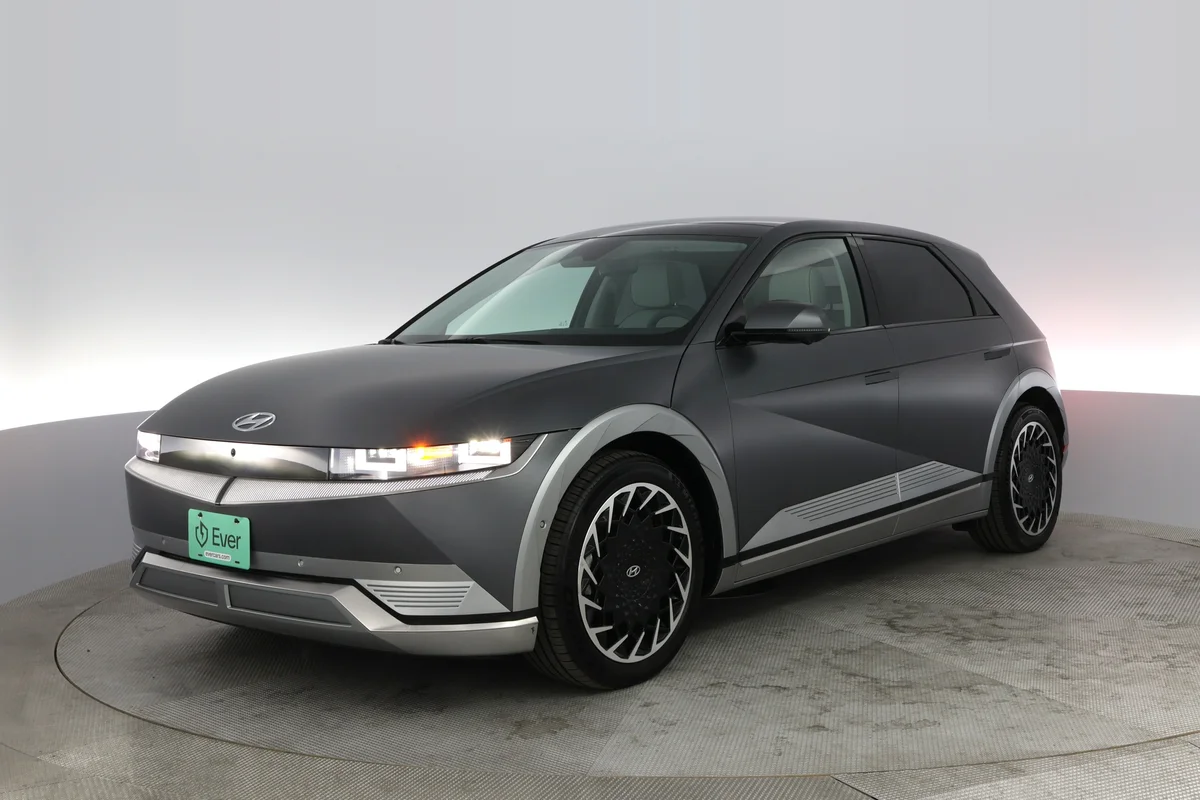
Hyundai and Kia have been refining this since 2014. Their current system, described in Hyundai Motor Group's engineering brief, uses waste heat recovered from the motor and power electronics along with a vapor-injected compressor. In one Korean Ministry of Environment test cited in that brief, the IONIQ Electric retained 76 percent of range in winter after the heat pump upgrade, a roughly 19 percent improvement over the pre-heat-pump configuration. The practical takeaway: for a real winter, a heat pump is not a nice-to-have. Confirm the spec before comparing two SUVs with the same EPA number. The Kia EV9 and Hyundai IONIQ 5 both have one; so do most recent Mercedes, BMW, and Volvo electric SUVs.
Towing cuts range roughly in half, and the trailer matters more than the trailer's weight
This is the one figure where the sticker is not even in the right neighborhood. Real-world towing tests by Consumer Reports, Motor Trend, and other outlets routinely show electric trucks and SUVs losing 40 to 60 percent of their EPA range with a loaded trailer at highway speeds, climbing past 65 percent in cold weather or at the top of the tow rating, as summarized in J.D. Power's towing guide. InsideEVs' long tow test of the Ford F-150 Lightning pulling an Airstream saw it fall to roughly 150 miles between charges, about half its EPA range.
The surprise, if there is one, is that most of this loss is aerodynamic rather than mechanical. A flat-fronted travel trailer at 65 mph sits in the vehicle's slipstream and roughly doubles the frontal area the SUV has to push through the air. A low boat trailer or an open utility trailer with a short load costs far less. Rivian's own guidance for the R1S matches this: the company tells owners to expect about 50 percent range loss near the 7,700-pound maximum rating, and less with lower, lighter trailers.
For regular towing, the practical move is to shop by efficiency and battery size, not by EPA range. A Lucid Gravity pulling a camper will still go farther than a Mercedes EQG pulling the same camper, because the Gravity starts from a much higher efficiency baseline. Plan on roughly half of EPA range between charges, then route through DC fast chargers that can accommodate the trailer without unhitching.
Why boxy SUVs lose to sleek ones with the same battery
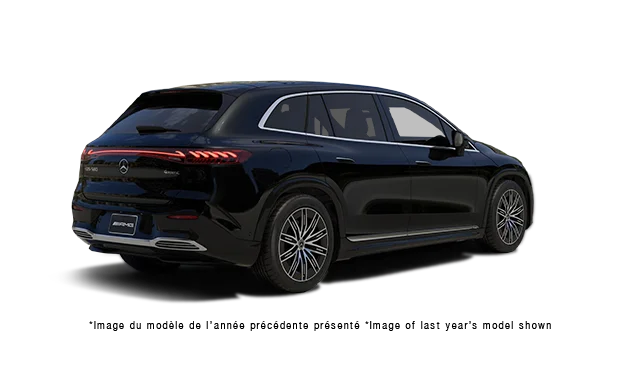
Two SUVs with the same 108 kWh pack can produce very different EPA numbers because body shape governs how much of that energy is wasted shoving air aside. Drag coefficient (Cd) is the common shorthand. The Mercedes EQS SUV 580 runs a 0.26 Cd, the Rivian R1S comes in at around 0.28, and the Nio EC7 claims 0.23, which Green Car Reports calls the lowest ever for a production SUV. Frontal area (how tall and wide the car is, head-on) matters just as much. The product of the two, CdA, is what determines how much power the motor has to spend just pushing air at highway speed.
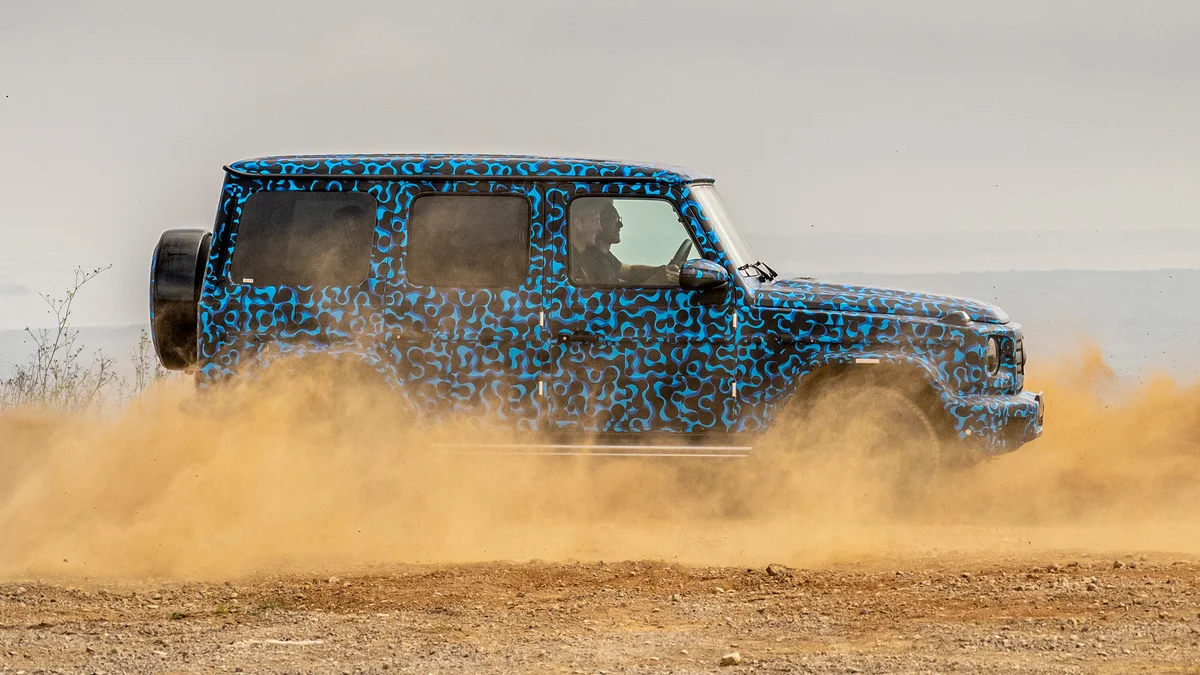
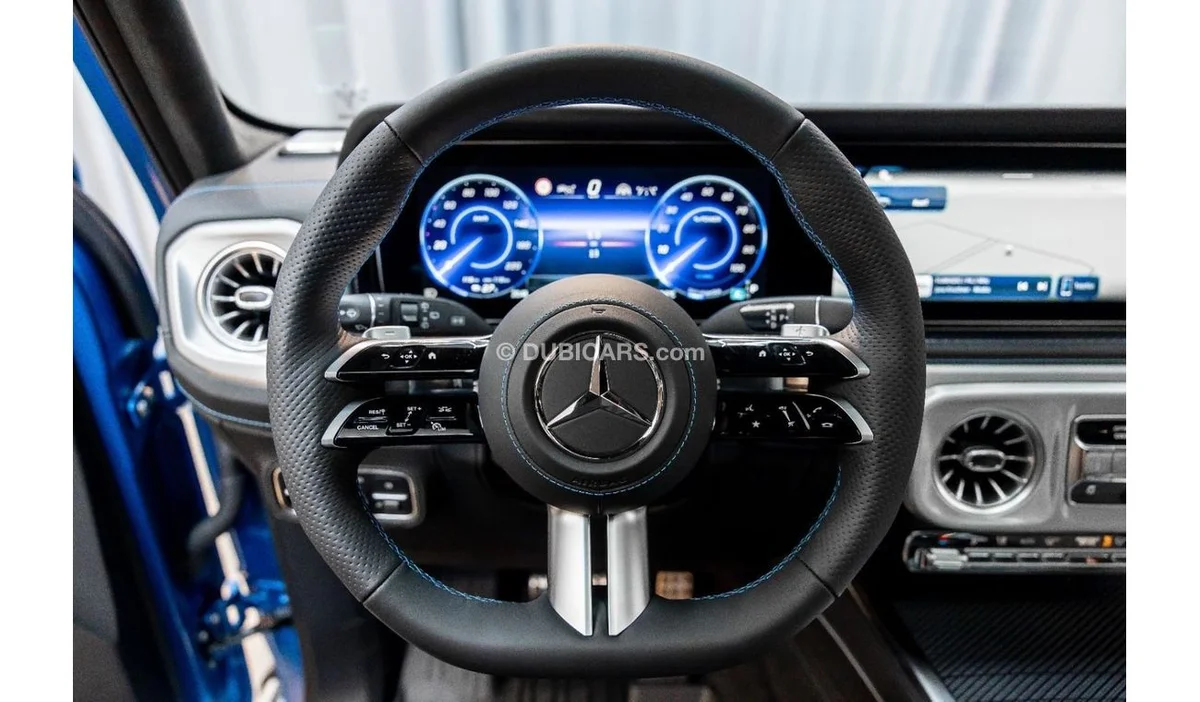
The Mercedes EQG is the textbook demonstration. Its upright G-Wagen silhouette is set up for off-road performance, and EPA range sits noticeably below what a smoother SUV with a similar pack delivers. Mercedes engineers told Autocar the brief was that capability matters more than range. The G is tall, square, and intentionally so. The upside of that honesty: Edmunds' range test of the G 580 (write-up here) beat its EPA estimate at 266 miles, because the EPA number was already conservative for the shape.
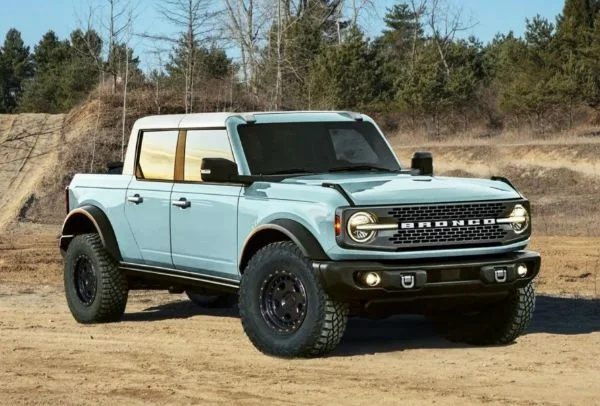
The same logic applies to the Ford Bronco EV and the Mustang Mach-E Rally. Both carry decent battery capacity (95 and 91 kWh), but the Bronco's upright body and the Rally's taller stance and all-terrain tires push drag and rolling resistance up, so their EPA ranges sit below smoother, lower crossovers with similar packs. Off-road capability gets paid for in miles.
| SUV | Battery (kWh) | EPA range | What the shape says |
|---|---|---|---|
| Lucid Gravity Touring 2025 | 112 | 400 mi | Low crossover profile, aggressive aero |
| Mercedes EQS SUV 580 | 108.4 | 285 mi | Rounded luxury SUV, 0.26 Cd |
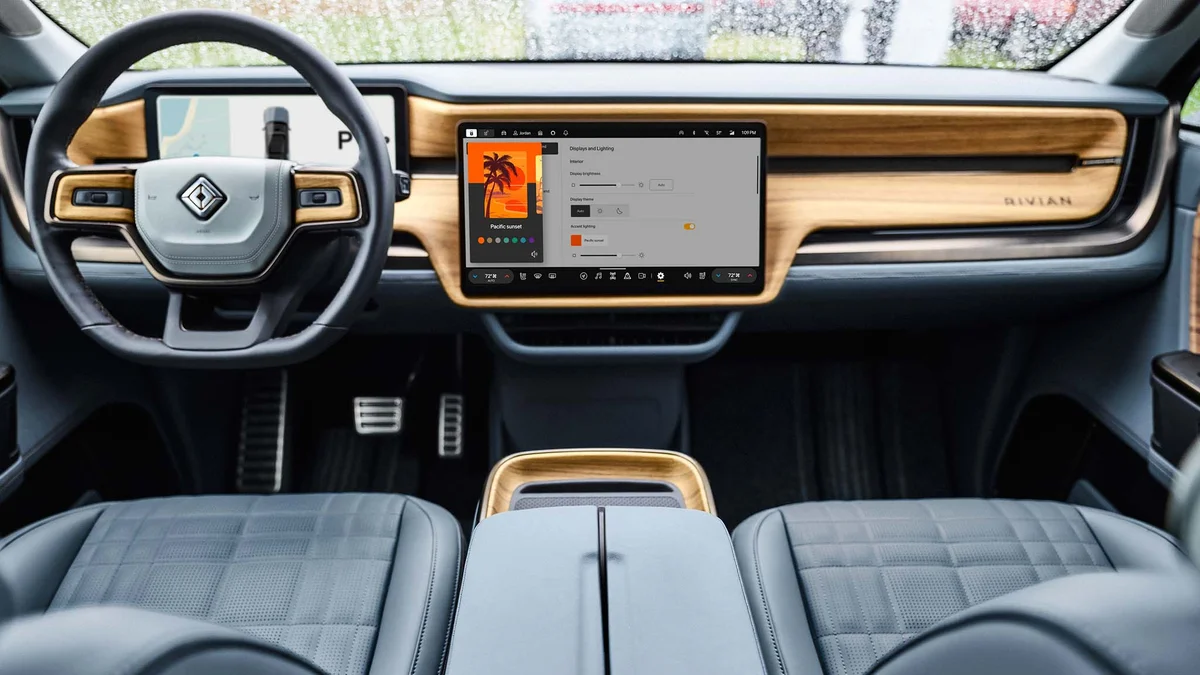
| Rivian R1S Quad-Motor 2025 | 135 | 352 mi | Upright 7-seat, ~0.28 Cd, big battery compensating |
| Mercedes EQG 580 | 108 | 280 mi | Boxy G-Wagen shape, accepted penalty |
| Ford Bronco EV 2026 | 95 | 290 mi | Upright, trail-focused |
| Hyundai IONIQ 5 Limited AWD | 77.4 | 303 mi | Smaller crossover, lighter, efficient |
Reading two similar EPA numbers: what the sticker hides
Two SUVs with nearly identical EPA range can behave very differently in real driving. The Kia EV9 Land AWD lists 280 miles on a 99.8 kWh pack. The Mercedes EQS SUV 580 4MATIC lists 285 miles on a 108.4 kWh pack. Similar effective range, but the EQS uses an extra 9 kWh to get there because it is heavier and lower, asked to haul close to 5,800 pounds. The Kia reaches similar numbers because it is lighter, but it rides taller. Which will hold its range better at 75 mph in February? The Mercedes, usually, because efficiency at highway speed is dominated by drag.
The number to ask about is miles per kWh, not range. A vehicle at 3.3 mi/kWh with an 85 kWh pack delivers roughly the same EPA mileage as one at 2.5 mi/kWh with a 112 kWh pack. In the cold, at speed, or towing, the more efficient car almost always wins, because it starts with less headroom to lose. RankGrids' best-electric-SUVs-2026 ranking weights range at 20 percent of the total score, but if the driving is highway-heavy or winter-heavy, mentally shift that weight toward measured highway efficiency and away from headline EPA.
This matters most when the choice is close. In the flagship electric SUV showdown, the three contenders list within 30 miles of each other on EPA, but the Bronco's shape and all-terrain tires will drop it further below sticker on an interstate run than the Kia or Hyundai. Likewise, the Lucid Gravity vs Rivian R2 vs Kia EV9 comparison pairs a sleek 400-mile Lucid against an upright 300-mile Rivian R2 and a boxier 280-mile Kia. The gap between them in real driving at 72 mph in cold weather is wider than the EPA numbers suggest, not narrower.
The short version
EPA range is a conservative laboratory estimate, not a prediction. For a well-shaped electric SUV in mild weather, expect to land within 10 to 15 percent of the sticker. For a boxy or tall one, in winter, at 75 mph, or with a trailer, expect 25 percent off, sometimes more. For mostly moderate weather under 65 mph, the number on the sticker is close enough to decide between two cars. For lots of interstate, cold climates, or towing, prioritize the SUV with the lower drag shape, the heat pump, and the higher measured highway efficiency, not just the bigger EPA number. A Lucid Gravity Touring, a Mercedes EQS SUV, and a Cadillac Lyriq hold their range better at speed than vehicles with equivalent EPA figures and boxier bodies. A Mercedes EQG and a Ford Bronco EV trade range for capability and are honest about it. Match the vehicle's shape to the actual driving pattern and the sticker becomes a lot more useful.
See Best Electric Suv 2026Questions people ask
Why does my EV get less range than advertised?+
The advertised number is an EPA estimate built from a laboratory dynamometer test at 72 to 75 degrees Fahrenheit, with a highway cycle averaging 48 mph. Most owners drive faster, in more varied temperatures, and with more HVAC load. A flat 0.7 correction factor is applied in the basic two-cycle test, but it cannot fully model winter, sustained 75-mph driving, or a loaded roof. The resulting real-world shortfall averages 10 to 15 percent and can exceed 30 percent in tough conditions.
How accurate is EPA range for electric SUVs?+
Directionally accurate, not literally. A Consumer Reports study of 22 EVs on a steady 70-mph highway run found roughly half fell short of EPA, with underperformers (the Ford F-150 Lightning, Lucid Air Touring, Tesla Model S Long Range) missing by 39 to 50 miles and overperformers (the Mercedes EQE 350, BMW iX xDrive50, BMW i4 M50) beating the sticker by 46 to 72 miles. Independent 70-mph tests from Edmunds and InsideEVs land most SUVs at 80 to 90 percent of EPA. Some models (the Cadillac Lyriq RWD, the Mercedes G 580, certain European luxury EVs) actually exceed their EPA figure in these tests. Others fall further short, especially boxy or performance-tire-equipped trims.
What is the real-world range of electric SUVs?+
For most recent luxury and mainstream electric SUVs in mild weather at 70 to 75 mph, plan on 70 to 90 percent of the EPA sticker. A 300-mile EPA SUV typically delivers 230 to 270 real miles on an interstate run. In winter the figure drops another 15 to 25 percent. Specific tests: the Kia EV9 GT-Line returned 240 miles at 75 mph in Car and Driver testing against a 270-mile combined EPA; the Rivian R1S Dual-Motor Max returned 358 miles against a 410-mile EPA figure in Consumer Reports testing; the Lucid Gravity Grand Touring returned 388 to 401 miles in Edmunds and InsideEVs testing against EPA estimates of 407 to 450 miles depending on tire choice.
Does cold weather reduce EV range?+
Yes, significantly. Recurrent's 18,000-vehicle study found an average 20 percent range loss at freezing temperatures, with individual models ranging roughly from 54 to 89 percent retention. The Tesla Model X held 89 percent of range in cold conditions; the VW ID.4 held 63 percent. EVs with heat pumps retained about 83 percent of range on average, versus 75 percent for those without. Preconditioning the battery while plugged in reduces the loss.
Why does highway driving drain my EV faster?+
Aerodynamic drag grows with the square of velocity, and the power needed to overcome it grows with the cube. The EPA highway cycle averages 48 mph, so 70 to 75 mph driving burns far more energy per mile than the test captures. EVs also give up their biggest efficiency advantage, regenerative braking, at a steady cruise. Count on roughly 15 percent less range at 70 mph than the combined EPA number suggests, more for tall or heavy SUVs.
How much range do you lose towing with an electric SUV?+
Plan on 40 to 60 percent range loss with a trailer at highway speed, climbing past 65 percent with a tall camper, in cold weather, or near the tow rating. InsideEVs' long tow test of the Ford F-150 Lightning pulling an Airstream saw it fall to roughly 150 miles between charges, about half its EPA range. Rivian itself tells R1S owners to plan on about a 50 percent drop near the 7,700-pound maximum rated tow. Most of the loss is aerodynamic, so a low boat trailer costs far less than a tall travel trailer of the same weight.
Why do boxy SUVs get worse range than sleek ones with the same battery?+
Because drag, not battery size, dominates highway energy use. The boxy Mercedes EQG and the smoother Mercedes EQS SUV 580 both carry batteries in roughly the 108 kWh range, but the EQS's lower drag coefficient (around 0.26) lets it deliver a higher EPA range than the upright G-Wagen. Mercedes rates the EQG honestly, and Edmunds' range test exceeded its EPA number at 266 miles. Capability has an aerodynamic cost, and manufacturers pay it in range.
Sources
What this guide is based on. We research from published specifications, independent reviews and owner reports; we did not test these products ourselves.
- 1.Fuel Economy and EV Range Testing, U.S. Environmental Protection Agency
- 2.Here's How The EPA Determines EV Range, The Drive
- 3.Real Range for Electric Cars by Temperature and Weather, Recurrent
- 4.Impact of Cold Ambient Temperature on BEV Performance (September 2024), U.S. Department of Energy, Vehicle Technologies Office
- 5.Real-World EV Range Tests: Models That Beat EPA Estimates, Consumer Reports
- 6.Consumer Reports Says Nearly Half Of EVs Tested Fall Short Of EPA Range Estimates, Motor1
- 7.The Lucid Gravity Bungled Its First Range Test. But It Just Redeemed Itself, InsideEVs
- 8.Tested: 2026 Lucid Gravity Is Quick but Falls Short on Range, Edmunds
- 9.2025 Mercedes-Benz G 580 EV Tested: Our New Favorite G-Wagen, Edmunds
- 10.The Cadillac Lyriq Demonstrates Amazing Highway Driving Range, InsideEVs
- 11.What's The Real World Highway Range Of Today's Electric Cars?, InsideEVs
- 12.Ford F-150 Lightning Real-World Towing Test: How Far Can It Go?, InsideEVs
- 13.How Is EV Driving Range Impacted by Towing?, J.D. Power
- 14.Hyundai/Kia's EV Heat Pumps a Benchmark for Other Brands, Hyundai Motor Group
- 15.Nio EC7 flagship EV: The most aerodynamic SUV in the world?, Green Car Reports
- 16.Mercedes-Benz G-Class electric review, Autocar
Products mentioned
 Cadillac LYRIQ Sport AWD 2024
 Ford Bronco EV 2026Ford Mustang Mach-E Rally 2024
 Hyundai IONIQ 5 Limited AWD 2024Kia EV9 Land AWD 2024
 Lucid Gravity Touring 2025
 Mercedes-Benz EQG 2025
 Mercedes-Benz EQG 580 2025
 Mercedes-Benz EQS SUV 580 4MATIC 2024
 Rivian R1S Dual-Motor 2024
 Rivian R1S Quad-Motor 2025
 Tesla Model X Plaid 2024
More on electric suvs
Explainer
What 'Autopilot,' 'Full Self-Driving,' and Other Driver-Assist Names Actually Do
A plain-English breakdown of every driver-assist badge on today's electric SUVs: what Tesla Autopilot, FSD, Ford BlueCruise, GM Super Cruise, Rivian Driver+, Hyundai HDA 2, BMW Highway Assistant, Volvo Pilot Assist, Lucid DreamDrive Pro and Mercedes Drive Pilot genuinely do.
Explainer
EV Charging Explained: Level 1, Level 2, and DC Fast Charging, and What You Actually Need at Home
What hardware you need at home, what charging costs in public versus at home, and how to plan an electric SUV road trip without range anxiety.
Buying guide
How to Choose an Electric SUV: The Decisions That Actually Matter
The four gates every electric SUV buyer should clear before picking a model: home charging, real-world range, towing, and the ownership math on your timeline.