Explainer
What 'Autopilot,' 'Full Self-Driving,' and Other Driver-Assist Names Actually Do
A plain-English breakdown of every driver-assist badge on today's electric SUVs: what Tesla Autopilot, FSD, Ford BlueCruise, GM Super Cruise, Rivian Driver+, Hyundai HDA 2, BMW Highway Assistant, Volvo Pilot Assist, Lucid DreamDrive Pro and Mercedes Drive Pilot genuinely do.
Updated November 6, 2026 · Based on 17 sources · How we research
Electric SUVs now ship with branded driver assistance that sounds like science fiction: Full Self-Driving, Autopilot, DreamDrive, Pilot Assist, BlueCruise, Super Cruise. The names suggest the car is in charge. In every electric SUV you can buy in the United States in 2026, that is false. Not one is self-driving. All are SAE Level 2, which means the human driver is legally and physically responsible for everything the car does on the road. This guide reads the fine print on every major badge on the market, names what each system genuinely helps with, and flags where the marketing is misleading. If you are comparing systems across our Best Electric SUVs 2026 list and trying to decide how much weight to give Autopilot or BlueCruise in the decision, start here.
What 'Level 2' actually means, and why Level 3 is almost nowhere
SAE International publishes the standard everyone uses: six levels of driving automation from 0 to 5. Level 2 means the car can steer, accelerate and brake together under specific conditions, but the driver must monitor the road continuously and be ready to take over at any moment. Level 3 is the next step up: the car monitors its own environment and lets the driver disengage, subject to a handover request when conditions exceed its operating design. Levels 4 and 5 remove the human entirely in defined areas (Level 4) or everywhere (Level 5). Everything sold to US consumers for personal use today is Level 2 or below, no matter what the badge says (Synopsys).
Mercedes-Benz DRIVE PILOT, which operated below roughly 40 mph in dense traffic on specific California and Nevada highways, was the only certified Level 3 system ever sold in America on a personal car. It appeared only on the S-Class sedan and the EQS sedan. In January 2026 Mercedes paused Drive Pilot for the next S-Class and the EQS facelift, citing high cost and low customer uptake, and is replacing it with a Level 2 system called MB.Drive Assist Pro (electrive). The EQS SUV and EQG in our rankings have always used the Level 2 Driver Assistance Package, not Drive Pilot.
Does Tesla Full Self-Driving actually drive itself?
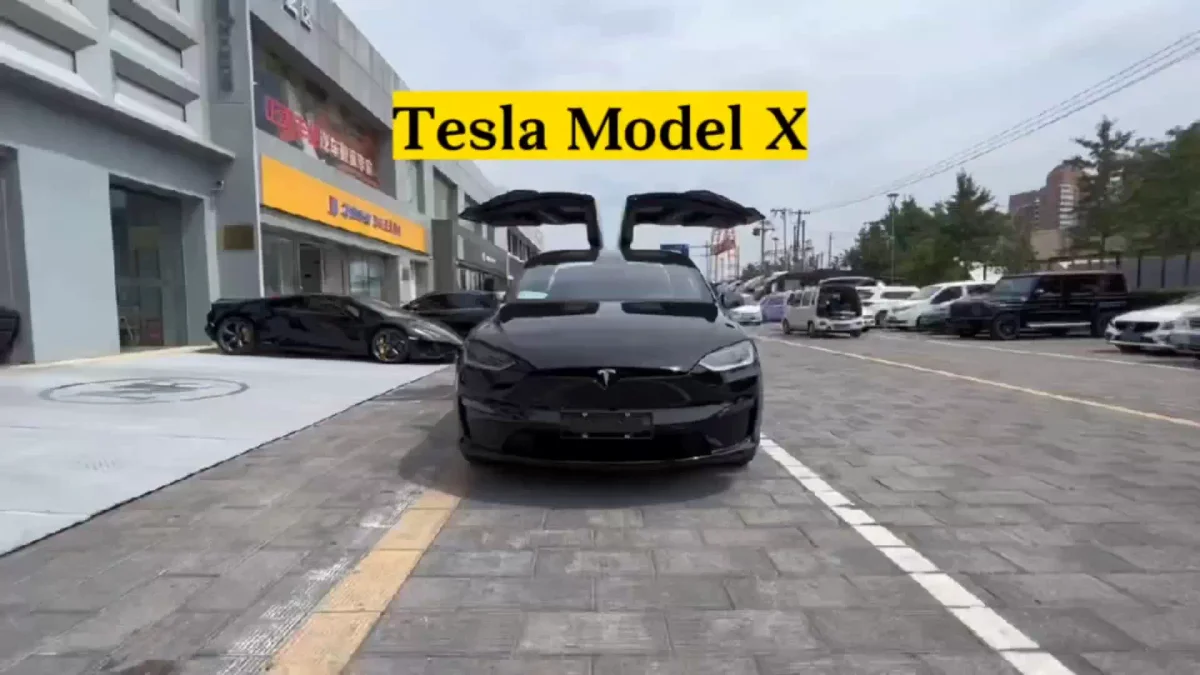
No. Tesla sells two feature tiers on the Model X Plaid and Model Y Performance. Autopilot ships standard and provides adaptive cruise control plus lane centering on highways. Full Self-Driving (Supervised) adds city-street handling, traffic-light and stop-sign recognition, automated lane changes, and navigation from point to point. Both are SAE Level 2. The word 'Supervised' that Tesla added to the FSD name in 2024 is a legal admission that the driver remains fully responsible. The feature set is broader than Autopilot's; the human's job is identical.
The discrepancy between the brand name and the capability is why Tesla keeps collecting federal investigations. In October 2025 NHTSA opened a probe of about 2.88 million Teslas after more than 50 reported traffic violations and multiple crashes with FSD engaged, including running red lights, driving the wrong way, and crossing double yellow lines (CBS News). An earlier probe opened after a fatal November 2023 pedestrian strike in Rimrock, Arizona and three other low-visibility crashes where FSD failed to detect obscured conditions and warned the driver only fractions of a second before impact (NBC News).
Tesla began offering a Robotaxi service in Austin in June 2025, and in January 2026 Elon Musk announced that some Model Ys in that fleet now operate without an in-car safety monitor (Electrek). That is a geofenced Level 4 pilot with remote Tesla employees available. It is not the same product as the Full Self-Driving Capability you paid for on your Tesla Model X Plaid. The retail feature is still Level 2 and will refuse to engage without a driver in the seat.
What does BlueCruise do vs Autopilot?
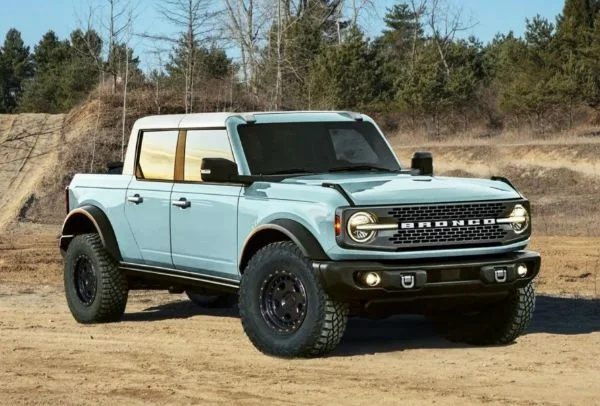
Ford BlueCruise, the system in the Ford Bronco EV and the Mustang Mach-E Rally, is the first truly hands-free system to score highest in a major independent review. On roughly 130,000 miles of pre-mapped North American divided highways that Ford calls Hands-Free Blue Zones, you can take your hands off the wheel and an infrared camera watches your eyes to verify you are still looking at the road (Consumer Reports). Off the mapped network BlueCruise still provides lane centering and adaptive cruise, but you keep a hand on the wheel.
In CR's latest active-driving-assistance ranking BlueCruise scored 84 out of 100, GM's Super Cruise 75, and Tesla's Autopilot 61 (Kelley Blue Book). The gap is almost entirely about driver monitoring. The infrared eye camera used by BlueCruise and Super Cruise is harder to defeat than Tesla's steering-wheel torque sensor, and BlueCruise prompts the driver in advance of complex scenarios like merges or sharp curves.
That ranking does not mean BlueCruise is safe to trust. NHTSA has three open BlueCruise investigations tied to two fatal 2024 Mustang Mach-E crashes that killed three people. In both, a Mach-E on BlueCruise struck a stationary vehicle at over 70 mph at night. Investigation documents revealed that BlueCruise is programmed to ignore stationary objects above 62 mph, and in one crash the driver-monitoring camera logged the driver looking at the center infotainment screen for the five seconds before impact (Forbes, autoevolution).
Super Cruise, Driver+, HDA 2 and the rest, decoded
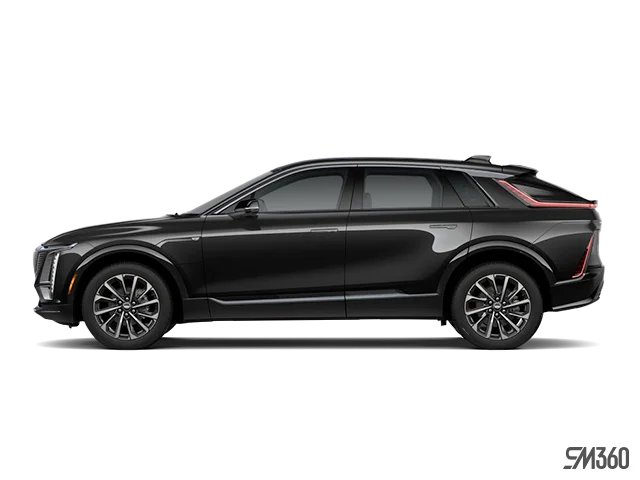
GM Super Cruise is the hands-free system on the Cadillac LYRIQ Sport AWD. It works on about 750,000 miles of pre-mapped controlled-access highways and a growing set of non-divided roads, and uses an infrared camera to confirm the driver is watching the road. Unlike BlueCruise, Super Cruise will not engage off the mapped network. Automated lane changes and trailer-tow support are included. CR rates it below BlueCruise mainly on ease of use: the instrument cluster offers few cues when the system is about to hand control back (Yahoo Autos).
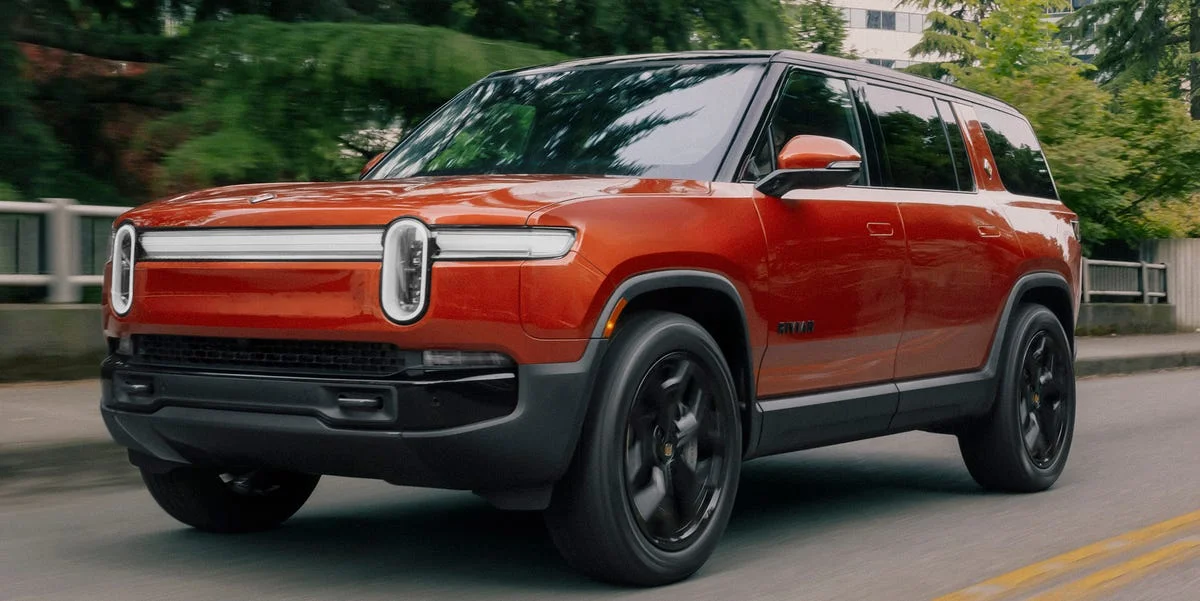
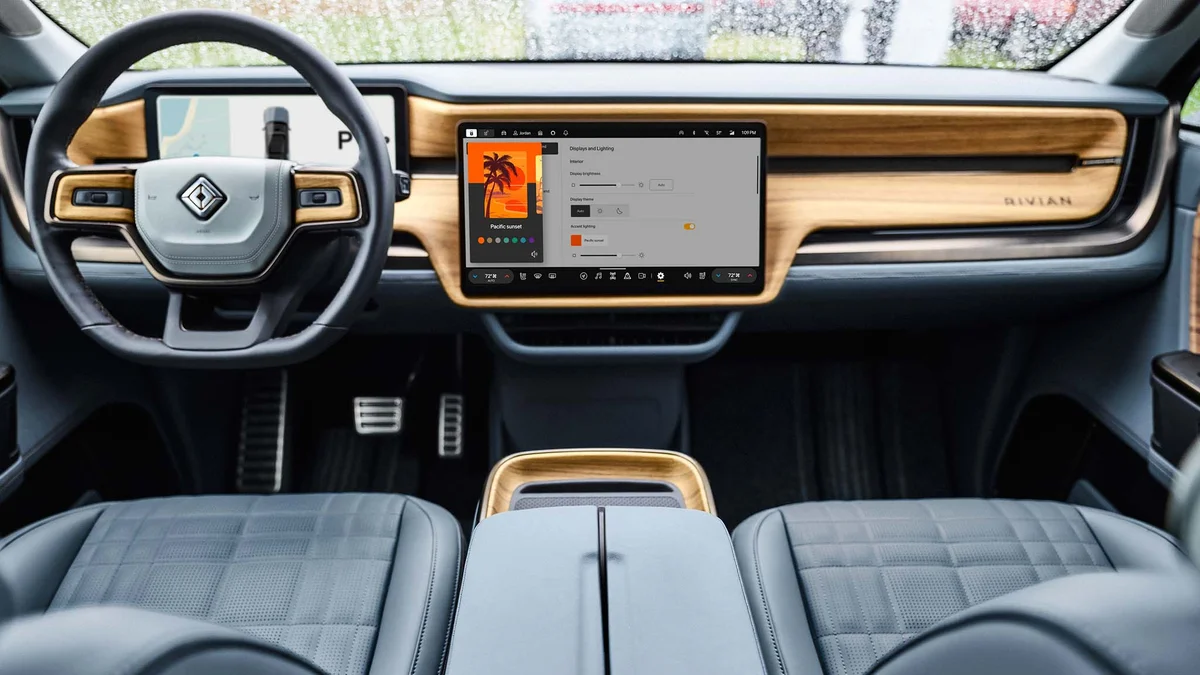
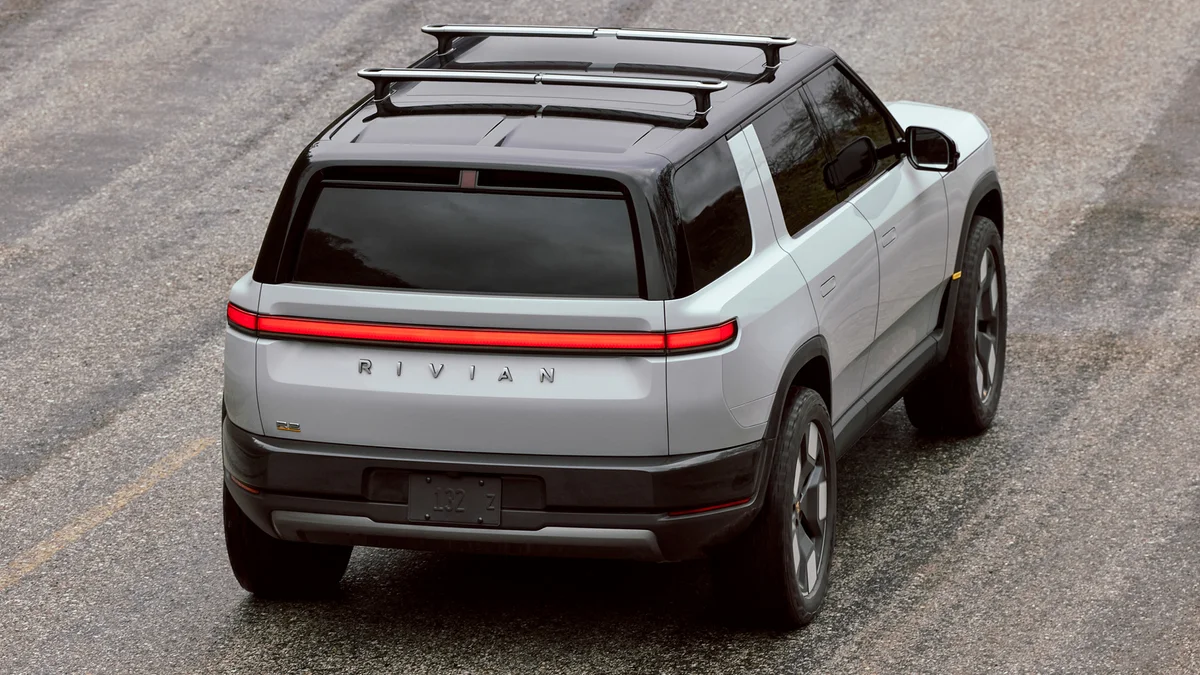
Rivian Driver+ was, until 2025, a Level 2 system that kept your hands on the wheel, offering adaptive cruise and lane keeping, nothing more. In 2025 Rivian pushed Enhanced Highway Assist over the air, adding hands-free operation on divided highways with a driver-attention camera (Wards Auto). The Rivian R1S Quad-Motor and R1S Dual-Motor already have the hardware, and the Rivian R2 arriving in 2026 ships with Enhanced Highway Assist from launch.
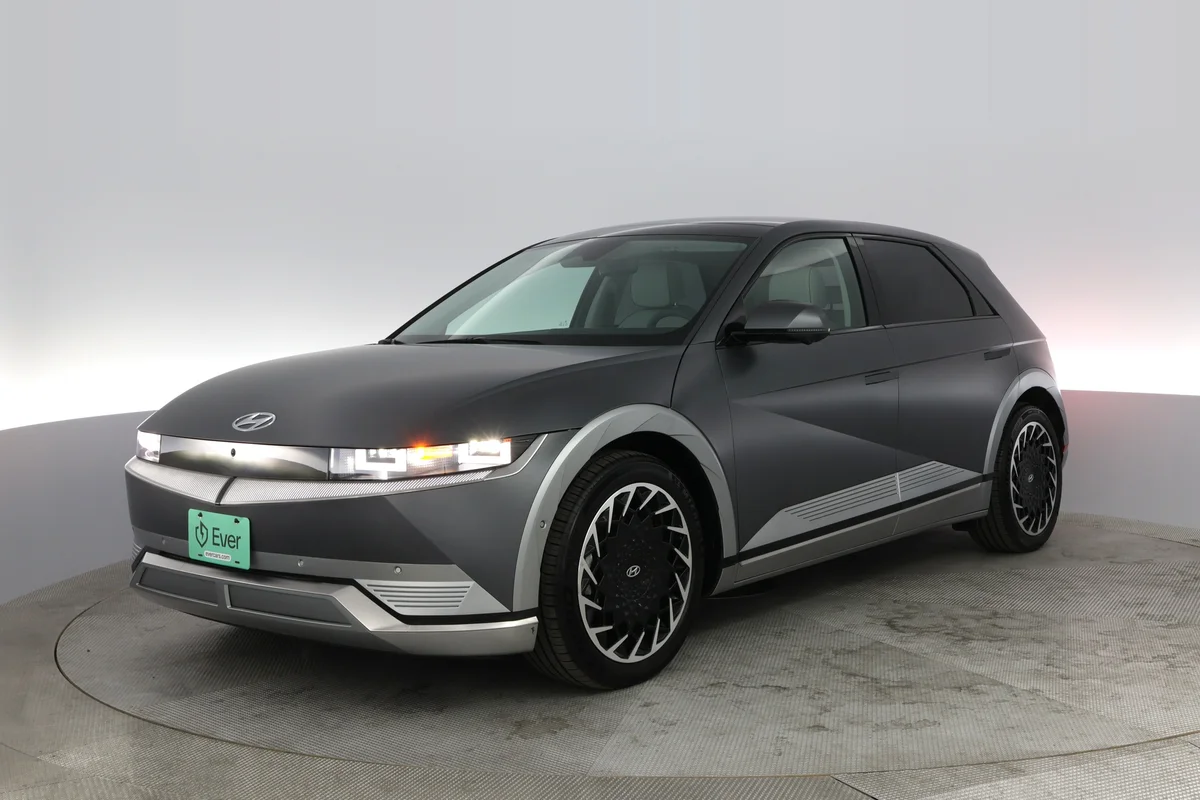
Hyundai-Kia Highway Driving Assist 2 is the system badged on the Kia EV9 Land AWD, the Hyundai IONIQ 5 Limited and the Genesis GV70 Electrified (as Highway Driving Assist II). It deliberately keeps your hands on the wheel. A capacitive sensor in the steering-wheel rim checks for touch, not torque. Let go for about 15 seconds and the car chimes, then slows down, then flashes hazards and pulls over. HDA 2 centers the lane, matches a set distance to the car ahead, and performs a signal-triggered lane change when the sensors agree it is safe. No pre-mapped Blue Zone network is required because the system never tries to go hands-free.
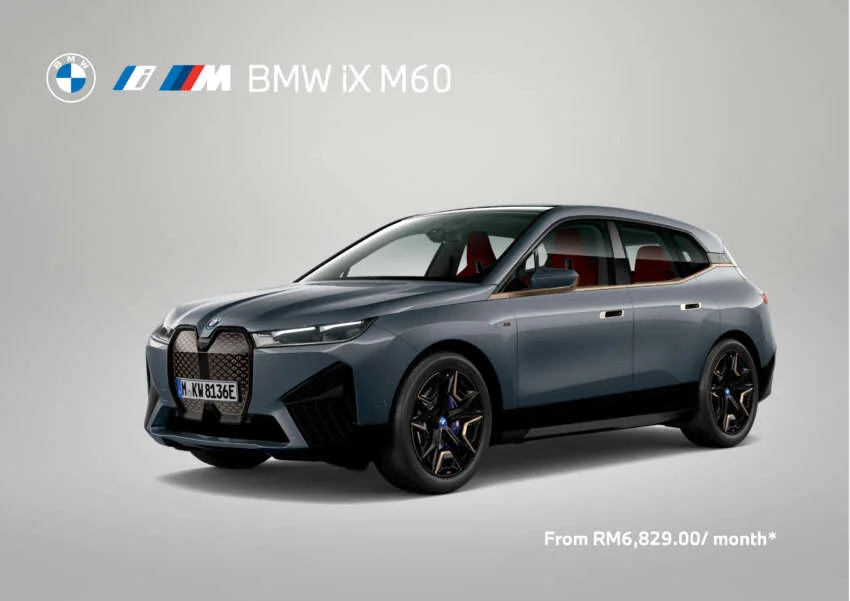
BMW Driving Assistant Professional is the package on the BMW iX M60. BMW's Highway Assistant can operate hands-free up to roughly 85 mph on divided US highways and uses eye-gaze confirmation for lane changes: look at the side mirror and the car moves over (BMW Blog). BMW claims more than 200 million kilometers of hands-free customer driving to date (BMW Group). Like Super Cruise, it disengages in construction zones and roadworks with unclear markings.
Volvo Pilot Assist on the Volvo EX90 Twin Motor Performance deliberately keeps your hand on the wheel, despite the EX90 carrying a roof-mounted Luminar LiDAR that the hands-free competition does not have. Volvo pitches LiDAR as a safety backstop that sees pedestrians and stopped vehicles earlier in darkness or direct sunlight, not as a mobility upgrade. Pilot Assist adds driver-confirmed lane changes and will drop out if you ignore hand-off-wheel prompts (Digital Trends).
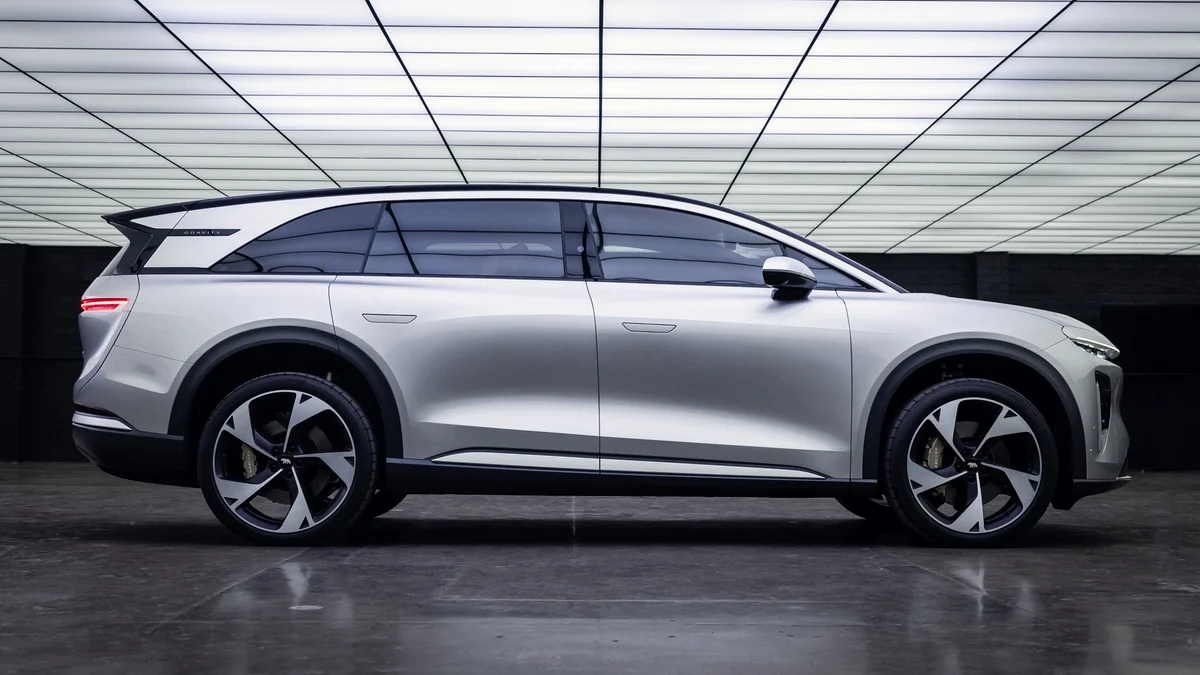
Lucid DreamDrive Pro on the Lucid Gravity Touring went hands-free on North American highways by software update in 2026, adding Hands-Free Drive Assist, Hands-Free Lane Change and automatic overtakes (Lucid Motors). A Forbes reviewer estimated DreamDrive handled over 90% of pure highway driving with minimal intervention, but called out complex 6- and 8-lane merges in Los Angeles as scenarios where the system should be switched off (Forbes).
Mercedes-Benz Driver Assistance Package on the Mercedes-Benz EQS SUV 580 4MATIC and EQG 580 is Level 2 adaptive cruise and lane keeping that requires your hand on the wheel, with driver-confirmed lane changes. Mercedes DRIVE PILOT, the Level 3 system discussed above, has never been offered on any Mercedes SUV.
How the main electric-SUV systems compare on paper
The specs that matter day-to-day are whether a system can go hands-free, how it checks that you are paying attention, and where it is willing to engage. Operating domain is the biggest hidden difference: BlueCruise and Super Cruise only go hands-free on pre-mapped highways, while BMW Highway Assistant and newer Rivian Enhanced Highway Assist work on any divided highway the sensors can read. HDA 2 and Volvo Pilot Assist keep your hand on the wheel by design.
| System | Example electric SUVs | Hands-free | Attention monitoring | Operating domain |
|---|---|---|---|---|
| Tesla Full Self-Driving (Supervised) | Model X Plaid, Model Y Performance | No | Wheel torque + cabin camera | Highways and city streets |
| Tesla Autopilot | All Teslas (standard) | No | Wheel torque + cabin camera | Highways |
| Ford BlueCruise | Bronco EV, Mach-E Rally | Yes, in Blue Zones | Infrared eye camera | ~130,000 mi pre-mapped divided highways |
| GM Super Cruise | Cadillac LYRIQ | Yes, on mapped roads | Infrared eye camera | ~750,000 mi pre-mapped highways and select non-divided roads |
| Rivian Driver+ / Enhanced Highway Assist | R1S Quad, R1S Dual, R2 | Yes (2025 update) | Driver camera | Divided highways with clear markings |
| Hyundai/Kia Highway Driving Assist 2 | Kia EV9, IONIQ 5, Genesis GV70 Electrified | No | Capacitive wheel + driver attention warning | Highways with clear markings |
| BMW Driving Assistant Professional | iX M60 | Yes up to 85 mph | Driver camera, eye-gaze lane change | Divided highways |
| Volvo Pilot Assist with LiDAR | EX90 | No (by design) | Hand-on-wheel sensor | Highways |
| Lucid DreamDrive Pro | Gravity Touring | Yes (2026 update) | Driver camera | Divided highways |
| Mercedes Driver Assistance Package | EQS SUV, EQG | No | Hand-on-wheel | Highways |
The attention check, not the steering, is the real feature to grade
In 2024 the Insurance Institute for Highway Safety ran its first partial-driving-automation safeguard tests on 14 systems. Only one, the Lexus LS Teammate, earned 'acceptable.' Two were 'marginal.' The other 11, including the Tesla Model 3, Ford Mustang Mach-E and Mercedes-Benz C-Class, were 'poor' (IIHS). IIHS was not grading lane keeping. It was grading whether the car could tell when the driver had checked out, and almost none could.
That matters because every fatal Level 2 crash NHTSA is currently investigating comes back to the same failure mode. In the Ford BlueCruise cases, drivers were not looking at the road and the camera let them get away with it (Forbes). In the Tesla FSD low-visibility crashes, the car failed to detect that the conditions were deteriorating and did not warn the driver in time (NBC News). A wheel-torque check that only confirms your hand weight is far easier to defeat than an infrared camera that looks for your eyes on the road.
If driver monitoring sophistication is the single most important safety feature in a Level 2 system, and the IIHS and NHTSA records both say it is, the shopping shortlist narrows. Camera-based systems that track eye direction, such as BlueCruise, Super Cruise, BMW Highway Assistant and newer Driver+ and DreamDrive Pro releases, make it hardest to zone out. Older systems that rely only on steering-wheel torque for attention monitoring, including Tesla Autopilot before the cabin camera was enabled, are the easiest to game.
You still have to pay attention, every mile, every time
The pattern across crash investigations is consistent: a driver-assist system that works 95% of the time is more dangerous than one that works 60% of the time, because you learn to trust it. The 5% is where people get hurt. Current hands-free systems have known failure modes. Stopped vehicles at highway speed, construction zones, poorly painted lane lines, dust storms, fog, snow, emergency-scene lighting and uncommon road geometry all cause silent disengagements, late warnings or outright crashes. Tesla alone has reported more than 2,300 Level 2 ADAS crashes to NHTSA (Consumer Reports).
Treat any Level 2 system as a competent co-pilot that is going to let you down with no warning at some point. Keep your eyes forward. Keep your hands ready even in hands-free modes. Do not check your phone, read, or watch video. The best systems make all of this easier by reducing fatigue on long highway drives; none of them remove the responsibility. If you want a system that is upfront about your role, Volvo Pilot Assist and Hyundai-Kia HDA 2 keep a hand on the wheel and are honest about why.
The short version
No electric SUV you can buy drives itself. The hands-free systems worth the money in 2026, Ford BlueCruise on the Bronco EV and Mach-E Rally, GM Super Cruise on the Cadillac LYRIQ, BMW Highway Assistant on the iX M60, Rivian Enhanced Highway Assist on the R1S and R2, and Lucid DreamDrive Pro on the Gravity, meaningfully reduce fatigue on long highway drives, and the ones with infrared eye cameras are harder to abuse. If you want the simpler story without hands-free marketing, the Volvo EX90 and the Hyundai, Kia and Genesis EVs with HDA 2 keep your hand on the wheel and are honest about it. Across every system in our Best Electric SUVs 2026 ranking, the human in the driver's seat is still responsible for what the car does.
See Best Electric Suv 2026Questions people ask
Does Tesla Full Self-Driving actually drive itself?+
No. Full Self-Driving (Supervised) is SAE Level 2 and requires the driver to monitor the road and be ready to take over at any moment. Tesla's user manual and the 'Supervised' tag added to the name in 2024 make this clear. NHTSA has active investigations covering about 2.88 million vehicles after reports of traffic violations and crashes with FSD engaged.
What is the difference between Autopilot and Full Self-Driving?+
Autopilot ships standard on new Teslas and provides adaptive cruise control plus lane centering on highways. Full Self-Driving (Supervised) is a paid option that adds city-street handling, traffic-light and stop-sign recognition, automated lane changes, and point-to-point navigation. Both are Level 2 and both require an attentive driver.
Which electric SUVs can drive themselves?+
None. Every electric SUV sold in the US for personal use is SAE Level 2 and requires driver supervision. Mercedes DRIVE PILOT, the only certified Level 3 personal-car system ever sold here, was on the S-Class and EQS sedan only and Mercedes paused it for the 2026 model year.
What does BlueCruise do vs Autopilot?+
BlueCruise can operate without hands on the wheel on roughly 130,000 miles of pre-mapped US and Canadian divided highways and uses an infrared camera to track your eyes. Autopilot requires a hand on the wheel and uses steering-wheel torque plus a cabin camera. In Consumer Reports' latest active-driving-assistance ranking BlueCruise scored 84 out of 100 and Autopilot scored 61.
What is Level 2 autonomous driving?+
Level 2, in the SAE automation standard, is a system that can steer, accelerate and brake together under specific conditions but requires the human driver to monitor the road continuously and intervene when needed. Every consumer vehicle sold in the US today is Level 2 or below.
Is Rivian Driver+ safe to use on the highway?+
On divided highways with clear lane markings, Rivian Driver+ is a competent Level 2 system. The Enhanced Highway Assist update in 2025 added hands-free operation with a driver-attention camera. As with any Level 2 system, you must watch the road and keep your hands ready.
Do I still have to pay attention with driver assistance on?+
Yes. Every system described here requires the driver to remain attentive and legally responsible. Fatal crashes investigated by NHTSA involving both Tesla FSD and Ford BlueCruise show that trusting a Level 2 system to handle situations it was not designed for can be lethal.
Is any car with 'self-driving' in the name actually self-driving?+
No. Vehicles that genuinely qualify as self-driving (SAE Level 4 or 5) are robotaxis operating in geofenced areas. Tesla runs one such limited service in Austin. The Full Self-Driving feature you buy on a Tesla you own is Level 2 and requires a driver.
Sources
What this guide is based on. We research from published specifications, independent reviews and owner reports; we did not test these products ourselves.
- 1.CR Rates Active Driving Assistance Systems, Consumer Reports
- 2.Ford Tops Consumer Reports Hands-Free Driving Tests, Kelley Blue Book
- 3.Super Cruise vs. BlueCruise: GM's bigger network doesn't guarantee a better experience, Yahoo Autos
- 4.Two Fatal Crashes With Ford's BlueCruise Driver Assistance System Prompt Investigation, Forbes
- 5.NHTSA Investigation Into Ford BlueCruise Fatal Crashes Reveals Shocking Detail, autoevolution
- 6.US launches probe into nearly 2.9 million Tesla cars over crashes linked to self-driving system, CBS News
- 7.Tesla faces NHTSA investigation of 'Full Self-Driving' after fatal collision, NBC News
- 8.Tesla starts Robotaxi rides without safety monitor in Austin, Electrek
- 9.Mercedes pauses Level 3 driving assistance, electrive
- 10.Rivian launches hands-free Enhanced Highway Assist, WardsAuto
- 11.Improved Highway Assistant: One of the Best Features in the BMW iX M60, BMW Blog
- 12.BMW Highway Assistant: over 200 million kilometres driven hands-free by customers, BMW Group
- 13.Volvo EX90 Review, Digital Trends
- 14.Lucid Rolls Out Hands-Free Driving Assist and New Software Features for Lucid Gravity, Lucid Motors
- 15.Lucid's Gravity DreamDrive Gains Hands-Free Driving, Forbes
- 16.First partial driving automation safeguard ratings show industry has work to do, IIHS
- 17.The 6 Levels of Vehicle Autonomy Explained, Synopsys
Products mentioned
More on electric suvs
Explainer
EV Charging Explained: Level 1, Level 2, and DC Fast Charging, and What You Actually Need at Home
What hardware you need at home, what charging costs in public versus at home, and how to plan an electric SUV road trip without range anxiety.
Explainer
Why Your Electric SUV Gets Less Range Than the Sticker Says
How the EPA range figure is actually produced, why real-world mileage runs 10 to 30 percent lower, and what that means when two electric SUVs look identical on paper.
Buying guide
How to Choose an Electric SUV: The Decisions That Actually Matter
The four gates every electric SUV buyer should clear before picking a model: home charging, real-world range, towing, and the ownership math on your timeline.