Explainer
Coil Count Is a Marketing Number: What Really Matters in a Mattress Spring System
Why 800 vs 1,000 pocketed coils barely matters, and what wire gauge, coil type and zoning actually do to how a mattress feels and lasts.
Updated November 6, 2026 · Based on 15 sources · How we research
If you have walked into a mattress showroom or scrolled a brand site, you have been told a bigger coil count means a better bed. That is the one number buyers remember, and it is the one number almost every brand highlights. It is also, according to independent testing, close to useless above a modest floor. Sleep Foundation's testing team writes that "the total number of coils does not play a significant role in how supportive a mattress feels, or how well it performs during tests." This guide is for anyone comparing hybrid or innerspring mattresses in 2026 who wants to know which spring-system specs actually change how the bed sleeps, how it supports the spine, and how long it holds its shape.
Coil count is the spec that sells. It is not the spec that decides how a mattress sleeps.
Coil count became marketing shorthand because it is simple. A bigger number sounds like more support. But Sleep Foundation's innerspring guide is blunt: the raw count of coils does not predict how supportive or comfortable a mattress feels in testing. Retailer STL Beds argues the same, writing that "mattresses with more coil springs inside of them don't necessarily mean you are getting a higher quality mattress" and citing Consumer Reports' conclusion that "on the whole coil count doesn't matter."
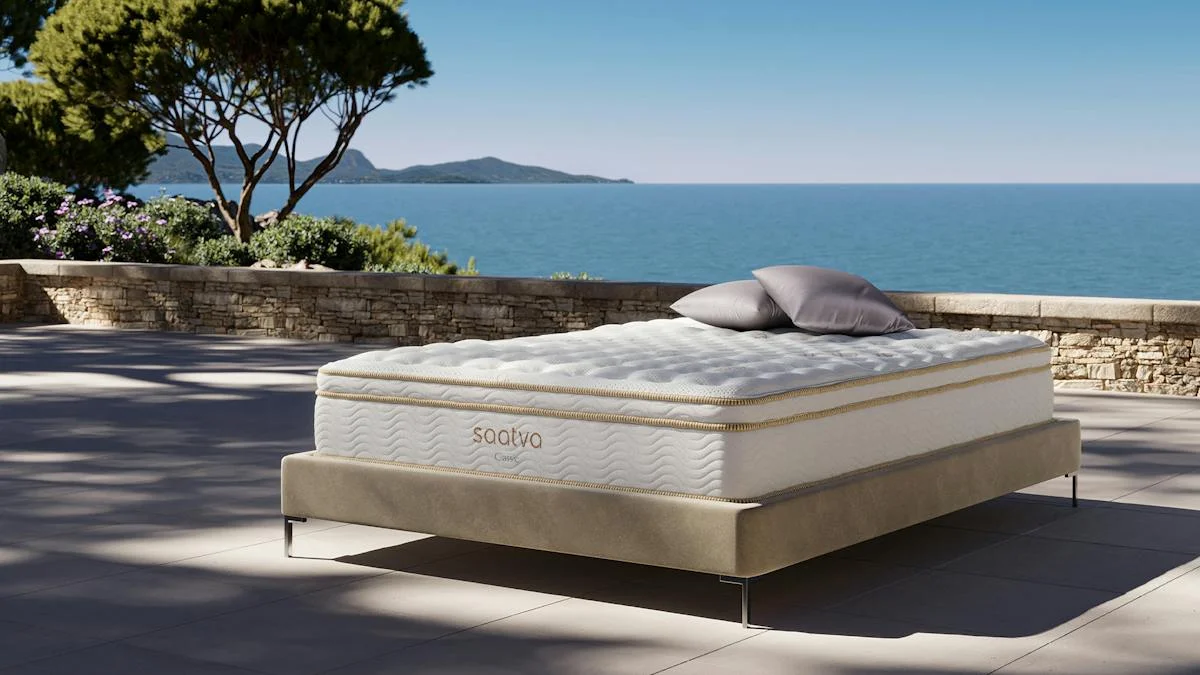
The number is also easy to pump up. Modern hybrids often stack a layer of microcoils above a layer of full-height support coils, and brands may report the figures combined. Saatva's spec sheet for the Classic shows this: 884 pocketed comfort coils over 416 Bonnell base coils for a queen, 1,300 total. That is an accurate description of a dual coil system, but it is not comparable to a single-layer 1,000-coil bed.
Mattress Underground points out that even same-category counts can diverge because manufacturers sometimes report coils based on different mattress sizes. A 522-coil full and a 652-coil queen may use the same spring unit.
What is a good coil count for a queen mattress?
If the number is not meaningless, where is the floor and where is the ceiling? Most buying guides converge on the same answer. Sleep Foundation notes that traditional innersprings contain between 400 and 1,200 coils in queen. Retailer guides including Mattress Nut and Biltrite describe a sweet spot of roughly 800 to 1,200 pocketed coils in a queen, with real diminishing returns above that band.
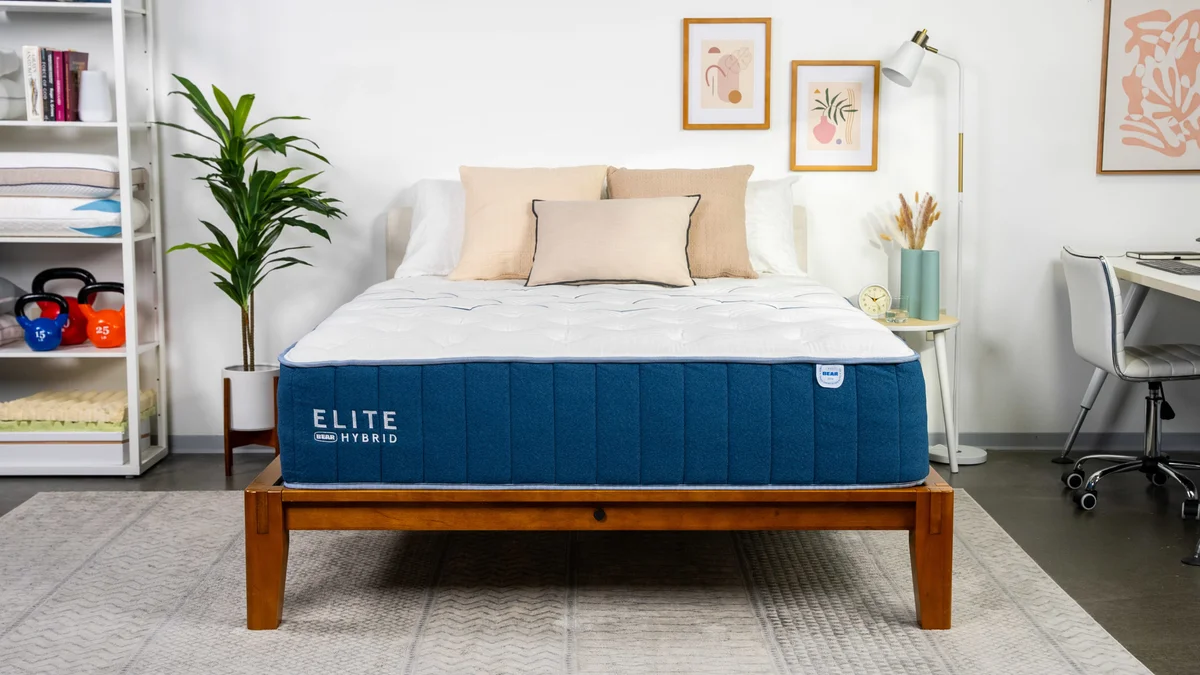
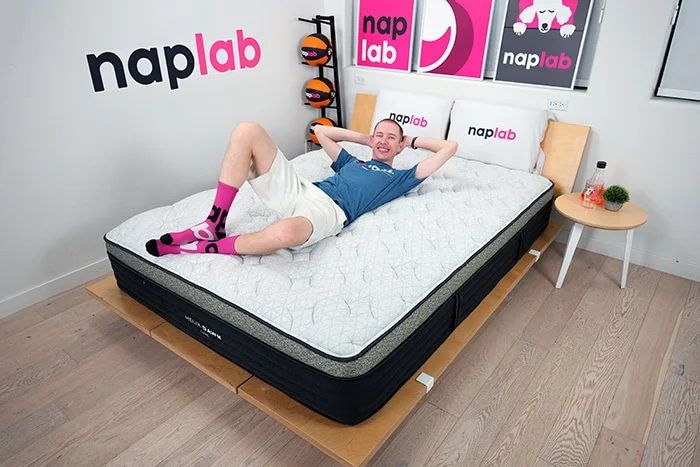
Our highest-ranked mattresses sit inside or just around that range. The Helix Dawn Luxe uses a 1,000-coil pocketed system. The Saatva Classic reports 884 comfort coils plus 416 base coils. The Bear Elite Hybrid uses 852 individually wrapped pocketed coils in queen. None of these are at the extremes of the spec war, and all three land in the top of our best mattresses ranking.
Is 1,000 coils meaningfully better than 850? In a queen, probably no. The gap between beds in that range is driven by firmness tuning, wire gauge, coil placement and zoning, not by total count. Below the floor, however, count does matter. Mattress Nut describes under 400 coils as budget-tier spacing where coils sit too far apart for even support.
| Coil count (queen) | What it signals |
|---|---|
| Under 400 | Entry-level innerspring, wide coil spacing, limited contouring |
| 400 to 800 | Standard innerspring tier, adequate for lighter sleepers |
| 800 to 1,200 | Sweet spot for pocketed-coil hybrids, enough resolution for zoning |
| 1,200 plus | Diminishing returns, often inflated by microcoils in the comfort layer |
Coil gauge: the number that actually changes how a mattress feels
Gauge is the diameter of the steel wire the coil is made from. Counterintuitively, a lower gauge number means a thicker wire. National Mattress's gauge guide and Puffy's gauge chart line up on the general scale: 13 gauge is thick wire that sleeps firm, 14 gauge sits in the medium band, and 15 gauge is thinner and softer.
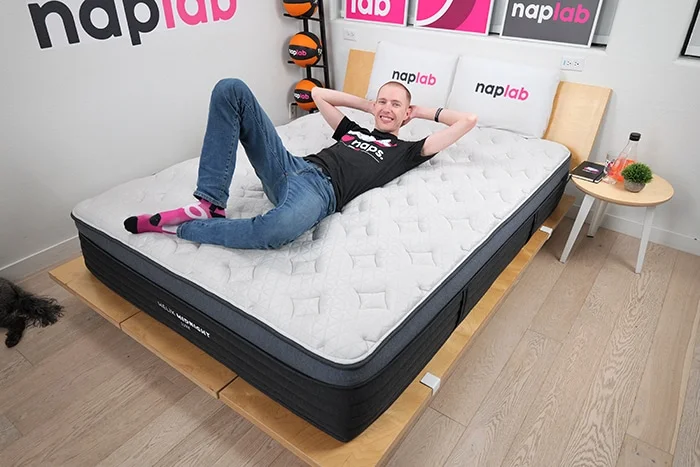
Smart hybrid designs use more than one gauge in the same mattress. Saatva's Classic spec sheet describes 13-gauge Bonnell steel in the base for structural support and lighter 14.5-gauge pocketed coils in the comfort layer for contouring. NapLab's Helix Midnight Luxe review lists three zones: 13.5 gauge at the center, 14.75 gauge at head and foot, and 15.5 gauge at the edge. This is the real engineering: the spring unit is tuned region by region, not inflated as one number.
What type of coils are best in a mattress?
There are four coil families you will see on spec sheets, and they are not interchangeable. Sleep Foundation's primer on coil types describes how each behaves.
Bonnell coils are hourglass shaped and laced together with a helical wire. They are the oldest design, cheap to produce, and transmit motion freely across the surface because every coil pulls on its neighbors. Offset coils share the hourglass shape but are squared at the top and bottom, so they hinge and contour more closely. Continuous coils form each row from a single piece of wire bent into coil shapes, which is durable but, like Bonnell, lets motion travel.
Pocketed coils are individually wrapped in fabric sleeves and respond on their own. National Mattress notes they deliver the best motion isolation, the closest conforming, and are the baseline for every modern hybrid. The WinkBed Luxury Firm Hybrid, Helix Midnight Luxe, Nolah Evolution 15 and Leesa Sapira Hybrid all use pocketed coils in the support core. The trade-off is cost: pocketed is the most expensive to manufacture, which is why budget innersprings still use Bonnell.
Are zoned coils worth it?
Zoning is the spec that pays back. A zoned coil system uses different gauges or different coil placements in different parts of the mattress: firmer under the lumbar and hips, where the heaviest part of the body sinks fastest, and softer under the shoulders, where a side sleeper needs the mattress to give way.
Sleep Foundation describes zoned systems as doing exactly this, reinforcing the lower back while allowing shoulder compression. Bear's own explainer frames it the same way. For sleepers with back pain, this kind of targeted firmness variation addresses the underlying problem, that the lumbar either over-flexes into the mattress or is not supported at all.
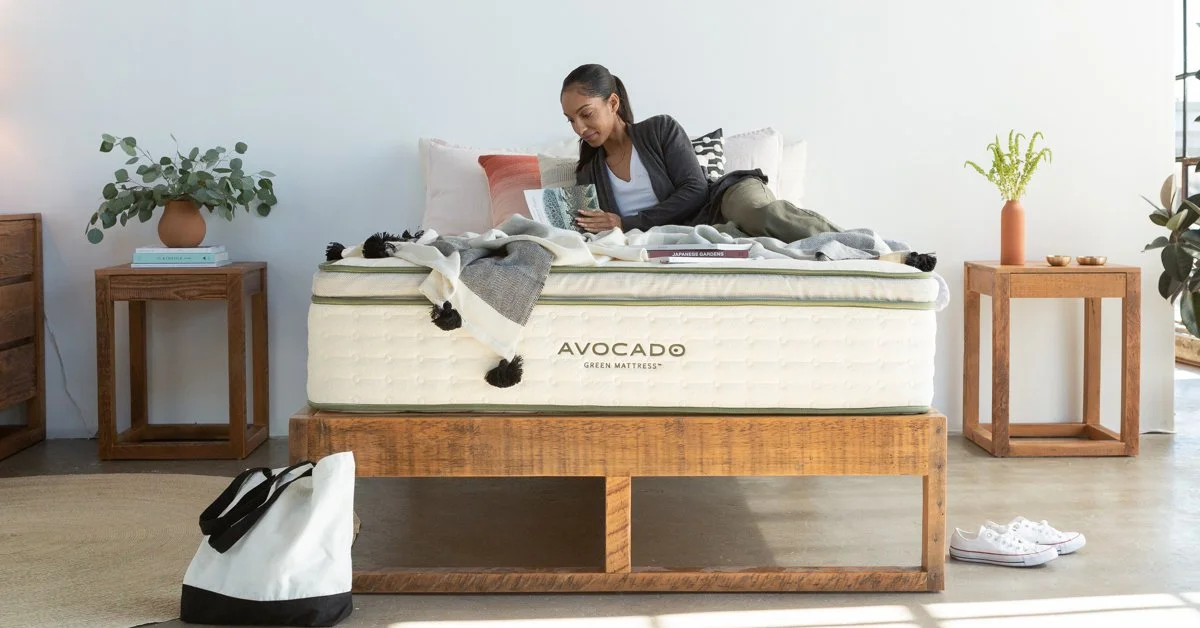
The implementations in our rankings differ meaningfully. Saatva's Lumbar Zone increases coil density in the middle third of the Classic. NapLab's review of the Helix Midnight Luxe shows firmer 13.5-gauge wire stepping up under the hips with softer 14.75-gauge wire at head and foot. The WinkBed Luxury Firm Hybrid's LumbarLayer is a foam insert, not a coil change, placed under the lumbar third to reduce hip sink for back and stomach sleepers. Avocado's 7-zone system in the Green Mattress uses up to 1,414 pocketed coils in its California King with firmer border coils around the perimeter and three interior zones that vary wire gauge by body region.
Is zoning worth paying for? For strict side sleepers and buyers with lower back pain, the evidence from testing houses points to yes. For stomach sleepers and most back sleepers, a well-gauged flat coil system can perform almost as well. Zoning is not magic. It is a way of doing with one mattress what a firmer mattress would do for hips and a softer one would do for shoulders.
Tempering, triple-tempering and whether the steel actually lasts
Durability is the half of the coil conversation that count never answers. A steel coil holds its shape over years because the wire has been tempered: heated and cooled in a controlled process that increases toughness and resistance to permanent deformation. Saatva's technical guide explains that tempering is why a quality coil system can lose little of its original support over a decade.
Several brands, including WinkBed, market "triple-tempered" coils. The useful signal is that the coils are tempered steel at all. Buyers should treat the number of tempering cycles claimed on the box as a marketing choice, not a measured durability score, and look to warranty length and verified owner reports instead.
Durability shows up in warranties. Brands confident in their coils write long. The WinkBed Luxury Firm Hybrid, WinkBed Plus, Saatva Classic and Saatva HD all carry lifetime warranties. The Avocado Green Mattress runs 25 years. Short coverage, like the 10-year warranty on the Purple RestorePlus, is a reasonable signal that the brand is not betting on the spring system outliving two mortgages.
What actually to look for on a spec sheet
If you strip out the marketing layer, a strong spring system has four things. First, pocketed coils, not Bonnell or continuous, if motion isolation and contouring matter to you. Second, a reasonable count, roughly 800 to 1,200 full-height pocketed coils in a queen, with any microcoil total listed separately. Third, a disclosed wire gauge: 13 or 14 gauge for base coils, 14 to 15 for comfort coils, and ideally multiple gauges arranged by zone. Fourth, a reinforced perimeter, which keeps the edge of the bed usable and prevents the whole mattress from softening over time.
Everything else, including the big round coil counts on the hangtag, is secondary. Among the top of our rankings, the Helix Midnight Luxe and WinkBed Luxury Firm Hybrid pair pocketed coils with zoning and strong edge reinforcement. The Saatva Classic layers a pocketed comfort coil on top of a tempered Bonnell base, which is less common and more durable than a single pocketed layer at this price. The Bear Elite Hybrid uses 852 zoned pocketed coils in queen, a count that would sound unimpressive on a hangtag and performs well in independent testing. For a full ranked comparison, see our best mattresses of 2026.
The short version
Coil count is the spec brands show you because it is easy to say and hard to argue with. The evidence from Sleep Foundation and independent testing is that it predicts less about real performance than almost any other spring-system detail. Wire gauge changes how firm the bed sleeps. Coil type decides whether motion travels or stays put. Zoning changes whether your lumbar is supported or your hips sink. Tempering and perimeter reinforcement decide whether the bed holds up at year seven. If you want a shortcut: look for pocketed, tempered coils in the 800 to 1,200 range for a queen, with disclosed gauges and zoning if you sleep on your side or have back pain. That is a short list, and it leaves you with real differences between beds rather than a numbers race.
See Best Mattresses of 2026Questions people ask
Does a higher coil count mean a better mattress?+
No. Sleep Foundation's testing found that total coil count does not predict how supportive or comfortable a mattress feels. Above roughly 800 pocketed coils in a queen, more coils rarely translate into noticeable differences. Wire gauge, coil type, zoning and tempering matter more.
What is a good coil count for a queen mattress?+
Most buying guides land on 800 to 1,200 full-height pocketed coils in a queen as the useful range. Under 400 is budget-tier spacing. Over 1,200 is often marketing: brands may stack microcoils above the main coil layer and quote the combined total, which is accurate but not comparable to a single-layer coil count.
What is coil gauge and why does it matter?+
Coil gauge is the thickness of the steel wire. Lower numbers mean thicker wire and firmer coils: 13 gauge sleeps firm, 14 gauge medium, 15 gauge soft. Because wire resistance to compression scales faster than coil count does, stepping down a gauge in the support core is a larger lever on firmness than adding more coils of the same gauge.
Are zoned coils worth it?+
For side sleepers and buyers with lower back pain, yes. Zoning uses firmer wire or denser coils under the lumbar and hips and softer wire under the shoulders, which keeps the spine neutral in multiple positions. Saatva's Lumbar Zone, the Helix Midnight Luxe's three-gauge zoning (13.5, 14.75, 15.5) and Avocado's 7-zone unit are examples. For stomach sleepers, a well-gauged flat coil system can perform almost as well.
Is 1,000 coils better than 800 coils?+
Barely, if the rest of the spec is matched. Both fall inside the useful range for a queen. The Helix Dawn Luxe uses 1,000 pocketed coils and the Bear Elite Hybrid uses 852. Independent reviewers rate both highly. The differences between them come from firmness, zoning and foam layers, not the extra 150 coils.
What type of coils are best in a mattress?+
Pocketed coils, for most buyers. Each coil is wrapped individually, so it responds to local pressure without pulling on its neighbors. That gives better motion isolation and closer contouring than Bonnell, offset or continuous coil systems. Every pocketed-coil hybrid near the top of our ranking uses this design.
What does triple-tempered mean on a mattress spec sheet?+
Tempering is a heat-treatment process that makes steel coils resist deformation over years of use. The useful signal is that the coils are tempered steel at all. The specific number of tempering cycles claimed on the box is a marketing choice, not a measured durability score, and warranty length plus verified owner reports are better durability signals.
Do pocketed coils sag over time?+
Tempered pocketed coils in a quality mattress hold their support for many years. Sagging usually shows up first in the foam layers above the coils, not the coils themselves. A reinforced perimeter, a correct bed frame or foundation, and rotating the mattress regularly extend coil life further.
Sources
What this guide is based on. We research from published specifications, independent reviews and owner reports; we did not test these products ourselves.
- 1.Best Innerspring Mattresses of 2026: Coil and Spring Support, Sleep Foundation
- 2.Mattress Coil Types, Sleep Foundation
- 3.Coils in Mattress: Guide to Coil Types, Coil Count, & Coil Gauge, Saatva
- 4.What are the Saatva Classic specs?, Saatva Help Center
- 5.Mattress Coil Gauge Chart, Puffy
- 6.What Is a Mattress Coil Gauge? Spring Thickness Guide, National Mattress
- 7.Types of Mattress Coils and Their Benefits, National Mattress
- 8.If A Mattress Has More Coils Springs, Does That Make It Better?, STL Beds
- 9.Innersprings, Mattress Underground
- 10.Mattress Coil Count Guide: Does Higher Coil Count Mean Better Quality?, Mattress Nut
- 11.What Is a Good Coil Count for a Mattress, Biltrite Furniture
- 12.What Is a Zoned Support Mattress, and How Does It Address Back Pain?, Bear
- 13.Helix Midnight Luxe Review - 10 Data-Driven Tests, NapLab
- 14.WinkBeds The WinkBed Review, RTINGS
- 15.We Make Our Own Coils: Avocado Innerspring, Avocado Green Mattress
Products mentioned
 Avocado Green Mattress
 Bear Elite Hybrid Mattress
 Helix Dawn Luxe Mattress
 Helix Midnight Luxe Mattress
 Leesa Sapira Hybrid Mattress
 Nolah Evolution 15 Hybrid Mattress
 Purple RestorePlus Hybrid Mattress
 Saatva Classic Mattress
 Saatva HD Mattress
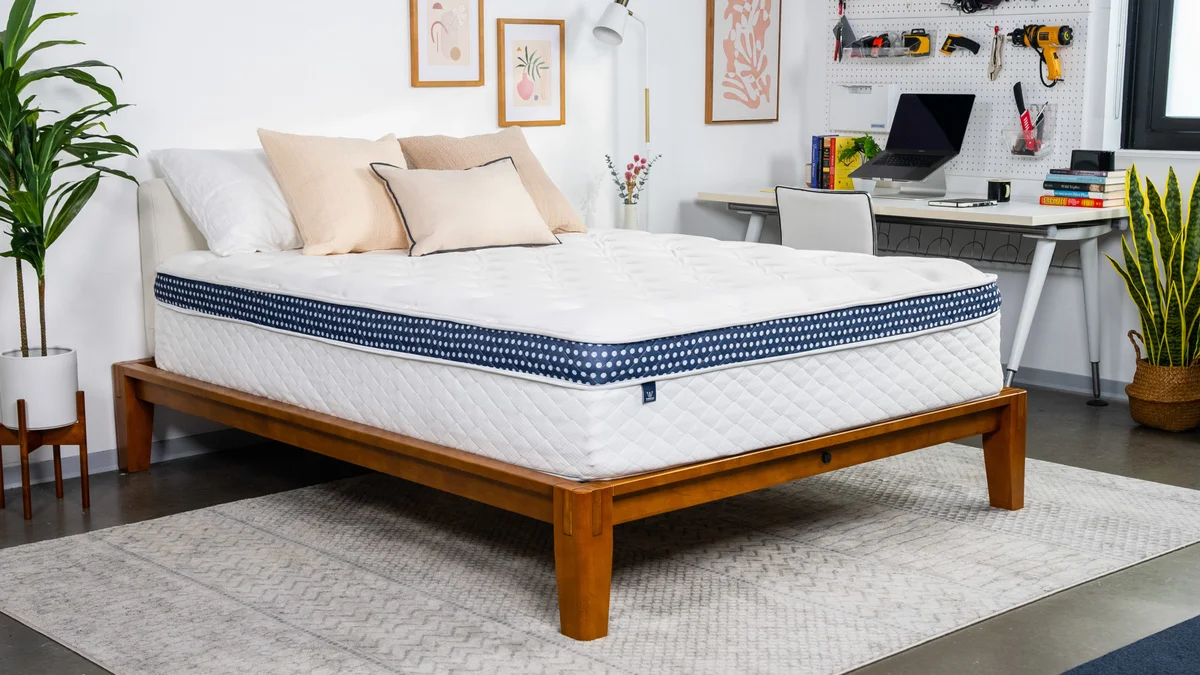 WinkBed Luxury Firm Mattress
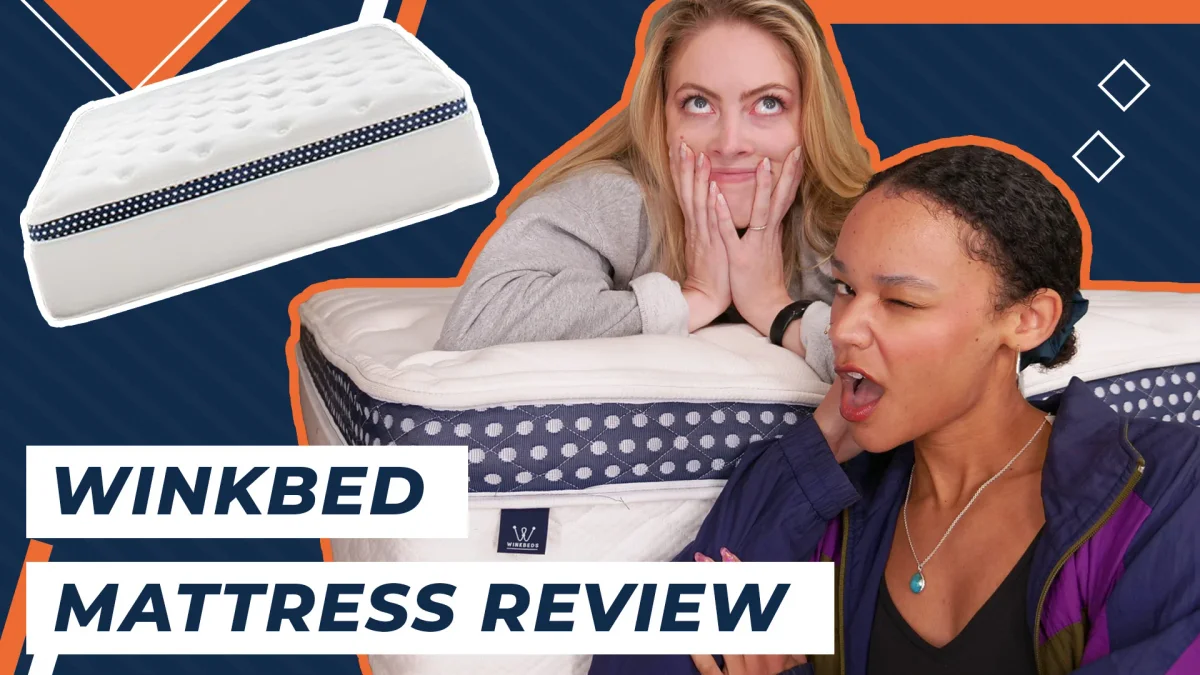 WinkBed Luxury Firm Hybrid Mattress
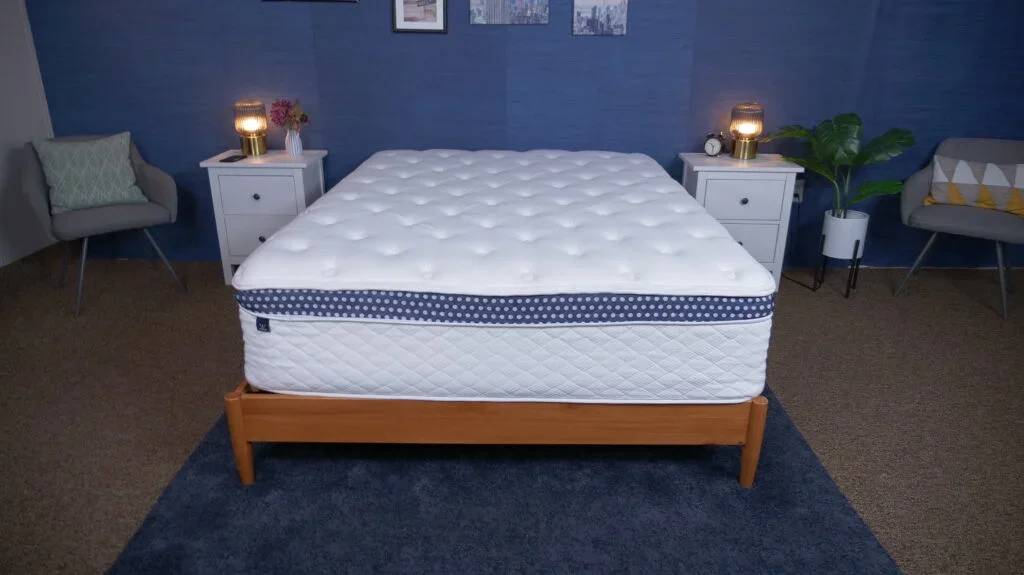 WinkBed Plus Mattress
More on mattresses
Explainer
What Mattress Warranties and Sleep Trials Actually Cover
A plain reading of what mattress warranties and sleep trials deliver: sag thresholds, prorated math, break-in rules, and the fine print that voids coverage.
Explainer
Firmness and Support Are Not the Same Thing
Firmness is a surface feeling. Support is what the core does for your spine. Here is why that gap matters, and why a firm mattress can still wreck your back.
Buying guide
How to Choose a Mattress: A No-Nonsense Decision Guide
The five decisions that actually change which mattress you should buy: sleep position, body weight, hybrid versus foam, which specs to verify, and whether a 365-night trial is worth more than a 100-night one.