Buying guide
How to Choose a Mattress: A No-Nonsense Decision Guide
The five decisions that actually change which mattress you should buy: sleep position, body weight, hybrid versus foam, which specs to verify, and whether a 365-night trial is worth more than a 100-night one.
Updated November 6, 2026 · Based on 10 sources · How we research
Most mattress advice treats firmness as a matter of taste. It is not. The firmness you need is dictated by how you sleep and how much you weigh, and nearly every other choice, foam or coils, trial length, what you should pay, follows from there. This guide is for the person who has opened five brand sites in a week and still cannot tell what actually matters. Below are the five real forks in the road, in the order you should hit them, with examples from the mattresses we rank in our 2026 list.
What firmness do I need? Start with how you sleep
The firmness scale runs 1 (softest) to 10 (firmest). Sleep Foundation's firmness guide puts average-weight (130 to 230 pounds) side sleepers at 4 to 5, back sleepers at 5 to 7, and stomach sleepers at 5 to 7. Lighter sleepers under 130 generally drop a level or two softer, and heavier sleepers over 230 move up to the firm end of each range, often 7 to 9 for back and stomach positions. The reason is pressure distribution. On your side, your hip and shoulder bear almost all your weight at narrow contact points, so if the surface will not yield there, your spine kinks sideways and you wake sore. On your stomach, your hips are heavier than your chest, so a soft bed lets them drop and arches the lower back the wrong way. Back sleepers sit in the middle and tolerate medium best.
Combination sleepers should pick for their dominant position, then lean a half-step softer if they transition often. Sleep Foundation names the Helix Midnight Luxe the best mattress for side sleepers in 2026 at a 6 out of 10 medium-firm feel. For back and combination sleepers, the Saatva Classic Luxury Firm at 6 out of 10 is a common pick, with a memory-foam lumbar crown and enhanced coil density in the center third for targeted lower-back support. Stomach sleepers who cannot sleep any other way should go firmer than you think: the Helix Dawn Luxe at 8 out of 10 or the WinkBed Luxury Firm at 6.5.
| Sleep position | Target firmness (1-10, average weight) | Example from our ranking |
|---|---|---|
| Side | 4 to 5 | Helix Midnight Luxe (6/10) |
| Back | 5 to 7 | Saatva Classic Luxury Firm (6/10) |
| Stomach | 5 to 7 (7 to 9 if over 230 lbs) | Helix Dawn Luxe (8/10) |
| Combination | match dominant position | WinkBed Luxury Firm Hybrid (5-6/10) |
Your weight changes every recommendation
Any mattress feels softer to a heavier body and firmer to a lighter one, because sinkage is the thing you perceive as firmness. Sleep Foundation's body-weight guidance uses three bands: lighter sleepers under 130 pounds step softer than the position chart, average sleepers 130 to 230 pounds use the chart as written, and heavier sleepers over 230 pounds move to the firm end of each range, generally medium-firm (6) through extra firm (9) depending on position.
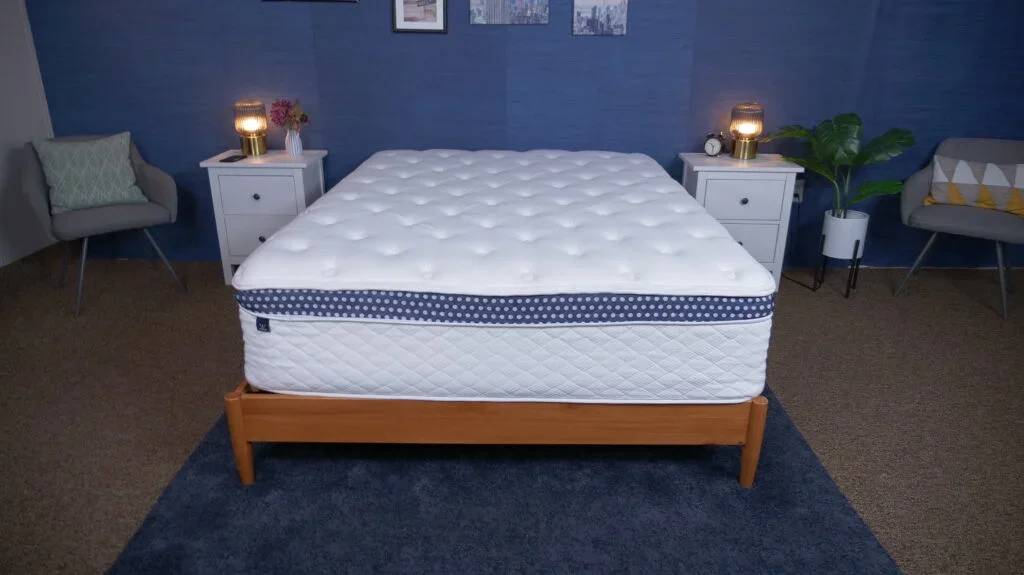
Over 230 pounds, construction matters as much as feel. Sleep Foundation recommends hybrid and latex mattresses over traditional memory foam for heavier sleepers, because significant sinkage reduces back support and softer all-foam models compress faster under load. The WinkBed Plus is built for sleepers up to 450 pounds per side with reinforced high-gauge pocketed coils and latex over foam; the Saatva HD supports up to 500 pounds with a 14-gauge tempered steel coil system and a five-zone Talalay latex layer. Both cost more than their standard-weight equivalents, and both are built to last longer under load than a general-population memory foam bed.
Hybrid or all-foam? What you lose either way
This is the real fork. Neither type wins outright. Sleep Foundation's head-to-head puts memory foam queens at roughly $800 to $2,500 and hybrids at $1,200 to $2,000, and names memory foam the winner on enhanced pressure relief and motion isolation, with hybrids ahead on temperature regulation, bounce, and edge support. Memory foam runs warmer by design, because the body-hugging mechanism relies on heat transfer from your skin to the foam. Gel infusions and open-cell foams narrow the gap but do not close it.
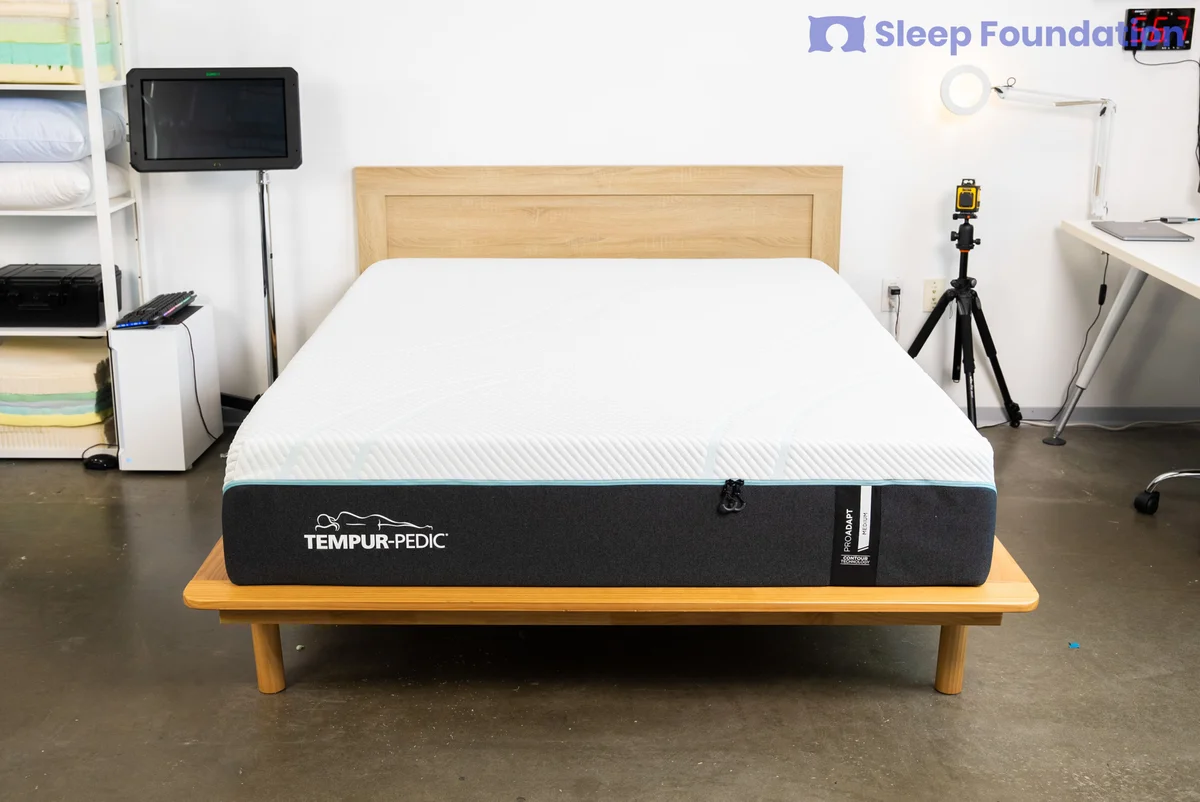
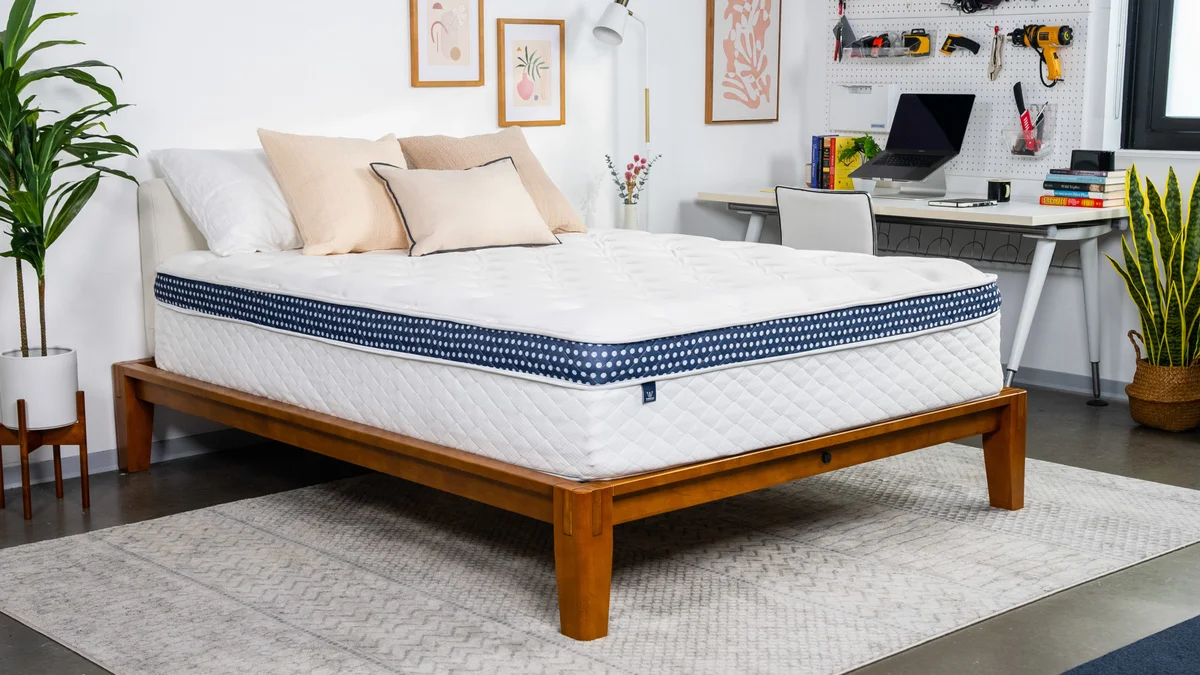
A few concrete examples from our ranking. The Tempur-Pedic ProAdapt Medium is the reference all-foam: deep TEMPUR pressure relief and near-total motion isolation, and Sleep Foundation ranks it #1 on their Best Tempur-Pedic Mattress for Side Sleepers list, though it costs $3,399 and ships with only a 90-night trial. The WinkBed Luxury Firm Hybrid is the reference hybrid: NapLab calls it the number one mattress they have tested, with perfect 10-of-10 scores for cooling, pressure relief, and edge support, at $1,799 with a 365-night trial and lifetime warranty. For something that does not feel like either, the Purple RestorePlus uses a polymer grid that collapses only at pressure points and stays temperature-neutral because no foam is doing the contouring.
A rough decision rule: side sleeper + hot sleeper + couple = hybrid with a memory foam comfort layer (Helix Midnight Luxe). Chronic pain + light sleep partner = all-foam (ProAdapt). Over 230 pounds = hybrid or latex, almost always. Someone who needs cooling that passive gel cannot provide = grid or active (Eight Sleep Pod 4 over a hybrid base).
What to actually look for in the spec sheet
Most mattress marketing collapses on contact. Four things genuinely predict how a mattress will feel and how long it will last:
Foam density. Luxe Mattresses puts high-density memory foam (5 to 6 PCF) at up to 15 years, medium-density (3 to 4 PCF) at 6 to 8 years, and low-density foam under 3 PCF at 3 to 5 years. Brands rarely publish density on landing pages. Check the FAQ or call support. If they refuse to say, that answers the question.
Coil gauge and zoning. In hybrids, Mattress Nut puts quality support coils at 13.5 to 14.5 gauge, with 13 to 13.5 gauge strongly recommended for sleepers over 230 pounds, and 15 to 16 gauge reserved for comfort layers. Their framing: an 800-coil bed at 13 gauge is more durable than a 1,200-coil bed at 16 gauge, because thicker wire resists fatigue cracking better than higher coil counts. Zoned coils (firmer under the lumbar, softer at the shoulders) do more for spinal alignment than raw coil count. The Saatva Classic's Lumbar Zone and the WinkBed's LumbarLayer are both examples designed to reduce hip sink for back and stomach sleepers.
Certifications. CertiPUR-US covers foam for chemical safety, GREENGUARD Gold for low VOC emissions, OEKO-TEX Standard 100 for textile safety. For organic claims, GOLS (latex) and GOTS (cotton and wool) are the only labels that mean anything; the Avocado Green and Saatva Zenhaven carry both. Marketing phrases like "eco-friendly" or "natural" without a certification are decorative.
Return-policy fine print. "Free trial" is not "free return." Sleep Foundation's ProAdapt review notes Tempur-Pedic charges a $175 return fee on its 90-night trial, plus any price difference on exchanges. Read the pickup-fee line before you compare trial lengths.
- Memory foam comfort layer: 4 PCF or higher for 8-plus-year life
- Polyfoam base: higher density means longer life before body impressions
- Hybrid coil gauge: 13.5 to 14.5 for standard adults, 13 to 13.5 for heavier bodies
- Certifications that mean something: CertiPUR-US, GREENGUARD Gold, OEKO-TEX, GOLS, GOTS
- Return terms, not trial length, are what actually protect you
How do I buy a mattress without trying it in a store?
Showrooms give you five minutes on your back under store lighting, which is not useful information: eachnight reports that most mattresses need 30 to 90 days to fully soften, and your body needs about the same time to recalibrate. An online trial of 100 nights or more gives you a window that a showroom cannot.
A workable process, in order: fix your firmness target from position and weight; pick hybrid or all-foam from the trade-offs above; set a materials floor (4 PCF memory foam or 13.5 to 14.5 gauge coils); require a trial of at least 100 nights with free returns and no restocking fee; cross-check two independent reviews, preferably one with pressure-mapping data like NapLab or Sleep Foundation, and one with long-term owner reports. Then buy. If you have done the first four steps, the mattress will almost always land inside your target.
Is a 365-night trial actually useful, or just marketing?
It is useful, but not for the reason the ads suggest. A longer trial does not mean lower risk. The risk hides in the return terms, not the length. A 365-night trial with a $175 pickup fee is less protective than a 100-night trial with free returns.
What a long trial really gives you is a seasonal temperature test (you only know if a mattress sleeps hot in summer when summer arrives) and a buffer against buyer's remorse at the three-month mark, when the pressure-relief feel plateaus and your body is no longer thrilled by novelty. Past about 120 nights, additional trial length rarely changes outcomes. If a mattress is going to work, you know it by month two.
eachnight notes that manufacturers require a 30-day minimum trial because the mattress and your body have not finished adjusting until then. That window matters more than the maximum: it is when the foam softens and your body adjusts, and the first week often lies to you about comfort. Helix, WinkBed, Saatva, Avocado, and Leesa all offer 365 nights on the mattresses in our ranking. Sleep Foundation's ProAdapt review confirms Tempur-Pedic offers a 90-night trial with a $175 return fee. Eight Sleep offers 30 on the Pod cover. The length matters less than whether the return terms are clean and whether the brand actually honors them.
Mapping budget to materials, not to brand name
Mattress pricing is mostly material and build cost once you ignore the logo. At the $1,400 to $2,000 queen band, you can get a certified foam hybrid with pocketed coils, Tencel or organic cotton cover, and a lifetime warranty, like the Leesa Sapira Hybrid at $1,449 or the WinkBed Luxury Firm Hybrid at $1,799. At $2,000 to $3,000, the differences are specialization (reinforced for heavier sleepers, grid comfort, organic certifications, recovery features). Past $3,000, you are mostly paying for feel preferences (deep TEMPUR contouring, adjustable dual-zone air, active thermal regulation), not durability.
A useful framing: do not pay for a premium brand name on a spec sheet you could match for less. Do pay extra when the spec itself requires it, as with the Saatva HD's 14-gauge reinforced coils for sleepers up to 500 pounds, where cheaper beds will fail in two years. Our best mattresses of 2026 ranking is sorted so the sub-$2,000 picks like the $1,799 WinkBed Luxury Firm Hybrid and $1,895 Saatva Classic sit near the top, because material quality per dollar matters more than price alone.
The short version
Position first, then weight, then construction. A 150-pound side sleeper should be looking at a medium-feel hybrid with a memory foam comfort layer and a 365-night trial: Helix Midnight Luxe is the reference. A 260-pound back sleeper should be looking at a reinforced hybrid with 13 to 13.5 gauge coils and a lumbar zone: WinkBed Plus or Saatva HD. A chronic-pain sleeper with a restless partner should accept the heat trade-off and buy a dense memory foam bed like the Tempur-Pedic ProAdapt. Trial length matters less than return terms. Foam density and coil gauge matter more than coil count. If the brand will not publish the numbers, skip it.
See Best Mattresses of 2026Questions people ask
How do I know what firmness I need?+
Start with sleep position. For average-weight adults (130 to 230 pounds), Sleep Foundation targets 4 to 5 out of 10 for side sleepers, 5 to 7 for back sleepers, and 5 to 7 for stomach sleepers. Then adjust for weight: step softer if you are under 130 pounds; if you are over 230, move to the firm end of each range, often 7 to 9 for back and stomach positions. Combination sleepers should pick for their dominant position and lean half a step softer if they switch often.
Does my weight affect which mattress I should get?+
Yes, substantially. The same mattress feels softer to a heavier body and firmer to a lighter one, because sinkage is what you perceive. Over 230 pounds, Sleep Foundation also recommends a hybrid or latex mattress (13 to 13.5 gauge coils per Mattress Nut) instead of all-foam, because softer foam compresses faster under load. The WinkBed Plus (450 lb capacity) and Saatva HD (500 lb) are built specifically for this.
Should I get a hybrid or memory foam?+
Memory foam wins on deep pressure relief, motion isolation for couples, and price. Hybrid wins on cooling, edge support, and bounce. If you sleep hot, share the bed, or weigh over 230 pounds, a hybrid is almost always the better call. If you have chronic joint pain and a light-sleeping partner, go all-foam.
What should I actually look for in a mattress?+
Four specs, in this order: foam density (5 to 6 PCF memory foam lasts longest, 3 to 4 PCF is mid-range, under 3 PCF wears out fast), coil gauge in hybrids (13.5 to 14.5 for most adults, 13 to 13.5 for heavier bodies), legitimate certifications (CertiPUR-US, GREENGUARD Gold, OEKO-TEX, GOLS/GOTS for organic), and the return-policy fine print, not just the trial length.
How do I choose a mattress without trying it in a store?+
Fix your firmness from position and weight, pick hybrid or all-foam from the trade-offs, set a materials floor (4 PCF memory foam or 13.5 to 14.5 gauge coils), require at least a 100-night trial with free returns, and cross-check two independent reviews with pressure-mapping data. A showroom gives you five minutes on your back; a new mattress needs 30 to 90 days to break in, so the trial window is where you actually learn how a bed feels.
Is a 365-night trial actually useful or just marketing?+
Useful if the return terms are clean (no pickup fee, no restocking charge) and the brand honors returns. Most of the protective value shows up in the first 120 nights, once the 30-day break-in is done and you can judge the mattress honestly. A 100-night trial with free returns beats a 365-night trial with a $175 return fee.
How long should a quality mattress last?+
Luxe Mattresses puts 5 to 6 PCF memory foam at up to 15 years, 3 to 4 PCF memory foam at 6 to 8 years, and under 3 PCF at 3 to 5 years. Warranty length usually tracks these numbers: lifetime warranties come on the most durable builds.
Does memory foam really sleep hot?+
Yes, but less than it used to. The conforming mechanism requires heat transfer from your body into the foam, so there is an inherent temperature penalty. Gel infusions, open-cell foams, perforations, and phase-change covers (like the Casper Wave Hybrid Snow's QuickCool PCM) narrow the gap but do not close it. If temperature is your main concern, a hybrid with pocketed coils or Purple's grid architecture outperforms most foam beds by design.
Sources
What this guide is based on. We research from published specifications, independent reviews and owner reports; we did not test these products ourselves.
- 1.Mattress Firmness: Finding the Best Firmness for You, Sleep Foundation
- 2.Best Mattress for Heavy People of 2026, Sleep Foundation
- 3.How We Determine Body Weight Ratings, Sleep Foundation
- 4.Memory Foam vs. Hybrid Mattresses, Sleep Foundation
- 5.Helix Midnight Luxe: Best Mattress for Side Sleepers 2026, Sleep Foundation
- 6.Tempur-Pedic TEMPUR-ProAdapt Mattress Review, Sleep Foundation
- 7.WinkBed Review: 10 Objective & Data-Driven Tests, NapLab
- 8.Coil Gauge in Mattresses: Firmness and Durability Guide, Mattress Nut
- 9.How Long Does Memory Foam Last? Lifespan & Care Tips, Luxe Mattresses
- 10.Do Mattresses Really Need a Break-In Period?, eachnight
Products mentioned
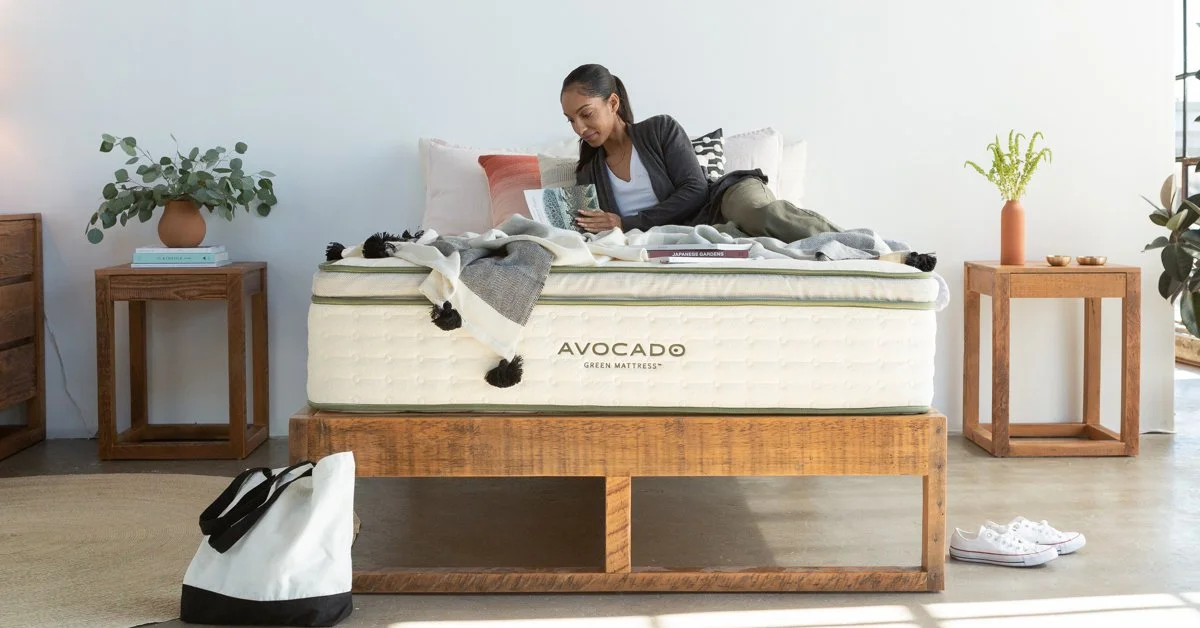 Avocado Green Mattress
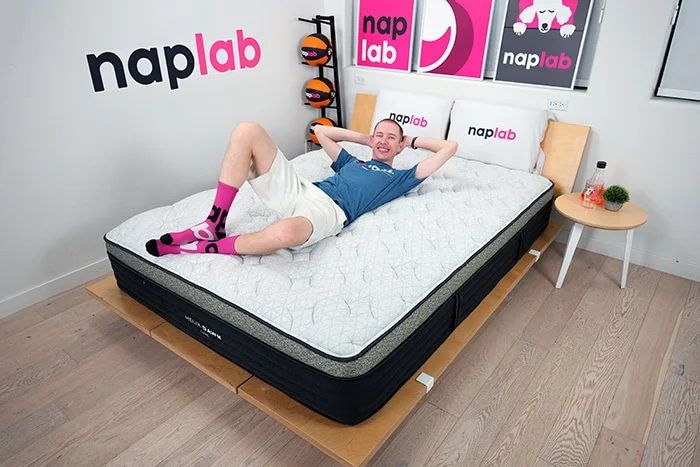 Helix Dawn Luxe Mattress
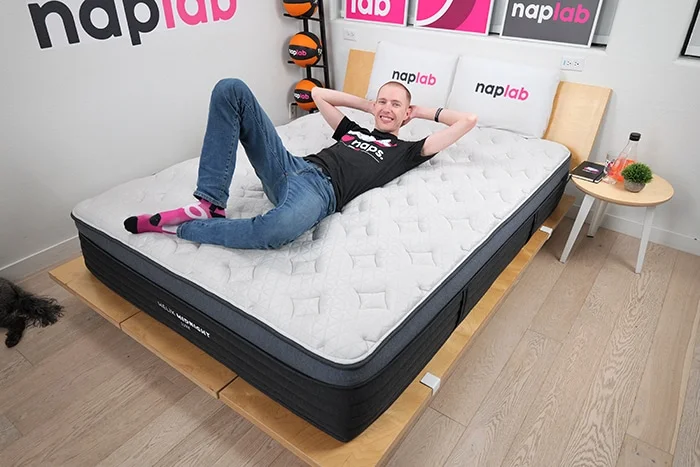 Helix Midnight Luxe Mattress
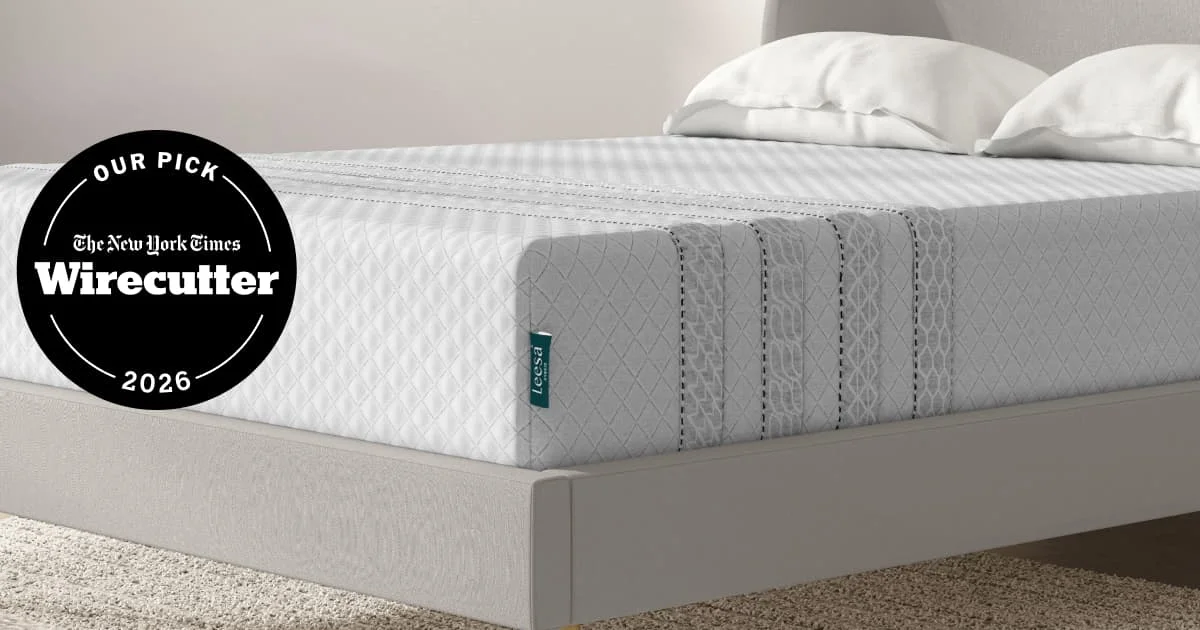 Leesa Sapira Hybrid Mattress
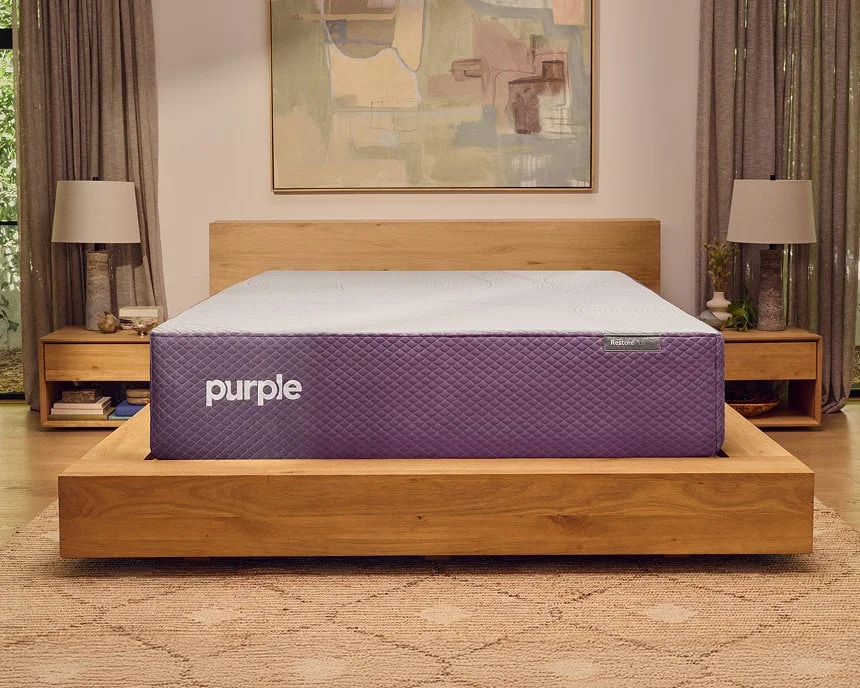 Purple RestorePlus Hybrid Mattress
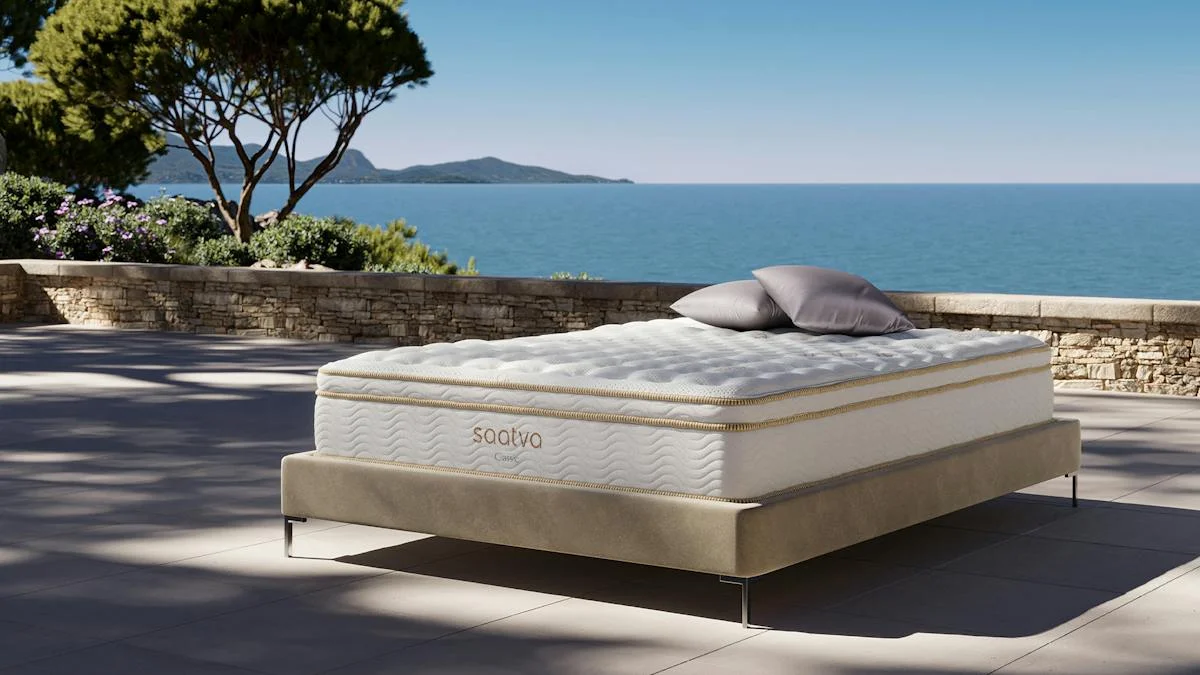 Saatva Classic Mattress
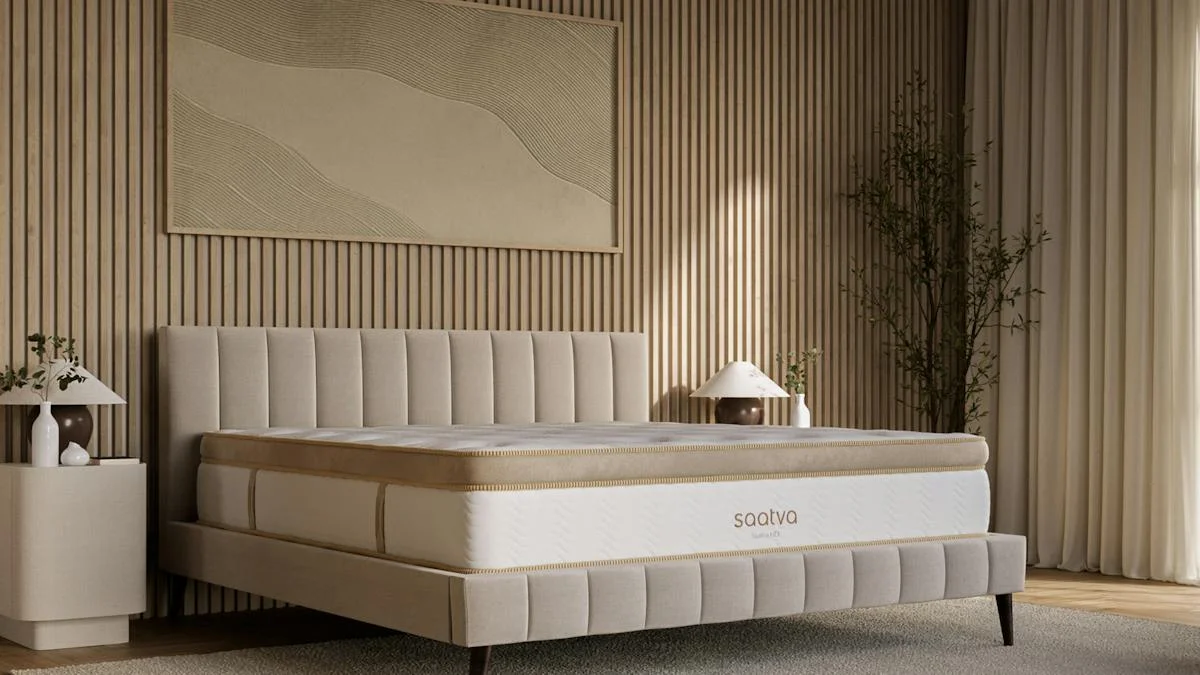 Saatva HD Mattress
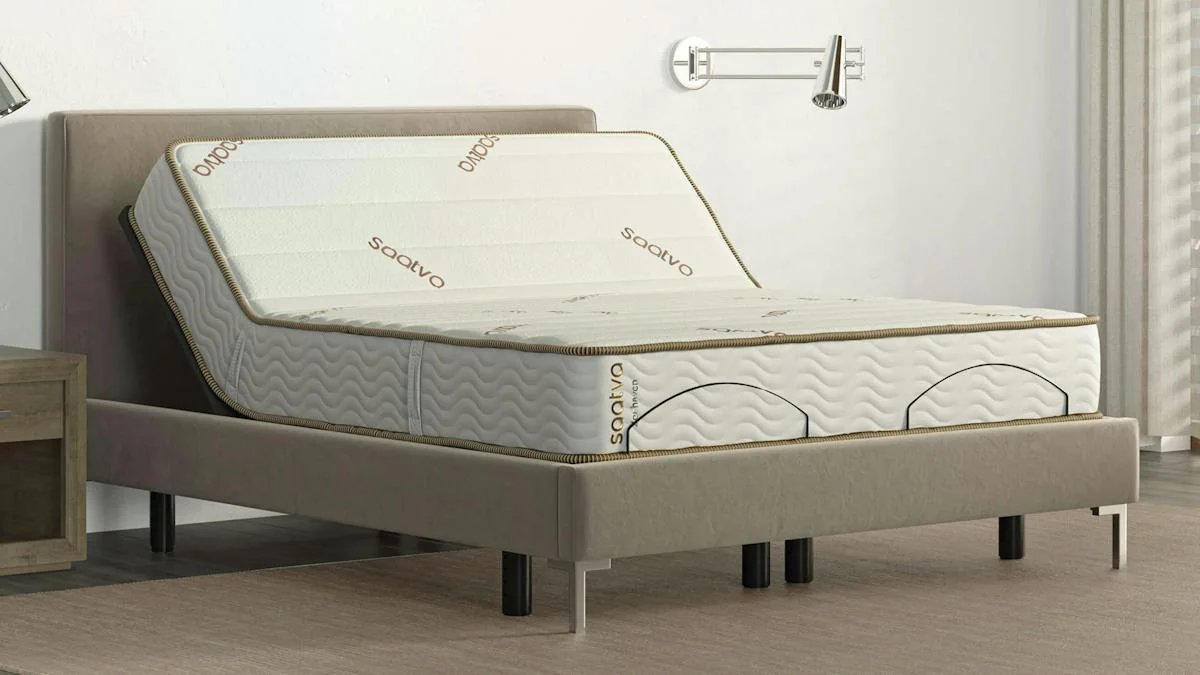 Saatva Zenhaven Latex Mattress
 Tempur-Pedic TEMPUR-ProAdapt Medium Mattress
 WinkBed Luxury Firm Mattress
 WinkBed Luxury Firm Hybrid Mattress
 WinkBed Plus Mattress
More on mattresses
Explainer
Coil Count Is a Marketing Number: What Really Matters in a Mattress Spring System
Why 800 vs 1,000 pocketed coils barely matters, and what wire gauge, coil type and zoning actually do to how a mattress feels and lasts.
Explainer
What Mattress Warranties and Sleep Trials Actually Cover
A plain reading of what mattress warranties and sleep trials deliver: sag thresholds, prorated math, break-in rules, and the fine print that voids coverage.
Explainer
Firmness and Support Are Not the Same Thing
Firmness is a surface feeling. Support is what the core does for your spine. Here is why that gap matters, and why a firm mattress can still wreck your back.