Explainer
Will a Magnetic Shelf Scratch or Mark Your Refrigerator? What Owner Reports and Manufacturer Warnings Say
Household magnets will not hurt the compressor, but owner reports and GE's own guidance show the exterior finish is a different story. Here is what actually causes the marks and how to avoid them.
Updated November 11, 2026 · Based on 8 sources · How we research
If you are putting a loaded steel rack on the front of your refrigerator, the question most people ask (will this somehow hurt the cooling?) is the wrong one. A refrigerator's compressor, condenser and refrigerant lines sit behind insulation inside the cabinet, and the magnetic fields in a consumer magnetic shelf are nowhere near the strength that would interfere with them. The real risk is cosmetic and it is specific. GE explicitly tells owners not to put magnets on Black Stainless or Fingerprint Resistant Stainless doors because the finish can be damaged, and owners of glossy painted doors and stainless finishes have documented scratches and sticky residue left behind by magnetic accessories. Magnetic shelves make this worse than ordinary fridge magnets because the contact pad is larger, the pull is stronger, and the shelf is often loaded with weight that presses that pad into the finish. This guide pulls together what manufacturers say, what owners report, and the design features that actually reduce the risk.
The cooling system is not what you need to worry about
A domestic refrigerator's cooling cycle is a sealed loop of compressor, condenser, evaporator and refrigerant, protected behind the inner wall of the cabinet. Professor Selim Şeker of Üsküdar University told Yahoo Lifestyle that the magnetic field from fridge magnets does not influence the appliance's operating principle, noting that a refrigerator runs at 500 to 1,000 watts while a magnet's power is nearly zero; Spanish utility Endesa added that the magnetic fields are not powerful enough to cross the fridge door (Yahoo Lifestyle).
So if the fear is that a loaded magnetic spice rack is going to run your compressor harder or confuse the thermostat, the evidence does not support it. The question that actually matters is what the magnet is doing to the painted or coated surface it sits on.
GE tells owners to keep magnets off Black Stainless, and that matters for shelves
GE Appliances has two support pages that are unusually direct about this. On its general finishes page, the company writes that it strongly advises not to use magnets on Black Stainless or Fingerprint Resistant Stainless doors because the magnet can damage the finish (GE Appliances, Magnetism of an Appliance Finish). On a second page dedicated to the Black Stainless line, GE repeats that magnets are not recommended on the doors because they can damage the finish (GE Appliances, Black Stainless). GE also states there is no touch-up paint for Stainless or Black Stainless, which is why the warning carries weight.
That guidance applies to any magnet, including small decorative ones. A magnetic shelf is harder on the finish than a flat vinyl magnet for three reasons: the contact pad is larger, the holding force is stronger, and the shelf is almost always carrying weight that presses the pad into the door. Whirlpool's guidance on stainless doors, as summarized by PB Promo Factory, recommends flat vinyl magnets rather than products with sharp corners or textures (PB Promo Factory). A loaded steel rack is the opposite of a flat vinyl magnet.
What owners actually report when a magnetic accessory leaves a mark
The specific complaints break into three patterns. The first is scratches from magnets being moved across a glossy or black finish. A long-running finishing.com thread collects owner stories, including one parent whose daughter scratched a one-week-old black refrigerator with a magnet, another owner whose kid at a party put magnets all over the doors and scratched them beyond belief, and additional accounts of family members producing scratches while handling magnets (finishing.com, paint scratches on refrigerators).
The second pattern is residue or staining that only appears when you remove the magnet. A Straight Dope forum thread documents a homeowner who took down magnets that had been in place for a long time and found tiny black skid marks underneath, which resisted ordinary cleaners like Formula 409 (Straight Dope forum). Posters there suspected two causes: iron dust trapped behind the magnet, and the magnetic rubbery backing itself transferring material onto the finish. A separate Reddit cleaning story written up by LemonsforLulu involved a thin magnetic whiteboard stuck to a stainless door for about two years that left a patch of transferred magnetic material; clearing it required Goo Gone, WD-40, acetone and isopropyl alcohol with substantial scrubbing (LemonsforLulu).
The third pattern is specific to magnetic shelves rather than flat magnets. A steel spice rack pressed to the door by a neodymium pad and loaded with jars has a long contact patch under constant pressure, which is a different kind of stress than a one-ounce souvenir magnet. That is why the owner reports involving shelves, whiteboards and other long-contact magnetic accessories cluster around residue and pressure marks rather than one-off scratches.
Which finish you have is the biggest single predictor
Not every refrigerator door is at equal risk. The common finishes behave differently under constant magnet contact, and that difference is what turns a worry into a go or no-go decision. The table below pulls together the manufacturer and owner evidence into a rough risk ranking, with the underlying mechanism in each case.
| Door finish | Risk from a magnetic shelf | Why |
|---|---|---|
| Bare uncoated stainless steel | Low to medium | Tolerates magnet pressure; owner reports show mostly minor scuffs or removable transfer residue after long contact |
| GE Black Stainless or Fingerprint Resistant Stainless | High, and manufacturer advises against magnets | GE states magnets can damage the finish; there is no touch-up paint (GE Appliances) |
| Other fingerprint-resistant stainless coatings | Medium to high | Whirlpool advises flat vinyl magnets on stainless, ruling out a loaded rack (PB Promo Factory) |
| Glossy painted or black enamel doors | Medium to high | Owners report visible scratches and scuffs after magnets are moved across the surface (finishing.com) |
| White or colored powder-coat (older fridges, laundry appliances) | Low to medium | Durable layer, but magnet backings can leave transfer residue over long periods (Straight Dope) |
| Fridge side panels (any finish) | Lower than the front door | Less visible, and owner reports of damage are concentrated on the door; still subject to the same rules on sliding and grit |
Magnetic shelves are harder on the finish than decorative magnets, and here is why
A souvenir vinyl magnet weighs under an ounce, sits flat, and carries no load. A magnetic shelf is a different animal. Products in our best magnetic shelves of 2026 list are rated to hold anywhere from about 2 pounds on the smallest silicone parts trays up to 40 or 50 pounds on heavy-duty folding garage shelves and multi-piece spice rack sets. That load has to travel through the magnet pad and into the door, and if the pad is a bare powder-coated steel plate, that plate is now pressed into the finish under real force.
Three design features on the shelf end change the outcome on the door end. The first is the contact pad itself: whether it is bare metal, a hard powder-coat laminate, or a rubber or silicone overlay. The second is the magnet pattern: a single large pad distributes load more evenly than two or three small pads, which can leave visible impressions on softer coatings. The third is whether the shelf is designed to be lifted and set rather than slid into position. Shelves sold for workshop use often emphasize the ability to reposition freely, which is fine on a toolbox but is the exact motion that owners blame for scratches on a glossy fridge.
Rubber-backed and coated pads substantially cut the risk
Rubber-coated magnet pads are the design feature most consistently recommended for finish protection. SuperMagnetMan describes the mechanism directly: the rubber coating prevents direct contact with the surface, reducing the risk of scratching, and increases friction for a secure hold on smooth or delicate surfaces (SuperMagnetMan, rubber coated magnets). The idea is simple: the rubber overlay stops the bare metal from touching the painted surface, and it cushions small particles of grit that would otherwise be dragged across the finish if the shelf moves.
On the product side, only a small slice of magnetic shelves actually ship with rubber or silicone on the contact pads. In our rankings, the VIVO Magnetic Power Tool Organizer MOUNT-MAGPT1 specifies rubber-coated anti-slip magnet pads in its materials description, and it is marketed for metal cabinets, filing cabinets and rolling tool carts rather than a kitchen fridge. Most spice racks on the market, including the HuggieGems Metal 4-Pack and the SONGMICS Bamboo 4-Pack UKCS062BH01, rely on the shelf's own powder-coat or epoxy coating to separate steel from fridge. That is better than bare steel against the door, but it is still a hard pad under load, not a rubber cushion.
If finish protection is the priority, either pick a shelf with an explicitly soft contact pad, or add your own: thin self-adhesive felt dots or a cut piece of silicone shelf liner between the magnet pad and the door will absorb grit and reduce scuffs without noticeably reducing holding power on a healthy ferrous panel.
The steps that keep a magnetic shelf from leaving a mark
A short checklist based on the manufacturer and owner guidance above. The before and during steps prevent the damage. The after step is what you have if you already see a mark.
- Identify your finish before you buy. If it is GE Black Stainless, GE Fingerprint Resistant Stainless, or any high-gloss black painted door, use a side panel instead of the front, or use a different storage solution.
- Wipe the door and the magnet pad before you install. Straight Dope posters blamed iron dust and magnet backing material for the residue found under long-term magnets.
- Lift, do not slide. Scratch reports in the finishing.com thread consistently involve a magnet being moved across a glossy surface rather than lifted straight off.
- Add a rubber or felt interlayer if the shelf's own contact pad is bare steel or hard powder-coat. Self-adhesive felt dots are a cheap retrofit.
- Rotate periodically. The residue problems in the Straight Dope and LemonsforLulu accounts involved magnets left in one position for one to two years uninterrupted.
- Keep loads conservative. A rack rated at 50 pounds is pressing those 50 pounds through the magnet pad into the finish. Running at a fraction of the rating reduces pressure as well as the risk of the rack sliding under its own load.
- If you already see a mark on a painted or black door, owners in the finishing.com thread reported that TurtleWax liquid polish with carnauba, applied in multiple coats, softened the appearance of magnet scratches on black refrigerator doors. For GE Black Stainless there is no touch-up paint, so prevention is the only reliable strategy.
The honest answer to the original question
Can a magnetic shelf damage a refrigerator finish? Yes, in documented ways, on specific finishes, under specific conditions. It is not a universal problem and it is not the compressor-killing myth that drives most of the online questions. The damage is cosmetic, it is concentrated on glossy painted doors and on the Black Stainless and Fingerprint Resistant Stainless finishes that GE explicitly warns against putting magnets on, and it is almost always caused by one of three mechanisms: sliding instead of lifting, trapped grit between pad and door, or a bare metal pad under heavy load sitting in one place for months.
If your fridge is traditional uncoated stainless or an older powder-coated white or black door, a well-designed magnetic shelf with a coated or rubber pad is a low-risk addition, and the odds of a visible mark are small if you lift rather than slide, keep the pad clean, and move the shelf occasionally. If your fridge is GE Black Stainless or GE Fingerprint Resistant Stainless, the manufacturer's position and the owner-report evidence agree: put the shelf on a side panel, on the washing machine, on a metal cabinet or on the microwave, not on the front door.
The short version
The cooling system is safe from household-strength magnets, and the evidence for that is unambiguous. The finish is a different story, and the finish type decides almost everything. For GE Black Stainless and Fingerprint Resistant Stainless, follow the manufacturer: no magnets on the front door, which means no magnetic shelves there either. For traditional stainless, white, or older painted doors, pick a shelf with a coated or rubber magnet pad like the VIVO MOUNT-MAGPT1, lift rather than slide, keep the pad clean, and move the shelf every few months. Our best magnetic shelves of 2026 list records the pad material for each product so you can match the shelf to the surface.
See Best Magnetic Shelves of 2026Questions people ask
Will a magnetic shelf scratch my refrigerator?+
It can, but it depends on the finish and how you use it. Traditional uncoated stainless and older powder-coated doors usually tolerate a well-made magnetic shelf. GE Black Stainless and Fingerprint Resistant Stainless are the main exceptions; GE tells owners not to use magnets on those finishes because the coating can be damaged. Scratches almost always come from moving the shelf across the surface rather than lifting it, or from grit trapped between the magnet pad and the door.
Do magnetic organizers damage fridge finish?+
They can on sensitive finishes. Owner reports document scuffs on glossy painted doors, transfer residue after long-term contact, and marks on anti-fingerprint coatings. Shelves with coated or rubber contact pads are substantially safer than those with bare steel pads, and lifting instead of sliding is the single biggest prevention step.
My magnetic shelf left a mark on my fridge, what happened?+
Three common causes. One, grit or iron dust trapped between the pad and the door was dragged across the finish when the shelf moved. Two, a bare steel or hard powder-coat pad sat in one position under load for a long period and left a pressure mark or outline. Three, the rubber or ferrite material in the magnet itself transferred onto the finish over time, as Straight Dope posters described. Carnauba paste wax has been reported to soften mild scratches on dark painted finishes; residue often cleans up with mild degreasers, though Black Stainless has no touch-up paint for deeper damage.
Are magnetic fridge shelves safe for appliances?+
For the appliance's electronics and cooling system, yes. The field from household magnets is far below the strength that could interfere with the compressor, control board or refrigerant loop, as experts quoted by Yahoo Lifestyle confirmed. For the exterior finish, the answer depends on which finish you have. GE explicitly advises against magnets on Black Stainless and Fingerprint Resistant Stainless; Whirlpool's guidance favors flat vinyl magnets on stainless.
Can a magnetic shelf damage stainless steel finish?+
Traditional bare stainless is relatively tolerant. A coated or rubber-pad magnetic shelf lifted on and off carefully is unlikely to leave visible marks. Fingerprint-resistant and Black Stainless coatings are a different layer and are more fragile; GE advises against magnets on those surfaces because the thin coating can scratch or discolor.
Are rubber-backed magnetic shelves actually safer?+
Yes, based on the manufacturer guidance. SuperMagnetMan explains that the rubber coating prevents direct contact with the surface and reduces scratching, while also increasing friction for a secure hold. In our rankings, the VIVO MOUNT-MAGPT1 is the clearest example of a shelf shipped with rubber-coated magnet pads. For other shelves, a self-adhesive felt or silicone interlayer is a cheap retrofit.
Will neodymium magnets on a shelf ruin a painted fridge?+
Neodymium magnets are stronger and therefore harder to remove cleanly, which is the exact motion that produces scratches on painted doors in the finishing.com reports. On painted or enamel finishes, keep the shelf unloaded when you reposition it, and lift it straight off rather than peeling it from one corner.
If my fridge is Black Stainless, is there any magnetic shelf I can use?+
Not safely on the front door. GE's guidance is explicit, and there is no touch-up paint if the finish is damaged. The practical workaround is to put the shelf on a side panel if it is ferrous, on an adjacent washing machine or microwave, or on a magnetic metal cabinet. Many of the spice racks in our rankings list those surfaces as compatible.
Sources
What this guide is based on. We research from published specifications, independent reviews and owner reports; we did not test these products ourselves.
- 1.Magnetism of an Appliance Finish, GE Appliances
- 2.Black Stainless support article, GE Appliances
- 3.Paint scratches on refrigerators: smart, effective fixes, Finishing.com
- 4.Clean magnet stains off my fridge door?, Straight Dope Message Board
- 5.Does putting magnets on your fridge raise energy bills?, Yahoo Lifestyle
- 6.Are fridge magnets safe? Will they scratch or damage refrigerators?, PB Promo Factory
- 7.She thought this stainless steel fridge was ruined, but Reddit helped her get it clean again, LemonsforLulu
- 8.Rubber coated magnets collection, SuperMagnetMan
Products mentioned
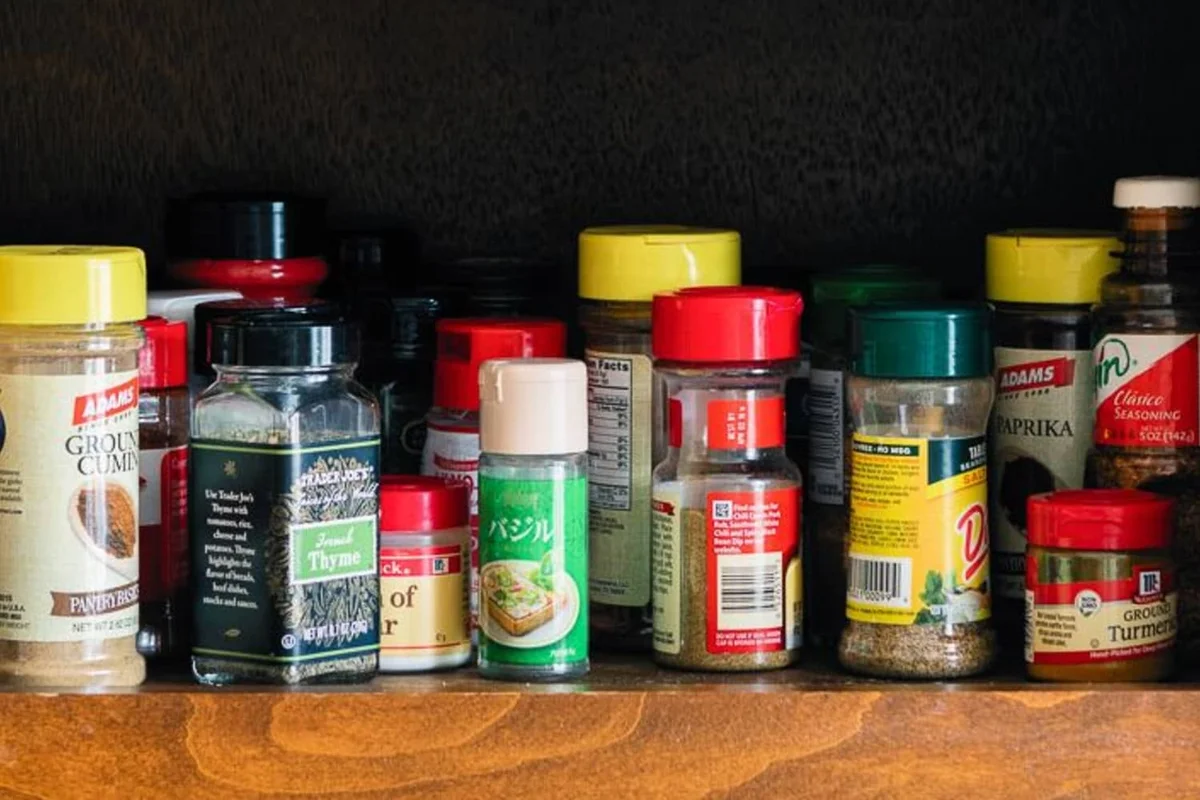 HuggieGems Metal 4-Pack Magnetic Spice Rack Organizer for Refrigerator Black
 SONGMICS 4-Pack Ink Black and Bamboo Magnetic Spice Rack UKCS062BH01
 TINANA 6-Pack Magnetic Spice Rack Refrigerator Organizer with Paper Towel HolderULIBERMAGNET Magnetic Folding Shelf 40LBS Heavy Duty Rack for Garage and Workshop
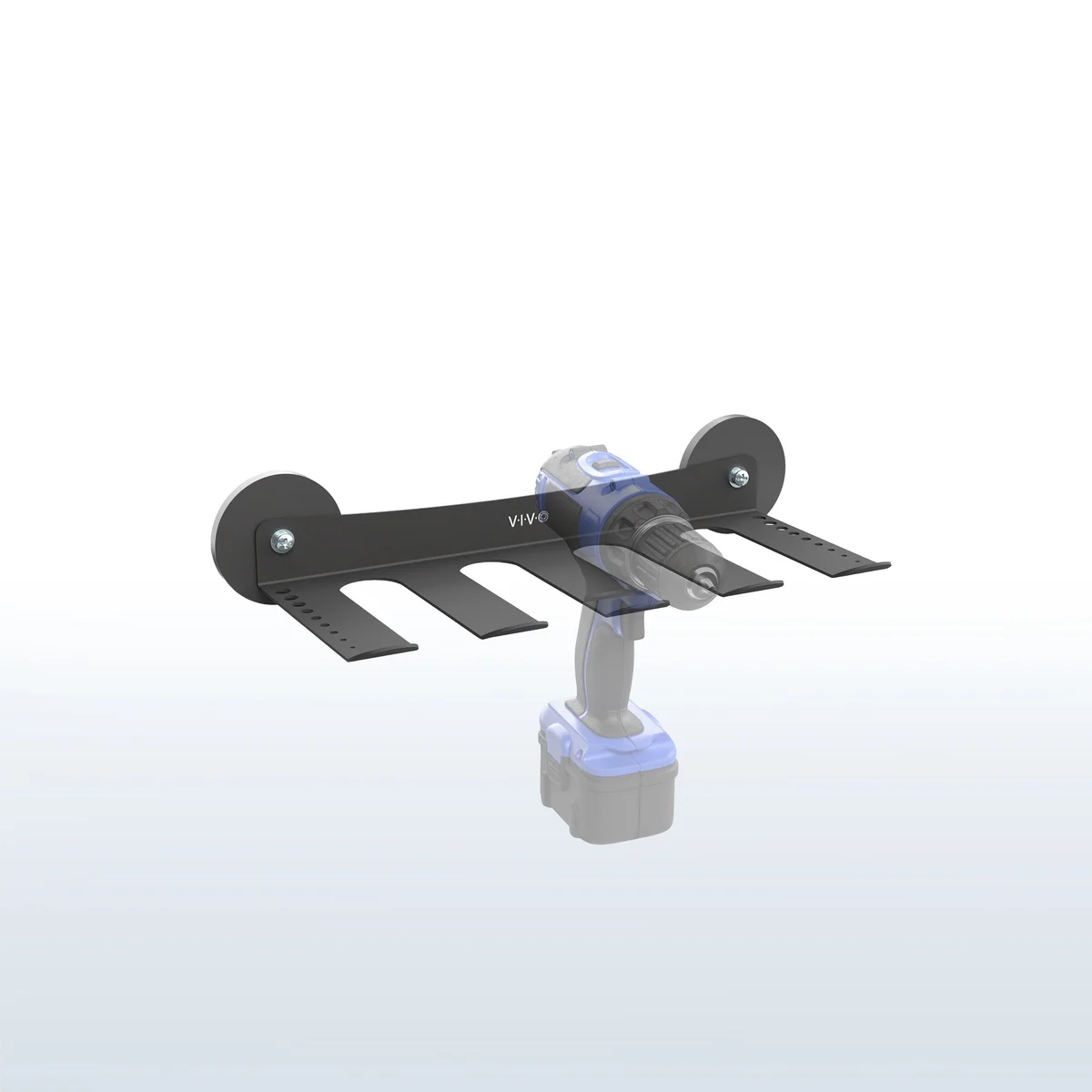 VIVO Magnetic Power Tool Organizer with 4 Drill Slots and 9 Screwdriver Holders, Black MOUNT-MAGPT1
More on magnetic shelves
Explainer
Gauss Numbers on Magnetic Shelves Are Mostly Useless: Here Is the Spec That Actually Predicts Holding Power
Gauss measures field density at one point, not how much weight a magnetic shelf can hold. Here is why pull force in pounds is the only spec worth comparing, and how to apply it to a real fridge door.
Explainer
Why Magnetic Shelves Won't Stick to Many Stainless Steel Fridges, and What to Do About It
Most modern stainless fridges use non-magnetic 304 steel on the door. Here is how to test before you buy, which finishes do hold, and the workarounds that actually work.
Buying guide
How to Choose a Magnetic Shelf: Surface, Load, and Use-Case Decisions That Actually Matter
A practical buying guide for magnetic shelves: how to test your surface, what real holding force looks like in pounds rather than Gauss, and when to pick a kitchen kit, garage folding shelf, workshop tool organizer, or whiteboard display shelf.