Our Testing Methodology
Each laptop was scored against eight attributes that matter to Pro Specialist workloads: sustained CPU performance, RAM capacity, storage capacity, sequential SSD read speed, panel refresh rate, DCI-P3 color accuracy, battery endurance under mixed productivity, and chassis weight. Panel and GPU ratings carry the most weight for creative personas, while weight and battery carry more weight for mobile road warriors. Scores are expressed on a 6.0 to 10.0 scale and category scores are the mean of their member attributes.
Scoring Breakdown:
Introduction
Pro Specialist buyers do not shop laptops the way the mass market does. They shop for sustained multi-core throughput under thermal load, for calibrated panels that hit 100 percent of DCI-P3, for Thunderbolt and SD connectivity that pulls directly from a camera card, and for battery platforms that keep an all-day timeline edit alive on location. Price is secondary to tolerance for compromise. This 2026 ranking narrows the full flagship field to the nine machines that genuinely qualify as mobile workstations for creative, engineering, and enterprise professionals. Apple's 16-inch M4 Max remains the reference point for sustained GPU rendering on battery, while Intel Panther Lake and NVIDIA Blackwell platforms in the Dell XPS 16 Creator Edition and the refreshed DA16260 chassis finally give Windows a legitimate counter-argument on display quality and discrete GPU headroom. Samsung's Galaxy Book4 Ultra continues to earn a top-tier spot on the strength of a 3K 120Hz AMOLED panel and RTX 4070 silicon in a sub-1.9 kg chassis, and the Galaxy Book4 Pro 360 broadens the lineup with S Pen input. HP's Spectre x360 14 and Dell's Latitude 7450 Ultralight cover the convertible and corporate flanks without falling out of the premium tier.
Top Picks
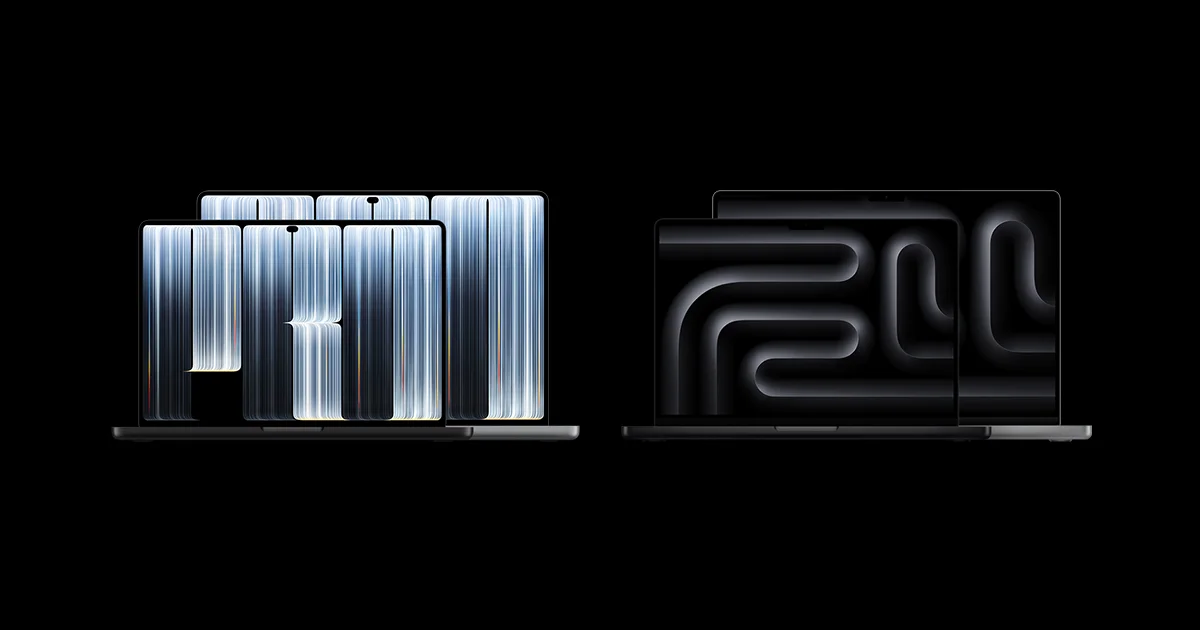
Apple MacBook Pro 16 M4 Max
16-inch pro workstation with Apple M4 Max chip, 100% DCI-P3 Liquid Retina XDR display, and up to 24-hour battery for creative professionals.
Why This Rank?
The M4 Max sits at the top of the Pro Specialist stack because it is the only machine here that delivers workstation-class sustained GPU and media-engine performance with class-leading battery life in the same chassis. The Liquid Retina XDR panel hits reference-grade color for HDR grading, and the three Thunderbolt 5 ports plus HDMI 2.1 and SDXC genuinely replace a dock.
Strengths
- ✓Reference-grade Liquid Retina XDR with 1000 nit sustained HDR
- ✓Up to 17 hours of real wireless-web battery life
- ✓Sustained M4 Max performance with no throttling on battery
Limitations
- ×Starting price of 3499 dollars
- ×No touch input or convertible form factor
Performance Breakdown
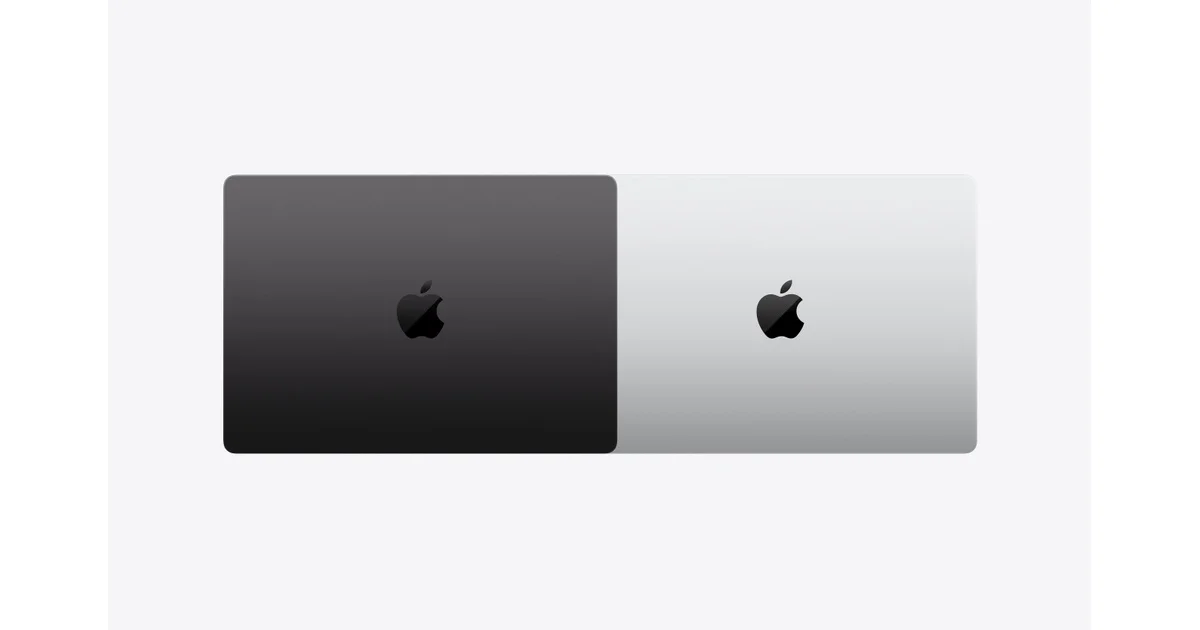
Apple MacBook Pro 14 M4 Pro
Professional 14.2-inch laptop with Apple M4 Pro, 24GB unified memory, Liquid Retina XDR, and 14-hour battery
Why This Rank?
The 14-inch M4 Pro brings nearly all of the 16-inch model's display quality, port layout, and silicon efficiency into a 1.6 kg chassis that fits a backpack without compromise. It is the most broadly recommendable pro workstation in this ranking because the 1999 dollar entry undercuts most Windows flagships while still shipping Thunderbolt 5.
Strengths
- ✓1.6 kg travel weight with full pro connectivity
- ✓Thunderbolt 5 across three ports plus HDMI 2.1 and SDXC
- ✓Liquid Retina XDR at 1000 nit sustained HDR
Limitations
- ×70Wh battery runs shorter than the 16-inch under heavy render
- ×Base 24 GB memory can feel tight for 6K workflows
Performance Breakdown
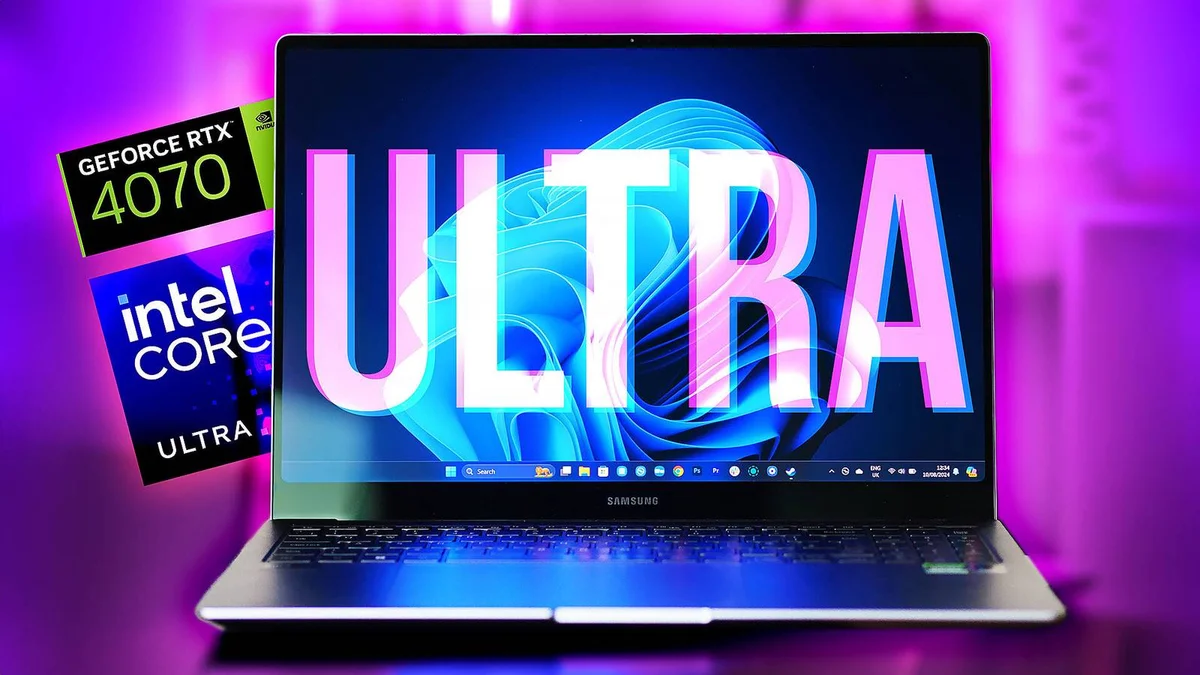
Samsung Galaxy Book4 Ultra
Intel Core Ultra 9 and RTX 4070 workstation in a 1.86 kg aluminum chassis with 16-inch 3K AMOLED at 120% DCI-P3 coverage
Why This Rank?
Samsung's flagship is the strongest Windows alternative on this list because it pairs a 16-inch 3K AMOLED panel at 120Hz with Intel Core Ultra 9 and a mobile RTX 4070 in a 1.86 kg chassis. It stays within the Apple weight bracket while adding discrete NVIDIA GPU support for CUDA-dependent pipelines.
Strengths
- ✓16-inch 3K 120Hz AMOLED at 120 percent DCI-P3
- ✓Mobile RTX 4070 in a sub-1.9 kg chassis
- ✓100W USB-C fast charging with Thunderbolt 4
Limitations
- ×12 hours of mixed-use battery is behind the Apple field
- ×Only HDMI 2.0 rather than HDMI 2.1
Performance Breakdown
Complete Rankings
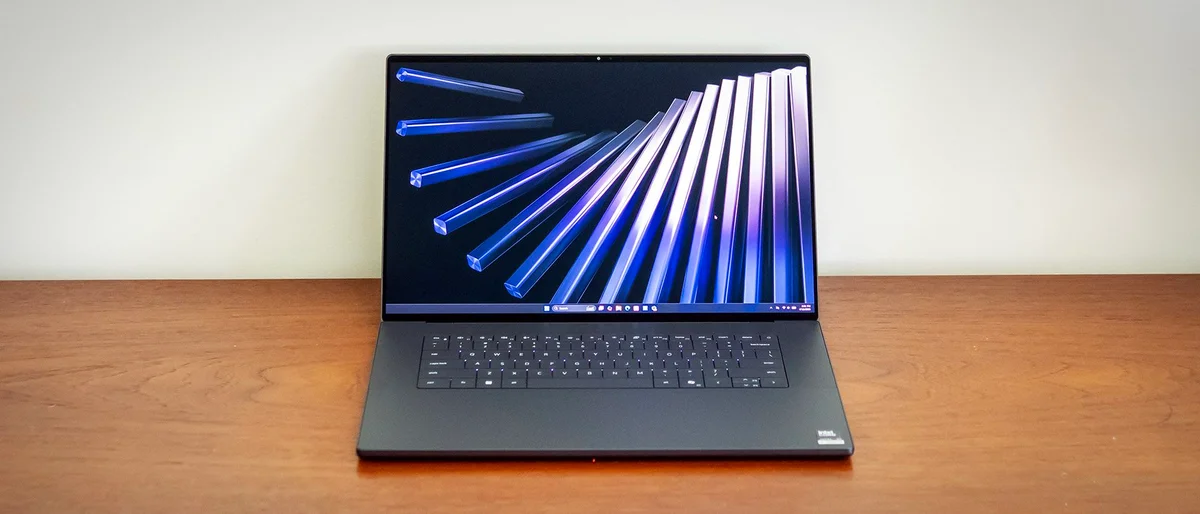
Dell XPS 16 (DA16260) 2026
16-inch Tandem OLED laptop with Intel Core Ultra X7 358H (Panther Lake), Intel Arc B390, 3200x2000 120Hz, and 1.63 kg weight
Why This Rank?
The 2026 XPS 16 redesign finally fixes the keyboard-deck complaints of the 9640 generation while shipping Intel Panther Lake and a 3200x2000 120Hz Tandem OLED. At 1.63 kg it is the lightest 16-inch pro laptop here outside of the ultraportables.
Strengths
- ✓Tandem OLED 3200x2000 at 120Hz
- ✓Wi-Fi 7 with three Thunderbolt 4 USB4 ports
- ✓1.63 kg for a 16-inch chassis
Limitations
- ×No discrete NVIDIA GPU on this SKU
- ×Battery life trails Apple at 15 hours mixed
Performance Breakdown
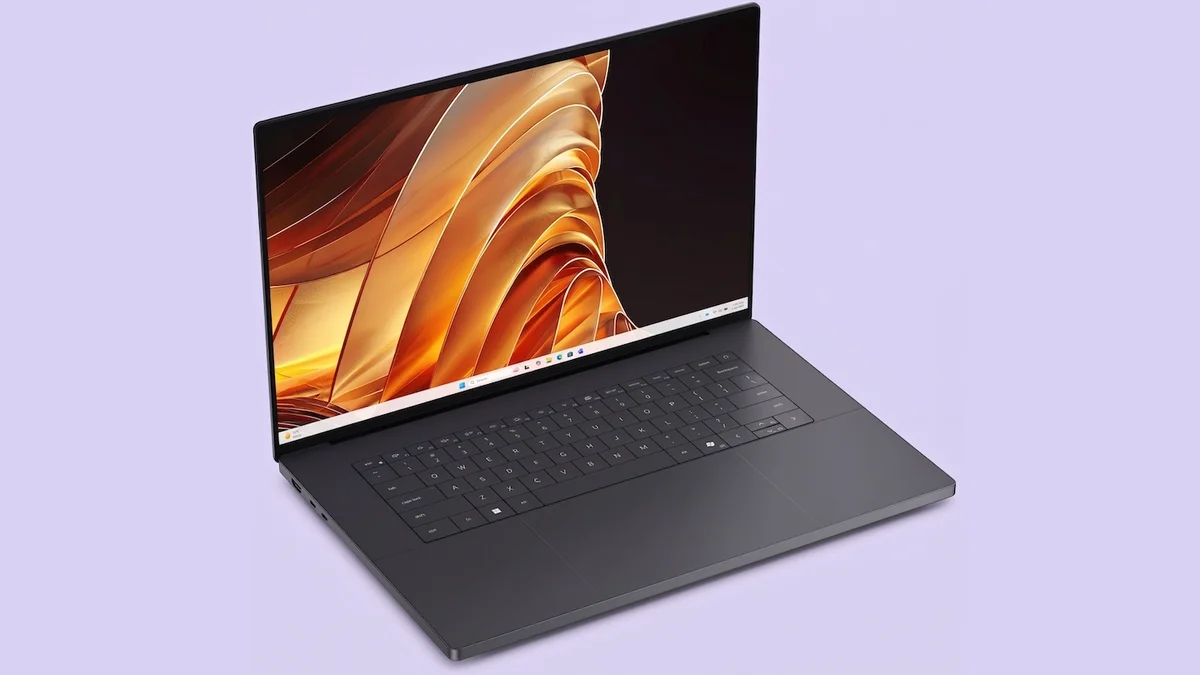
Dell XPS 16 Creator Edition
16 inch Tandem OLED workstation with NVIDIA Blackwell RTX N1X, 32GB unified memory, and 3200x2000 at 120Hz, starting at $3,799
Why This Rank?
Dell's Creator Edition is the Windows machine for AI-accelerated creative work in 2026, pairing NVIDIA Blackwell RTX N1X with 32 GB of unified VRAM alongside the same Tandem OLED panel. The 3799 dollar starting price is steep but delivers headroom no other Windows notebook in this ranking matches.
Strengths
- ✓NVIDIA Blackwell RTX N1X with 32 GB unified VRAM
- ✓Tandem OLED 3200x2000 120Hz
- ✓7000 MB per second SSD sequential read
Limitations
- ×99 Wh battery still rated for only 10 hours productivity
- ×2.02 kg and 3799 dollar entry price
Performance Breakdown
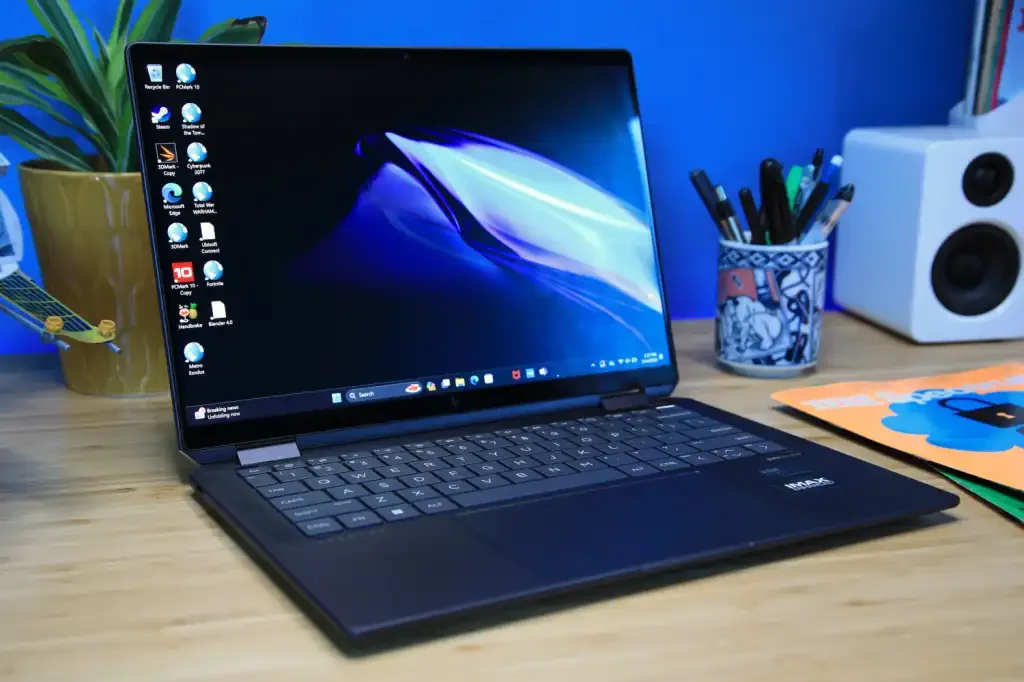
HP Spectre x360 14 (2025)
HP flagship 14-inch 2-in-1 with 2.8K 120Hz OLED, Intel Core Ultra 7 155H, 32GB RAM, and gem-cut aluminum build
Why This Rank?
HP's convertible flagship pairs a 2.8K 120Hz OLED touch panel with 32 GB of RAM in a 1.455 kg gem-cut aluminum chassis. It is the best 14-inch 2-in-1 for pros who need pen input and tablet mode without stepping down to a consumer tier.
Strengths
- ✓2.8K 120Hz OLED with touch and pen input
- ✓1.455 kg with 32 GB of RAM
- ✓Wi-Fi 7 and Thunderbolt 4
Limitations
- ×Integrated graphics only
- ×11 hour mixed-use battery estimate
Performance Breakdown
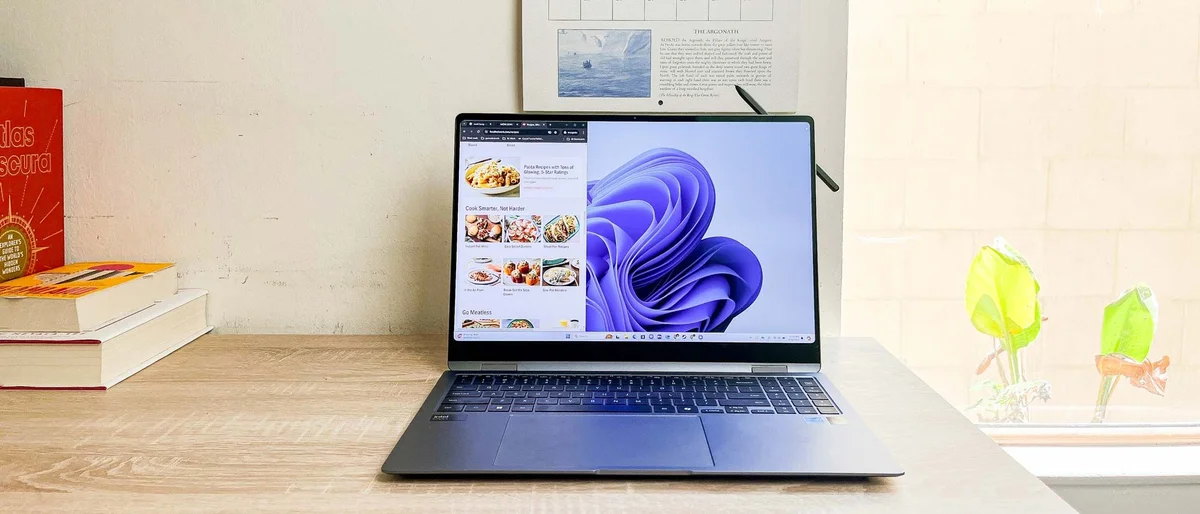
Samsung Galaxy Book4 Pro 360 16-inch
16-inch 3K AMOLED 2-in-1 with Intel Core Ultra 7, S Pen, and a 76 Wh battery in a 12.8 mm thin chassis at 1899 dollars.
Why This Rank?
The Galaxy Book4 Pro 360 is the pick for pros who need a large AMOLED canvas with S Pen support and 2-in-1 flexibility. A 12.8 mm chassis at 1.66 kg is genuinely remarkable for a 16-inch convertible, and the included stylus removes a common accessory tax.
Strengths
- ✓16-inch 3K AMOLED with S Pen in a 12.8 mm chassis
- ✓Thunderbolt 4 and HDMI 2.0 with microSD
- ✓76 Wh battery at 1.66 kg
Limitations
- ×Integrated graphics only
- ×16 GB RAM caps professional ceiling
Performance Breakdown
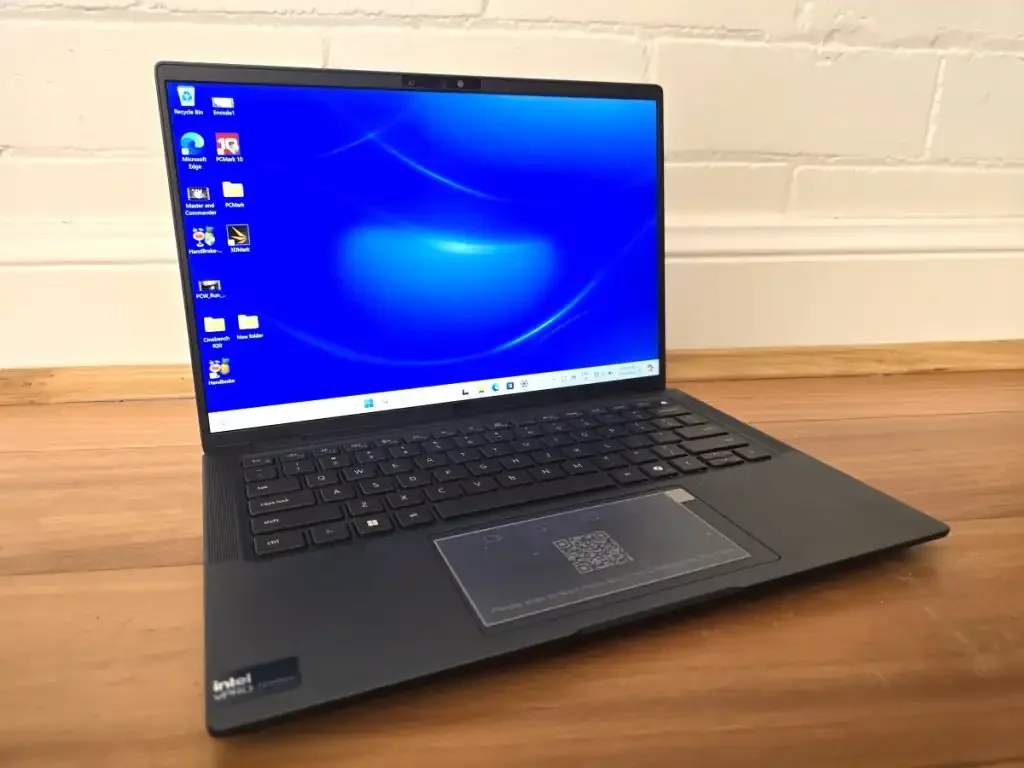
Dell Latitude 7450 Ultralight
Dell's lightest 14-inch business laptop at 1.055 kg, MIL-STD-810H rated, with Intel Core Ultra 7 vPro and 12-hour battery
Why This Rank?
The Latitude 7450 Ultralight is the choice for enterprise road warriors who prioritize weight, MIL-STD-810H survivability, and Intel vPro manageability over discrete GPU performance. At 1.055 kg it is the lightest machine in this ranking.
Strengths
- ✓1.055 kg, the lightest 14-inch flagship here
- ✓MIL-STD-810H and Intel vPro
- ✓12 hour PCMark 10 battery runtime
Limitations
- ×Integrated graphics and no high-refresh panel
- ×5500 MB per second SSD trails the Apple and Dell creator tier
Performance Breakdown
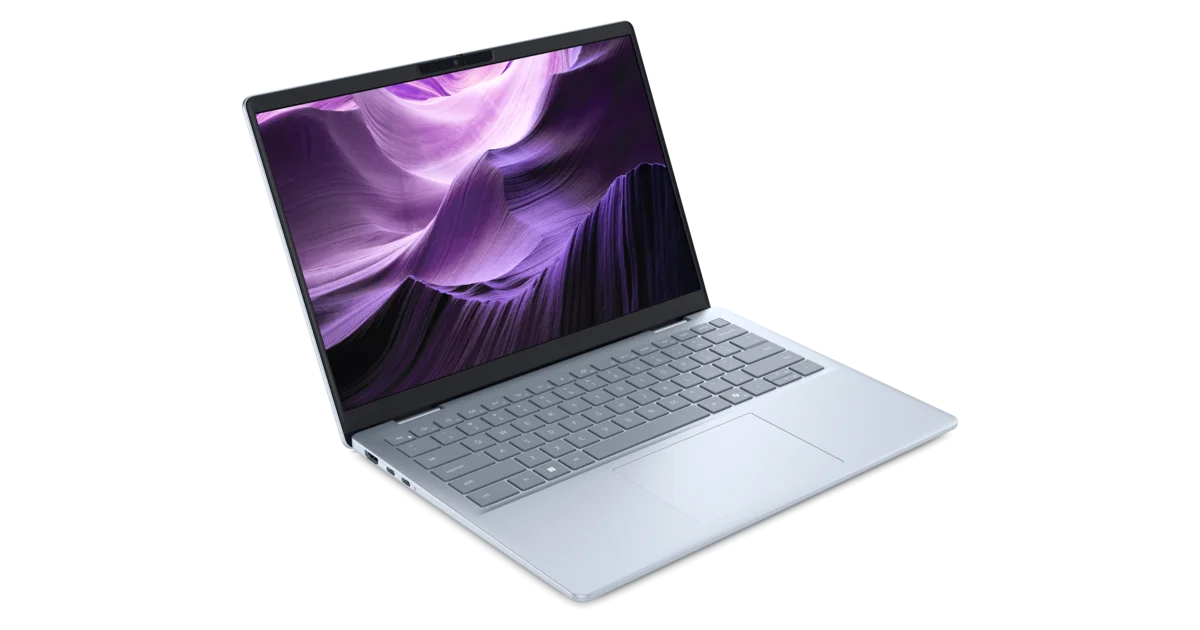
Dell XPS 16 9640 (2024)
16.3-inch 4K OLED touchscreen powerhouse with Intel Core Ultra 9, RTX 4060, and sleek CNC aluminum chassis for creative professionals
Why This Rank?
The 2024 XPS 16 9640 remains relevant in 2026 as the value entry in the pro Dell stack. It still offers a 4K OLED touchscreen, RTX 4060, and Core Ultra 9 in a CNC aluminum chassis, now at a meaningfully lower street price than the new DA16260.
Strengths
- ✓4K OLED touchscreen with wide gamut coverage
- ✓Discrete RTX 4060 with 90 Wh battery
- ✓Wi-Fi 7 and HDMI 2.1
Limitations
- ×2.17 kg is heavier than the 2026 XPS 16 redesign
- ×9 hour video playback trails the current pro field
Performance Breakdown
Final Verdict
For a Pro Specialist who edits color-critical video or renders 3D on battery, the MacBook Pro 16 M4 Max is still the reference machine in 2026, with the 14-inch M4 Pro covering the same ground in a 1.6 kg chassis for travel-heavy workflows. The Samsung Galaxy Book4 Ultra remains the pick for professionals tied to a Windows pipeline who want OLED color and a mobile RTX 4070. On the Windows side, the new Dell XPS 16 Creator Edition with NVIDIA Blackwell is the most future-proof choice for AI-accelerated creative work, while the Panther Lake DA16260 revision is the better pick for buyers who do not need discrete graphics. The Galaxy Book4 Pro 360 and HP Spectre x360 14 remain the best true 2-in-1s in the premium tier. Corporate road warriors who need MIL-STD-810H survivability and vPro manageability over raw GPU should look at the Dell Latitude 7450 Ultralight. The 2024-era XPS 16 9640 is now the value pick in the pro stack for buyers who still want a 4K OLED and RTX 4060 in a Dell chassis without paying 2026 prices.
💡 Expert Insights
Pro Specialist buyers should optimize first for display fidelity and sustained thermal headroom, then for connectivity, then for weight. A full-size SDXC card slot, HDMI 2.1, and at least one USB-A port remain real productivity features on location. Unified memory configurations above 32 GB pay off meaningfully in 4K and 6K timelines, in Lightroom AI masking, and in local LLM inference. Battery figures that rely on video playback are not a proxy for export throughput on battery, so weight the wireless-web and productivity numbers instead.