Explainer
Why Your E-Bike Won't Go as Far as the Box Says, and How to Estimate Real Range
Advertised e-bike range is a lab ceiling, not a forecast. Here is how watt-hours work, the formula for a realistic number, and what quietly eats the rest.
Updated November 6, 2026 · Based on 9 sources · How we research
If you are shopping for an e-bike by comparing "up to" range numbers on product pages, you are reading marketing, not forecasts. Those figures come from tests run with the lowest assist level, a light rider, flat ground, warm weather and a fresh battery. Real routes almost never match them. The one number that lets you compare bikes honestly is watt-hours (Wh) of battery capacity, because it tells you how much energy you actually have. This guide walks through what Wh means, the formula that turns it into a realistic mileage estimate, and the conditions that quietly drain the rest. It is written for buyers choosing between two or three e-bikes whose advertised ranges look similar but whose batteries are not.
The advertised range is a ceiling, not a forecast
Independent reviewers and e-bike publications consistently find that real-world rides return 50 to 70 percent of the range printed on the box. Electric Bike Explorer puts the typical band at 50 to 70 percent and gives the example of a bike claiming "up to 60 miles" delivering 30 to 45 miles in realistic use. eBikeLocal's 2026 range guide offers a simple planning rule: multiply the advertised maximum by 0.6, and use 0.4 for heavier riders, hills, winter, or high assist.
Consumer Reports gives a sharp illustration of the gap. Its testers ran e-bikes on a hilly course at maximum assist and recorded only 15 to 30 miles before the batteries gave out, as KSAT's coverage of the CR test reports. That is far below the headline claims on those bikes' spec sheets, not because anything broke, but because the testing conditions were nothing like the manufacturer's lab.
The reason the box number is so flattering is that it is produced to be. Electric Bike Explorer lists the usual recipe: lowest pedal assist (often PAS 1), flat terrain, a light rider, a steady speed, no wind, warm weather, fully inflated tires and a brand-new battery. Trek itself quotes a general range of "20 to 100 miles on a single charge" in its e-bike FAQ, and lists wind, weather, temperature, terrain, assist level and weight as the variables.
What does Wh mean on an e-bike battery?
Watt-hours are the total usable energy in the battery, the way gallons are the total fuel in a tank. The formula is simple: watt-hours equals volts multiplied by amp-hours, or Wh = V × Ah. A 48V battery rated at 14Ah holds 672 Wh. A 36V battery with the same 14Ah rating holds only 504 Wh, as Wildeway's Wh vs Ah explainer sets out. That is why comparing bikes by amp-hours alone is misleading: two packs with identical Ah figures can hold meaningfully different amounts of energy.
Watt-hours are also the only battery spec that transfers cleanly across brands. Advertised range is a brand's claim; Ah ignores voltage; motor wattage is about peak power, not energy stored. Wh is the number that asks the same question of every bike: how much fuel is in the tank? Trek frames range around "battery size measured in watt hours (Wh)" and lists its own common pack sizes at 160 Wh (TQ range extender), 360 Wh, 500 Wh and 625 Wh.
One more wrinkle: rated Wh and usable Wh are not the same. The battery management system never lets you run a pack fully flat, and voltage sag near the bottom of the charge eats into what is available. RiderGuide's calculator assumes about 85 percent of the rated Wh is actually usable for propulsion, and VoltCalcs cautions that real-world runtime is typically 10 to 20 percent under the theoretical figure. For a 672 Wh pack, that leaves roughly 570 to 605 Wh to spend on the road.
How far will an electric bike actually go on a charge?
The working formula is range equals usable watt-hours divided by watt-hours per mile. Published consumption figures cluster in a few bands. Wildeway gives 15 to 20 Wh per mile for conservative riding on flat terrain, 25 to 35 Wh per mile for mixed urban conditions with hills, and 40 to 50+ Wh per mile for full throttle and steep climbs. Electric Bike Explorer uses a slightly wider framing: 12 to 18 Wh per mile for light assist on flat ground, 18 to 25 for mixed commuting, and 25 to 40+ for fast, hilly or throttle-heavy use.
A worked example makes the gap concrete. The Aventon Level.2 carries a 48V, 14Ah pack, which is 672 Wh. Advertised range is 60 miles. The manufacturer's implicit assumption is therefore 672 ÷ 60 = 11.2 Wh per mile, right at the bottom edge of "light assist on a flat road, pedaling hard." A commuter at PAS 3 on mixed terrain, drawing 20 Wh per mile, will get 672 × 0.9 ÷ 20, or roughly 30 miles, half the box figure. The same rider at 15 Wh per mile on a mostly flat commute lands around 40 miles. Both of those are reasonable; the 60-mile figure is the ceiling.
Speed is the single factor most buyers underestimate. Air resistance grows with the square of speed, so power demand grows roughly with the cube. eBikeLocal notes that riding at 28 mph typically costs 50 to 70 percent more energy per mile than riding at 20 mph. That is why a Class 3 speed pedelec on a short commute can burn through a battery no faster bike would touch: the rider spent more time near top speed.
What factors reduce electric bike range?
Range math breaks down in predictable ways. The factors that matter most, drawn from Electric Bike Explorer, eBikeLocal and Trek's FAQ, are listed below. Any two or three stacked can cut a 60-mile claim to under 30 real miles.
- Assist level. Eco or PAS 1 is where the box figure comes from. Turbo or full throttle draws 2 to 3 times more energy per mile.
- Throttle versus pedal assist. Throttle-only riding on fat-tire bikes commonly hits 25 to 40+ Wh per mile, per Electric Bike Explorer.
- Hills. Every meter of climbing costs energy the motor has to supply on top of propulsion; eBikeLocal calls hills "the largest single drain on a battery."
- Rider weight and cargo. More mass means more work to accelerate and climb. A 220 lb rider will consistently get less range than a 150 lb rider on the same bike.
- Speed. Riding at 28 mph costs 50 to 70 percent more energy per mile than 20 mph (eBikeLocal).
- Wind. A steady headwind can cost 10 to 15 percent of range or more.
- Cold. Lithium-ion packs lose 10 to 20 percent of usable capacity in the 32 to 59°F band and 20 to 30 percent at around 14°F, per EM3EV's cold-weather guide. The capacity returns when the pack warms up.
- Tire pressure and tire type. Underinflated or knobby tires raise rolling resistance; fat tires at low pressure will cost noticeably more Wh per mile than road tires.
- Stop-and-go riding. Frequent acceleration drains the battery faster than steady cruising.
Is a 60-mile range on an e-bike realistic?
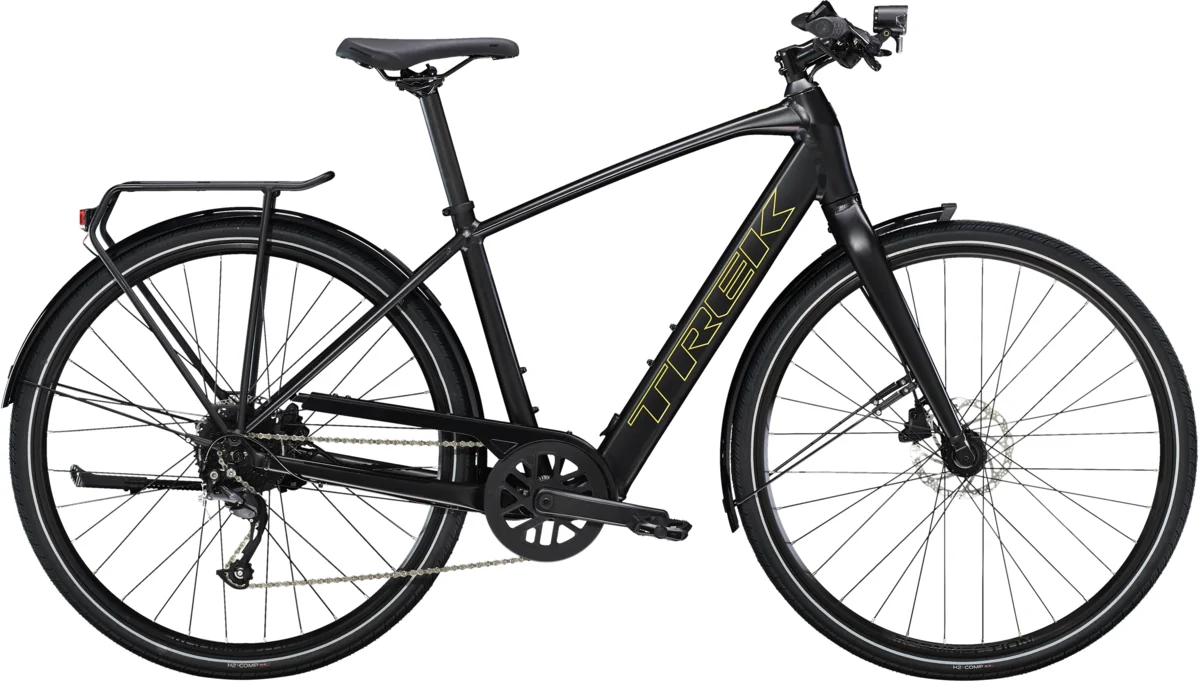
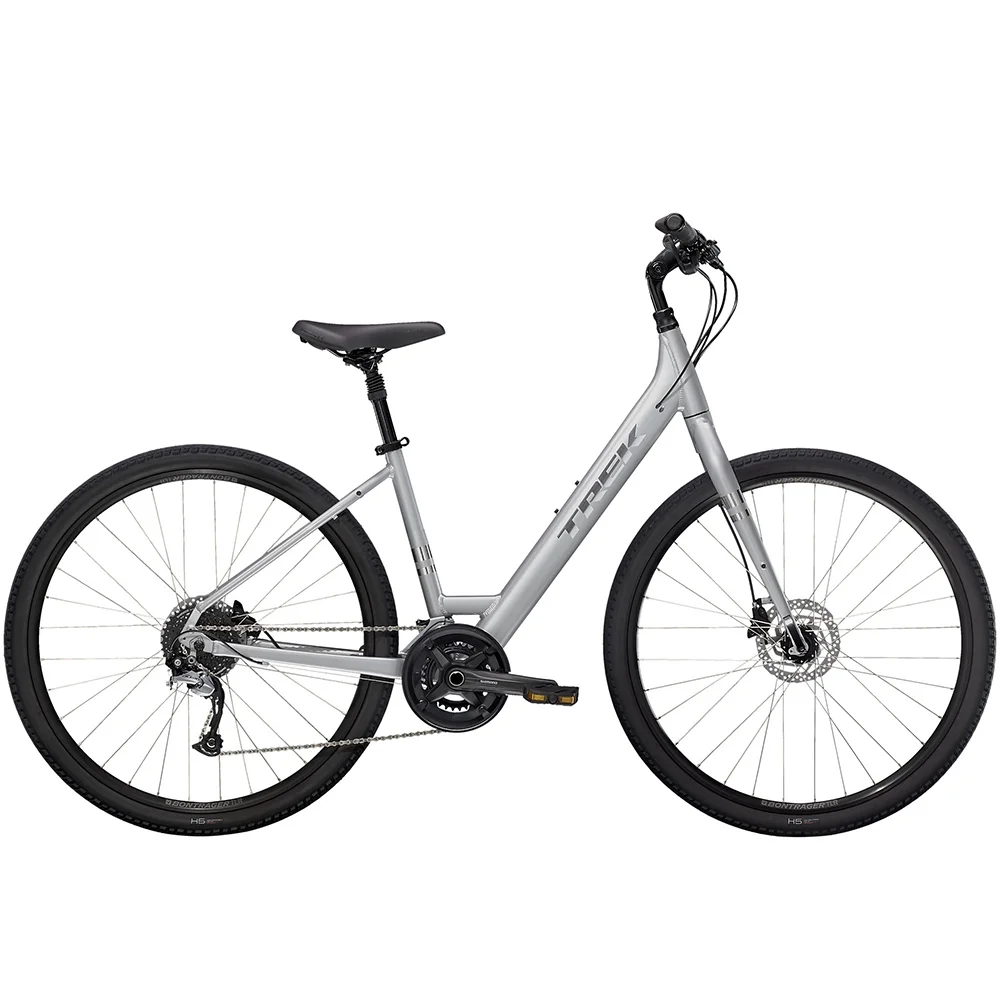
Sometimes, under narrow conditions. Both the [Aventon Pace 500.3](/items/aventon-pace-500.3-2024) and the Aventon Level.2 advertise 60 miles, but from different 48V packs: the Pace 500.3 carries 614 Wh (about 12.8Ah) and the Level.2 carries 672 Wh (14Ah). A light rider on PAS 1, pedaling actively on flat ground, can approach either figure. The same riders at PAS 3 or 4 with any hills will land closer to 28 to 35 miles. The Trek Verve+ 3 Lowstep also claims 60 miles, but from a smaller 500 Wh Bosch pack; its claim depends on a mid-drive motor and a torque sensor that use energy efficiently.
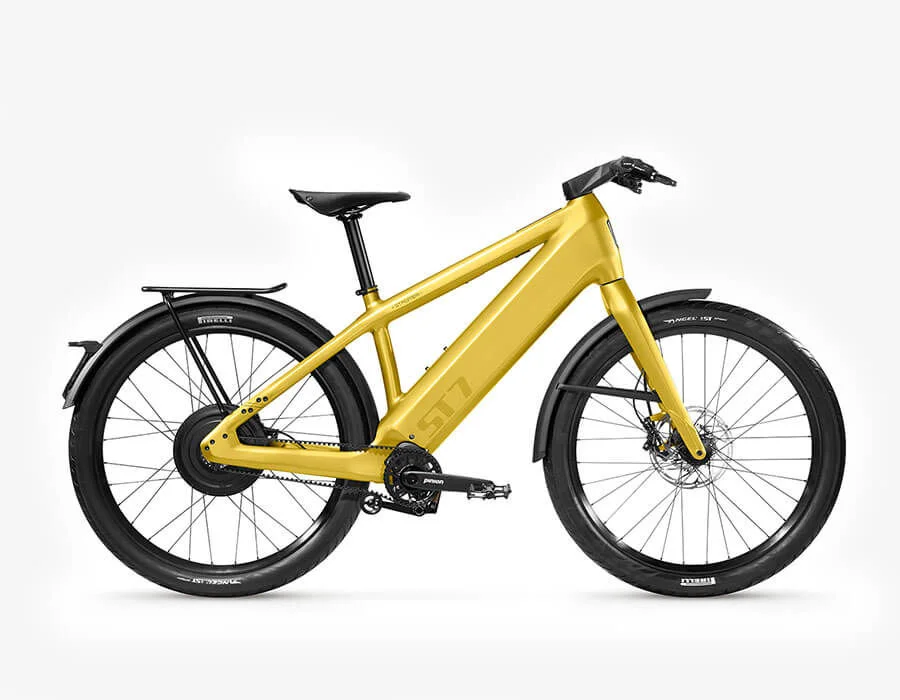
The longest claims come from the biggest batteries. The Stromer ST7 carries 1,440 Wh and advertises 110 miles, an implicit 13.1 Wh per mile. Even cut to the 50 to 70 percent band that Electric Bike Explorer cites for real-world use, that pack still delivers well over 50 miles in typical commuting. The pattern is consistent: the biggest-battery bikes come closest to their claims because their riders cruise at steady speeds rather than sprint.
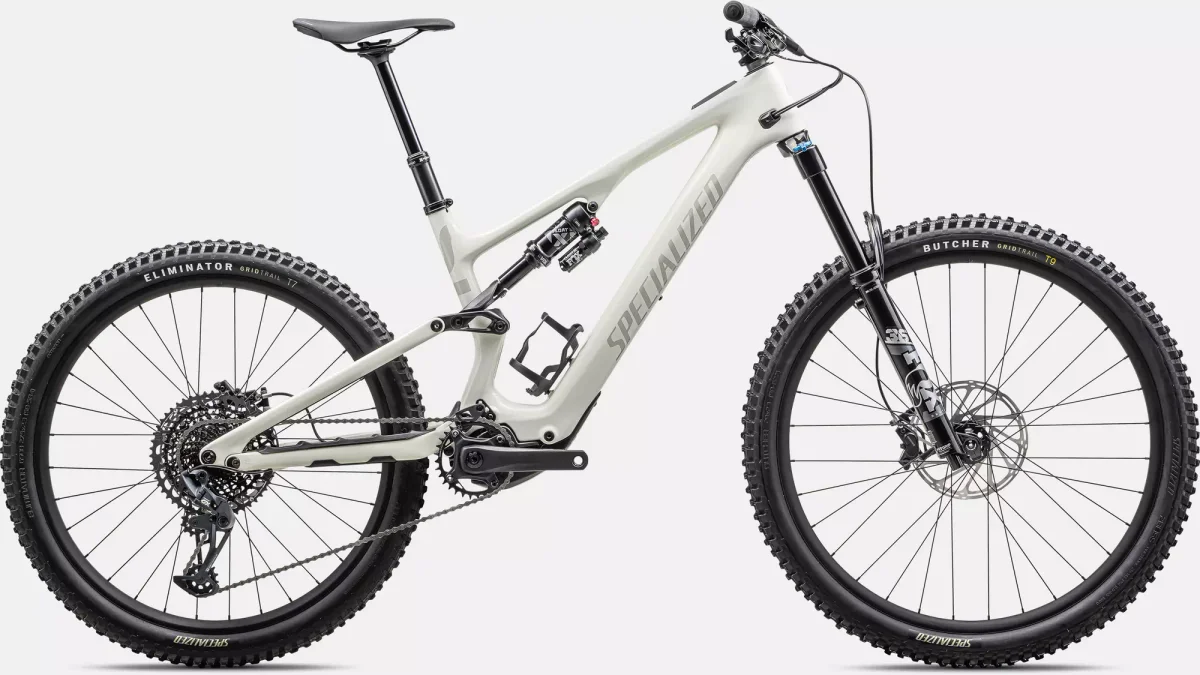
The claims that deserve the most skepticism are long-range numbers from small batteries. The Specialized Turbo Levo SL Comp Carbon advertises 75 miles from a 320 Wh internal pack, an implicit 4.3 Wh per mile that only holds up on a very light trail at the lowest assist setting. Specialized's Mission Control app lets riders tune power delivery to stretch range, but the advertised figure is a laboratory best case, not a trail forecast. Bikes like this exist because weight matters more than range on singletrack.
| Model | Battery (Wh) | Claimed range | Implicit Wh/mi | Planning estimate at 20 Wh/mi |
|---|---|---|---|---|
| [Aventon Pace 500.3](/items/aventon-pace-500.3-2024) | 614 | 60 mi | 10.2 | ~28 mi |
| Aventon Level.2 | 672 | 60 mi | 11.2 | ~30 mi |
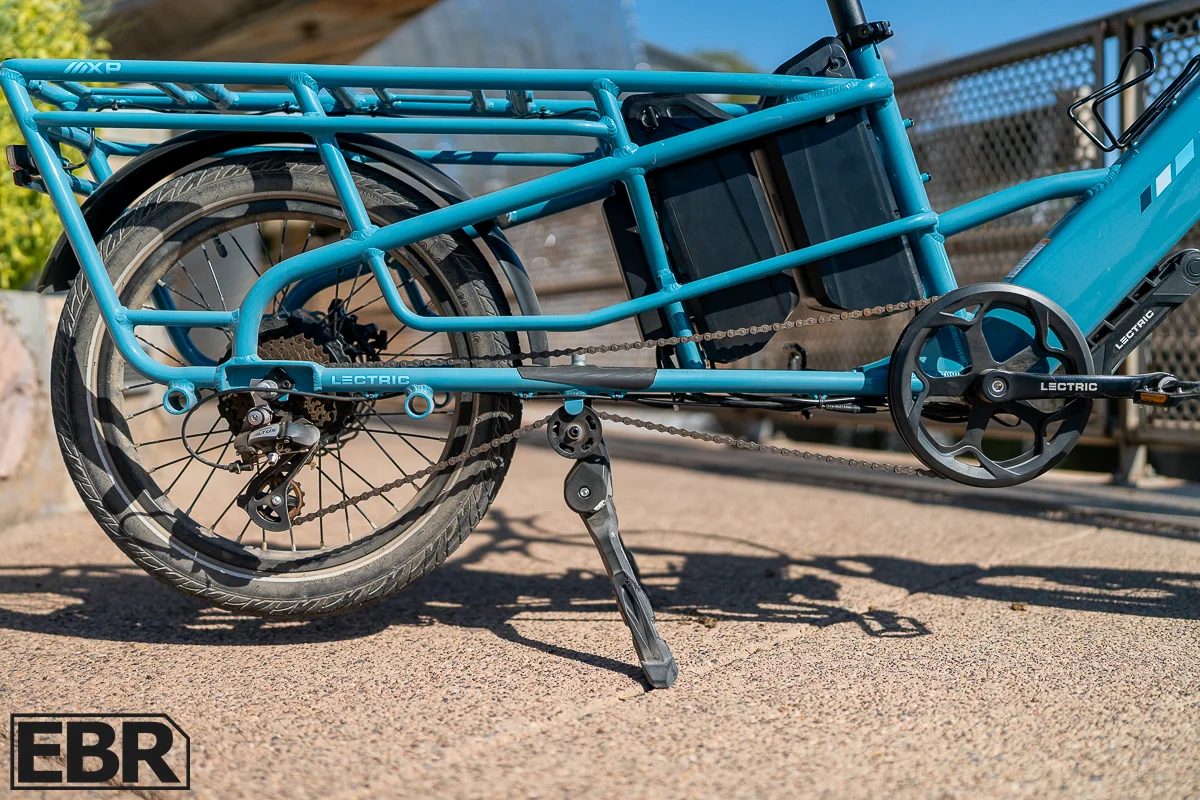
| [Lectric XP 3.0](/items/lectric-xp-3.0-2024) | 672 | 45 mi | 14.9 | ~30 mi |
| Trek Verve+ 3 Lowstep | 500 | 60 mi | 8.3 | ~23 mi |
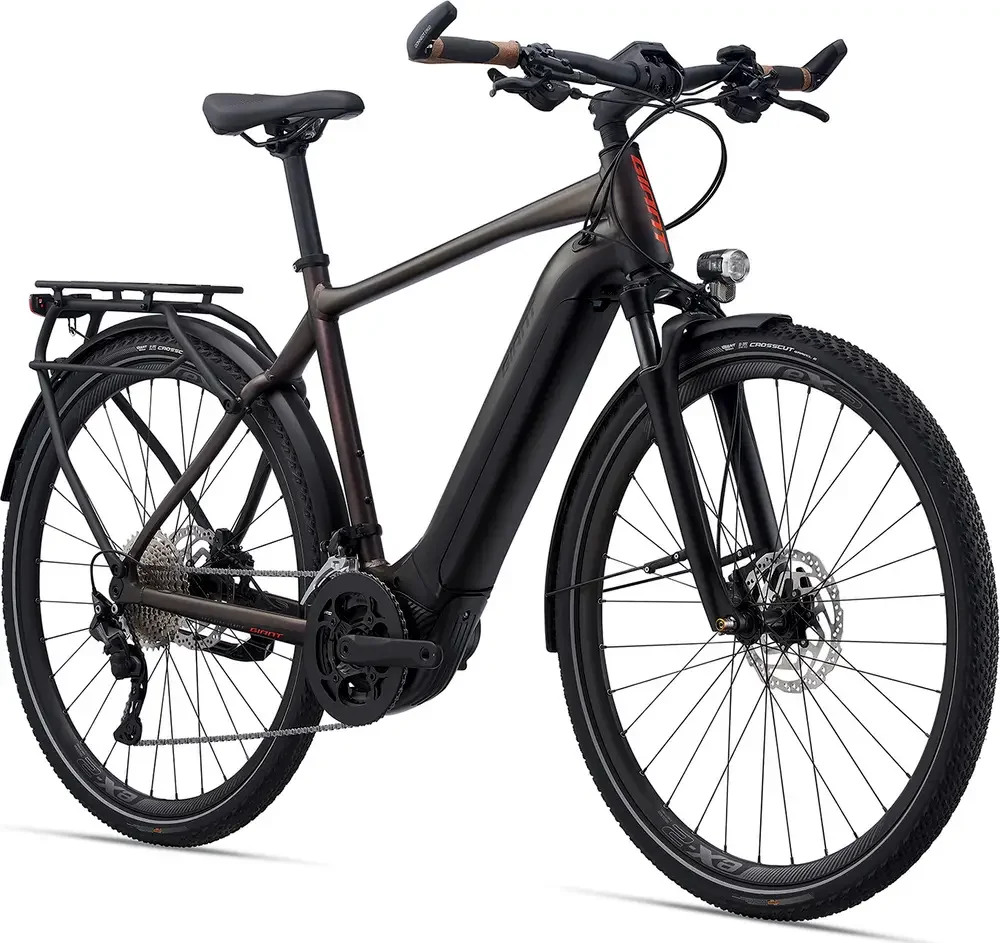
| Giant Explore E+ 1 Pro GTS | 625 | 75 mi | 8.3 | ~28 mi |
| Stromer ST7 | 1,440 | 110 mi | 13.1 | ~65 mi |
| Specialized Turbo Levo SL Comp Carbon | 320 | 75 mi | 4.3 | ~14 mi |
How do I compare e-bike batteries across brands?
Convert everything to watt-hours and ignore the rest. If a brand lists only volts and amp-hours, multiply them. If a brand lists Wh directly, you are already there. Then divide by the advertised range to see what Wh per mile figure the manufacturer baked in. A number in the 5 to 10 Wh per mile range is a best-case ceiling; 10 to 15 is light assist on a flat road; 15 to 25 is a realistic commute number; above 25 is where throttle, hills and high speed sit.
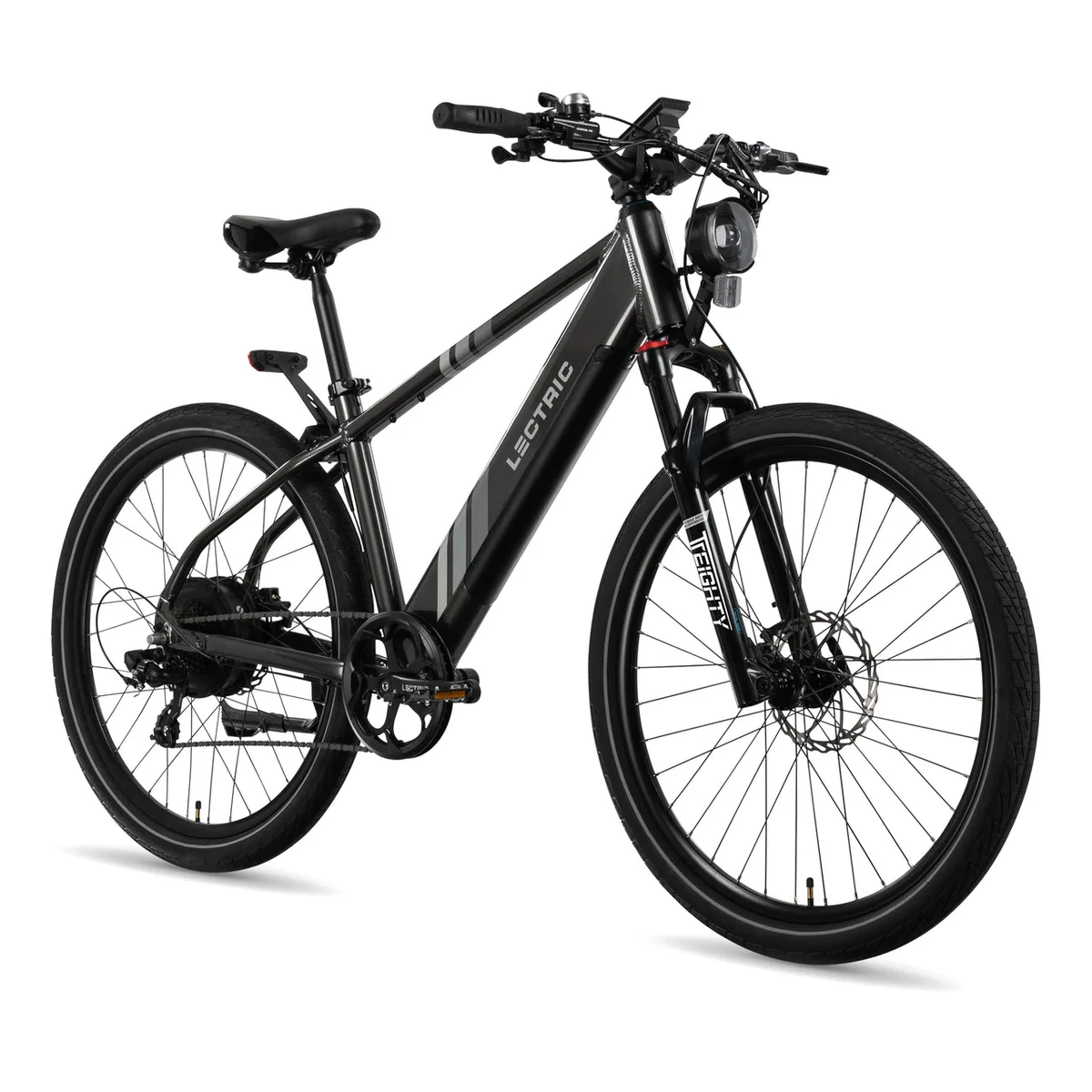
Two bikes in our rankings make the point. The Lectric XPress carries a 460 Wh pack and claims 45 miles, implying 10.2 Wh per mile. The [Lectric XP 3.0](/items/lectric-xp-3.0-2024) has a larger 672 Wh pack and claims only 45 miles, implying 14.9 Wh per mile. The XP 3.0's assumption is the more honest one for a fat-tire bike, and the larger tank gives it more real-world runway despite the identical advertised number. Comparing on advertised range alone would hide that.
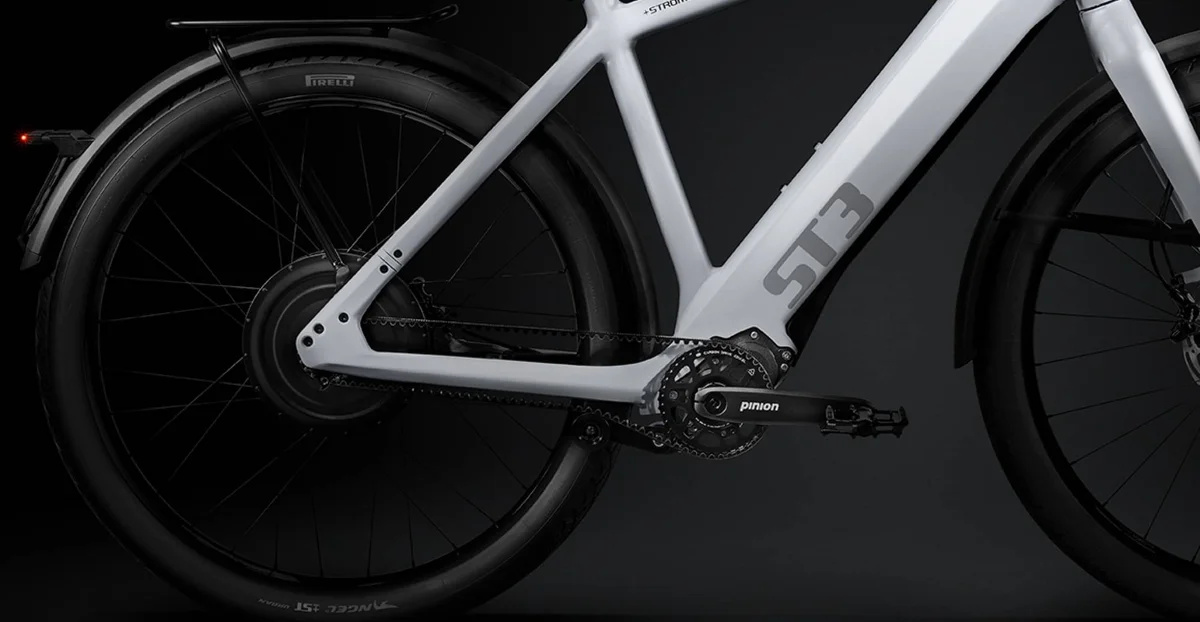
The Lectric XPedition is the clearest illustration of why Wh wins. Equipped with the dual-battery option, it carries about 1,000 Wh and claims 75 miles, an implicit 13.3 Wh per mile for a heavy cargo bike. Owners hauling real loads will not hit that; but the dual-battery capacity is a genuine advantage over single-battery cargo bikes, and you only see it by looking at Wh. For long-distance commuters prioritizing battery over all else, our professional-specialist ranking is weighted toward bikes with the largest usable Wh, which is why the Stromer ST7 and Stromer ST3 Pinion sit at the top.
The right question to ask before you buy
Rather than "how far does it go," ask "how far does it go on my commute." Measure your route in miles. Decide what assist level you will actually use (be honest; most new owners settle into PAS 3 or higher). Pick a Wh per mile figure from the bands above. Multiply out, add a 20 percent buffer for wind, cold and the battery aging, and that is the minimum pack size you should be shopping for.
A 10-mile round-trip commute at PAS 3 on a Class 2 bike needs about 200 Wh in warm weather and 280 Wh when it is cold, so any current-generation e-bike will cover it. A 25-mile round-trip at higher assist on mixed terrain pulls closer to 500 Wh, which is why bikes like the Trek Verve+ 3 Lowstep (500 Wh) and Aventon Level.2 (672 Wh) are the realistic entry points for that distance. A 40-mile daily commute or a weekend ride at Class 3 speeds wants at least 900 Wh, which narrows the market to the Stromer ST3 Pinion, the Stromer ST7 or a dual-battery cargo bike like the Lectric XPedition.
Tools help if you want a second opinion. Bosch operates a range calculator that lets you input weight, cadence, terrain, tire tread and season, and it produces a per-assist-mode estimate for its system. Third-party calculators from RiderGuide and VoltCalcs do the same arithmetic in a browser. All of them are more useful than an "up to" figure.
The short version
The headline on the box is the best figure the manufacturer could produce in a controlled test. The honest number is watt-hours of battery capacity, divided by the Wh per mile your riding actually uses. Commuters at PAS 3 on mixed terrain should plan for 20 Wh per mile; throttle-heavy or hilly riders for 30 or more. Riders prioritizing range above all else should look at Stromer or dual-battery cargo bikes like the Lectric XPedition. Everyone else should check the Wh figure, run the math, and ignore the "up to" headline.
See Best Electric Bike 2026Questions people ask
Why doesn't my electric bike reach its advertised range?+
Because the advertised figure is produced in near-ideal conditions: lowest pedal assist, flat ground, light rider, warm weather, no wind and a new battery. Real riding with higher assist, hills, cold or headwinds typically returns 50 to 70 percent of that number, and sometimes less.
How far will an electric bike actually go on a charge?+
Divide the battery's usable watt-hours (about 85 percent of its rated Wh) by your energy use per mile. Commuters on light assist use 12 to 18 Wh per mile; mixed terrain at medium assist is 18 to 25 Wh per mile; throttle-heavy or hilly riding is 25 to 40+ Wh per mile.
What does Wh mean on an e-bike battery?+
Watt-hours (Wh) is the total energy the battery holds. It equals the battery's voltage multiplied by its amp-hour rating. A 48V, 14Ah pack is 672 Wh; a 36V, 14Ah pack is 504 Wh. Higher Wh means more fuel in the tank, regardless of brand.
Is a 60-mile range on an e-bike realistic?+
Only under narrow conditions. A 60-mile claim from a 500 to 672 Wh battery assumes about 8 to 11 Wh per mile, which requires light assist, flat ground and an active pedaling rider. Most commuters at medium assist on mixed terrain will see 30 to 45 miles from the same battery.
How do I compare e-bike batteries across brands?+
Use watt-hours. If a brand only lists volts and amp-hours, multiply them. Ignore advertised range as a comparison tool because every brand measures it differently. Wh tells you how much energy is stored; the formula and your riding style tell you how far that goes.
Do e-bike batteries lose range in cold weather?+
Yes. Lithium-ion packs lose roughly 10 to 20 percent of usable capacity in the 32 to 59°F band and 20 to 30 percent at around 14°F, per cold-weather guides from suppliers like EM3EV. The loss is temporary: capacity returns when the battery warms up. Storing the pack indoors and installing it just before a ride helps.
Does riding faster reduce range?+
Significantly. Air resistance grows with the square of speed, so energy per mile grows roughly with the cube. Riding at 28 mph on a Class 3 bike typically costs 50 to 70 percent more energy per mile than riding at 20 mph, per eBikeLocal's range guide. Short Class 3 commutes often eat battery no slower bike would touch.
Is a bigger battery always better?+
Not always. More Wh adds weight, cost and charging time. Short-commute riders benefit more from efficient mid-drives and torque sensors than from an oversized pack. Long-distance riders, Class 3 commuters and cargo haulers are the ones for whom a 900+ Wh pack earns its weight.
Sources
What this guide is based on. We research from published specifications, independent reviews and owner reports; we did not test these products ourselves.
- 1.E-Bike Range Explained: Real-World Range vs "Up to 60 Miles" Claims, Electric Bike Explorer
- 2.Watt-Hours (Wh) vs. Amp-Hours (Ah): The Truth About Real-World E-Bike Range Metrics, Wildeway
- 3.eBike Range: How Far Does an Electric Bike Go? (2026), eBikeLocal
- 4.Electric Bike FAQ, Trek Bicycles
- 5.Consumer Reports puts electric bikes to the test, KSAT / Consumer Reports
- 6.Lithium Batteries and Cold Weather: 52V E-Bike Winter Guide, EM3EV
- 7.eBike Range Calculator: Estimate Your Real Miles, RiderGuide
- 8.E-Bike Battery Range Calculator - Wh per Mile, VoltCalcs
- 9.eBike range calculator for Bosch drive systems, Bosch
Products mentioned
More on electric bikes
Explainer
E-Bike Classes 1, 2, and 3: What They Mean for Where You Can Actually Ride
What Class 1, 2, and 3 mean in state and federal e-bike law, which paths, trails, and streets each one can use, and how to pick the right class for your commute.
Explainer
Why Motor Wattage Is a Marketing Number, Not a Performance Spec
There is no industry standard for how e-bike watts are measured. Here is why Newton-metres of torque and motor position are the specs that actually predict climbing and acceleration.
Buying guide
How to Choose an Electric Bike: The Decisions That Actually Matter
A first-time buyer's guide to picking an e-bike by motor position, sensor type, class, and use case, not by wattage or top speed.